Backpacking Shelters
Hammock vs Tent for Backpacking: Lightweight Shelter Options Compared
A practical comparison of hammock and tent shelters for backpacking, with real weights and prices for the components that make each setup work.
Introduction
Choosing between a hammock and a tent is one of the most personal decisions in backpacking, and both shelters come with real trade-offs. Setup time, sleep comfort, campsite selection, weather protection, weight and cost all pull in different directions, and the right answer depends on where you hike and how you sleep. This guide works through those considerations, then compares specific lightweight shelters and hammock components with published weights and prices so the two approaches can be measured side by side.
Key Considerations: Setup, Comfort, and Weight
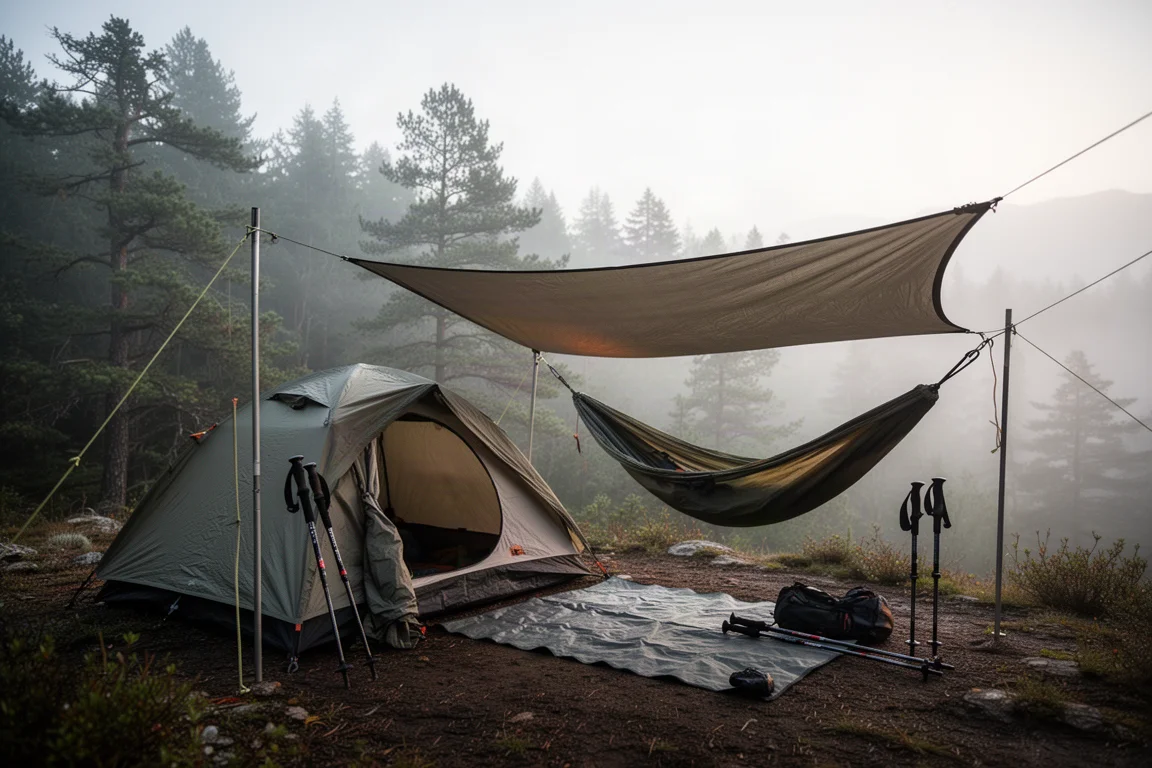
Setup speed is usually the first difference people notice. A single-wall tent such as the Zpacks Duplex pitches with a handful of stakes and two trekking poles and can be standing in two minutes or less. A hammock setup involves more separate pieces: the hammock, the suspension, the tarp, and the stakes to hold the tarp. In three-season or colder conditions an underquilt adds another step. The gap narrows if you carry a double-wall tent with a separate body, rain fly and poles, so setup time depends as much on the tent style as on the shelter type.
Sleep comfort tends to favor hammocks. Many backpackers who struggle to sleep on the ground, whether from back problems or from difficulty getting in and out of a tent, find that hammock camping gives them a comfortable night and a way to keep hiking. Sleeping pads help, but they do not always prevent sore hips or the need to shift position through the night. A hammock also removes the problem of sloping or uneven ground, which is a common source of restless nights in a tent.
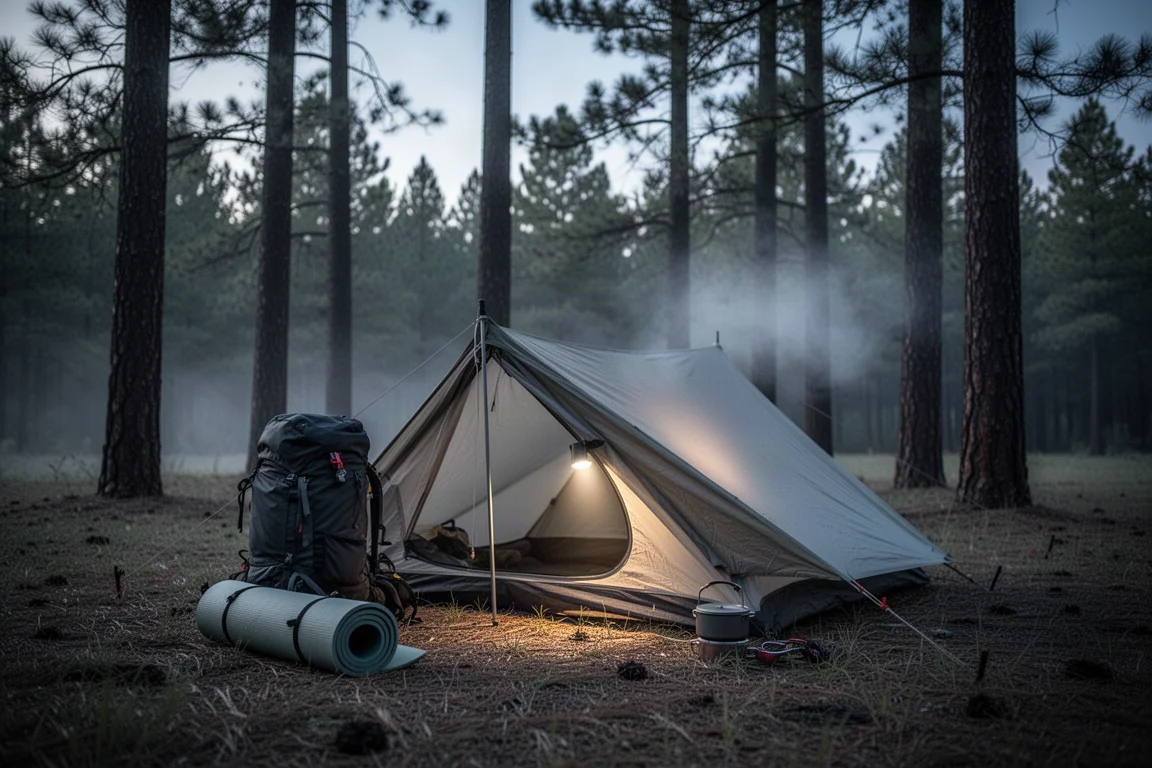
The hammock’s advantages continue in camp. There is somewhere to sit, pressure points from logs and hard ground disappear, and you can put your feet up at the end of the day. The trade-off is campsite selection. Desert routes with no trees rule hammocks out entirely, while rocky, uneven terrain can make a tent awkward to pitch. Even in forest, tree spacing and brush can be limiting: a crowded, overgrown site may leave you with two trees closer together than you would like.
Everything else comes down to preference. Tents offer privacy for changing clothes, a defined place for every item of gear, and a stronger sense of separation from everything outside the shelter. They also stay drier inside during sustained rain, since the floor keeps ground splatter away from your gear, and they feel more secure in a serious storm. Hammocks let you sleep with the tarp off and watch the stars. Cooking is possible from a hammock if you hang low enough to sit up with your feet on the ground, which keeps you warm and out of the rain while you eat.
Zpacks Duplex: A Lightweight Tent Baseline
The Zpacks Duplex is a single-wall shelter that pitches with two trekking poles and a handful of stakes, and it can be up in about two minutes or less. It weighs just over 19 ounces and is priced at $599. Add the Therm-a-Rest NeoAir XLite Short sleeping pad at 8 ounces and the complete tent-and-pad setup comes to roughly 27.4 ounces and $775, which is the figure to use when comparing against a hammock setup that relies on an underquilt instead of a pad.
Zpacks Plexamid: A Solo Shelter Alternative
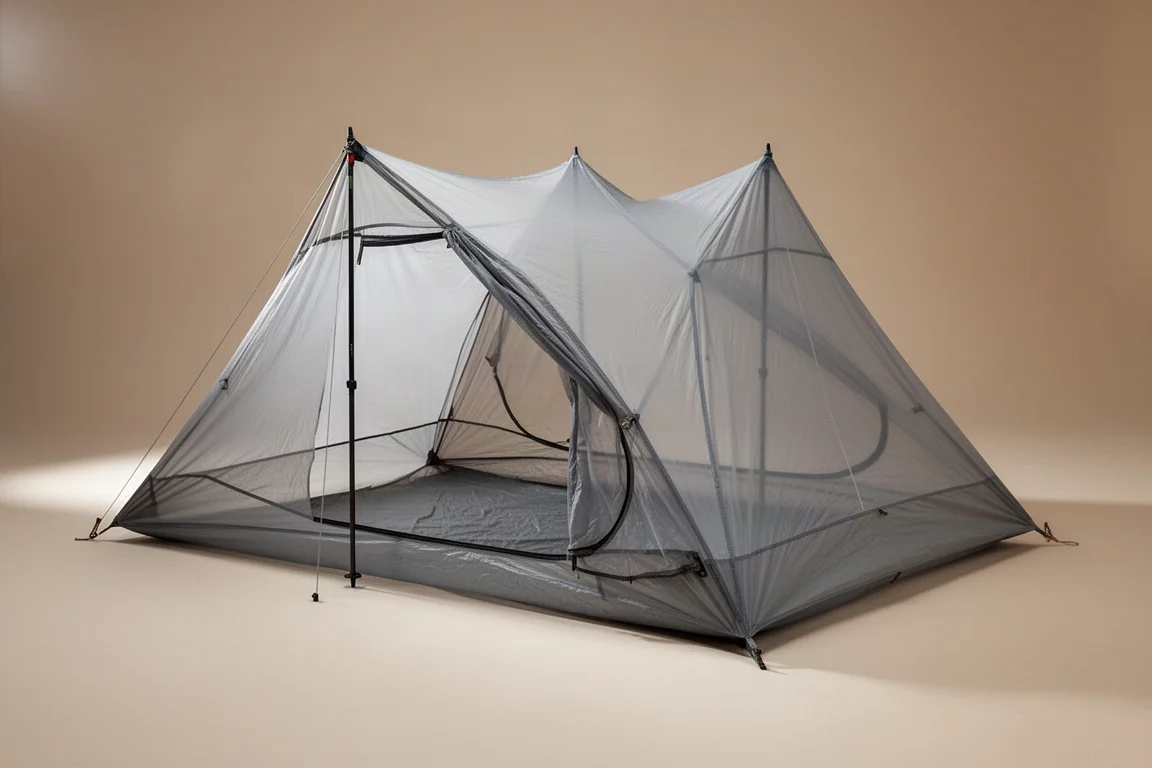
The Zpacks Plexamid is a one-person tent that weighs 15.3 ounces, just under a pound, and costs $550. It is the fairer comparison against a hammock setup, since a hammock is a single-person shelter without much spare room. With the NeoAir XLite Short pad added, the solo tent setup weighs about 23.3 ounces and totals around $725.
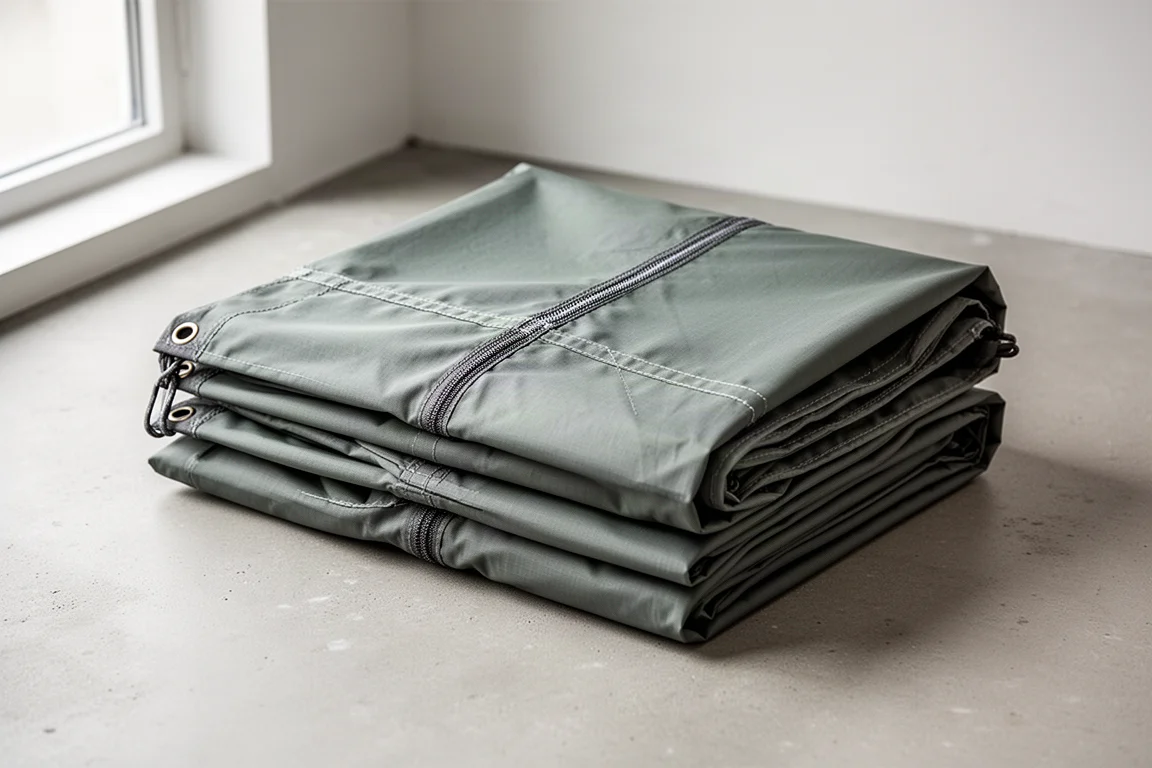
Zpacks Hammock Tarp: Weather Protection for Hammock Setups
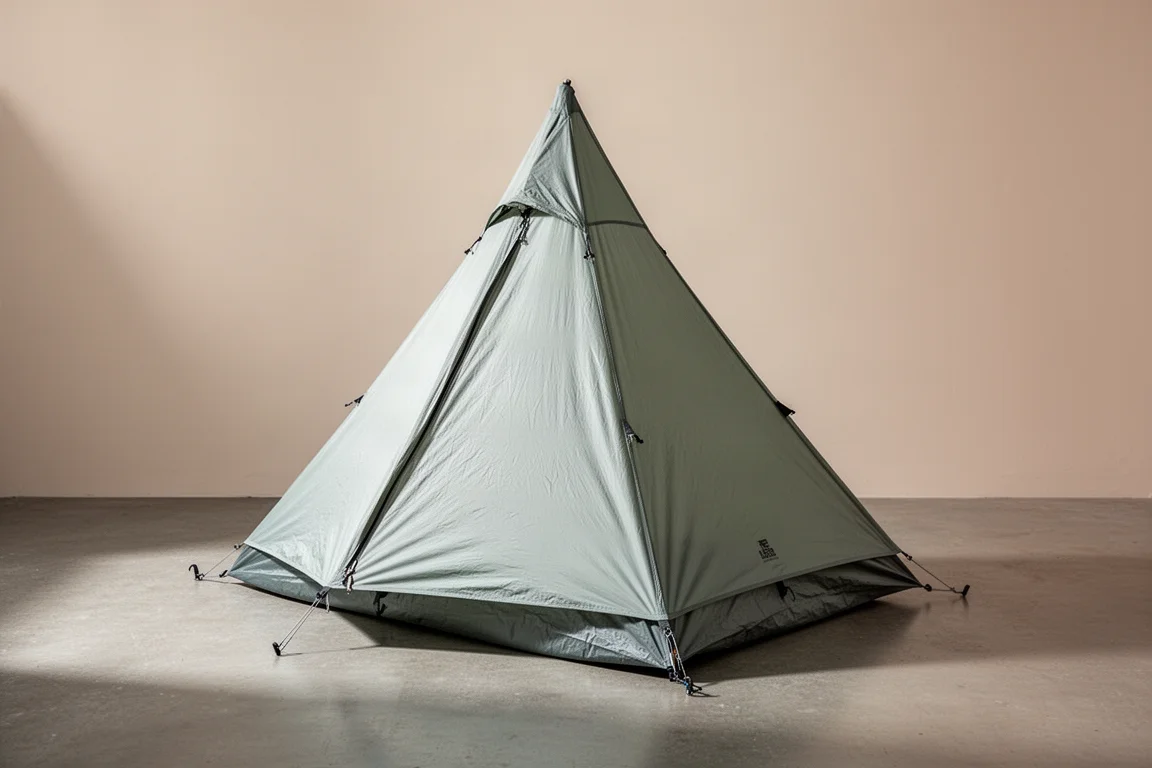
The Zpacks hammock tarp weighs 7 ounces and costs $249, and it does not include guy line, which is a separate purchase. In a hammock setup the tarp is what keeps rain off the hammock and gives you a dry place to cook and pack up, so it is worth treating as a core component rather than an optional extra.
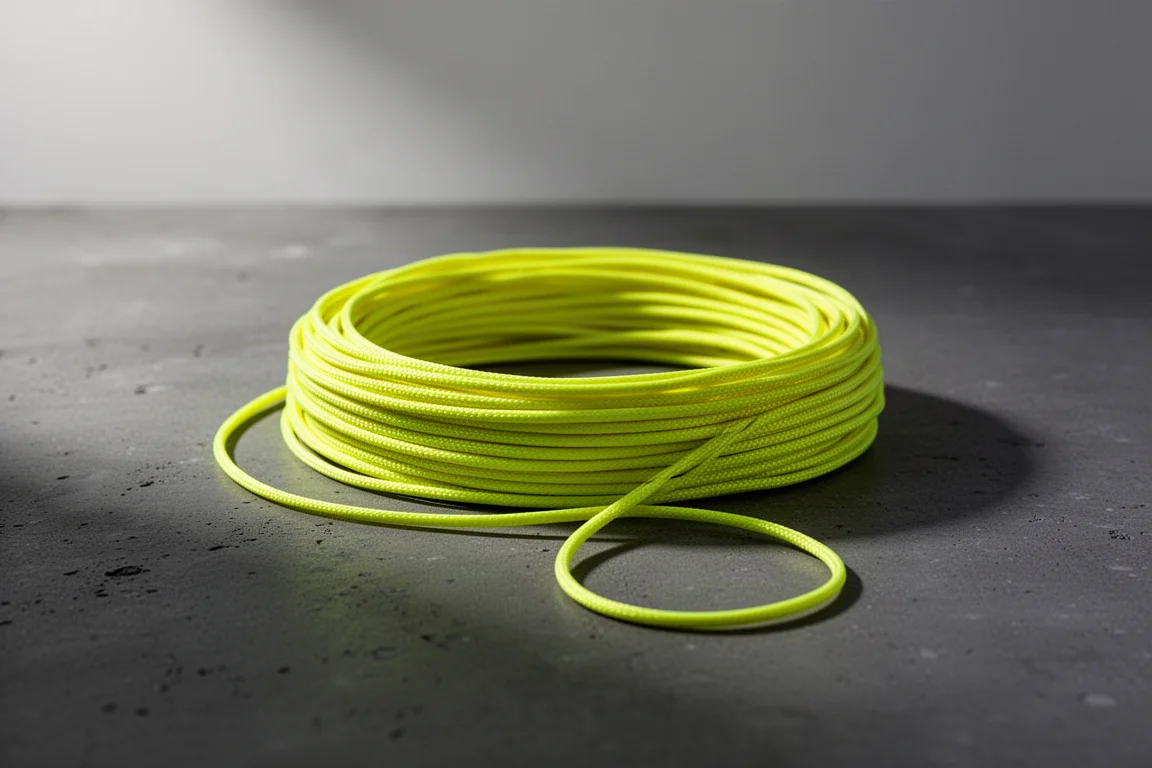
Zpacks Slack Line: Guy Line for Tarp Pitching
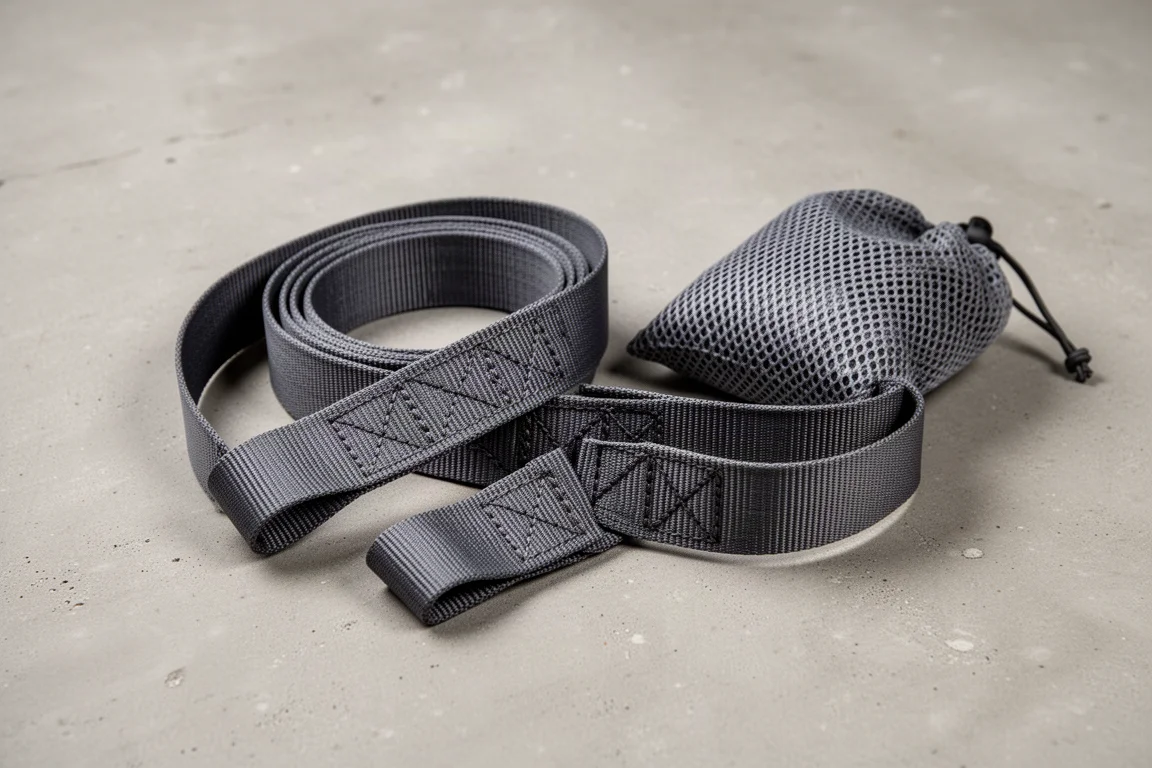
Zpacks slack line is sold in 100-foot lengths for $26 and adds about 1.5 ounces to a setup. It is the lightest line option in the component list here, and 100 feet is enough to stake out a tarp properly. Since the Zpacks tarp ships without line, this is the piece that completes the shelter.
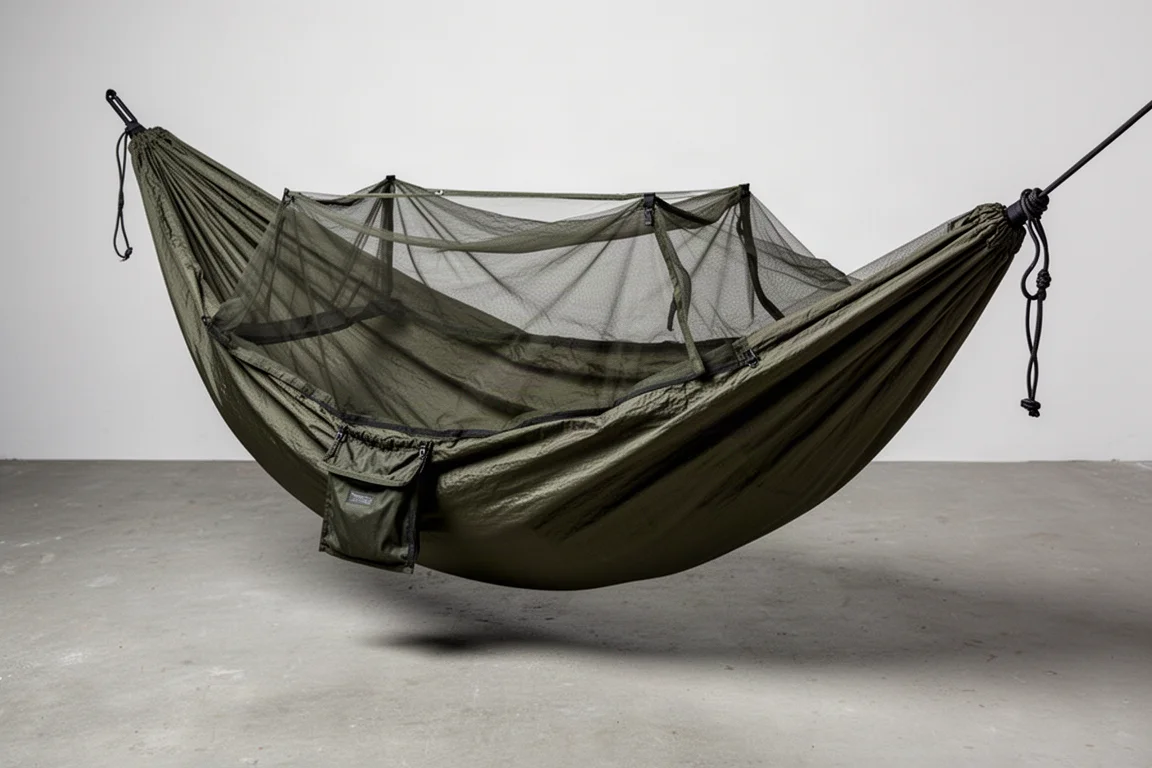
Warbonnet Blackbird: A Hammock With a Side Shelf
The Warbonnet Blackbird is a hammock with a shelf along one side for stashing small items. A complete setup with the Yeti underquilt and the suspension system weighs 2 pounds 13.81 ounces and costs $565. Ordering the single-layer version keeps the weight down, since a double-layer hammock adds a little more, so it is worth confirming the specification before you buy.
Warbonnet Yeti Underquilt: Warmth From Below
The Warbonnet Yeti underquilt weighs 8.25 ounces and costs $200. It is a short quilt, so it does not span the full length of the hammock. For three-season trips from roughly March through early November that can be plenty. For camping in temperatures in the 20s, a longer quilt with a lower temperature rating would be the better match, since it covers the hammock from end to end rather than only part of it.
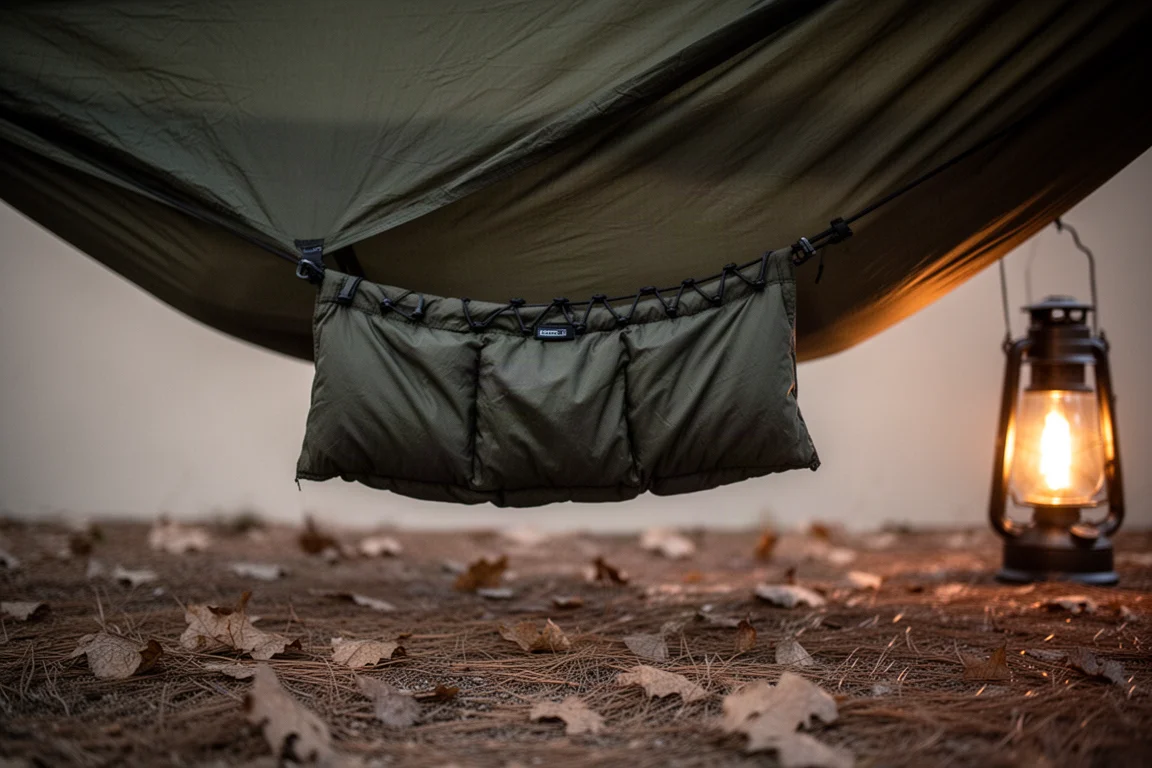
The underquilt is the component that makes cold-weather hammock camping work at all, and it is also the piece most likely to be left behind on a summer trip. That decision changes the weight and cost of a hammock setup more than any other single item.
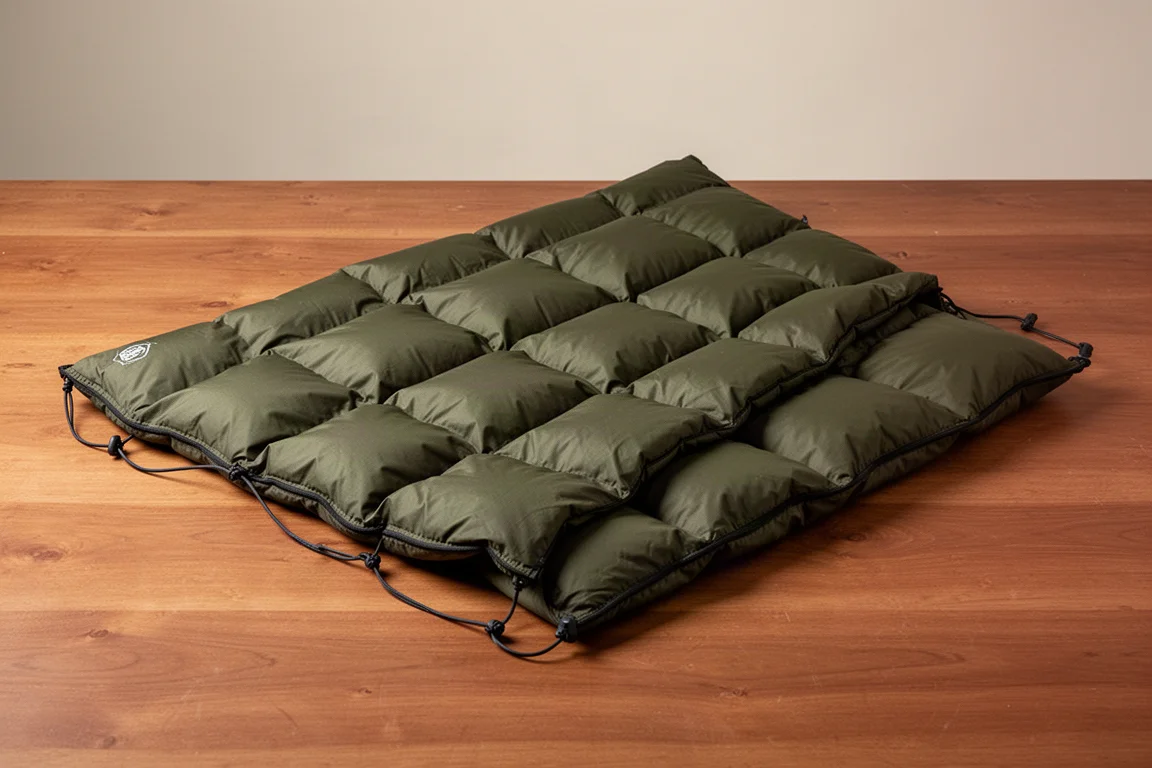
Hummingbird Hammocks Single Hammock: Light and Simple
The Hummingbird Hammocks single hammock weighs 5.2 ounces and costs $65, which makes it the lightest and least expensive hammock body in this comparison. Lighter hammocks of this kind may not be as comfortable as a larger hammock with extra features such as a side shelf, so the weight saving is a genuine trade-off rather than a free upgrade.
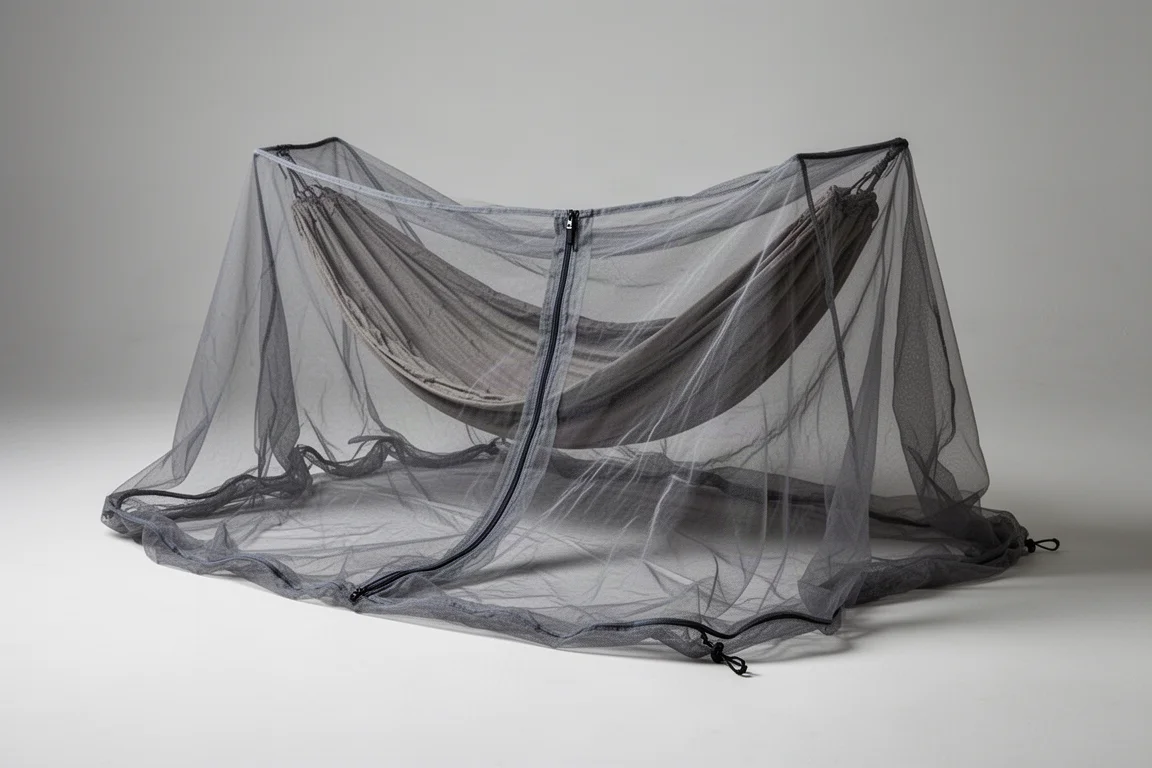
Hummingbird Hammocks Warbler Bug Net: Insect Protection
The Warbler bug net adds 8 ounces and costs $40, and it is the insect protection layer for a lightweight hammock setup. It pairs with the Hummingbird single hammock in the lightest configuration described here, and it is one of the components counted in the setup totals below.
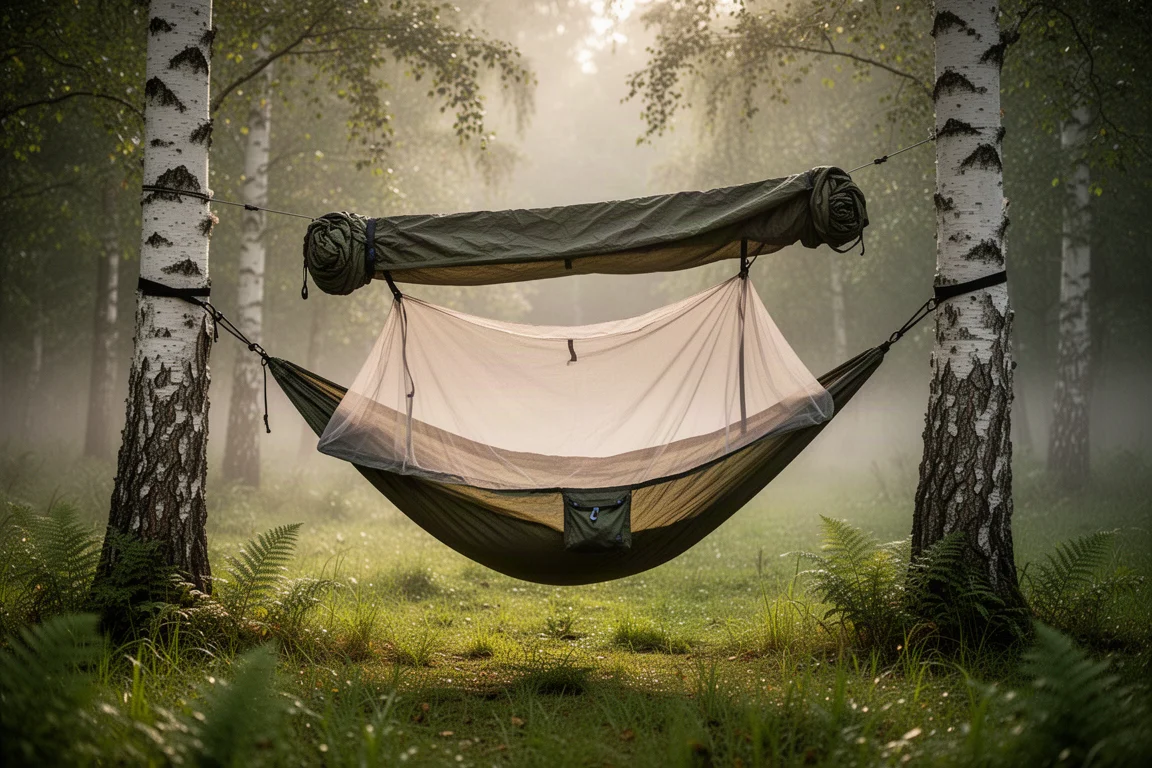
Bug nets are often overlooked when people price out a hammock kit, since the hammock body itself is the headline item. Including it from the start keeps the comparison against a tent honest.
Hummingbird Hammocks Hammock Tree Straps: Suspension Made Simple
The Hummingbird tree straps weigh 1.55 ounces and cost $30. Straps are the suspension layer that connects a hammock to the trees, and this pair is the lightest suspension component in the list. At that weight, suspension is not where a hammock setup gives up much ground.
Therm-a-Rest NeoAir XLite Short: The Sleeping Pad Side
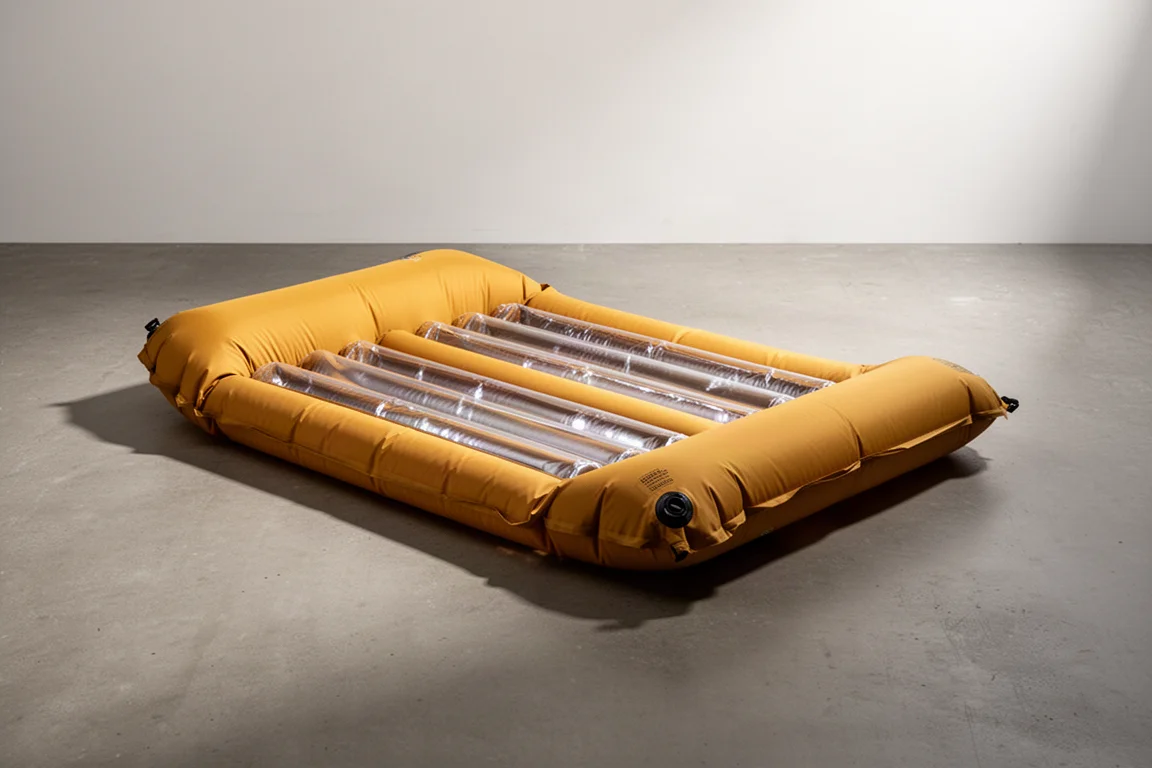
The Therm-a-Rest NeoAir XLite Short weighs 8 ounces and costs about $175. It belongs in this comparison because tent campers carry a pad while most hammock campers rely on an underquilt instead. Adding the pad brings the Zpacks Duplex to roughly 27.4 ounces and $775, and the one-person Plexamid to about 23.3 ounces and $725.
Overall Buying Advice
Putting the numbers together, a lightweight three-season hammock setup built from a Hummingbird single hammock, Warbler bug net, tree straps, a Zpacks hammock tarp, 100 feet of slack line and a Yeti underquilt weighs about 31.5 ounces and costs around $610. The equivalent lightweight tent setup, a Plexamid with the NeoAir XLite Short pad, weighs about 23.3 ounces and costs around $725. That makes the tent roughly 8.1 ounces lighter and about $115 more expensive.
The picture changes in summer. Drop the underquilt and the hammock setup falls to about 23.25 ounces and $410, while the tent setup stays at 23.3 ounces and $725. That is a difference of 0.05 ounces in the tent’s favor on weight, with the tent costing around $315 more. If your trips are short, warm and planned around good weather, the hammock is the better value and the more comfortable sleep. If you are heading out for months at a time, sleeping cold, or carrying extra camera gear, the tent’s lower weight and stronger weather protection are hard to beat.
Conclusion
Neither shelter is the right answer for everyone. Hammocks win on sleep comfort, lounging and freedom from uneven ground, and a carefully chosen lightweight hammock kit can match a solo tent setup on weight in summer. Tents win on setup speed, privacy, gear organization and confidence in bad weather, and they remain the more practical choice for long thru-hikes and cold, wet conditions. Decide which of those factors matters most on your trips, and the choice becomes much clearer.
Further reading
Related Reviews
Backpacking Shelters
Hyperlite Mountain Gear Flat Tarp Review: A 9 oz Shelter at a Premium Price
A 9 oz Dyneema Composite Fabric tarp with welded seams, 25 tie-out points, and a $369 price tag. Here is what it does well and who should think twice.
Backpacking Shelters
Durston X-Mid Pro vs Zpacks Offset Duo: Two Ultralight Shelters Compared
A practical comparison of two trekking-pole shelters: setup simplicity, interior room, headroom, condensation, and footprint, with clear guidance on which suits your camping style.
Backpacking Shelters
Four Backpacking Shelters for Different Trip Scenarios
A practical look at four backpacking shelters, from a modular four-season tipi style tent to a freestanding two-person option, and how to match each one to a real trip.