Backpacking Shelters
Hammock vs Tent for Backpacking: Nine Shelter and Sleep System Options Compared
A practical comparison of hammock and tent shelter systems, covering setup, sleep comfort, weather, campsite limits, weight, and real cost.
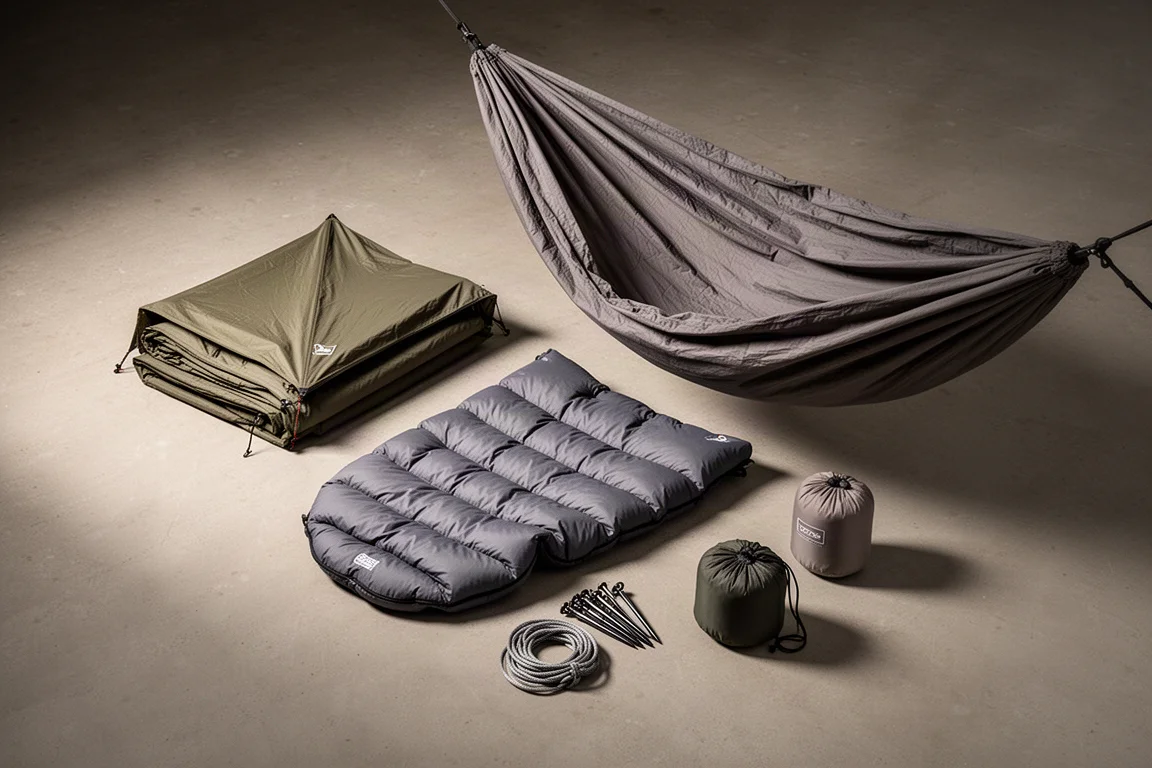
Introduction
Few gear decisions reshape a backpacking setup as much as choosing between a hammock and a tent. The choice changes how quickly camp goes up, how well you sleep, how much you carry, and how much you spend. The two systems also struggle in different conditions, so the question is rarely which one is better overall. It is which trade-offs you are willing to accept on the trips you actually take.
This guide covers nine pieces of equipment that together describe both sides of that decision: a fast-pitching ultralight tent, a full-featured hammock setup, and a lighter component-by-component hammock build assembled from several makers. The weights and prices below come from those setups, so the comparisons stay grounded in real numbers rather than marketing claims.
What Matters When Choosing a Shelter
Setup time is the first thing most people notice. A single-wall tent that pitches with a handful of stakes and two trekking poles can be standing in two minutes or less. A hammock system asks more of you: the hammock itself, the suspension, the tarp, staking out that tarp, and in three-season or colder conditions an underquilt as well. That is more pieces to handle and more to adjust, although a double-wall tent with a separate body, rain fly, and poles narrows the gap considerably.
Sleep comfort tends to favor the hammock. Many people who stepped away from backpacking because of back trouble, or simply because climbing in and out of a tent became too difficult, have returned to it after switching to a hammock. On a pad, it is common to wake every couple of hours to shift position, and hips can go numb or ache. A hammock also gives you somewhere comfortable to sit and put your feet up in camp, and it removes the nightly problem of sleeping on unlevel ground.
Campsite selection cuts both ways. Treeless desert country makes a hammock impractical, while rocky, uneven terrain can make a tent awkward. Even in forest, a hammock needs trees at a workable distance, and a brushy, overgrown area can leave you hanging between trunks that sit closer together than ideal.
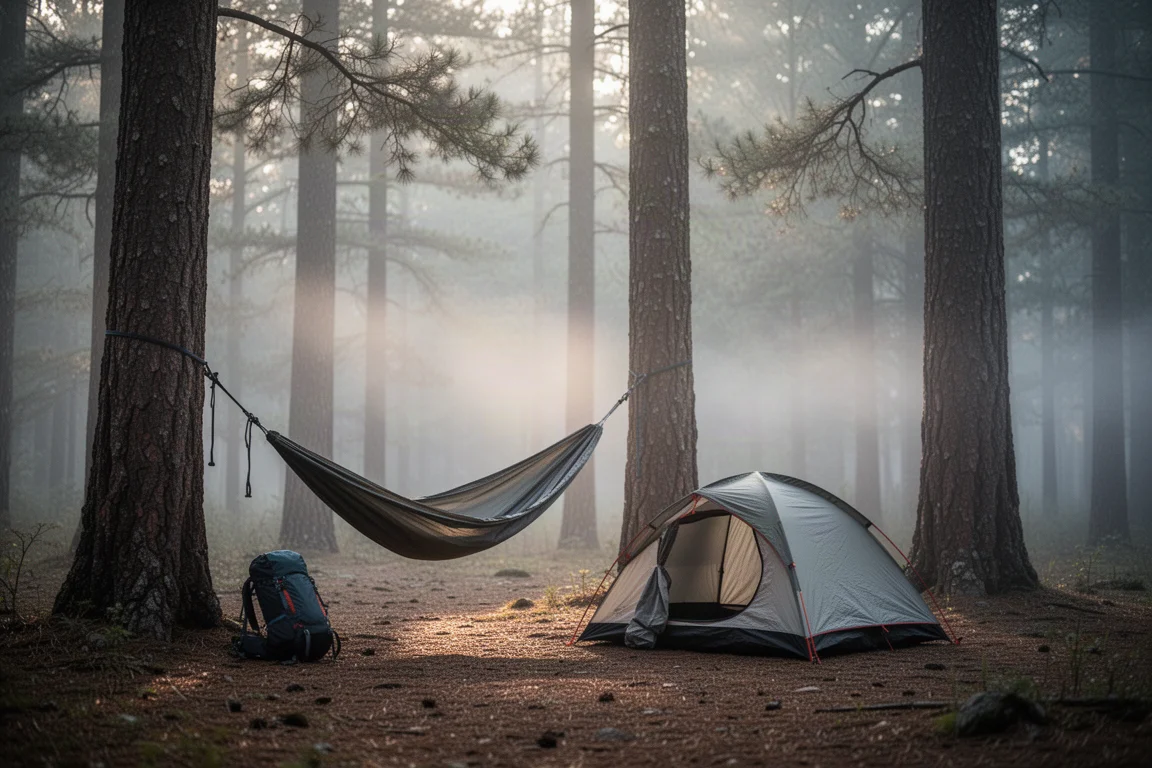
Cooking from shelter is another personal dividing line. In cooler weather, being able to sit up, put your feet on the ground, and cook from a low-hung hammock while still inside your sleeping bag keeps you warm and out of the weather. In a tent, the same task means either staying inside the walls or stepping out into the cold.
Privacy and separation matter too. A tent gives you a defined space where you can change clothes and spread out gear, and it creates a small sense of separation from whatever is outside. A hammock is more open, and changing clothes under a tarp or lying down inside the hammock is less convenient. The flip side is that a hammock lets you leave the tarp off and fall asleep looking at the stars.
Weather is the final variable. A hammock system can handle rain well, and packing up a hammock in wet conditions can be less messy than packing a tent that has been sitting on saturated ground. In a serious storm, though, an enclosed tent tends to feel more secure.
Zpacks Duplex: The Fast-Pitching Tent Baseline
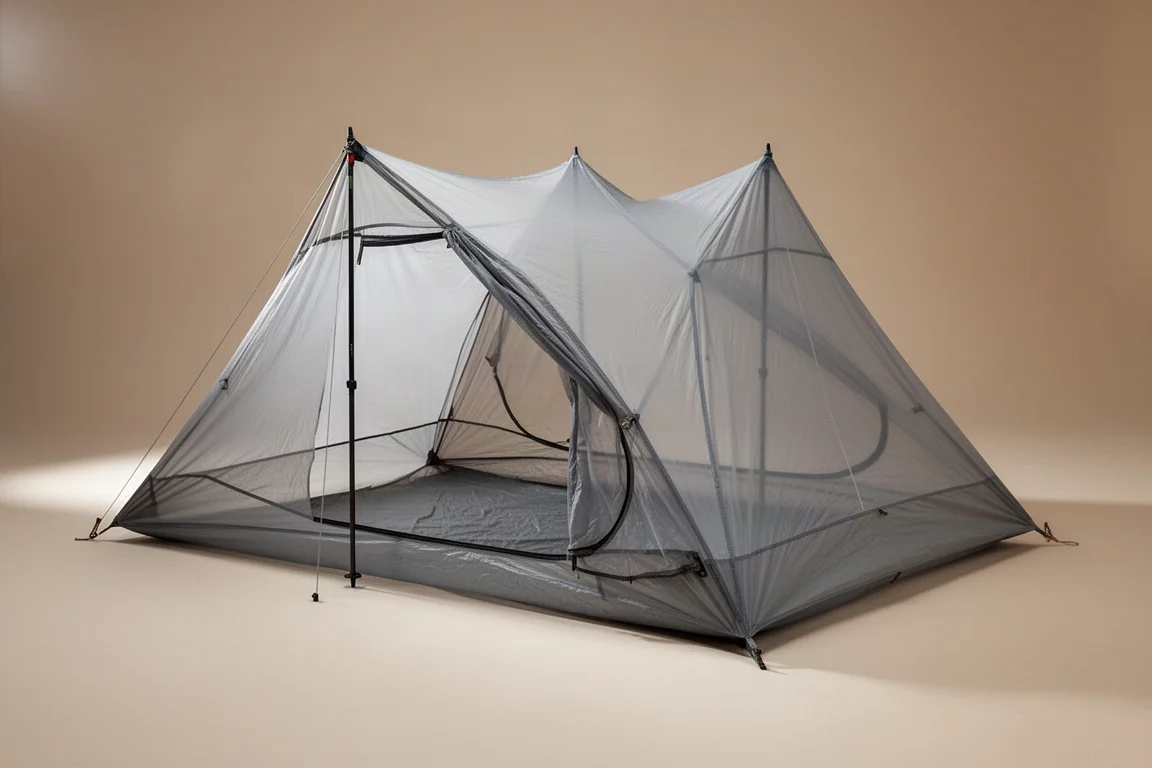
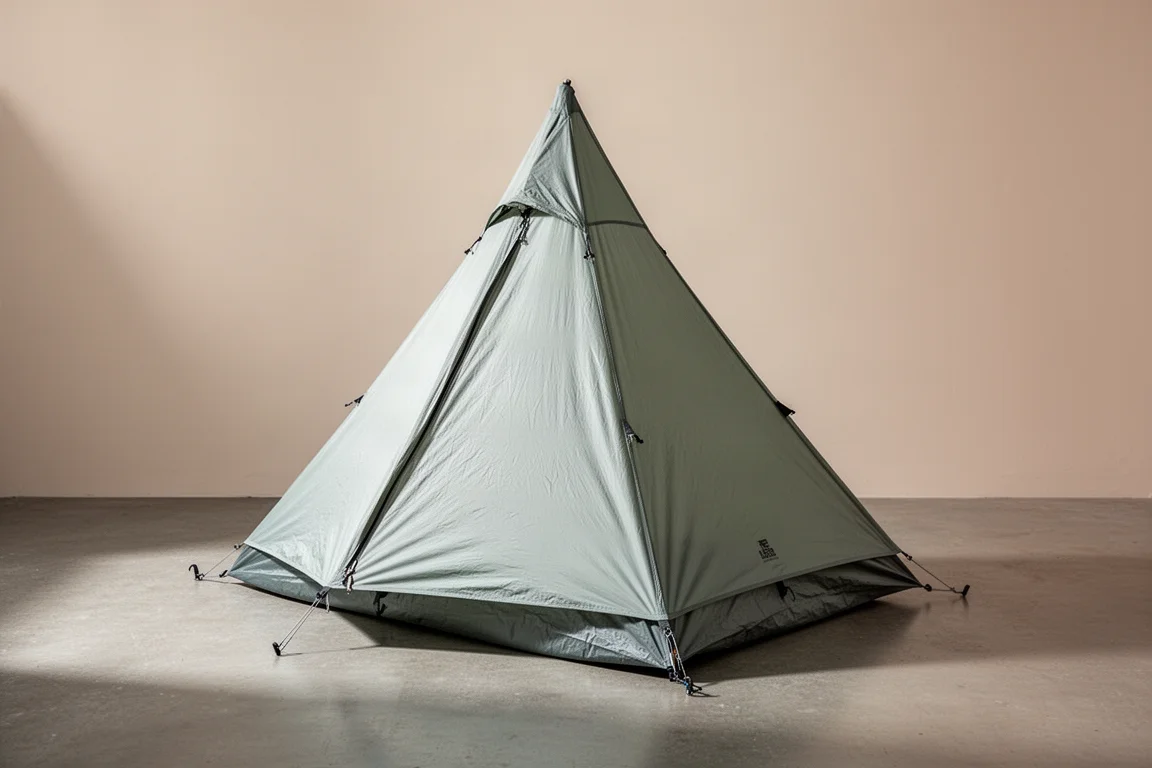
The Duplex is a single-wall shelter that goes up with a handful of stakes and two trekking poles, and it can be standing in two minutes or less. It weighs just over 19 ounces and costs $599.
For a fair comparison against a hammock system, add the sleeping pad a tent camper carries. With a short inflatable pad at 8 ounces and about $175, the Duplex setup lands at 27.4 ounces and $775.
Warbonnet Blackbird Hammock: The All-in-One Setup
The Blackbird was selected as a single-source setup, which keeps the learning curve manageable: hammock, suspension, and underquilt all from one maker. As tested with the Yeti underquilt and the suspension system, the complete setup weighs 2 pounds 13.81 ounces and costs $565. The hammock includes a side shelf that gives you a place to set small items.
One note on the as-tested weight: the order was placed as a single-layer hammock but arrived as a double-layer version, so a single-layer build would likely come in a little lighter. Compared with a single-wall tent, this setup involves noticeably more assembly at the end of a long day, and more pieces to keep track of when the weather turns.
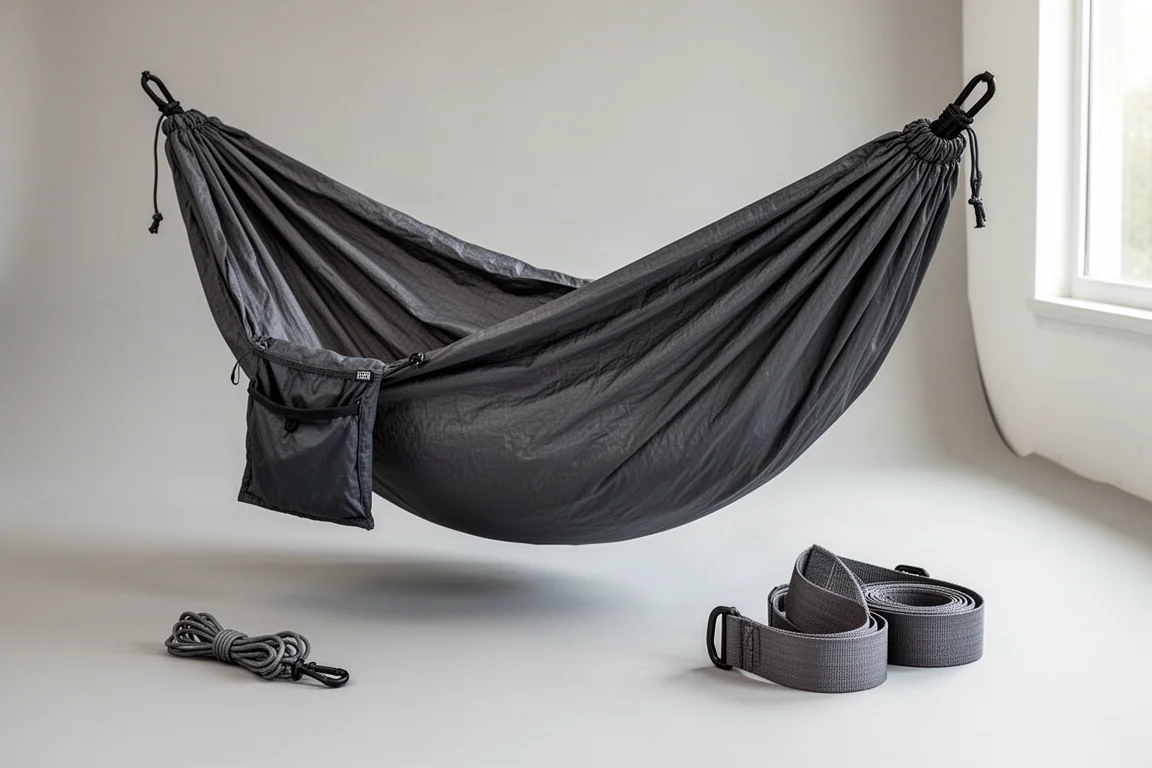
Warbonnet Yeti Underquilt: Warmth Underneath
The Yeti underquilt weighs 8.25 ounces and costs $200, and it is the piece that makes a hammock viable in three-season temperatures. It is also the piece that caused the most trouble in genuinely cold weather. Camping in temperatures around 20 degrees F, a lower-rated quilt in the 10 degrees F to 0 degrees F range, and a longer cut that spans the hammock end to end, would have been the better choice than the short Yeti.
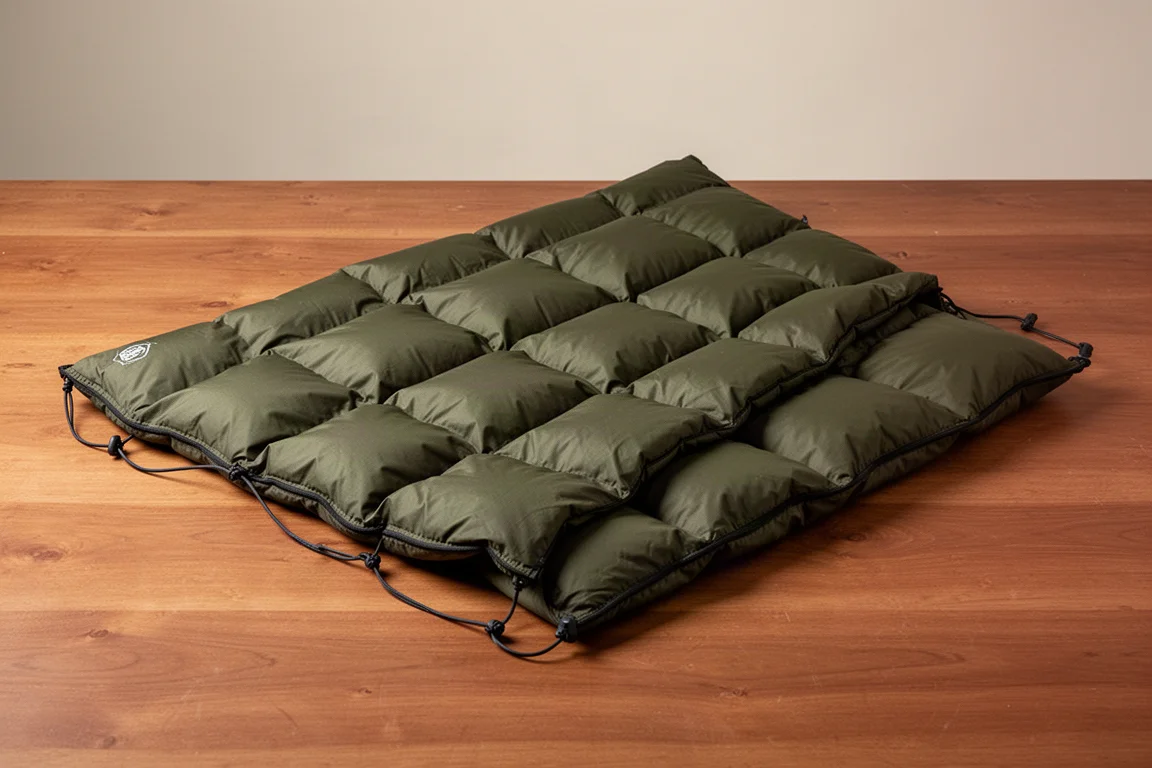
Hummingbird Hammocks Single Hammock: The Lightest Shell
At $65 and 5.2 ounces, this is the lightest starting point for a component build. It is worth knowing that very light hammocks like this one may not be as comfortable as a larger hammock with more features, such as a built-in shelf. That is the trade-off you accept for the weight savings.
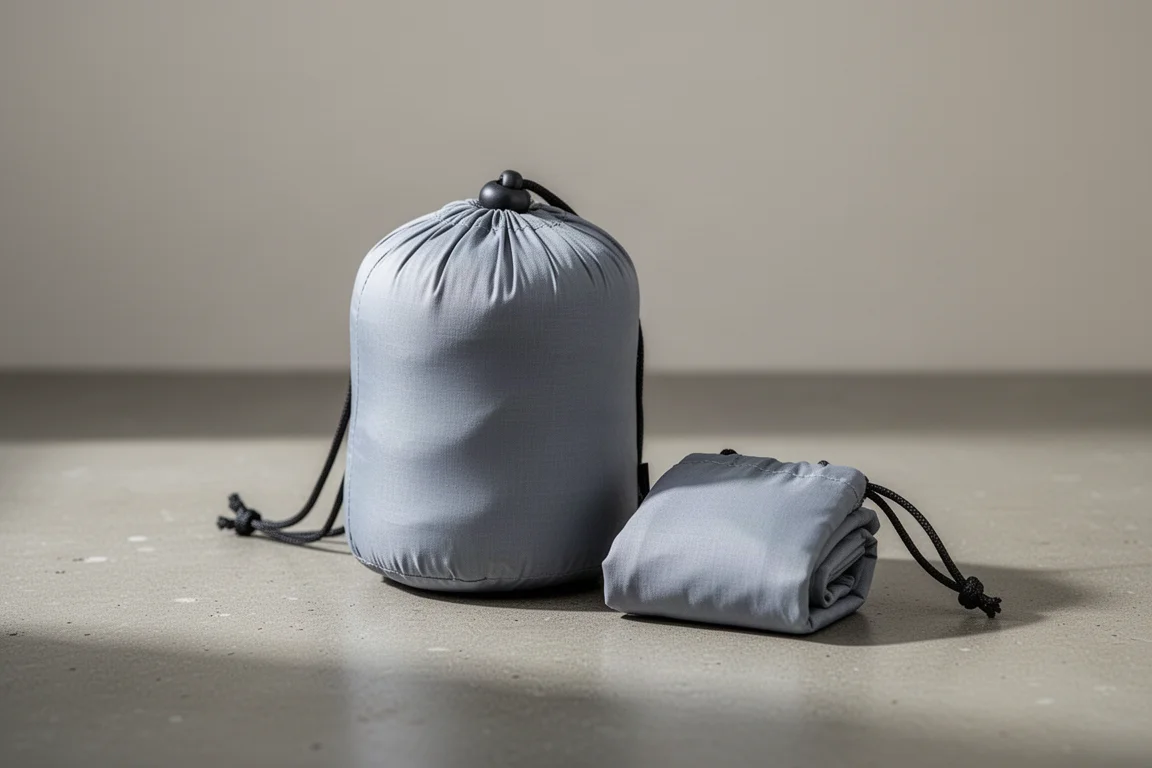
Hummingbird Hammocks Warbler Bug Net: Protection Without Weight
The Warbler bug net adds 8 ounces for $40 and turns an open hammock into an enclosed sleeping space for bug season. It is one of the smaller line items in a build, but in a wooded area during the warmer months it is the difference between a comfortable night and a long one.
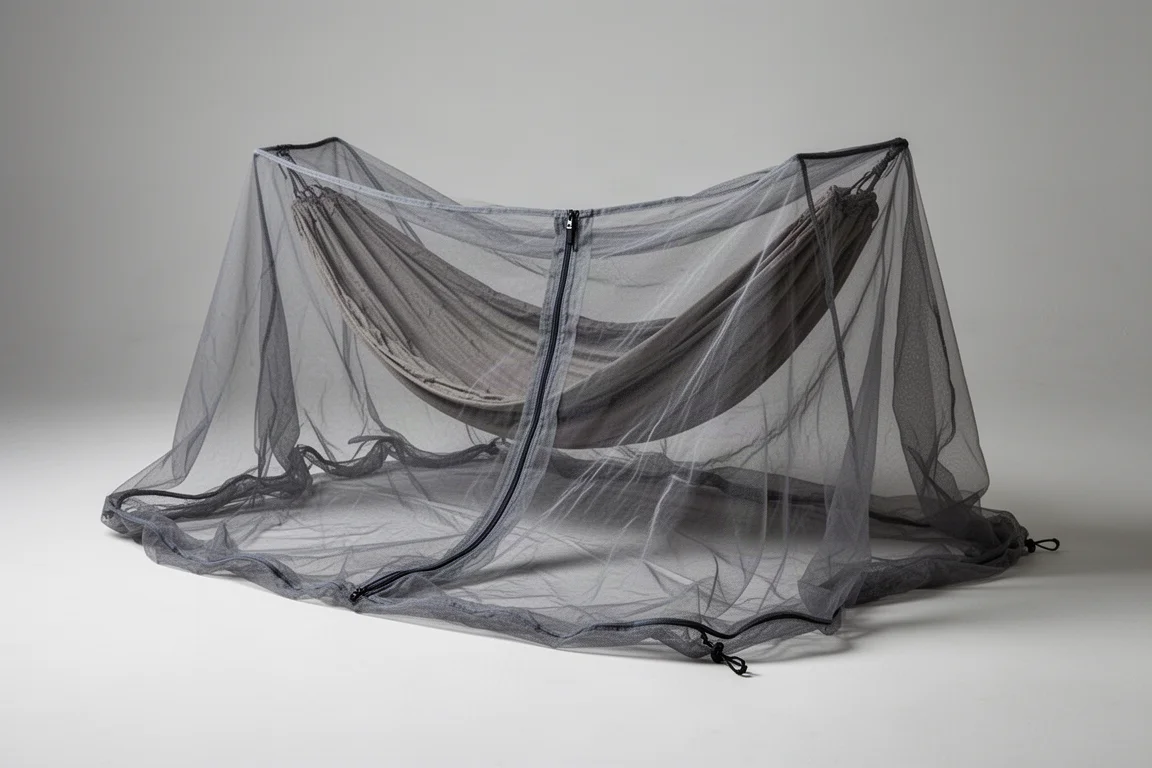
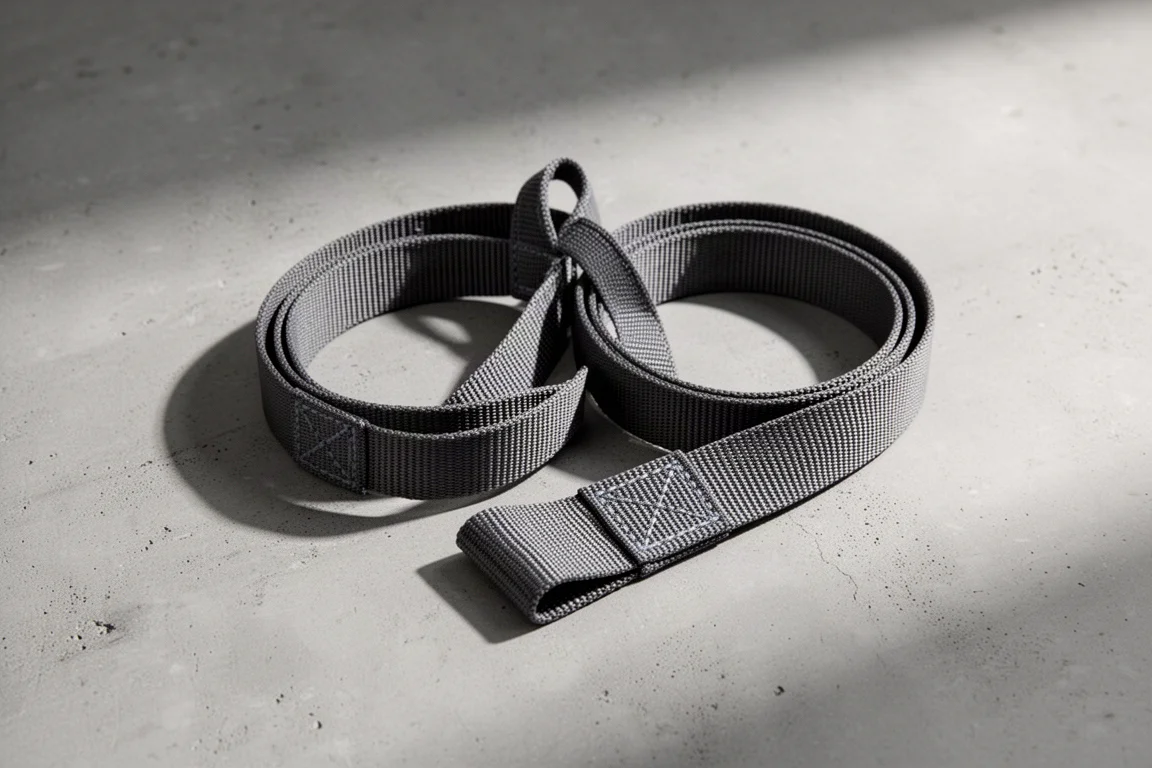
Hummingbird Hammocks Tree Straps: The Suspension Piece
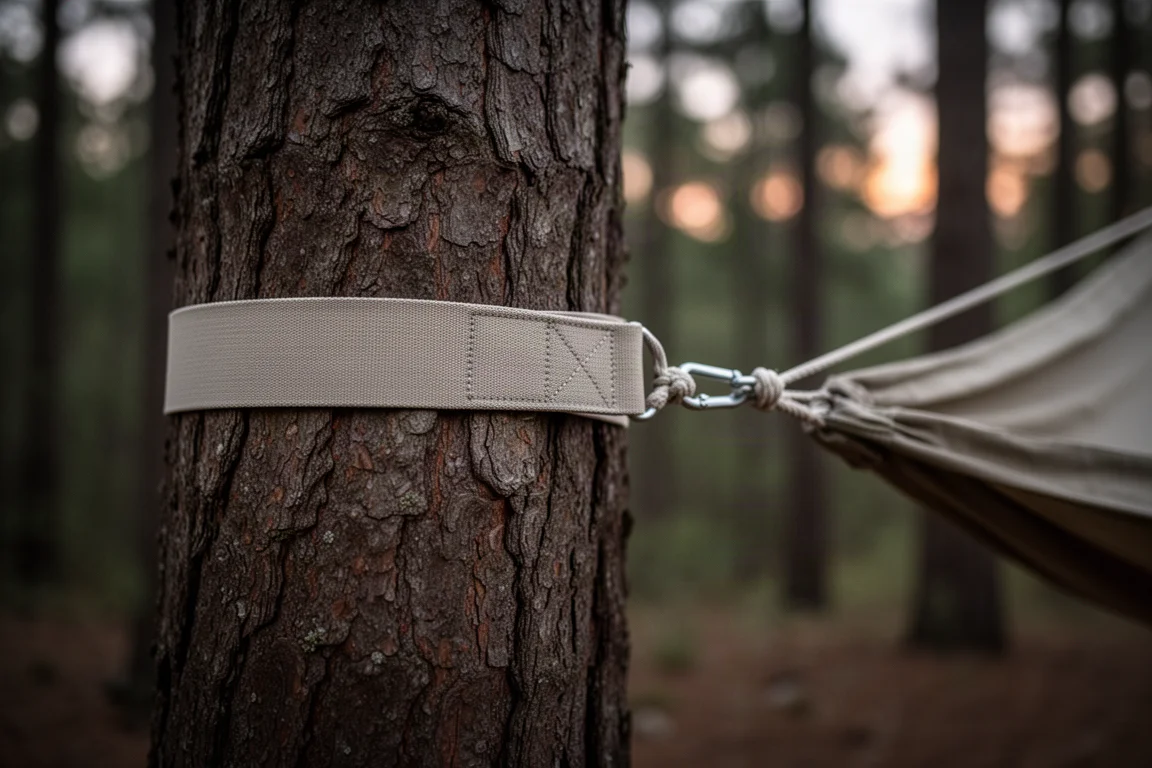
The tree straps are the smallest and cheapest part of the build at 1.55 ounces and $30. They are also the kind of small component that is easy to overlook when ordering a hammock setup piece by piece from different makers.
Zpacks Hammock Tarp: Coverage Without the Weight
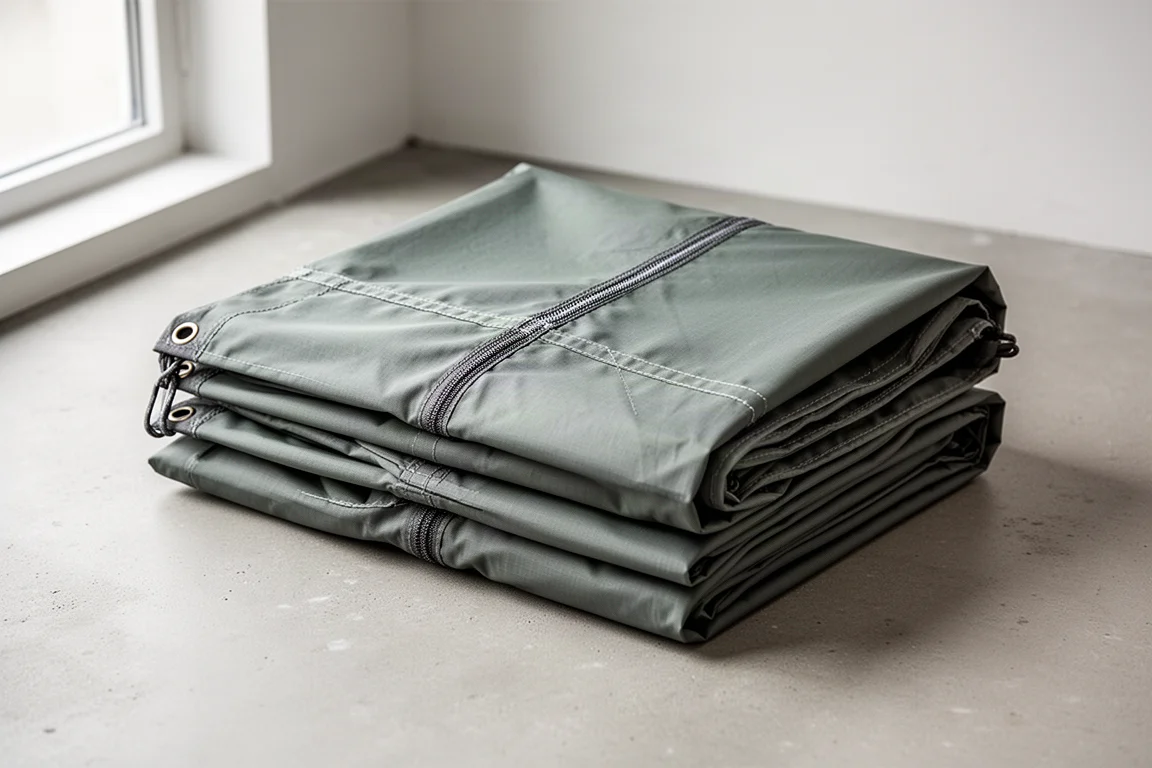
The Zpacks hammock tarp weighs 7 ounces and costs $249, which makes it one of the larger single expenses in a lightweight hammock build. Guy line is not included, so budget another $26 and 1.5 ounces for 100 feet of the lightest cord the same maker offers.
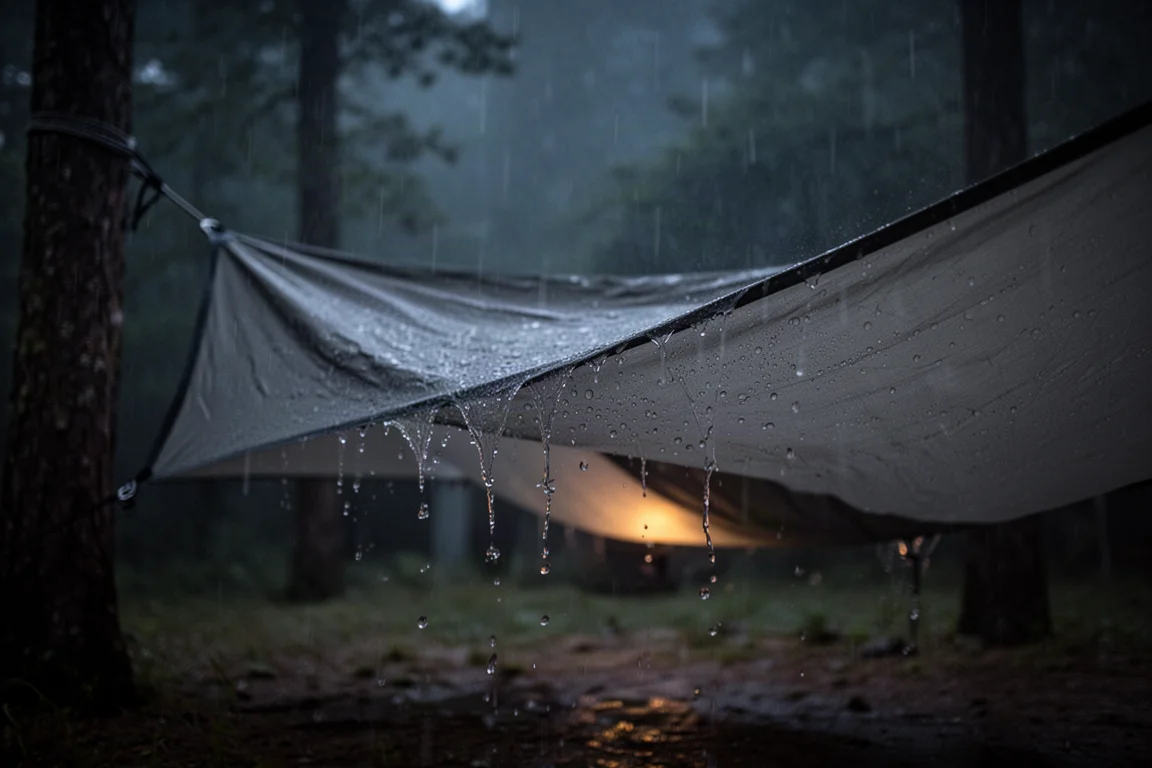
A tarp is what makes a hammock usable in rain, and it is also what you cook and change under when the weather turns. Choosing a lighter tarp is one of the most effective ways to keep a hammock system competitive on weight, and it is the component worth researching most carefully if you plan to build your setup from separate parts.
Therm-a-Rest NeoAir X-Lite Short: The Pad the Tent Needs
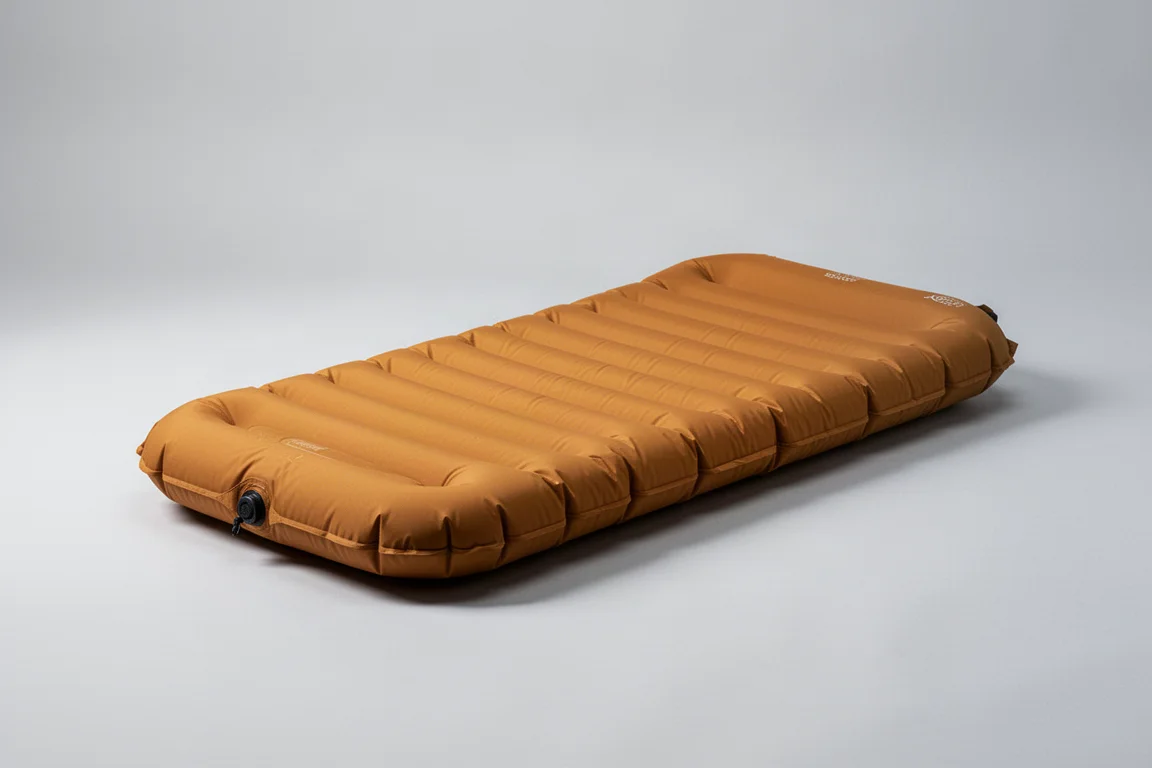
The NeoAir X-Lite Short weighs 8 ounces and costs about $175. It appears here for one reason: hammock campers generally rely on an underquilt instead of a pad, so any honest tent-versus-hammock weight comparison has to add the pad back into the tent column. Leaving it out makes a tent look lighter than the system you would actually carry.
Zpacks Plexamid: The One-Person Tent Comparison
The Plexamid is a one-person tent that weighs 15.3 ounces, just under a pound, and costs $550. It is the fairest tent-side comparison to a hammock system, because a hammock setup sleeps one person and does not offer much spare room. With the sleeping pad included, the Plexamid setup comes to 23.3 ounces and $725.
Comparing Setup Weight and Cost
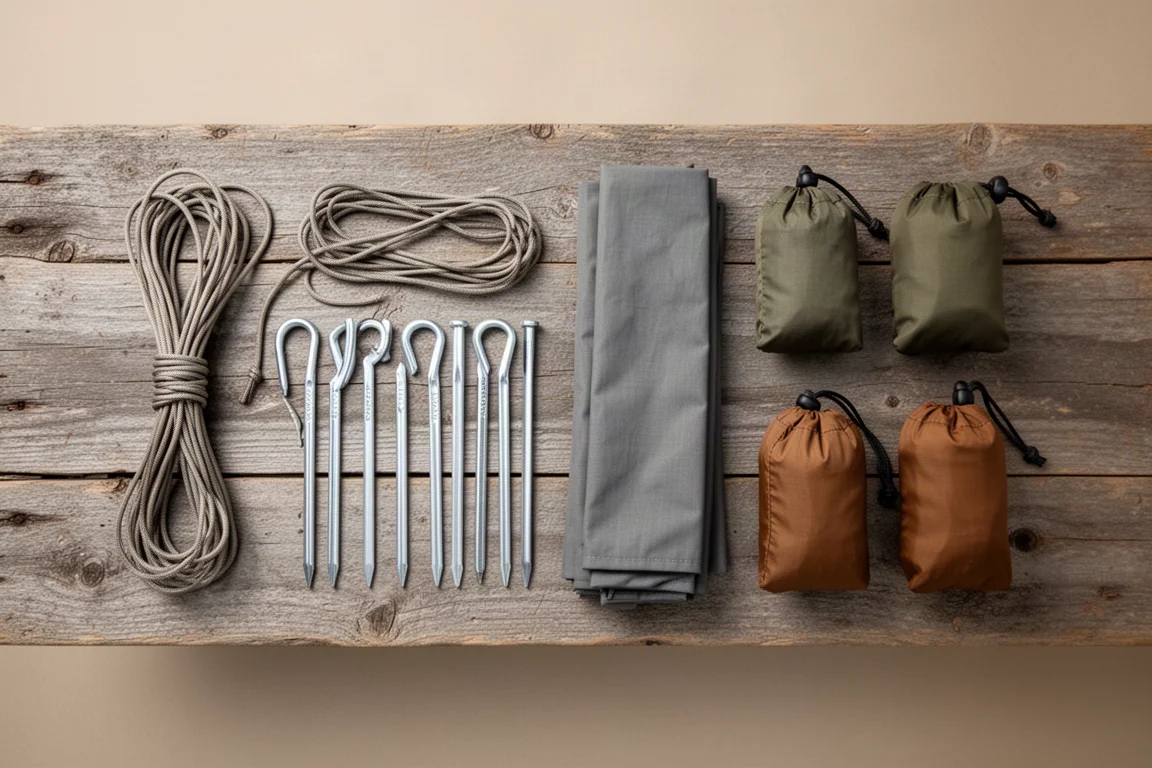
Adding up the component hammock build gives a three-season total of 31.5 ounces and $610: 5.2 ounces for the hammock, 8 ounces for the bug net, 1.55 ounces for the tree straps, 7 ounces for the tarp, 1.5 ounces for guy line, and 8.25 ounces for the underquilt. Drop the underquilt for hot-weather trips and the same build comes to 23.25 ounces and $410.
On the tent side, the Duplex alone is 19.4 ounces and $599, or 27.4 ounces and $775 with the sleeping pad. The one-person Plexamid with a pad is 23.3 ounces and $725.
Those numbers produce two different conclusions. In a three-season comparison, the lightweight tent setup is about 8.1 ounces lighter but costs $115 more. In a summer comparison, where a hammock camper can leave the underquilt at home, the lightweight tent setup is actually 0.05 ounces heavier and costs $315 more.
That is the heart of the decision. A hammock build can be genuinely competitive on cost, and in warm weather it can match a tent on weight. A tent tends to win on packed simplicity and on cold-weather performance, where the pad and quilt math shifts in its favor. If you are only backpacking in hot summer months, are not a cold sleeper, and can get by without an underquilt, a hammock can be the more economical route.
Conclusion
Both systems work, and both fail in specific conditions. A tent remains the more predictable choice for long trails where you will be out rain or shine, where you want a defined space to organize gear and change clothes, and where setup needs to be fast and familiar at the end of a hard day. A hammock is the stronger choice for shorter trips with a favorable forecast, for campers who value lounging comfort and a better night of sleep, and for anyone who has struggled to sleep flat on the ground.
If you are still deciding, the practical approach is to match the shelter to the trips you actually take. Count the trees where you hike, weigh the cold you expect to camp in, and price out both systems completely, including the pad a tent needs and the underquilt a hammock needs. That comparison, rather than brand loyalty, is what usually settles the question.
Further reading
Related Reviews
Backpacking Shelters
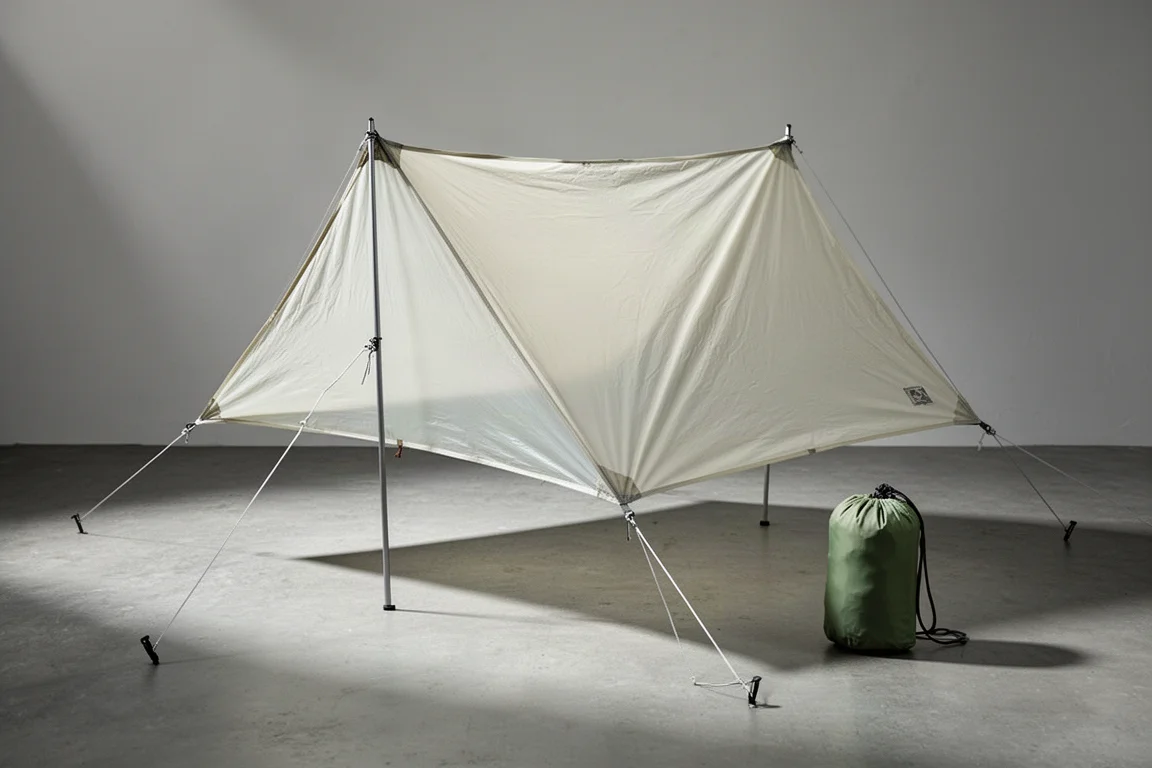
Hyperlite Mountain Gear Flat Tarp Review: A 9 oz Shelter at a Premium Price
A 9 oz Dyneema Composite Fabric tarp with welded seams, 25 tie-out points, and a $369 price tag. Here is what it does well and who should think twice.
Backpacking Shelters
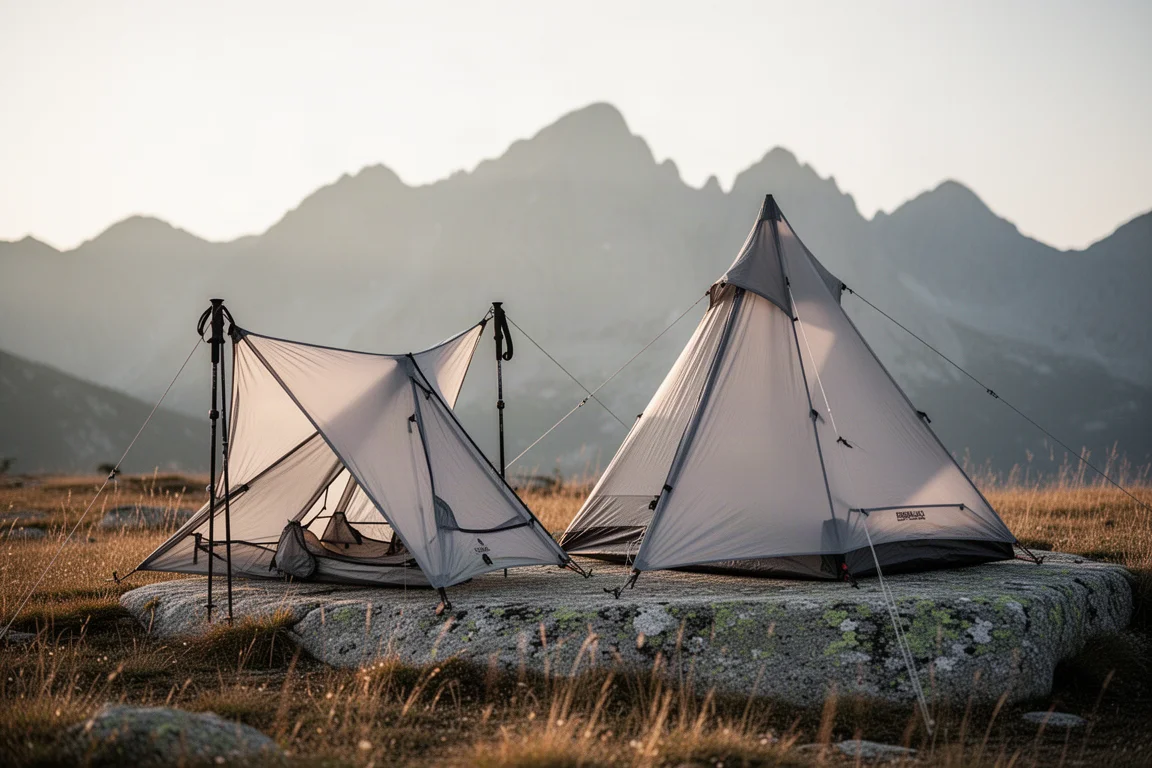
Durston X-Mid Pro vs Zpacks Offset Duo: Two Ultralight Shelters Compared
A practical comparison of two trekking-pole shelters: setup simplicity, interior room, headroom, condensation, and footprint, with clear guidance on which suits your camping style.
Backpacking Shelters
Four Backpacking Shelters for Different Trip Scenarios
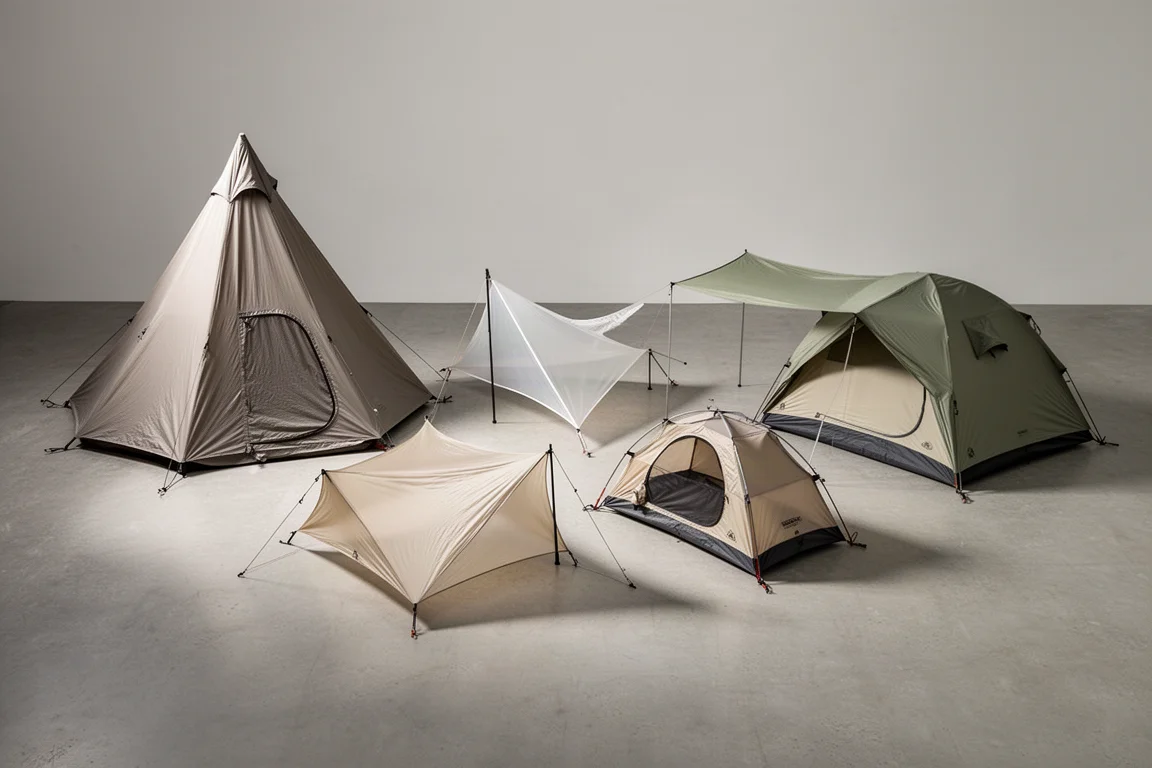
A practical look at four backpacking shelters, from a modular four-season tipi style tent to a freestanding two-person option, and how to match each one to a real trip.