Backpacking Gear
Hammock vs Tent for Backpacking: Three Gear Options Compared
A hammock, a tent, and the sleeping pad that ties the two paths together: how setup, gear storage, warmth, and comfort compare over long backpacking miles.
Introduction
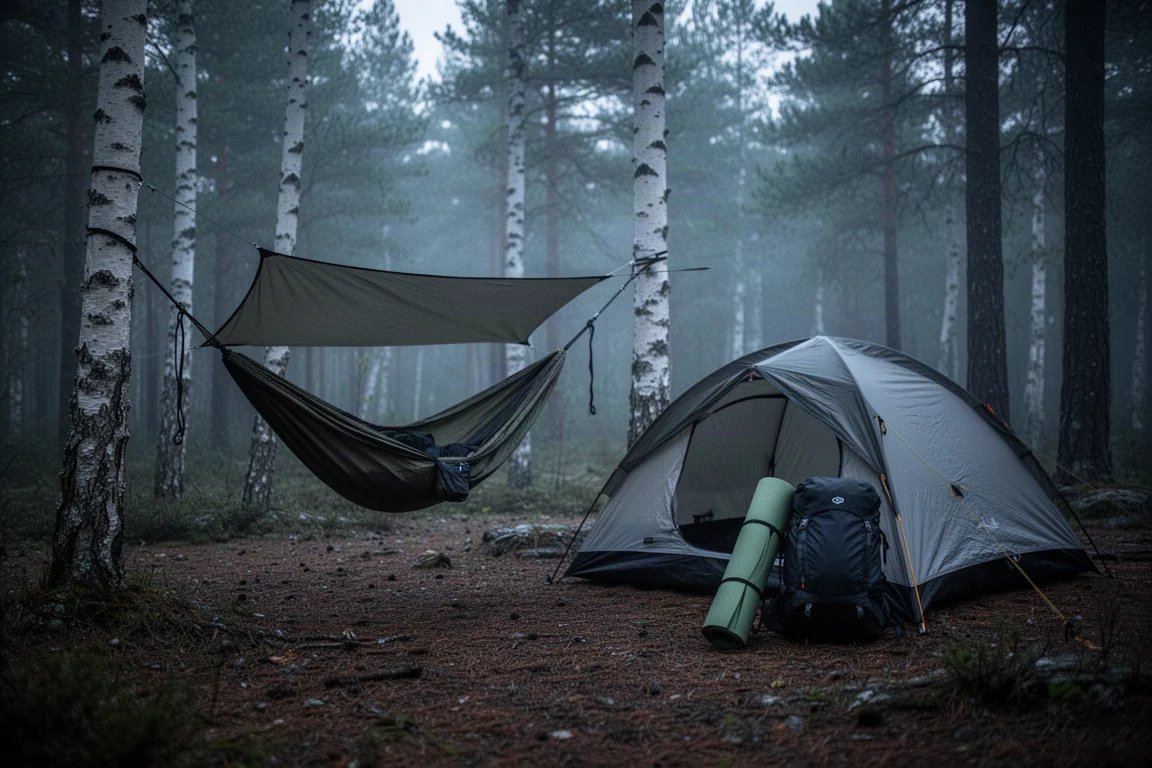
Every backpacking shelter decision comes back to the same question: do you sleep suspended between two trees, or do you sleep on the ground inside a fabric shell? Both approaches have devoted followings, and both carry trade-offs that only become obvious after a few hundred miles of real trail time.
This guide looks at three products that define the two paths. The Hennessy Hammock Expedition represents the hammock route, the Big Agnes Fly Creek UL2 represents the tent route, and the Therm-a-Rest NeoAir X-Lite is the sleeping pad that decides how comfortable the tent route actually feels. The comparison draws on long-distance trips through the northeast, where cold nights and a dense network of backcountry shelters shape the decision more than they would in milder regions.

Setup time, gear storage, warmth, and sleep quality are the four areas where the two systems separate most clearly, and each one deserves a hard look before you commit to a shelter for a long trail.
How These Systems Compare
The two systems differ in ways that are easy to miss on a product page. Setup comes first: a tent pitches as one assembly and stays where you put it, while a hammock depends on finding two trees at a workable distance apart and getting the suspension dialled in. Gear storage comes second, because a tent gives you a floor and walls while a hammock leaves your pack outside. Warmth comes third, since the same insulation setup generally keeps you warmer on the ground. Comfort comes last, and it is the one category where hammocks hold a clear edge.
Hennessy Hammock Expedition: A Classic Hammock System
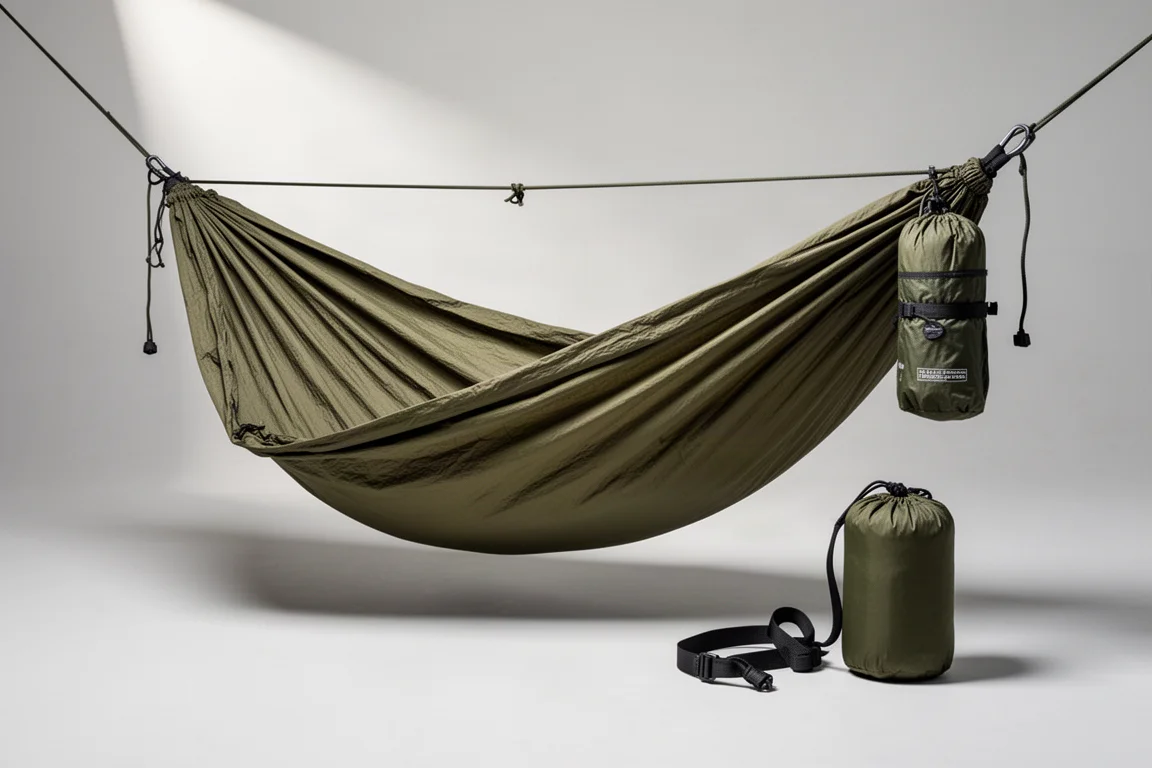
The Hennessy Hammock Expedition is an all-in-one hammock system, the kind of package that includes the hammock body, the suspension, and a rain fly together. That completeness makes it a straightforward entry point for anyone curious about hammock camping, and the ridgeline pocket keeps small essentials such as a headlamp, phone, and wallet within reach through the night.
The trade-off is setup. The suspension relies on knots, and getting the spacing between two trees wrong means untying and re-tying until the hang feels right. At the end of a long hiking day, that process can stretch to around 20 minutes before you are ready to sleep, and the rain fly has to be pitched carefully enough to keep weather off you.

In rain, a hammock has a genuine advantage: there is nothing underneath you to soak through, so water pooling below a tent floor is simply not a concern. Cold weather is the other side of that coin. Without an underquilt, moving air beneath the hammock pulls warmth away, and an underquilt is extra gear to carry, pack, and manage.
Big Agnes Fly Creek UL2: The Tent Alternative
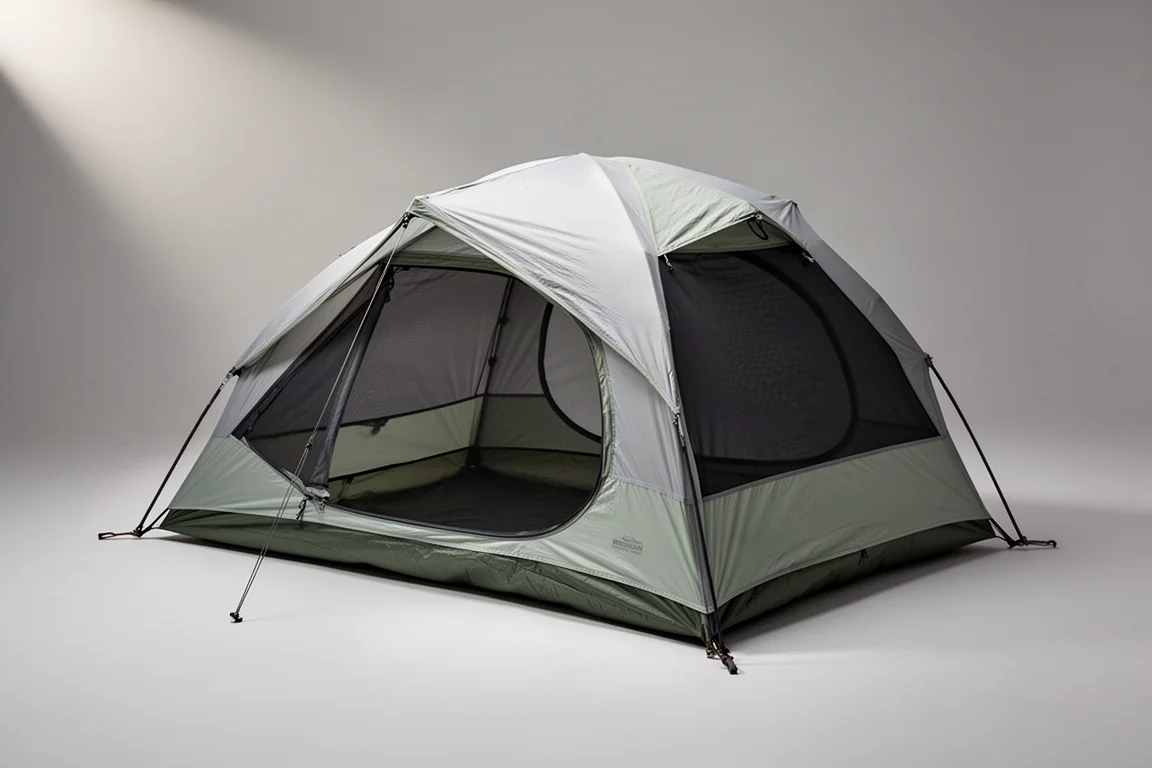
The Big Agnes Fly Creek UL2 pitches in roughly five minutes once you know the sequence, and that speed matters most at the end of a long day, when the only thing you want is to be horizontal. There are no knots to negotiate and no dependence on tree spacing: a flat patch of ground is all you need.
Interior space changes how a trip feels. Gear that would otherwise sit sealed in a pack liner beneath a hammock can come inside the tent, which keeps it dry, organised, and within reach. That same enclosed volume also holds warmth more effectively, so the tent system can be pushed to lower temperatures with the same sleeping bag and pad.
For routes in the northeast, a tent also opens up the shelter network found across the Adirondacks, the Long Trail, and the Appalachian Trail. Sleeping in a shelter is only practical with a pad rather than an underquilt, and a tent system already includes one.
Therm-a-Rest NeoAir X-Lite: The Sleeping Pad That Makes It Work
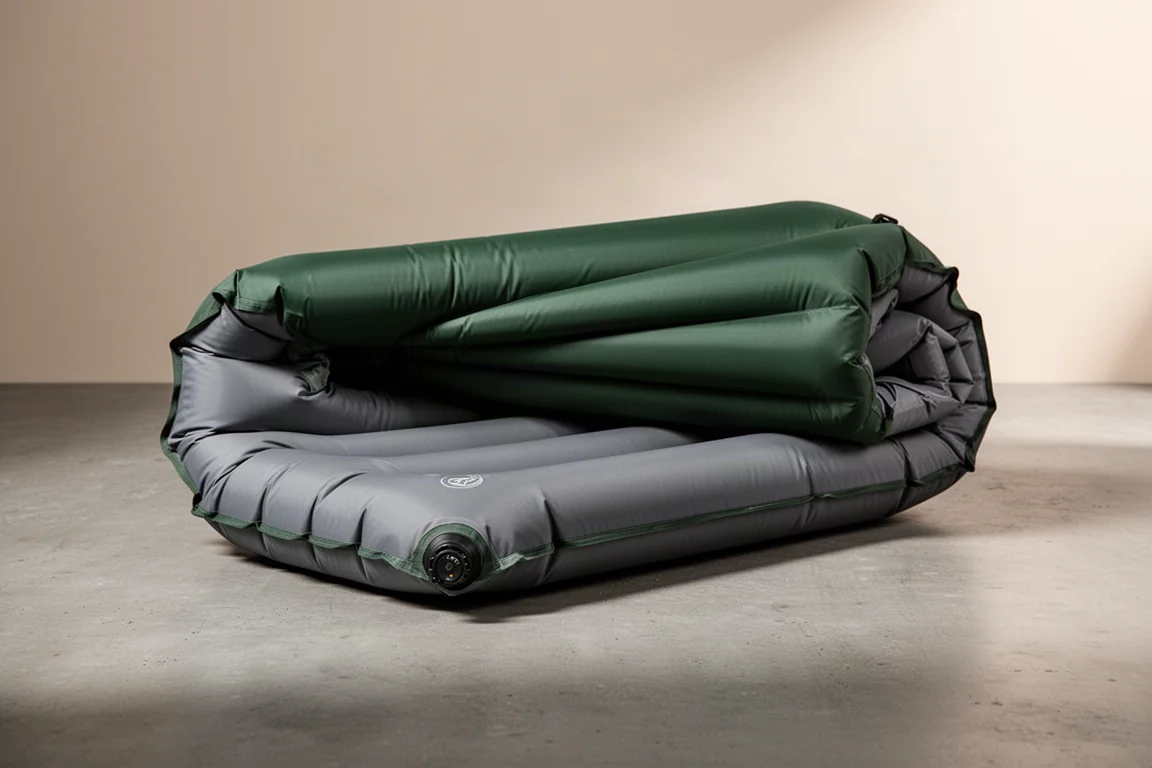
Comfort on the ground depends far more on the sleeping pad than on the tent itself. The Therm-a-Rest NeoAir X-Lite is a capable pad that makes ground sleeping genuinely workable, even if it does not quite match the floating feel of a hammock.
That gap is smaller than it sounds. The other strengths of a tent system, faster setup, indoor gear storage, and stronger cold-weather performance, offset the difference in comfort on most trips. A pad also travels well: it works inside a tent, inside a backcountry shelter, and even in a hammock, though it will not insulate as effectively there as a dedicated underquilt.
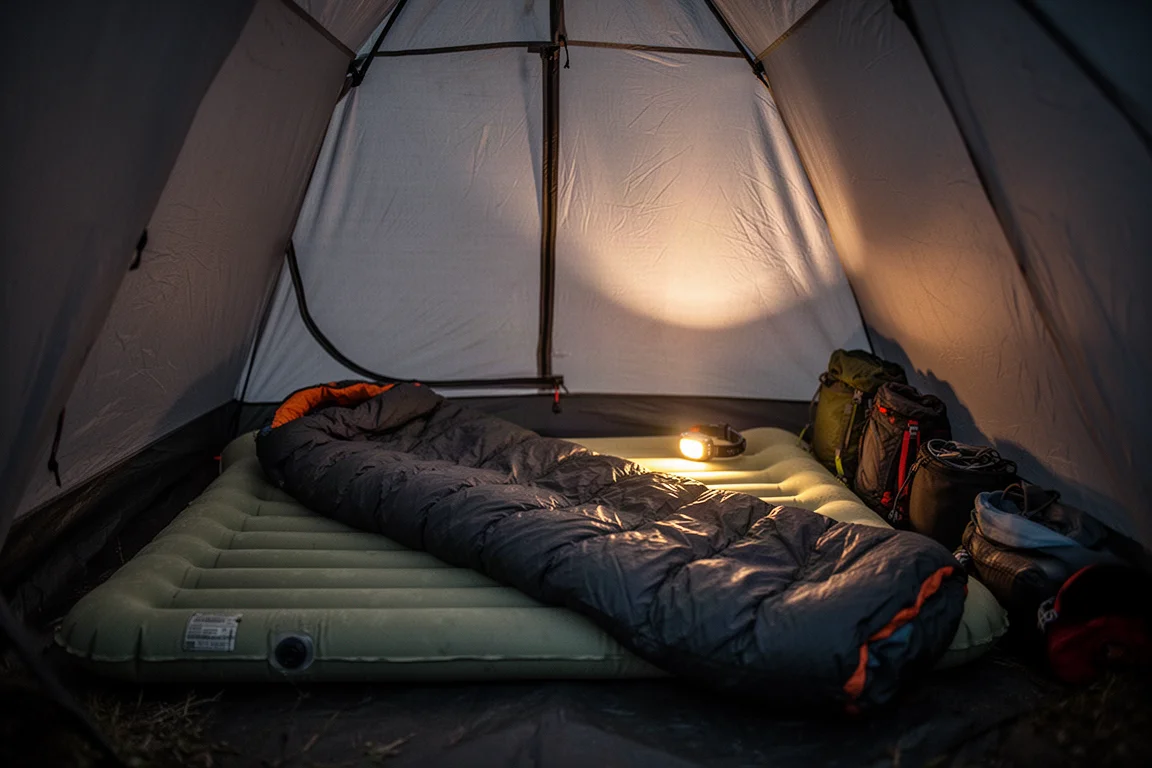
For anyone weighing a switch from hammock to tent, the pad is the piece to get right first. It is the single item that decides whether the change feels like a minor compromise or a nightly annoyance.
Setup, Storage, and Comfort in Practice
Put the four factors together and a pattern emerges. Setup favours the tent by a wide margin, minutes instead of a knot-tying session. Gear storage favours the tent even more clearly, because a hammock leaves your pack and bulkier items outside the sleeping space.
Comfort favours the hammock, but not by as much as hammock campers might expect once a good pad is part of the equation. Warmth favours the tent with an identical insulation setup, which matters in cold regions. Shelter compatibility favours the tent as well, since a pad is required to sleep in a backcountry shelter.
The one area that stays genuinely open is sleep quality across a long thru-hike. Hammocks have a strong reputation there, and the fair test is a second long-distance trip with the tent system before drawing final conclusions.
Buying Advice: Matching the System to Your Trip
Choose the hammock route if you camp mainly in wooded areas, value sleep comfort above everything else, and do not mind spending time on setup. Budget for an underquilt if you plan to camp in cold conditions, and accept that backcountry shelters will not be an option unless you also carry a pad.
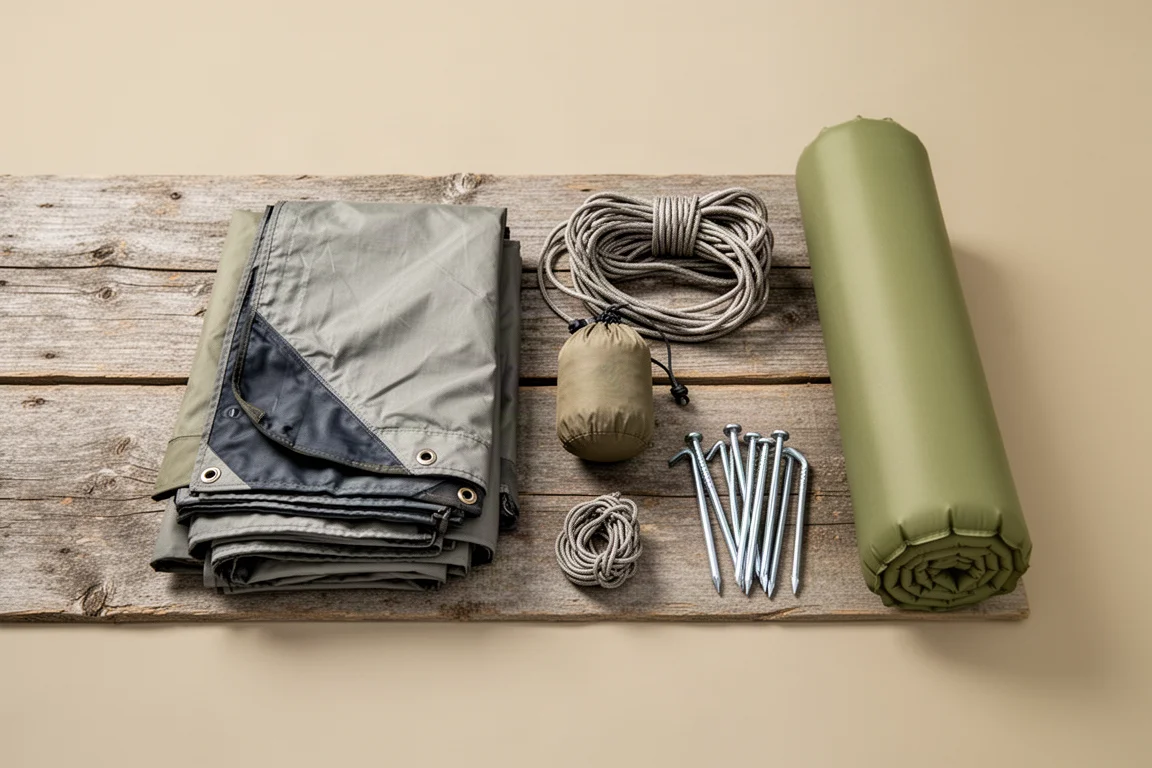
Choose the tent route if you want a fast pitch, a place to store gear, confidence in cold weather, and the flexibility to sleep in shelters. Pair it with a pad you have tested and trust, because that is where the comfort difference is decided.
It is also worth noting that hammock suspensions have evolved, and easier-to-use systems exist beyond the knot-based setups described here. A custom, piece-by-piece hammock build can be lighter than an all-in-one package, which is the most likely route back to hammock camping for warmer, tree-rich trips.
Conclusion
After a few hundred miles under a tent, the tent system has earned its place for most trips: faster to pitch, easier to live with, and warmer in the conditions that matter in the northeast. The hammock still wins on raw comfort and holds a real advantage in heavy rain.
Neither system is a permanent verdict. A hammock setup built around a lighter, simpler suspension remains an appealing project for mild-weather trips among trees, while the tent stays the default for cold-weather routes and shelter-to-shelter itineraries. Match the system to where and when you actually hike, and the choice tends to make itself.
Further reading
Related Reviews

Backpacking Gear
Building a 10 lb Base Weight: An Ultralight Backpacking Gear List
A practical walkthrough of the ultralight pieces behind a 10 lb base weight, from a 765 g pack and a roomy one-person tent to a full camp chair and a dependable water filter.

Backpacking Gear
A 15-Pound Lightweight Backpacking Gear List for Solo Trips
A beginner-friendly 15-pound backpacking setup built from easy-to-find gear, with notes on what each piece does, how it packs, and where to spend your attention.
Backpacking Gear
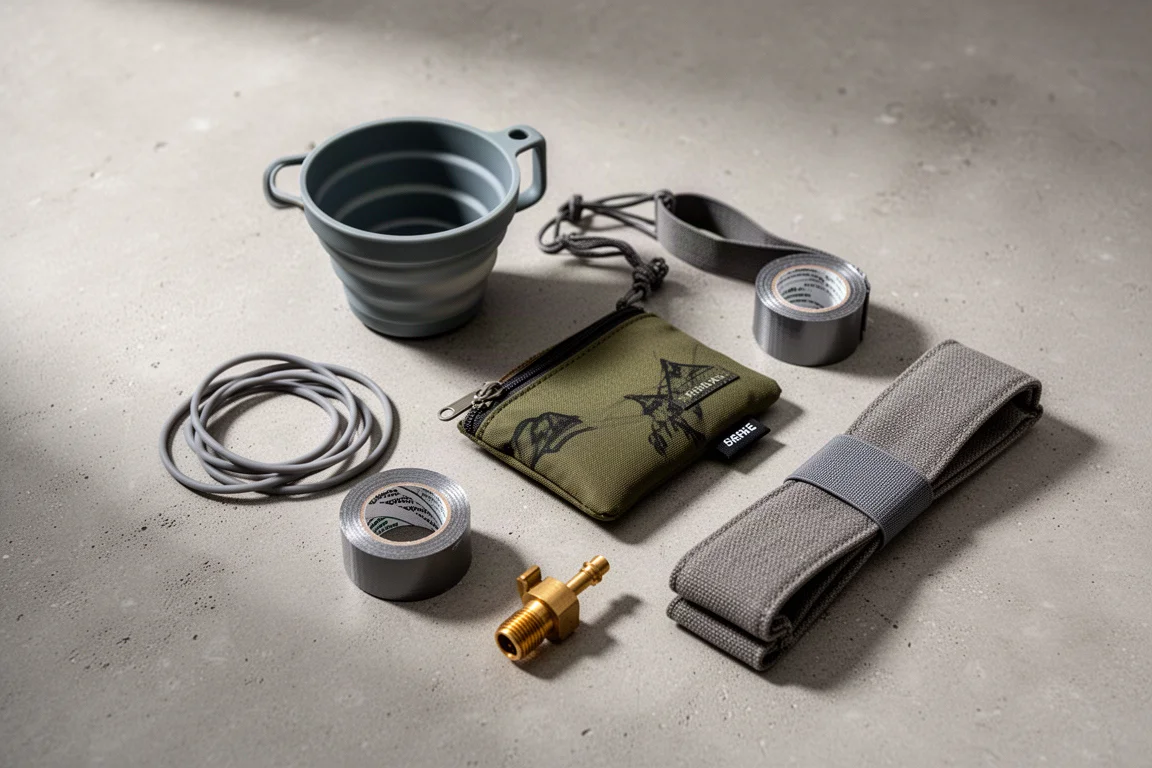
8 Ultralight Backpacking Gear Upgrades Worth Carrying
Eight small, affordable backpacking upgrades that solve real trail annoyances, from a pillow that stays put to a fuel valve that rescues leftover canister gas.