Bike Computers
Hammerhead Karoo 3 Review: An Evolutionary Upgrade Done Right
A brighter display, longer battery life, dual-frequency GPS and a new companion app make the third-generation Karoo a solid buy, even if the changes add up more than they dazzle.
Introduction
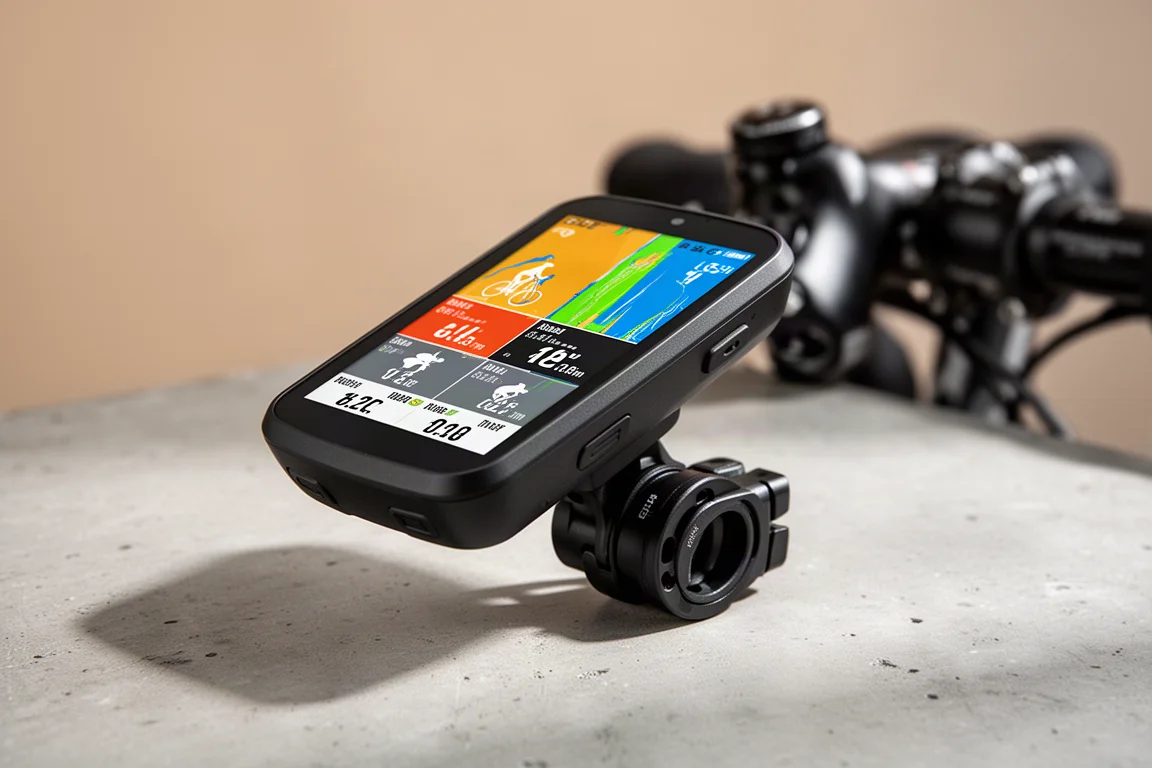
The third-generation Hammerhead Karoo is here, and Hammerhead has a simple message about its name: it is not the Karoo 3, just the new Karoo. Practically speaking, it is the third generation of the company’s flagship GPS bike computer, and that is how riders will search for it, so that is how we will refer to it here.
After several months of riding with it in everything from bright sun to thunderstorms, the picture is clear. This is an evolutionary upgrade rather than a revolutionary one, but the refinements combine into a genuinely better device. It sits comfortably among the current top-tier bike computers, alongside the Garmin Edge 840 and the Wahoo ELEMNT Roam V2.
Who This Product Is For
The Karoo 3 makes sense for riders who want a large, smartphone-like touchscreen experience with strong mapping, a flexible app ecosystem, and deep Strava integration. If you already run a Karoo 2, no single feature here will make you rush out and upgrade. Instead, it is the combination of a brighter display, longer battery life, the new companion app, and the much louder beeps that may eventually tip the scales.
If you are coming from an older unit or another brand, the Karoo 3 is an easy recommendation. It works well as a daily bike computer and the overall experience feels polished.
What’s New in the Hardware
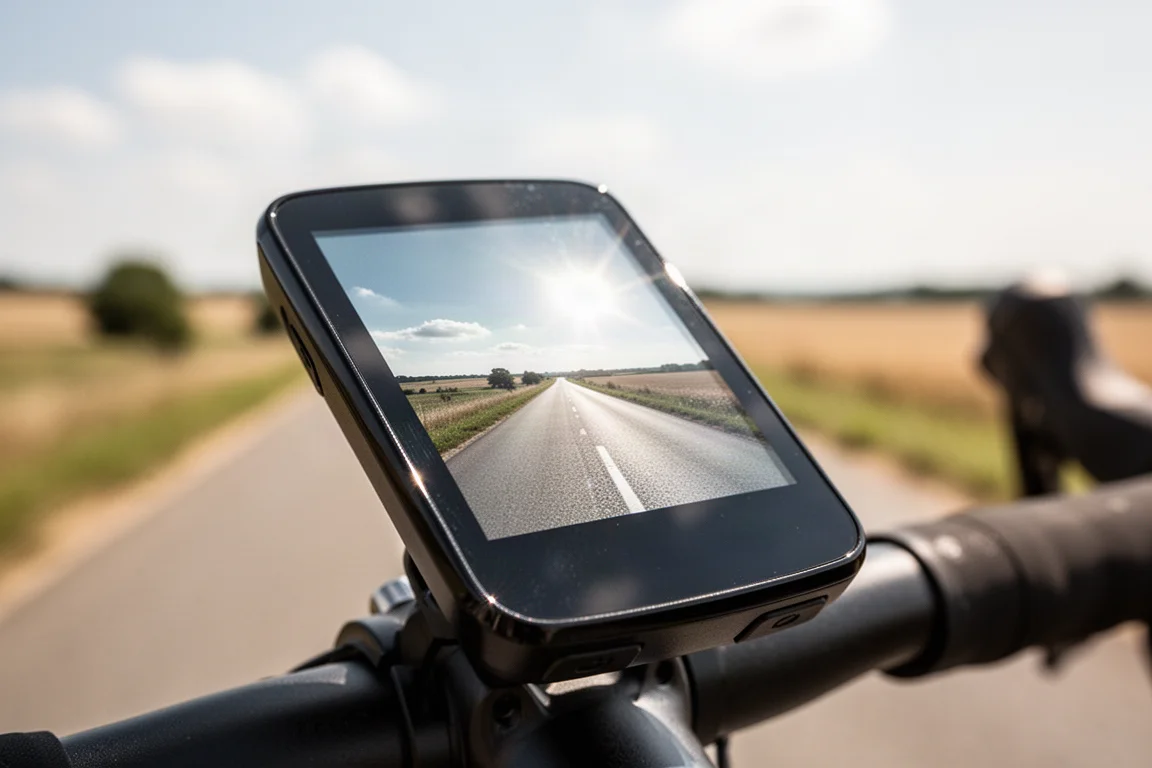
The changes compared to the Karoo 2 are modest on paper, but meaningful in use. The headline is the display: it is considerably brighter than before, and in direct sunlight at 100% brightness the data fields genuinely pop. A new option called AutoBrite uses a new ambient light sensor to automatically adjust brightness to the conditions around you, saving battery while keeping the screen readable. It worked reliably through bright sunny days, stormy afternoons, and everything in between.
Inside, the processor and storage have both been doubled, along with the RAM. Map storage is now 64GB with 56GB usable. The result in practice is a device that is faster than the Karoo 2 in some areas, only marginally faster in others, and still somewhat laggy for day-to-day swiping compared to its main competitors, particularly when a long ride has navigation loaded.
The beeps deserve special mention. Hammerhead has increased the alert chirp loudness dramatically. Structured workout alerts are now unmissable, closer to a jolt than a beep. The catch is that there is no volume adjustment: it is all or nothing. You wanted beeps, you get beeps.
Other refinements include a weight reduction from 132g to 118g, a larger battery with better tuning, improved touchscreen responsiveness in the rain, and the removal of the SIM card slot. The SIM functionality is replaced by a new companion app, which is a fair trade given how few people actually used the SIM connectivity. Charging is via USB-C, there are physical buttons on the side and front plus a dedicated power button, and the back uses the Hammerhead Mounting System with a Garmin adapter plate included in the box.
Screen Usability and Everyday Interface
The Karoo platform remains one of the most flexible bike computer interfaces available. You can create multiple ride profiles for road, trainer, mountain biking, and more, each with its own data page setup, routing preferences, and sensor pairings. Data pages support up to 10 fields each, with a variety of graphical layouts available.
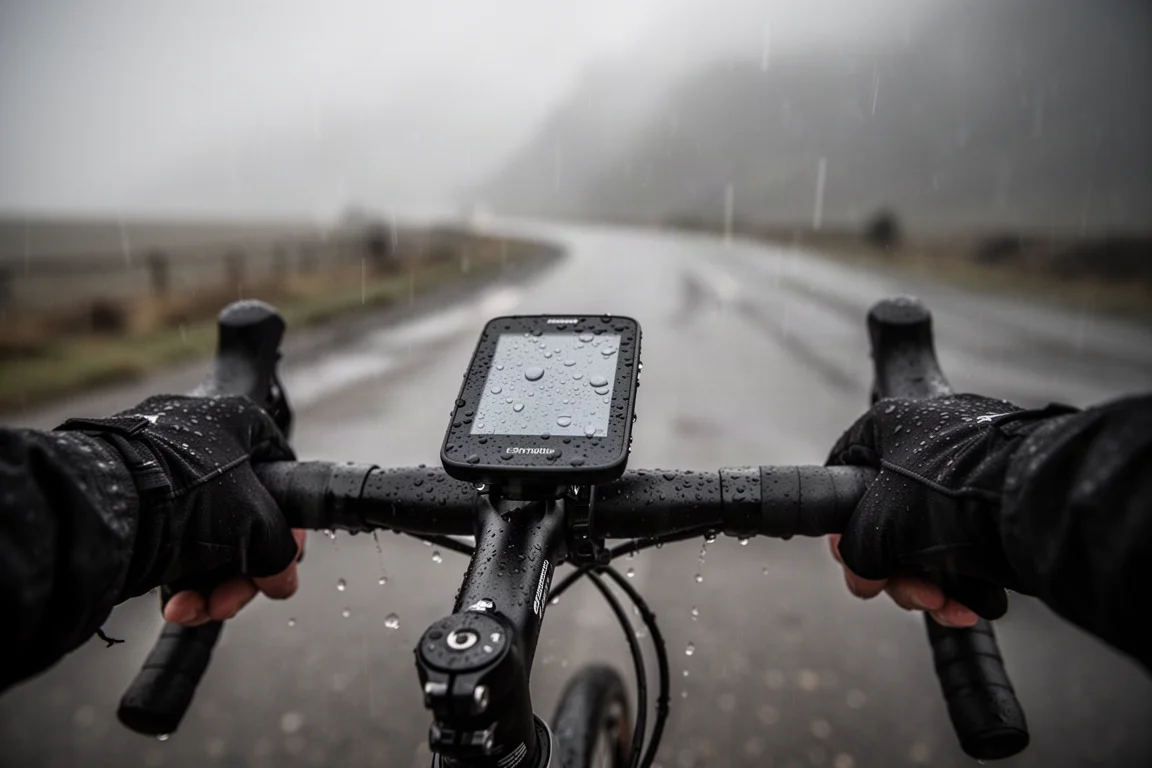
The app drawer also supports installing third-party apps via sideloading, which keeps the platform unusually open for a bike computer. In heavy rain testing, the touchscreen responded well even with Rain Lock switched off, with only the occasional missed touch in a full downpour. Rain Lock remains available in the settings if you want to fully lock the screen against wet conditions.
Sensors and Connectivity
The sensor system handles ANT+ and Bluetooth standards well, covering radar, bike lights, power meters, speed and cadence sensors, and ANT+ electronic shifting. A nice touch is grouping multiple sensors, such as SRAM AXS components, into one cohesive group with battery status at a glance.
One notable gap: Shimano Di2 gear and battery data is not officially supported. Shimano pulled Hammerhead’s licensing ability to display that information, and the situation has not changed despite efforts to resolve it. The information is not secret; every other bike computer can display it. A free third-party plugin does exist that gets all that data onto the Karoo, and it works impressively well.
The new companion app is Karoo 3 exclusive due to hardware constraints on the older unit. It syncs routes, structured workouts, and completed rides over your phone’s connection, useful when you are away from home Wi-Fi. Live tracking is included, with a shareable link and QR code, though the limitation is that the live page only shows the planned route ahead rather than your historical track, which is less capable than what the competition offers.
Climbing, Strava Segments and Ride Uploads
The Climber feature automatically detects approaching climbs and displays distance, altitude to the top, and remaining elevation, both in free ride and with a route loaded. With a route loaded it will even tell you where you are in the sequence, such as being on climb 10 of 12.
Strava integration is arguably the best on any bike computer. Favourite segments trigger a countdown as you approach, and once on the segment you see your position relative to the KOM, your PR, and named leaderboards live. It is motivating in a way few other units match.
After a ride, you can edit the title, choose which platforms to upload to, and save directly from the device. Sync happens through your phone, so uploads complete within seconds even when you are miles from home.
Navigation and Mapping
Mapping storage has doubled to 64GB, and offline maps are managed per country or region, each available as a detailed base map plus a layer of Suunto heatmaps. Depending on where you ride, the heatmap layer ranges from genuinely useful to nearly empty, but in populated regions it is excellent.
Routes sync automatically from services like Strava and Komoot, and the Hammerhead dashboard lets you organise them into collections for different areas. On the road, turn notifications appear in yellow, with a full list of directions available by swiping. Points of interest can appear on routes, and off-course rerouting simply guides you back to the next section of the route and merges you in naturally.
Routing home works well too, drawing a pink line to your designated home location, and it accommodates overrides if you decide you know a better way. You can also send destinations from Apple Maps or Google Maps on your phone to the unit and navigate to them as a dot on the map.
Battery Life and Accuracy
Hammerhead claims up to 15 hours of GPS ride time, and real-world testing backs it up. Most rides were tracked on the map page with auto backlight typically hovering around 40-50%, and projected battery life consistently landed around 12.5 to 13 hours. Brightness, navigation, and page choice all affect the burn rate, but the improvement over the previous generation’s realistic eight to nine hours is substantial.
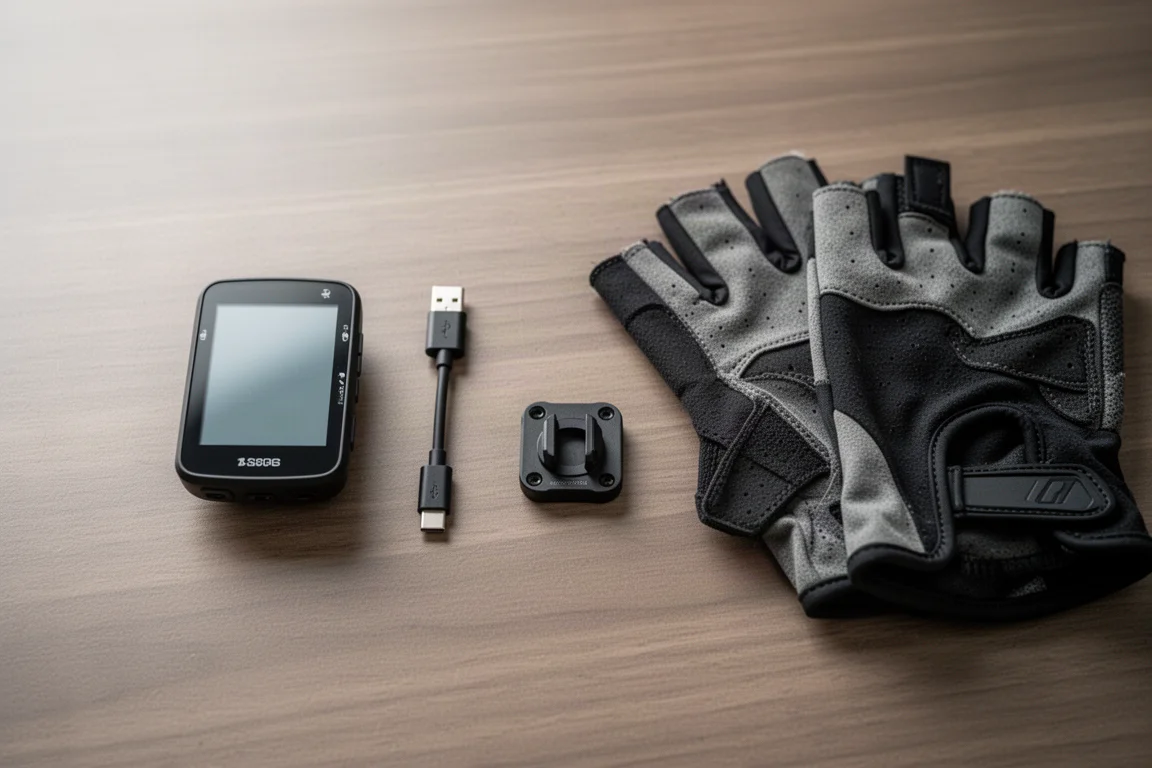
Accuracy is where the Karoo 3 gains ground properly. A new multiband, dual-frequency GPS chipset brings it in line with Garmin and Wahoo. Testing showed spot-on track accuracy on straight, flat roads and clean recordings through switchbacks and even a 150-200 metre tunnel.
Elevation accuracy is mostly very good, with spot-on switchback data and only around 25 metres of variance at the top of a 650-700 metre climb. The unit lacks continuous altimeter calibration during a ride, so it can drift slowly over several hours, and one test ride suffered a calibration bug that offset elevation for the first 15 minutes. That issue appeared exactly once across months of rides, so it is worth noting but not worrying about.
Buying Advice
For Karoo 2 owners, this is not an urgent upgrade. The gains are cumulative: better display, better battery, louder alerts, the companion app, and dual-frequency GPS. If several of those together matter to you, the move makes sense. For everyone else coming from an older or competing unit, the Karoo 3 is a solid buy and a confident daily companion.
Conclusion
The Karoo 3 refines rather than reinvents, and that is exactly what a third generation should do. The brighter screen and AutoBrite alone make it a pleasure to use outdoors, battery life finally reaches sensible territory, and the mapping and Strava features remain class-leading. It is a strong choice for riders who value a flexible, touchscreen-first bike computer with excellent navigation.
Product link
View more details for Hammerhead Karoo 3
This product is mentioned in the review. Check the specifications, options, and compatibility before buying.
View more details for Hammerhead Karoo 3Further reading
Related Reviews
Bike Computers
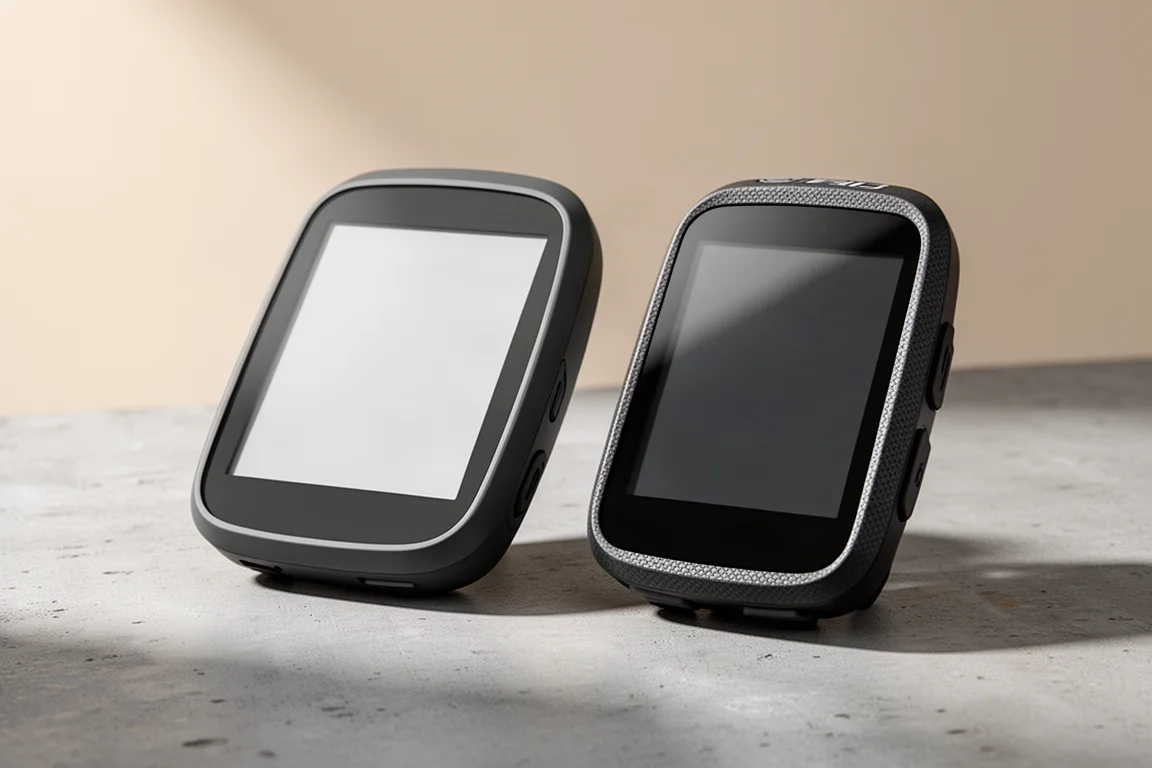
Best Bike Computers 2026: Wahoo ELEMNT ACE, Garmin Edge 1050 and Two Value Alternatives
A practical comparison of the Wahoo ELEMNT ACE and Garmin Edge 1050, plus two cheaper computers that cover the essentials for far less.
Bike Computers
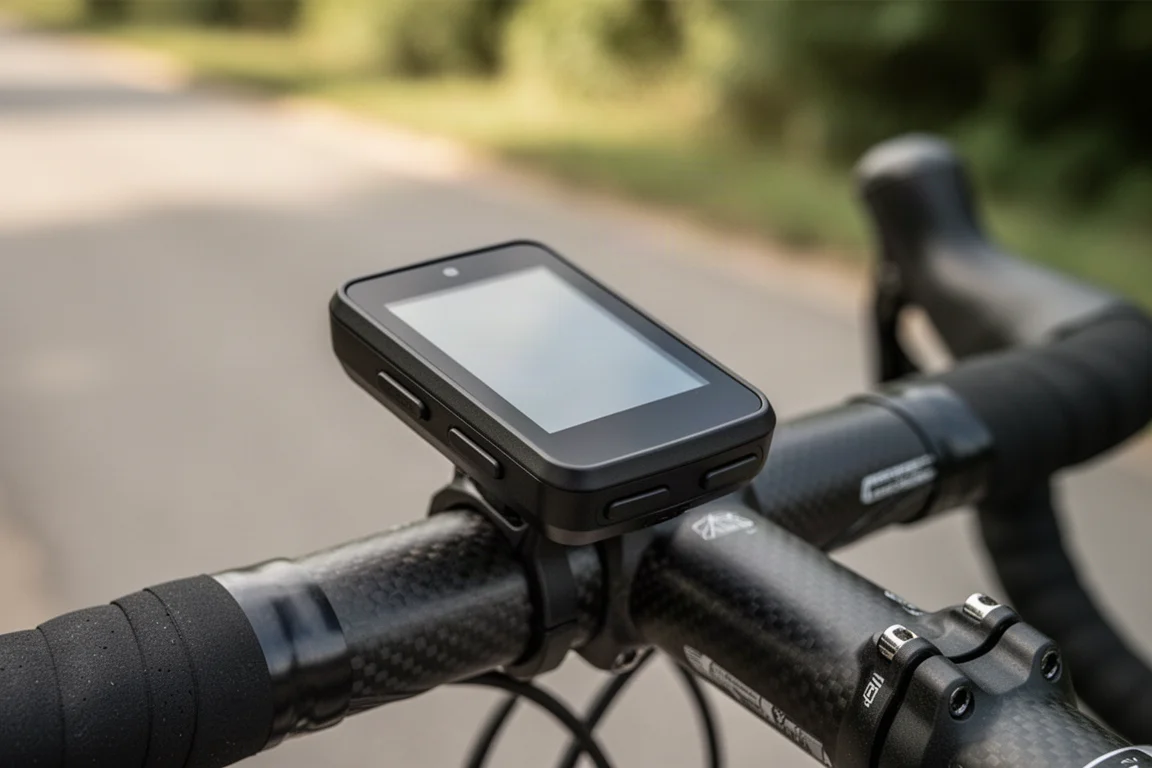
Bryton Rider 650 Review: High-Performance GPS Without the Premium Price
A full-featured touchscreen GPS bike computer at a fraction of the cost of its premium rivals, with a few quirks worth knowing before you buy.
Bike Computers
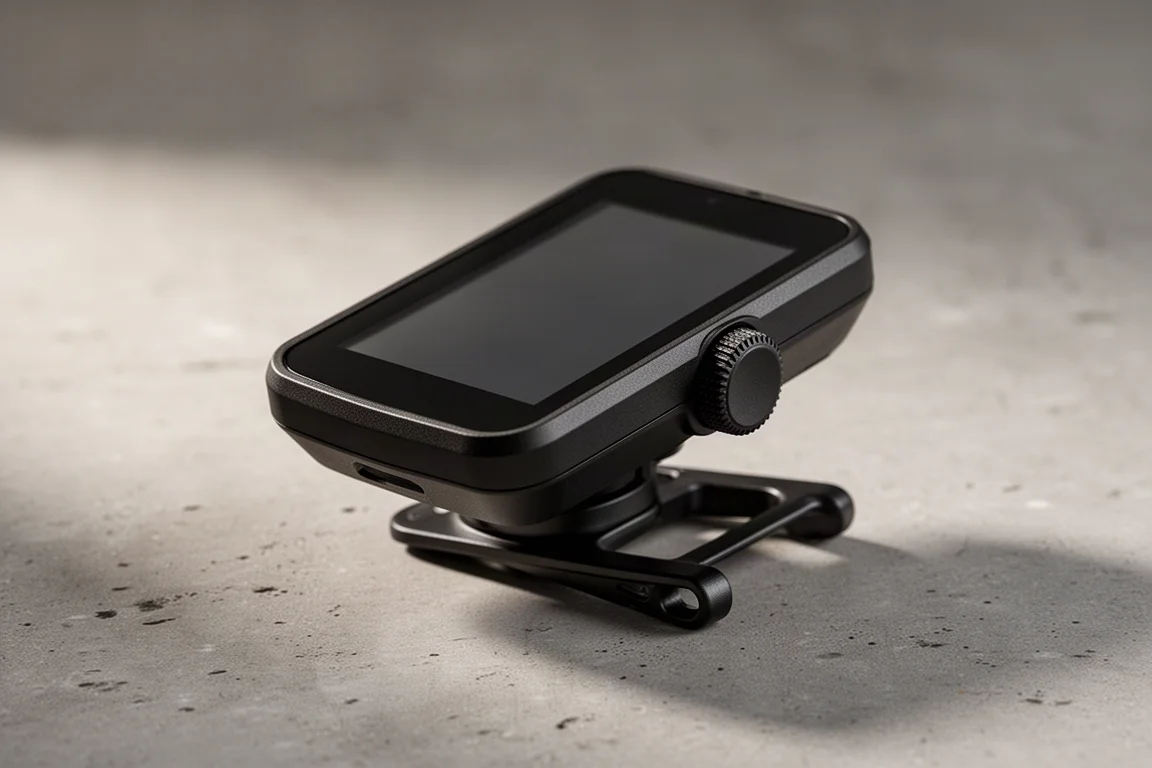
Coros Dura Review: A 120-Hour Battery Claim and a Serious Value Pitch
The Coros Dura pairs a claimed 120-hour runtime with a $250 price. Here is what stands out, what to weigh, and who it suits.