DACs
Gustard X30 Review: A Delta-Sigma DAC That Narrows the Gap to R2R
A full-width desktop DAC built around four ESS ES9039 Pro chips, a custom filter engine and an oven-controlled clock, with the measured noise floor to match.
Introduction
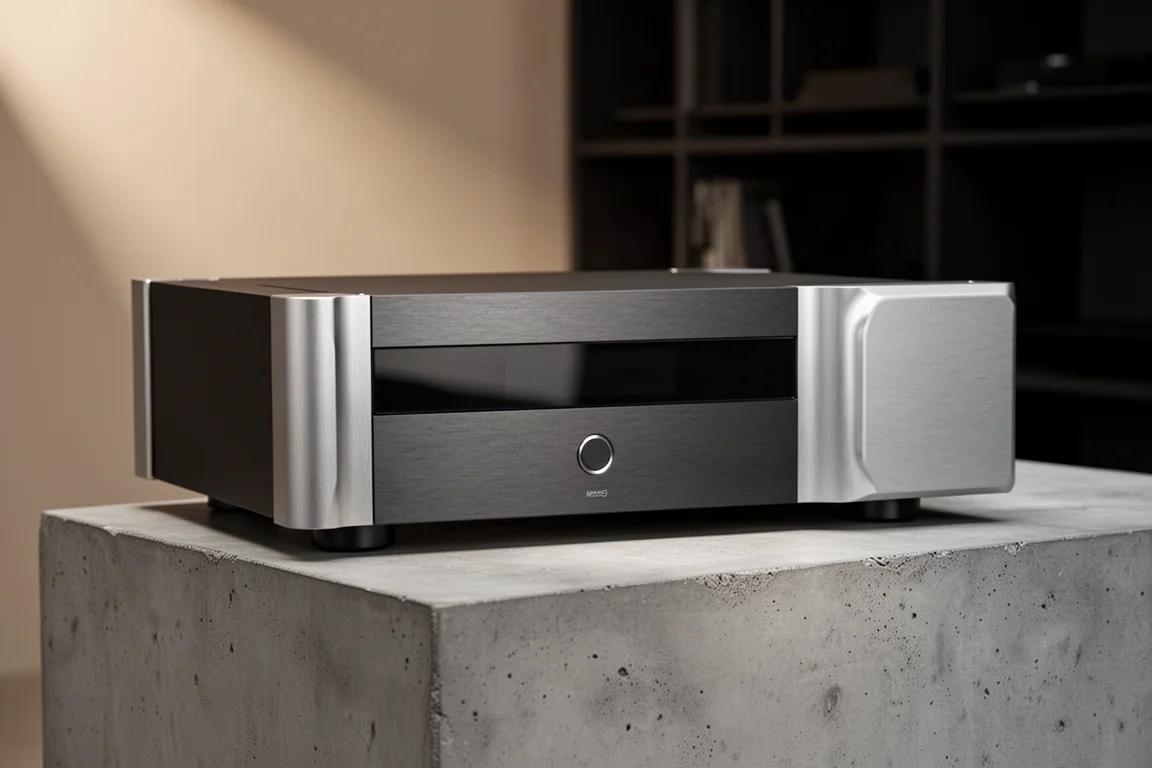
The Gustard X30 is a delta-sigma DAC, and it makes no apology for it. In a market where resistor-ladder designs tend to get the warmest reception, the X30 takes a different route: four flagship converter chips, a custom signal-processing stage and an oven-controlled clock, all housed in a full-width chassis that would look at home beside a serious amplifier.
It retails for $3,000, or around £2,300 before tax, and UK buyers should factor in 20% VAT, which takes the total to roughly £2,760. That places it firmly in premium territory, so the question is whether the engineering justifies the outlay. On the evidence of its architecture and its stated noise floor, it makes a strong case.
Who the Gustard X30 Is For
This is not a first DAC. The X30 makes the most sense for listeners who already own good speakers and amplifiers, roughly in the £2,000 to £3,000 range each, and who want a digital front end that will keep pace as the rest of the system improves. It is also a natural fit for anyone building an all-digital setup who wants a converter that can double as a preamplifier, feeding a power amplifier or a pair of active speakers directly.
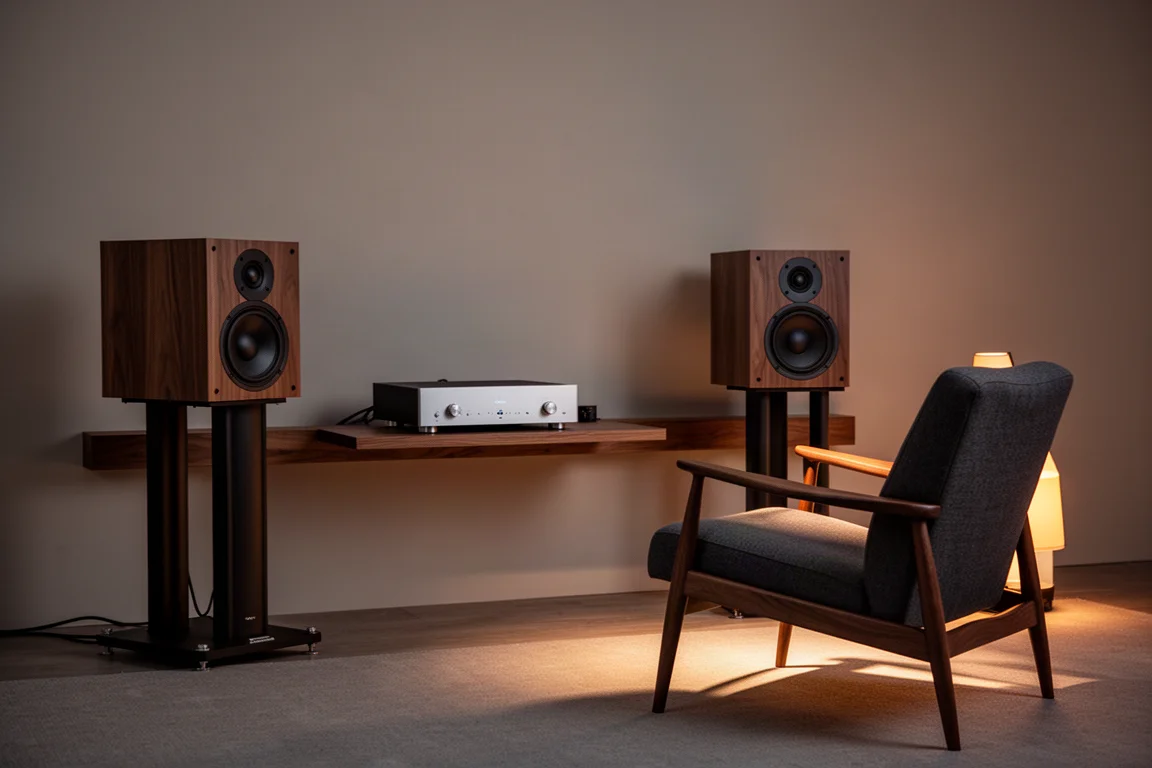
What it is not is a shortcut. The X30 rewards partnering equipment that can resolve what it does well, and it will just as readily reveal the limits of anything downstream that cannot.
Design, Build, and Connectivity
The X30 is a full rack-width component at 430 x 92 x 300 mm, and it weighs 10 kg including packaging. The design is understated and industrial: decent-gauge aluminium plate work with the brand name etched into the top panel, sculpted side panels and a tempered glass strip running across the front. Pressing the logo wakes the unit from standby. Input and sample rate information sits on the left of the display, volume in the centre, and touch controls on the right.
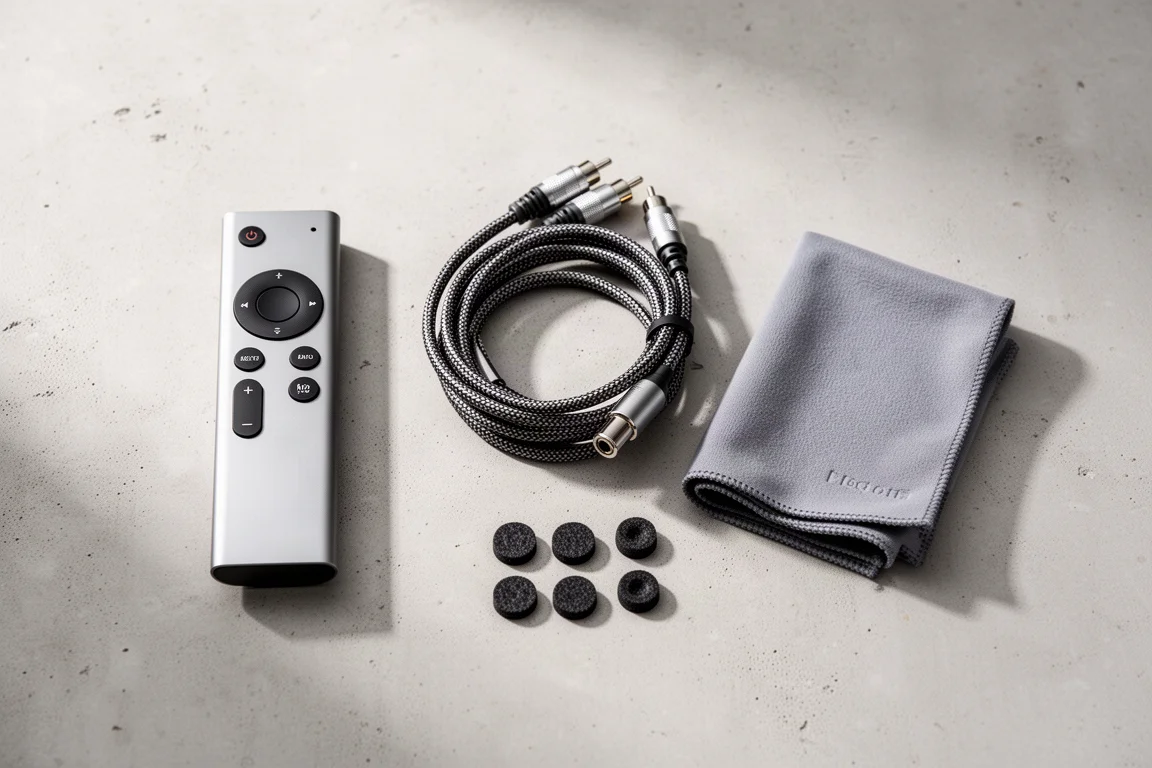
Around the back there are single-ended RCA and balanced XLR outputs, plus a 10 MHz clock input, two I2S inputs, coaxial, optical, AES/EBU and USB. There is also a LAN input, and the onboard stream module works with third-party UPnP apps and Apple AirPlay. The supplied remote is best described as functional; it is clearly not where the budget went.
Inside the X30: Architecture and Engineering
The internal layout is meticulous. Two 50VA toroidal transformers are potted to reduce radiated EMI, with one feeding the analog section and the other the digital side. Multi-stage filtering uses high-quality Nichicon capacitors and six voltage regulators mounted to heat sinks.
Conversion is handled by four flagship ESS ES9039 Pro chips, not the lower-powered Q2M variant. Each chip carries eight channels, and they run in mono mode, two per side, to maintain a genuinely balanced architecture. The extra channels are summed and averaged to push the noise floor down further, which is how the X30 reaches a stated signal-to-noise ratio of 129 dB.
Two further details stand out. Clocking is handled by a custom synthesised mechanism fed by an oven-controlled crystal oscillator, a component rarely seen at this price. And the X30 does not rely on the stock ESS filter, using an Analog Devices SHARC signal processor running custom algorithms for filtering and noise shaping. The analog current-to-voltage and output stages continue the balanced approach with discrete components and a Class A output stage, while a passive analog volume control uses R2R relays and can be bypassed entirely.
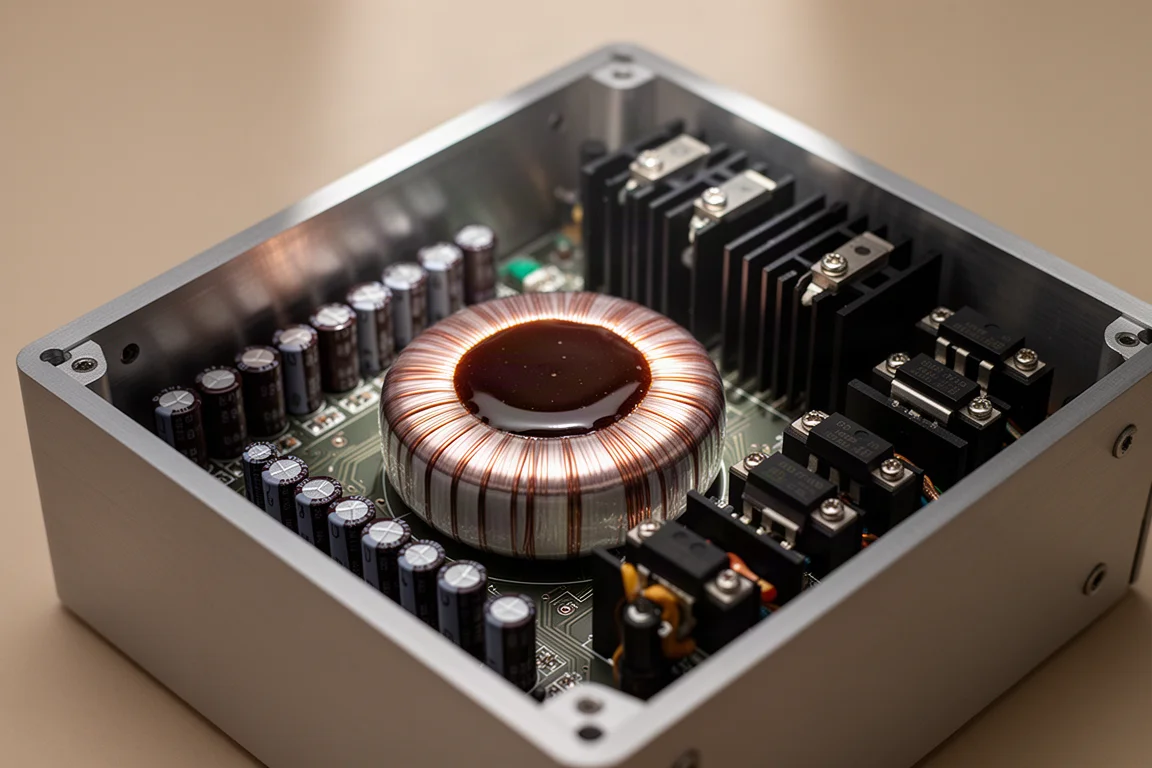
Taken together, this is an architecture that explains the price rather than merely justifying it.
Sound Quality: Precision With a Neutral Character
Bass weight is superbly judged, and note-to-note definition is among the best available in this class. The midrange carries an appropriate sense of acoustic mass, giving a presentation that is neutral and, more importantly, almost entirely natural. The top end is extremely revealing.
That last point cuts both ways. A touch more tonal richness would be welcome for listeners who prize warmth, and the X30’s transparency means it will not flatter a poor recording.
How the X30 Compares With Other DACs
Against the Topping D90 Mark II, a $1,000 design with an equally impressive 129 dB signal-to-noise ratio, the X30 sits in a different league. The D90 Mark II is clean and surprisingly natural for a chip-based delta-sigma DAC at its price, but the gap between it and the X30 is as large as the step from the D90 Mark II to a £350 device.
The Gustard R26, a resistor-ladder design at $1,650, adds detail and instrument separation over the D90 Mark II and layers the soundstage front to back, but it remains a little light in the bass, and against the X30 it lacks resolution, with a soundstage that is noticeably narrower and shallower.
The Denafrips Venus 2, at around $3,000, is the closest competitor on price and the strongest on timbre. Vocals and instruments are more fleshed out, refinement is slightly better, and the decay of acoustic instruments and cymbal hits carries greater authenticity. The X30 answers with tighter bass, crisper transients, more micro-detail and more secure instrument placement.
At $4,600, the Denafrips Terminator 12th Anniversary is more refined than the X30 in most respects, though not all of them, and bass control may still favour the Gustard. It also costs close to twice as much, which is the more important comparison.
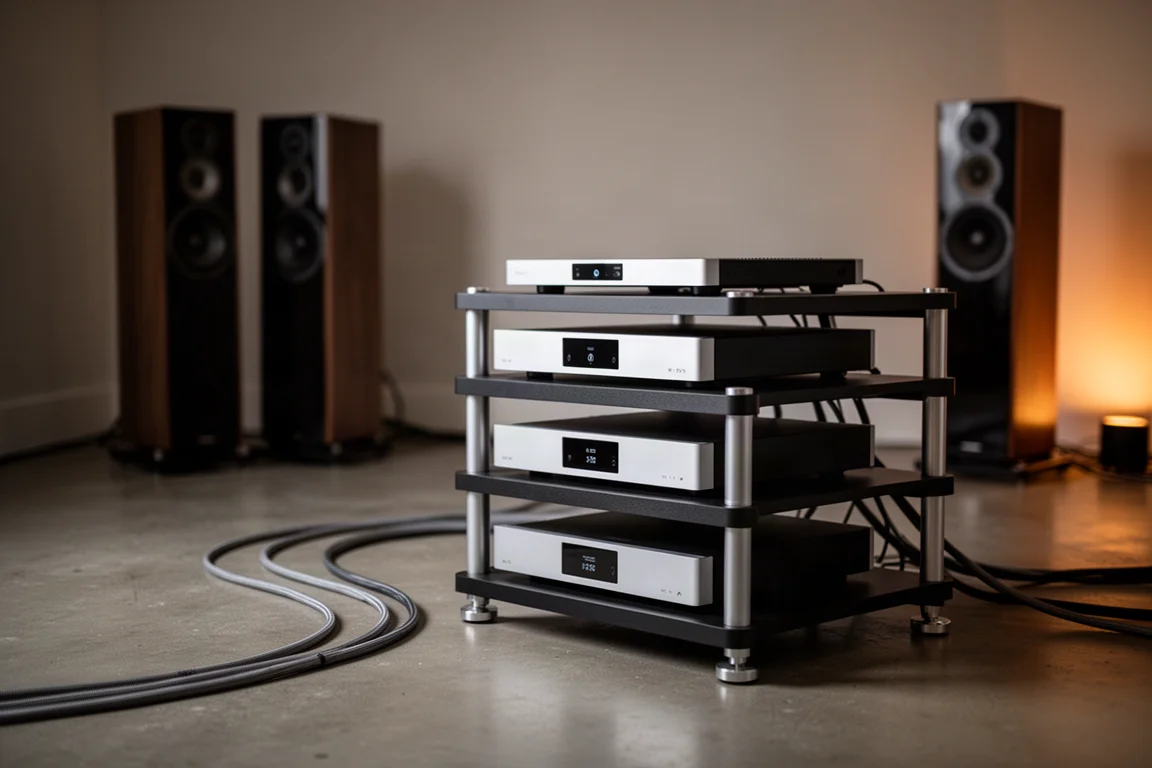
The short version: the X30 gives up a little natural timbre to the finest ladder designs at this price, and gives up almost nothing on spatial presentation.
Controls, Filters, and Everyday Operation
The display is legible from three or four metres, and the menus are simple and straightforward, reached with a longer press of the settings control. Short presses cycle through the digital inputs.
There are three custom PCM filters. Vivid is the default and offers the best fidelity, Gentle softens the sound, and Composite sits tonally in the middle. Four DSD filters are also provided. In NOS mode it is unclear whether the proprietary filters are bypassed or the DSP engine is emulating a non-oversampling ladder DAC; either way, the sound is clearer with oversampling engaged.
The X30 can accept an external clock, but the internal oscillator is good enough that a worthwhile upgrade would likely cost as much as the DAC itself. I2S pin layouts can be configured by mode, phase can be inverted for pro-audio work or the occasional track, and a trigger input can power the unit on automatically. Volume can be set to resume at the last used level or fixed at 2.5 V on RCA and 5 V on XLR, and the display illumination can be set to switch off after a few seconds.
Used as a preamplifier in an all-digital system, the stepped relay volume control behaves as expected, clicking as the relays engage and disengage. There is some shrinking of the soundstage and a little loss of detail compared with the fixed-level output, but it is unlikely that a separate preamplifier under £1,000 would do better.
Things to Consider Before Buying
The X30 is a delta-sigma design, so listeners who specifically want the tonal character of a resistor ladder will not find it here. Its top end is very revealing, which is a strength with good recordings and a liability with poor ones. Its preamplifier mode is excellent for the money but not quite the equal of its fixed-level output. And the remote control is basic, so anyone who relies on a handset should plan accordingly.
Budget matters too. The headline price is $3,000, but UK buyers will pay roughly £2,760 once VAT is included, and the X30 only makes sense when the rest of the system is capable of keeping up.
Buying Advice
If your speakers and amplifiers sit in the £2,000 to £3,000 range and you are looking for a digital hub to build around for years, the X30 is an easy recommendation. It represents a substantial step up from the internal DAC in an integrated amplifier such as the Hegel H190, and it will keep delivering as partnering equipment improves.
Pair it with equipment of comparable quality and take the time to work through the filter options. Vivid is the sensible starting point, and the fixed-level output is worth using if you already have a preamplifier you trust.
Conclusion
The Gustard X30 is a handsomely constructed DAC with a comprehensive feature set and an internal architecture that is genuinely exemplary. Its implementation of four ES9039 Pro chips and its proprietary filtering deliver detail and a natural musical presentation that chip-based designs have not always managed. Against the best resistor-ladder converters at this price it gives up a little in timbre and almost nothing in spatial presentation, while offering a level of precision and control those designs often cannot match.
For listeners with the system to support it, the X30 deserves a place at the top of the audition list.
Product link
View more details for Gustard X30
This product is mentioned in the review. Check the specifications, options, and compatibility before buying.
View more details for Gustard X30Further reading
Related Reviews
DACs
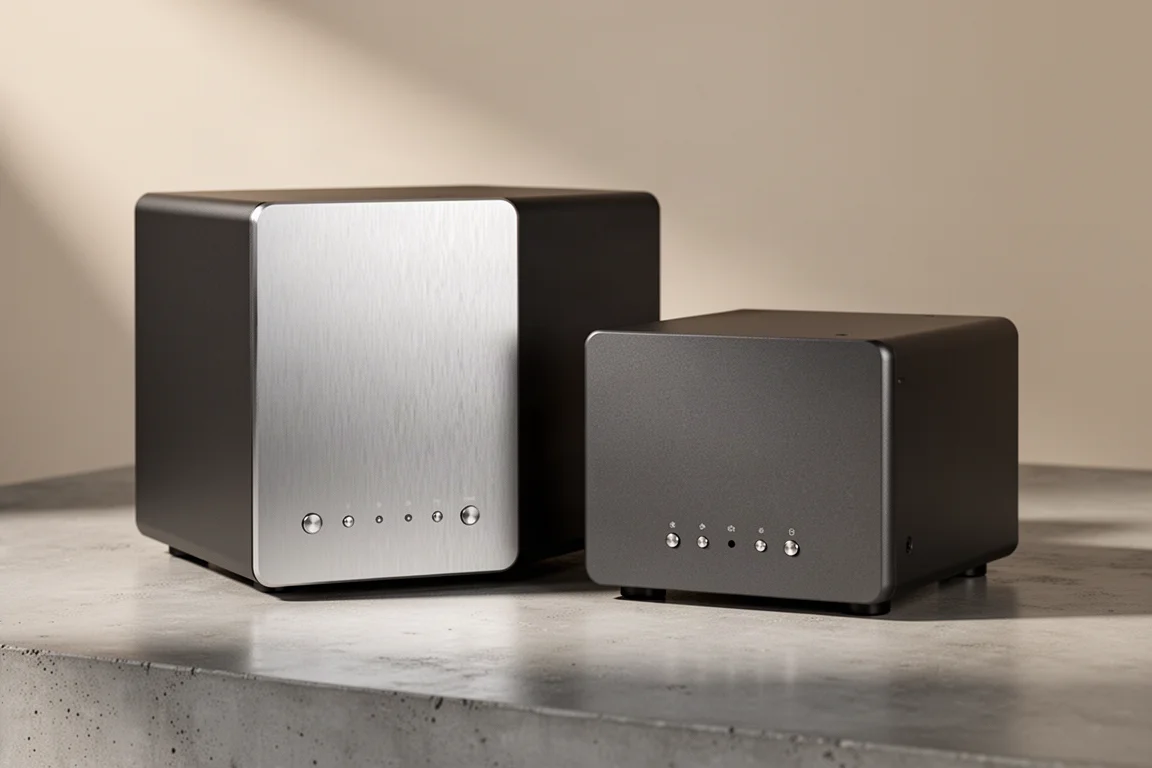
Denafrips Pontus II vs Ares II: Which R2R DAC Fits Your System?
A practical comparison of two Denafrips R2R converters: what the Pontus II adds over the Ares II, and which one makes more sense for a typical system.
DACs
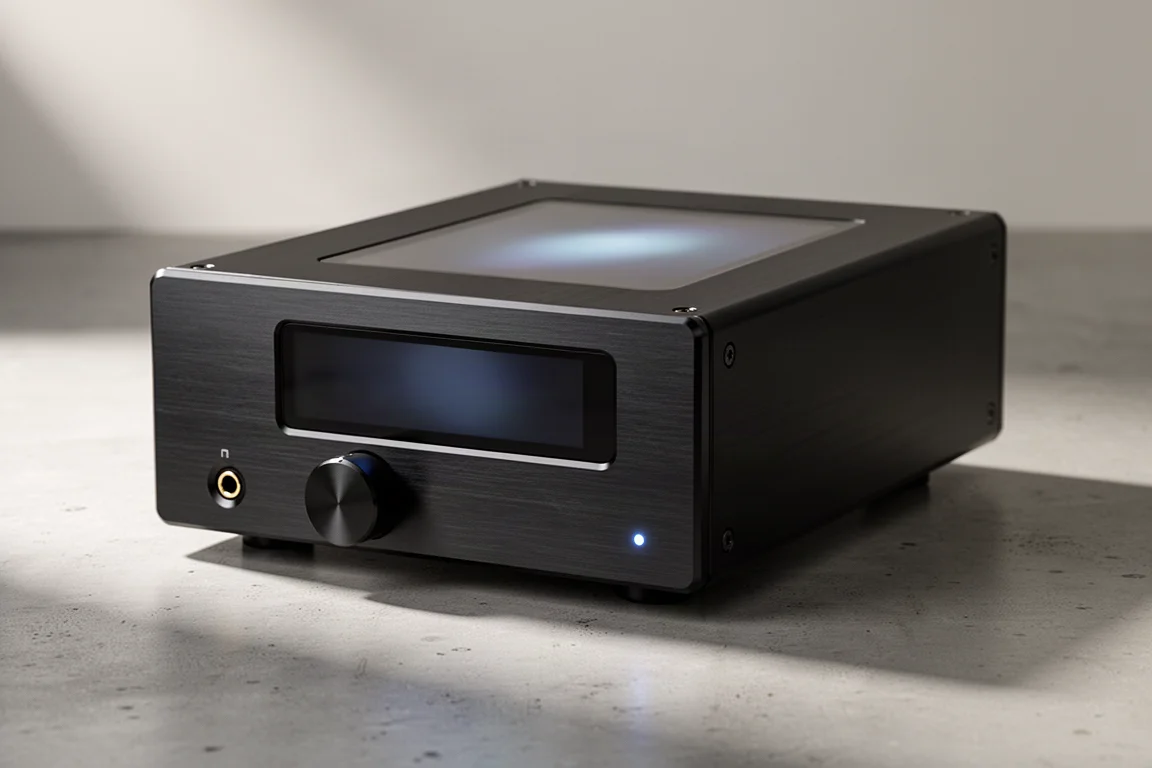
Eversolo DAC-Z10 Review: A Feature-Packed DAC and Preamp in One Box
A close look at the Eversolo DAC-Z10, a $1,980 converter and preamp with a configurable touch display, a very wide input selection, and refined sound.
DACs
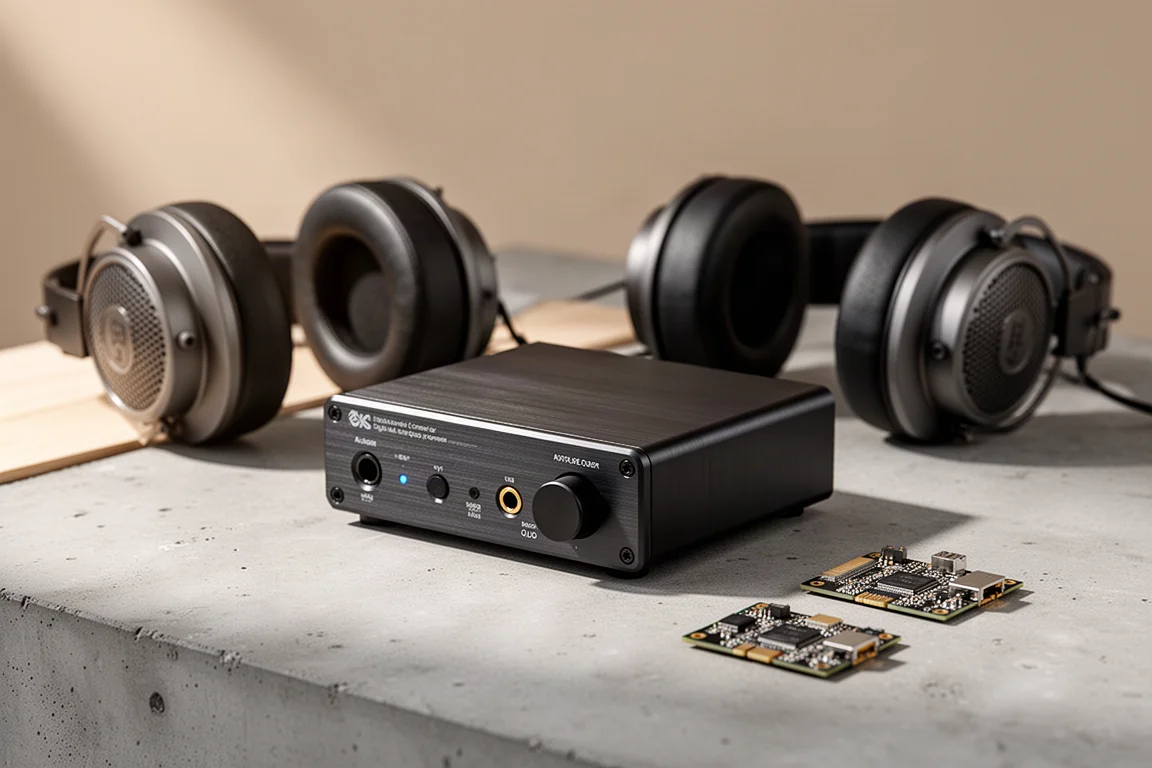
Geshelli Labs Torque DAC Review: A Modular Converter That Changes With Your System
A close look at the Geshelli Labs Torque, a US-made modular DAC that lets you swap converter boards and output modules instead of replacing the whole unit.