Hi-Fi DACs
Gustard X18 Review: A $750 DAC Built Around Connectivity and Body
A close look at the Gustard X18, a well-built desktop DAC with AES, I2S, and Bluetooth on board, a full-bodied sound, and a few everyday compromises worth knowing about.
Introduction
The Gustard X18 is a desktop digital-to-analog converter priced at $750. It is built around the ESS Saber 9038 Pro chip and an XMOS XU16 processor, and it handles full MQA on essentially all of its outputs. Around that core sits an unusually broad connection set for the money: balanced outputs, a single-ended RCA pair, AES, I2S, full-size optical, coaxial, USB, and Bluetooth covering SBC, AAC, aptX, aptX Low Latency, aptX HD, and LDAC.
That breadth is the X18’s main argument. It is also a physically substantial component, with a toroidal transformer inside and a textured metal chassis that looks and feels more expensive than its price suggests. The open question is whether the feature list and the finish justify the outlay when several capable converters cost less.
Who the Gustard X18 Is For
The X18 is aimed at listeners who want one converter to cover many sources rather than a minimal box with a single USB input. If a system includes a computer, a network streamer, a disc transport, and a phone or tablet used for casual listening, the X18 can accept all of them without an external switcher or a separate Bluetooth receiver.
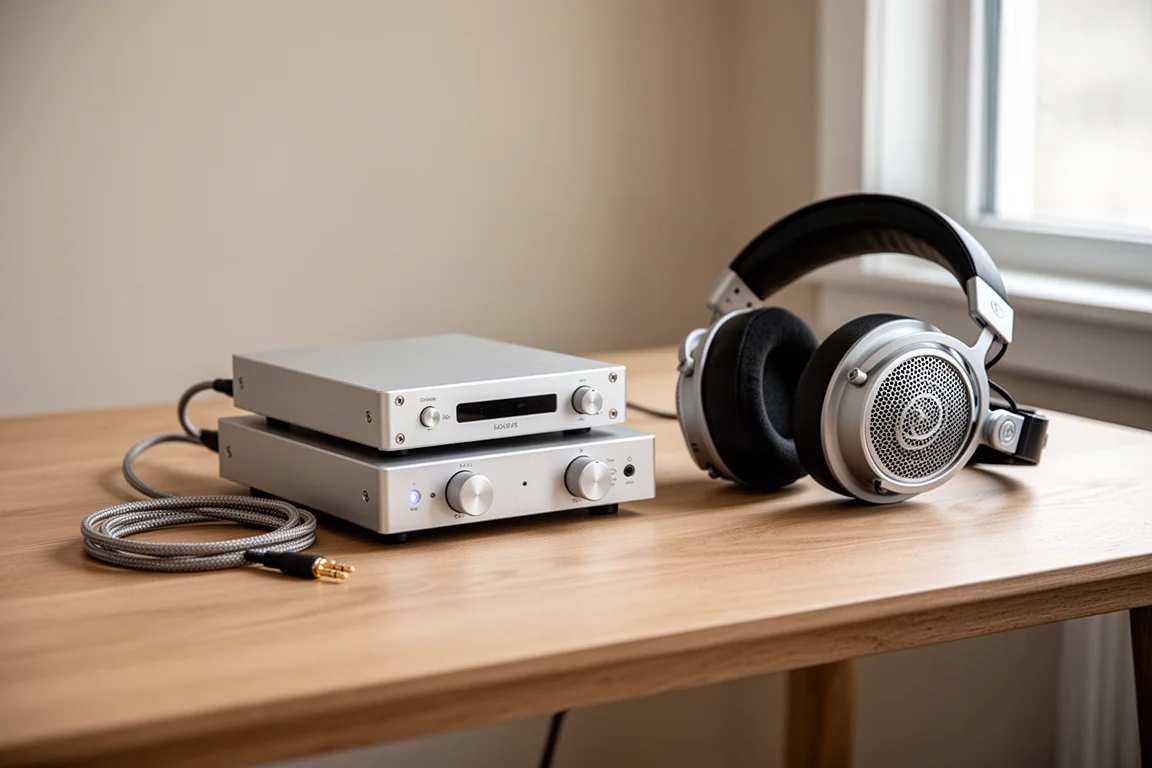
It also suits anyone building a system around amplifiers and speakers that lean analytical. The X18’s fuller, weightier presentation tends to balance components that are neutral, lively, or slightly bright rather than adding warmth on top of warmth. Placed in a rack or on a desktop, it reads as a deliberate piece of equipment rather than an accessory.
Main Strengths
The X18’s case rests on three things: how much it can connect to, how solidly it is built, and a sound that gives certain systems more body than they would otherwise have.
Sound Character and System Matching
Tonally, the X18 leans full. Male vocals in particular gain weight: a baritone voice comes across with more body and depth than through some comparably priced converters. Acoustic recordings with dense reverb tend to sound richer and more filled in through the midrange.
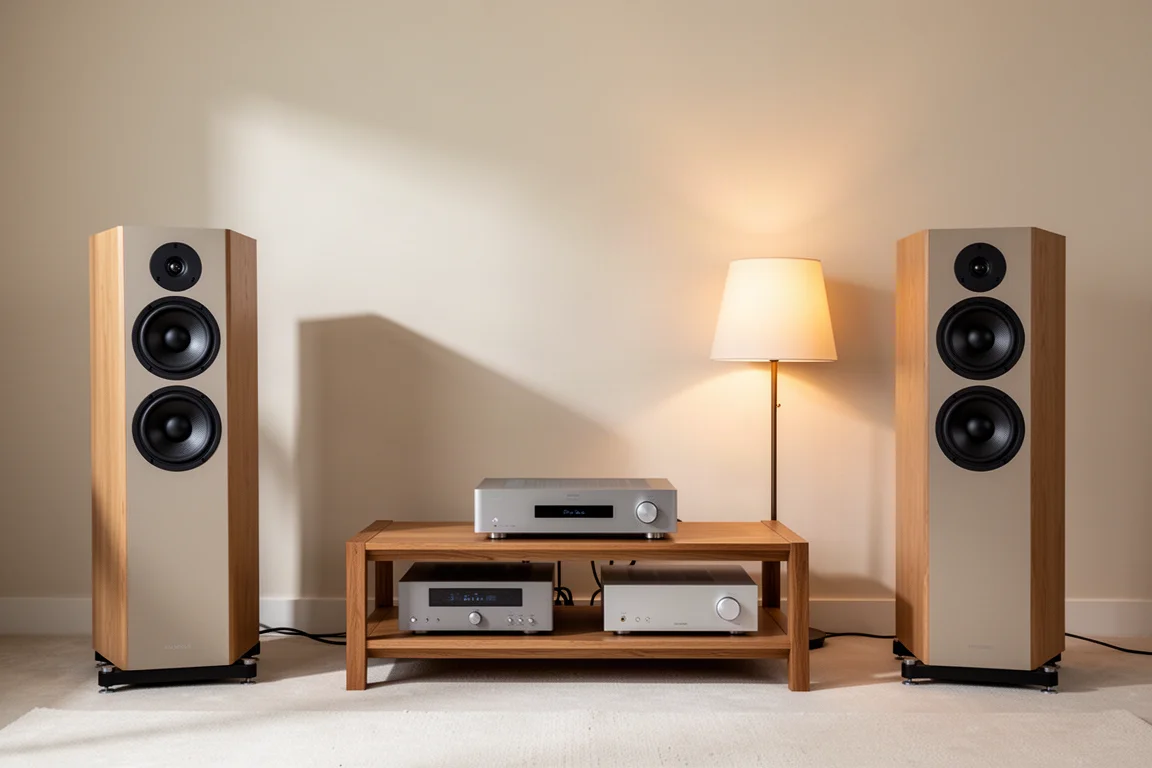
Where the X18 gives up ground is at the top of the range. Compared with an R2R converter, its treble can sound veiled, and fine detail in applause, room ambience, and quiet spoken passages is not resolved to the same degree. Soundstaging is solid but not the widest available, sitting close to several other converters in the same general family. The X18’s strength is weight and body rather than air and openness, which is why it pairs so well with analytical amplifiers and with speakers that are neutral or lean slightly lively.
Connectivity, Build, and Everyday Use
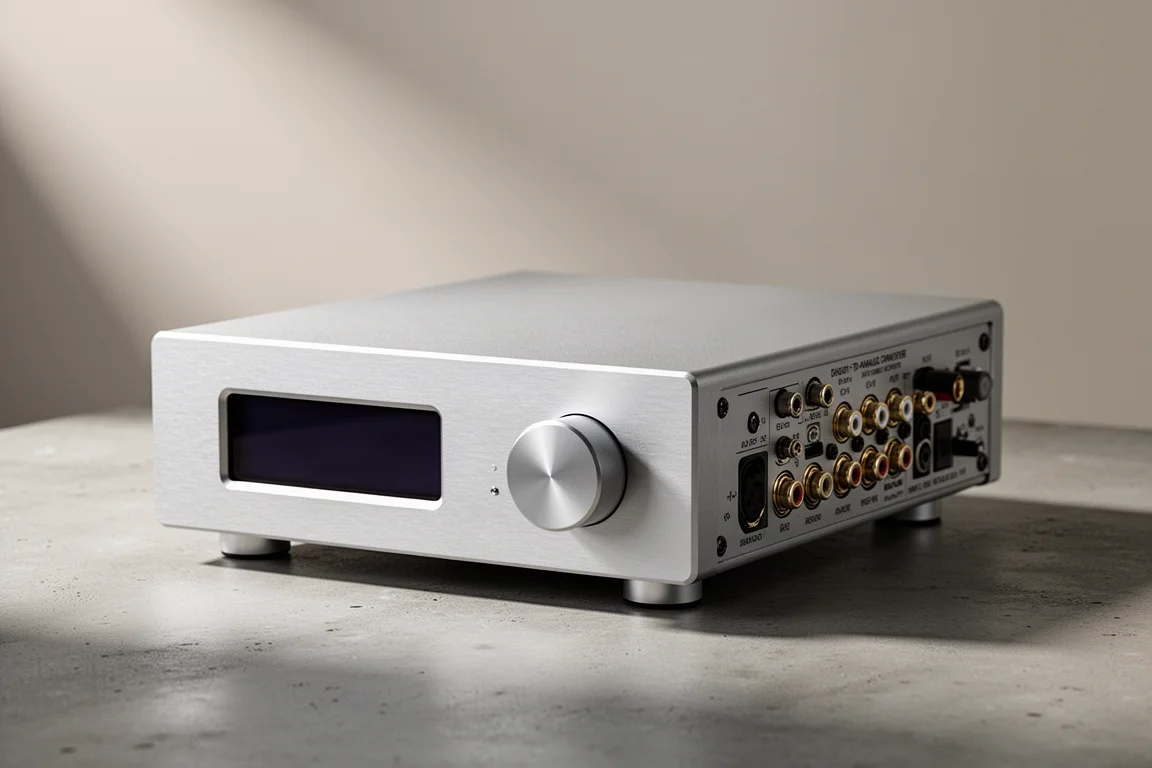
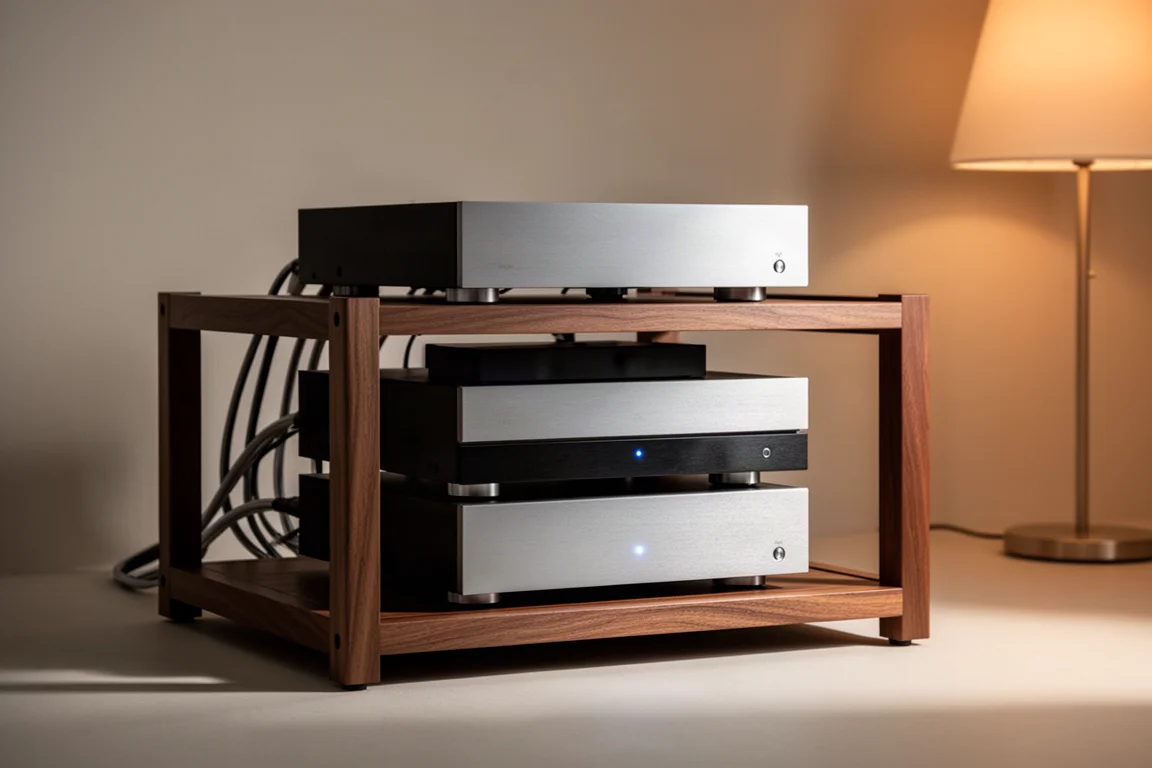
On the back panel, from left to right, the X18 provides a pair of balanced outputs, a single-ended RCA output pair, an I2S connection, an AES digital input, a full-size optical input, a coaxial input, a Bluetooth antenna, a full-size USB input, a voltage switch, an IEC connector, a fuse, and a master on/off switch. The front is deliberately minimal: a logo, a power button, a small screen, and a rotary control that spins and pushes.
The chassis is heavy for its size, largely because of the toroidal transformer inside, and the textured coating on the metalwork gives it a distinctive, slightly rough finish that feels intentional rather than unfinished. The feet are a nice detail. Bluetooth support covers the codecs most listeners will encounter, including LDAC for Android and Sony devices, so wireless playback is genuinely usable rather than an afterthought.
How the Gustard X18 Fits Against the Alternatives
The X18 does not exist in isolation, and its closest competition is instructive. A balanced converter such as the SMSL M500 uses the same 9038 Pro chipset and the same XMOS XU16 processor, offers Bluetooth with LDAC, and costs around $450. Differences in the op-amp stage exist, but the two are more alike than different in hardware and in overall sound. The Denafrips Ares II, an R2R design priced around $850, takes a different tonal path: it resolves the top end better and stages wider, while the X18 sounds fuller and weightier.
Against the Topping D90SE, the X18 is the more attractive proposition: it covers the same ground, looks better, and costs less. The Geshelli Labs J2, at roughly half the price, actually throws a larger and more open soundstage, which shows that price and stage width do not move together in this segment. An iFi iDSD Neo offers similar connections at a similar price, and the X18 is the preferred pick of the two.
Things to Consider Before Buying
Two everyday details fall short of the rest of the package. The front display uses a very small font and is hard to read from more than a few feet away, which makes it useful mainly in a desktop setup where the unit sits within arm’s reach. The display also makes it impractical to tell which of the available roll-off modes is active unless you are close to the screen.
The remote control works and is functional, but it feels like the remote supplied with a $150 converter rather than a component in this price bracket. On a unit positioned as premium hardware, that is a noticeable mismatch.
The value question is worth weighing honestly. Unless a system specifically needs the AES or I2S inputs, much of what the X18 offers can be found for considerably less. The toroidal transformer, the internal re-clocking, and the build quality are real, but they do not translate into an obvious sonic advantage over a well-implemented switching supply in a cheaper rival.
Buying Advice
The X18 is easy to recommend to a specific buyer: someone who needs AES or I2S, wants a wide spread of digital inputs and Bluetooth in one chassis, and values a component that looks and feels substantial in a rack. Set it up, choose the settings you want, and leave it alone. It is not a converter designed for constant fiddling with the front panel.
For everyone else, the decision comes down to priorities. If the widest possible soundstage and the finest treble detail are the goal, other converters do that better for similar or less money. If the goal is a full-bodied, weighty sound that flatters analytical amplifiers and neutral or lively speakers, the X18 delivers, and it remains a better buy than the Topping D90SE.
Conclusion
The Gustard X18 is a well-built, generously equipped converter with a distinct tonal character and a price that demands a clear justification. Buyers who need its AES and I2S inputs, its Bluetooth codec support, or its solid, premium-feeling chassis will find plenty to like. Buyers who simply want the most convincing sound per dollar should compare carefully, because the X18’s strongest arguments are its connectivity and its construction as much as its sound.
Product link
View more details for Gustard X18
This product is mentioned in the review. Check the specifications, options, and compatibility before buying.
View more details for Gustard X18Further reading
Related Reviews
Hi-Fi DACs
Denafrips Ares 12th-1 vs Geshelli Labs J2: Two Paths to a Better DAC
A two-DAC comparison of the Denafrips Ares 12th-1 and the Geshelli Labs J2, covering build, inputs, sound character, and which listener each converter suits.
Hi-Fi DACs
Denafrips Ares 12th Anniversary Review: A Purist R-2R DAC With an I2S Upgrade
A compact, fully balanced R-2R converter with a new I2S input, free anniversary firmware and a clear upgrade path at around £1,000.
Hi-Fi DACs
Denafrips Pontus 15th Generation DAC Review: Trickle-Down R-2R Sound
A two-box R-2R converter that carries the circuit of a far more expensive Denafrips model, with airy staging and a clear system-matching rule.