Hi-Fi DACs
Denafrips Pontus 15th Generation DAC Review: Trickle-Down R-2R Sound
A two-box R-2R converter that carries the circuit of a far more expensive Denafrips model, with airy staging and a clear system-matching rule.
Introduction
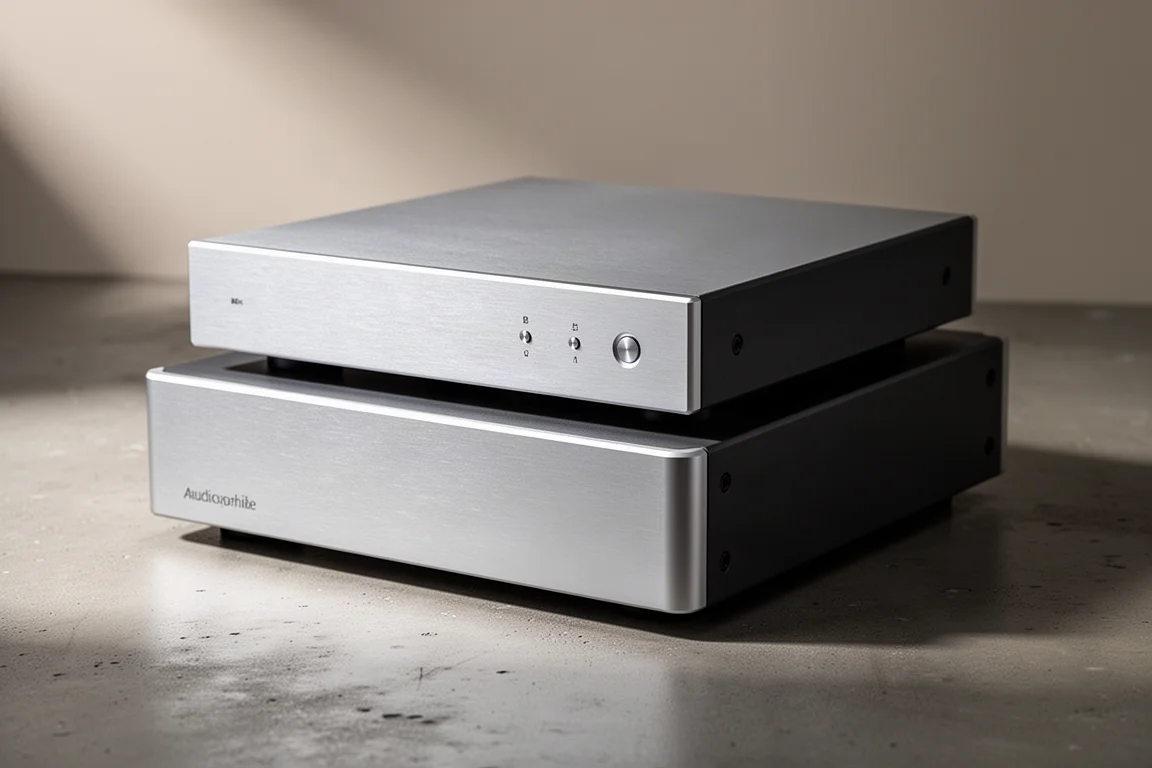
The Pontus has long been the best-selling converter in the Denafrips range, and the 15th Generation arrives with more than a cosmetic refresh. It is still a two-box design: a shielded power supply sits in its own enclosure beneath the main chassis, and conversion is handled by a discrete R-2R ladder network rather than an off-the-shelf delta-sigma chip.
At around $2,000, it now carries a substantial part of the hardware that defined a considerably more expensive Denafrips model only months earlier. That single fact shapes almost everything else about how this DAC sounds and which systems it belongs in.
Who the Pontus 15th Generation Is For
The Pontus 15th Generation is aimed at listeners whose systems are warm or neutral and who want more air, more soundstage width and depth, and finer micro-detail without adding glare. It is a natural fit for anyone curious about R-2R conversion who does not want to spend twice as much to find out.
It also makes sense for owners of a streamer or transport that can feed it over I2S, since that input has been the most impressive connection in direct listening.
It is a weaker match for systems that are already lean, bright, or relentlessly detailed. In that context the extra openness and leading-edge clarity can tip into fatigue rather than refinement.
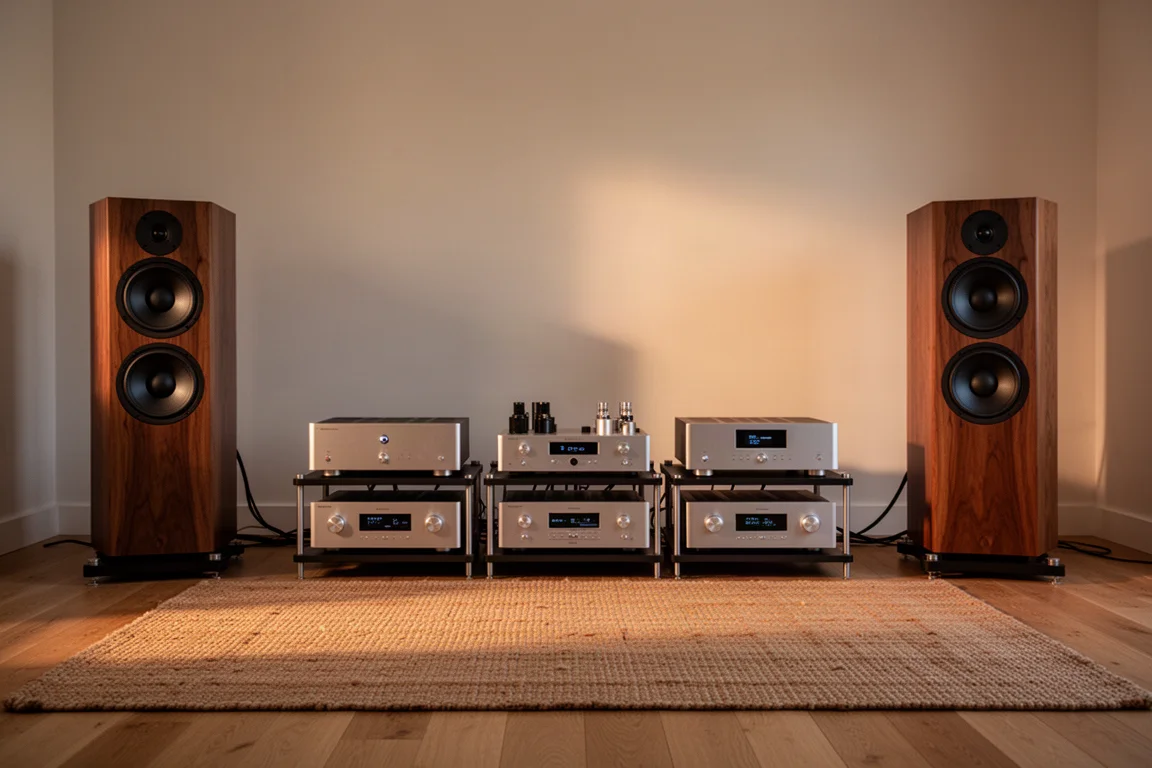
The simplest way to frame it: this is a converter that adds light and space rather than weight and warmth. If your system already supplies plenty of the latter, the balance works beautifully. If it does not, the same qualities can become a liability.
What Changed Inside the Pontus 15th Generation
Opening the unit explains the step up. The board carries a resistor ladder conversion network, and the capacitor complement has been upgraded to the parts used in a higher-tier Denafrips model. The clock and the DSP board have been revised as well, and the wiring running from the main board to the power supply is silver, again matching the more expensive design. The board itself carries that higher-tier generation designation, which is a fairly direct statement of where the circuit came from.
The layout remains a true two-box solution. The power supply sits in its own shielded enclosure underneath the main board and uses two O-core transformers, a quieter type than the toroidal transformers typically found in amplifiers. Because the supply is shielded and separated, it is isolated from the conversion stage rather than sharing a single chassis with it.
The practical result is that a circuit previously reserved for a component costing roughly twice as much now appears in one costing around $2,000.
Main Strengths: Air, Nuance, and Soundstage
The defining quality here is air. Instruments and voices sit in a wide, deep stage with clear space around them, and the presentation stays transparent rather than thick or congested. Micro-detail and low-level nuance come through clearly, but they sit behind the performers rather than in front of them, so the effect is spacious rather than analytical.
Vocals are a particular strength. Female voices and strings carry a delicate, sweet quality that stays refined at the top end. Tone is well balanced too: neither a thick, heavy low end nor a thin, lifeless one, which is what makes long listening sessions comfortable.
Compared with the original Pontus, the improvement in nuance and in how detail is placed within the stage is significant rather than incremental. That is the strongest argument for this generation.
Bass is full and nicely controlled, though weight and warmth are not the headline. The emphasis is on openness, separation, and the impression of a larger acoustic space, which is exactly what a warm or neutral system can put to good use.
How the Sound Character Compares With Warmer R-2R Designs
There is a clear house-sound split among R-2R converters. Holo Audio’s designs sit at the warm end: silky, smooth, and in some systems smooth enough to darken the presentation. That character suits a brighter or more neutral setup, but it can be too much of a good thing in an already warm, tube-driven chain.
The Pontus 15th Generation sits closer to the other end. It is the more nuanced, more detailed, and more airy of the two, with a slightly brighter overall character. Bright here does not mean harsh: the top end stays refined and never pierces. Warmer alternatives retain more body and weight, which can be preferable with lean-sounding speakers, such as single-driver designs known for an airy, thin-leaning presentation.
The practical rule is straightforward. In a warm or neutral system, the Pontus 15th Generation adds sparkle, space, and detail without stripping out body. In a system that is already bright and lean, it will amplify those traits and can become tiring over a long session.
Build, Connectivity, and Everyday Use
Build quality is exactly what this brand is known for: solid, heavily constructed, and reassuringly inert. Nothing about the chassis feels cost-reduced, and the unit should shrug off years of normal use without complaint.
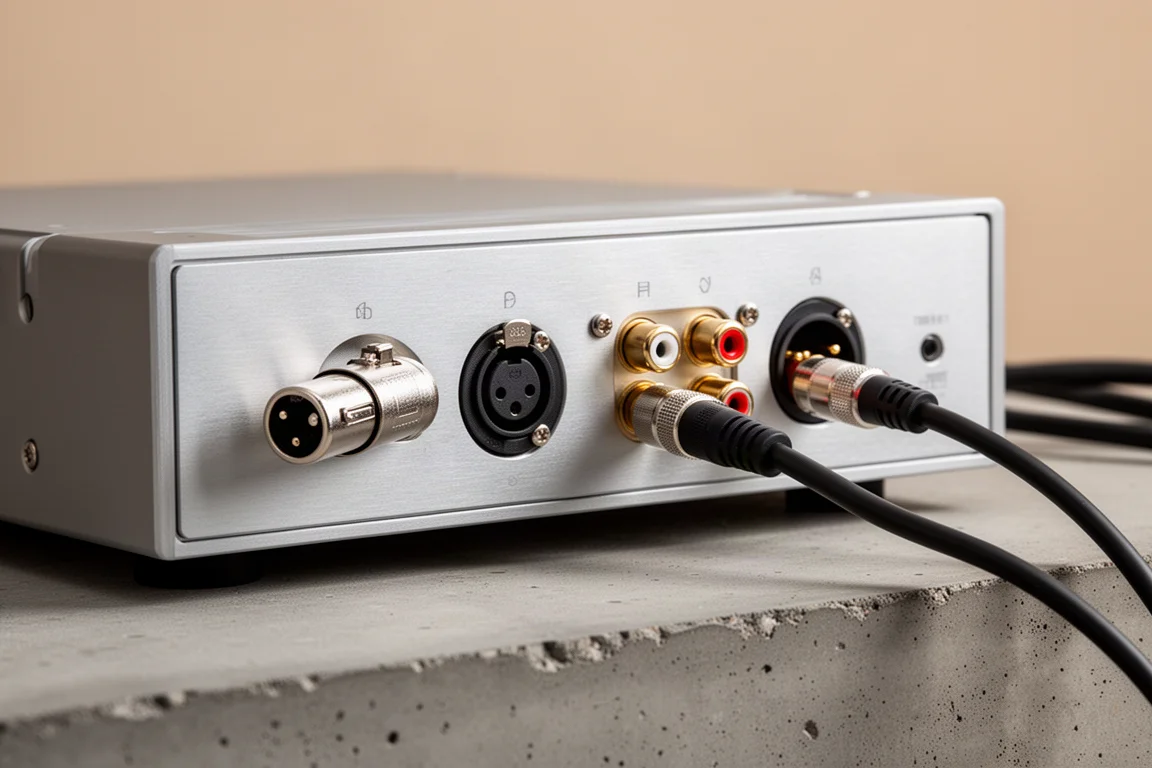
Connectivity covers the digital inputs most listeners need, including I2S, which has consistently been the best-sounding connection in direct listening, ahead of USB. Outputs are offered in both balanced XLR and single-ended RCA. Both performed very quietly here, with no meaningful difference in noise floor, so XLR is worth prioritizing mainly if you run long cable lengths or simply prefer that connection.
The front panel keeps operation simple: input selection, filter selection, and a choice between upsampling and non-oversampling playback.
One design decision stands out for the wrong reasons. Across generations, the industrial design has barely moved, so the 15th Generation looks much like the models before it. Several rivals in this price band have shifted toward more elegant, more considered chassis work, and that is a fair criticism to keep in mind.
Things to Consider Before Buying
There is no remote in the box. One can be purchased separately, but at this price many competing converters include one, and it is a reasonable thing to expect. Filter and upsampling settings are the sort of thing you adjust occasionally rather than daily, so a remote is a convenience more than a necessity, but it is worth budgeting for if you want one.
The bigger change is on the business side. The company now sells direct after parting ways with its distributor, and the price stayed where it was rather than falling. That decision disappointed some buyers, though the counterargument is that cutting the price would have hurt the resale value of every Pontus already in the field. The warranty and return terms printed in the manual look fair, but with the distributor no longer in the middle, the personal layer of customer service buyers used to rely on is gone. Only time will confirm how the direct relationship holds up.
Finally, this is not a converter to buy blind if your system already leans bright. Match it to a warm or neutral chain and it will reward you.
Buying Advice
At around $2,000, the Pontus 15th Generation is one of the stronger value propositions in its price band, mainly because the circuit inside it was recently reserved for a component costing roughly twice as much. If you have a warm or neutral system and you want more air, a wider and deeper stage, and finer micro-detail, this is an easy recommendation.
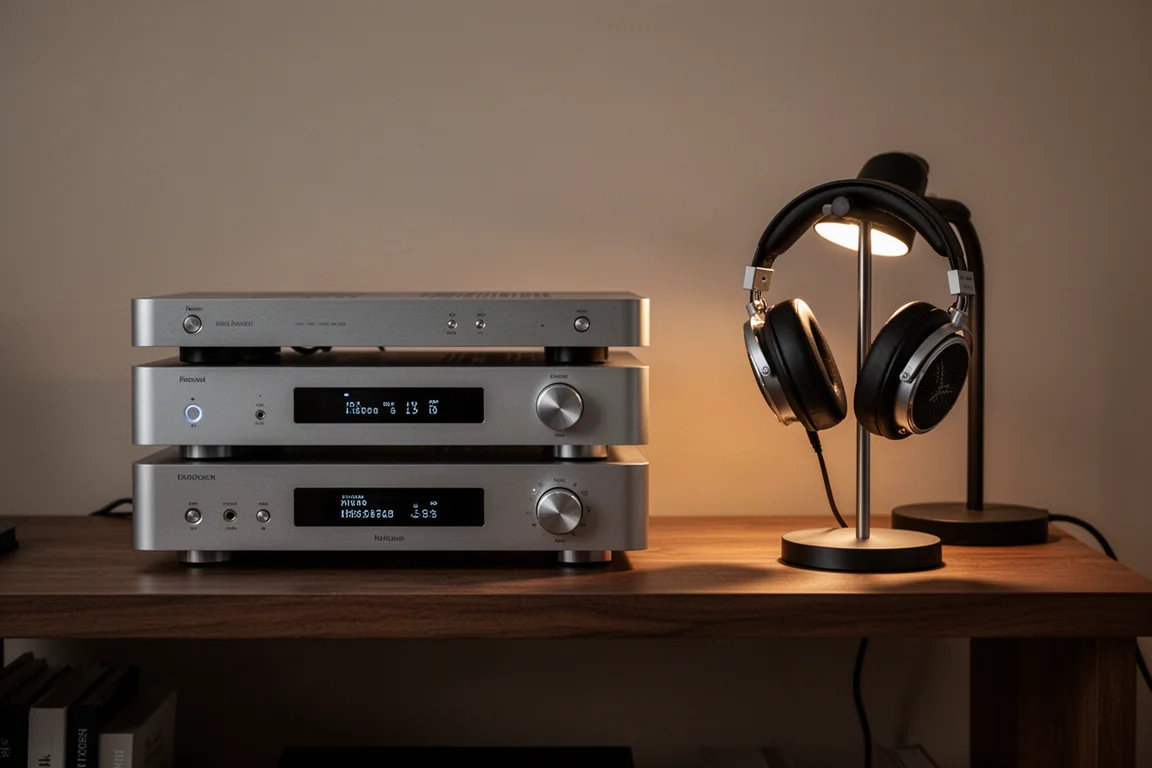
If your system is already detailed, lean, or bright, warmer-leaning R-2R designs will balance that character rather than exaggerate it. Buyers who value an included remote or a more modern chassis design should weigh those preferences before committing, because neither is addressed here.
Conclusion
The Pontus 15th Generation is the rare update that changes the value equation rather than just the model number. The trickle-down hardware is real, the shielded two-box power supply remains a genuine engineering strength, and the sound is open, nuanced, and sweet in a warm or neutral system.
It is not the right converter for every setup. Its slightly brighter character and its unchanged industrial design are real trade-offs, and the move to direct sales means the service experience is less proven than it once was. But on sound quality and hardware per dollar at this price, it is hard to argue with.
Product link
View more details for Denafrips Pontus 15th Generation DAC
This product is mentioned in the review. Check the specifications, options, and compatibility before buying.
View more details for Denafrips Pontus 15th Generation DACFurther reading
Related Reviews
Hi-Fi DACs
Denafrips Ares 12th-1 vs Geshelli Labs J2: Two Paths to a Better DAC
A two-DAC comparison of the Denafrips Ares 12th-1 and the Geshelli Labs J2, covering build, inputs, sound character, and which listener each converter suits.
Hi-Fi DACs
Denafrips Ares 12th Anniversary Review: A Purist R-2R DAC With an I2S Upgrade
A compact, fully balanced R-2R converter with a new I2S input, free anniversary firmware and a clear upgrade path at around £1,000.
Hi-Fi DACs
Denafrips Venus II vs Pontus II: Two Ladder DACs Compared
A practical comparison of two Denafrips ladder DACs, covering internal differences, sound quality, burn-in behaviour and which system each one suits.