Gravel Cycling
Guava Ace Gravel Race Bike and Wolf Tooth Delite Pedals: Field Notes From a 200 km Race
A practical look at the Guava Ace gravel race bike and the Wolf Tooth Delite one-sided pedals after 200 km of fast, dusty gravel in Girona.
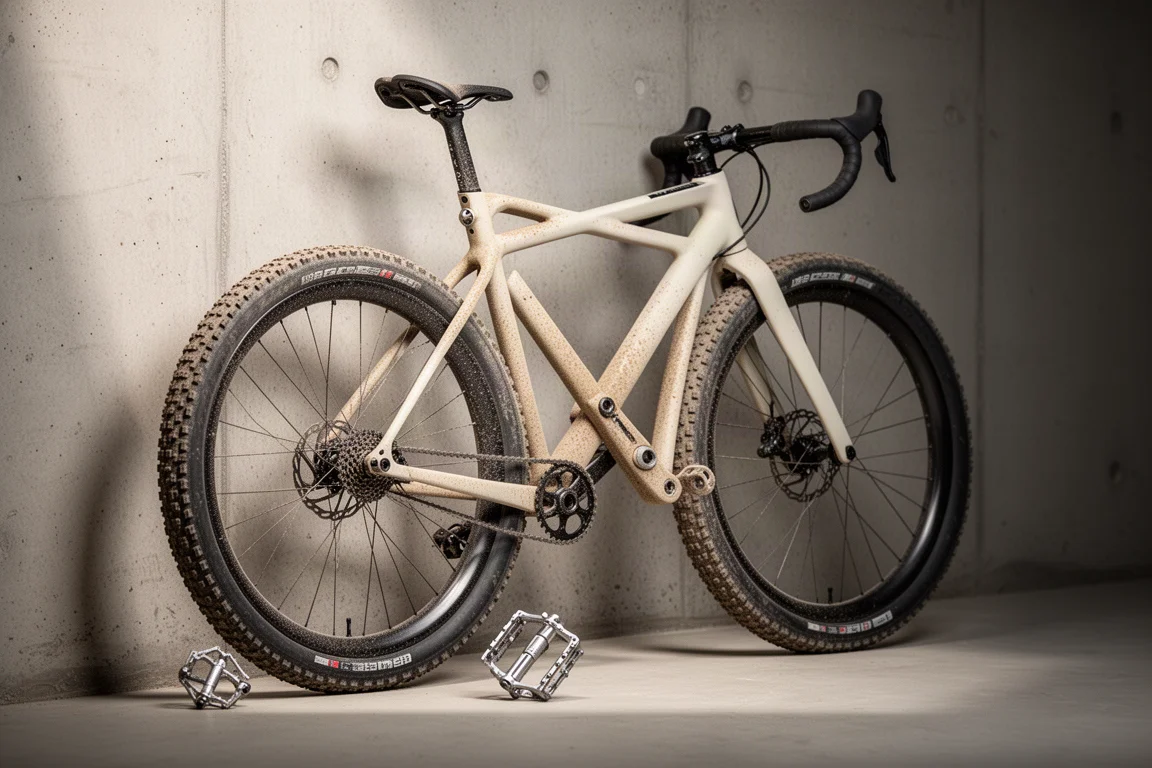
Introduction
Some gravel races reward patience. Others simply demand speed. The 200 km route at the Traka in Girona sits firmly in the second category: dry, dusty, fast and rowdy, with long climbs, rough washboard descents and a field deep enough that simply holding a wheel takes everything you have. Reports put the event at roughly 4,000 riders spread across four distances and four days, and the 200 km effort stretched to about eight hours in the saddle.
That kind of day is a genuine proving ground for equipment. The Guava Ace, a brand new gravel race bike from the Spanish brand Guava, completed the course without a single mechanical issue. A set of Wolf Tooth Delite one-sided gravel pedals raised a more practical question about how much convenience riders are willing to trade for a design idea. Here is what stood out on both.
The Guava Ace Gravel Race Bike
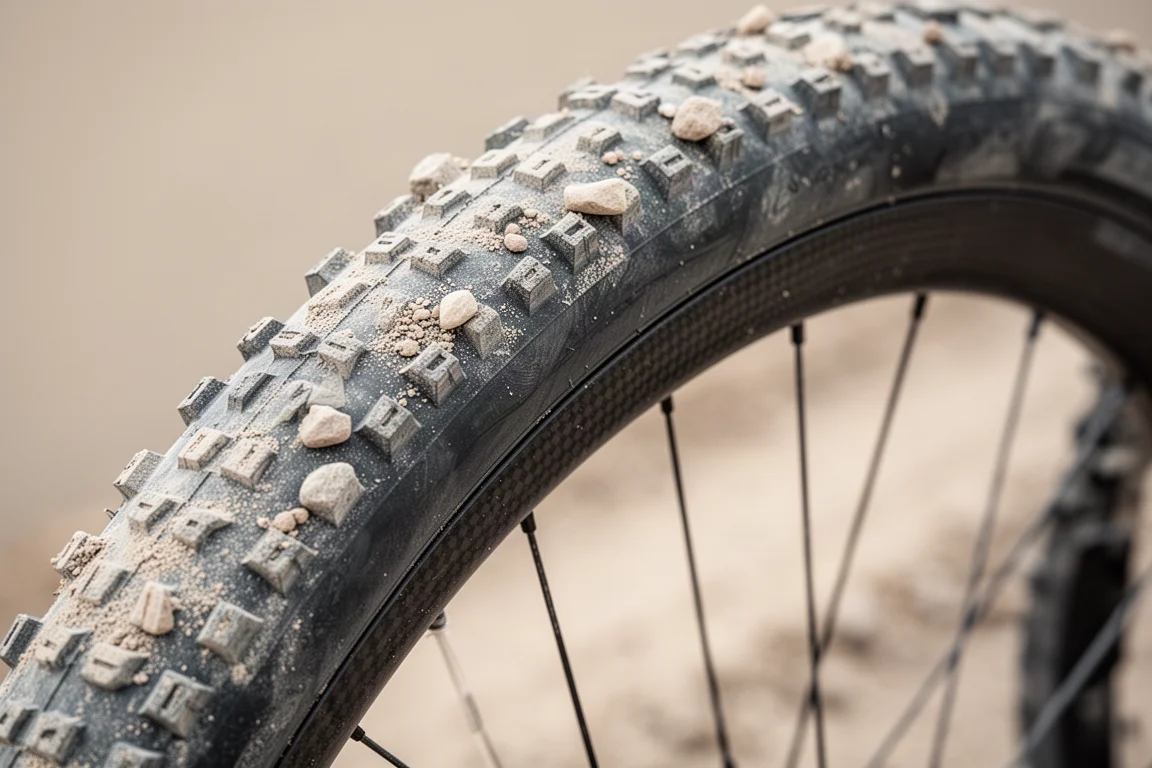
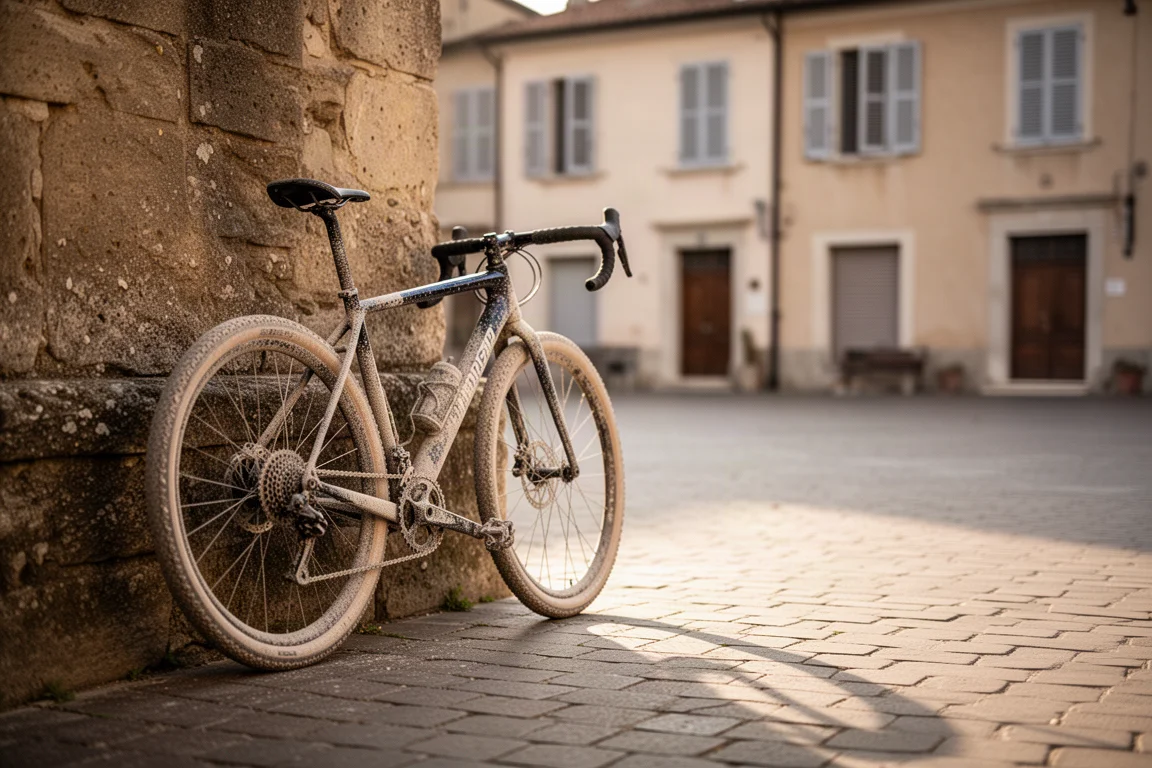
Guava designed the Ace as a racier machine than the model it replaces, and the changes show up in the geometry, a new handlebar and clearance for larger tires. On this ride the bike ran 50 mm tires, which made a clear difference in the rough, rowdy downhill sections: more speed carried through corners, more willingness to commit to a line and far more composure when the surface turned to washboard.
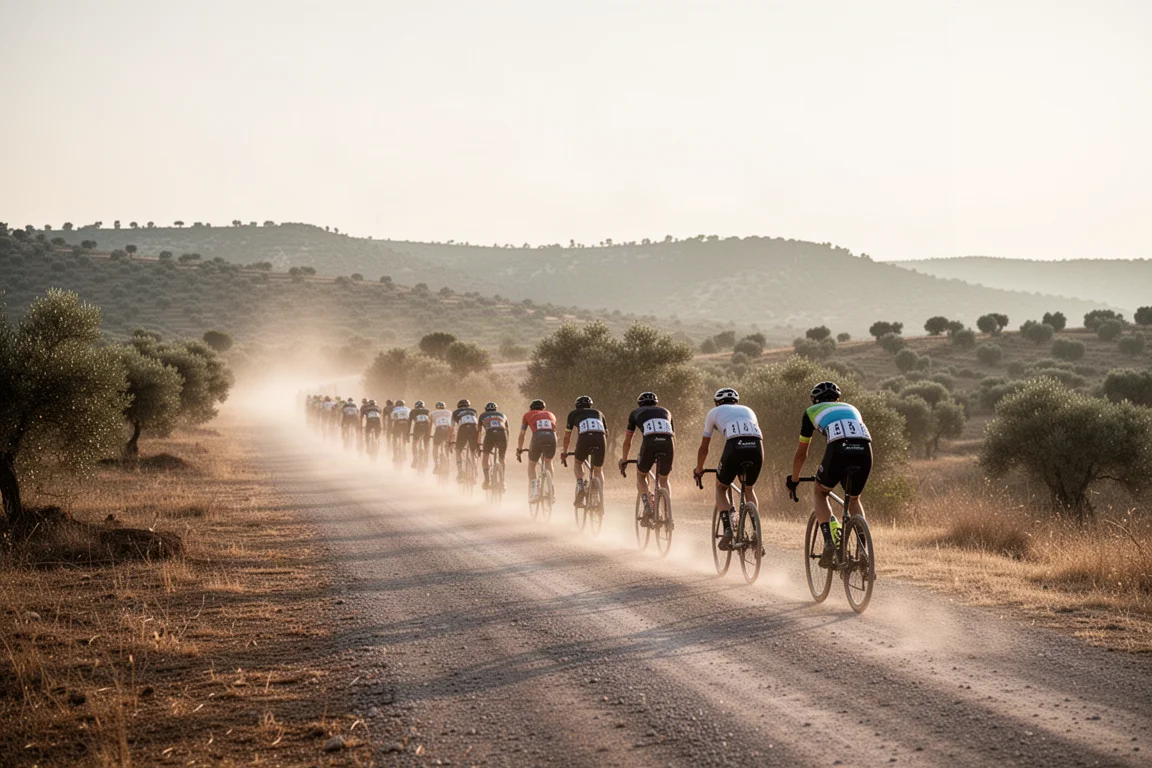
It is a bike that stays stable and planted even when the tires are skipping across rough gravel, and it behaves the way a race bike should. The performance and handling sit in the same conversation as well-established top-level gravel race bikes from much larger brands, which is a notable result for a small company on only its second model.
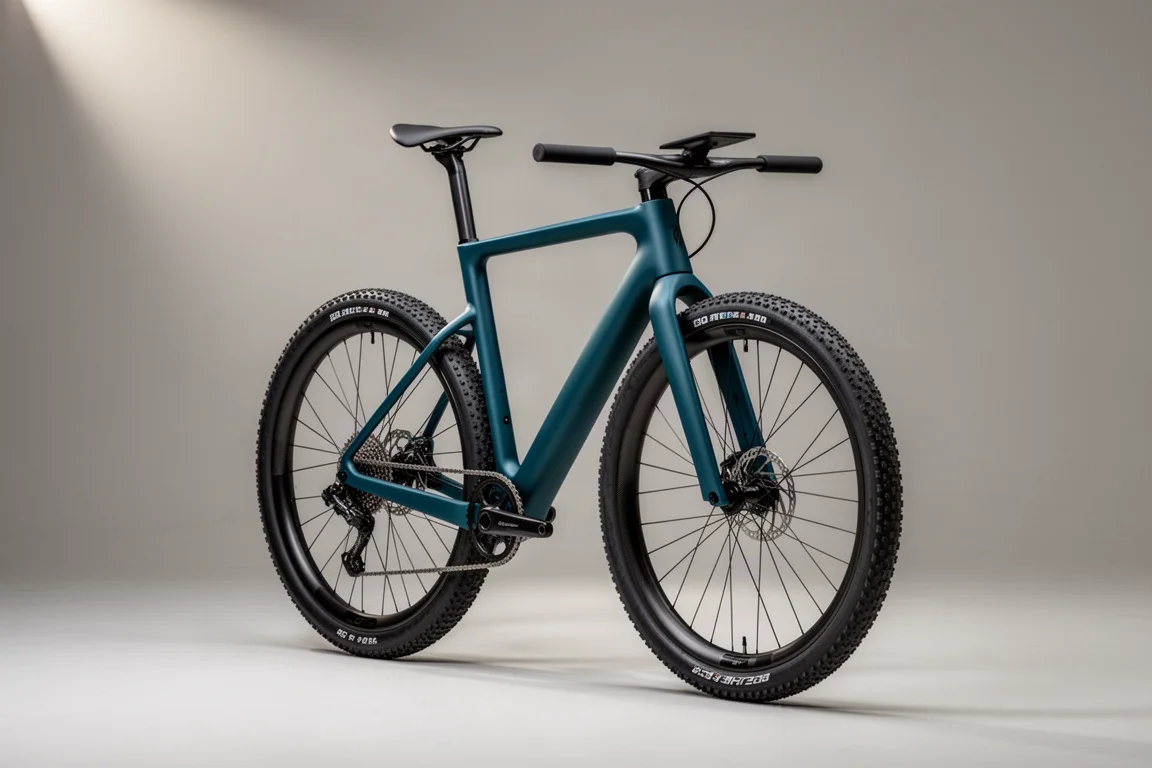
Ride Feel and Handling on Rough Gravel
Comfort was better than expected for a bike with this much race intent. The round seat post and the frame’s compliance take the edge off impacts without dulling the ride, and the wheels add stiffness without feeling harsh over rough ground. Tire pressure mattered a great deal: low 20s PSI on 50 mm tires sometimes felt firm, almost wooden, and high teens would likely have improved traction and comfort further, though with the puncture risk that always comes with going lower.
Most of the fatigue at the finish came from holding an aero position for eight hours rather than from the frame itself, which is a fair sign that the bike is doing its job.
Frame, Wheels, and Handlebar Details
The wheels are Guava’s own carbon rims with a 29 mm internal width, part of a broader trend toward wider gravel rims. They are stiff and hold up well over rough bumps.
The handlebar is the most distinctive component on the bike. It uses a two-piece construction, with the stem clamped to the bar by three chunky bolts. Any question about how solid that arrangement would feel was answered on the first descent: charging through washboard and holes, the bar stayed rigid with no noticeable flex at the stem junction. The shape was developed extensively with the brand’s pro athletes, and it shows. There are slight drops, a compact overall profile, easy reach to the brake levers, a slightly flattened top across the hoods and a tapered section that gives a natural grip when climbing. It is also easy to get low and tuck the elbows in. The computer mount held firm with both a computer and a camera mounted.
Wolf Tooth Delite One-Sided Gravel Pedals
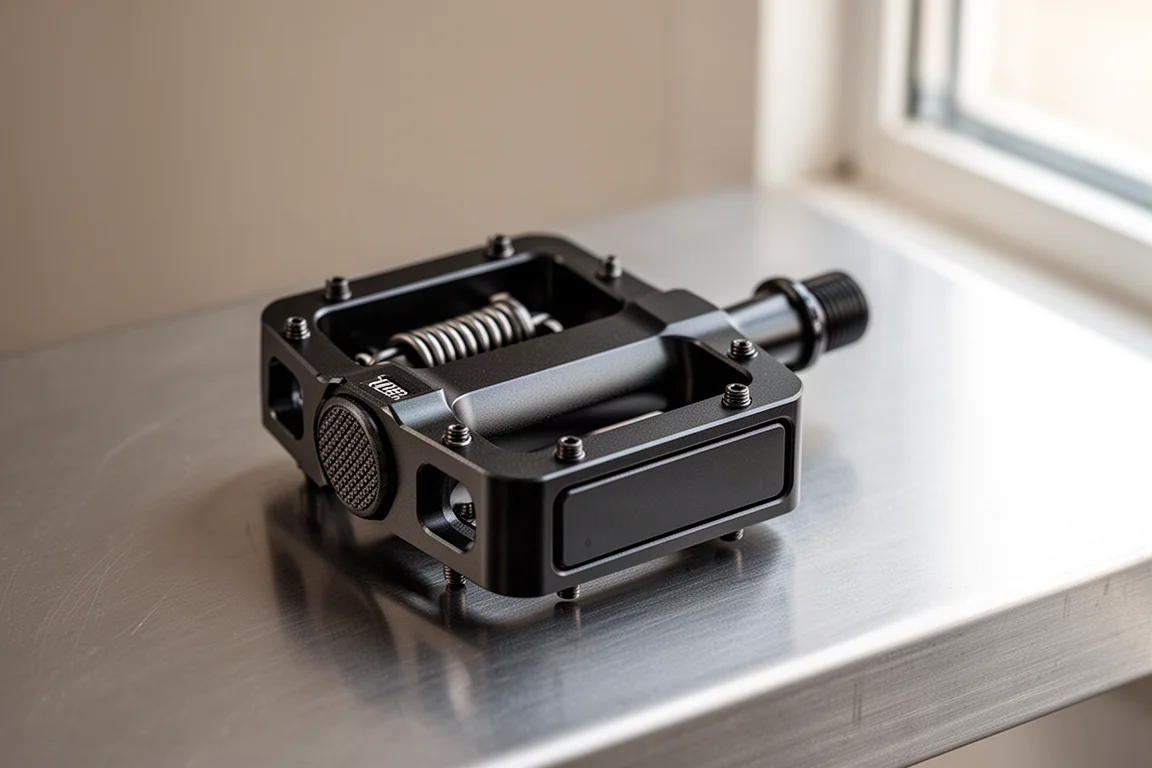
The Delite is a new one-sided gravel pedal from Wolf Tooth, and on this course the design created more friction than it removed. Because the pedal does not spin around easily, it often sat in the wrong orientation, which made clipping in slower than it should be. After a few river crossings and short sections on foot, that repeated hesitation added up.
The trade-off is hard to justify. If the point of a one-sided pedal is aerodynamic or weight savings, a road pedal setup achieves the same thing more cleanly, and several strong riders on the course were running exactly that. For gravel, where riders unclip and remount often, a two-sided pedal simply makes more sense, and the ease of clipping in with a double-sided SPD design is the reason it remains the practical default.
Drivetrain, Brakes, and Setup Notes
The Ace was built with a SRAM Force groupset, a 10-46 cassette and a 42-tooth chainring. On flat, fast sections the gearing worked well, but the 42-tooth ring felt heavy on the long climbs, and a 40-tooth option would have been a better match for a course with this much elevation. Shifting and braking were otherwise trouble free, with a light lever action, plenty of lever travel and confident control on descents. The hood shape is comfortable, and the extra shift buttons on the inside of the hoods are a genuinely useful detail. The chain ran dry and squeaky by the end of the day, which is worth noting as a maintenance point rather than a component fault.
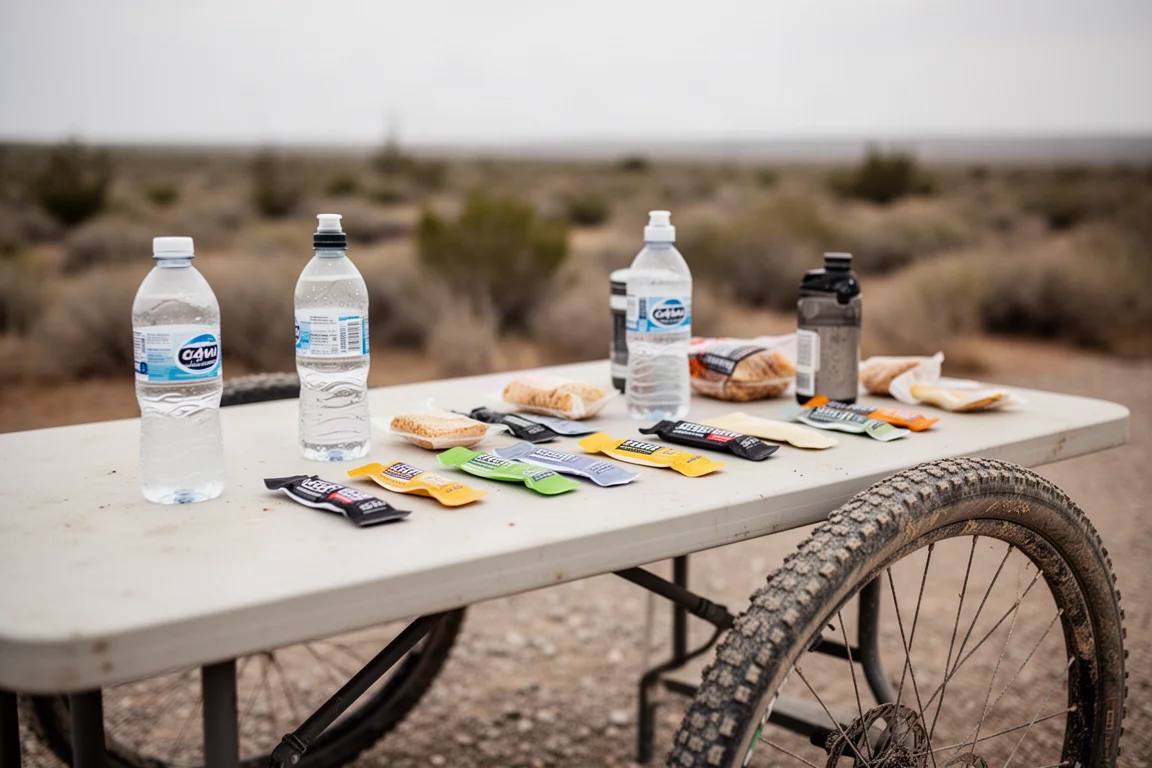
Riders who travel light for long events will recognise the setup used here: a frame bag for gels, jersey pockets left empty, and a hydration pack carrying about 1.5 litres of water, emptied over the first two hours before switching to bottles for quick refills at feed stations.
What to Consider Before Buying
For the Guava Ace, the main questions are fit and specification rather than capability. The bike is available in 12 colours and can be customised through Guava’s website, including stem length, handlebar width and different build options, which makes it easier to dial in the setup before the bike arrives. Riders who want a fast, stable gravel race bike with clearance for wide tires and a distinctive cockpit will find a lot to like. Riders who prefer a more relaxed position, or who spend most of their time on smooth surfaces, may not need this much race geometry.
For the Wolf Tooth Delite, the consideration is simpler. If quick, repeatable clipping in matters on your rides, a two-sided pedal is the safer choice. A one-sided design can make sense in narrow circumstances, but on a demanding gravel course it created a recurring inconvenience with no clear upside.
Buying Advice
Both products are best judged against how you actually ride. The Guava Ace rewards riders who want race pace on rough terrain and who value a stable front end, wide rims and a cockpit designed around long days at speed. Its customisation options make it easier to buy the right size and build the first time.
The Wolf Tooth Delite suits riders who specifically want a one-sided pedal and are willing to accept slower engagement. For most gravel riders, particularly those who unclip often for technical sections or water crossings, a two-sided pedal remains the more practical route.
The simplest way to decide is to separate the two purchases. Choose the bike around the terrain and pace you ride most often, then choose the pedals around how frequently you expect to put a foot down. On a course like this one, that second decision matters more than it sounds.
Conclusion
The Guava Ace proved itself over 200 km of fast, dusty, technical gravel, finishing without mechanical trouble and delivering race-bike handling with usable comfort. The Wolf Tooth Delite, by contrast, highlighted the cost of a one-sided design in a discipline where quick clipping in matters constantly. Match the bike to your ambitions and the pedals to your remount habits, and both decisions become straightforward.
Further reading
Related Reviews
Gravel Cycling
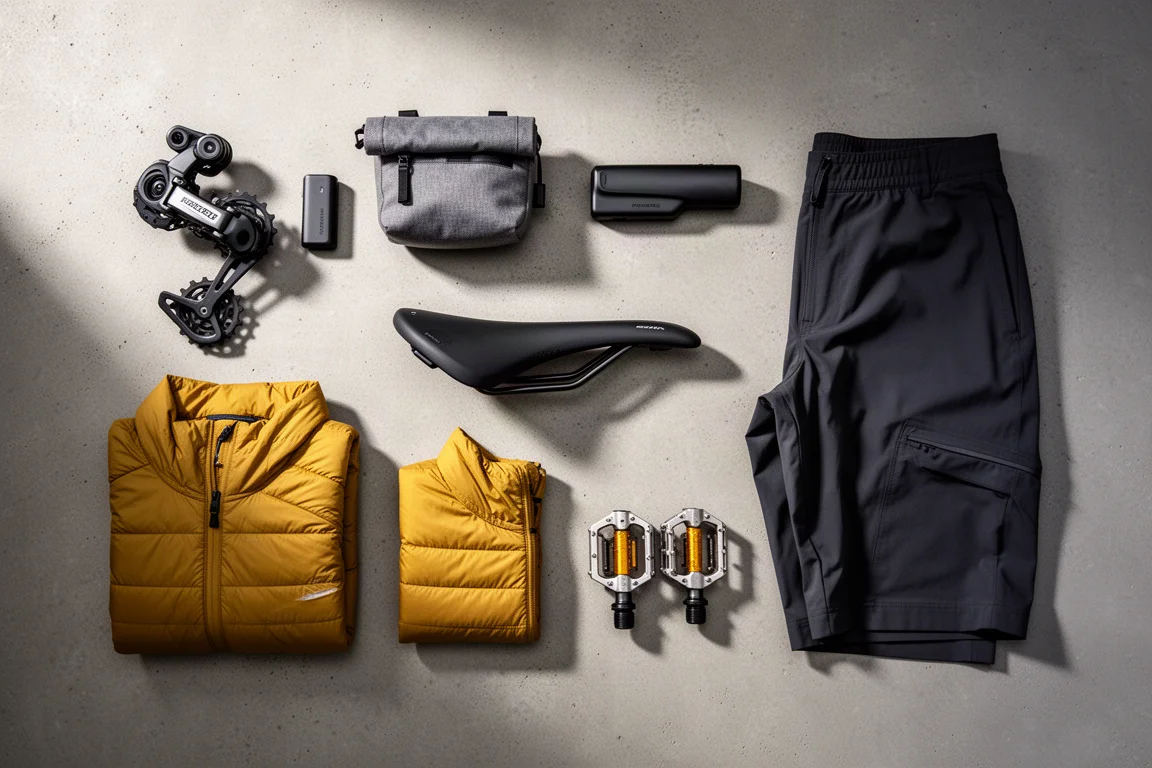
Best Gravel Kit and Components 2026: Eight Standout Picks
Eight gravel picks that earned their place over a year of long rides, from a value wireless groupset and a light carbon frameset to a waterproof jacket that survived a week of Scottish rain.
Gravel Cycling
Best Gravel and Off-Road Upgrades: Power Meter Pedals, Suspension Stems and Race Shoes
Five gravel and off-road upgrades that have earned their place, from SPD power meter pedals you can swap between bikes to a suspension stem you can tune on the trail.
Gravel Cycling
Best Gravel Race Tires, Wheels and Sealants: A Practical Setup Guide
A roundup of gravel tires, wheels and sealants, with measured widths, real race pressures and the puncture kit that holds a fast setup together.