Hi-Fi Audio
Grimm Audio MU2 Review: A Roon-First Streaming DAC That Also Runs Your System
A close look at the Grimm Audio MU2, a Roon-only streaming DAC that doubles as a Roon server, an analog preamplifier, and a headphone-ready digital hub.
Introduction
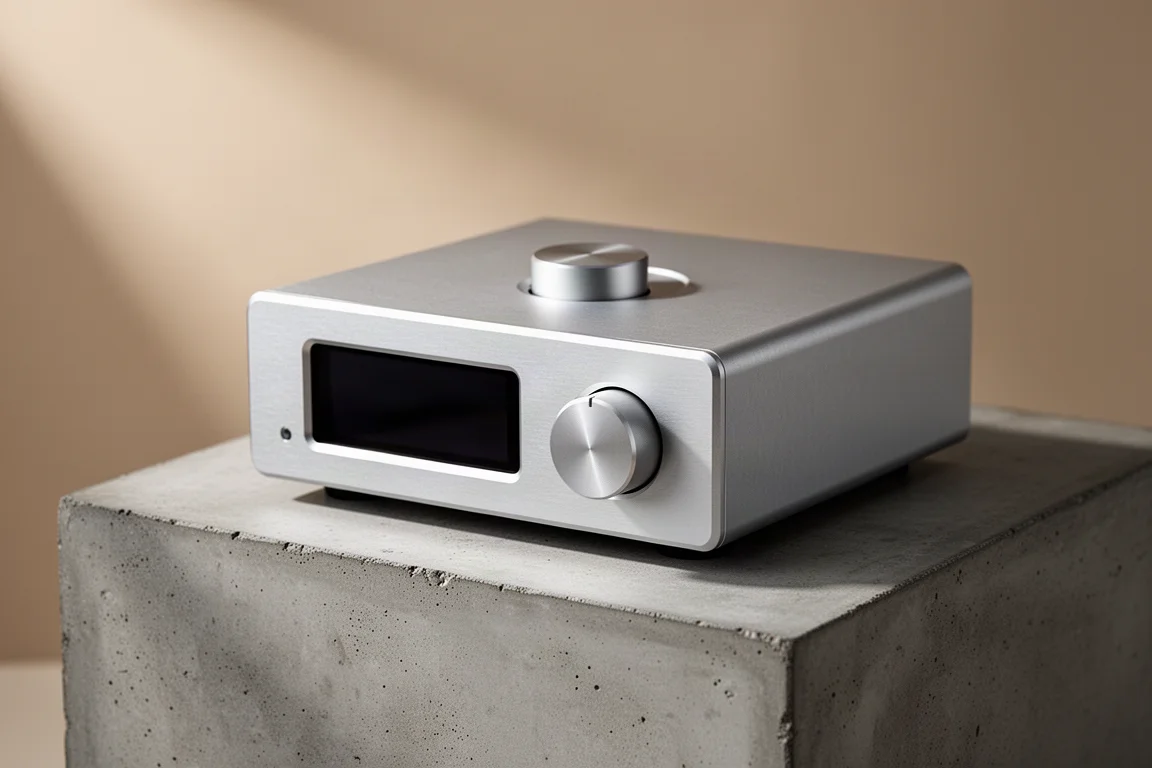
The Grimm Audio MU2 is a streaming deck from the Netherlands that resists a simple label. It accepts digital signals, converts them to analog, controls volume, drives headphones, and can host an entire music library on an internal solid-state drive. Grimm Audio describes it as more than a streaming DAC, and the feature list backs that description up.
It sells for around €18,000, which places it firmly at the premium end of the digital front-end market. This overview covers what the MU2 actually does, which listeners it suits, and the practical details worth understanding before buying.
Who This Product Is For
The MU2 is built for listeners whose digital library already lives in Roon. Roon is the only streaming platform the MU2 supports natively, so anyone who relies on a different app should treat that as a starting point rather than a footnote. A lifetime Roon licence costs around €850, and that figure belongs in any budget for this product.
It also suits listeners who want to reduce box count. Because the MU2 includes an analog preamplifier, a headphone output, and optional internal storage, a two-box system of MU2 plus power amplifier can replace a stack of separate streamer, DAC, and preamp units.
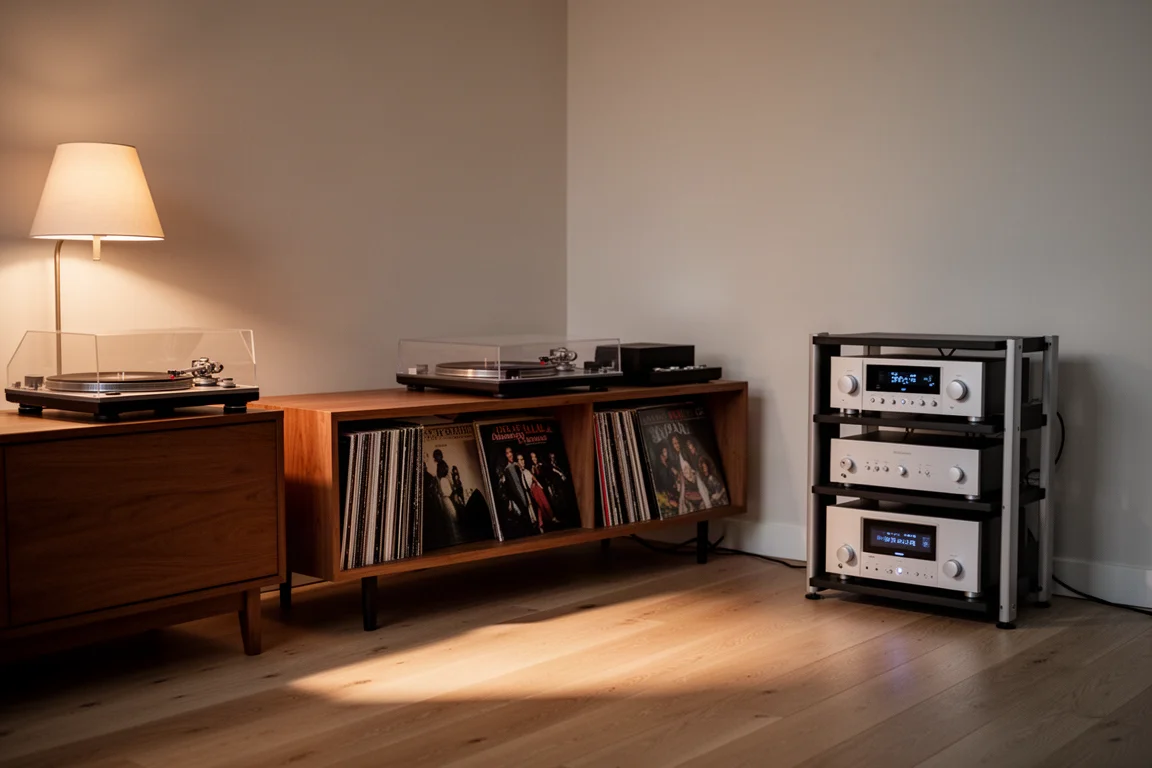
Analog sources are welcome as well. A turntable and phono stage can be connected through the balanced XLR inputs, and a CD player through the single-ended RCA sockets, so vinyl and disc playback share the same output stage as streaming. For listeners who split their time between formats, that single-path simplicity is a real part of the appeal.
Main Strengths
Detail retrieval and low-level dynamics are the MU2’s strongest cards. Against the more affordable streaming DACs it is compared with, it pulls more information out of recordings, and its microdynamic shading is more pronounced. Soundstage images are organised with cleaner focus, and tonal colour is richer. The comparison that fits best is the difference between an oil painting and a watercolour.
Against the Mola Mola Tambaqui, which sells for around €11,000, the MU2 shows a slightly clearer and more expressive top end, kicks a little harder with sub-bass dynamics, and exposes a touch more bass texture. The Tambaqui counters with a slightly richer midbass and a marginally more diffuse midrange, while the MU2 draws voices with a crisper outline. Both are easeful, unfatiguing designs, and the gap between them is narrow rather than dramatic.
The analog preamplifier is the other headline strength. It is not a passive design, and it is capable enough that a separate preamplifier is not needed in front of a power amplifier. That is a meaningful result at this price, because it lets the MU2 act as the control centre of a serious system rather than just a source.
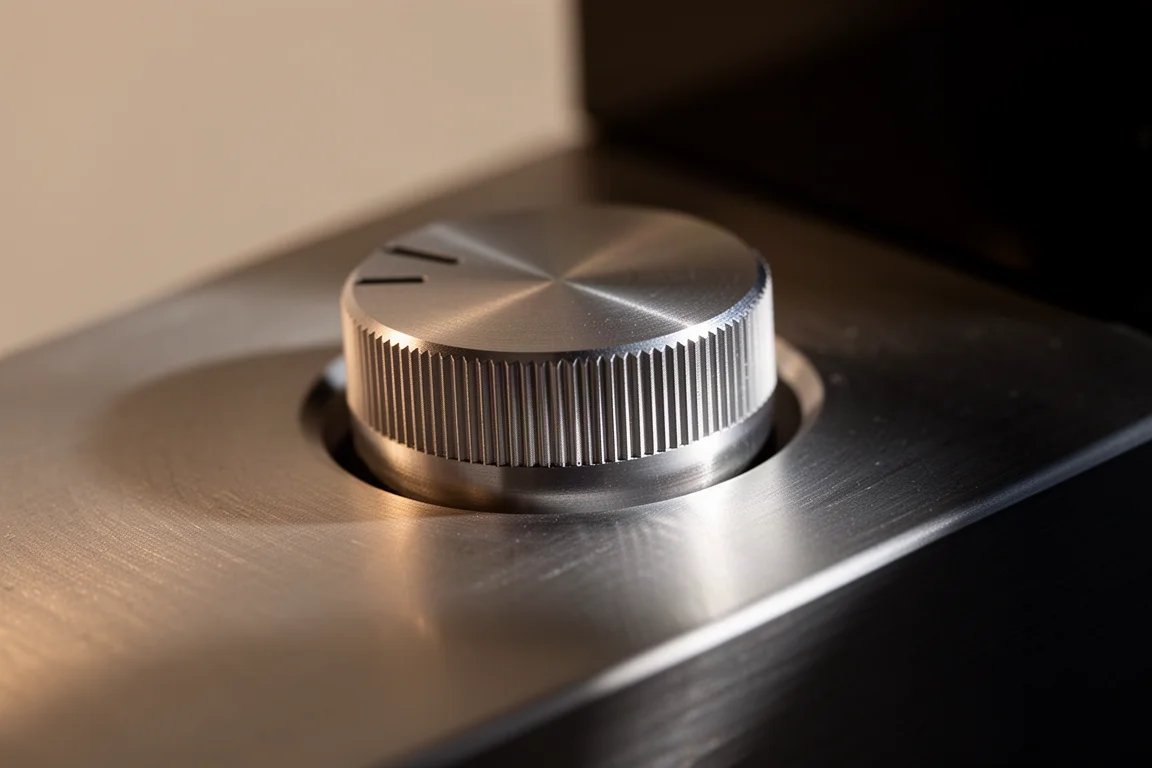
The rotary control on the top panel is a small thing that shapes daily use. It is satisfying to operate, and it handles play and pause in Roon, input switching, and some menu navigation without reaching for an app.
Inputs and Roon Streaming Support
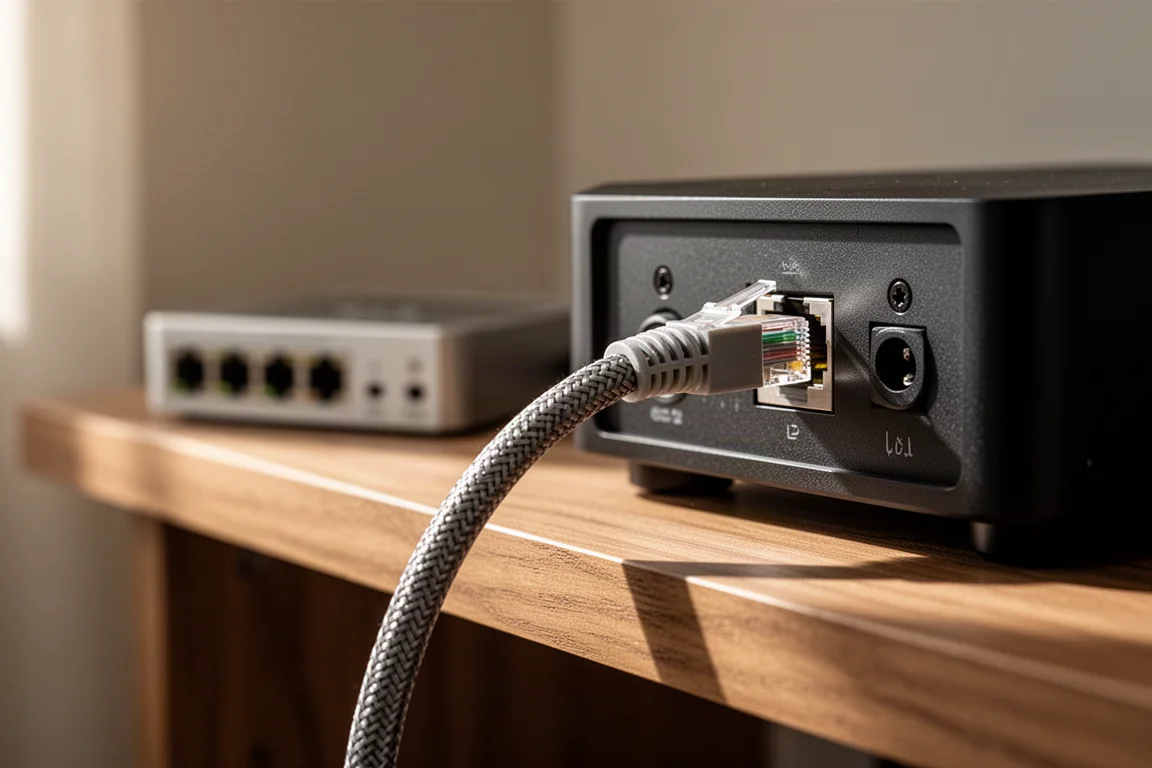
Digital inputs cover coaxial S/PDIF, optical toslink, AES/EBU, and Ethernet. There is no Wi-Fi, so a wired network connection is part of the setup rather than an optional extra.
Streaming is Roon-only by design. That keeps the software path tightly controlled, but it also means the MU2 is not a general-purpose streamer. Support for UPnP is planned for the unit’s Tiny Core Linux operating system, but it is not available yet.
The MU2 can also act as a Roon server or Roon Core, with either 2 TB or 8 TB of internal SSD chosen at the time of ordering. Running the Roon Core inside the MU2 did not deliver an audible improvement over hosting the library on a separate Roon server, although library access through Roon ARC felt snappier, with playback starting more promptly. Copying a large library onto the internal drive takes time, so it is worth planning for.
The front panel display only shows artist and track information when the MU2 is set as the Roon Core. At roughly 3.12 inches across, it is difficult to read from a listening position, and it is easy to simply switch off after a while.
Pure Nyquist Filtering and the Major DAC
Grimm Audio designed the MU2’s digital filter in house and calls it the Pure Nyquist filter. It oversamples every incoming digital signal to eight times its base rate, which is double the four-times rate used in the earlier MU1, and it works at a considerably higher bit depth than the MU1’s 24 bits. Internal clocking receives correspondingly strong attention as the oversampled signal is fed into the converter.
The DAC itself is not an off-the-shelf chip from ESS, Cirrus Logic, or AKM. It is an instruction set coded onto an FPGA, which Grimm Audio calls the Major DAC. That places it alongside other FPGA-based converter designs rather than the mainstream chip route.
Some parts of the design remain undocumented in public. The power supply and the analog output stage in particular are not described in detail, so buyers should treat those as unknowns.
On the back panel, analog outputs are available in single-ended RCA and balanced XLR. Both can be used at once, for example driving a power amplifier over XLR while feeding a powered subwoofer over RCA. A headphone output is also provided on the rear panel, though it is single-ended rather than balanced, which matters if you own demanding balanced headphones.
Volume Control, Preamplifier, and Everyday Use
The volume control is fully analog and built around a relay-triggered resistor ladder circuit. It is not a passive attenuator: the volume control is part of the buffer stage, a design choice that Grimm Audio says addresses phase modulation behaviour in solid-state circuits.
Control is available in three places. The jog wheel on the top panel handles everyday adjustments, the Roon app covers library browsing and playback, and a web interface exposes playback control and advanced settings from any device with a browser, not just a phone or tablet.
The jog wheel also does more than volume. A short press starts and pauses playback in Roon, and on other inputs the same press mutes the output. Rotating it changes inputs and reaches some of the menu items that also live in the web interface. An infrared receiver is included, and the MU2 can learn commands from another remote, though the wheel is pleasant enough that a remote rarely feels necessary.
Day-to-day ergonomics are otherwise straightforward. Once the MU2 is set up, it behaves like a complete digital hub: sources are selected, volume is adjusted, and playback is controlled without a second box in the chain.
Things to Consider Before Buying
Roon is not optional. Budget for a lifetime licence at around €850, and make sure Roon is genuinely the platform you want to live with.
The price is around €18,000, and the audible differences between competent DACs are small. Those differences are smaller than the differences between loudspeakers, amplifiers, and rooms. If the budget is fixed, acoustic treatment for the listening room will usually change what you hear more than a converter upgrade will.
There is no Wi-Fi, no balanced headphone output, and no UPnP support at present. The front display is small enough to be impractical from a sofa.
Finally, if the plan is to use the MU2 purely as a standalone DAC and Roon endpoint, the extra spend over a lower-priced reference converter is difficult to justify on sound quality alone. Much of the value sits in the streaming, server, preamplifier, and headphone functions.
Buying Advice
The MU2 makes the most sense as a complete digital front end rather than as a converter. Buyers who want Roon streaming, conversion, analog volume control, headphone listening, and optional library storage in one compact chassis get all of that without obvious compromise.
If the priority is simply the best possible conversion for the money, a cheaper reference DAC plus a separate streamer remains a rational route. The MU2’s advantage is concentration: fewer boxes, fewer cables, and one volume control for every source.
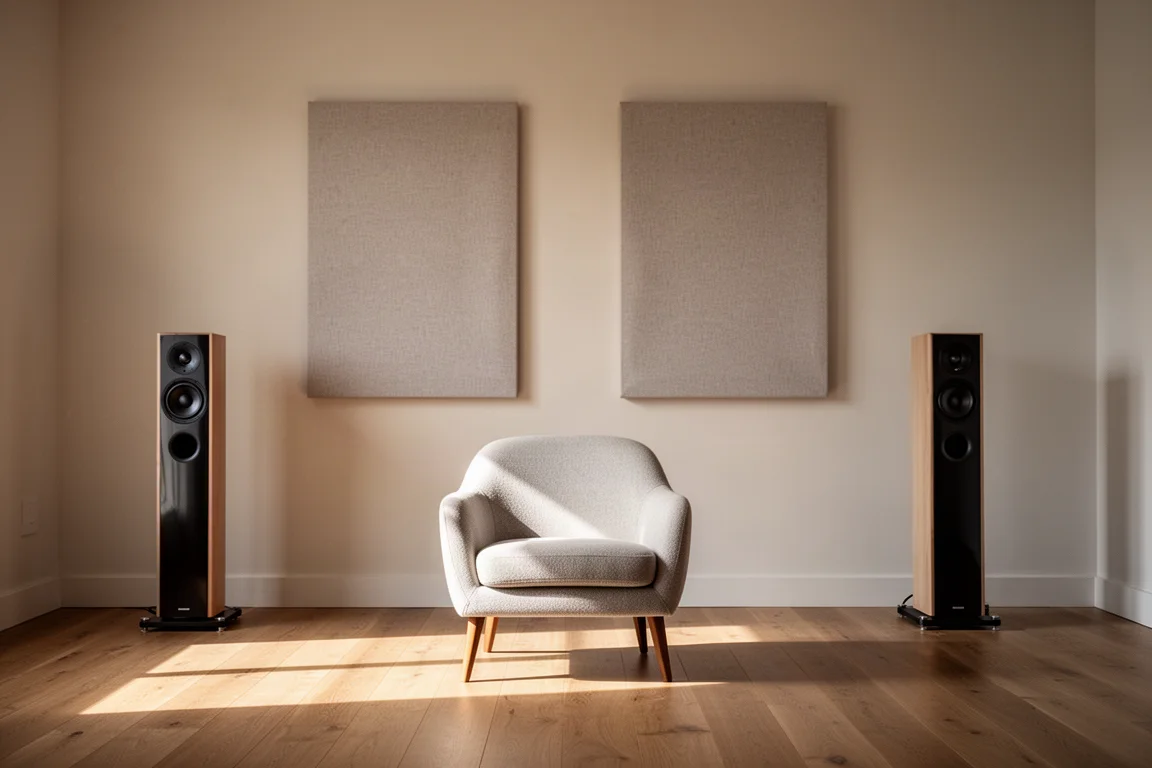
Whichever path you take, treat the room first. The MU2 is transparent enough to reveal what the space around it is doing, and it will not fix a difficult room.
Conclusion
The Grimm Audio MU2 is a Roon-first streaming DAC that behaves like a system hub. Its in-house Pure Nyquist filter and FPGA-based Major DAC give it a distinctive technical story, its analog preamplifier is strong enough to stand on its own, and its jog wheel makes daily use genuinely pleasant.
The caveats are equally clear. It requires Roon, it costs around €18,000, it has no Wi-Fi, and its rear headphone output is single-ended only. For listeners already committed to Roon and looking to simplify a high-end system, those trade-offs are easy to accept. For everyone else, a lower-priced reference DAC will get much of the way there.
Product link
View more details for Grimm Audio MU2
This product is mentioned in the review. Check the specifications, options, and compatibility before buying.
View more details for Grimm Audio MU2Further reading
Related Reviews
Hi-Fi Audio
Accuphase C-57 vs Allnic H-7000V: Two High-End Phono Stages Compared
A fully balanced solid-state phono stage with a pitch-black noise floor meets a tube design built for well-loved records. Here is how to choose between them.
Hi-Fi Audio
Active vs Passive Hi-Fi: Five Components for a Modern System
Five components that define modern active and passive hi-fi systems, with the strengths, trade-offs and setup details worth weighing before you buy.
Hi-Fi Audio
Advance Paris A10 Apex Review: A Hybrid Integrated Amplifier That Covers a Lot of Ground
A French hybrid integrated amplifier with a class A tube preamp stage, analogue power meters, and an internal DAC and phono stage good enough to make extra boxes unnecessary.