Gravel Cycling
Gravel Upgrades Worth Considering: Groupsets, Tires and Suspension
Six gravel upgrades worth knowing about, from 12-speed electronic and mechanical groupsets to a new tire and a matched suspension stem and seat post.
Introduction
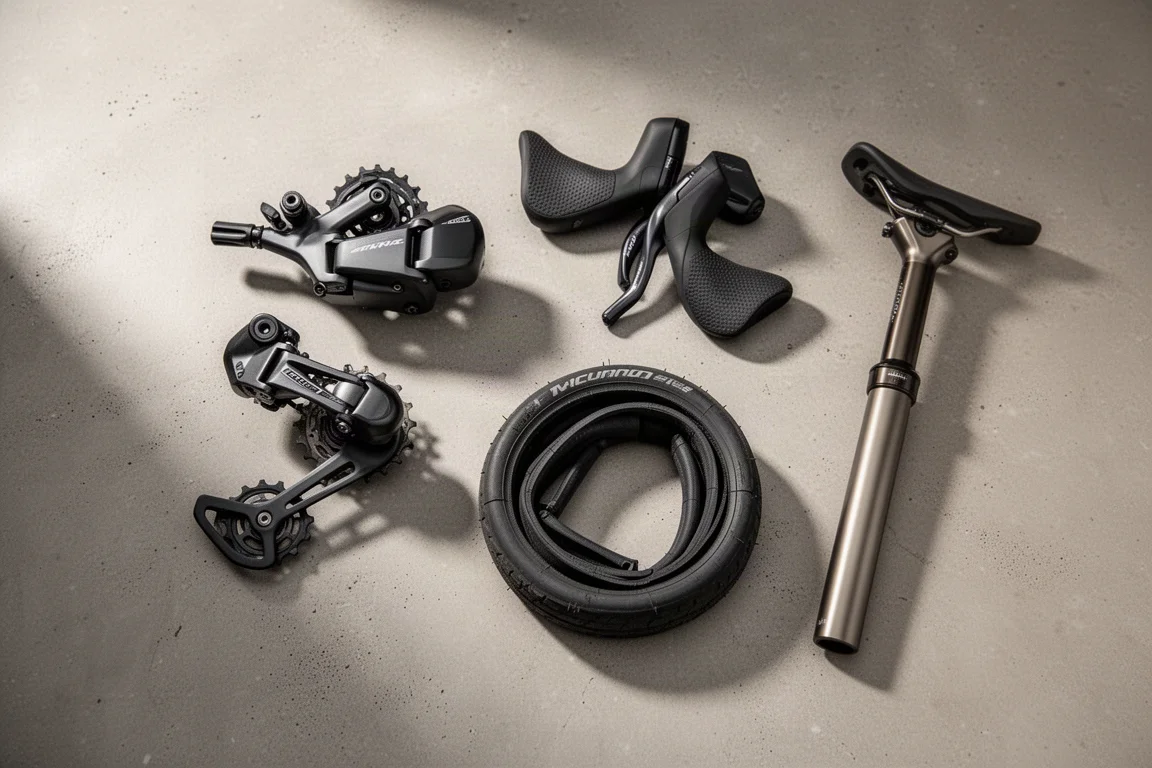
Gravel bikes have become the test bed for a lot of interesting component design, and the last couple of years have produced a steady stream of groupsets, tires and comfort-focused parts that genuinely change how a bike rides. This roundup covers six options worth knowing about: two 12-speed groupsets from Shimano, a fully wireless alternative from SRAM, a newly launched tire from Pirelli, and a suspension stem and seat post pair from Cane Creek.
What to Look For in a Gravel Upgrade
The first decision with any gravel drivetrain is how the shifting is powered. Fully wireless systems keep the frame clean and simplify setup, while semi-wireless designs such as Shimano’s road and gravel groupsets put the batteries in the shifters and keep the derailleurs wired to a central battery. Both approaches work well, and the practical difference usually comes down to how often you want to think about charging and how tidy you want the cockpit to look.
Gearing range and ring count matter just as much. A two-by setup offers a wider spread of ratios and a smaller jump between gears, which suits mixed terrain and loaded riding. A single-ring setup is simpler, quieter over rough ground and lighter, but it trades away some range at the top and bottom of the cassette.
Comfort components are the other half of the picture. Suspension stems and seat posts, tire volume and tire compound all influence how much fatigue a rider accumulates over a long day. A small amount of travel at the stem and post can change the character of a stiff gravel frame more than almost anything else, and it is often the cheapest way to make an existing bike feel calmer on rough surfaces.
Shimano GRX Di2 12-Speed Groupset
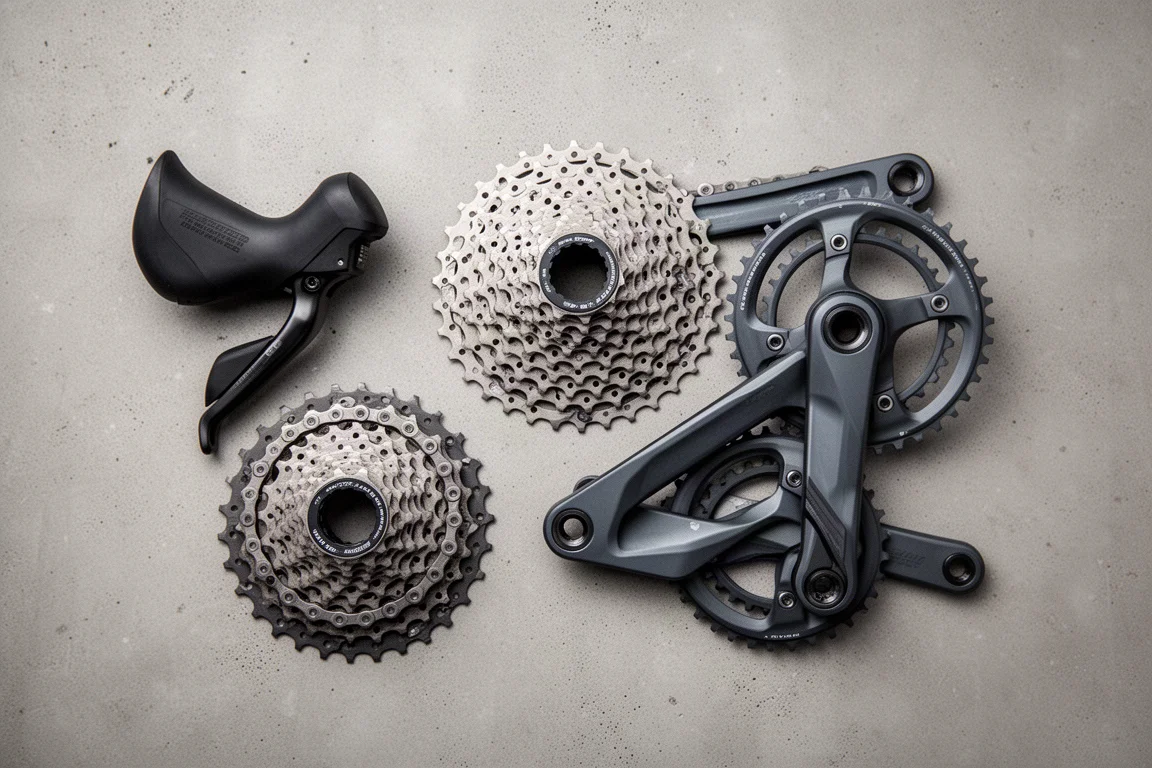
The headline gravel release is Shimano’s 12-speed GRX Di2 groupset, which brings the semi-wireless shifting already used on the company’s road groupsets into the gravel range. The front derailleur, rear derailleur and shifters are all redesigned, while the crankset, cassette, chain and brakes carry over from the mechanical 12-speed GRX groupset launched last year.
Semi-wireless means the shifters run on coin-cell batteries rather than drawing power from a central battery over a wire. Shimano claims three to four years of life from those cells, and swapping them is straightforward: the rubber hood peels back, a couple of screws come out, and the hood slots back into place cleanly afterwards.
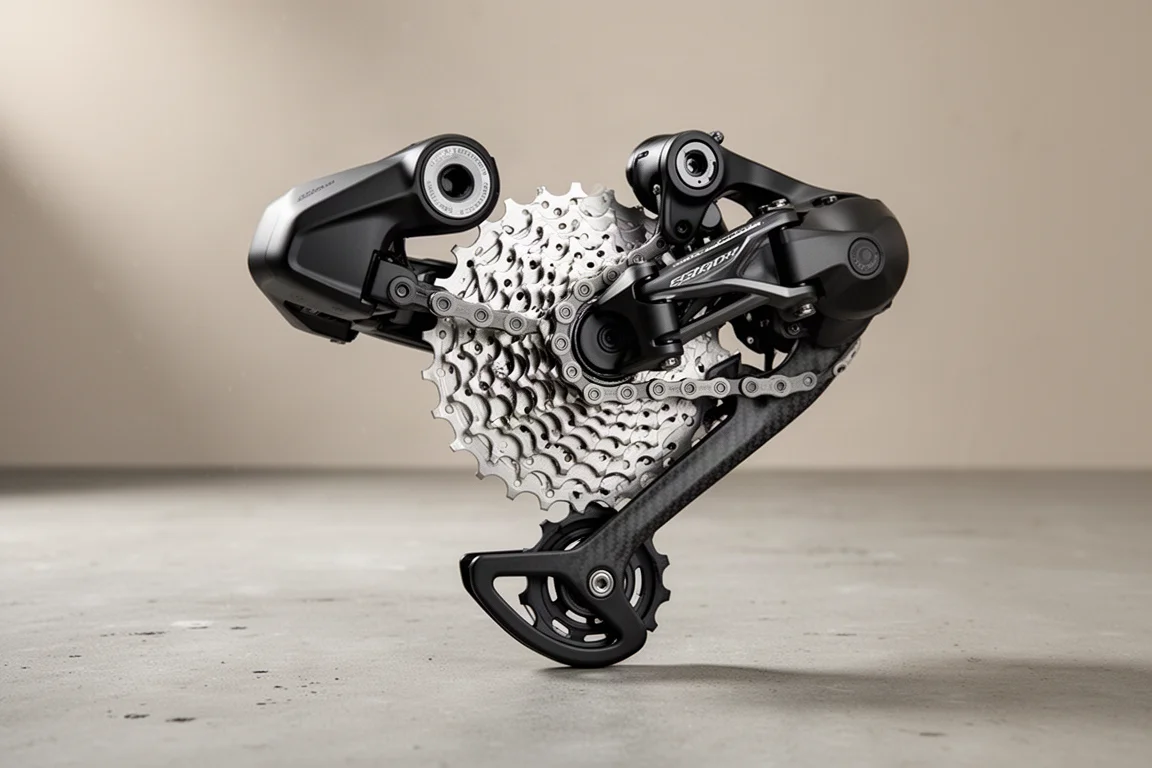
The rear derailleur has a notably long cage to accommodate the wide cassette. Its claimed weight is 310g and the measured figure is 311g. The front derailleur is claimed at 142g and came in at 139g. Shifters are claimed at 415g, though the measured pair weighed 441g, a difference most likely explained by fluid already sitting in the brake hoses.
Gearing starts with a 48/31 RX820 crankset. Dropping to a 46/30 ratio requires moving to the RX610 crank. The cassette here is a Hyperglide 11-36, with 11-34 and other options available at lower price points.
Pricing is a serious consideration. A shifter with brake hose and caliper is £399.99, an individual shifter is £299.99, the front derailleur is £149.99 and the rear derailleur is £324.99. Because the shifter can be bought without the brake, a mechanical 12-speed GRX bike can be converted to Di2, but the required parts add up to roughly £1,100 on top of what the bike already cost. A complete groupset lands at around £1,950.
At launch the groupset is two-by only. Shimano has confirmed that a one-by version is coming, possibly within the next year, and has prioritised two-by because it represents the larger share of the market. Riders who specifically want a single-ring setup may prefer to wait. The hoods themselves have a grippy, almost rubberised texture, and availability is limited at launch.
Shimano GRX Mechanical 12-Speed Groupset
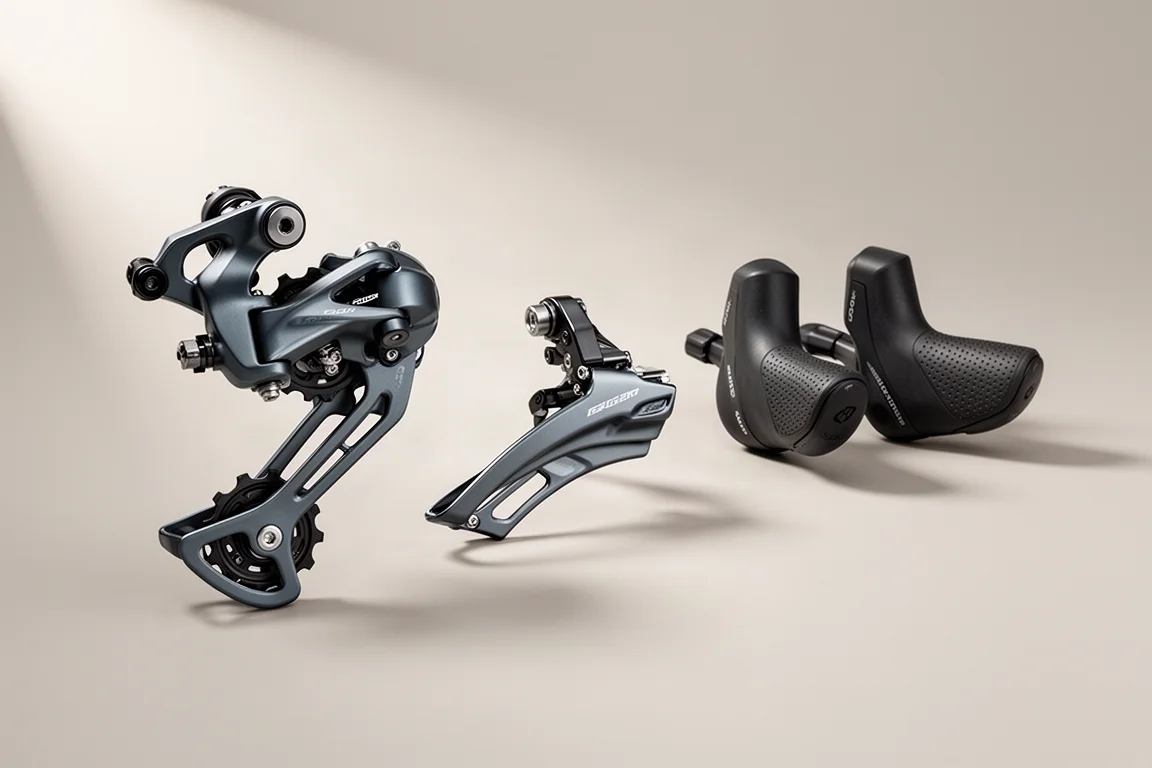
The mechanical 12-speed GRX groupset arrived first and remains the lower-cost route into Shimano’s current gravel platform. Its shifter is a completely different design from the Di2 version: the body is noticeably more bulbous to house the mechanical mechanism, and the lever shape differs as well. The redesign gives the mechanical shifter a cleaner, more modern look than the outgoing shape.
What the two groupsets share is substantial. The crankset, cassette, chain and brakes are the same, which means the mechanical version delivers the same gearing spread and braking hardware for less money. Riders who later want electronic shifting can add Di2 shifters and derailleurs without replacing the rest of the drivetrain, which makes the mechanical groupset a sensible starting point for a staged upgrade.
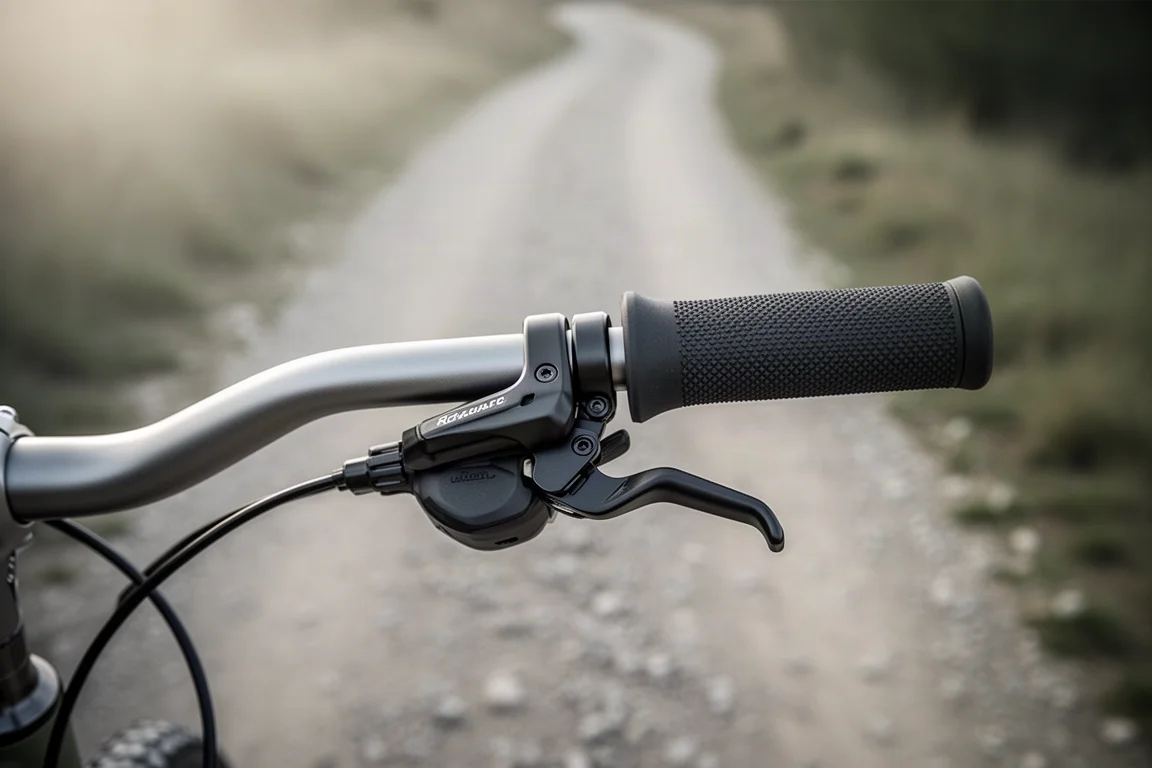
For riders who do not need electronic shifting, the mechanical groupset removes the charging question entirely and keeps the cost of entry lower. It also means the same wide-range cassette options and crank choices are available, so gearing can be tailored to the terrain without changing platform.
SRAM Force XPLR Groupset
For riders who want a fully wireless electronic gravel groupset, SRAM’s Force XPLR is the obvious alternative. It is a 12-speed system priced at around £1,700, roughly £250 less than a complete GRX Di2 groupset.
The two systems differ in architecture rather than intent. Force XPLR is entirely wireless, while GRX Di2 is semi-wireless with wired derailleurs. The Shimano option includes a front derailleur and a second chainring, and it is the newer of the two designs. Both are 12-speed, so the deciding factor is usually the layout a rider prefers and how the components look on the bike.
Pirelli RS Tires
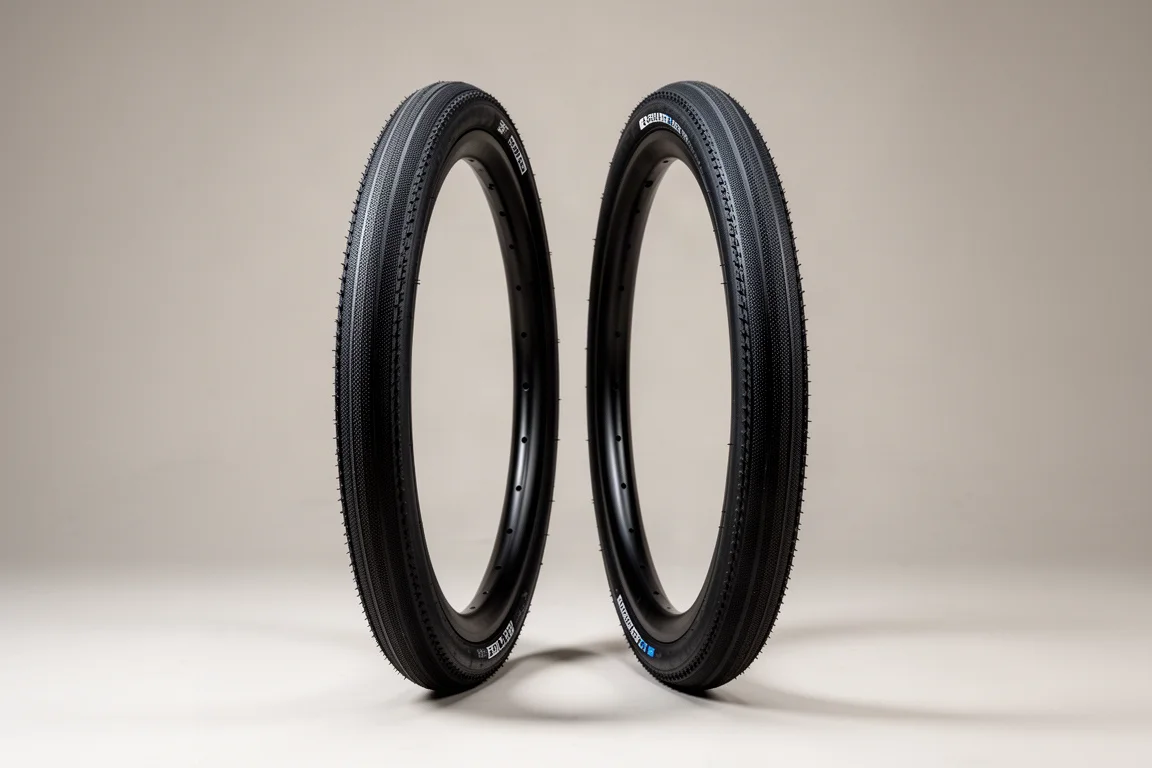
Pirelli is best known for road tires, and the brand has been building a stronger presence in cycling with models like the newly launched RS. That matters, because tire choice has long been concentrated among a handful of established names, and more competition tends to push manufacturers to improve their products and sharpen their pricing.
The RS is a new model, and it will be ridden over a longer period before a full verdict is possible. What is already clear is that a manufacturer with a serious road pedigree entering the space is a positive development for anyone shopping for tires, whether they end up on this model or another.
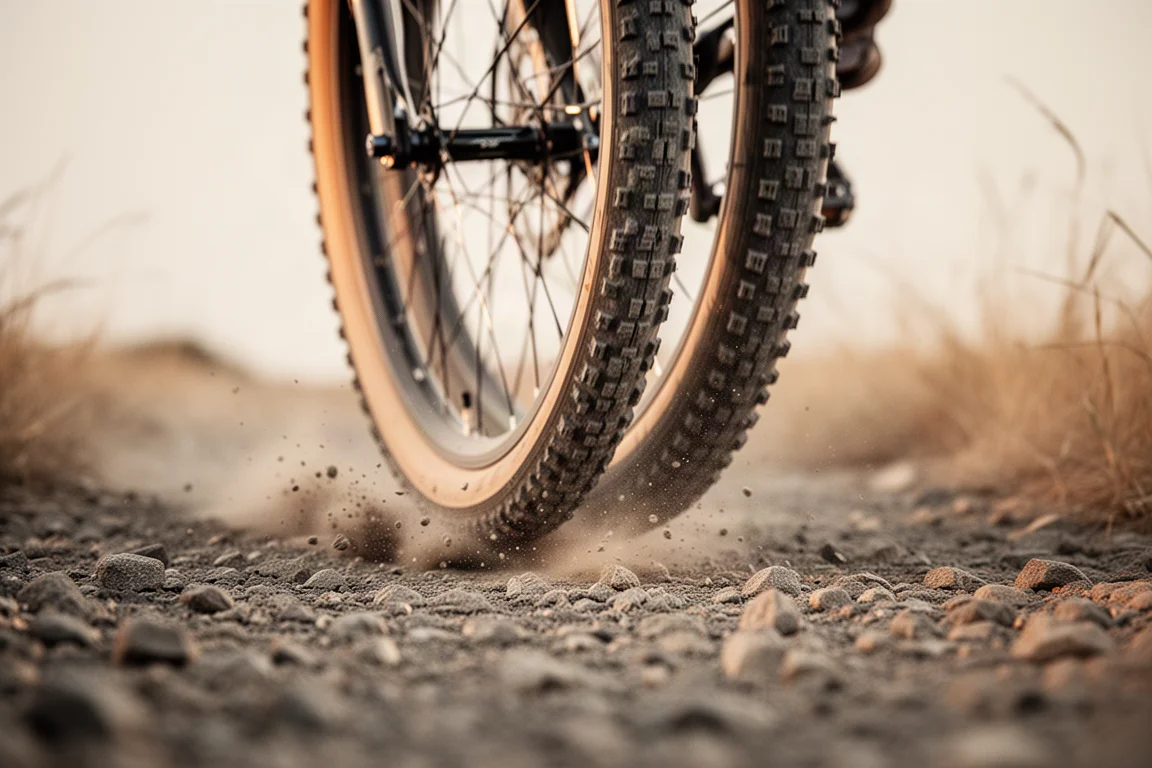
Tires are also one of the few components a rider can change without touching the drivetrain or the frame, which makes them a low-risk way to experiment with how a bike feels. A second credible option in the category gives riders more to compare before committing.
Cane Creek eeSilk Suspension Stem
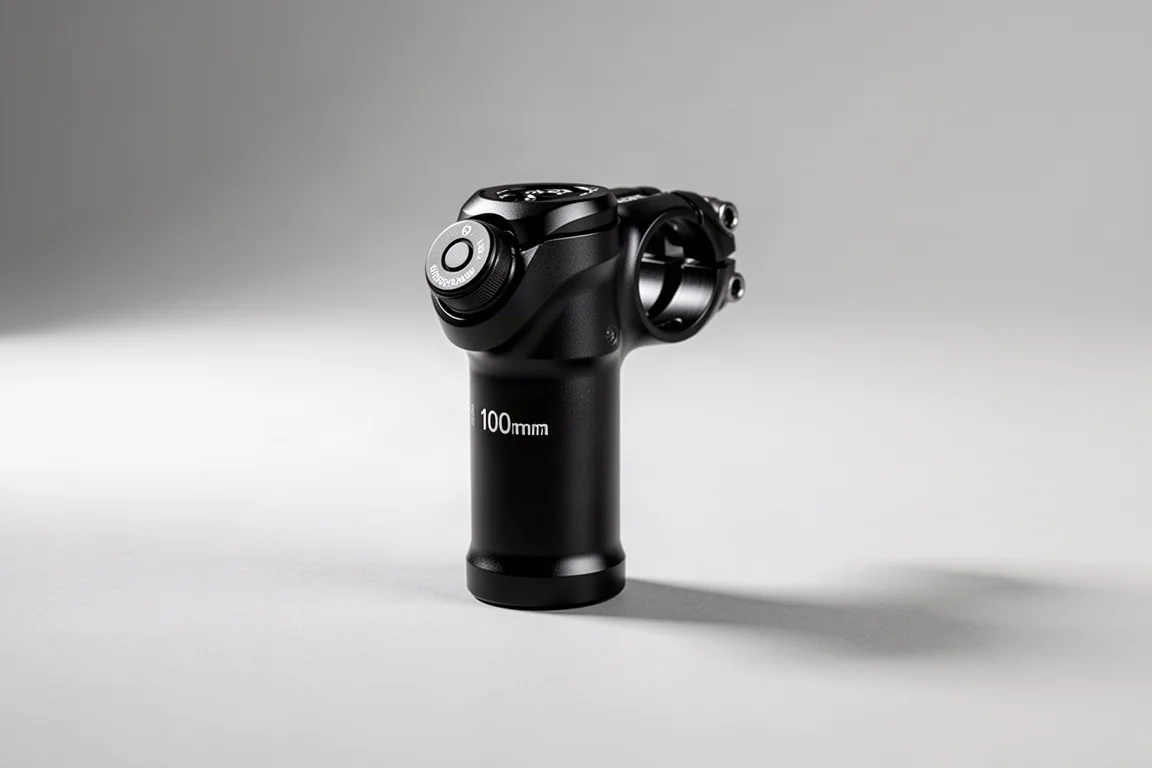
Cane Creek’s eeSilk suspension stem is aimed at riders who want to take the edge off rough surfaces without moving to a much bigger tire or a different bike. The stem is 100mm long and offers 20mm of travel.
The version with a switch on top costs £234.99 and allows the suspension to be firmed up or softened while riding, with the feel adjusted directly on the unit rather than by swapping internal parts. A version without the switch costs less. For context on price, comparable suspension stems from Redshift come in at £199 for the lower-priced option and £260 for the lighter top-end model, which places the switched eeSilk in the middle of that range. The eeSilk is also offered in a silver colourway.
On its firmer setting the stem still feels noticeably soft, and the travel is most apparent when dropping off a curb or rolling over a sharp edge rather than when deliberately slamming the bars down. It is a part that makes far more sense over a long period of real riding than over a short burst of exaggerated input, and it ships with the elastomer suited to most riders.
Cane Creek eeSilk Plus Suspension Seat Post
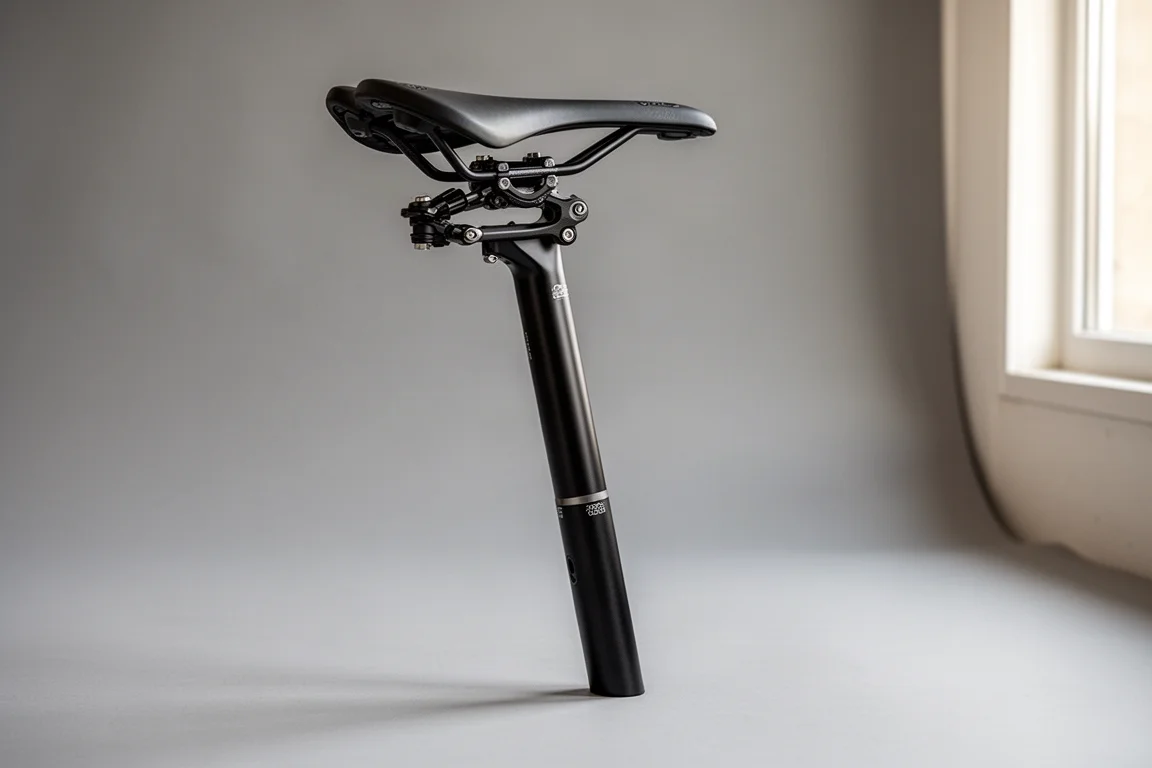
The eeSilk Plus seat post pairs naturally with the stem. It offers 30mm of travel, more than the 20mm of the standard version, and the alloy model costs £229.99. A carbon version is also available at a considerably higher price.
Where the stem feels soft, the seat post feels firm. It does not sponge noticeably under normal pedalling, which is what most riders want from a suspension post: compliance over rough ground without a vague, bouncy feel on smooth tarmac.
Riders who want more travel from a seat post have another option in Cane Creek’s range, the Thudbuster, which offers 90mm. The eeSilk Plus is the more discreet choice, and the one that pairs with the eeSilk stem in the gravel package Cane Creek puts together.
Buying Advice
Choosing between these upgrades comes down to what a bike is actually missing. A groupset is the most expensive decision in this group. Shimano’s mechanical 12-speed GRX offers the same crankset, cassette, chain and brakes as the Di2 version at a lower price, while Di2 adds semi-wireless shifting and redesigned derailleurs for roughly £1,100 on top of an existing mechanical setup, or around £1,950 for a complete groupset. SRAM’s Force XPLR undercuts a full GRX Di2 build by about £250 but is fully wireless and omits the front derailleur and second chainring. Riders who want a one-by drivetrain should note that GRX Di2 is two-by only at launch, with a one-by version confirmed for the future.
Tires and suspension parts are the lower-cost ways to change how a bike feels. Pirelli’s entry into a market long associated with a handful of established names is worth watching, and the eeSilk stem and seat post address comfort directly, with the switched stem at £234.99 and the alloy eeSilk Plus post at £229.99.
One argument for suspension components is that they may allow a rider to run smaller, lighter tires and a lighter overall build, since some of the compliance comes from the stem and post rather than from high-volume rubber. That is a genuinely interesting trade-off, and one that only reveals itself over hundreds of miles of real riding rather than in a single outing.
None of these parts is cheap, and the groupset options in particular represent a significant outlay. The sensible approach is to identify the single change that would most improve your riding and spend there first, then build out the rest of the setup over time.
Conclusion
The 12-speed era has arrived for gravel in a serious way. Shimano’s GRX Di2 brings semi-wireless shifting to the category with redesigned derailleurs and shifters, while the mechanical version delivers the same gearing and braking hardware for less. SRAM’s Force XPLR remains the fully wireless alternative at around £1,700.
Beyond the drivetrain, Pirelli’s RS tire adds another credible name to the tire market, and Cane Creek’s eeSilk stem and eeSilk Plus seat post offer a route to comfort that does not require a new bike. Each of these upgrades makes sense for a different rider, and the right choice is the one that matches the terrain you actually ride.
Further reading
Related Reviews
Gravel Cycling
Best Gravel Kit and Components 2026: Eight Standout Picks
Eight gravel picks that earned their place over a year of long rides, from a value wireless groupset and a light carbon frameset to a waterproof jacket that survived a week of Scottish rain.
Gravel Cycling
Best Gravel and Off-Road Upgrades: Power Meter Pedals, Suspension Stems and Race Shoes
Five gravel and off-road upgrades that have earned their place, from SPD power meter pedals you can swap between bikes to a suspension stem you can tune on the trail.
Gravel Cycling
Best Gravel Race Tires, Wheels and Sealants: A Practical Setup Guide
A roundup of gravel tires, wheels and sealants, with measured widths, real race pressures and the puncture kit that holds a fast setup together.