Gravel Bike Upgrades
Gravel Bike Upgrades Worth Making Sooner: Tires, Pedals, and a Suspension Stem
Three practical gravel bike upgrades that improve speed, control, and comfort on mixed surfaces, plus what to check before you spend.
Introduction
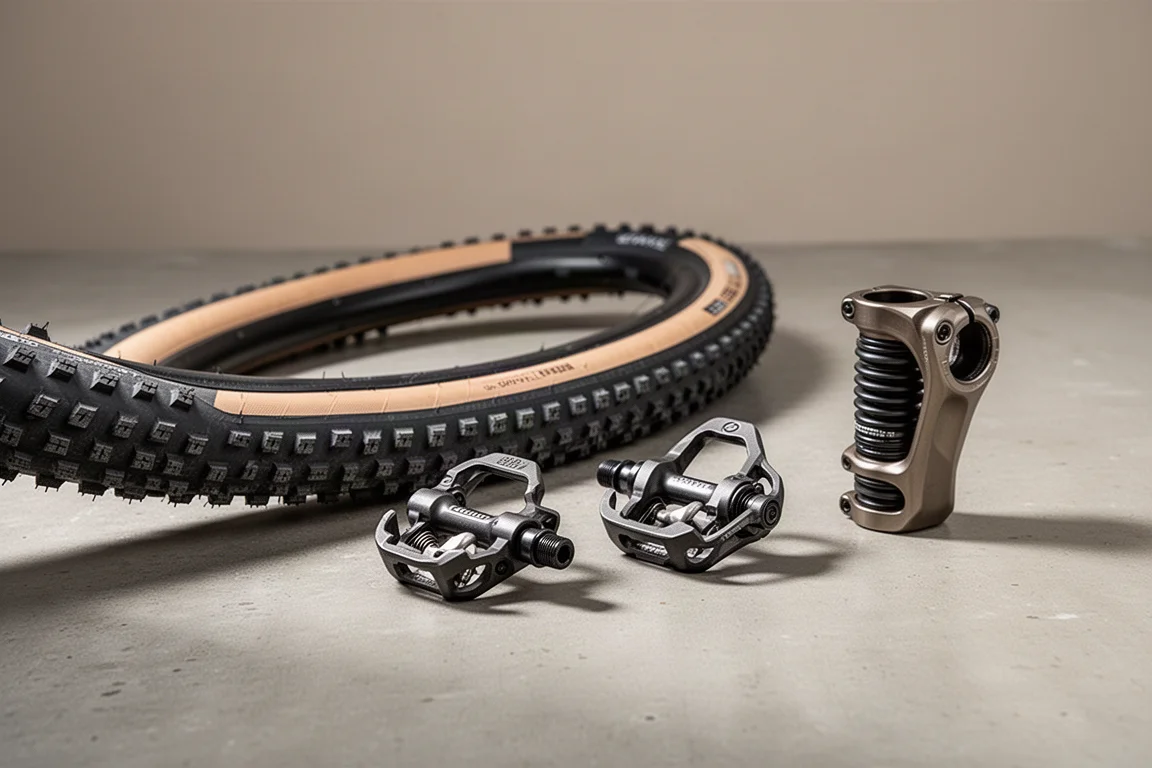
A gravel bike is rarely finished straight out of the shop. The frame and geometry set the character, but tires, pedals and contact points decide how the bike actually feels once the surface turns loose, rocky or simply long. The good news is that the three upgrades below deliver a disproportionate amount of that change for the money, and none of them require a new bike.
Each one solves a different problem: grip and rolling speed, control and off-bike practicality, and comfort over rough ground. Fitted in the right order, they turn a standard gravel bike into something noticeably more capable on mixed surfaces.
How These Upgrades Were Chosen
The shortlist came down to a few practical questions. Does the change alter how the bike rides, or only how it looks? Is the cost reasonable relative to the gain? Can it be fitted at home with normal tools? And does it make sense for mixed-surface riding rather than pure road or pure mountain bike terrain?
Tires score highest on all four counts because they are the only part of the bike in contact with the ground. Pedals come next, since entry, foot stability and the ability to walk off the bike shape almost every gravel ride. Suspension stems are a smaller, more targeted fix for vibration and fatigue. Together they cover speed, control and comfort without touching the frame.
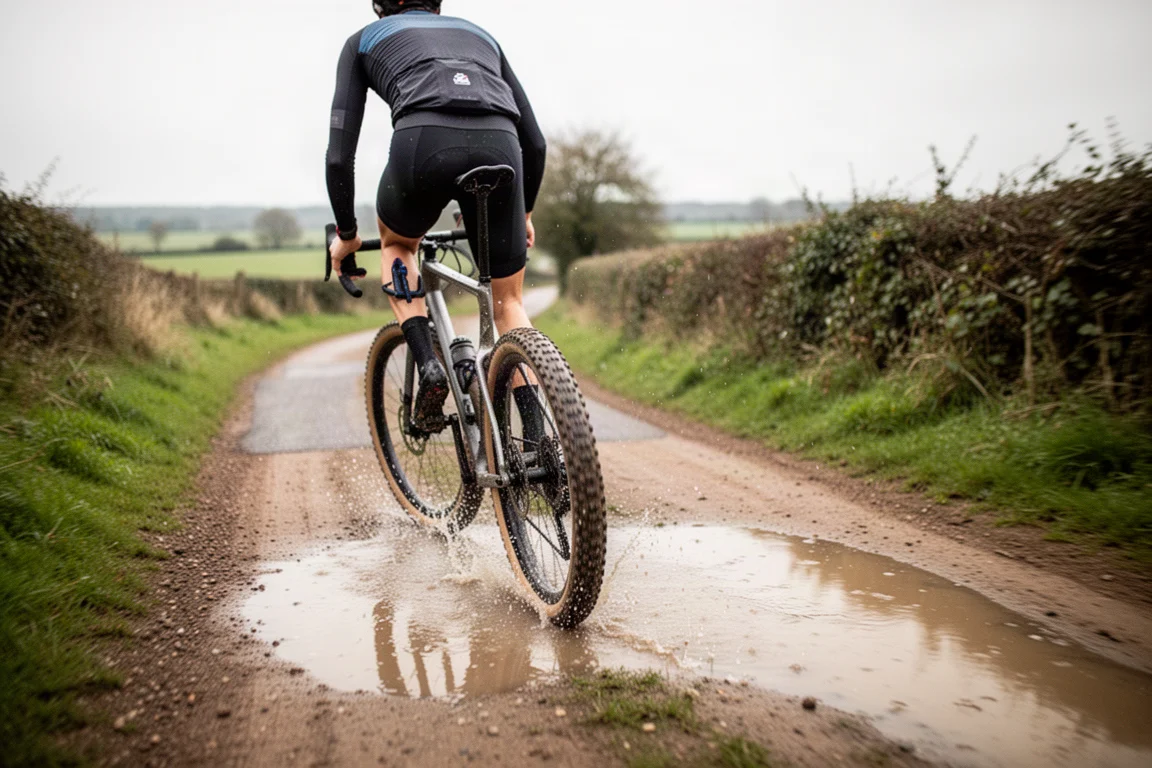
Tires also influence handling far more than most riders expect, which makes them the logical place to start before spending money anywhere else.
Best Tire Upgrade: Specialized Pathfinder
Tire choice is the single biggest upgrade on any gravel bike. Tread pattern, width and casing all change speed, comfort and off-road capability, and the number of options can be overwhelming. The most useful starting point is to work out what kind of riding the bike will actually do, then choose a tire to match.
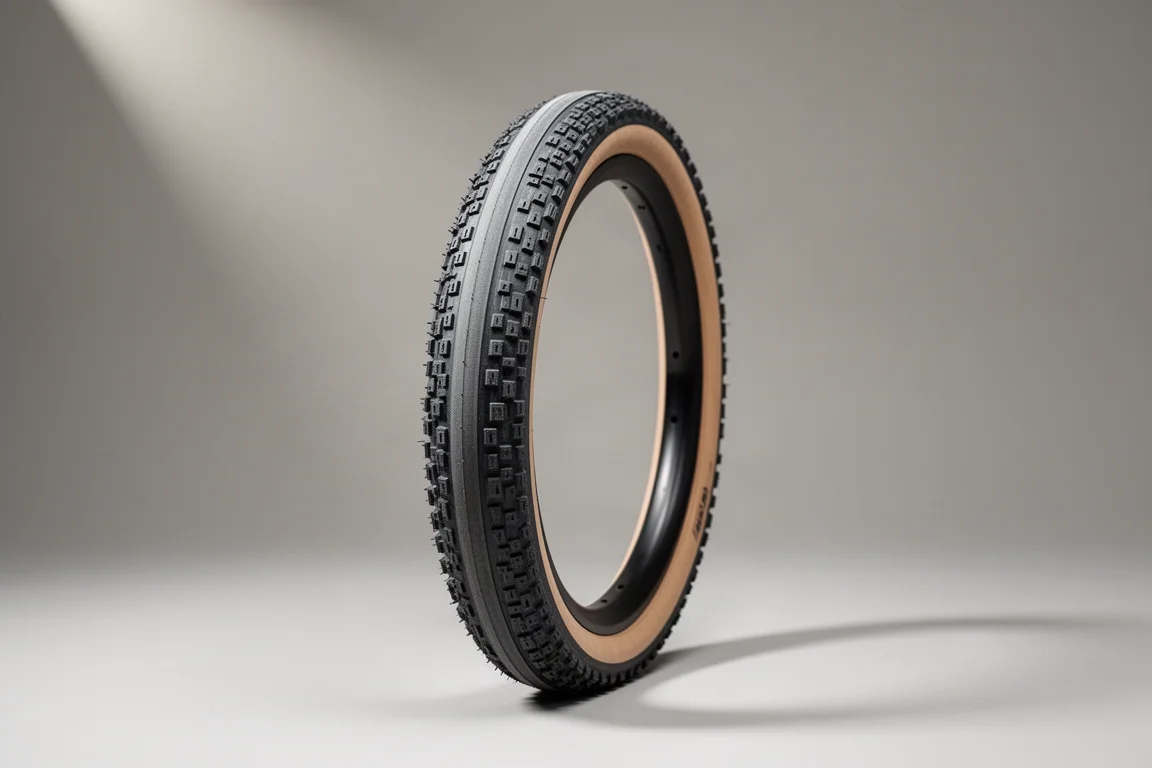
The Specialized Pathfinder is a good example of a fast, road-leaning gravel tire. It has a smooth section running down the center of the tread, with more pronounced blocks toward the shoulders. That combination rolls well on tarmac, country lanes and smooth dirt, while still offering some bite when the surface softens.
Riders who spend most of their time on rough, rocky or muddy trails will get more from an aggressive tread pattern with larger, more widely spaced blocks that can dig into loose ground. Tires in that family trade rolling speed for grip, which is the right call when the terrain demands it. Most tire ranges run from a fast option at one end to a heavily treaded option at the other, so it helps to look at the full lineup rather than a single model.
Width matters just as much as tread. Wider tires bring more comfort and more traction off-road, at the cost of extra weight and aerodynamic drag. Racing favors narrower, bike packing and adventure riding favor wider, and the ceiling is set by frame and fork clearance. The manufacturer’s recommended maximum tire size for the bike is the safest way to confirm what will fit.
Going Tubeless: A Worthwhile Companion Upgrade
Inner tubes are fine on a road bike, but off-road the risk of punctures rises sharply. Switching to tubeless is one of the most useful changes a gravel rider can make, and it is far less fiddly than it used to be.
Most new gravel bikes come with tubeless-ready wheels and tires. Rims are usually already taped, and if they are not, a roll of tubeless tape solves it. From there the shopping list is short: a tubeless valve and some sealant. Sealant replaces the inner tube, and when something small such as a thorn punctures the tire, it foams into the hole and usually seals it before the rider even notices.
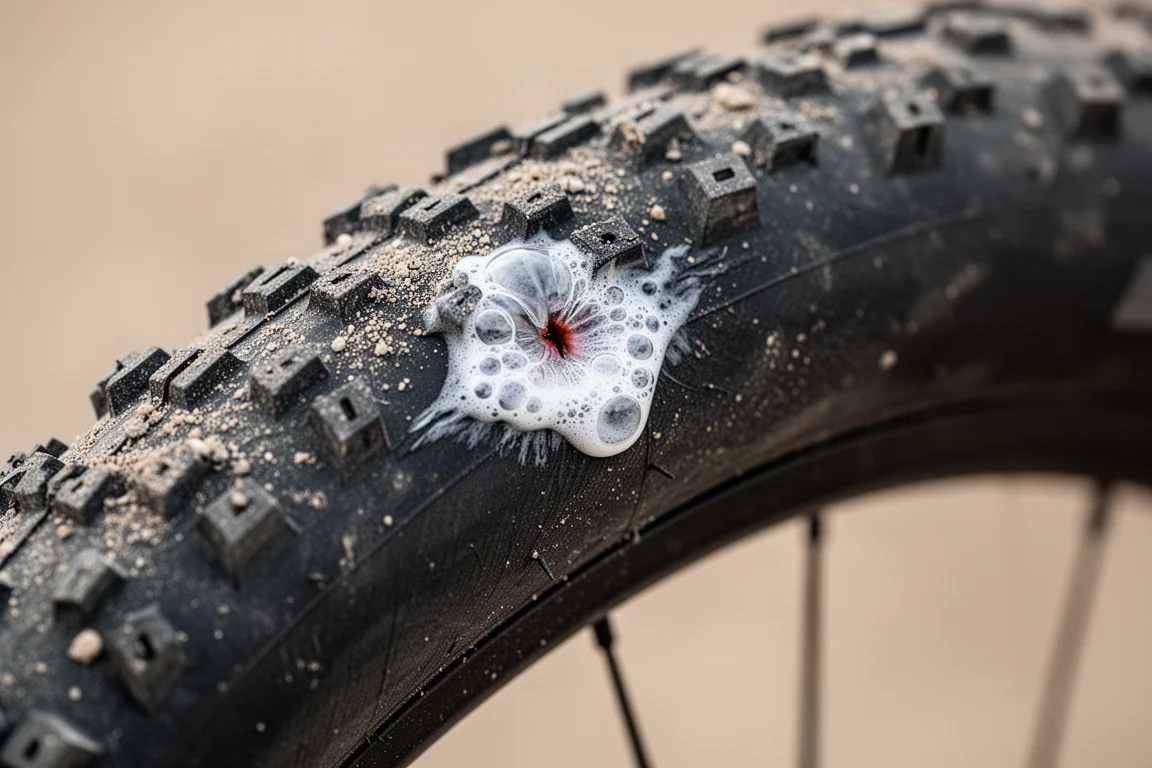
Installation depends on the sealant format. Some types are poured into the tire before it is fitted to the rim, while others come with an injector that threads onto the valve for a cleaner, mess-free job. In most cases the tire will seat with an ordinary track pump, a floor pump or a CO2 canister, and sometimes even a mini pump.
The payoff is the ability to run lower pressures, which brings more traction and more comfort along with a large reduction in puncture risk. Bigger holes that sealant cannot close need a dedicated tubeless repair kit with a plug tool, which is quicker than fitting an inner tube and generally only needed in unlucky cases.
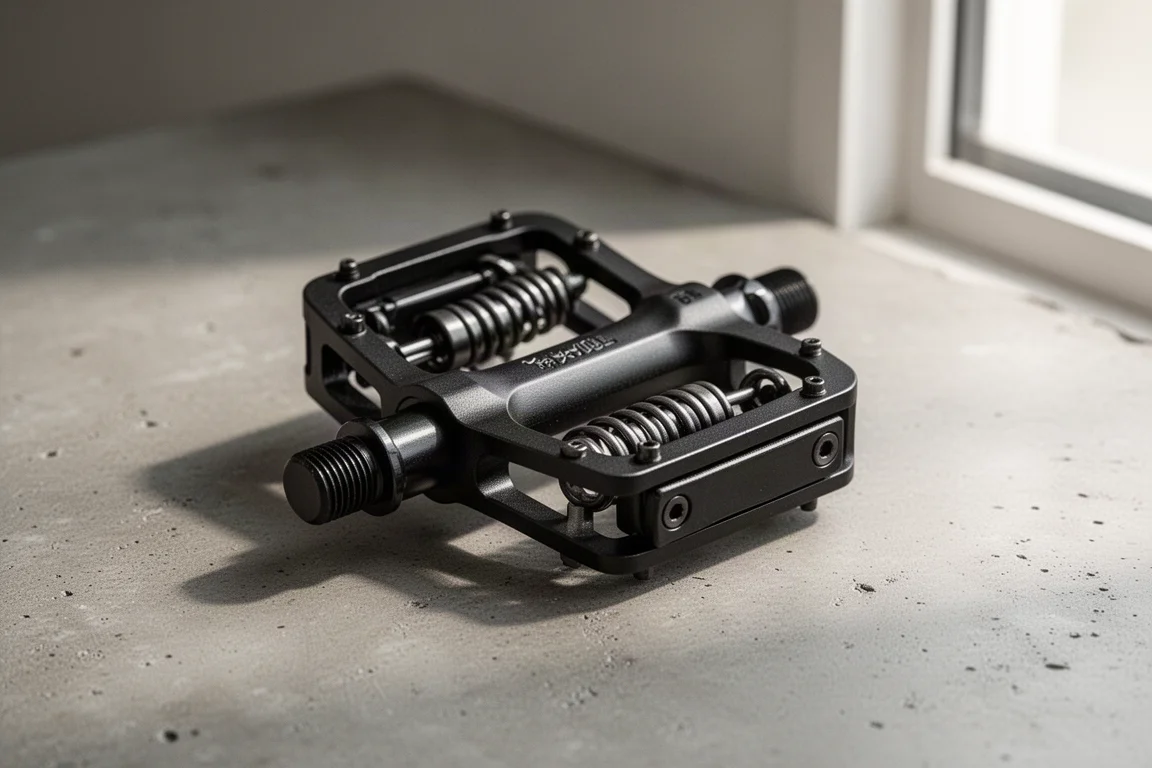
Best Pedal Upgrade: Shimano SPD Pedals
Road clipless pedals work on a gravel bike, and plenty of fast riders use them. For most people riding mixed surfaces, a mountain bike style pedal is the better answer, and Shimano SPD pedals are the straightforward choice.
The main advantage is the two-sided design. With an entry point on both faces, clipping in quickly is easier, which matters when a ride involves repeated stops, gates or technical starts. The shoes matter just as much. A mountain bike shoe with a two-bolt cleat still has a stiff sole for power transfer, but adds lugs that make walking practical, whether that is across a cafe floor, through an office or along a rocky trail when the riding stops.
Mud is the other reason this setup suits gravel. Mud-clearing space around the mechanism lets grit and dirt fall away, so the cleat keeps working in wet, gritty conditions where a road pedal can clog. Shimano’s cheapest SPD pedals are heavier than the more expensive versions, but they work very well and hold up over years of use. The pricier options mainly save weight rather than adding function, which makes the basic model an easy recommendation.
Best Comfort Upgrade: USE Vibe Suspension Stem
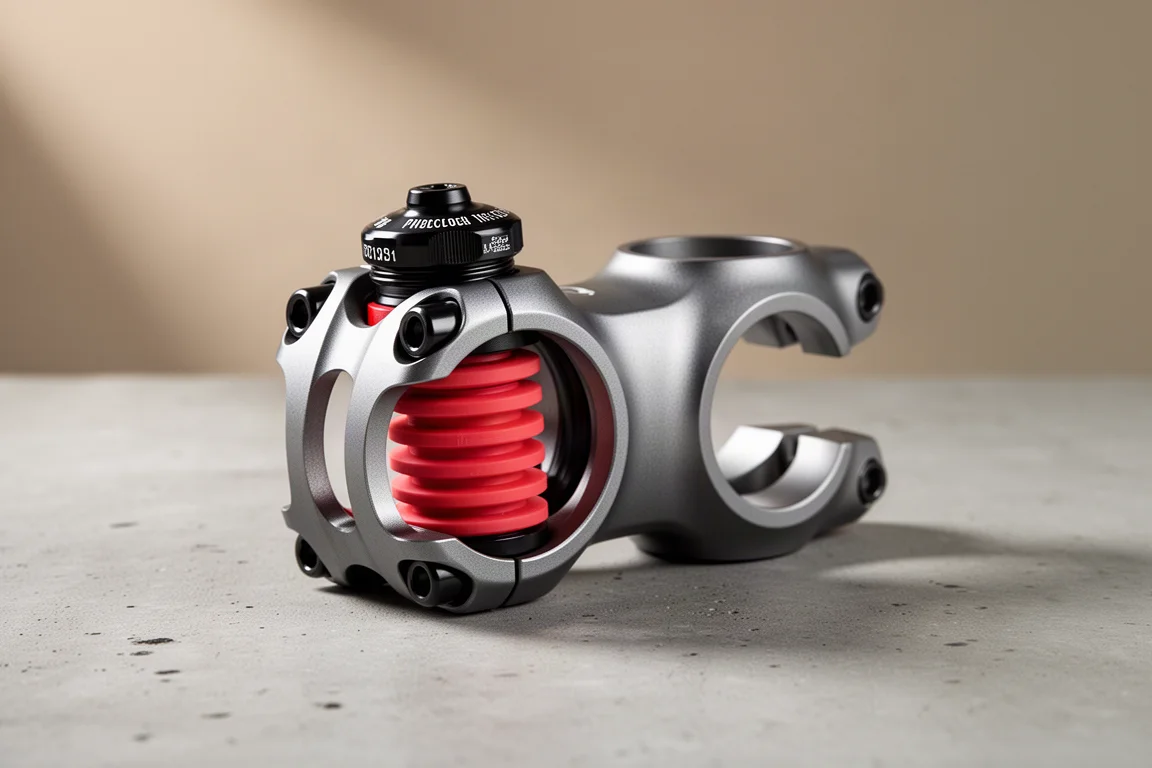
Riding a gravel bike off-road can be a bumpy, uncomfortable affair, and bigger tires only go so far. A suspension stem is a popular way to add comfort, and it is a relatively affordable upgrade that carries only a small weight penalty. These stems are still light compared with a standard stem.
The benefit is straightforward. By reducing the vibration that travels through the handlebar and into the arms, a suspension stem cuts fatigue on long, rough rides. The USE Vibe is tunable with different elastomers to suit different rider weights, and it has preload adjustment at the top and bottom for damping and rebound. That makes it possible to set the feel to the rider rather than accepting whatever the stem arrives with.
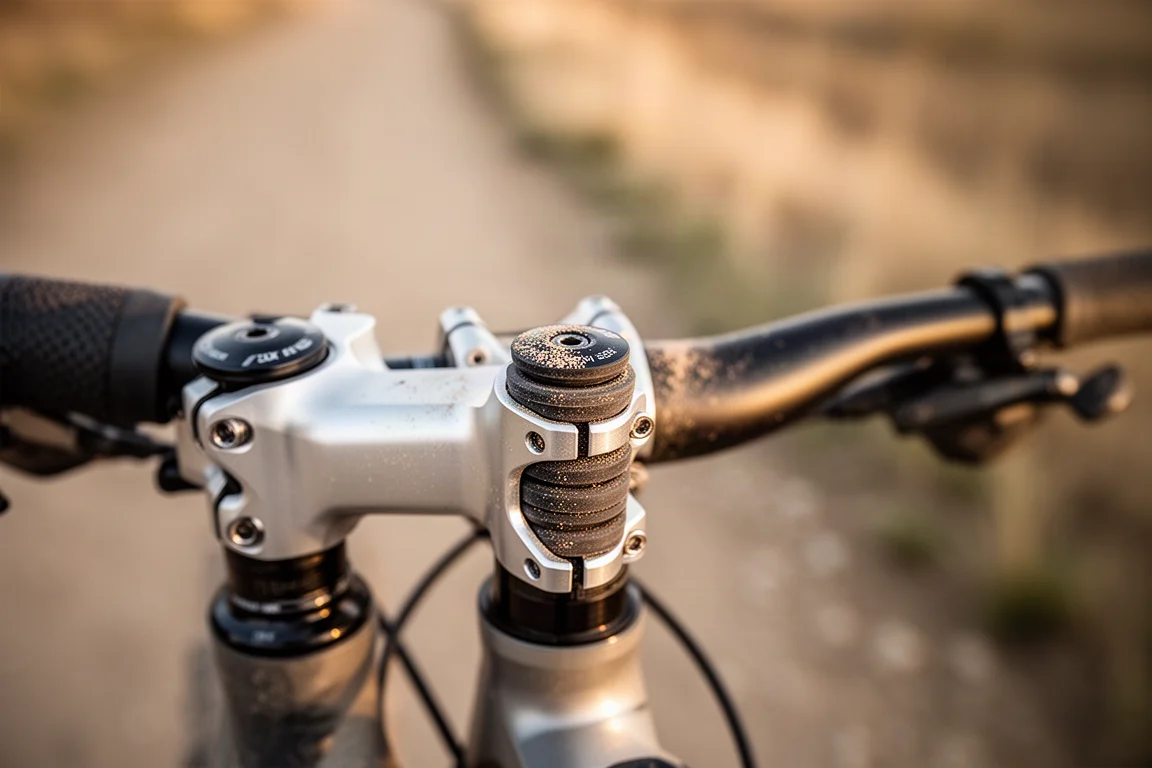
It may look a little odd next to a conventional stem, and that bulk is the obvious trade-off. Against that, swapping a stem is a quick job that needs no special tools, which makes it one of the simplest ways to change how a bike feels on broken surfaces.
Matching Upgrades to Your Riding
The right order of spending depends on the riding you do. A racing focus points toward narrower, faster tires and a low front end. Bike packing and long-distance adventure riding point the other way: wider tires for traction and comfort, and a higher, wider handlebar for control, leverage through corners and space for a bar bag.
Handlebar width, flare and rise all change how a gravel bike feels, and a higher front end can ease strain on the neck, shoulders and back over a full day in the saddle. Changing a handlebar takes more work than swapping a stem, since the bar tape and controls come off first, but a bike shop can handle it.
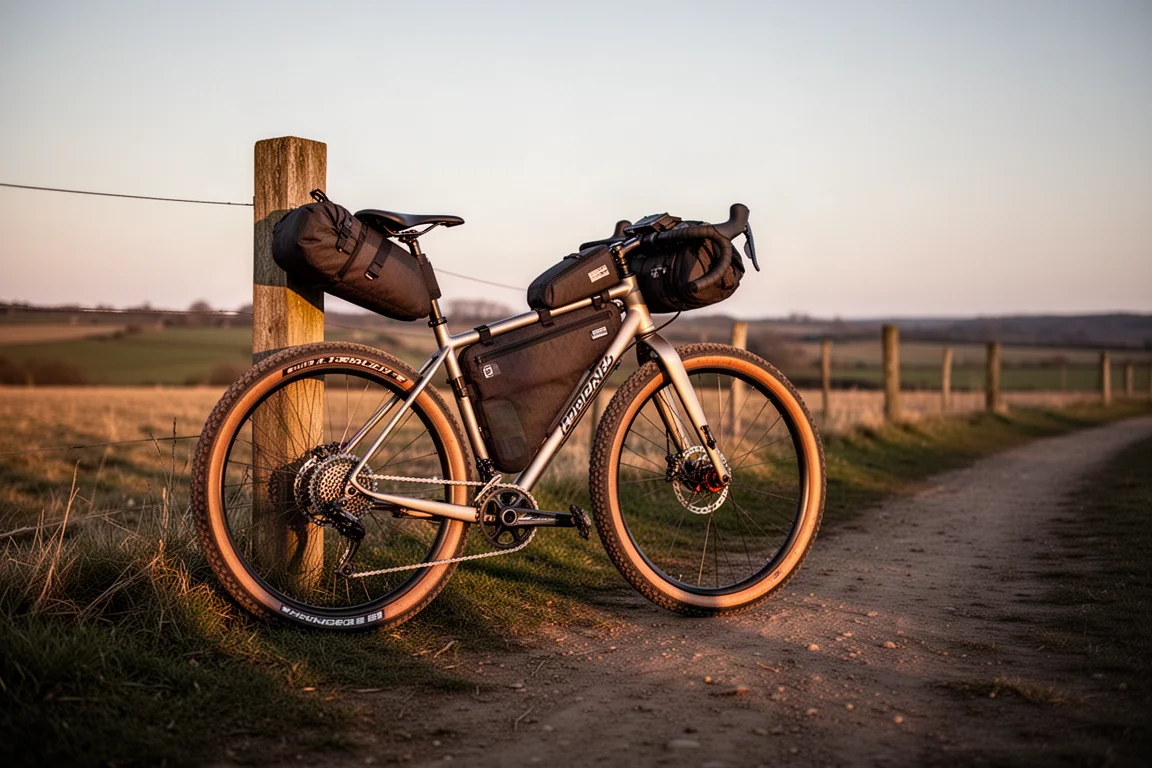
For longer rides, carrying capacity is worth planning for as well. Frame bags and top tube bags add space for food, tools, clothing and a power bank beyond what jersey pockets can hold, and many gravel frames now include mounting bolts on the top tube for exactly that purpose.
Buying Advice Before You Spend
If you only change one thing, change the tires. They touch the ground, they set the bike’s speed and comfort, and there is no single best tire, only the most suitable one for the surfaces you ride most. Work out your ratio of road to off-road first, then match the tread to it.
After tires, a tubeless conversion is the highest-value follow-up. It unlocks lower pressures for grip and comfort while sharply reducing puncture risk, and the parts are inexpensive. Pedals come next if you want easier entry and shoes you can walk in, and a suspension stem is the natural final step when comfort is the remaining complaint.
Before ordering anything, confirm the maximum tire width your frame and fork will accept, check whether your wheels are already tubeless-ready and taped, and pick the elastomer rating that matches your body weight if you go for a suspension stem. Bought in that order, these upgrades build on each other rather than duplicating what you already have.
Conclusion
None of these upgrades requires a new bike, and none of them is complicated. Tires transform speed, grip and comfort, a tubeless setup keeps you moving when the surface turns hostile, two-sided pedals make every stop easier, and a suspension stem softens the roughest sections without adding much weight.
Start with the change that matches the riding you actually do, and add the rest as your routes evolve. That is the practical route to a gravel bike that feels tailored rather than merely stock.
Further reading
Related Reviews
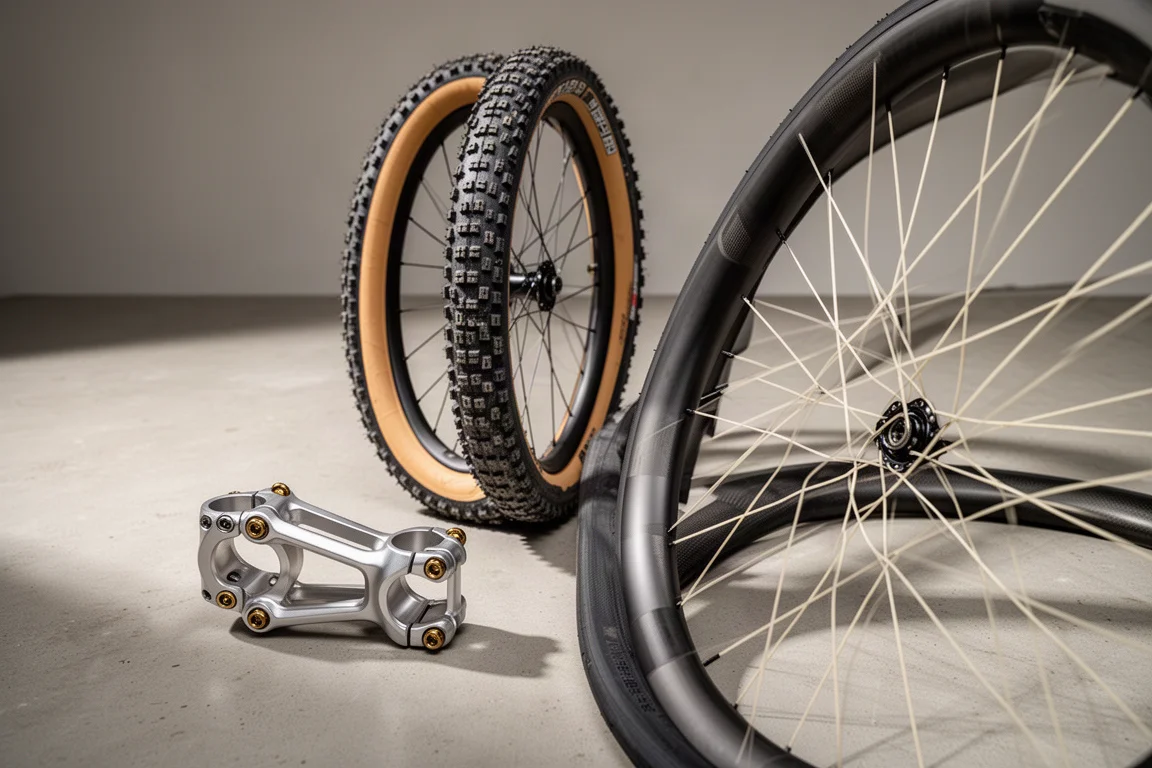
Gravel Bike Upgrades
Three Gravel Bike Upgrades That Transform Comfort and Capability
A suspension stem, a chunkier gravel tire and a string-spoke wheelset, fitted to one carbon gravel bike to see how far comfort, grip and control can go.
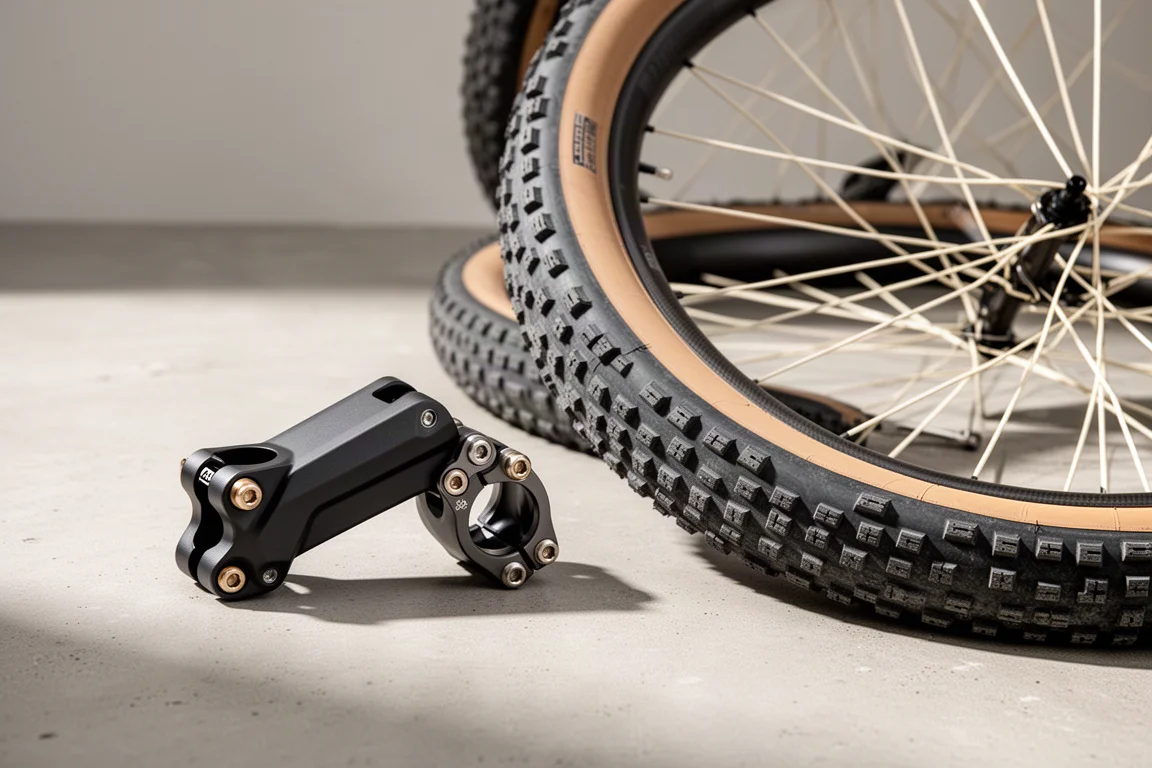
Gravel Bike Upgrades
Three Gravel Bike Upgrades That Add Comfort and Capability
A parallelogram suspension stem, a refreshed all-round gravel tire and a 1,112 g wheelset with string spokes: three upgrades that change how a gravel bike rides.
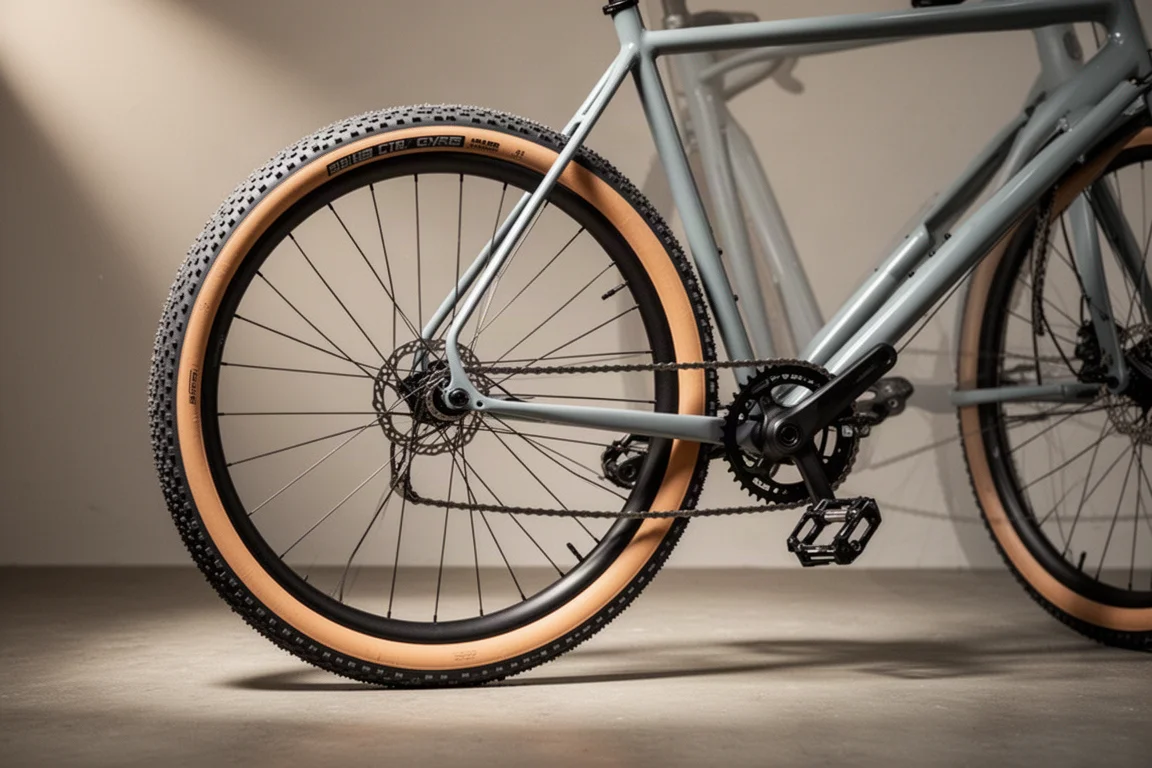
Gravel Bike Upgrades
Gravel Bike Upgrades Worth Making First: Specialized Pathfinder Tires and Shimano SPD Pedals
Two practical gravel bike upgrades that improve speed, comfort and control, plus how to match them to the riding you actually do.