Gravel Bike Upgrades
Gravel Bike Upgrades Worth Making First: Specialized Pathfinder Tires and Shimano SPD Pedals
Two practical gravel bike upgrades that improve speed, comfort and control, plus how to match them to the riding you actually do.
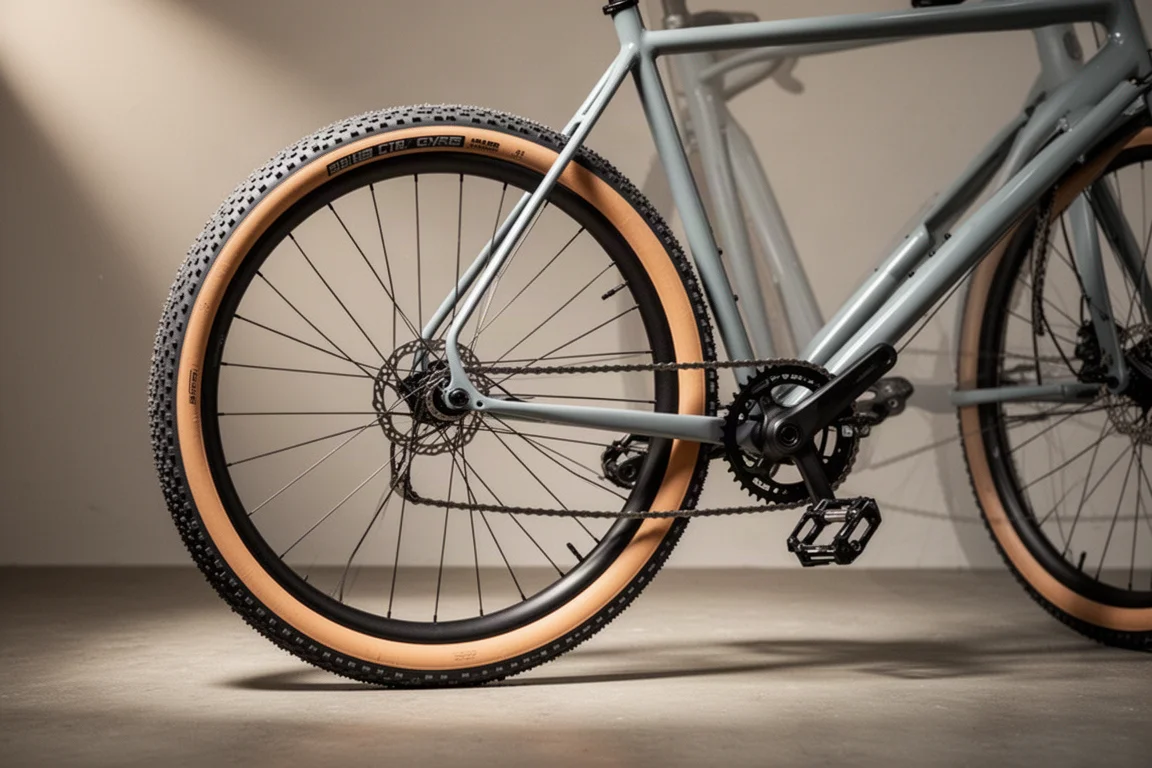
Introduction
Gravel bikes are built to go almost anywhere, and that versatility is exactly why they respond so well to a few well-chosen upgrades. A new set of tires or a different pedal system can change how a bike feels on the same route, and neither has to cost a fortune.
The two changes below are the ones that make the biggest practical difference for most riders: the tires that connect the bike to the ground, and the pedals and shoes that connect the rider to the bike. Everything else can follow later.
How to Choose the Right Upgrade for the Riding You Do
Tire choice is not a matter of finding one universally best option. It comes down to the riding you do or want to do: whether you race, bike pack, or simply explore, and how much of your time is spent on tarmac versus rough dirt. The ratio of road miles to off-road miles shapes both the width and the tread pattern that suits you.
Width matters too. The general trend is toward wider tires, which bring more comfort and more traction off-road at the cost of extra weight and a small aerodynamic penalty. Riders chasing speed may prefer something narrower, while bike packers and adventure riders usually benefit from more volume. What limits you is frame and fork clearance, and most manufacturers publish a recommended maximum tire size for each bike.
Tread patterns vary enormously, and the differences between them are not always obvious. A tire with a smooth centre section rolls quickly on hard surfaces, while a tire with larger, widely spaced blocks digs into loose dirt and mud more effectively.
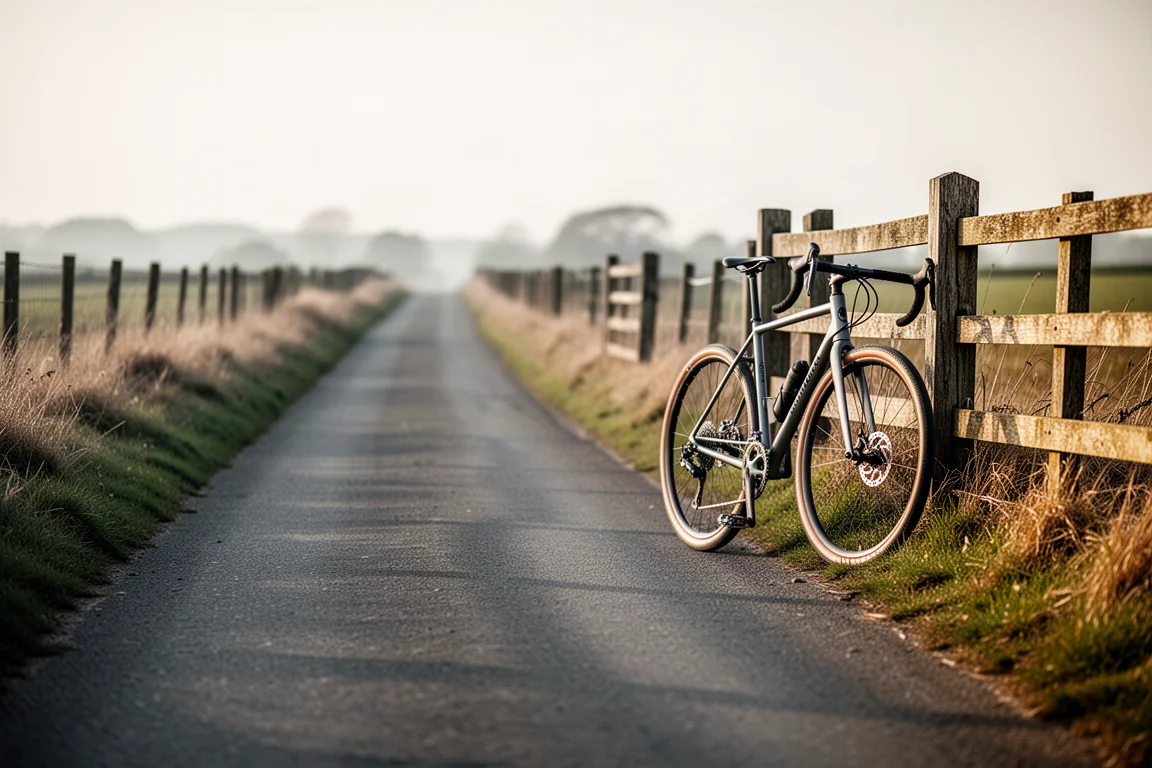
A useful shortcut is to check how each brand organises its range. Most companies offer a spectrum that runs from their fastest, smoothest gravel tire through to their most aggressive option, so you can pick the point on that scale that matches your terrain.
Tires First: Specialized Pathfinder for Mixed Terrain
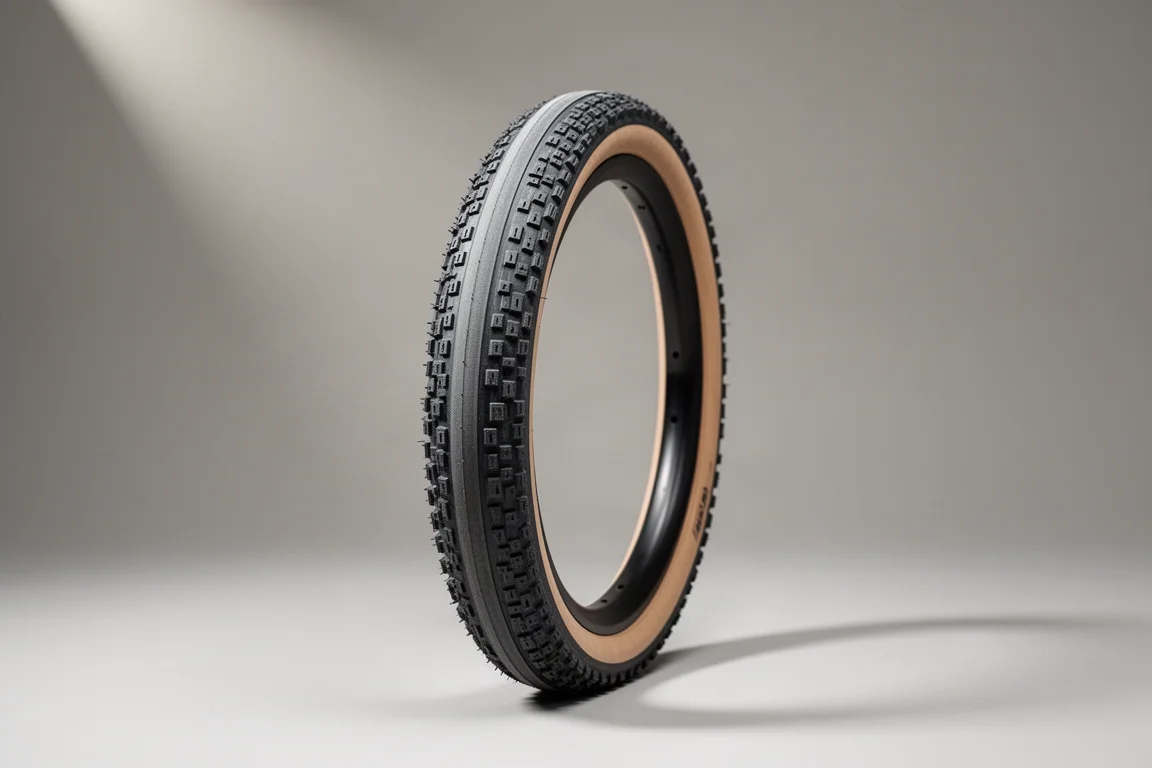
The Specialized Pathfinder is a clear example of the smooth-centre approach. Its continuous centre section keeps rolling resistance low on tarmac and hard-packed surfaces, which makes it a strong choice for riders who cover a lot of road miles alongside their gravel. The shoulder blocks still provide bite when the surface softens or the bike leans into a corner.
That balance is exactly what makes it worth considering as a first upgrade. If most of your riding is country lanes and smooth dirt, a tire in this style is a sensible fit. If your routes lean toward rocky, rooty, muddy trails, a more aggressive tread with deeper, more open blocks will serve you better, because that tread can clear and dig in where a smoother profile struggles.
Shimano SPD Pedals: Two-Sided Entry and Walkable Shoes
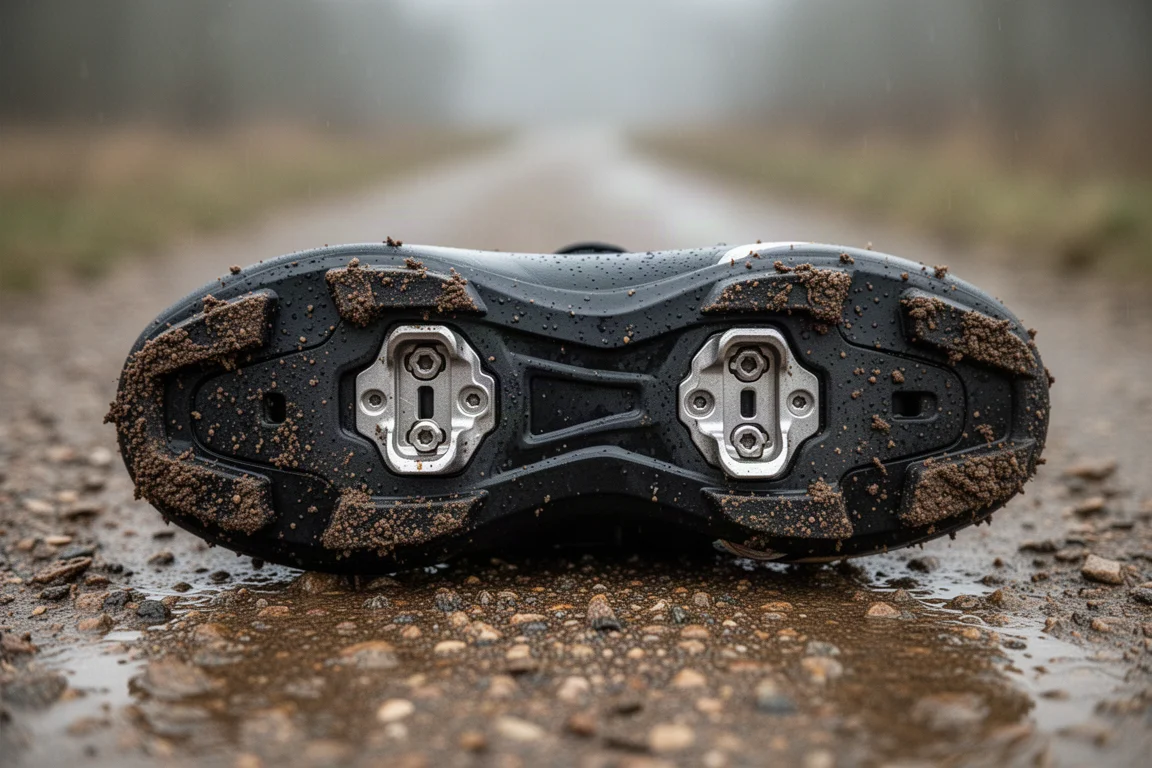
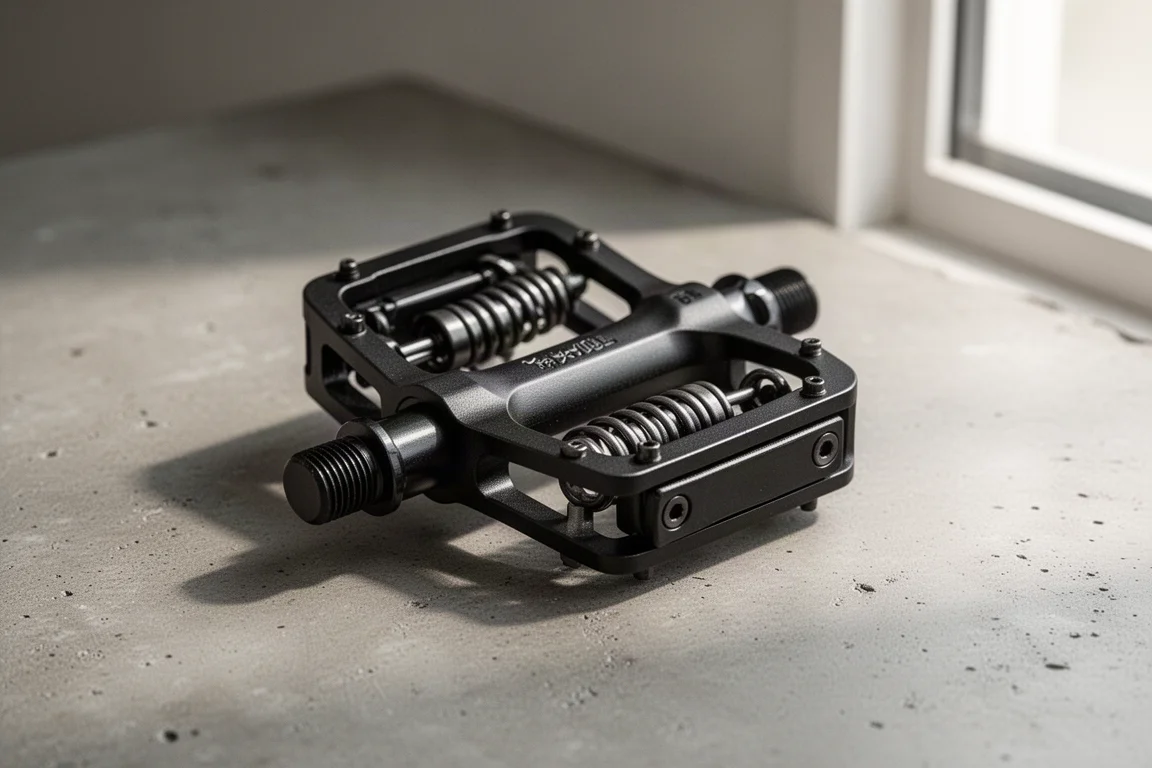
Pedals are the second upgrade worth making early, and the case for a mountain bike style pedal on a gravel bike is straightforward. Road clipless pedals work, and plenty of gravel racers use them, but a two-sided pedal is easier to clip into quickly, especially when you are starting on a loose surface or a steep incline.
The bigger benefit is the shoes. Two-bolt cleats pair with shoes that combine a stiff sole for power transfer with rubber lugs that make walking practical. That matters when you stop at a cafe, walk through an office, or find yourself pushing the bike when a trail runs out. Road shoes are far less pleasant in those moments, particularly on mud or rock.
Mud clearance is the other advantage. Open pedal bodies let mud and grit fall away instead of clogging the mechanism, which keeps engagement reliable through a wet winter.
Shimano’s most affordable SPD pedals do the same job as the more expensive versions, which are mainly lighter. They are heavier than premium options, but they work reliably and stand up to hard use.
Going Tubeless and Other Practical Additions
Swapping out the inner tubes that come fitted to most new bikes is a small investment that pays off quickly off-road, where puncture risk is high. Tubeless setups let you run lower pressures, which improves traction and comfort, and sealant handles most small punctures as they happen, often without you noticing.
Most modern gravel wheels and tires are already tubeless ready. Rims are usually taped from the factory, and if they are not, a roll of rim tape makes them airtight. From there you need tubeless valves and sealant. Some sealants are poured into the tire before mounting, while others come with an injector that threads onto the valve for a cleaner job. In most cases a standard track pump is enough to seat the tire, though CO2 or a mini pump can work too.
If a hole is too large for the sealant to close, a tubeless repair kit with a plug tool handles it faster than fitting an inner tube, which remains the last resort.
Comfort and Carrying Capacity: Stems, Bars and Bags
Beyond tires and pedals, comfort is where most riders look next. A suspension stem is a popular option: it adds only a small amount of weight compared with a standard stem, yet it reduces the vibration travelling through the handlebar into your arms and hands, which cuts fatigue on long, bumpy rides. These stems are tunable with different elastomers to suit rider weight, and some include preload adjustment for damping and rebound. They look unusual next to a conventional stem, but the comfort gain is real.
Handlebars are another way to tune the ride. Width and drop flare change how much control and leverage you have through corners, and a wider bar leaves more room for a bar bag. Some gravel handlebars also add rise, which lifts the front end for riders who want less strain on the neck, shoulders and back over a long day. Swapping a bar means removing the tape and the shifters, so it is not the quickest job, though a bike shop can handle it.
Carrying capacity is the final piece for longer rides. A top tube bag, often called a bento bag, mounts with two bolts or Velcro straps and puts snacks, tools, a phone or a power bank within easy reach. Larger frame bags strap to the top tube and down tube and hold clothing, spares and extra food, with some designs including a sleeve for a smartphone.
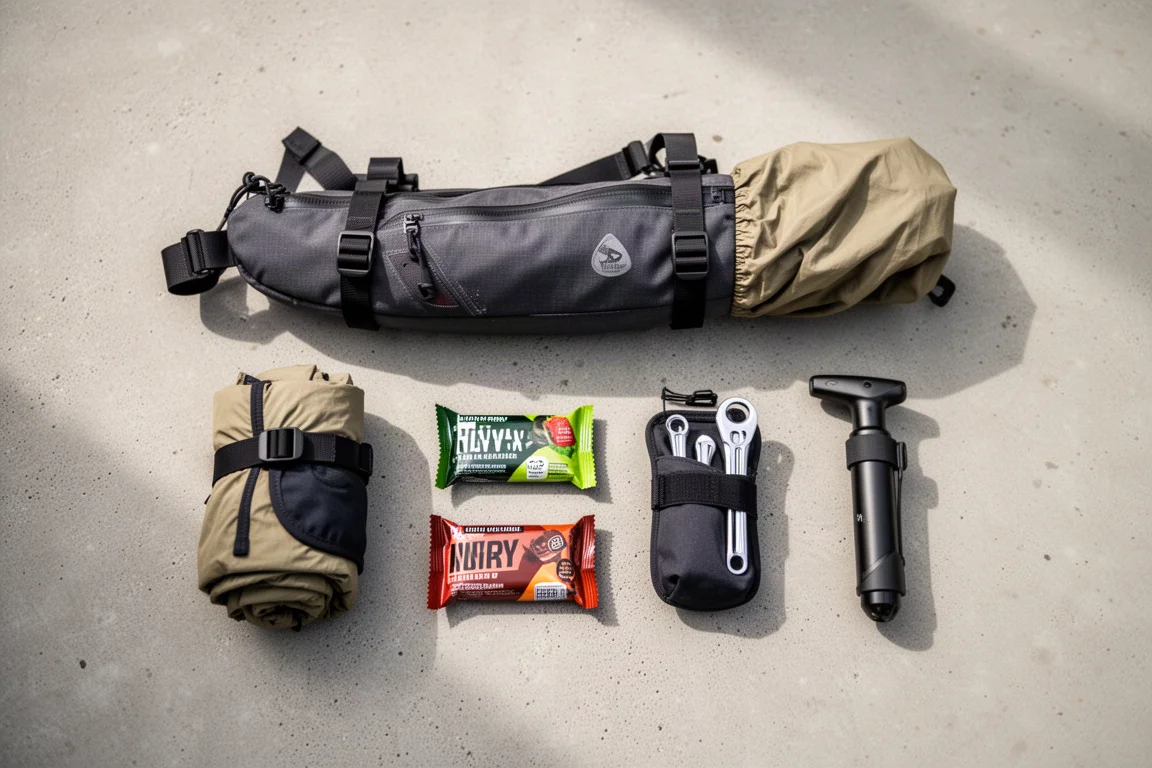
Sizes vary widely, and some brands let you measure your frame so you can choose the right fit.
Trade-Offs and Mistakes to Avoid
There is no single best tire, only a tire that suits your riding. Wider rubber adds comfort and grip but also weight and drag, which is why racers often go narrower than adventure riders. Tread that excels in mud can feel sluggish on tarmac, and a fast-rolling centre section gives up some bite when conditions turn loose.
Suspension stems and higher, wider bars change the look and the feel of the bike, and they add a little weight. Handlebar swaps take time and tools. Tubeless setups need occasional attention, from topping up sealant to carrying a plug kit. None of these are reasons to avoid the upgrades, but it helps to know what you are trading before you commit.
Overall Buying Advice
The right order of upgrades depends entirely on what you want the bike to do better. If speed and efficiency across mixed surfaces are the goal, start with tires. If your rides involve stopping, walking and muddy conditions, pedals and shoes deliver the most noticeable improvement for the least money.
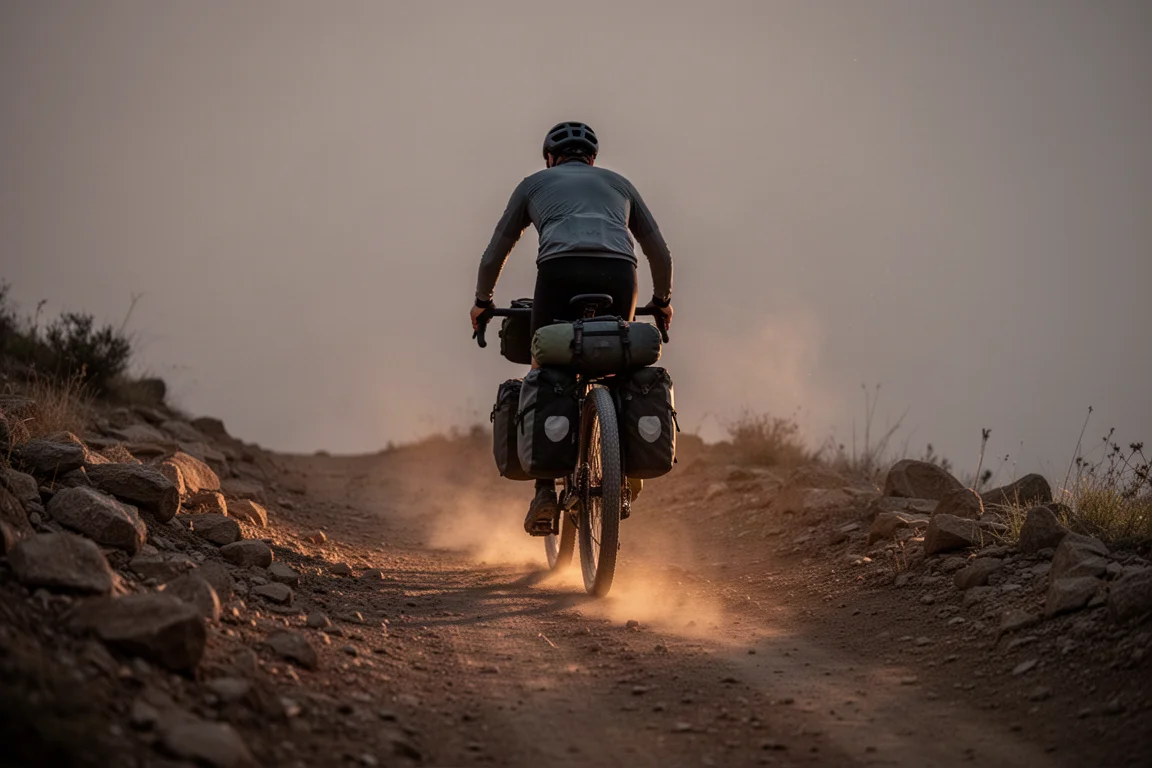
Riders focused on long-distance comfort and bike packing usually get more from a suspension stem, a wider bar and a bag or two than from any performance component. Work through one change at a time, ride it, and see how it feels before moving on to the next.
Conclusion
Gravel bikes are unusually adaptable, and that is why a handful of targeted upgrades can reshape how one feels. Start with the contact points: tires that match your terrain and a pedal and shoe system that keeps you moving on and off the bike. From there, comfort and carrying capacity are the natural next steps, and each one can be added when the riding you do calls for it.
Further reading
Related Reviews
Gravel Bike Upgrades
Three Gravel Bike Upgrades That Transform Comfort and Capability
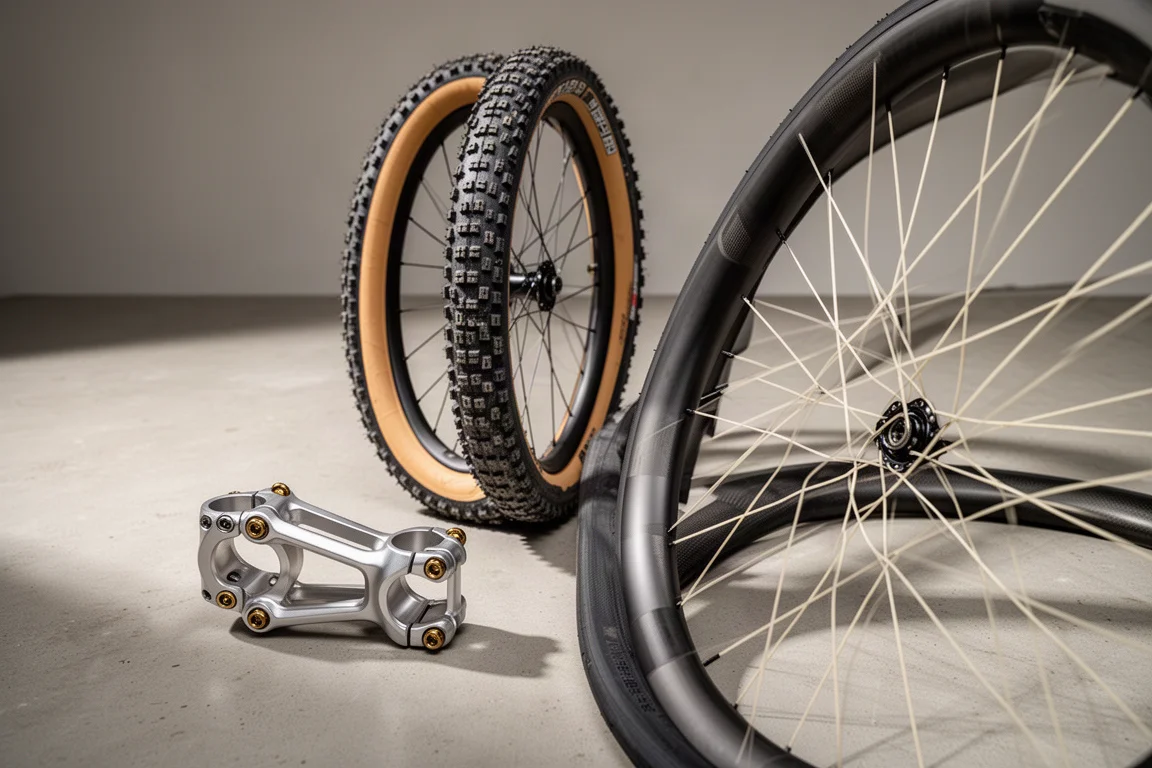
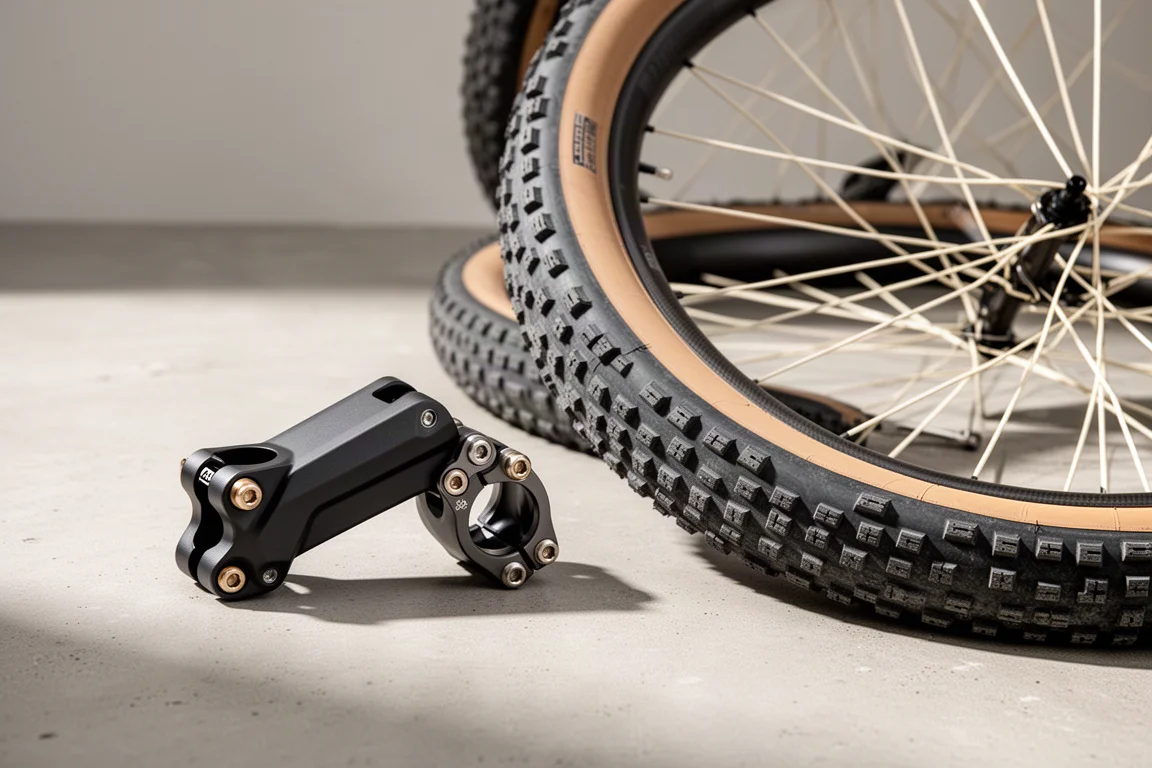
A suspension stem, a chunkier gravel tire and a string-spoke wheelset, fitted to one carbon gravel bike to see how far comfort, grip and control can go.
Gravel Bike Upgrades
Three Gravel Bike Upgrades That Add Comfort and Capability
A parallelogram suspension stem, a refreshed all-round gravel tire and a 1,112 g wheelset with string spokes: three upgrades that change how a gravel bike rides.
Gravel Bike Upgrades
Gravel Bike Upgrades Worth Making Sooner: Tires, Pedals, and a Suspension Stem
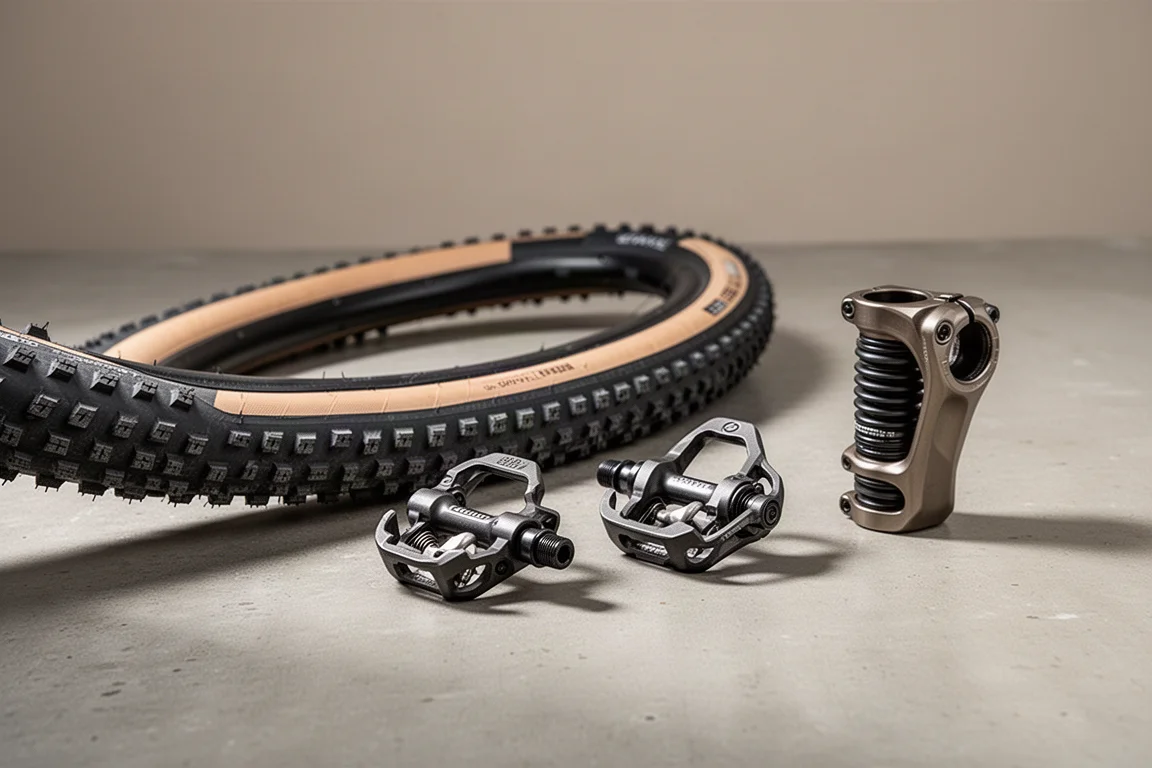
Three practical gravel bike upgrades that improve speed, control, and comfort on mixed surfaces, plus what to check before you spend.