Gravel Bike Upgrades
Three Gravel Bike Upgrades That Transform Comfort and Capability
A suspension stem, a chunkier gravel tire and a string-spoke wheelset, fitted to one carbon gravel bike to see how far comfort, grip and control can go.
Introduction
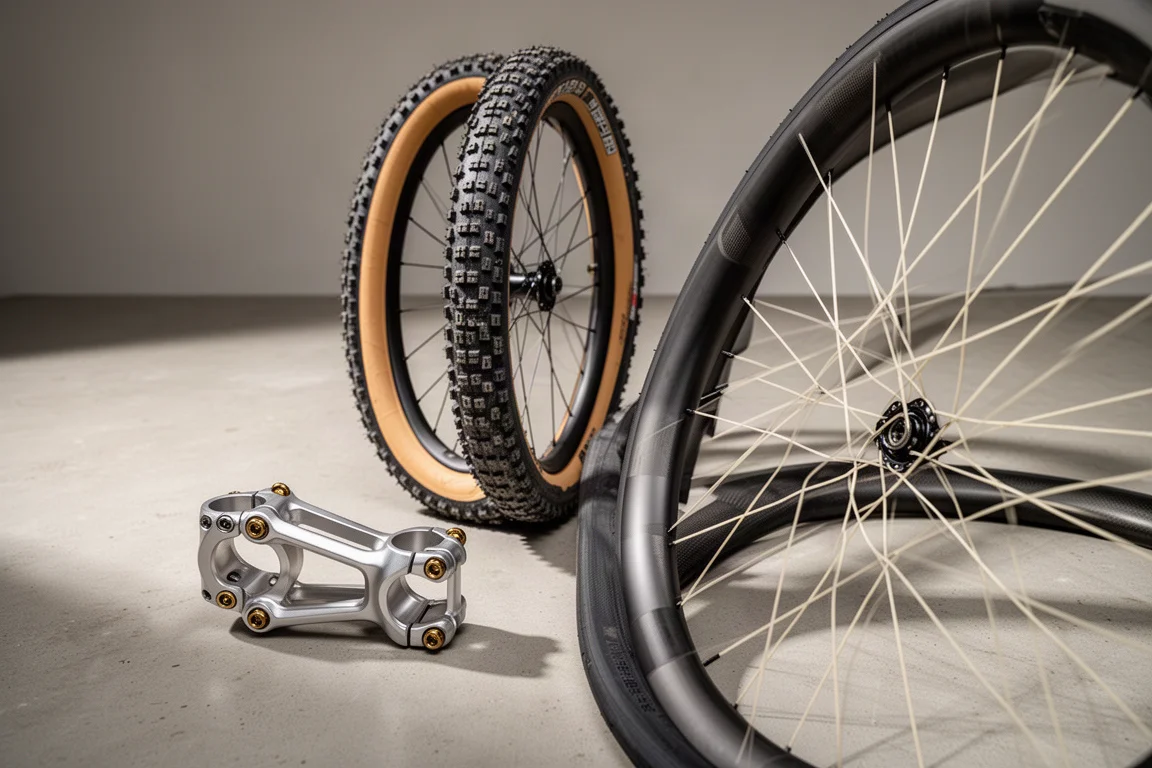
Upgrading a gravel bike is rarely only about chasing watts. The three parts gathered here were fitted to a carbon gravel bike that already rode well, and the brief was simple: more comfort, more capability and more fun. Nothing on the list was chosen to shave seconds off a segment.
The result was a bike that felt transformed once the surface stopped being polite. A suspension stem softened the front end, a wider tire with a chunkier tread added grip and control, and a wheelset built with polymer string spokes cut a serious amount of rotating weight while adding an unexpected layer of smoothness.
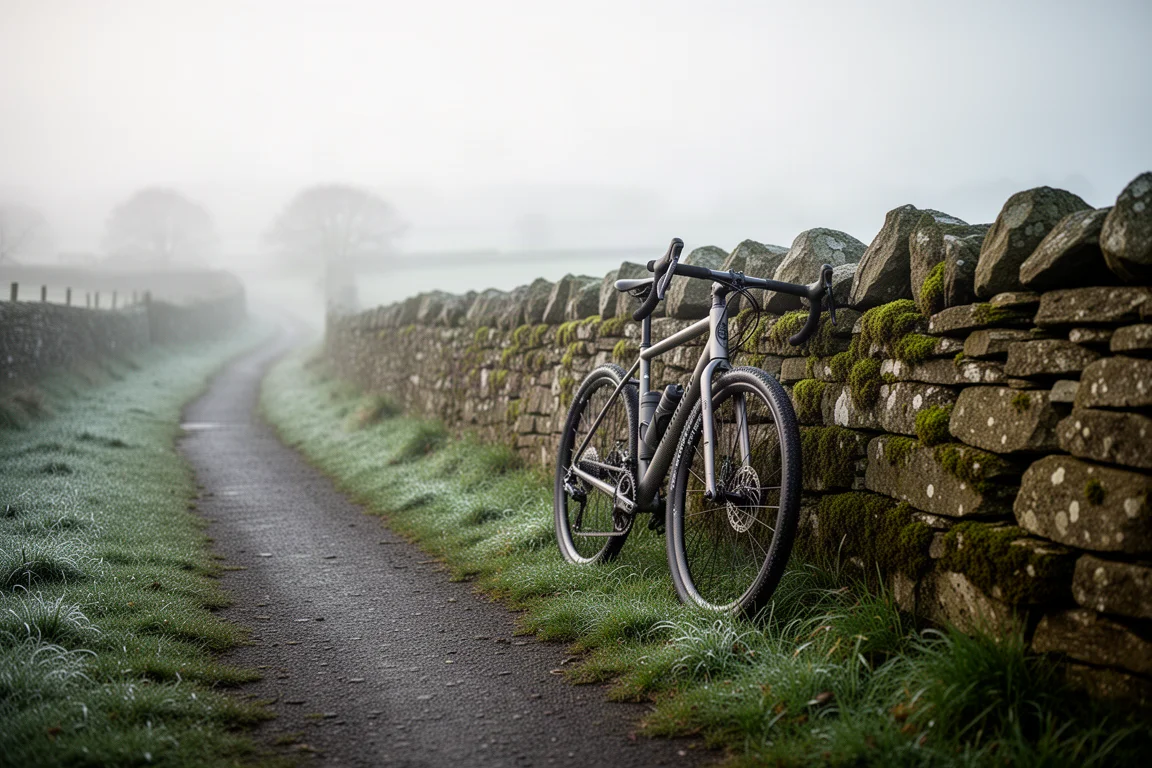
Each upgrade solves a different problem, and none of them needs a workshop full of specialist tools. What follows is how each one changes the ride, where it performs well, and where the trade-offs sit.
What Makes These Upgrades Different
Most gravel upgrades chase speed first. These three chase ride quality first and let the speed follow. Two of them add compliance and grip at the contact points, and one removes weight from the places that matter most when the gradient pitches up.
They also share a common thread: each targets a specific kind of discomfort. The stem deals with vibration through the handlebars, the tires deal with traction and float over loose surfaces, and the wheels deal with both weight and the small, constant impacts that travel up through the frame. Read together, they are a template for turning an average gravel bike into a much more capable one.
Vecnum Suspension Stem: A Front End That Absorbs the Chatter
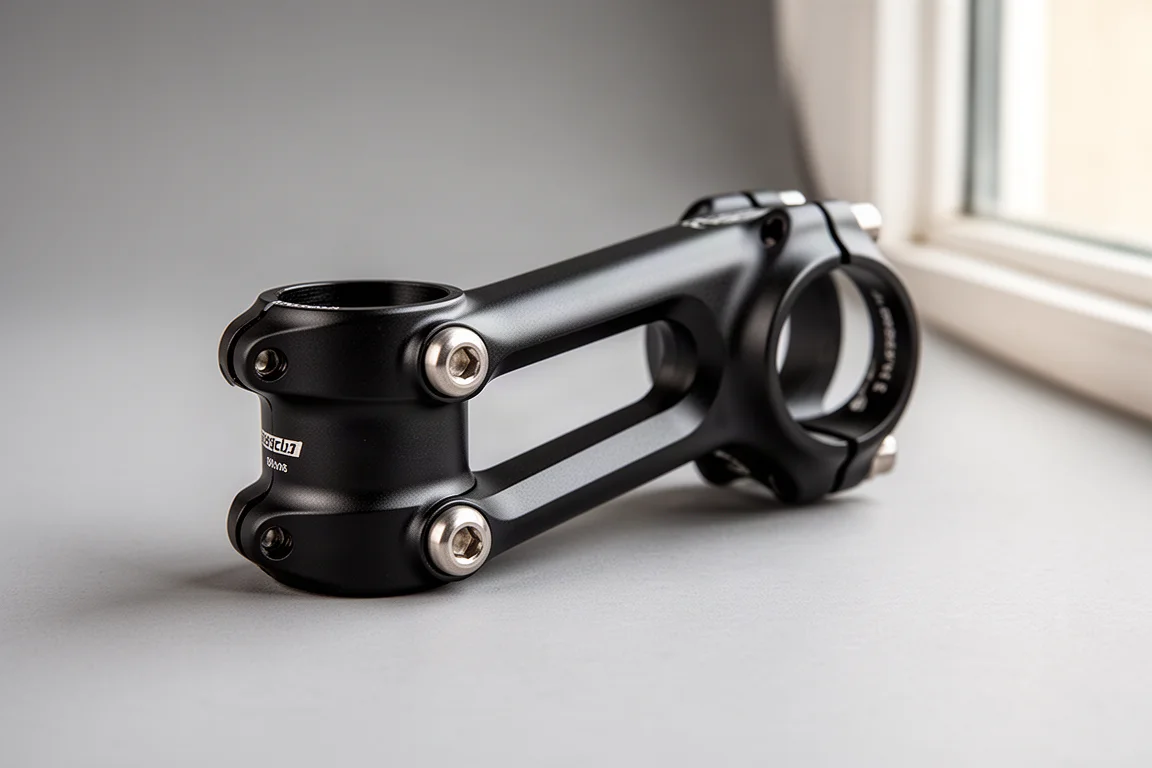
Vecnum is a German company, and its suspension stem takes a different approach to the single-pivot designs that have become common on gravel bikes. Rather than one pivot that lets the handlebar rotate through its travel, this stem uses a parallelogram layout with multiple pivots, so the bar moves up and down without arcing.
That difference is easy to feel on the trail. The handlebar stays level as the stem compresses, which makes the movement feel far more natural than a single-pivot design that rotates the bar under your hands. It also means the stem does not fight your steering input when the surface gets choppy.
The travel figures are modest but well judged: 20 mm of downward movement and 10 mm of upward movement, which keeps the stem from topping out hard when you drop into a deep hole. Preload can be adjusted with a small Allen key, with no need to disassemble the stem, and the spring rate covers riders from 50 to 120 kg. Titanium hardware is used throughout, although the stem still carries a weight penalty compared with a rigid one.
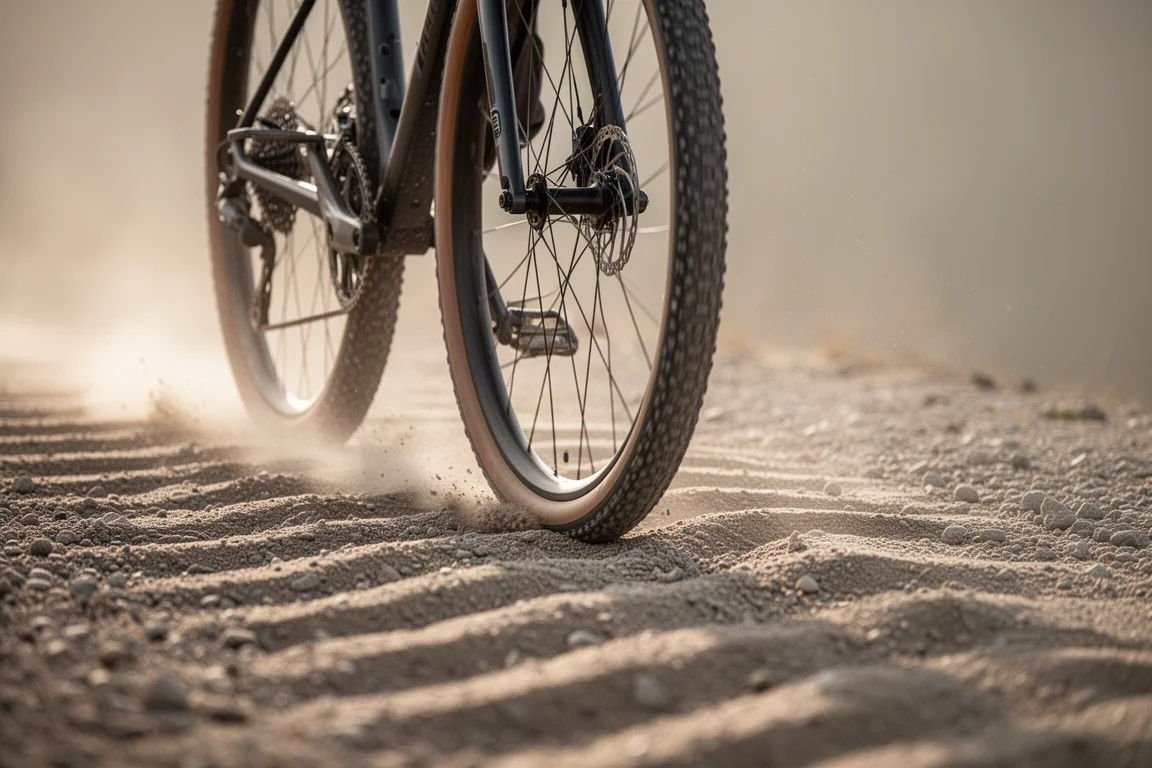
On rough gravel, broken tarmac and rocky tracks, the effect is a quieter front end rather than a dramatic one. There is no bob and no noticeable lateral flex when sprinting out of the saddle, and the stem simply removes a layer of vibration that would otherwise travel up through the bars. The payoff is speed over rough ground, because it is easier to push on when the front wheel is not being deflected by every rock and root.
The looks are unconventional, closer to industrial hardware than polished componentry, but that fades quickly once you are riding and looking ahead rather than down at the stem.
Panaracer GravelKing X1: Wider, Chunkier, Still Fast
The bike these upgrades went on arrived with tires that were excellent on smooth dirt and champagne gravel, but they were not suited to wetter, looser and rockier surfaces. The brief for a replacement was straightforward: more width and a chunkier tread for mud.
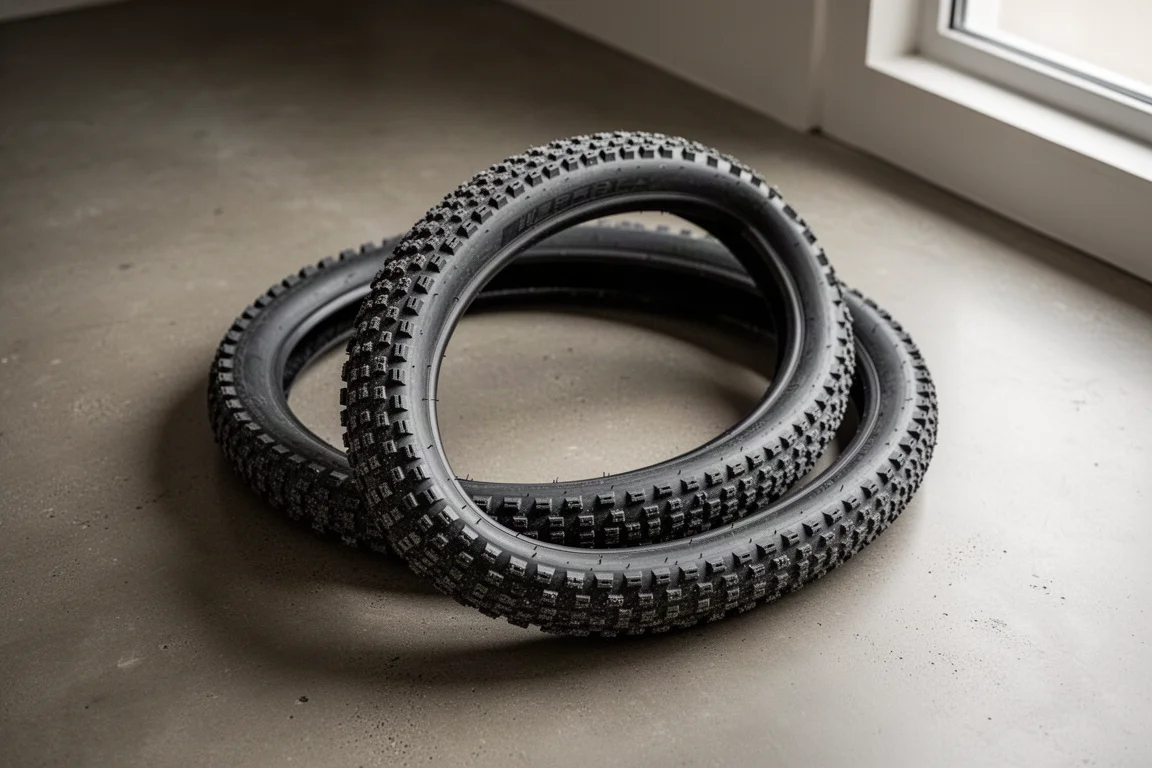
The GravelKing X1 is part of a fully refreshed range with new tread patterns and new casing designs. The tread is the part that stands out. A closely packed centre section keeps things rolling fast in a straight line, while wider spaced blocks on the shoulders provide reassurance when you lean the bike over through a loose corner. That balance is what makes the tire feel settled rather than nervous.
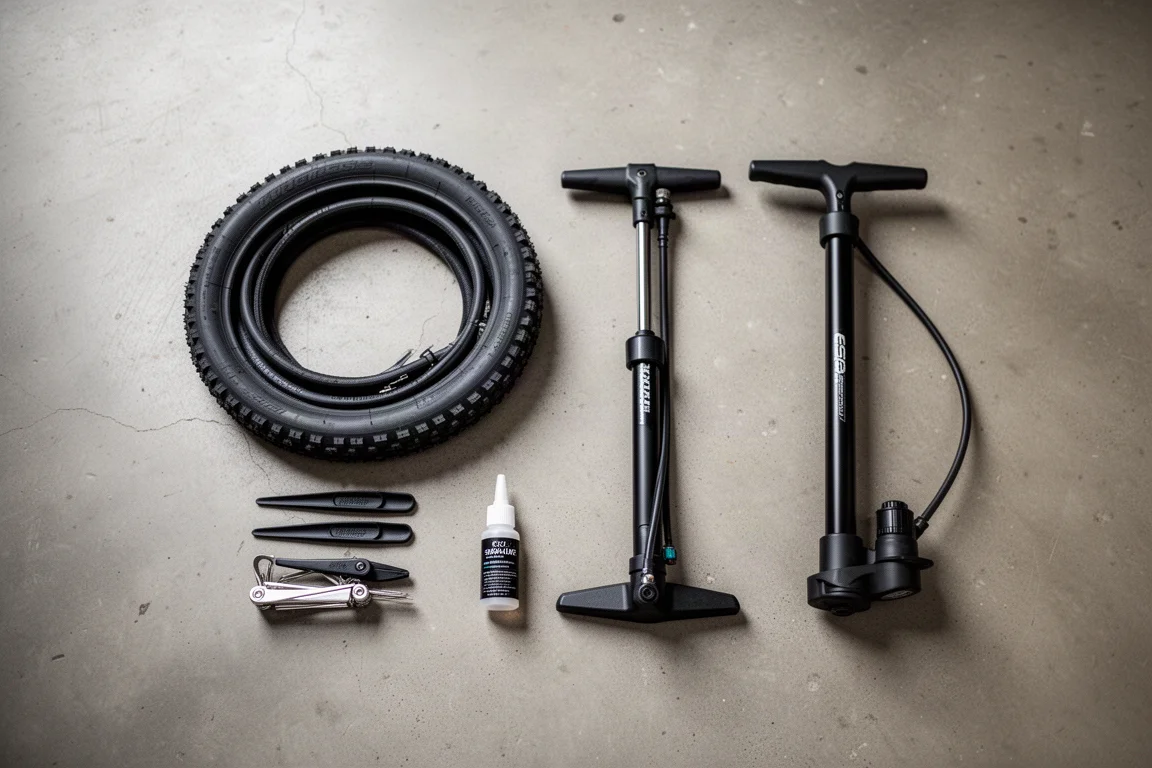
Installation was refreshingly uneventful. Panaracer has changed the bead design, and the tires seated on the rims with a normal track pump, no compressor and no fuss. Air retention has been excellent, with no meaningful loss over a week or two of riding.
The profile has also been redesigned with modern rims in mind, including 25 mm internal widths and beyond. On chunkier trails the X1 felt noticeably more confident than the faster, more lightly treaded tires it replaced, and it carries that grip without feeling sluggish on pavement or fine dirt.
It is not the quickest tire in the range, and Panaracer offers both a semi-slick option for speed and grippier options for deep mud. What the X1 does well is cover a wide spread of mixed conditions without drama, which makes it a fit-and-forget choice for riders who would rather not swap tires for every surface. There have been no punctures or sidewall cuts so far, though a longer test will say more about durability.
Berd Sparrow Wheels: String Spokes and a Floating Ride
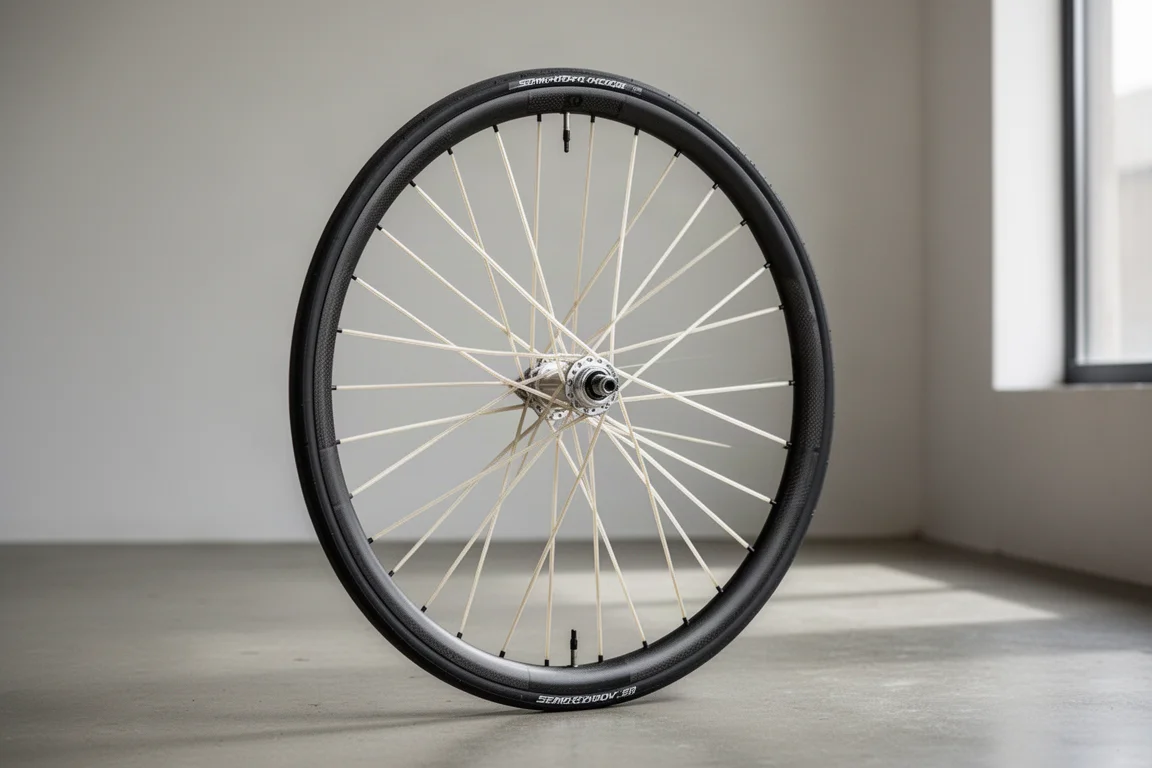
Berd is a US company, and its wheels look fairly ordinary until you get close to the spokes. They are not metal. They are made from a polyethylene nylon string material, which gives the wheel a distinctive woven appearance and is the source of most of the weight saving.
This gravel Sparrow wheelset comes in at 1,112 g for the pair including valves and rim tape, which is remarkably light for a gravel wheel. A comparable aluminium set came in at over 1,800 g, so the saving is roughly 700 g. The carbon rims are claimed at 265 g each, with a 25 mm internal width and a semi-hook design, and the hubs are the company’s own aluminium models. This set is SRAM compatible, and Shimano versions are also available.
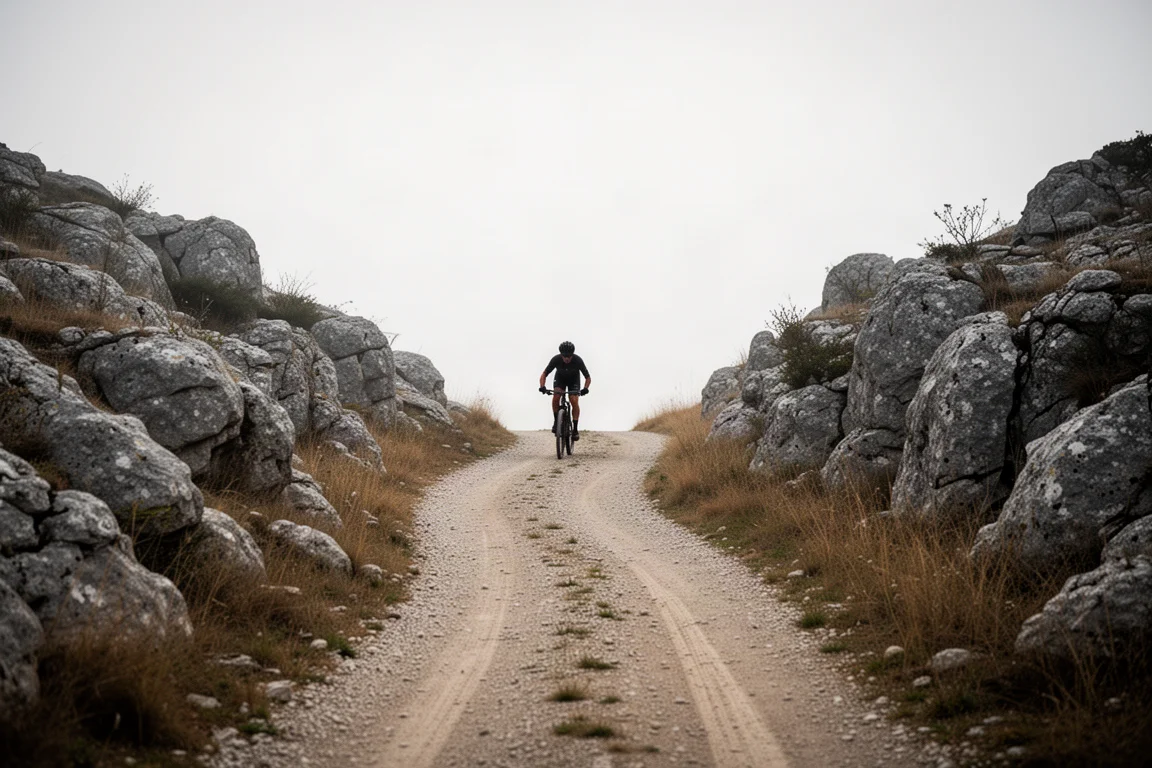
On the bike, the low weight is immediately obvious. Losing that much rotating mass makes the bike feel more agile and more alive, especially on climbs, and the difference is clear whether you are on tarmac or dirt. The more interesting story is ride quality. Run back to back on the same rocky trails, the string-spoke wheels added a noticeable layer of smoothness and float compared with the aluminium set they replaced, with less vibration reaching the handlebars, pedals and saddle. It is a subtle change rather than a dramatic one, but it is the kind of thing that makes a long day on rough ground less tiring.
There is no flex when sprinting out of the saddle and no sense of the wheels being fragile, which was the main worry with spokes that look like string. A mountain bike version of the same wheel design has been ridden to an Olympic mountain bike gold medal, which is a useful vote of confidence for the approach.
The open question is durability. Small tufts have already started appearing around the spoke lacing, and only a longer test will show whether that is cosmetic or the start of something more. Longer-term reports from riders using the mountain bike version have been largely positive so far.
How These Three Upgrades Work Together
Individually, each of these parts is a sensible upgrade. Together, they changed the character of the bike. The biggest single gain came from comfort: the wider, chunkier tires, the string spokes and the suspension stem all attack the same problem from different angles, and the result is a bike that stays settled when the surface stops being cooperative.
The order matters less than the intent. A rider making only one change will notice the most from tires, because they alter grip, comfort and control at the same time. Wheels come next if weight and ride quality are the priorities, and the stem is the finishing touch for anyone who spends a lot of time on broken surfaces and wants less fatigue in the hands and arms.
None of these parts turns a gravel bike into a mountain bike, and none of them is a substitute for correct tire pressure and setup. What they do is widen the range of surfaces the bike handles well, which is usually the whole point of an upgrade.
Overall Buying Advice
If there is one takeaway from this build, it is that tires are the most effective and most affordable place to start. Going wider, running lower pressures and setting up tubeless changes a gravel bike more than almost anything else, with no real downside in grip, comfort or control.
Wheels are the next step for riders who want a lighter, more responsive bike and a smoother ride over rocky ground, though the string-spoke design is still proving itself over the long term. A suspension stem makes the most sense for riders whose local trails are rough enough that hand and arm fatigue has become a genuine limit.
The wider point is that there is no single correct setup. Customising a gravel bike to suit the surfaces you actually ride, rather than the ones in a catalogue, is the most reliable way to make it better.
Conclusion
Three parts, three different jobs, and one bike that came out faster, smoother and more capable. The suspension stem cleans up the front end, the GravelKing X1 adds grip and width without giving away too much speed, and the Sparrow wheelset cuts weight and adds float in equal measure.
Start with tires if you are only making one change. Add wheels when weight and ride quality matter most. Fit a suspension stem if rough surfaces are where you spend your time. The rest is personal.
Further reading
Related Reviews
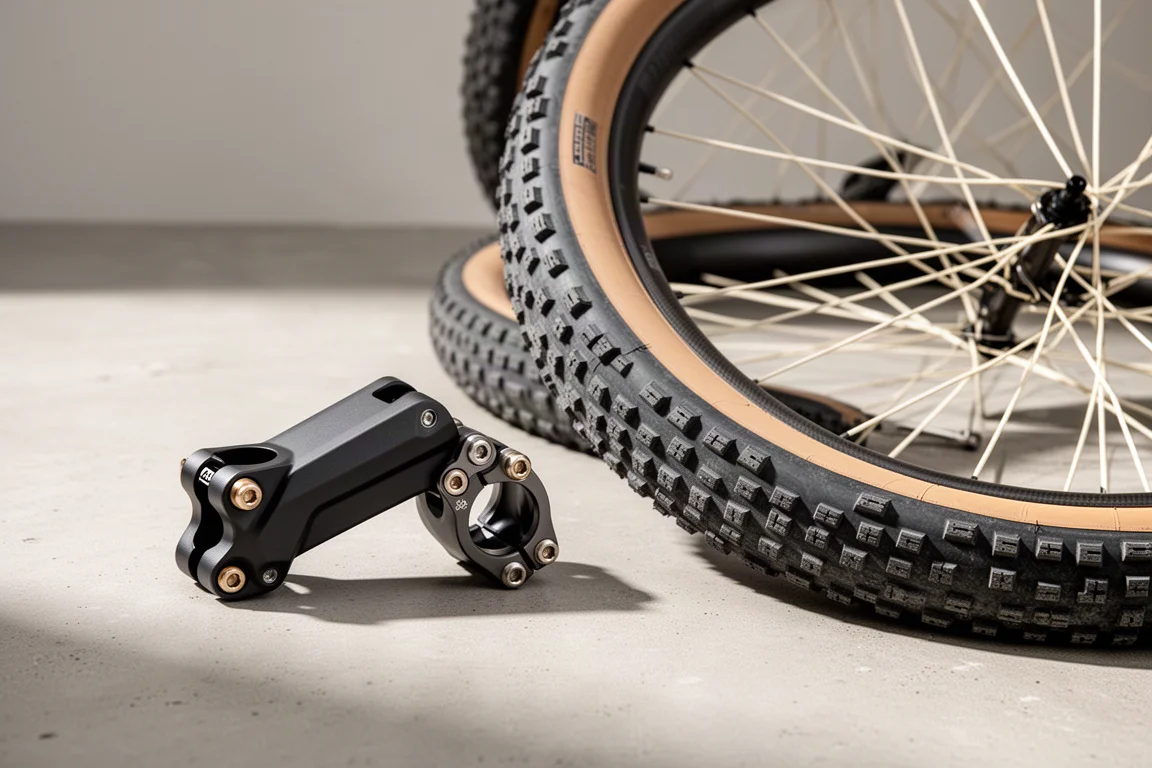
Gravel Bike Upgrades
Three Gravel Bike Upgrades That Add Comfort and Capability
A parallelogram suspension stem, a refreshed all-round gravel tire and a 1,112 g wheelset with string spokes: three upgrades that change how a gravel bike rides.
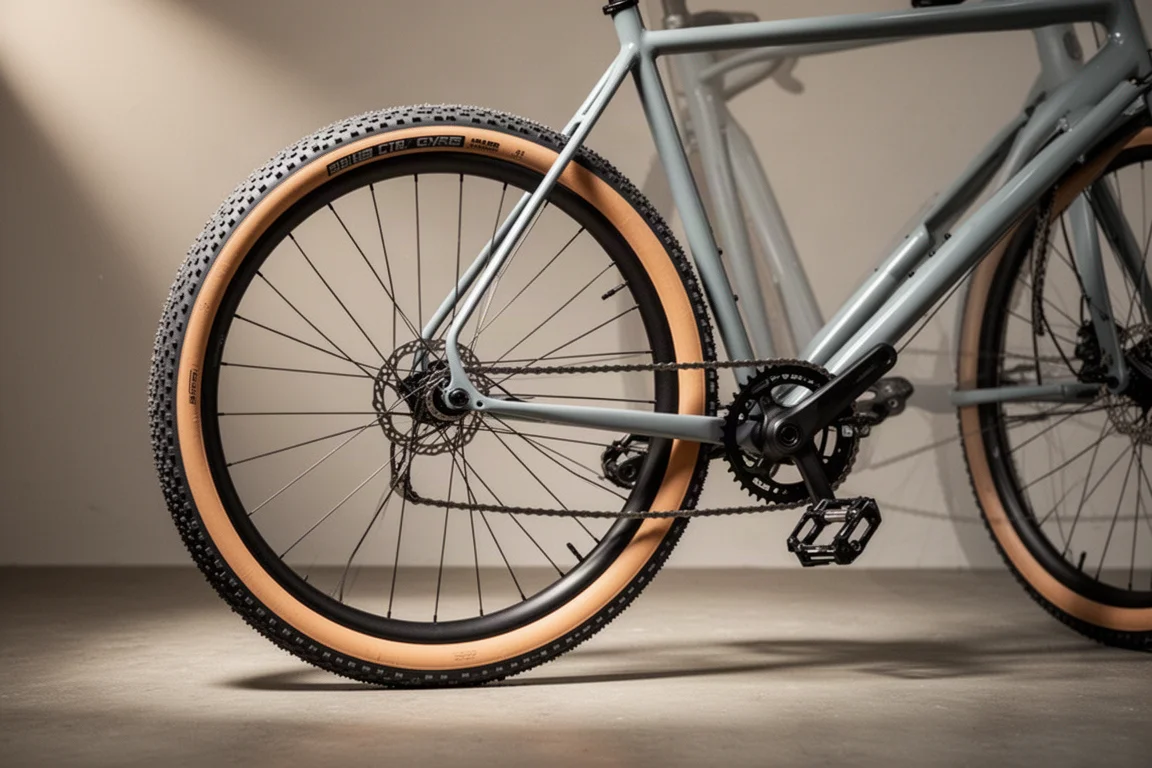
Gravel Bike Upgrades
Gravel Bike Upgrades Worth Making First: Specialized Pathfinder Tires and Shimano SPD Pedals
Two practical gravel bike upgrades that improve speed, comfort and control, plus how to match them to the riding you actually do.
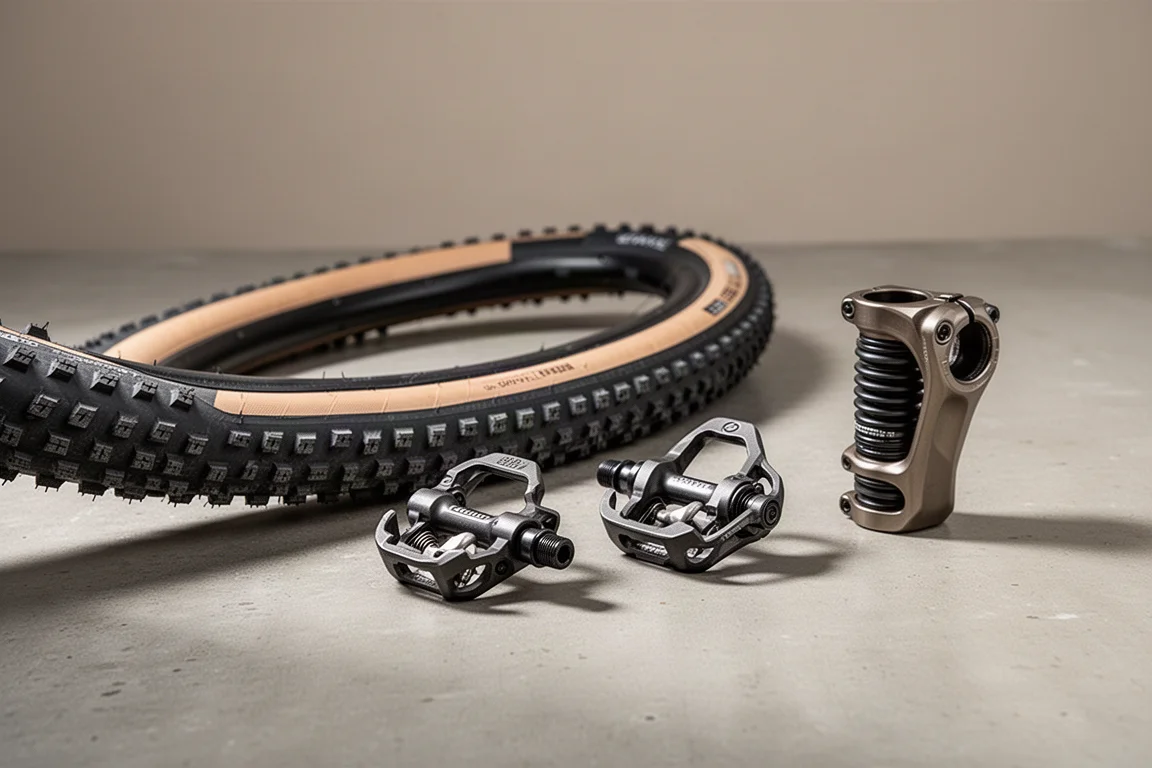
Gravel Bike Upgrades
Gravel Bike Upgrades Worth Making Sooner: Tires, Pedals, and a Suspension Stem
Three practical gravel bike upgrades that improve speed, control, and comfort on mixed surfaces, plus what to check before you spend.