Gravel Bike Upgrades
Three Gravel Bike Upgrades That Add Comfort and Capability
A parallelogram suspension stem, a refreshed all-round gravel tire and a 1,112 g wheelset with string spokes: three upgrades that change how a gravel bike rides.
Introduction
Gravel bikes rarely need to be replaced. More often they need to be adjusted to the riding that actually happens on your doorstep. Three upgrades tested over recent weeks on a carbon gravel bike made that point clearly: a parallelogram suspension stem, a refreshed all-round gravel tire, and a sub-1,200 g wheelset with spokes made from cord rather than metal.
None of these parts chases watts. The goal was a more comfortable, more capable and more enjoyable bike on rough surfaces. Together they took a bike that already felt good and made it noticeably better on broken roads, rocky descents and muddy tracks.
What Makes a Worthwhile Gravel Upgrade
The most useful upgrades solve a problem you feel on every ride. That might be vibration through the handlebars, tires that skate around in the wet, or a wheelset that makes every climb feel heavier than it needs to be.
It also helps to be honest about the riding you do. A tire that rolls beautifully on smooth dirt can feel out of its depth in mud, and a component that adds comfort may also add weight. The three products below were chosen because each one changes the ride experience in a way that is easy to feel, not just easy to measure.

No single upgrade transforms a bike on its own. The gains here came from stacking several changes that all push in the same direction: less vibration, more grip, and less rotating weight.
Vecnum Suspension Stem: Front-End Comfort Without the Arc
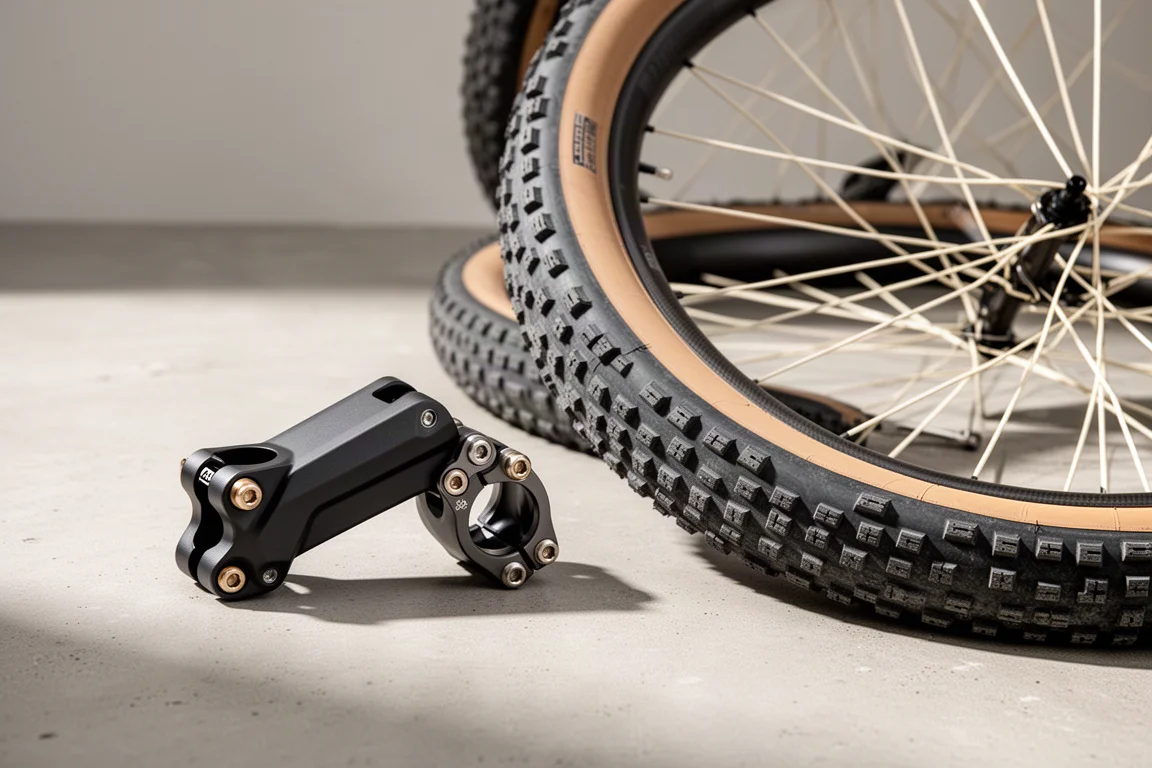
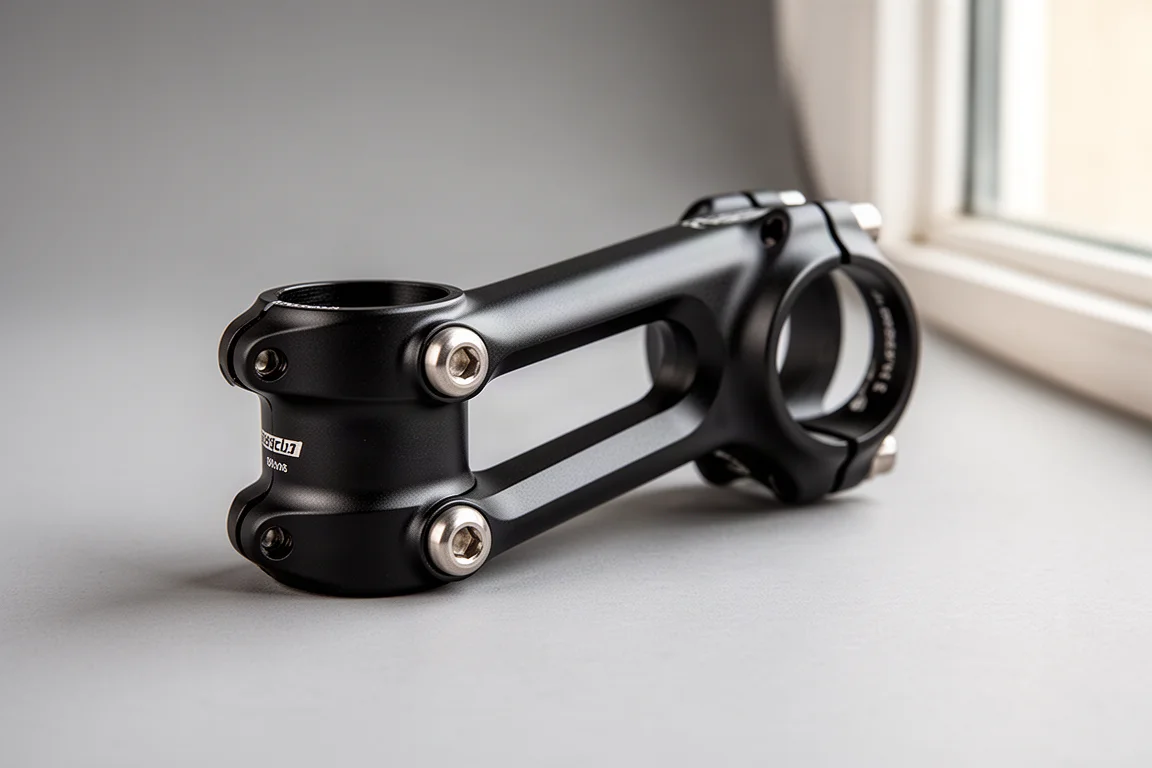
This stem comes from a German company and uses a parallelogram design with multiple pivots instead of a single pivot. That difference matters. With a single-pivot suspension stem, the handlebar rotates through an arc as the suspension moves. On the parallelogram design the bar simply moves up and down, so the position of your hands stays consistent when you hit a bump or a crack in the road.
Travel is 20 mm downward with 10 mm of upward movement, which stops the stem from topping out when you drop into a big hole. Preload can be adjusted with a small Allen key, without disassembling anything, and the stem covers rider weights from 50 to 120 kg.
How the Parallelogram Design Feels on Rough Trails
On rough surfaces the stem feels more natural than a single-pivot alternative. There is no bobbing and no real lateral flex when sprinting out of the saddle. What you notice instead is that less vibration reaches your hands, and the bike stays calmer and straighter when you push faster down a rocky trail.
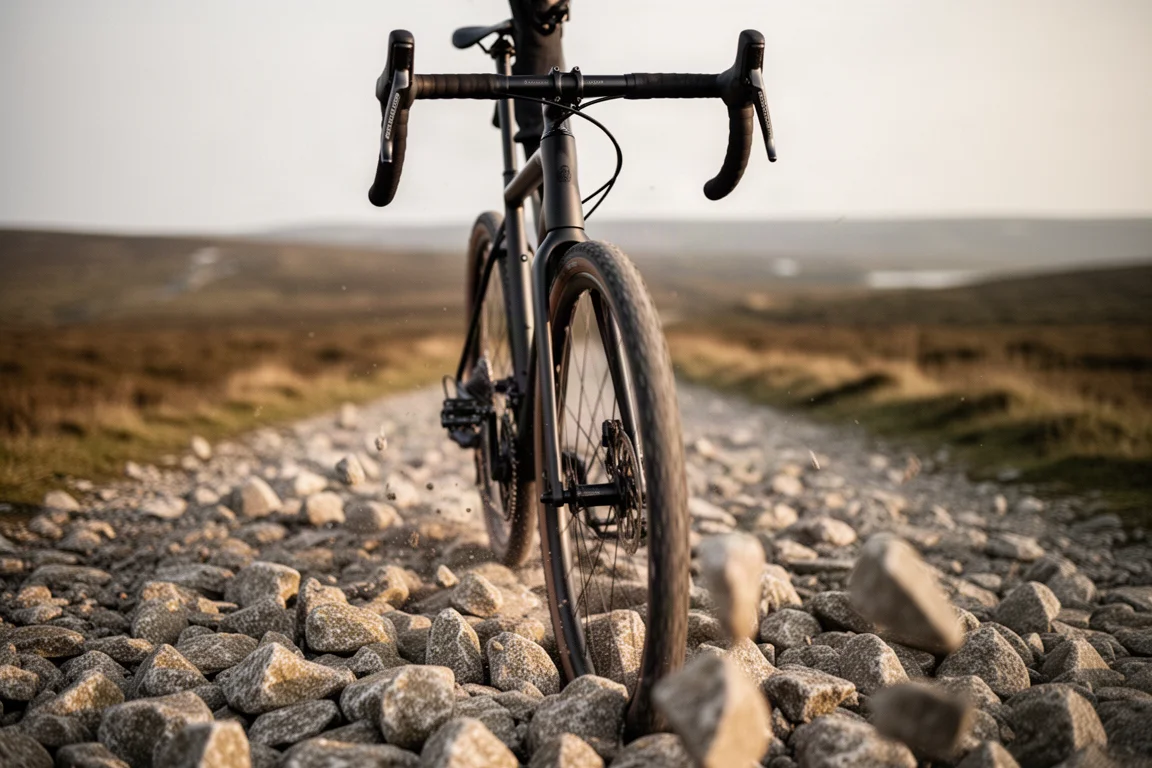
The effect is subtle rather than dramatic, which is exactly what makes it work. It isolates you from the rocks and roots that would otherwise knock you offline, and it keeps working in the background rather than drawing attention to itself.
Living With the Weight Penalty
The stem is not a light component, even with titanium hardware. It is also, by any reasonable standard, an unusual-looking one. Riders who care about numbers will notice the added grams at the front of the bike.
What balances that is capability. Being able to hold a line and carry speed over rough ground is worth more to most gravel riders than a small weight saving, and after a few rides the appearance stops registering.
Panaracer GravelKing X1: A Tire for Mixed Conditions
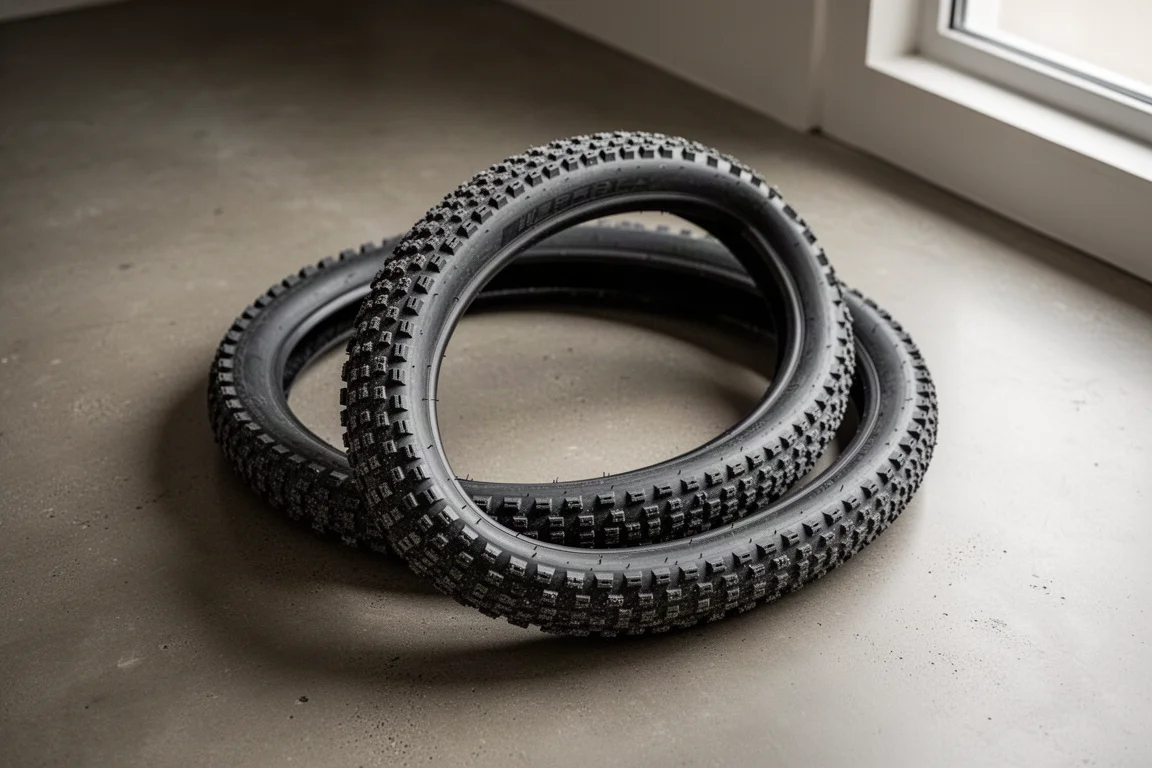
Tires decide how a gravel bike behaves more than almost any other part. The GravelKing range has been fully refreshed with new tread patterns and new casing designs, and the X1 sits within it as an all-round option.
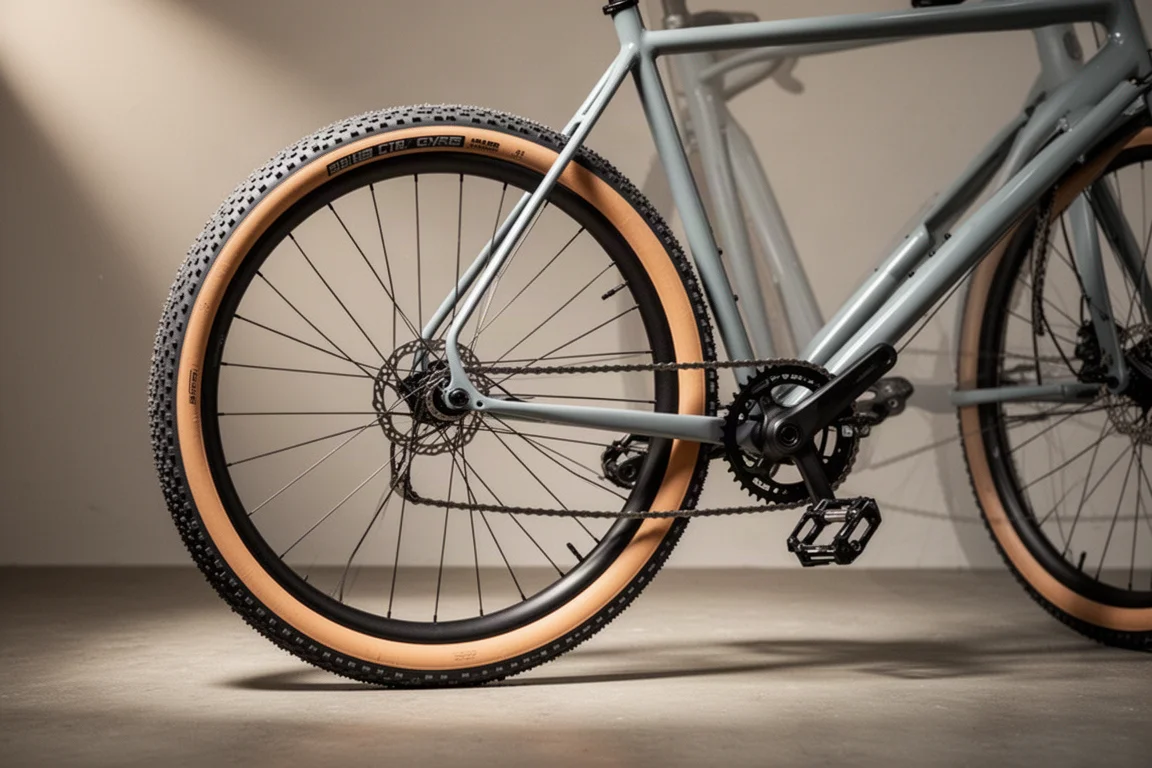
It replaced the tires that came on the test bike, which were excellent on smooth dirt and fine gravel but less suited to the mud and rougher surfaces that dominate many local loops. The goal was simple: more width and a chunkier tread.
Tread Design and Mixed-Condition Grip
The X1 uses a closely packed centre tread for rolling speed, with wider spaced blocks toward the shoulder. That combination gives a good balance: quick in a straight line, with reassuring grip when the bike is leaned over through a loose corner.
Installation was straightforward with a normal track pump, and air retention has been excellent across weeks of riding with no measurable loss. The profile has also been redesigned for modern, wider rims. This is not a tire for riders who put speed above everything else; the range includes semi-slick options for that, and grippier options for deep mud. For pavement, fine dirt and mixed loose conditions, it has been a confident, fit-and-forget choice.
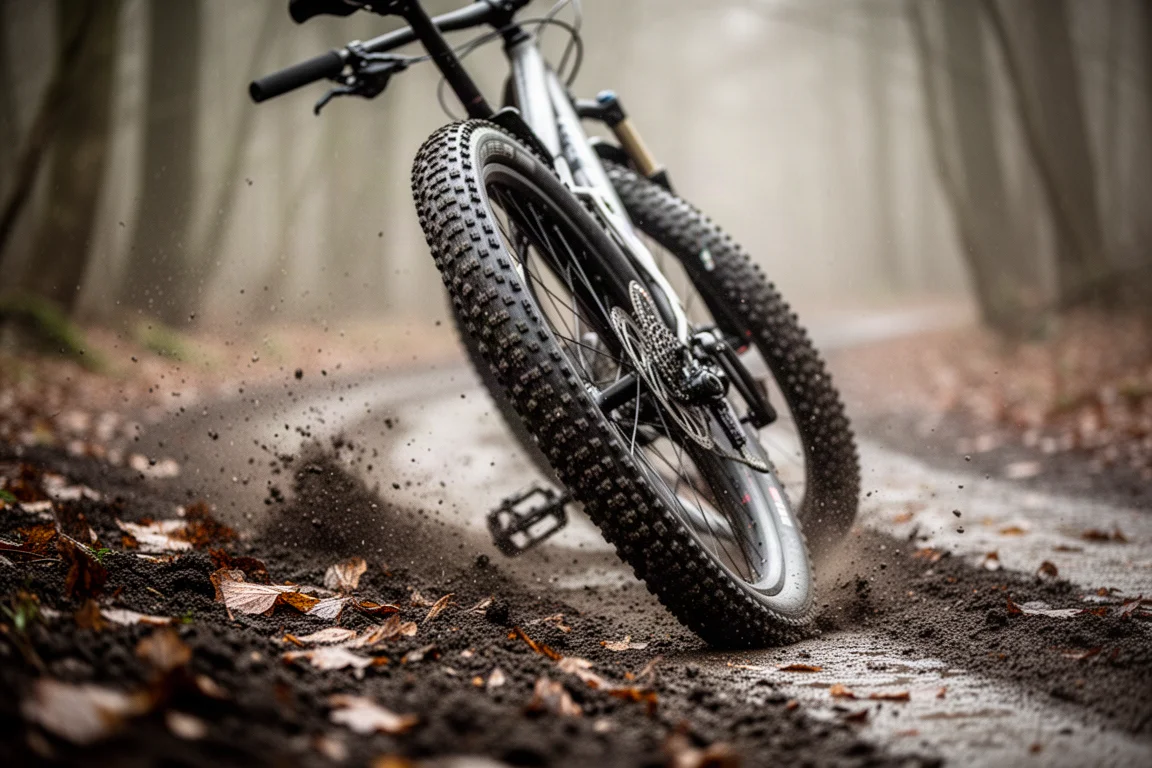
So far there have been no punctures or sidewall cuts, though a longer test will say more about wear over a full season.
Bird Sparrow Wheelset: Low Weight and a Smoother Ride
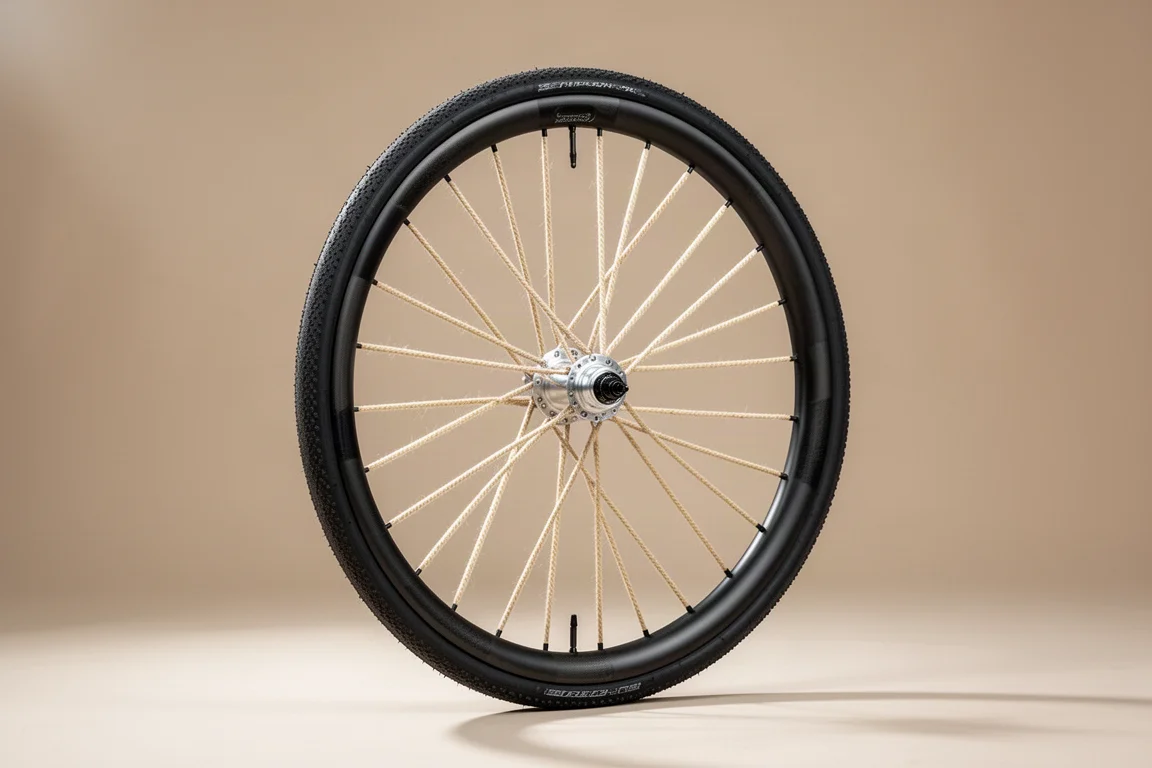
The Sparrow gravel wheelset from this US brand looks conventional until you get close to the spokes, which are made from a polyethylene and nylon cord material rather than metal. They look like string, and they are a large part of why the wheelset weighs 1,112 g including valves and rim tape. For context, a comparable aluminium gravel wheelset can weigh well over 1,800 g, a difference of roughly 700 g.
The rim is carbon, claimed at 265 g, with a 25 mm internal width and a semi-hook profile. Hubs are the company’s own aluminium design, and the wheels are available in SRAM and Shimano compatible versions.
What the String Spokes Change on the Trail
Losing that much rotating weight is immediately obvious. The bike climbs more easily on road and off, feels more agile and responds more sharply. The bigger surprise is the ride quality. Over rocky, rough tracks the wheels feel as though they add a layer of smoothness, floating over stones and roots more fluidly and sending less vibration up through the handlebars, pedals and saddle.
They are not flexy or vague either. Repeated runs down some of the roughest local trails produced no sense of noodliness, and the wheels held together without drama.
Durability Questions Worth Tracking
The one open question is long-term durability. A few small tufty fibres have started to appear around the spokes, which is worth watching over months rather than weeks. Everything else so far has behaved like a conventional wheelset, with no unusual flex when sprinting or driving hard into rough sections.
It is worth noting that the mountain bike version of this wheel has been ridden to Olympic mountain bike gold, which is a meaningful vote of confidence in the concept even if it says nothing about this specific gravel build.
Buying Advice: Where to Start
If you only change one thing, change the tires. Going wider and running lower pressures tubeless is the most affordable and most effective way to make a gravel bike smoother, more comfortable and more controlled. There is very little downside as long as the frame and fork have the clearance.
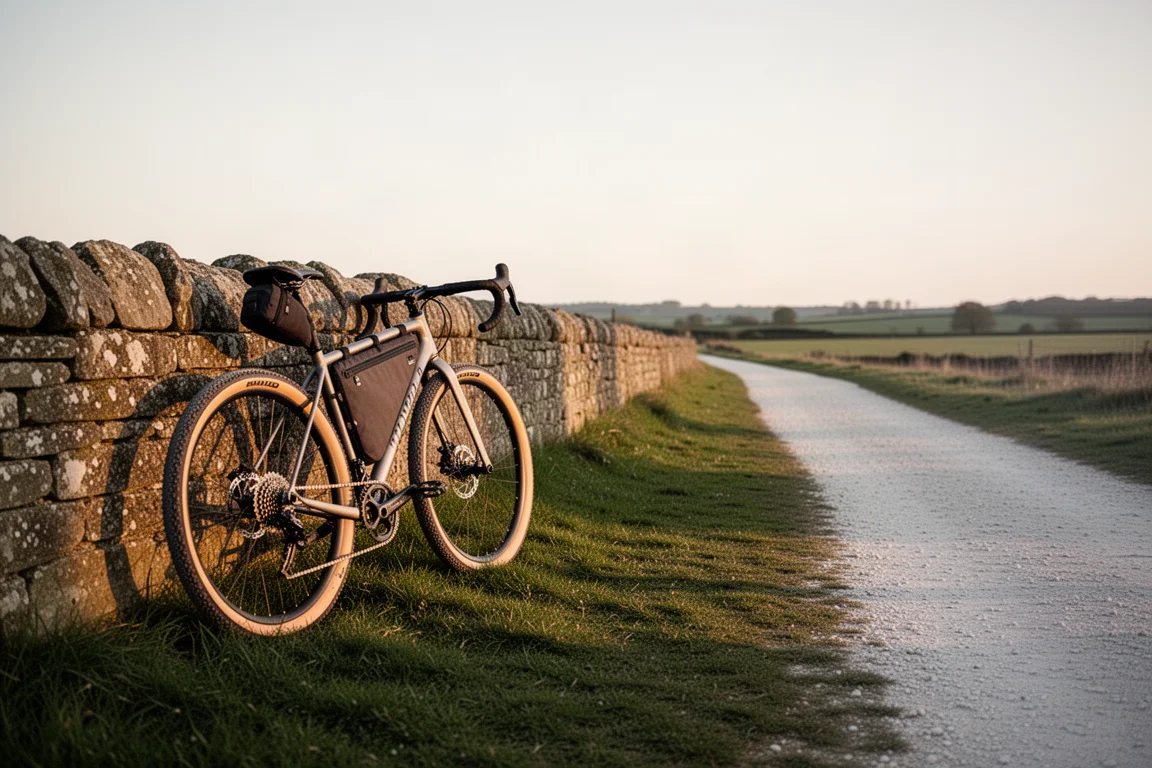
After tires, the order depends on what bothers you most. Vibration and hand fatigue on rough ground point toward a suspension stem. A bike that feels sluggish on climbs and reluctant to change direction points toward lighter wheels. Each upgrade overlaps with the others, and the three together produced a much more pleasant bike on broken surfaces.
None of these parts is aimed at riders chasing outright speed. They are for riders who want more comfort, more capability and more fun from the bike they already own.
Conclusion
A bike that already feels good can still get significantly better. In this case the combination of a parallelogram suspension stem, a chunkier all-round gravel tire and a very light wheelset with string spokes smoothed out rough surfaces, added grip in loose conditions and made the bike feel livelier on every climb.
The broader lesson is worth repeating: do not be afraid to experiment. Customize your gravel bike around the riding you actually do, and go wider on tires where clearance allows. It is the simplest route from an average gravel bike to one that feels genuinely capable.
Further reading
Related Reviews
Gravel Bike Upgrades
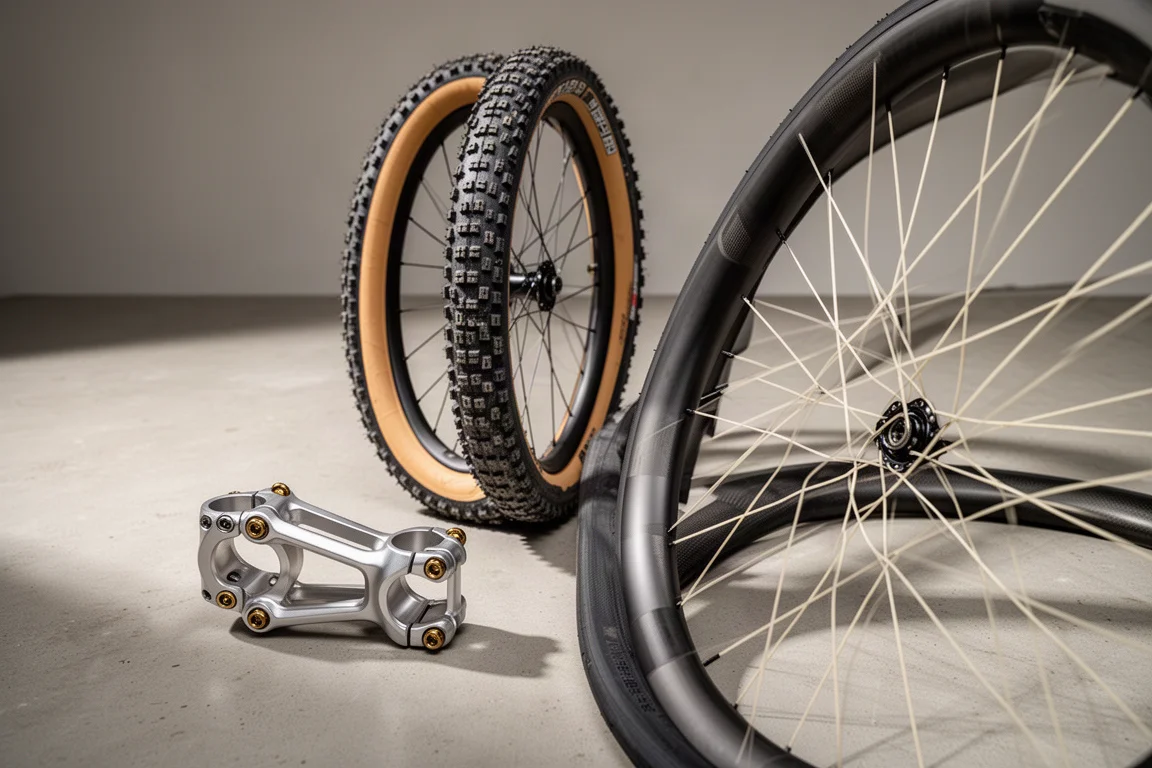
Three Gravel Bike Upgrades That Transform Comfort and Capability
A suspension stem, a chunkier gravel tire and a string-spoke wheelset, fitted to one carbon gravel bike to see how far comfort, grip and control can go.
Gravel Bike Upgrades
Gravel Bike Upgrades Worth Making First: Specialized Pathfinder Tires and Shimano SPD Pedals
Two practical gravel bike upgrades that improve speed, comfort and control, plus how to match them to the riding you actually do.
Gravel Bike Upgrades
Gravel Bike Upgrades Worth Making Sooner: Tires, Pedals, and a Suspension Stem
Three practical gravel bike upgrades that improve speed, control, and comfort on mixed surfaces, plus what to check before you spend.