Gravel Bike Accessories
Gravel Bike Upgrades Worth Buying: Practical Picks for Speed, Comfort and Reliability
Eleven gravel bike upgrades that target weight, comfort and trailside reliability, with the trade-offs to weigh before you spend.
Introduction
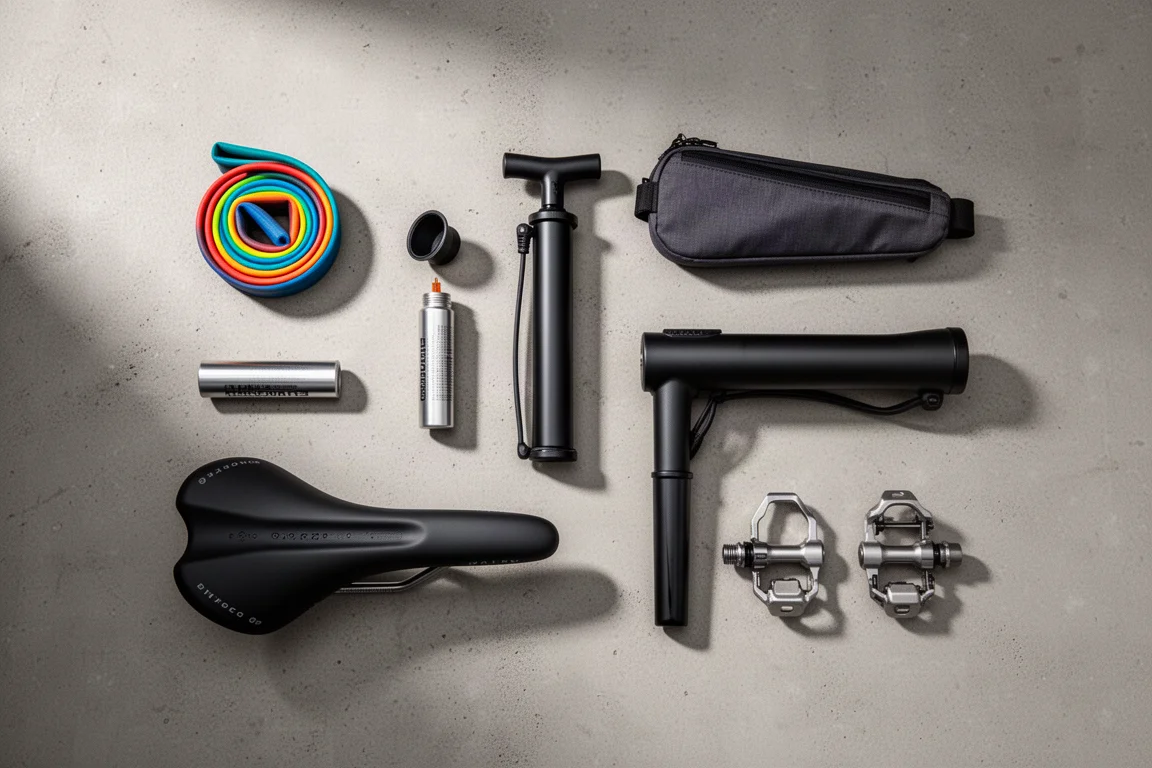
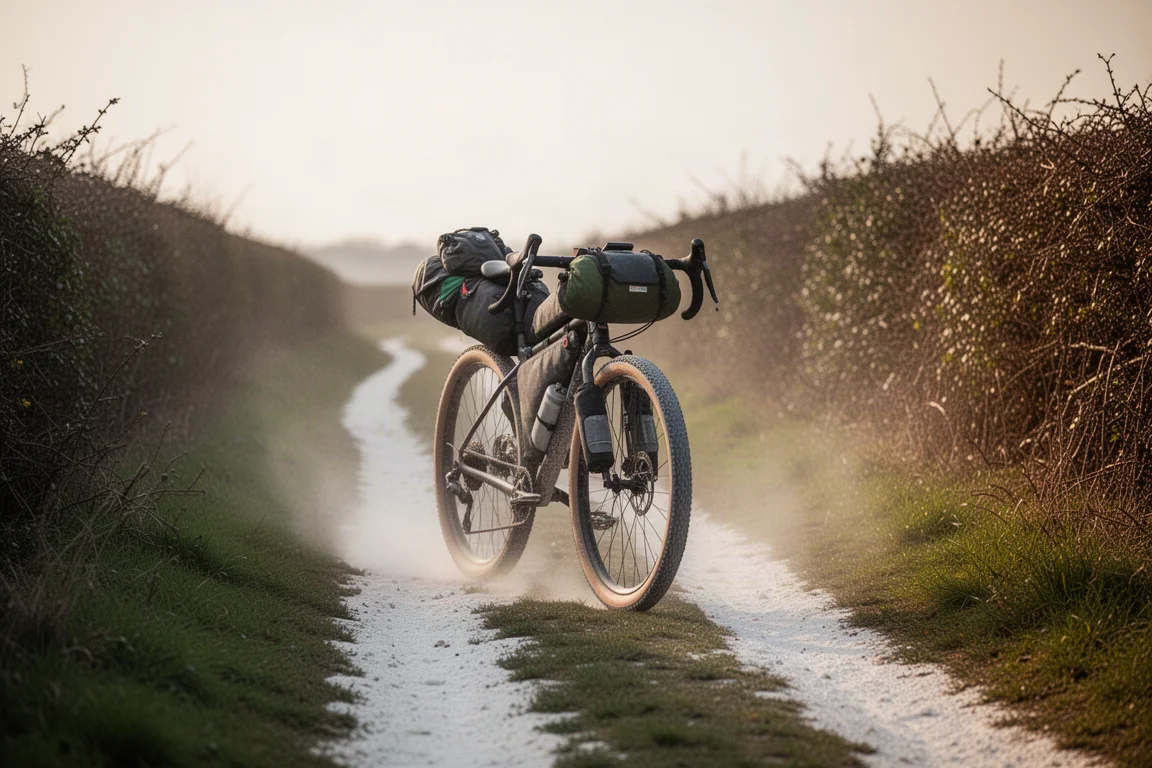
Gravel riding asks a lot of one bike at once. The same machine has to stay efficient on tarmac, absorb chatter on rough tracks, and keep running when a puncture happens miles from the nearest town. The upgrades below are the ones that consistently earn their place across those three jobs: saving weight, adding comfort, and improving reliability when something goes wrong.
Each product here is a practical addition rather than a novelty. Some are inexpensive and easy to fit at home. Others cost considerably more and are worth the money only if they match the way you ride. The sections below set out what each one does well and where the compromises sit.
How These Gravel Upgrades Were Chosen
Three questions shaped this list. Does the product solve a problem gravel riders actually run into? Does it hold up over repeated use rather than working well once? And is the price proportionate to the benefit it delivers?
That means puncture repair and inflation tools get serious attention, because a failed repair or a pump that gives up is the difference between finishing a ride and walking home. Comfort items come next, since long days on rough surfaces put constant pressure on contact points. Weight savings come last, and only where they do not compromise anything else.
WTB TPU Inner Tubes: Lightweight Spares That Save Space
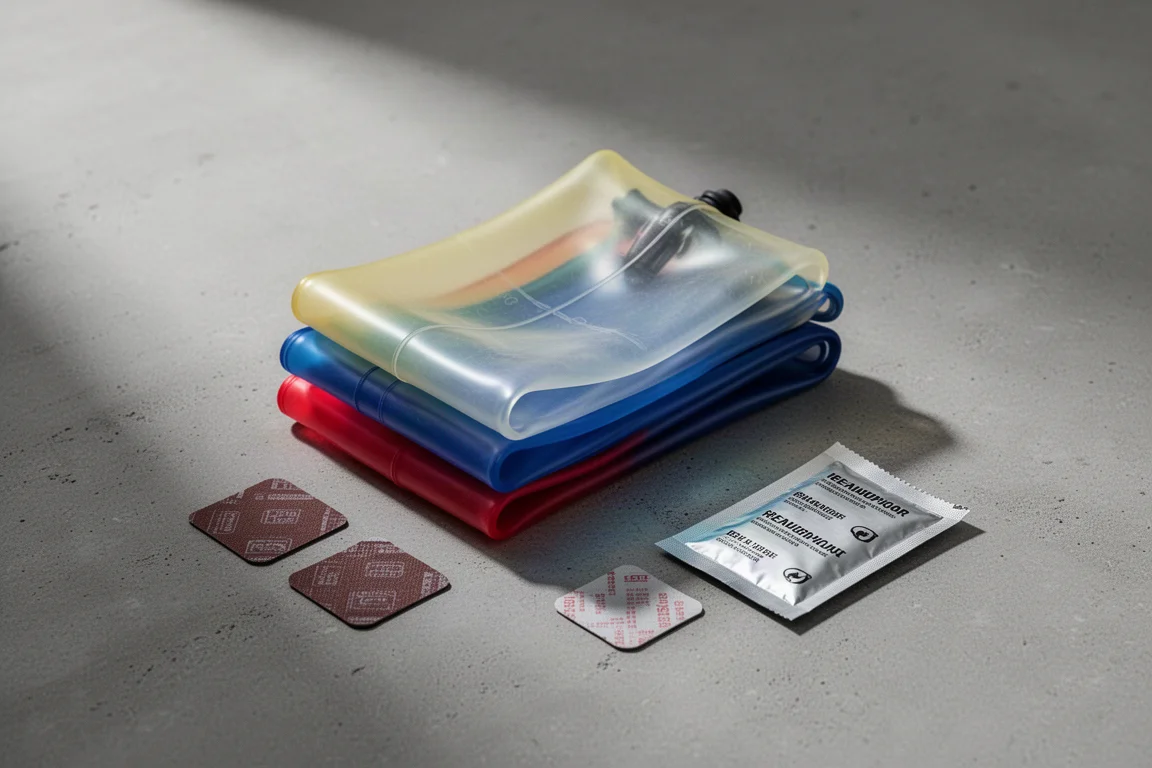
Punctures are part of off-road riding, and a traditional butyl spare tube takes up a lot of room and adds noticeable weight. Thermoplastic polyurethane tubes change that calculation. Two or three TPU tubes fit in roughly the same space and weight as a single butyl tube, so you can carry more than one spare without feeling it in a frame bag or saddle bag.
WTB’s version is sized for gravel tires from 32 mm to 47 mm, which matters because a tube designed for a narrow road tire has to stretch much further inside a wide gravel casing. The colour is deliberately unusual, which makes the tube easy to find at the bottom of a packed bag.
Each tube ships with two small repair patches and an alcohol wipe, so a punctured spare can be patched and put back into service. There is no removable valve core, which is a sensible omission on an inner tube: it removes the risk of a pump head unscrewing the core while you are inflating. TPU tubes cost more than butyl, and cheaper TPU options exist, but the space and weight savings are the reason most riders make the switch.
Shimano PD-M520 Pedals: Dependable Off-Road Clipping In
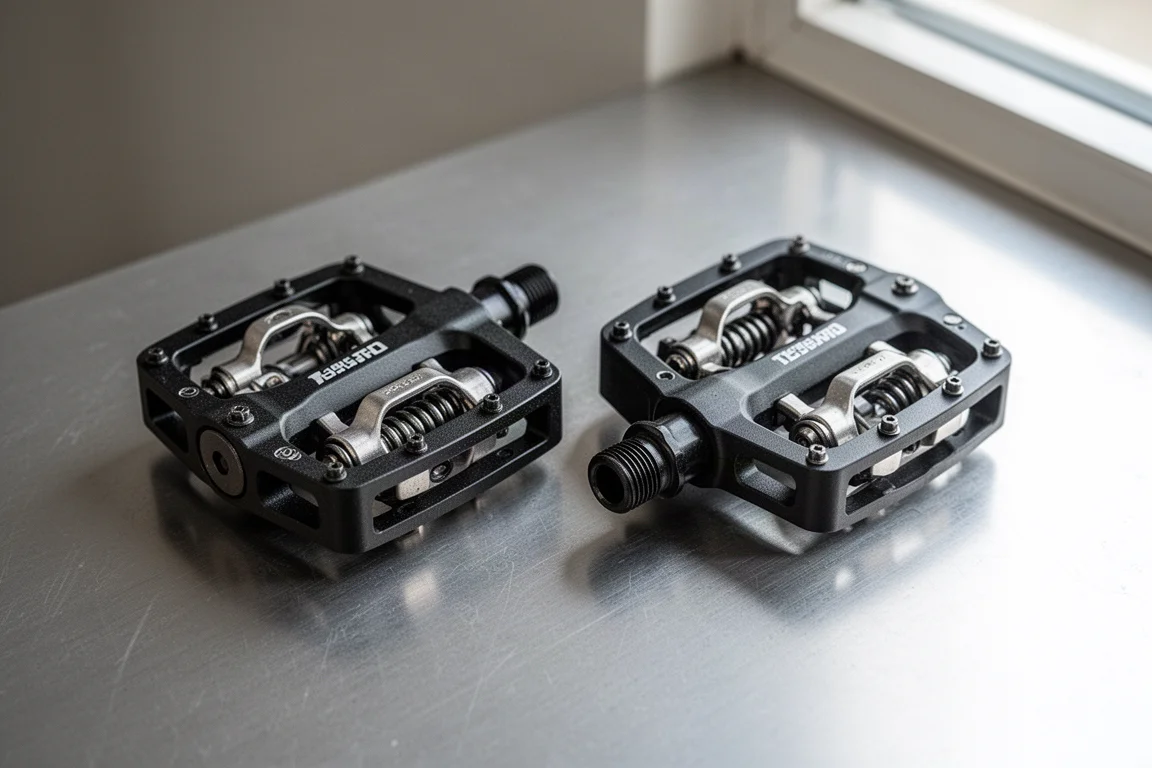
For gravel and off-road riding, mountain bike style pedals have a clear advantage over road pedals. Walking in mountain bike shoes is far easier, whether you are crossing a slippery cafe floor or a muddy trail in the middle of a ride. Shimano’s SPD system has been the default choice for that job for decades, and the PD-M520 is the value option within it.
The pedals have a reputation for lasting a very long time. Bearings tend to stay smooth after years of use without ever being serviced, and the bodies shrug off rock strikes and general abuse. Spring tension is adjustable, which lets you tune how firmly the cleat engages and releases, and cleats are included in the box.
They are on the chunky side. Lighter and more expensive SPD pedals use slimmer axles and less material, but the mechanism and the mud shedding are effectively the same, so the difference is mostly visible on the scales. A trail version of the same design wraps a larger cage around the mechanism, which makes the pedal easier to locate with your shoe, adds support under a more flexible sole, and works better with flat sandals when you are not clipped in. It is heavier, but for bikepacking and casual riding it is a genuinely useful variation.
Muc-Off Tubeless Kit: Everything for a Tubeless Conversion
Running tubeless on a gravel bike reduces the chance of a flat and allows lower tire pressures, which in turn improves grip and comfort on loose surfaces. Many bikes now arrive tubeless ready, but plenty still need rim tape, valves and sealant before the switch can be made.
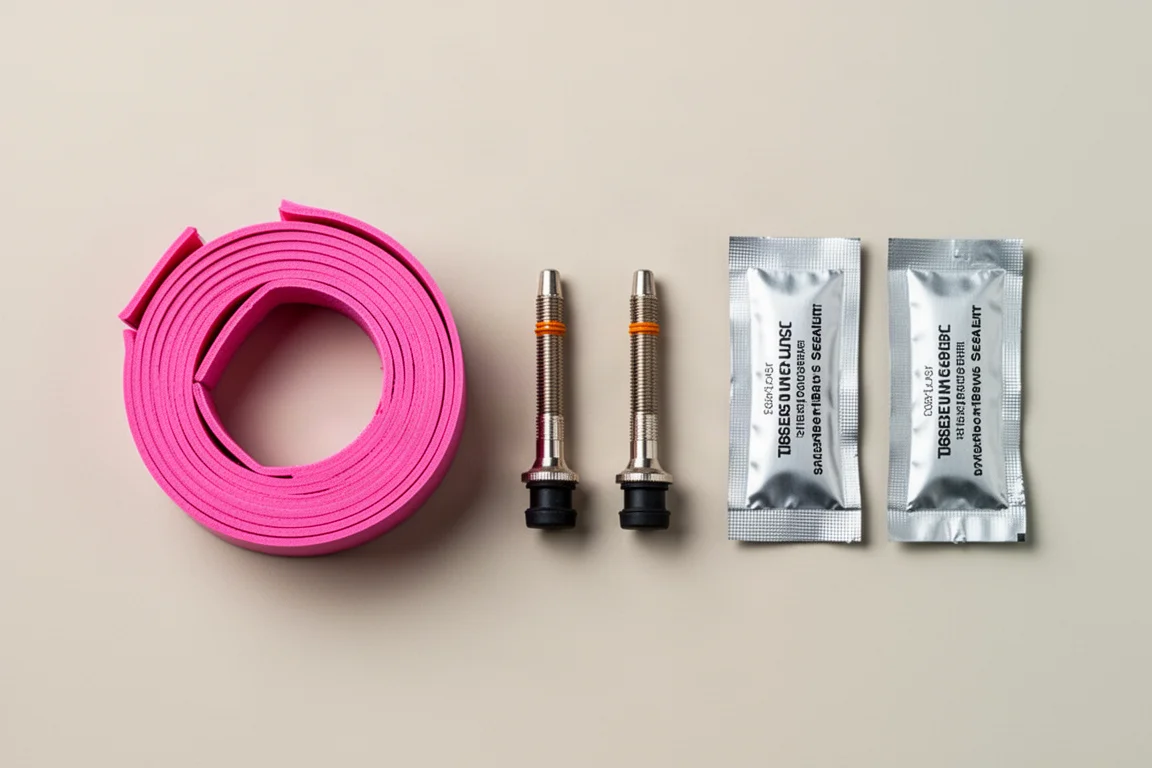
This kit bundles all of it: a roll of rim tape sized for rims between 23 mm and 25 mm wide, with narrower and wider versions available, two tubeless valves, and two sachets of tubeless sealant. The sachets are straightforward to use. You remove the screw cap, push the nozzle onto the valve, and squeeze the contents into the tire. Buying everything in one box is simpler than assembling the parts separately, and the setup works well on gravel wheels.
Peaty’s Holeshot Tubeless Puncture Repair Kit: Simple Tire Plugs
Tubeless does not eliminate punctures, so a plug tool belongs in every gravel rider’s kit. Most systems use the same idea, borrowed from motorcycles and cars: a strip of rubber is pushed through the hole from the outside and trimmed, sealing the tire well enough to ride home.
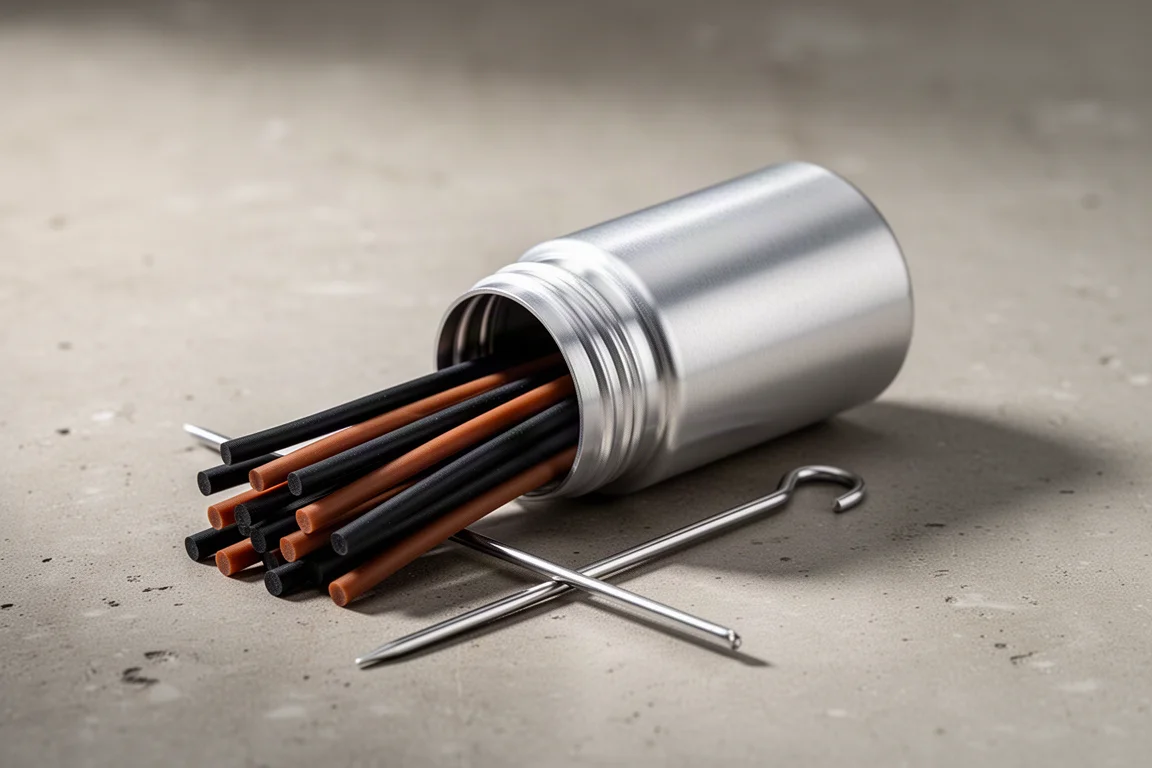
Peaty’s Holeshot kit packages that idea neatly. The strips, in thick and thin sizes, live inside a screw-top aluminium container that comes in several colours. The detail that sets it apart is the single-sided tip on the insertion tool. Conventional two-pronged forks require the strip to be threaded carefully before use, which is fiddly with cold hands at the side of a trail. This design lets the strip be loaded quickly and uses a pointed arrowhead shape that pushes into the tire easily and pulls back out without dragging the plug with it.
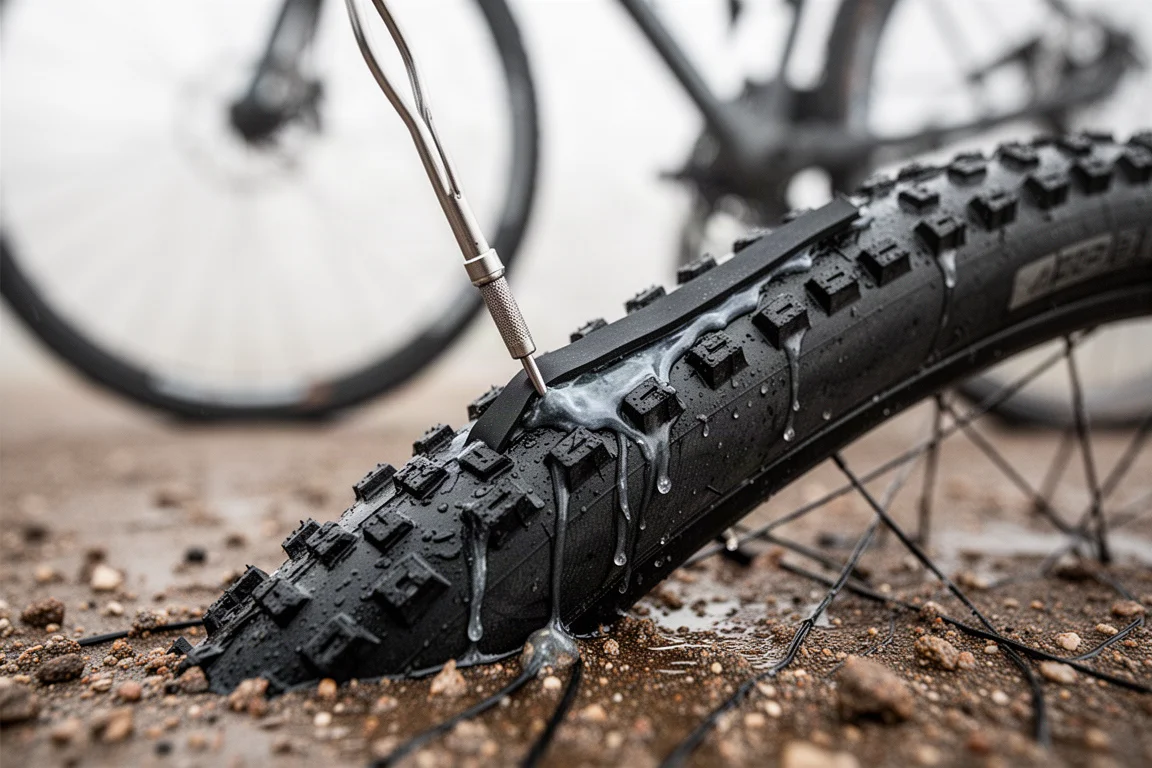
It is an inexpensive tool that carries plenty of spare strips, and it works just as well on gravel tires as it does on mountain bike ones.
Dynaplug Tire Plug Kit: A Premium Alternative for Tubeless Repairs
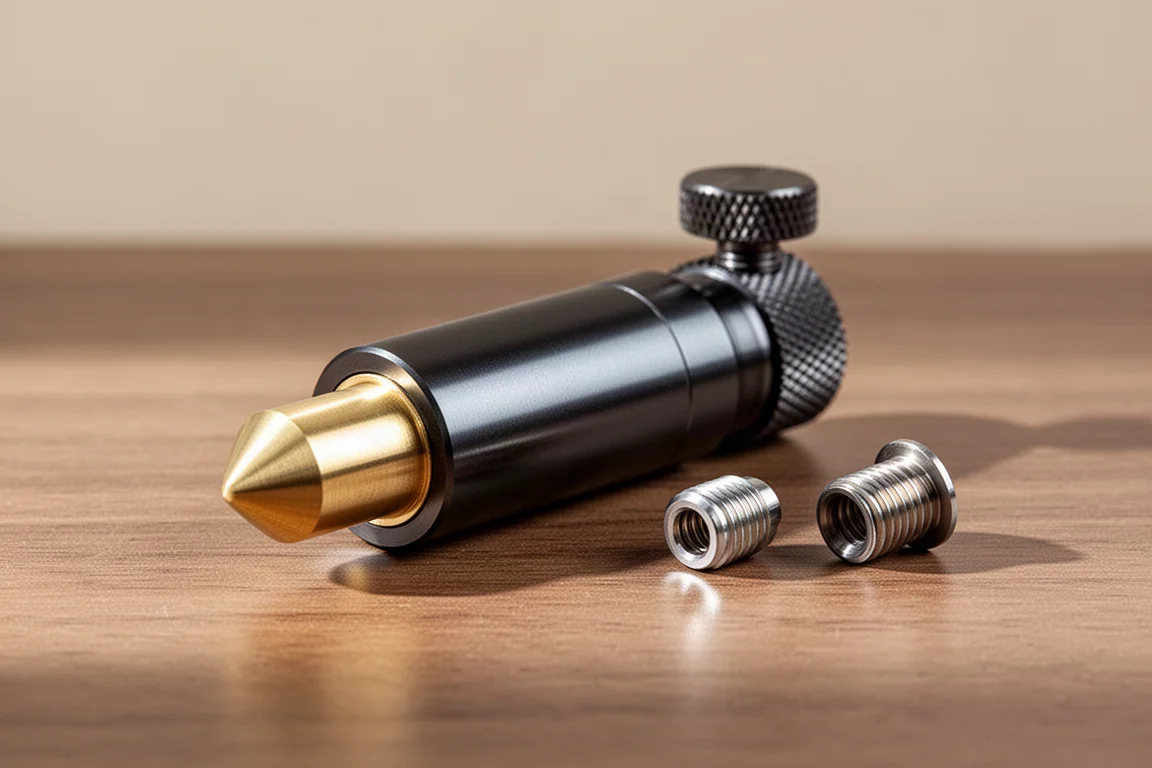
Dynaplug takes a different approach, using a brass-tipped insertion tool rather than a threaded strip. The system works very well and the small aluminium container is easy to carry, with several colours available.
The trade-off is cost. The tool itself is expensive, and replacement plugs are expensive too. Riders who want the most refined plugging system available and do not mind paying for it will be happy with it. Riders who simply want a reliable repair at a sensible price have cheaper options that perform much the same job.
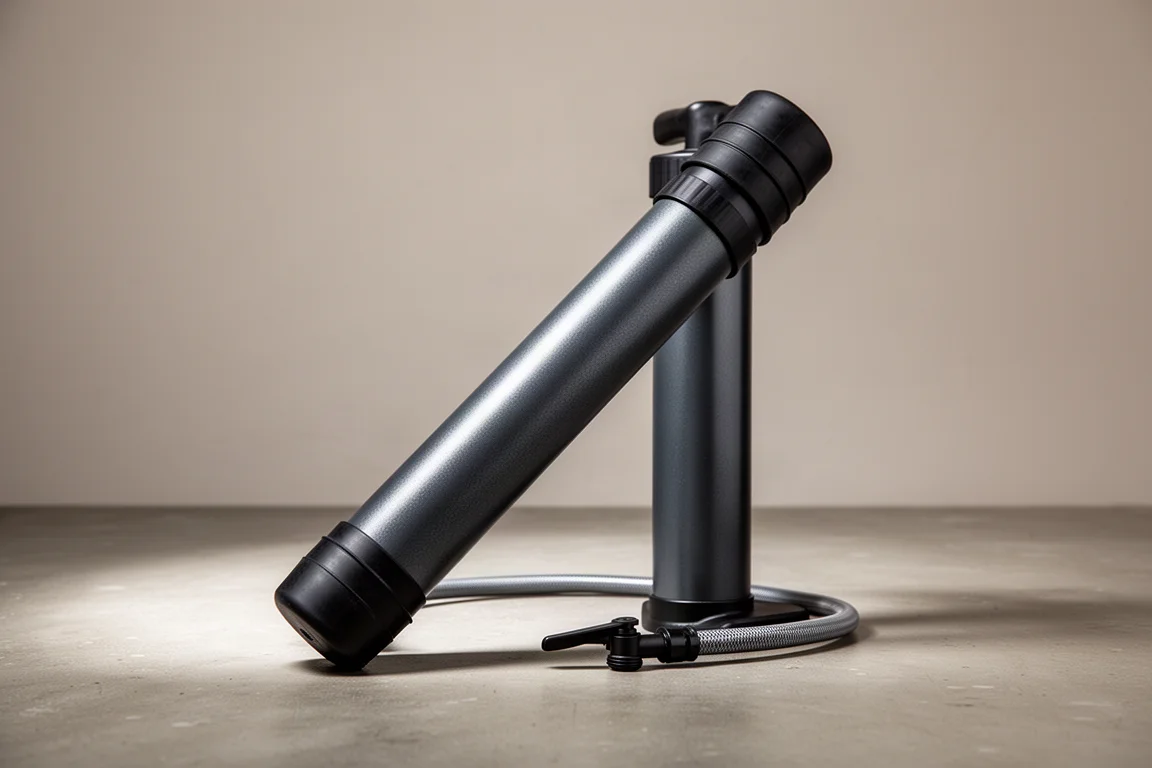
Silca Gravelero Pump: Reliable Inflation Far From Home
CO2 inflators are small, fast and convenient, and many riders keep them for racing. They can also let you down, which is why a dependable hand pump remains the safer choice for long gravel rides. Skimping on a pump is a false economy: a pump that fails leaves you at the roadside with no way to reinflate.
The Silca Gravelero is built around a large chamber that moves a lot of air per stroke, which makes short work of a high-volume gravel tire. The construction is solid and feels substantial rather than featherweight. A rubber cap covers a short flexible hose with a small lever chuck that clamps onto the valve instead of screwing on, so the valve core cannot come loose during inflation, and the hose stops the pump wiggling against the valve while you work. It reaches 40 to 60 PSI without much effort and will go to 80 or 90 PSI if you need to seat a tire on a rim.
It is not cheap, and it is not the lightest or smallest pump available. It is covered by a lifetime warranty, which softens the price for riders who want one pump that will not let them down miles from home.
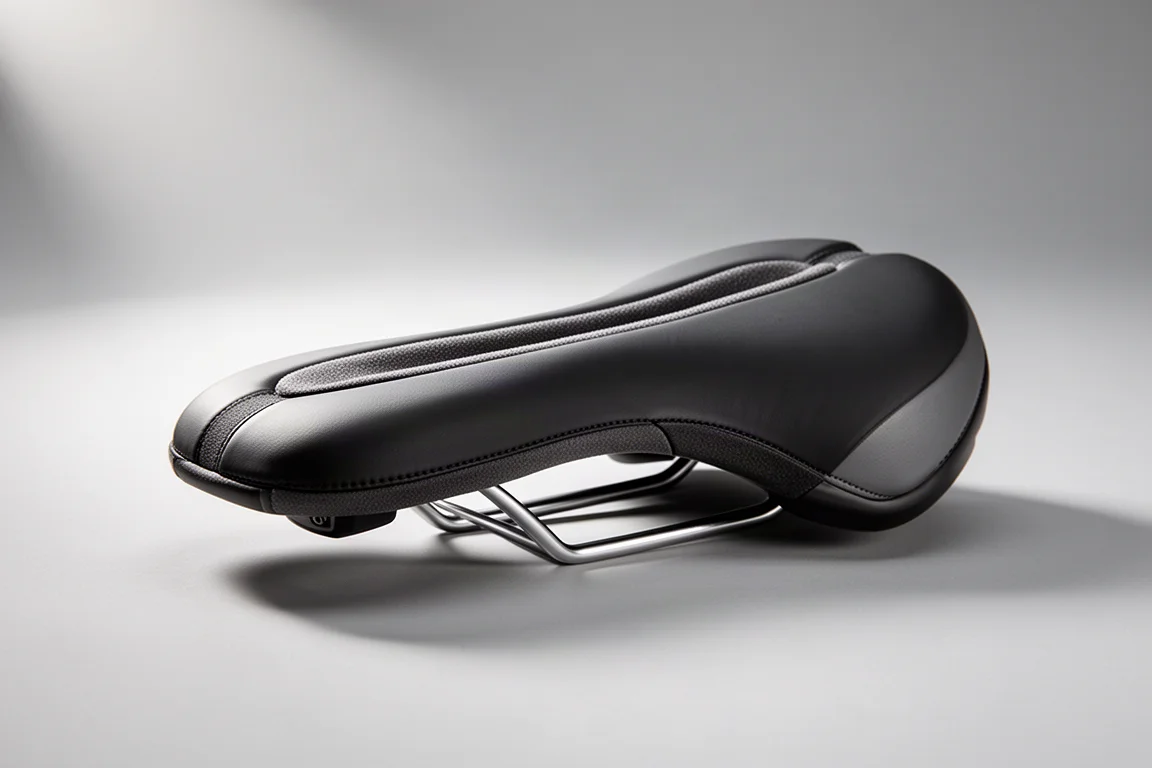
Ergon SR Allroad Saddle: Comfort for Rough Terrain
Comfort matters more on gravel than on smooth tarmac, and it matters most on multi-day trips where you are in the saddle for hours at a time. The Ergon SR Allroad is designed for exactly that kind of riding.
Its distinguishing feature is a layer of foam positioned between the rider and the shell, which adds cushioning without the bulk of a heavily padded saddle. In practice that layer takes the edge off rough surfaces and helps reduce numbness and soreness on long rides, a little like having micro suspension built into the contact point. The shape is broad at the rear for support when you sit back, and the side panels use a low-friction material to reduce chafing and irritation. Metal rails keep the price down, and a carbon-rail version is available for riders who want to save weight. It costs more than a basic saddle, but the extra comfort is noticeable once the surface turns rough.
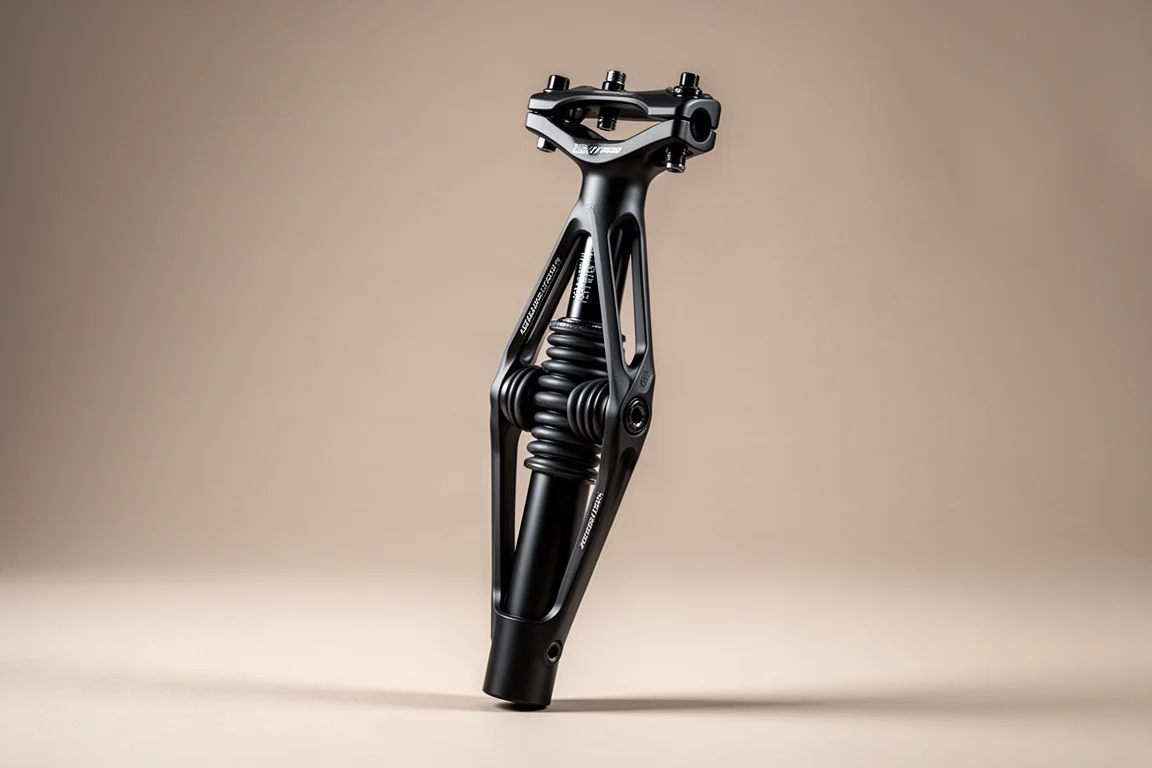
Cane Creek eeSilk+ Suspension Seatpost: More Control on Rough Trails
Suspension stems are a popular gravel upgrade, but a suspension seat post often makes a bigger difference on genuinely rough tracks. The reason is simple. When the rear of the bike is bouncing over rocks and roots, staying seated becomes difficult, and standing up costs speed and power. A seat post that absorbs those hits keeps you planted and pedalling.
The Cane Creek eeSilk+ offers 35 mm of travel through a parallelogram linkage with an elastomer at its centre. The elastomer can be swapped for a different rate, though the one fitted as standard is firm enough for most riders. That firmness is deliberate. The post stays quiet and stable on smooth ground and only moves when it meets a real impact, so there is no bobbing and the bike still feels normal underneath you.
It is heavier than a standard seat post, and that is the main compromise to accept. For riders who want to ride rough trails faster, more smoothly and with less discomfort, the trade is usually worth making.
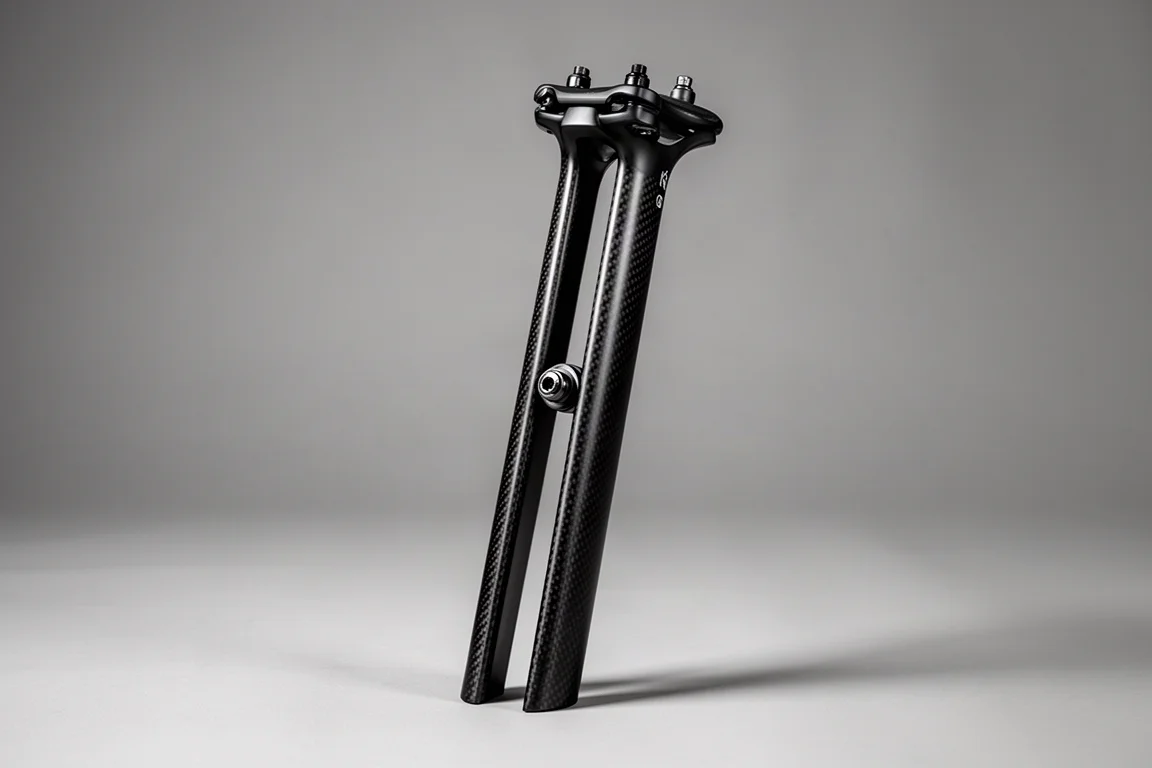
Ergon VCLS Split Seat Post: Lightweight Compliance
Riders who want more give at the rear without the weight of a suspension post have a lighter option in the Ergon VCLS. The post is built from two carbon halves split down the middle, with a fixing bolt in the centre to set saddle angle and two bolts on top to clamp the rails. At 27.2 mm it fits most gravel and road frames, and the same design is used on many Canyon road and gravel bikes.
It is very light and easy to add to almost any bike, but the angle adjustment takes patience. The centre bolt has to be left loose while the post is in the frame so the saddle angle can be set, after which the post is removed and the bolt tightened to the recommended torque setting. The comfort gain is real, though smaller than a dedicated suspension post. It is not a cheap upgrade, and its appeal is a meaningful increase in compliance with almost no weight penalty, which makes it a sensible choice for weight-conscious riders.
Apidura Top Tube Pack: Easy Access to Snacks and Spares
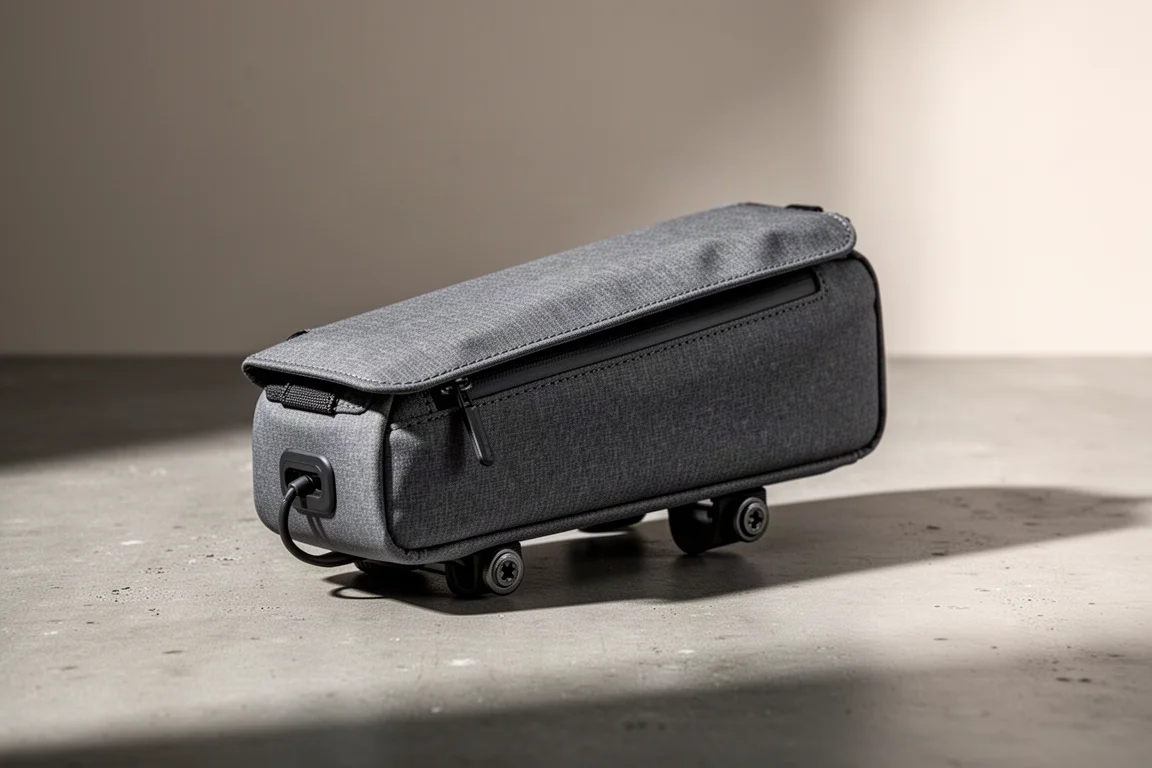
Carrying food and small tools without constantly reaching into jersey pockets is one of the simplest improvements you can make on a long gravel ride. Many frames now include two bolts on the top tube specifically for a bag, and this Apidura pack is designed to use them.
The bag bolts directly to the frame, and a magnet holds the flap open so you can reach inside one-handed while riding. The interior is lined with a soft material, and there is a small port at the front for a cable running to a computer or light, which is useful if you are charging a device from a battery bank on the move. It comes in several sizes, and the mid-size version suits most all-day and multi-day rides. It stays stable on the top tube without rattling, and packing it carefully stops it bulging outwards at the sides. The fabric is water resistant rather than fully waterproof, which keeps contents dry through most weather but not through sustained heavy rain.
Wolf Tooth Bottle Opener + Rotor Truing Tool: A Multitool for the End of the Ride
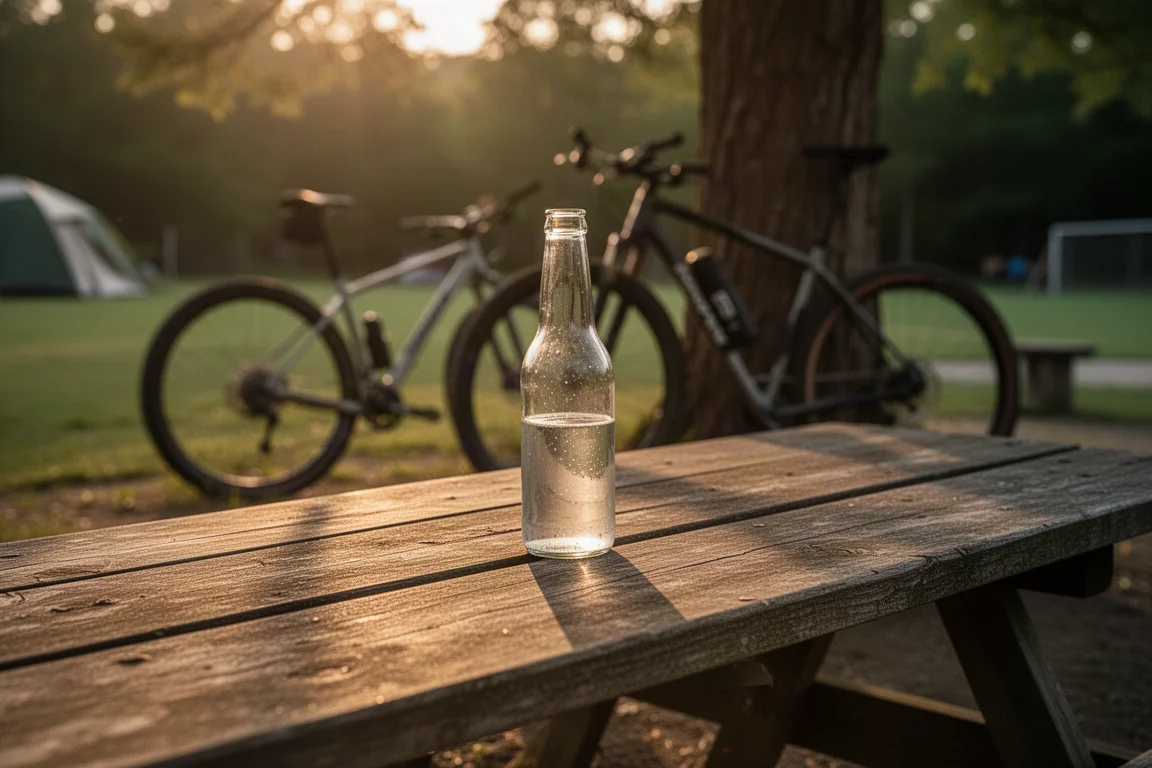
Some accessories earn their place simply by being pleasant to own and genuinely useful. This Wolf Tooth tool is machined from aluminium, comes in a wide range of colours, and does two jobs: it opens a bottle, and it doubles as a disc brake rotor truing tool for straightening a slightly bent rotor.
That combination makes sense at the end of a long day. You reach your overnight stop, the riding is done, and the same small tool that sorted out a rubbing brake earlier in the trip opens the cold drink you picked up on the way in.
It is a small thing, but tools that do more than one job and look good doing it tend to stay on the bike rather than in a drawer.

Overall Buying Advice
Start with the products that keep you moving. A plug kit, spare tubes and a pump you trust are the difference between a minor delay and a long walk, so they come first regardless of budget. A tubeless conversion is worth doing if your wheels are tubeless ready, and the kit above covers everything needed to make the switch at home.
Comfort upgrades are the next priority if you ride long distances or rough surfaces. Saddles and seat posts change how the bike feels more than almost anything else, and the right choice depends on how much weight you are willing to add. A suspension post offers the biggest gain on rough ground, a split carbon post offers a smaller gain with almost no weight penalty, and a saddle with a comfort layer is the simplest place to start.
Weight savings come last. TPU inner tubes earn their place because they save space as well as weight, but chasing grams at the cost of a dependable repair kit rarely works out well on gravel.
Conclusion
The upgrades worth making are the ones that match the riding you actually do. Riders who spend long days off-road will feel the biggest difference from puncture and inflation tools that work, a saddle and seat post that keep them comfortable, and pedals that are easy to live with in mountain bike shoes. Those looking to save weight can do so with TPU spares and a light carbon seat post without giving up much. Chosen with those priorities in mind, each of the products above does a specific job well.
Further reading
Related Reviews

Backpacking Gear
Building a 10 lb Base Weight: An Ultralight Backpacking Gear List
A practical walkthrough of the ultralight pieces behind a 10 lb base weight, from a 765 g pack and a roomy one-person tent to a full camp chair and a dependable water filter.

Road Bikes
10 New Road Bikes Worth Watching: Aero, Titanium, Steel and Endurance Standouts
A practical roundup of 10 new road bikes, from aero flagships chasing single-watt gains to titanium, steel and endurance platforms built for real roads.
Bikepacking Gear
11 Bikepacking Essentials for Long-Distance Cycling
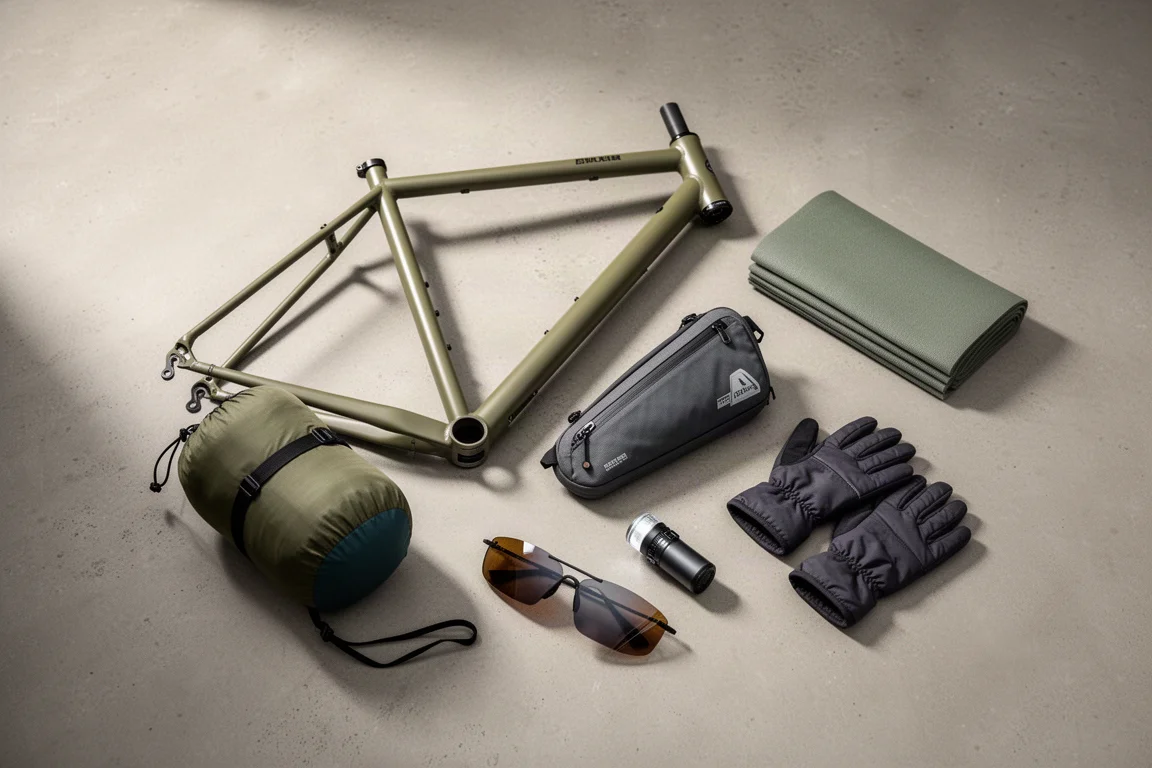
Eleven bikepacking essentials for long-distance cycling, from a steel gravel frame and a two-person tent to helmet lights, packable gloves, and a frame bag that puts weight in the right place.