Outdoor Gear
Granite Gear Zip Sack Review: A Lightweight Stuff Sack for Food and Gear
A close look at the Granite Gear Zip Sack, a simple 210 denier nylon stuff sack that works well as a multi-day food bag, plus two drawbacks worth knowing before you buy.
Introduction
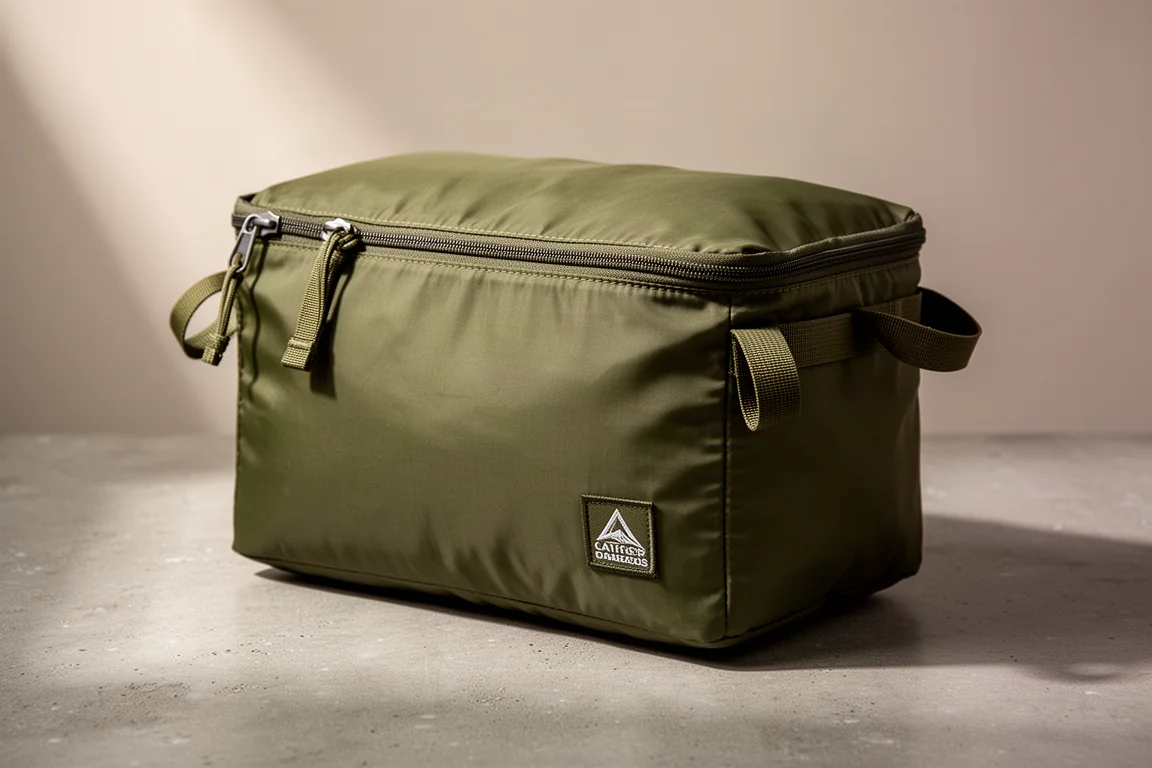
The Granite Gear Zip Sack is a straightforward stuff sack built around one job: keeping loose gear, clothing, or food organized inside a pack. It is a rectangle-shaped bag with a zippered top, grab handles on both sides, and a single open compartment inside. There are no pockets, no sleeves, and no dividers, which is exactly the point.
It is available in four sizes: 8 L, 12 L, 18 L, and 25 L, all sharing the same design. The 12 L version weighs 3.4 oz and measures 13 by 8 by 7 inches, with a listed price of $19. Sale pricing has brought it down closer to $13.
The appeal is easy to understand. It is light, it is inexpensive, and it does one thing without fuss. The question is whether its two quirks are worth living with, and that depends on how you plan to use it.
Who This Product Is For
This is a bag for people who want to organize the inside of a pack without adding meaningful weight or cost. It suits backpackers carrying food for multi-day trips, hikers who want clothing separated from the rest of their load, and overlanders who need loose items contained and tucked away around a vehicle.
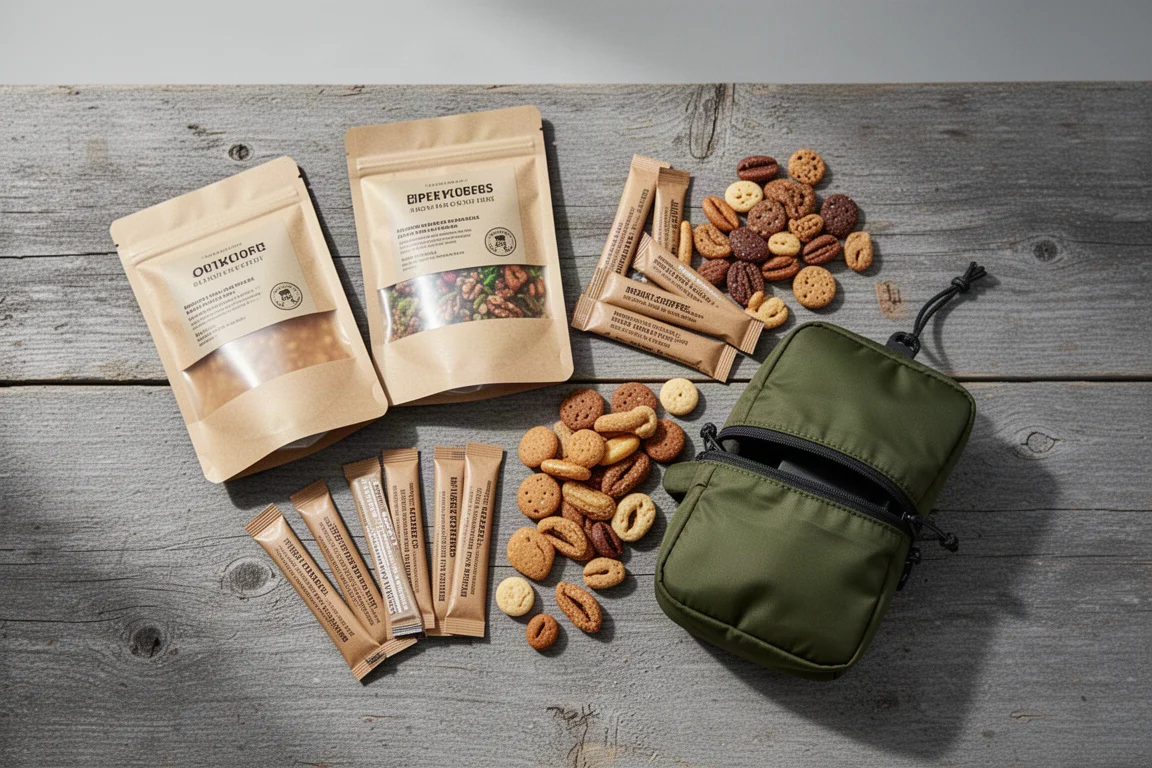
The 12 L size is the sweet spot for multi-day and multi-person use. It has enough room for breakfasts, lunches, dinners, snacks, and coffee for two people across three to four days, with space left over for a trash bag and a bear hang kit. Smaller sizes make sense for shorter trips or for splitting clothing, while the 18 L and 25 L versions suit larger loads and group food storage.
If you count every gram, the brand also offers a lighter version called the Air at roughly half the weight. It costs more and is offered only in a grape colorway, so it is a different trade-off rather than a straight upgrade.
Design and Build Quality
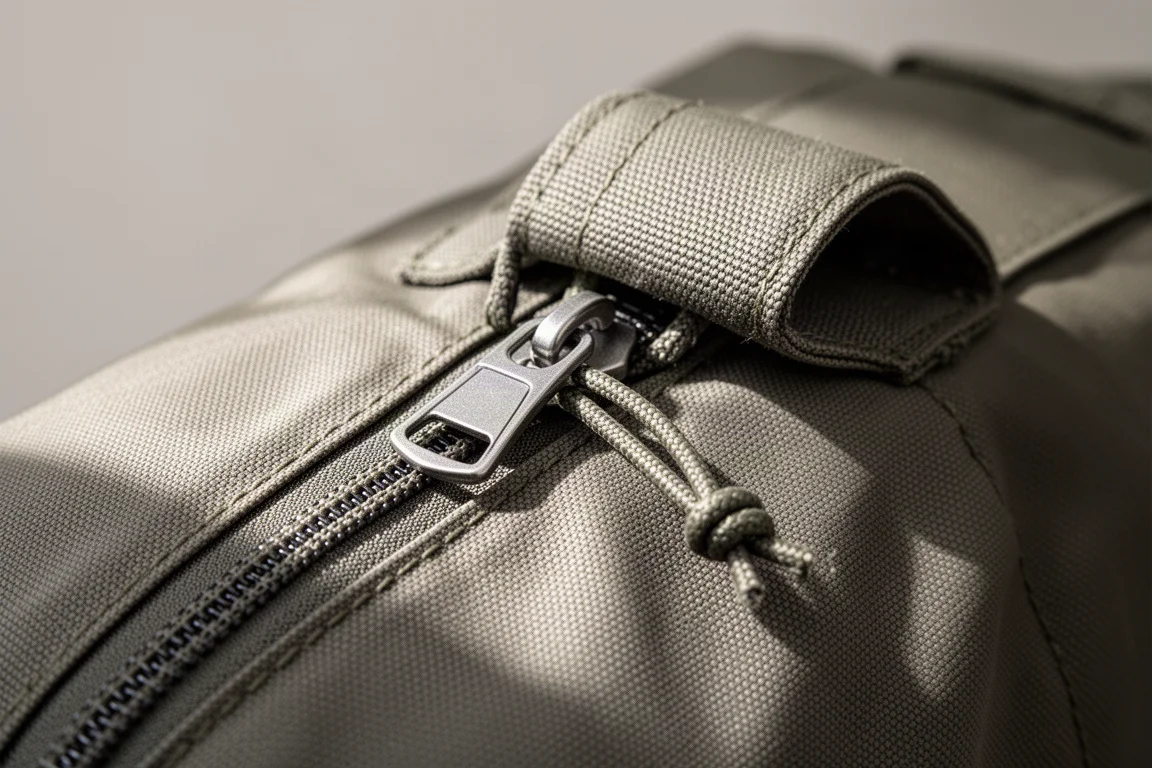
The body is made from 210 denier nylon, with YKK zippers running across the top and two generous cord pulls for opening and closing. A cover flap sits over the zipper, and there is a grab handle on each side so the bag can be pulled out of a pack or lifted by hand.
The exterior is deliberately plain: a small brand logo is the only marking. Inside, there is a single open cavity with no pockets or sleeves, and one tag noting manufacture in Vietnam. Build quality reads as solid, with clean seam work, smooth zipper action, and materials that feel appropriate for the price.
The rectangle shape matters more than it might seem. Once packed, these bags stack predictably against one another, so a strap can be wrapped around a group of them to keep a load consolidated and tidy.
Sizing and Capacity
Choosing a size comes down to what you are carrying and how many people are eating out of it. The 12 L handles a two-person food load for three to four days comfortably, and it still fits neatly inside a backpack rather than dominating the interior.
For solo weekend trips, the 8 L is likely plenty. For longer resupply stretches or group gear, the 18 L and 25 L versions offer the same layout with more volume. Because the design is identical across the range, the decision is purely about capacity and how much weight you are willing to add.
Main Strengths
Weight and price are the headline strengths. At 3.4 oz for the 12 L, the bag adds almost nothing to a pack, and at $19 it is an easy purchase to justify. The hardware supports that value story: YKK zippers, well-finished seams, and cord pulls that are easy to grab with cold hands.
The grab handles are a small detail that makes a real difference in daily use. They let you pull the bag out of a packed backpack without digging around the contents, and they make it easy to lift and move a full bag at camp. The wide zipper opening also means you can see and reach the contents immediately rather than emptying the bag to find one item.
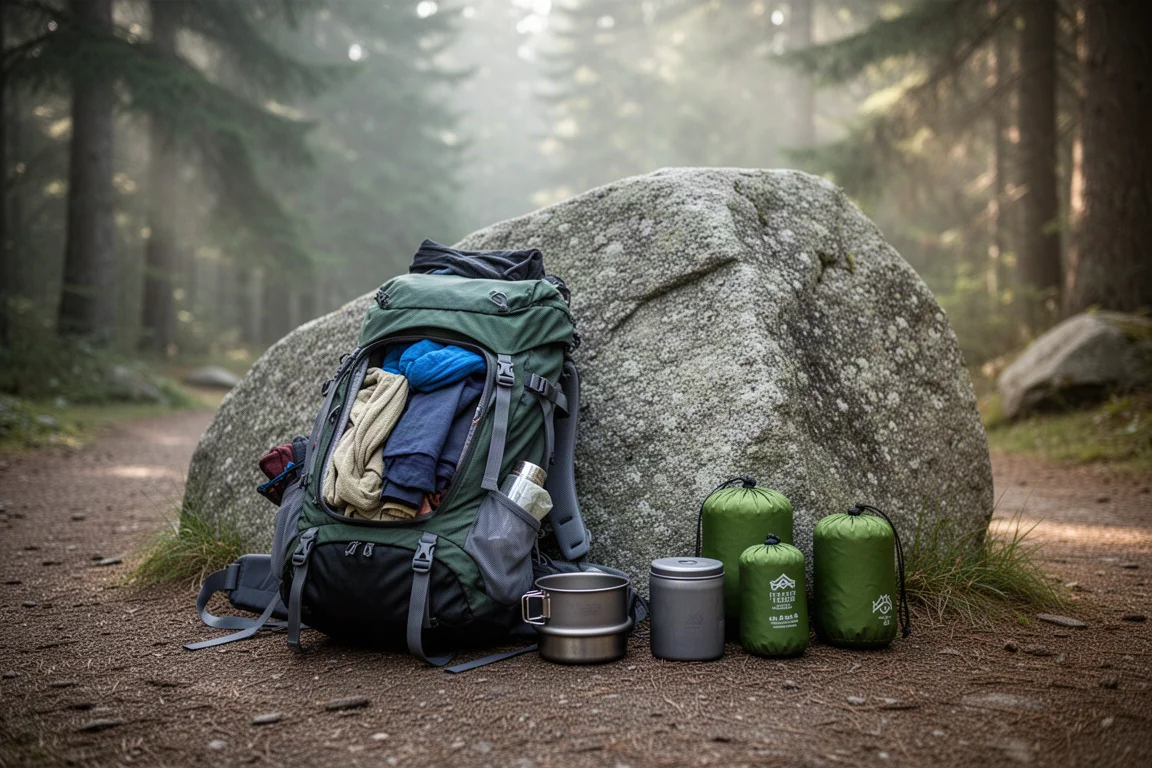
Versatility is the other strength. The same bag works as a food bag on a backpacking trip, a clothing organizer in a travel pack, or a general storage pouch in a vehicle. That range of uses is why a simple stuff sack tends to earn a permanent spot in a kit.
Things to Consider Before Buying
There are two drawbacks, and both are worth knowing in advance.
The first is the cover flap over the zipper. It has a habit of getting in the way and getting caught when you open or close the bag. You have to fold it back deliberately each time, otherwise the zipper snags and you end up fiddling with it. It is not a serious flaw, but it is a repeated annoyance, particularly on a groggy morning at camp before coffee.
The second is color. You cannot choose it. The bag is sold as assorted colors across retailers, and what arrives is a gamble. The product imagery may show red and blue while a green one turns up instead, and a purple or pink option is entirely possible. If a specific color is important to you, that uncertainty is the biggest reason to pause, because you have no way to control what you receive.
Buying Advice
Buy this if you want a light, inexpensive organizer and you are comfortable with whatever color shows up. In that case, the 12 L is the most versatile pick for most people: large enough for multi-day food storage for two, small enough to disappear inside a pack, and priced low enough that adding a second one for clothing is easy to justify.
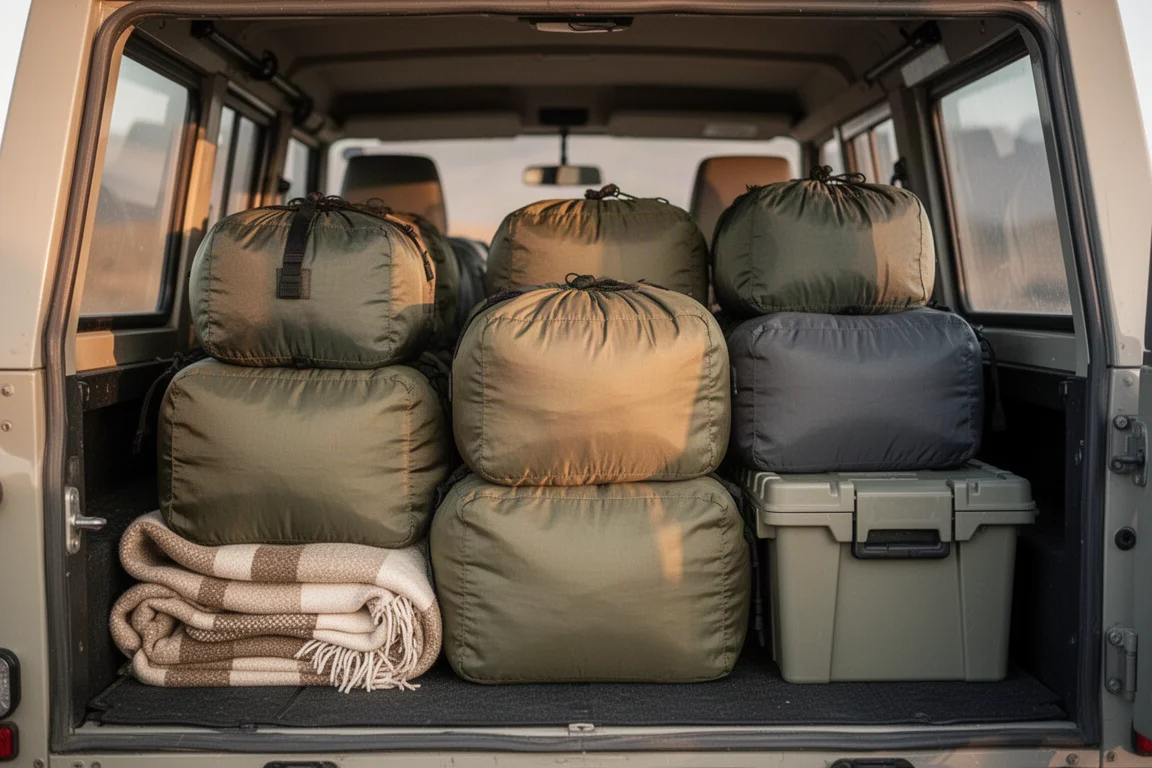
If color matters to you, or if the zipper flap would bother you every single day, it is worth weighing those factors honestly before ordering. Neither is a dealbreaker for everyone, but both are permanent characteristics of the design rather than something you can work around with technique. For gram counters, the lighter Air version exists at a higher price and in a single colorway, which is its own set of trade-offs.
Conclusion
The Granite Gear Zip Sack does what a stuff sack should do. It is light, well made for the money, and genuinely useful as a multi-day food bag, a clothing organizer, or general gear storage. The materials, zippers, and grab handles all hold up, and the price is easy to accept.
The catch is choice. You cannot pick your color, and the zipper flap demands a small extra step every time you open the bag. If you can accept those two things, this is a practical, low-risk addition to a backpacking or overlanding kit.
Product link
View more details for Granite Gear Zip Sack
This product is mentioned in the review. Check the specifications, options, and compatibility before buying.
View more details for Granite Gear Zip SackFurther reading
Related Reviews
Outdoor Gear
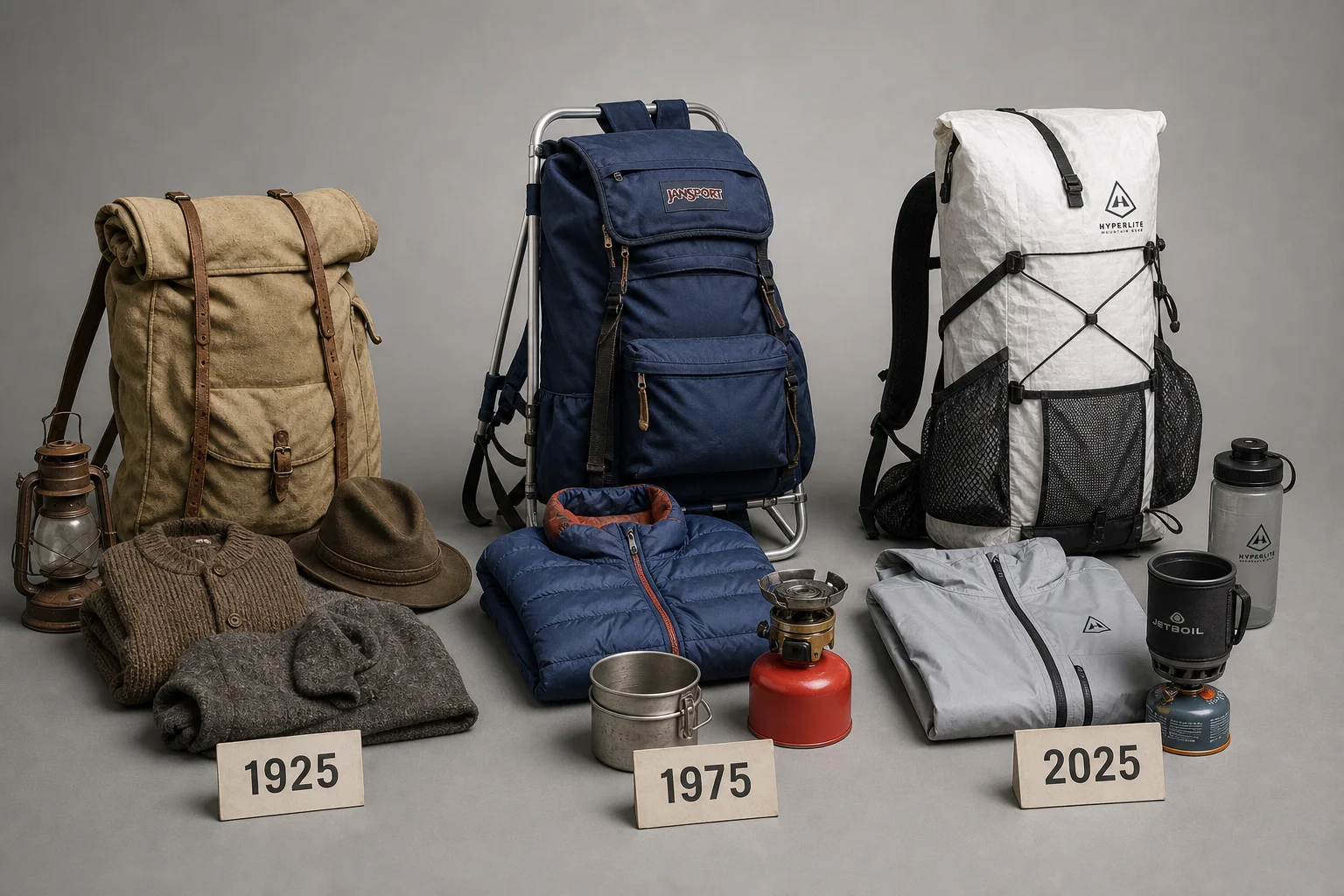
Backpacking Gear Evolution: 100 Years of Technology Compared
We tested backpacking gear from 1925, 1975, and 2025 across a three-day hike in Yosemite. Here's how technology has transformed comfort, weight, and the outdoor experience.
Outdoor Gear
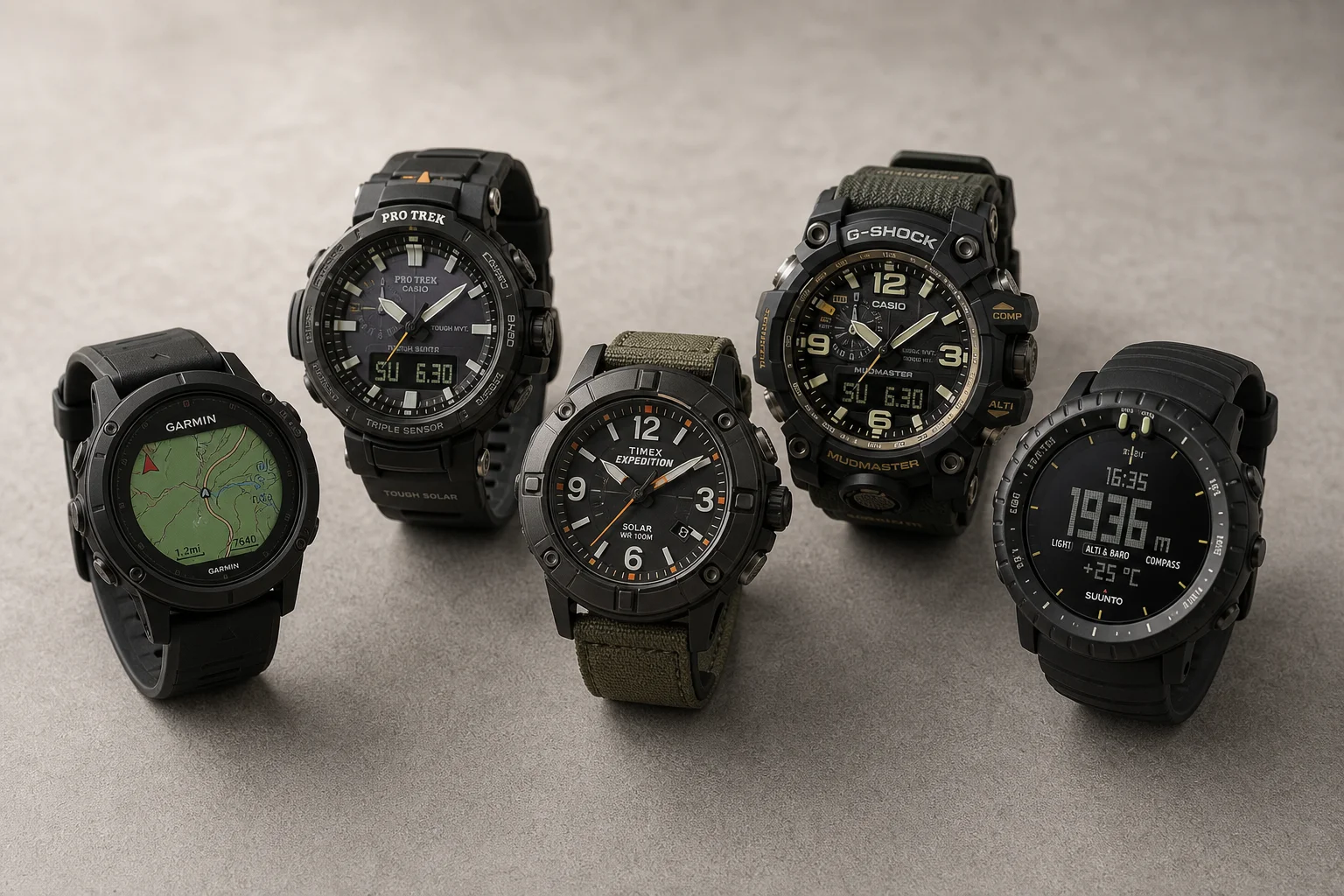
Best Affordable Hiking Watches: Five Rugged Options for Outdoor Adventures
Five durable hiking watches that balance ruggedness, functionality, and value for outdoor enthusiasts who need reliable GPS tracking and weather resistance.
Outdoor Gear
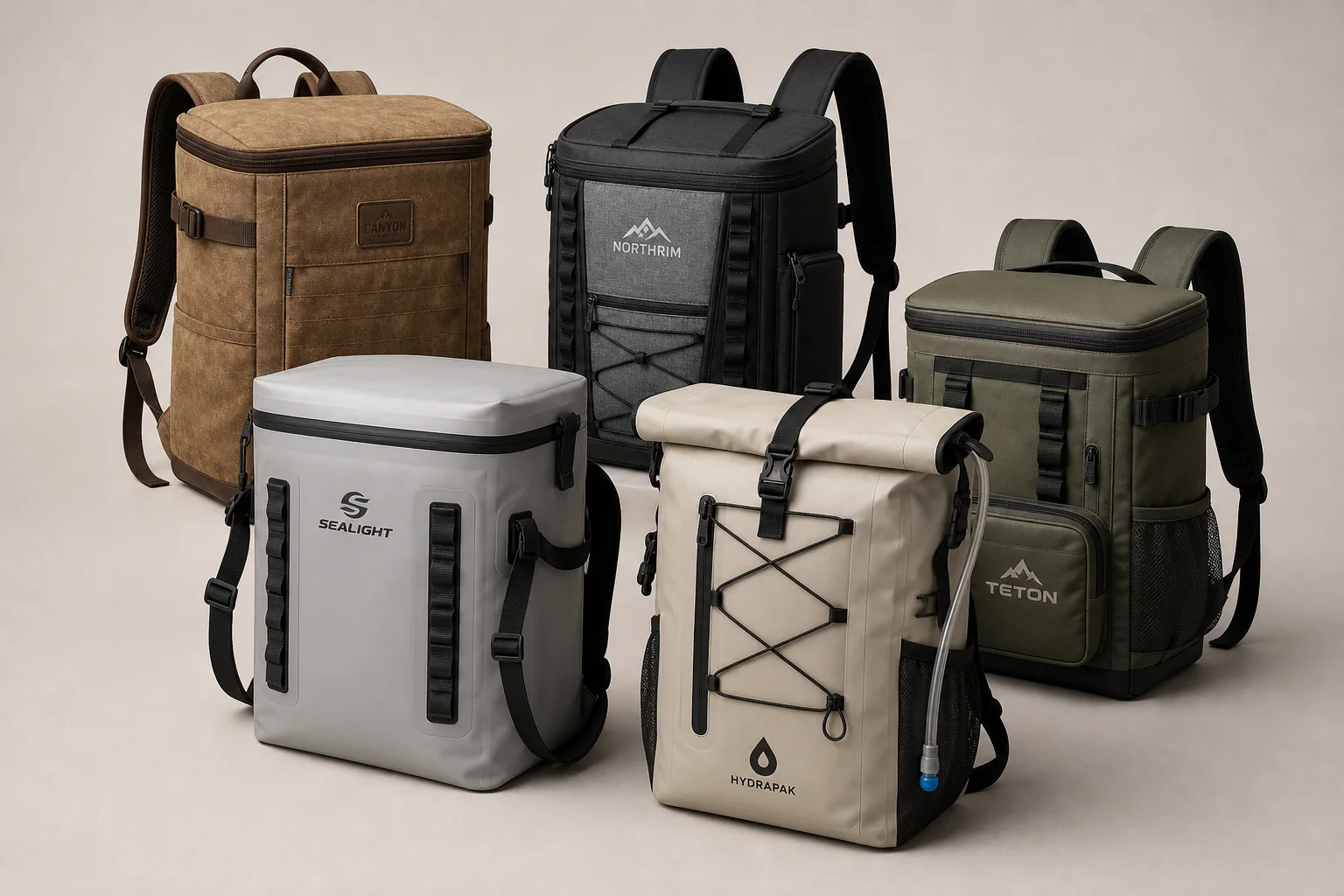
Best Backpack Coolers 2026: Five Practical Options for Outdoor Adventures
Five backpack coolers with distinct cooling capabilities, storage features, and design trade-offs to help you choose the right one for your outdoor needs.