Hi-Fi Audio
Grado RS1x and Platinum 3 Review: Two Brooklyn-Built Listening Upgrades
A close look at two Grado products from opposite ends of the system: the fourth-generation RS1x open-back headphone and the wood-bodied Platinum 3 phono cartridge.
Introduction
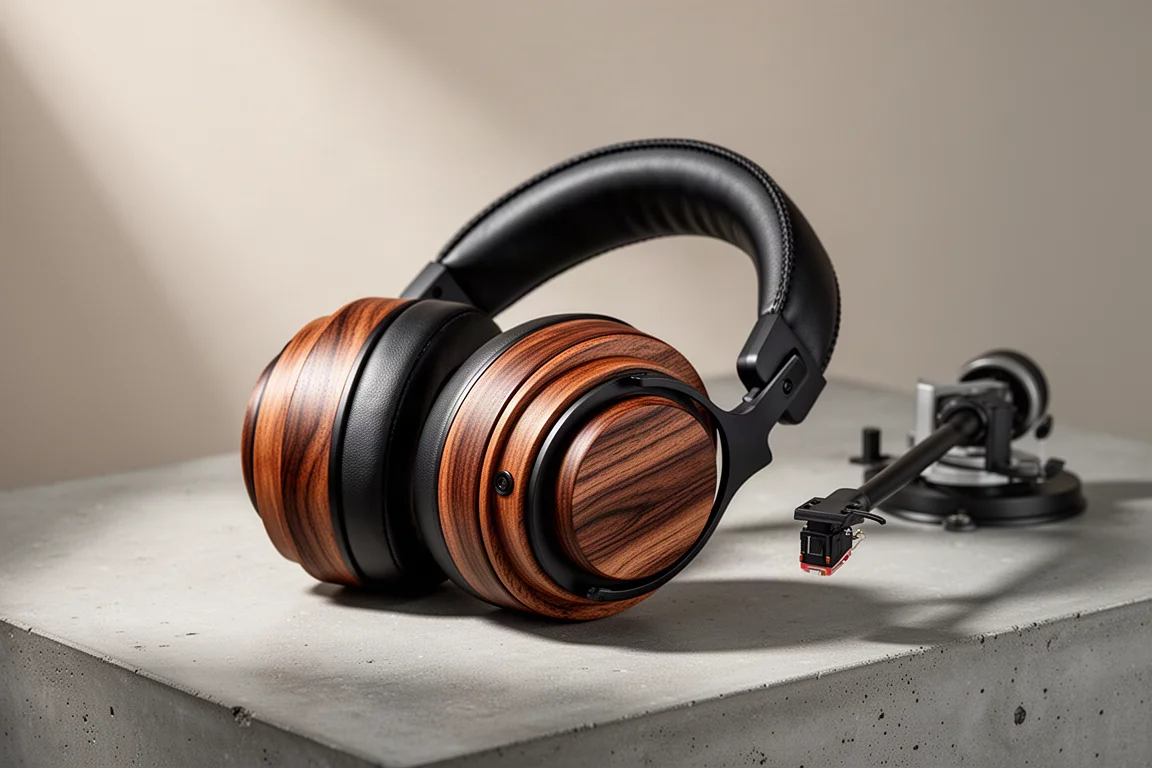
Grado has been building phono cartridges in Brooklyn since 1953 and headphones there since around 1990, and both products in this roundup come out of that same workshop tradition. The RS1x is an open-back headphone built around Grado’s fourth-generation driver. The Platinum 3 is a wood-bodied phono cartridge from the company’s Timbre Series line. They sit at very different price points and do very different jobs, so this guide covers what each one does well, where each one asks for a little patience, and which listeners are most likely to be happy with either.
Both are aimed at people who listen closely and want a component with a clear point of view rather than a neutral, do-everything tool. That clarity of purpose is exactly what makes them worth a careful look before you buy.
What Grado Brings to Both Products
Materials do a large share of the tuning work in both designs. The RS1x ear cup is built from three wood layers: maple closest to your ear, hemp in the middle, and cocobolo on the outside. Those woods are selected to shape how the driver sounds rather than to decorate the housing. The Platinum 3 takes a related approach with mass, using an unusually large wood body to help control resonance and tune the cartridge as a complete system rather than as a stylus and coils alone.
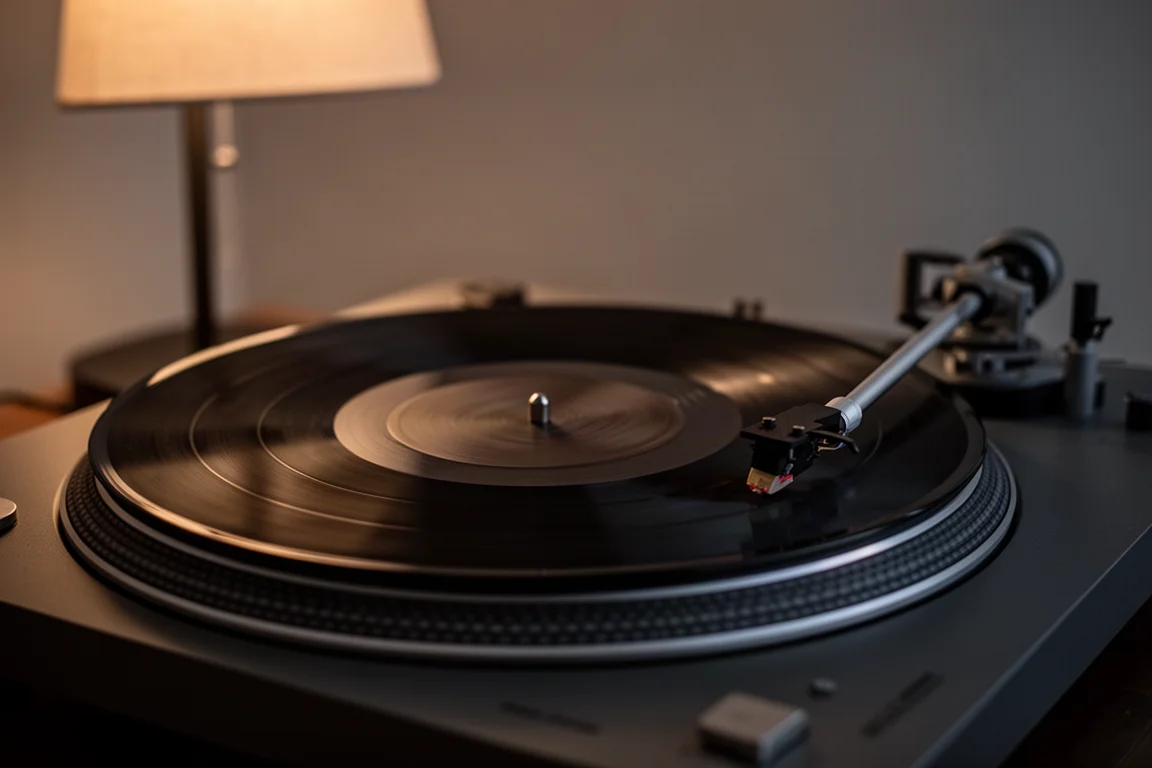
Both products are covered by a one-year warranty. The RS1x is priced at $750, while the Platinum 3 sells for $400 in each of its three versions.
Grado RS1x: Design and Sound
The RS1x carries Grado’s fourth-generation headphone driver, which uses a double-strength magnet, a lighter voice coil, and a revised diaphragm. Left and right drivers are matched to within 0.05 dB of each other. The headphone looks close to earlier models at a glance, but the driver and the cable are both new.
Sound is where the RS1x makes its case. It is a vivid, forward headphone. Compared with an original RS1 from roughly fifteen years ago, it is significantly more transparent, more alive and more dynamic, with tighter and faster bass. The low end reaches deep and stays detailed and clear, though it is not a full or sumptuous bass. The midrange is very clear, and vocals in particular arrive with real presence. The top end is a touch bright, but very clear, detailed and open. The soundstage is wide and the imaging is strong, so instruments and voices sit in distinct places instead of crowding together inside your head. Against a softer planar magnetic headphone, the RS1x trades rounded prettiness for forward momentum and energy; against a relaxed dynamic model such as the Sennheiser HD 600, it is the more immediate and more involving of the two.
Grado RS1x: Comfort, Cable, and Real-World Use
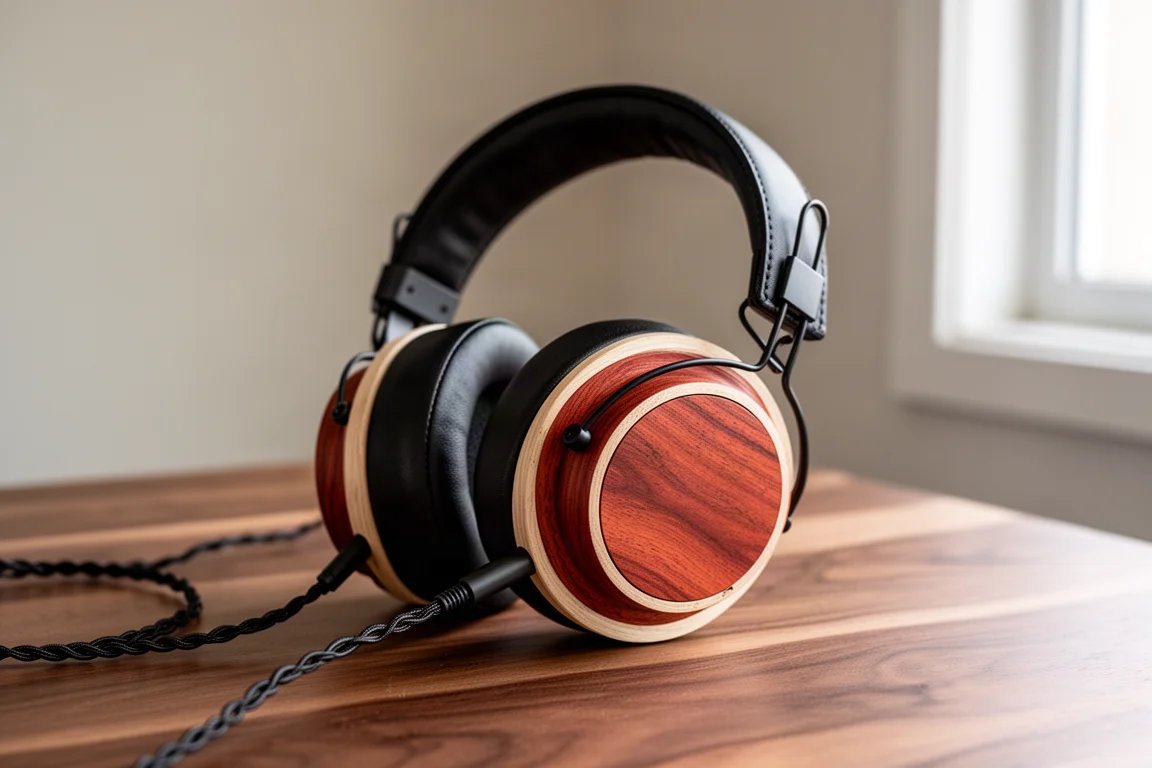
The RS1x is unusually light for an open-back headphone, and long listening sessions do not feel tiring. The headband is covered in real leather, though the padding is on the thin side. Ear clamping pressure is higher than average out of the box, and the headband can be gently bent to relieve it.
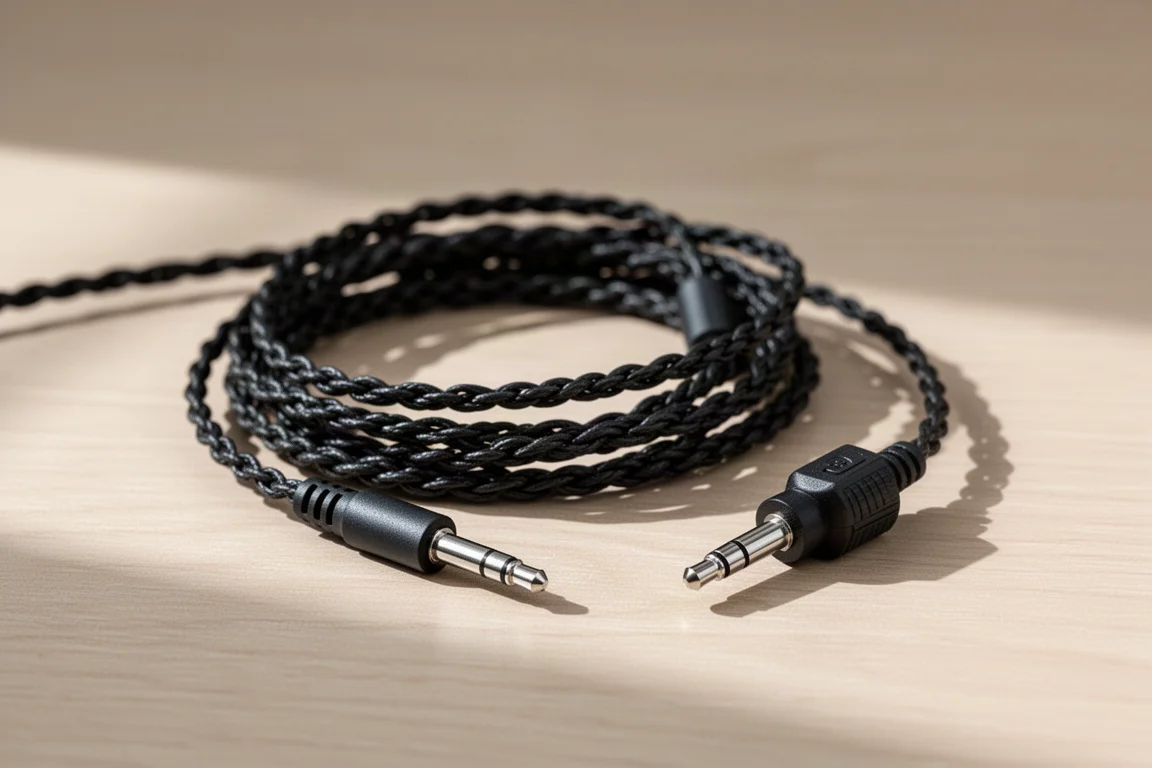
The new braided cable can be specified with a balanced XLR connector or with a standard 3.5 mm plug and a 6.3 mm adapter. It is not detachable, which follows a long-standing Grado design decision: the cable is treated as part of the complete package rather than a user-replaceable part. It starts out fairly stiff and softens with use.
Sensitivity is unusually high, so the RS1x can be driven straight from a phone and still sound good, and a dedicated headphone amplifier will get more out of it. Expect to allow at least 100 hours of playing time before the headphone settles into its final character. Because it is open-backed, sound escapes in both directions: you hear the room, and the room hears your music.
Grado Platinum 3: Design and Setup
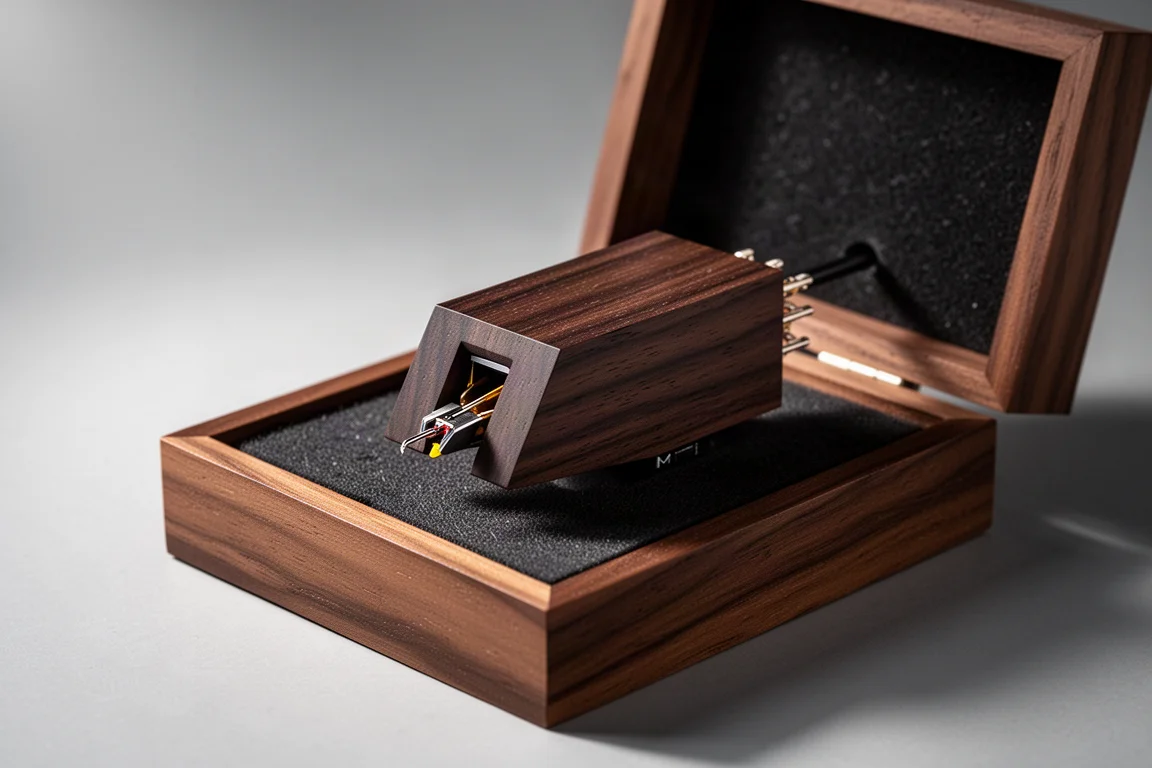
The Platinum 3 belongs to Grado’s Timbre Series. Its headline design change is that the coils are potted, which reduces vibration between individual strands of the coil while records play. The wood body is large, and its mass is used to control resonance and tune the sound rather than simply to look distinctive. The cartridge ships in a wooden case.
Grado offers the Platinum 3 in three versions: low output, high output, and mono. All three cost $400. The low output version does not demand exotic support; any phono preamp with at least 48 to 50 dB of gain will drive it comfortably. The overall balance sits on the warm side of neutral. Warranty is one year.
Grado Platinum 3: Listening Comparisons
Against the Ortofon 2M Blue, a very popular and easy-going cartridge, the Platinum 3 has noticeably more get-up-and-go. Bass tightens and moves a little faster, vocals carry more emotional weight, and the top end opens up with more space and detail. Compared with the MoFi MasterTracker at $795, the Platinum 3 gives up some raw energy and flash: the MasterTracker behaves more like a good moving coil, while the Platinum 3 grounds the music in a more tangible way. Against a Zu-modified Denon DL-103 moving coil, both cartridges pull beauty out of the grooves, but the Platinum 3 adds a little more texture and light to the sound of the band.

The Platinum 3 also has more life than the earlier Platinum 2, which sounded a touch more reserved, though the two are broadly similar in character.
Buying Advice: Choosing Between the Two
The RS1x is a polarizing headphone. Listeners who like the Grado house sound tend to fall for it quickly because of its energy and its sense of being present at the performance. Listeners who prefer a softer, more relaxed or more strictly neutral presentation may not connect with it in the same way. If you are unsure which camp you are in, the RS1x is the one to audition first, because it makes a strong impression either way.
The Platinum 3 is the more universally appealing of the two. It brings energy and momentum to almost any record without tipping into harshness, and it works with a wide range of phono preamps, which keeps the supporting setup simple and inexpensive to plan.
Pairing the two Grado products together does not create any special magic. Each sounds good on its own terms, but the combination is not greater than the sum of its parts, so treat them as two separate upgrades rather than a matched set.
Conclusion
The RS1x and the Platinum 3 address different parts of a system, and both are worth considering on their own merits. The RS1x suits listeners who want an open, vivid, unusually light headphone they can drive from almost anything, provided they accept a fixed cable and a break-in period. The Platinum 3 suits vinyl listeners who want a warm-leaning cartridge with real drive, straightforward setup, and three versions to match their preamp. Match either one to your own listening habits and the money is well spent.
Further reading
Related Reviews
Hi-Fi Audio
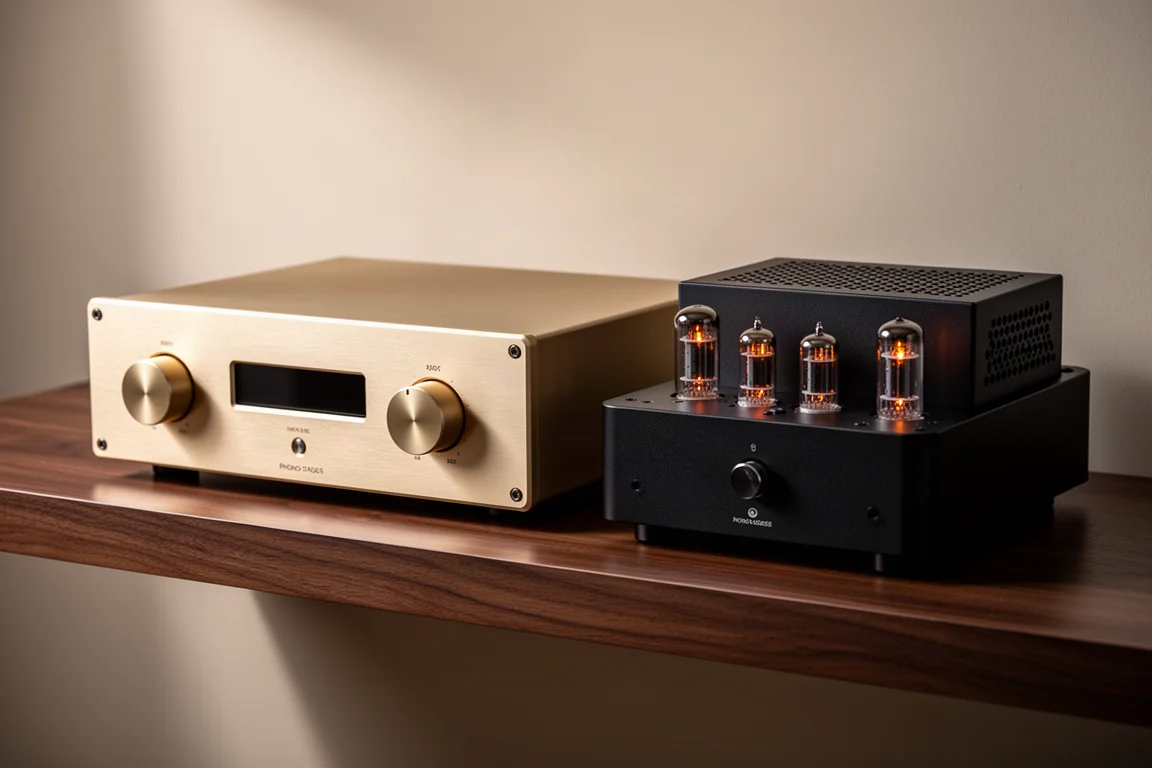
Accuphase C-57 vs Allnic H-7000V: Two High-End Phono Stages Compared
A fully balanced solid-state phono stage with a pitch-black noise floor meets a tube design built for well-loved records. Here is how to choose between them.
Hi-Fi Audio
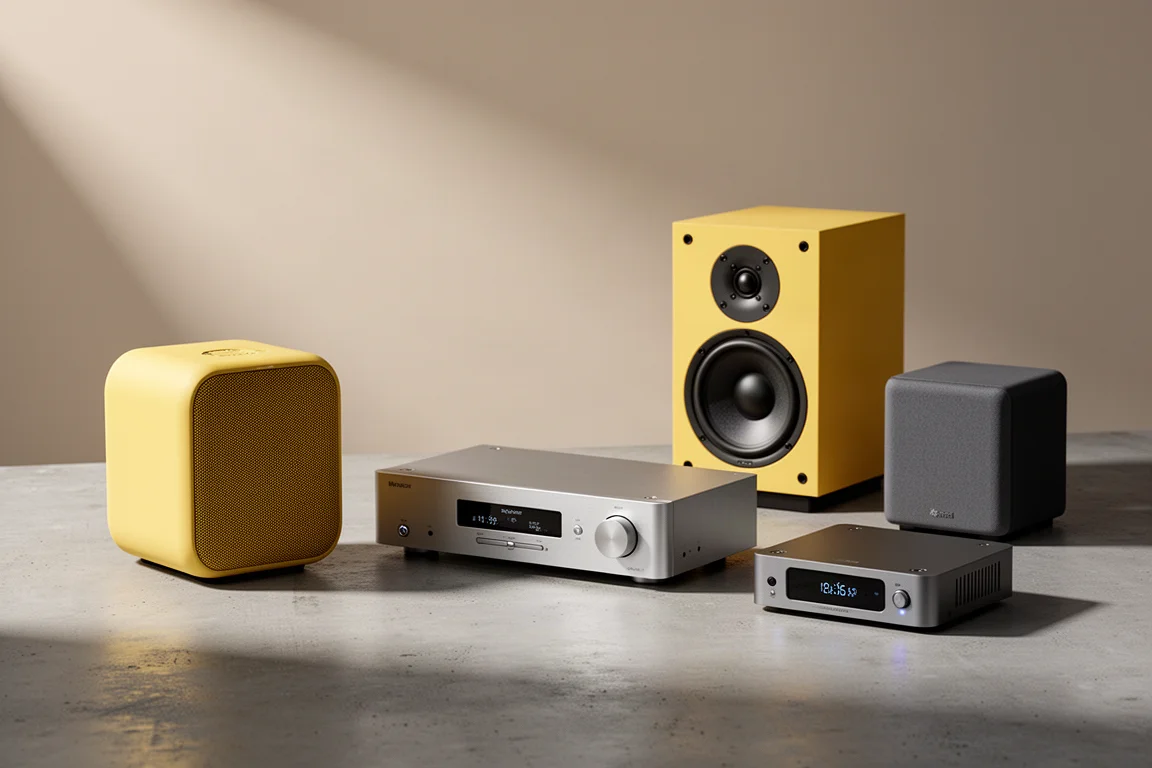
Active vs Passive Hi-Fi: Five Components for a Modern System
Five components that define modern active and passive hi-fi systems, with the strengths, trade-offs and setup details worth weighing before you buy.
Hi-Fi Audio
Advance Paris A10 Apex Review: A Hybrid Integrated Amplifier That Covers a Lot of Ground
A French hybrid integrated amplifier with a class A tube preamp stage, analogue power meters, and an internal DAC and phono stage good enough to make extra boxes unnecessary.