Audio Cables
GR Research Power Cable Review: What It Changes and What It Does Not
A long-term look at the GR Research power cable, its noise-rejecting geometry, the soundstage effects reported over months of listening, and the practical details worth weighing first.
Introduction
Power cables are one of the most contested corners of hi-fi. The GR Research power cable is a heavy-duty design built around a noise-rejecting geometry rather than a conventional twisted pair, and it is offered in two models. What follows is a practical look at what this cable does in a real system, what it does not do, and the details worth understanding before spending money on it.
One point of honesty up front: no manufacturer measurement data was found showing that power cables produce a meaningful sonic change, and nothing here should be read as laboratory proof. This is a listening account gathered over roughly a year, in a room and system that stayed familiar enough to make small differences easier to judge.
Who This Power Cable Is For
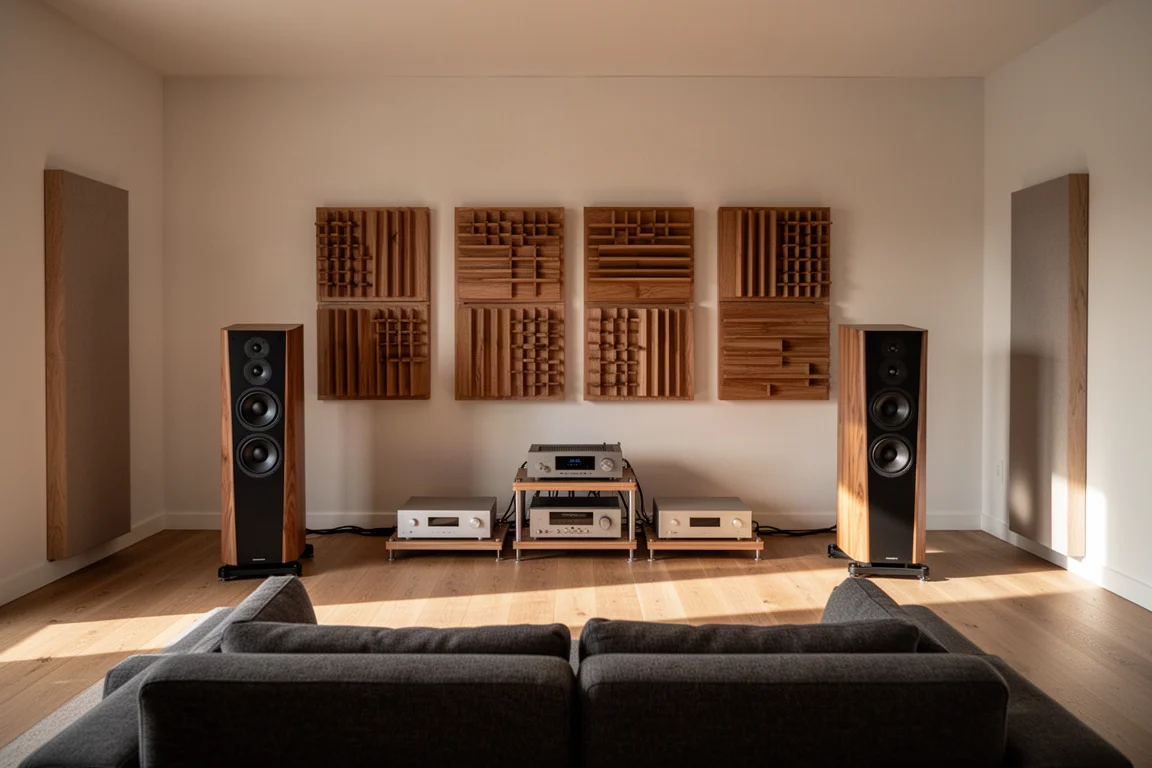
This cable makes the most sense for listeners who have already done the larger work. That means speakers positioned with real physical distance from the wall behind them, some form of room treatment, and electronics that already render a sense of depth and layering. Cables are best treated as the final step in a system, not the first one.
It is also aimed at people who simply do not want to run the thin stock cord that ships with an expensive component. If a system is already built around quality source gear and amplification, replacing the standard power cords with something thicker, better shielded and better terminated is a reasonable finishing move.
If you need measurements on paper before you believe any of this, that expectation will not be met here, and that is a fair position to hold.
Main Strengths: Soundstage Depth and Width
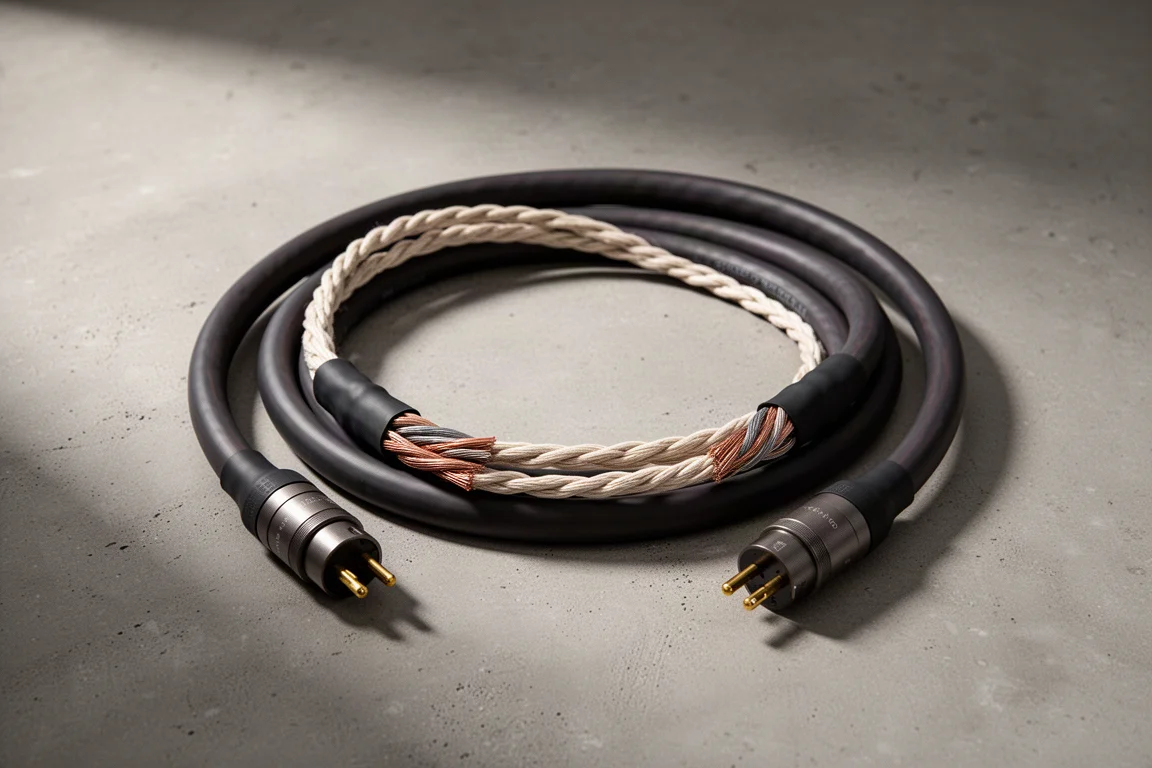
The design detail that stands out is the geometry. Remove the outer sleeve and you find a conductor layout built for noise rejection, with a cotton rope running through the centre to hold that geometry in place. Similar-looking constructions exist elsewhere, but the cotton core is a distinctive part of this design. Noise rejection of this kind can be measured, though the effect sits well outside the audible band once the cable is connected to an amplifier or source device, so it should not be read as a direct explanation for any listening impression.
The consistent subjective finding over long-term use was a wider and deeper soundstage, along with a slight smoothing of high frequencies that sit on the edge of brightness. It is not a fix for genuinely bright speakers, more like a very gentle filter. The soundstage effect was the more noticeable of the two, and it became clearer when several cables were used across the chain rather than just one.
Long-Term Listening Notes
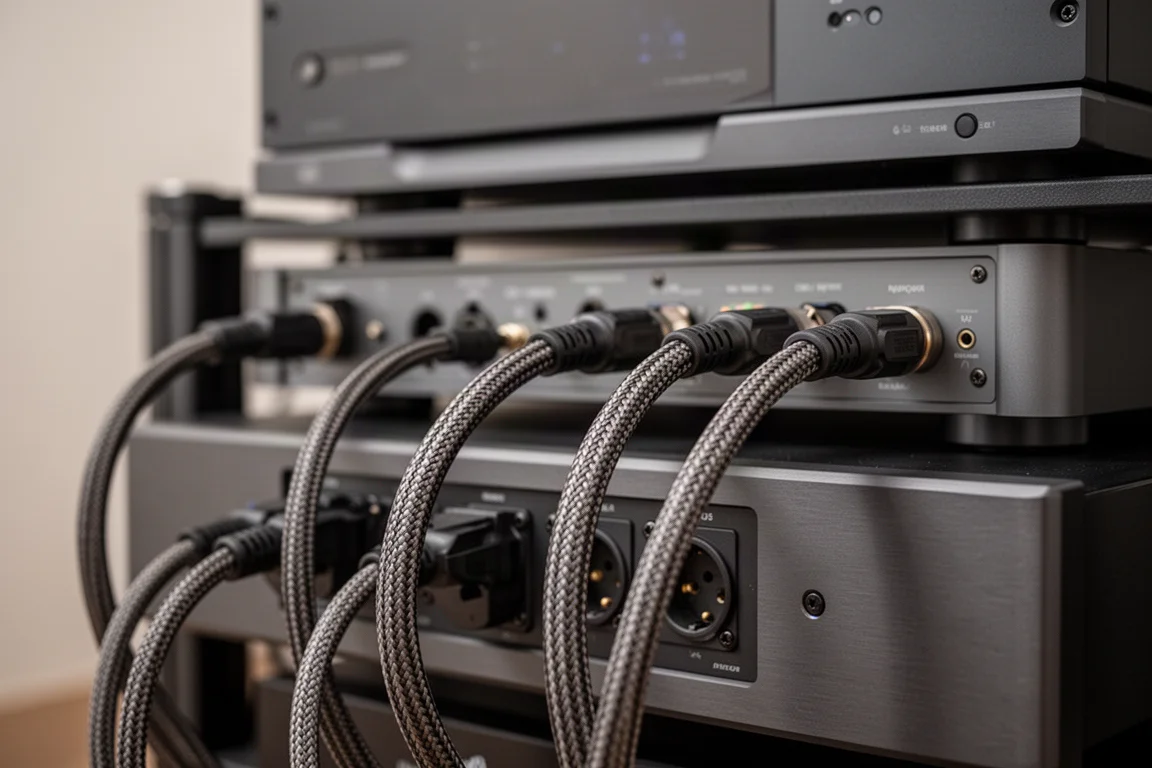
Six to eight cables were used across roughly a year, which is enough time to separate a consistent characteristic from a passing impression. The most useful pattern was where the cable was placed. Adding one to a preamplifier, DAC, streamer or CD player produced a more audible change than adding one to a power amplifier alone, where the difference was minimal.
With cables fitted to the source components and the amplifier, the impression was of progressively more depth and layering, with instruments sitting further into the recording rather than pushed back. The change was never dramatic, and it depended heavily on the rest of the system being able to reproduce that depth in the first place.
Across that period the cable behaved predictably rather than dramatically. Nothing about the change was obvious in a quick swap, which is exactly why the evaluation was stretched over months of familiar material instead of a short afternoon of listening.
Blind A/B Comparison Notes
A blind comparison was run with the cable on the power amplifier swapped out of sight by a second person, while the rest of the chain kept the same cables throughout. Across 20 trials, 16 correct identifications were recorded, or 80 percent. That is below the 90 to 95 percent threshold usually required for a statistically significant result, so it should be treated as an interesting outcome rather than proof.
The cue that gave the cable away was depth. The stock cable placed the sound closer and more forward, while the GR Research cable placed it further back. The difference was easier to catch on well-recorded material chosen specifically because the depth in the recording is easy to hear. This kind of test is best treated as entertainment, since it still depends on trusting the person doing the listening.
Things to Consider Before Buying
Several practical points matter as much as the sound.
- Speaker placement comes first. If the speakers sit close to the wall behind them, there is no physical depth to reproduce, and no cable will create it.
- The rest of the system has to be capable of depth. Amplifiers known for speed and dynamics rather than soundstage, such as compact integrated designs using Class D modules, showed little change, while tube-based monoblocks with a naturally deep presentation responded clearly.
- Music choice matters. Dense, busy material such as heavy metal revealed very little, while well-recorded jazz and vocal tracks made the difference easier to hear.
- The cable is stiff. It loosens with use over months, but it is noticeably less flexible than thinner designs and needs space to route, which can be a problem in a rack pushed tight against a wall.
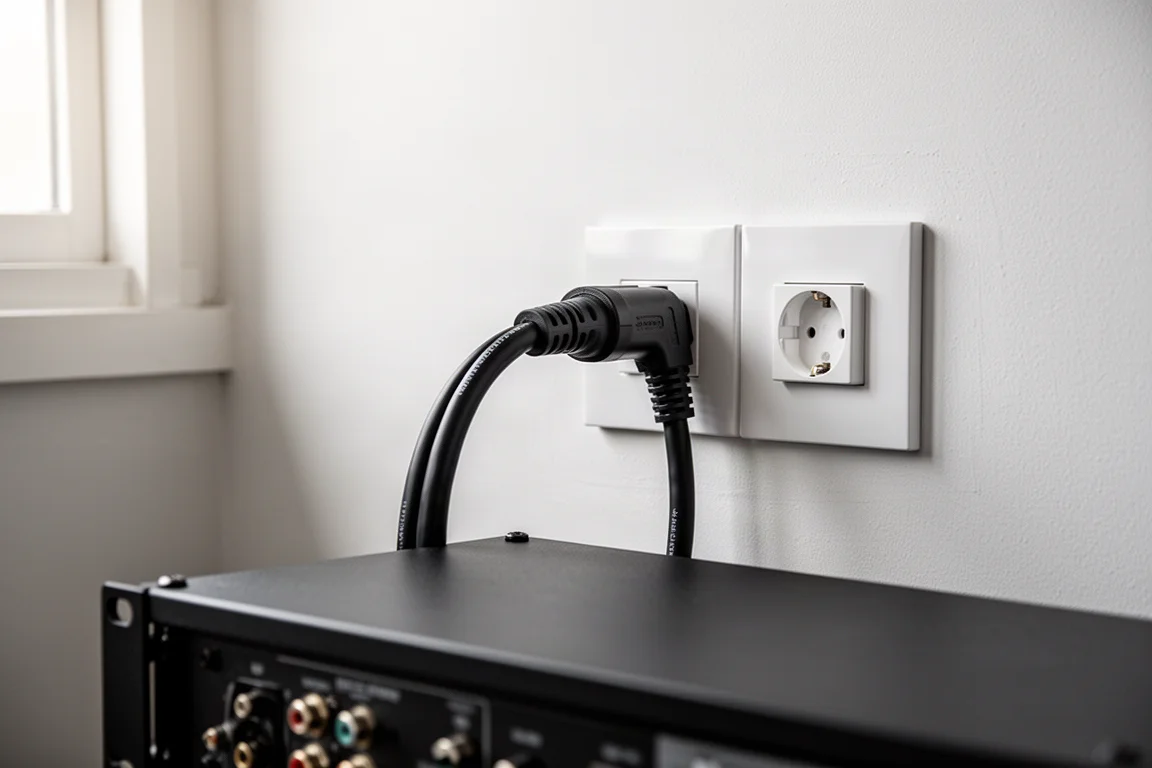
- The connectors fit very snugly, tighter than some competing audiophile cables. Removal should be done slowly with a gentle wiggle rather than a straight pull, and better-quality wall sockets are worth considering so a standard socket is not damaged.
- The heat shrink at the terminations can work loose over time and may need to be pushed back into place.
- Expectations should stay realistic. Repositioning speakers will always make a far larger difference than any cable change.
None of these points are deal-breakers on their own, but together they explain why this cable suits a planned upgrade rather than an impulse purchase.
Where the Cable Made the Least Difference
The effect was smallest in three situations: when only a single cable was used, when the amplifier in the chain was not itself strong at rendering depth, and on recordings that are dense and not captured with much spatial information. In those cases the high-frequency smoothing was still faintly present, but the soundstage change largely disappeared. That pattern is worth remembering, because it suggests the cable amplifies what a system already does rather than adding something new.
Buying Advice
The sensible approach is to buy cables last. Get speaker placement, room treatment and component choice settled first, then consider replacing stock cords on the components you care about. Prioritise source components such as the streamer, DAC, preamplifier or CD player before the power amplifier, and use more than one cable if soundstage depth is the goal.
Buy it because you want a thicker, better-constructed cable with a genuinely thoughtful geometry on the back of serious equipment, not because it will transform a system. On that basis it is an easy recommendation for a carefully assembled setup.
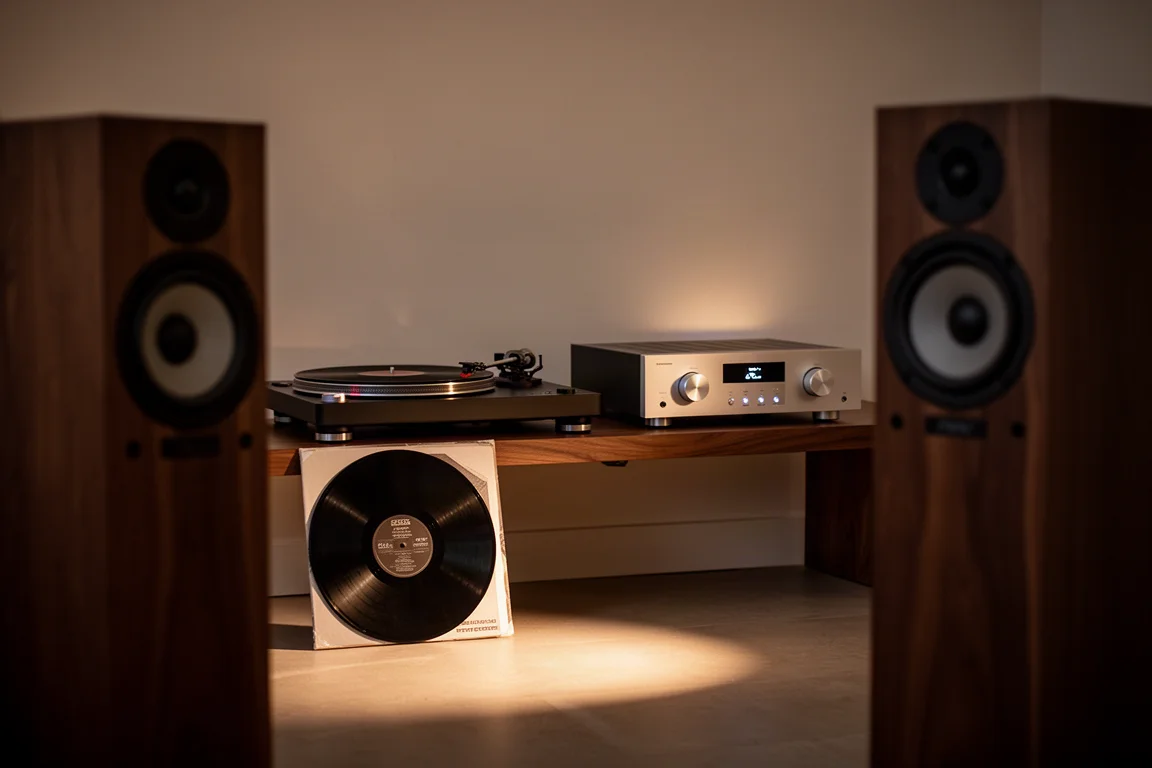
If the goal is a permanent system built around careful component choices, this cable fits that plan well.
Conclusion
The GR Research power cable is a well-engineered design with a real point of view: a noise-rejecting geometry held in shape by a cotton core, heavy construction, and snug, high-tolerance connectors. Over long-term listening it was associated with a wider, deeper soundstage and slightly smoother highs, most clearly when several cables were used across source components in a system that already produced depth. It will not fix a bright speaker or a room that cannot create space, and it is not a substitute for speaker placement. For a finished system where the last few percent matter, it is a reasonable final upgrade.
Product link
View more details for GR Research Power Cable
This product is mentioned in the review. Check the specifications, options, and compatibility before buying.
View more details for GR Research Power CableFurther reading
Related Reviews
Audio Cables
AudioQuest NRG Z3 Review: A Premium Power Cable in a Level-Matched Blind Test
The AudioQuest NRG Z3 is a heavy-duty AC power cable at a premium price. Here is what a level-matched blind comparison revealed about its bass, treble, and midrange character.
Audio Cables
NRG Cables Review: Handcrafted Power and Speaker Cables Explained
A practical look at NRG's handcrafted Canadian power and speaker cables, covering 4N copper conductors, high-copper custom connectors, real-world handling, listening notes and buying advice.
Audio Power Supplies
AIYIMA 48V 5.2A Power Supply Review: More Headroom, One Audible Catch
A higher-voltage supply for the AIYIMA A07 that adds low-end weight and a fuller bottom end, but also brings an audible tone around 1,600 to 1,700 Hz at higher volume settings.