Audio Cables
AudioQuest NRG Z3 Review: A Premium Power Cable in a Level-Matched Blind Test
The AudioQuest NRG Z3 is a heavy-duty AC power cable at a premium price. Here is what a level-matched blind comparison revealed about its bass, treble, and midrange character.
Introduction
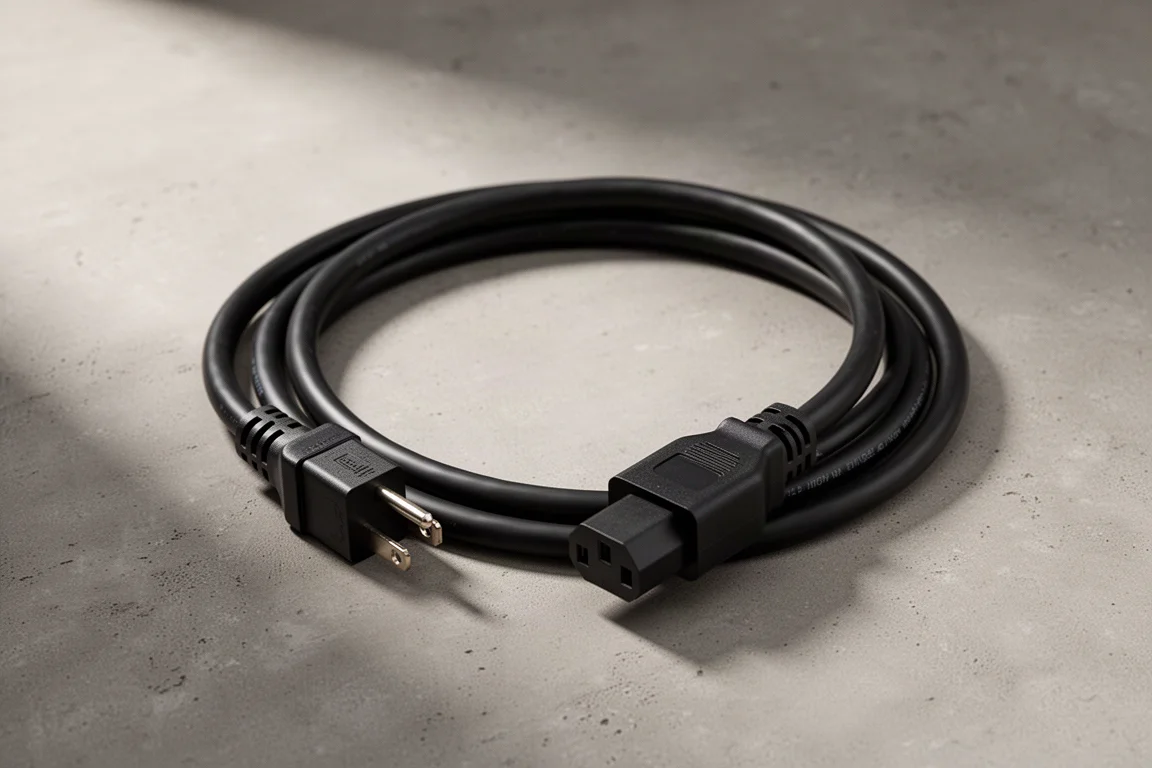
The AudioQuest NRG Z3 sits at the top end of what most people would ever spend on an AC power cable. The 2 m version is priced around $350, and the 1 m version around $250, which puts it firmly in premium accessory territory next to a stock cable that costs a few dollars.
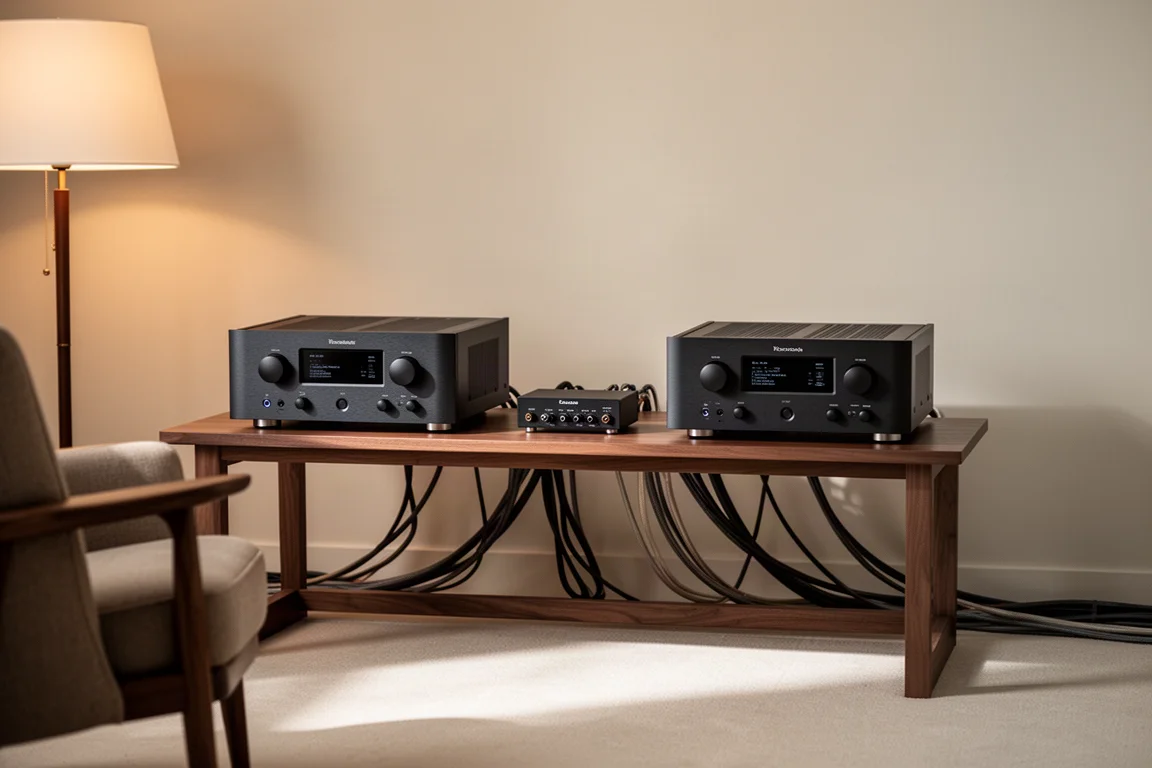
That price gap is exactly why the cable deserves a fair hearing rather than an automatic dismissal. In a blind, level-matched comparison, the NRG Z3 and a stock power cable were run into two identical amplifiers, with the switching handled so the identity of each cable stayed hidden. The result was more interesting than a simple win or loss for either side.
What follows is a breakdown of how the comparison was built, what the NRG Z3 does well, where the stock cable gave it a genuine fight, and who should realistically consider spending this much on a power cable.
How the Blind Comparison Was Set Up
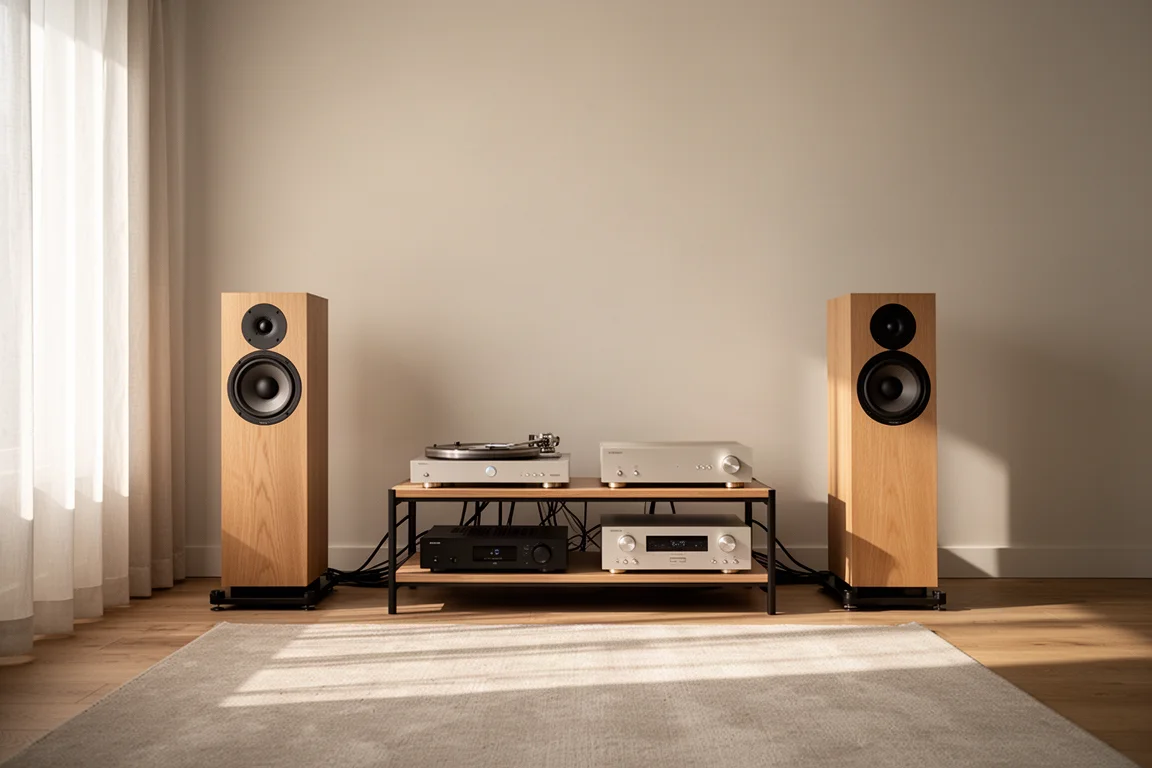
The goal was to remove as many variables as possible. Two identical amplifiers were used, fed by identical RCA cables from a single DAC. The DAC signal went into a preamp, and the preamp outputs ran into both amplifiers at once, so the only difference between the two signal paths was the power cable attached to each amp.
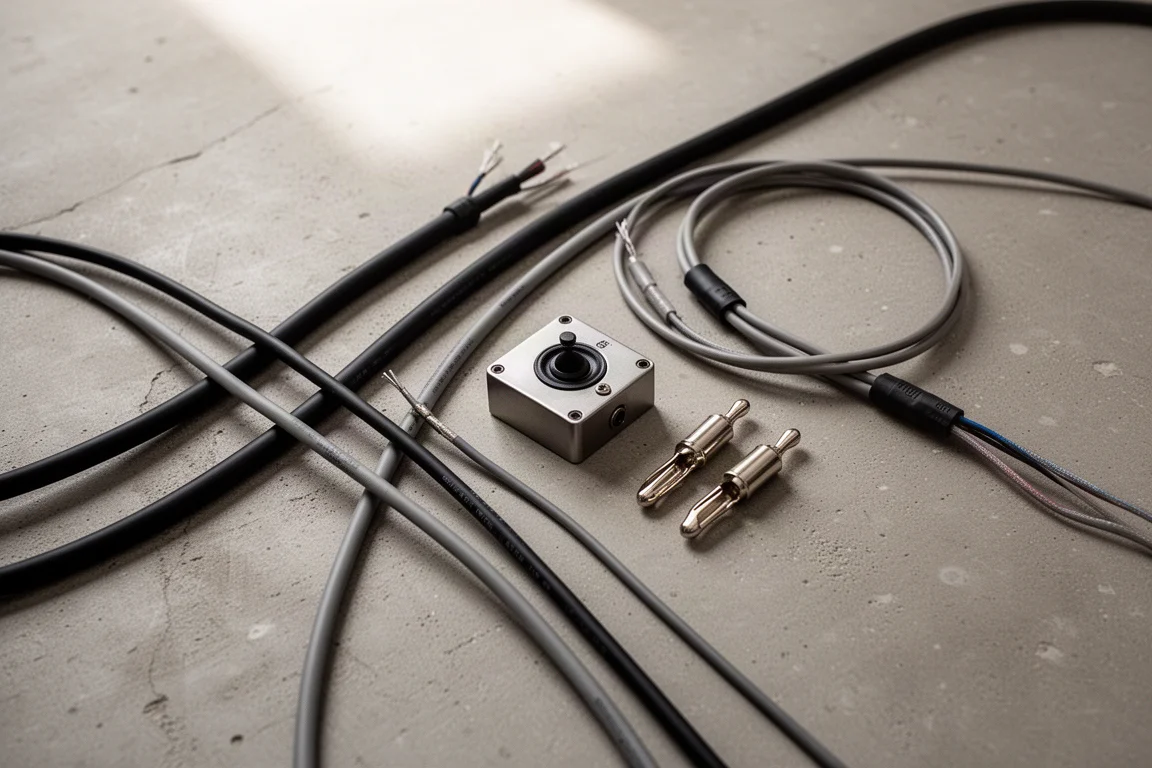
Both amplifiers were level matched to within a tenth of a decibel, which matters because even a small volume difference tends to be heard as better rather than louder. The same speaker cables and banana plugs were used on both sides, and switching was done through a speaker switch box rather than by reconnecting anything. The cable runs were shuffled before listening began, so there was no way to tell which amplifier had which power cord.
That setup is not a laboratory-grade test, but it is a careful one, and it kept the comparison honest.
What the AudioQuest NRG Z3 Offers
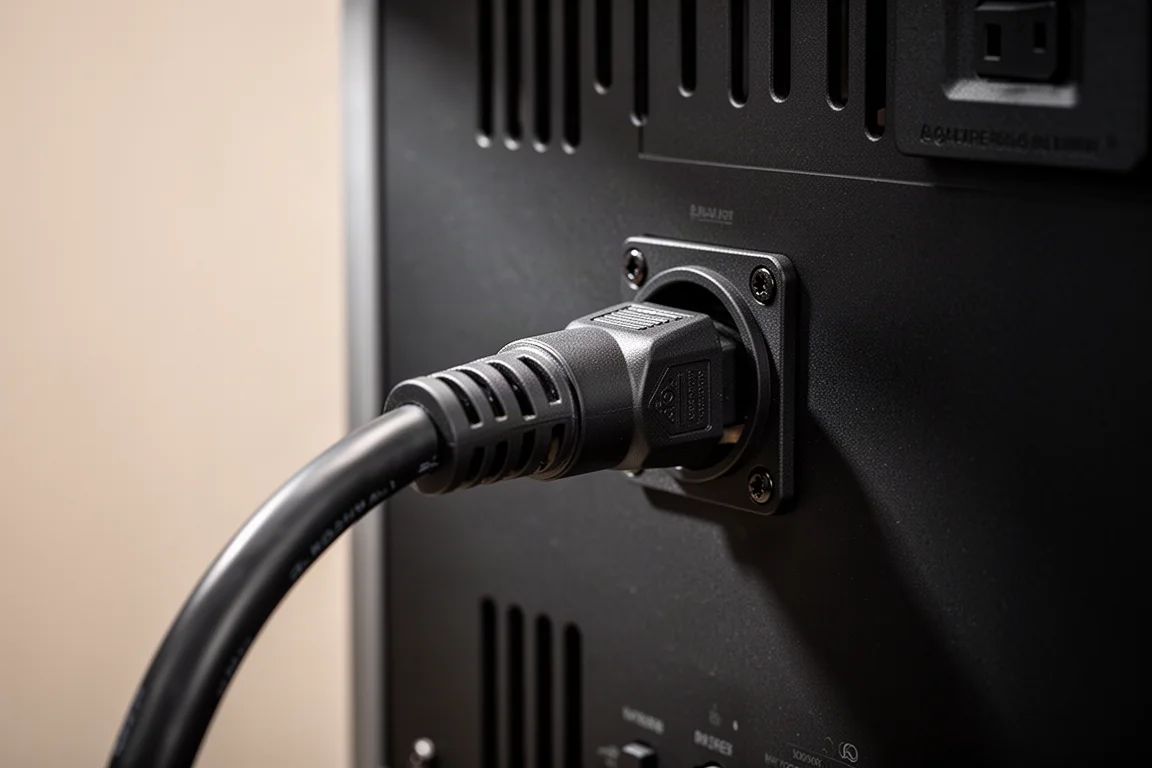
The NRG Z3 is a substantial piece of hardware. The jacket is thick and the connectors are heavy, giving it the feel of a component rather than an accessory. That mass has a practical side effect: the cable is stiff enough that a lighter component can be pulled or tipped if the run is not routed carefully behind a rack.
AudioQuest also offers the NRG Y3 at around $150 for listeners who want a step up from a stock cable without going to the top of the line. The NRG Z3 is the more expensive of the two, and the 2 m length costs more than the 1 m.
Main Strengths: Build Quality and Bass Presence
The clearest and most repeatable difference in the comparison was low-end presence. On bass-heavy material, the amplifier running the NRG Z3 produced noticeably more bass weight than the stock cable, and that difference held up across repeated switches rather than appearing once and fading.
Treble was the other area where the NRG Z3 came across as the more controlled option. Cymbals sounded less prominent and sat more naturally within the rest of the mix, which made busy recordings easier to follow over longer stretches.
Midrange was the more complicated story. The NRG Z3 sounded slightly fuller and more robust on vocals and guitars, but it did not always present them as far forward as the stock cable did, and on some tracks that forwardness was missed.
Where the Stock Cable Held Its Own
The stock cable was not simply a worse version of the same sound. It had its own character, and on certain recordings that character was genuinely appealing.
Vocals and guitars came across as more forward, which gave some tracks a drier, more immediate feel. The top end was brighter and more pronounced, with cymbals and high-frequency detail pushed further into the foreground. On a handful of tracks, that added brightness was heard as spicy rather than natural.
The stock cable also produced a larger sense of space. Instruments seemed to be layered with a little more distance between them, and on one acoustic recording the lead instrument sat further in front of the drums. Width was broadly similar between the two, but the impression of depth and separation was stronger with the stock cable.
Worth noting: the guess about which cable was which turned out to be wrong. The amplifier that was assumed to be running the premium cable was in fact running the stock cord, and the preference on several tracks landed with the cable that was not the more expensive one. That is a useful reminder of how much expectation shapes listening.
Things to Consider Before Buying
The differences described here were audible in a carefully matched setup, but they were not uniform. Some tracks made the two cables easy to tell apart, while others, particularly sparse acoustic material with a single prominent vocal, made the comparison genuinely difficult. Anyone expecting every recording to transform is likely to be disappointed.
The price is the other obvious consideration. At roughly $350 for the 2 m version, the NRG Z3 costs many times more than a stock cable, and the improvement is a matter of character and degree rather than a night-and-day change. That is a fair amount of money for a subtle shift in balance.
Finally, the physical build deserves thought. The cable is heavy and stiff, and it can pull on a lightweight component or tip it over if the run behind the rack is not arranged well. Systems with tight clearance or very light source components should plan the routing before buying.
Buying Advice
The NRG Z3 makes the most sense for listeners with a resolving system who want more low-end weight and a slightly more relaxed top end, and who are comfortable spending premium money on a power cable to get there. In the comparison, those two traits were the consistent ones.
Listeners who value a forward midrange and a brighter, more spacious presentation may actually prefer what a stock cable does, and there is nothing wrong with that outcome. The comparison here did not produce a universal winner, only two different balances.
If the price is hard to justify, the NRG Y3 at around $150 is the more accessible option in the same family. Either way, the sensible approach is to treat a power cable as a fine-tuning step rather than a fix, and to buy from a seller with a straightforward return policy so the cable can be evaluated in your own system.
Conclusion
The AudioQuest NRG Z3 is a well-built power cable that produced audible differences against a stock cord in a level-matched blind comparison, most clearly in bass presence and treble behaviour. It also lost on several tracks to a cable costing a fraction of the price, which is the more surprising part of the story.
For listeners chasing more low-end weight and a smoother top end in an already capable system, the NRG Z3 is worth auditioning. For everyone else, the honest takeaway is that a power cable changes character rather than delivering an obvious upgrade, and the stock cable in the box may already suit your taste.
Product link
View more details for AudioQuest NRG Z3
This product is mentioned in the review. Check the specifications, options, and compatibility before buying.
View more details for AudioQuest NRG Z3Further reading
Related Reviews
Audio Cables
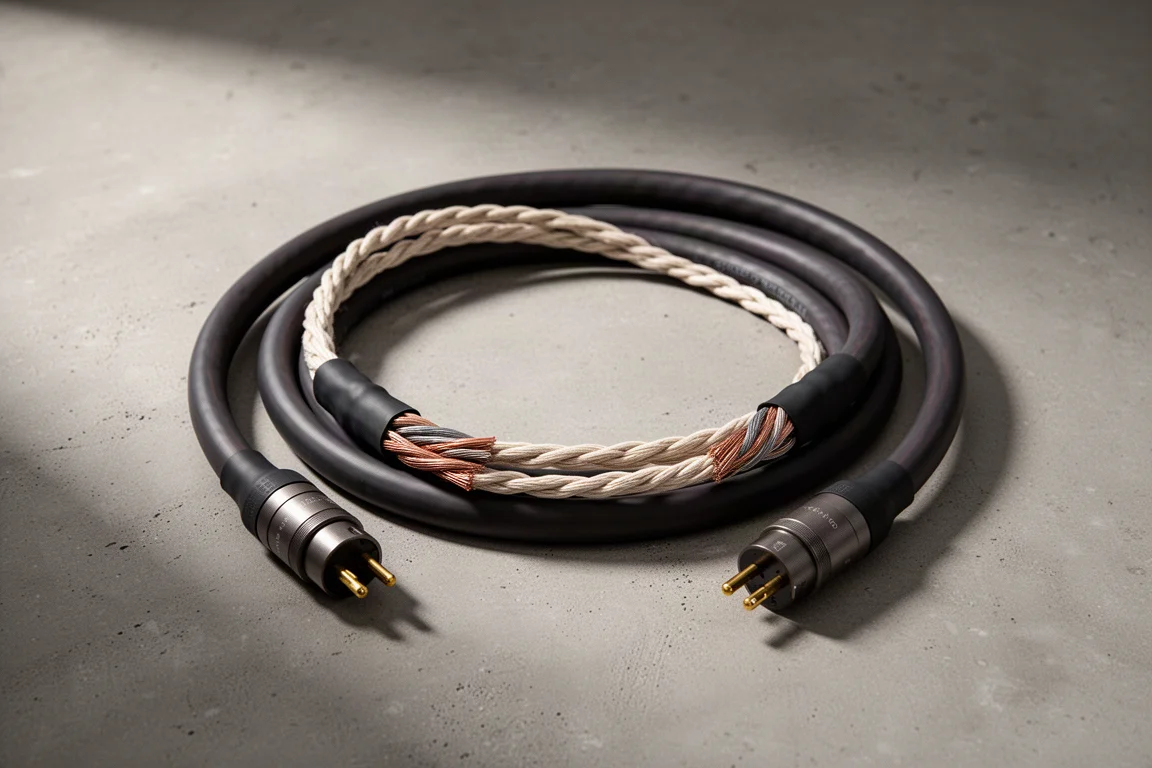
GR Research Power Cable Review: What It Changes and What It Does Not
A long-term look at the GR Research power cable, its noise-rejecting geometry, the soundstage effects reported over months of listening, and the practical details worth weighing first.
Audio Cables
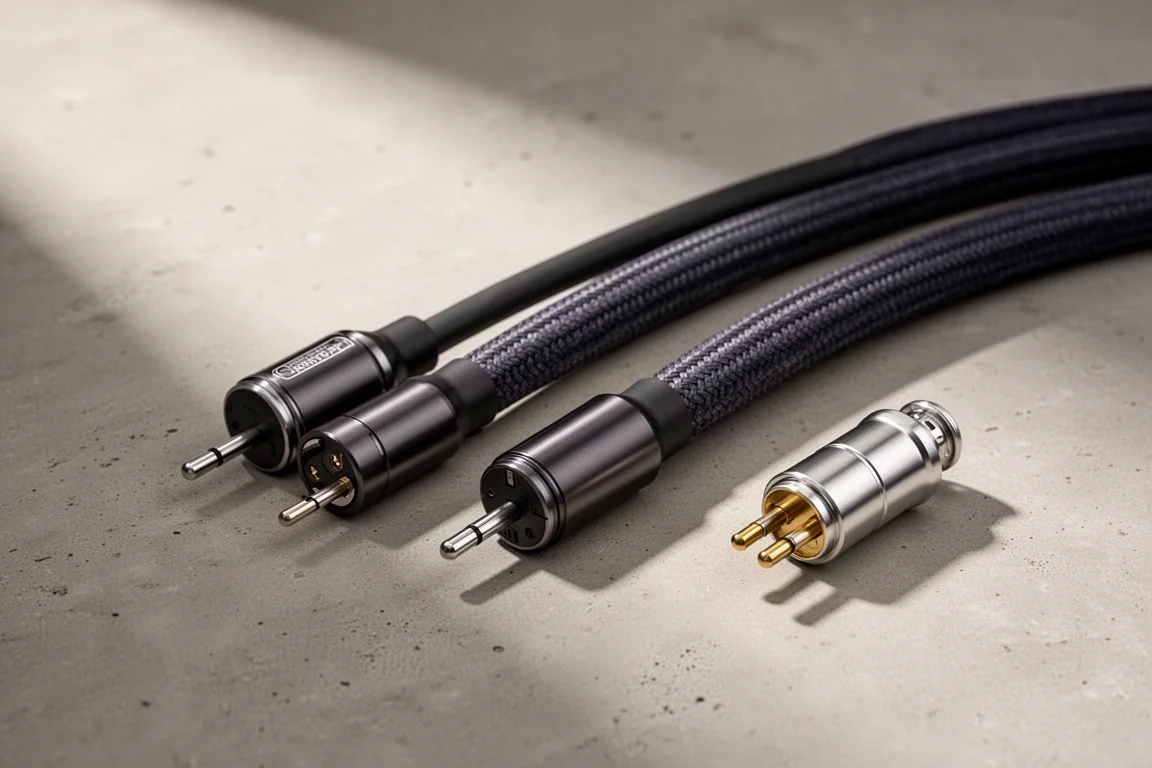
NRG Cables Review: Handcrafted Power and Speaker Cables Explained
A practical look at NRG's handcrafted Canadian power and speaker cables, covering 4N copper conductors, high-copper custom connectors, real-world handling, listening notes and buying advice.
Audio Power Supplies
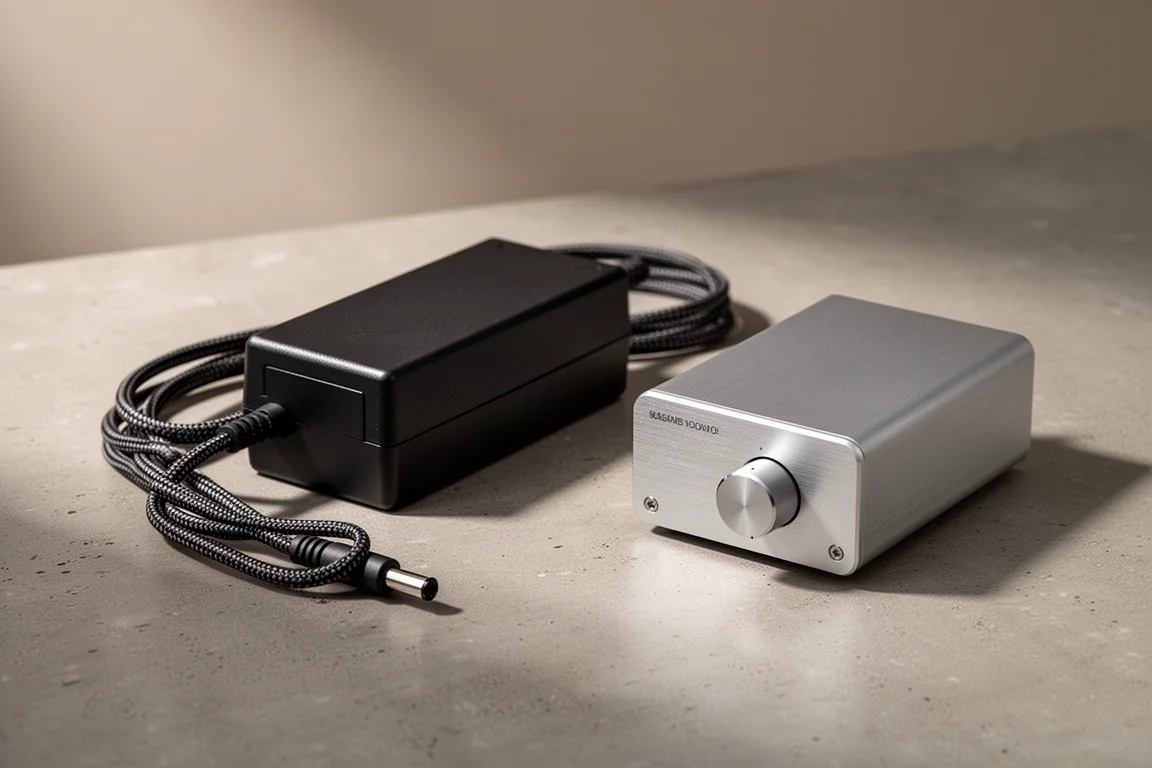
AIYIMA 48V 5.2A Power Supply Review: More Headroom, One Audible Catch
A higher-voltage supply for the AIYIMA A07 that adds low-end weight and a fuller bottom end, but also brings an audible tone around 1,600 to 1,700 Hz at higher volume settings.