Ultralight Tents
Gossamer Gear The Two vs Zpacks Duplex: Two Ultralight Tents Compared
A close look at two single-wall ultralight shelters: the fast-pitching Gossamer Gear The Two at around $320 and the long-established Zpacks Duplex at around $699.
Introduction
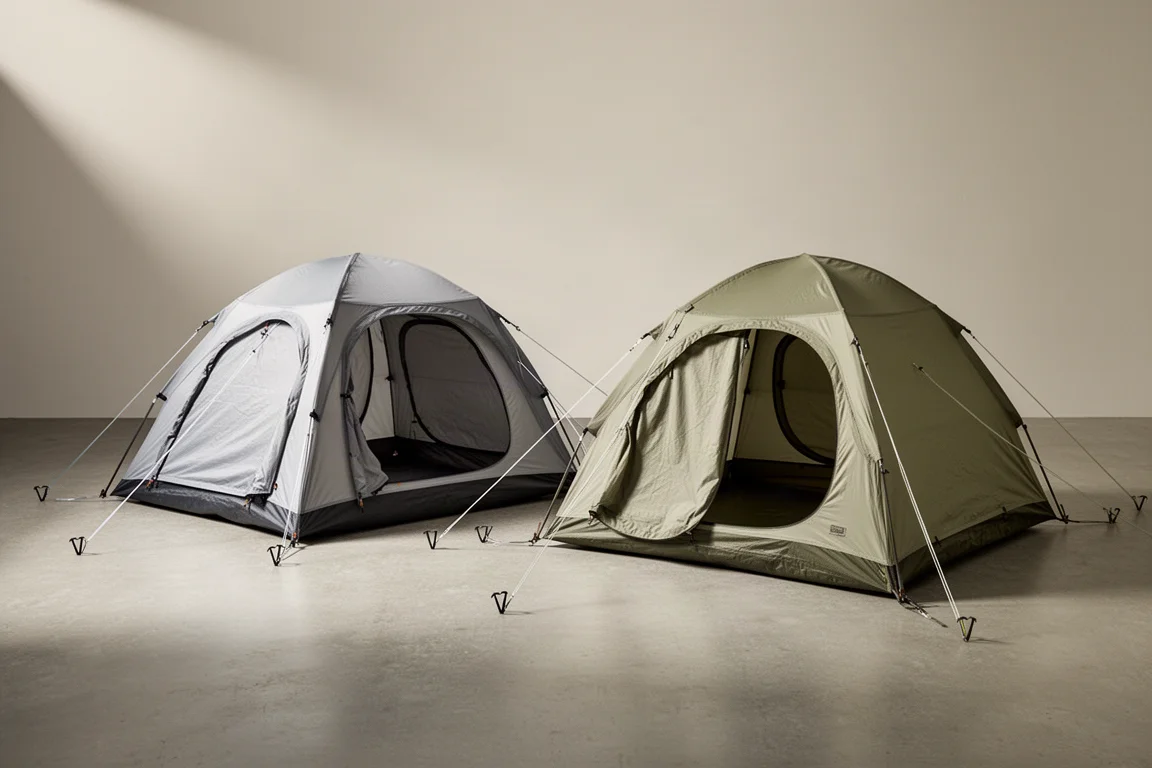
Ultralight shelters ask for a different kind of trust than a conventional double-wall tent. They trade fabric thickness, structure, and sometimes a little living space for a packed weight that stays reasonable over weeks on a trail. The Gossamer Gear The Two is a single-wall, two-door tent built around exactly that trade-off, and the Zpacks Duplex is the shelter it is most often measured against.
The Two retails at around $320, while the Duplex sits at around $699. That gap is the natural starting point for a comparison, but weight, pitching method, and condensation behaviour matter just as much as the number on the price tag.
What to Look For in an Ultralight Tent
Three numbers shape almost every ultralight decision. Packed weight decides how the shelter feels on a long day. Denier describes the density of the fabric weave, and lower denier means thinner, lighter material that needs more care. Hydrostatic head describes water resistance, and a modest rating is common on tents that prioritise weight above everything else.
Single-wall construction removes the separate inner tent. That saves weight and speeds up pitching, but it also means the fabric you touch at night is the same fabric that faces the weather, so condensation forms directly above and beside you. Ventilation, door count, and airflow through the porch become practical concerns rather than marketing points.
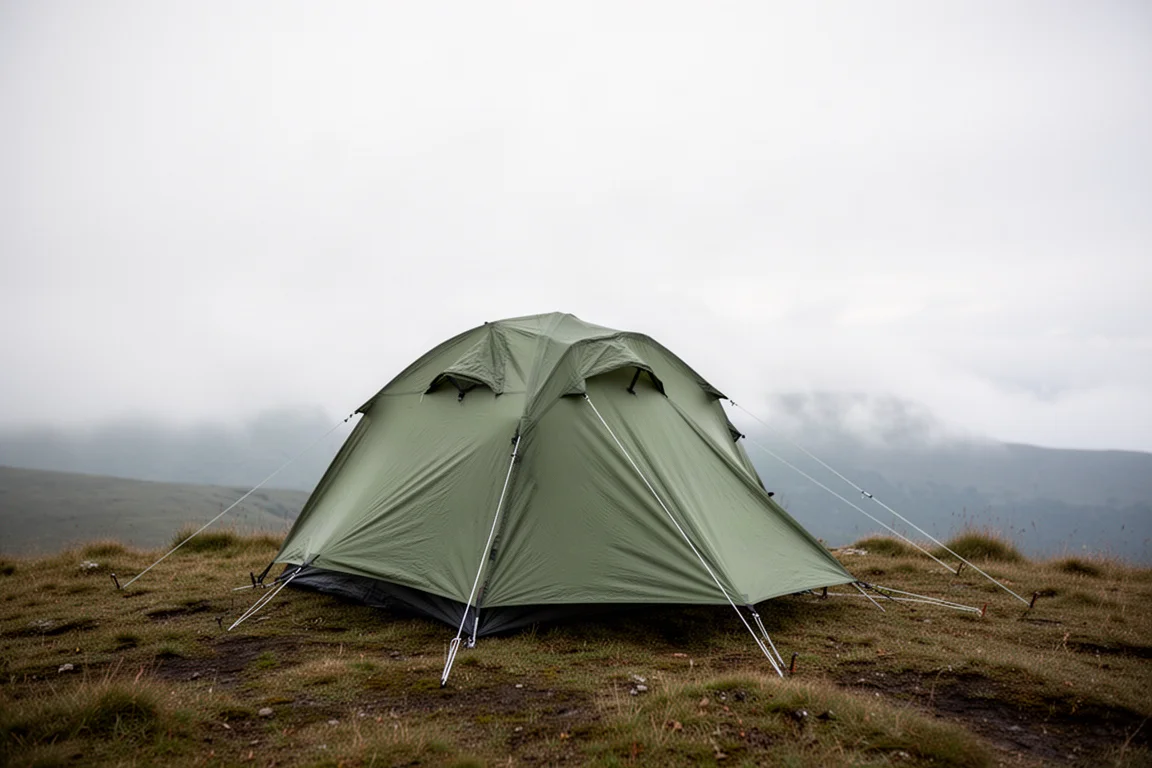
Two doors are worth more than they sound. On a two-person shelter, a door each side means nobody has to climb over anybody at night, and it doubles the options for cross-ventilation when the air is still and damp.
Gossamer Gear The Two: Fast Pitching at Half the Price
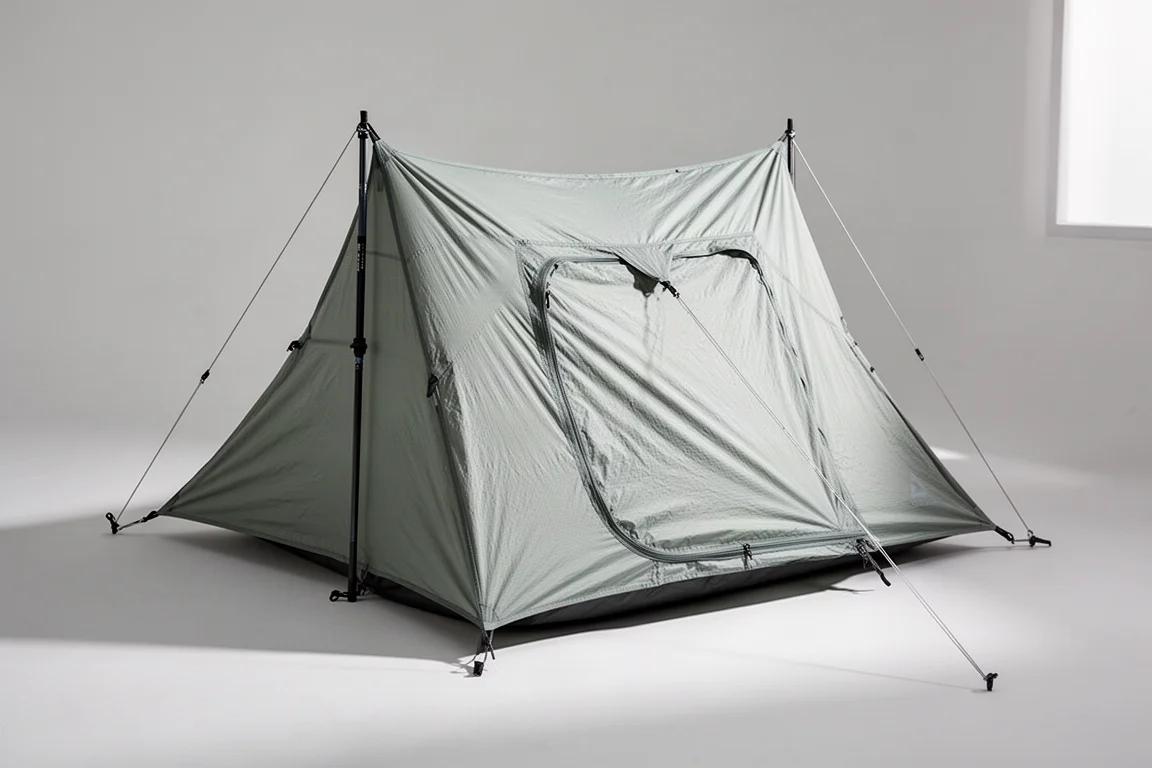
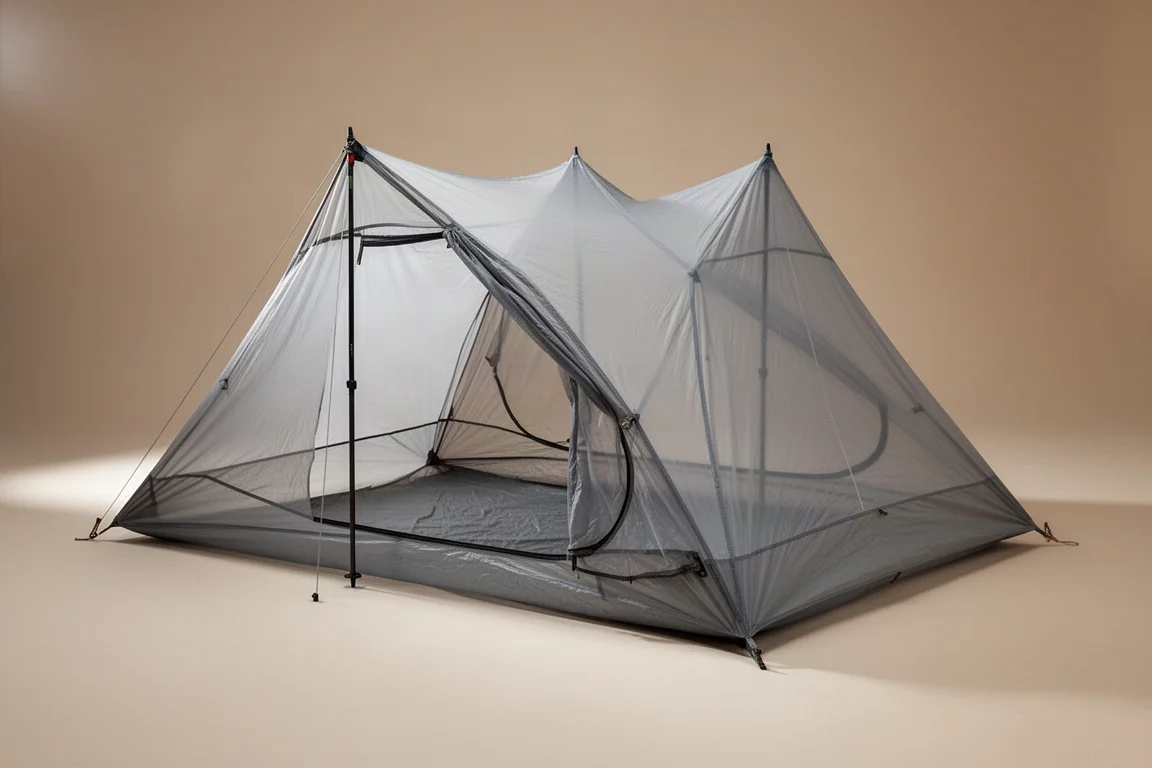
The Two is a trekking pole tent. Two upright poles hold the shelter up, and you can either use your own trekking poles or buy a set of folding tent poles separately. That second option matters for anyone arriving by bike or by horse rather than on foot, because trekking poles make little sense on those trips.
Gossamer Gear lists the tent at 667 g, and that figure grows as you add the guy lines, stuff sack, pegs, and poles. In a full setup the realistic carry weight lands somewhere between 667 g and about 900 g, which is still very light for a two-door, two-person shelter.
Eight V-shaped pegs come with the tent. You can pitch it with as few as six, but using all eight gives a tighter, more stable pitch. The guy lines are 1.8 mm reflective nylon with a 1 mm Dyneema core, and the tensioners on the two front points and the four corners are simple plastic line locks that hold firm once you pull them tight.
Inside the Gossamer Gear The Two
The canopy is 10-denier nylon with an 1,800 mm hydrostatic head, and the bathtub floor uses a denser weave. Factory-taped seams mean the tent is ready to use without a sealing job, which is a genuine convenience on an ultralight shelter and saves an evening of fiddly work before a trip.
Two doors open into two porches, and each door can be clipped back to its guy line so it does not flap through the night. One side of each door has an elastic tie-off point that is easy to work with gloves on. The inner is mostly mesh, which helps breathability and keeps insects out, and the fabric is opaque enough that you are not sleeping inside a glass box.
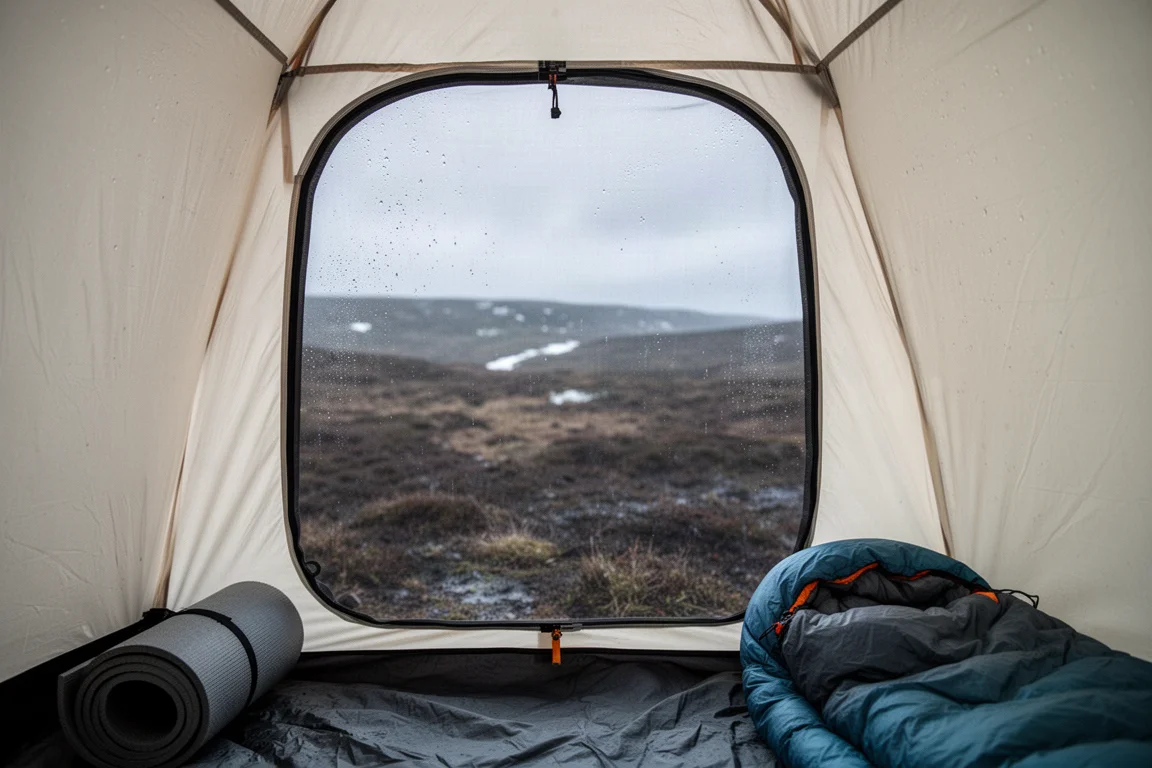
Inside there are pockets on both sides of the doors and a small clothesline with a mini carabiner above the sleeping area, which is more useful than it sounds when you are drying a pair of socks. The porch is generous enough to keep wet gear out of the sleeping space. The doors themselves are on the small side, so taller sleepers may want to try the shelter before committing.
Zpacks Duplex: The Established Long-Distance Benchmark
The Duplex is the shelter the Two is most often compared with, and for good reason. It is one of the tents you see repeatedly on long-distance routes, and it has been a reference point in this category for years. It retails at around $699, roughly double the price of the Two.
The trade-offs run in both directions. In wind, the Duplex is noticeably louder and harder to pitch, while the Two holds its shape with less fuss. If quiet pitching in exposed conditions matters to you, that difference is worth weighing against the Duplex’s established reputation and its long track record on big trails.
Condensation and Single-Wall Trade-Offs
Every single-wall tent collects condensation, and the Two is no exception. Moisture gathers on the inside of the fabric overnight, especially in cold, still conditions. Wind is the best remedy: a breezy pitch keeps air moving through the shelter and carries moisture away before it becomes a problem.
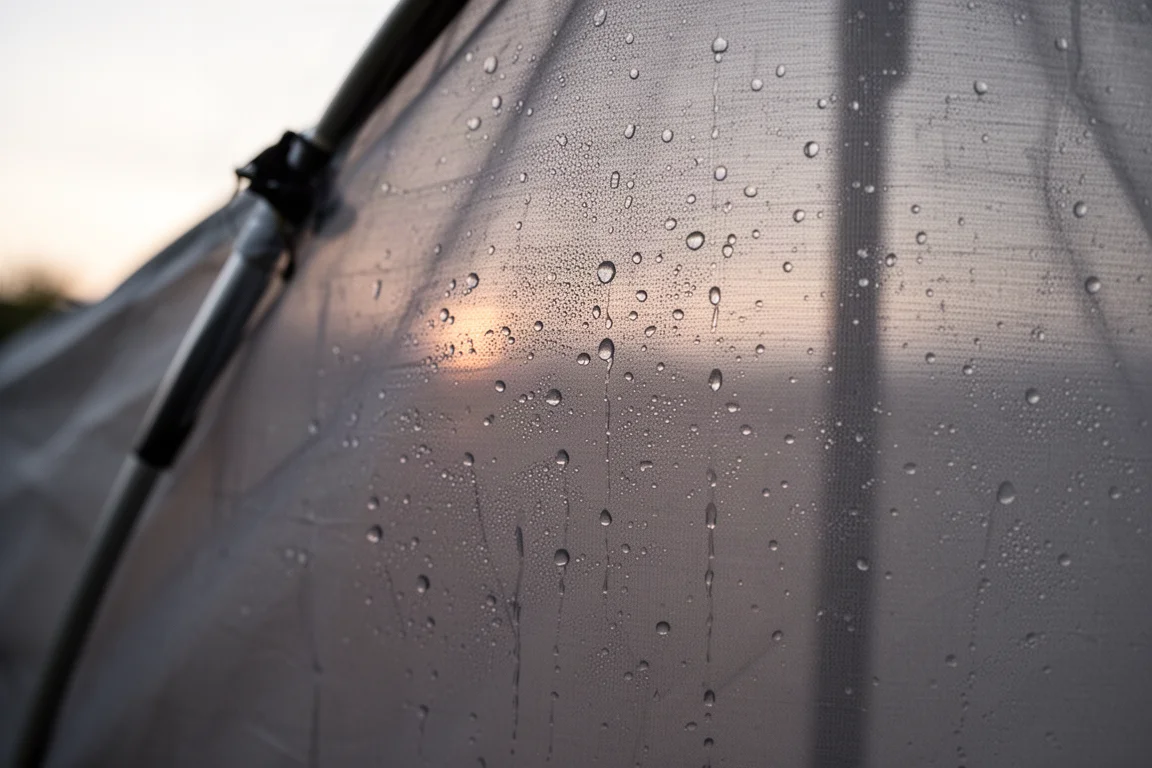
The practical consequence is that a single-wall tent often packs away wet. A double-wall design lets you separate a dry inner from a damp outer, which keeps the sleeping area drier across consecutive wet days. With a single-wall shelter you live with the same fabric inside and out, so a wet morning means a wet pack and a wet pitch again that evening.
The 1,800 mm hydrostatic head is modest for sustained heavy rain, and the groundsheet is thin enough that you feel the cold rising through it. In warmer months and on softer ground that is rarely an issue. On cold, wet, or rocky trips it is worth planning around.
Durability, Care, and Ground Sheets
Ten-denier fabric is light, and light fabric rewards careful pitching. Clear the ground of sharp stones and sticks, and avoid dragging the shelter across rough surfaces. Gossamer Gear has reinforced the tent well, but thin nylon is still thin nylon.
Factory-taped seams remove one chore, though tape can lift over time where it has been pulled tight repeatedly. Check the seams periodically and deal with small lifts before they spread. A footprint is sold separately for extra floor protection, and a warmer sleeping pad will do more for comfort on cold ground than an extra sheet of plastic underneath you.
Which Tent Suits Which Trip
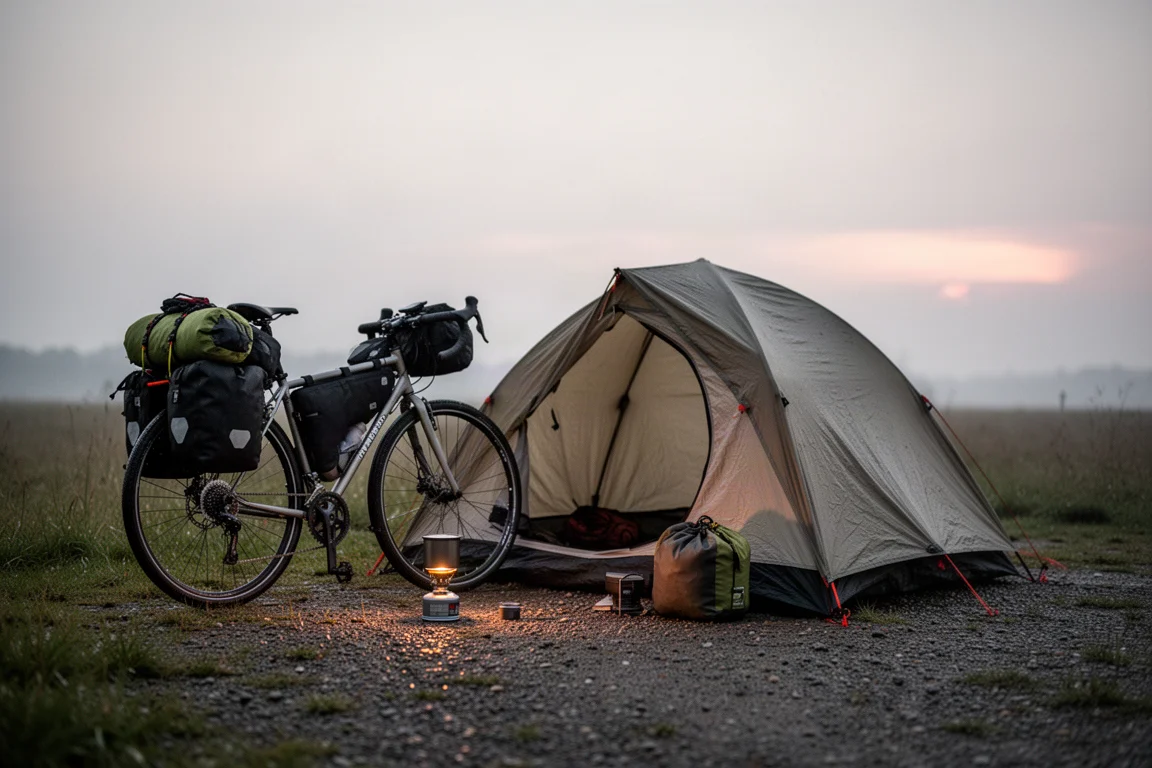
Choose the Gossamer Gear The Two if price, low weight, and an easy pitch matter most. At around $320 it costs roughly half of the Duplex, it goes up quickly, and its two doors and two porches make it comfortable for solo trips and workable for two. It suits backpackers counting grams, bikepackers, and anyone who wants a trekking pole shelter that also works with separately purchased poles.
Choose the Zpacks Duplex if you want the long-established ultralight option and the higher price is acceptable. If you expect long stretches of wind and rain, go in with a condensation plan for either tent: pitch with airflow in mind, keep wet gear in the porch, and air the shelter whenever there is a breeze. Neither tent is a fortress, and both are happiest when the weather is not actively trying to get inside.
Conclusion
The Gossamer Gear The Two and the Zpacks Duplex solve the same problem from different price points. The Two brings fast pitching, a very low weight, and two doors at around $320, while the Duplex remains the benchmark that many long-distance hikers measure their shelter against. Match the tent to your terrain, accept that single-wall means managing condensation, and either one can serve you well.
Further reading
Related Reviews
Ultralight Tents
Sierra Designs Mojo UFO Review: A 1.66 lb Two-Person Tent That Only 50 People Can Own
A rare ultralight two-person shelter built from Cuben fiber and carbon fiber poles, weighing 1.66 lb complete. Here is what it does well and what it costs.
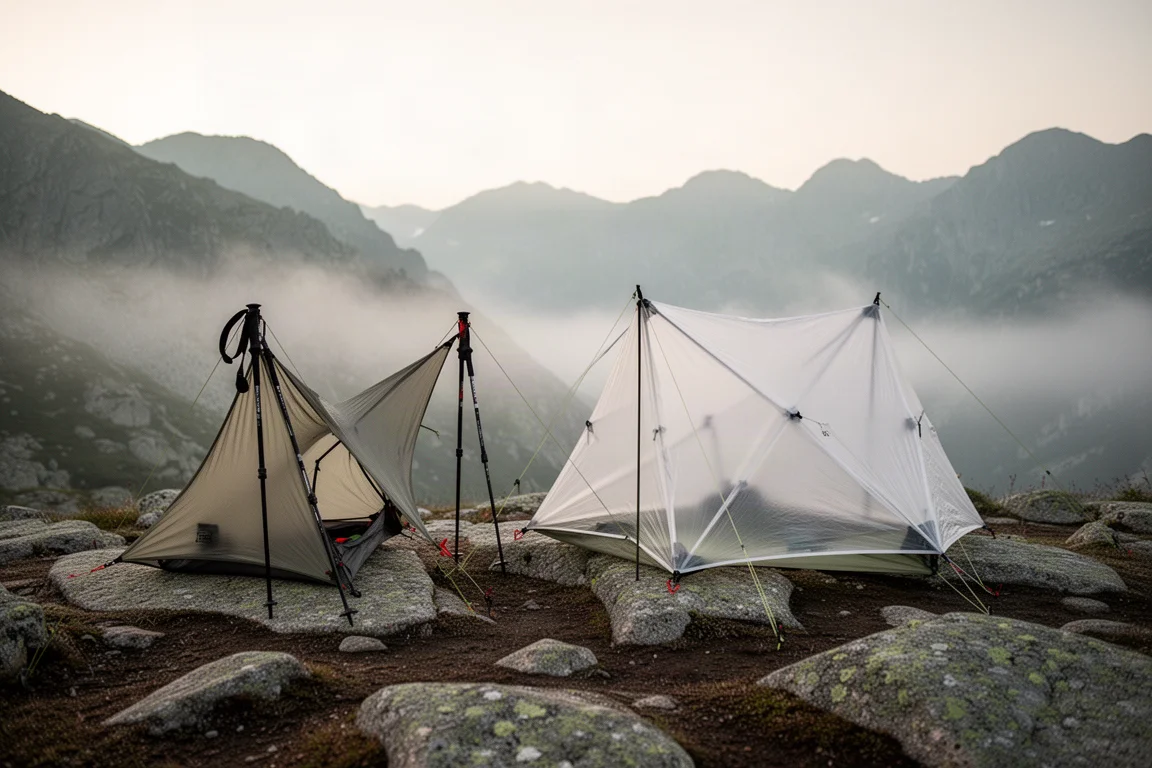
Ultralight Tents
Durston X-Mid Pro and Zpacks Offset Duo: Two Ultralight Trekking Pole Shelters Compared
A practical look at two trekking pole shelters with very different priorities: the compact Durston X-Mid Pro and the roomy Zpacks Offset Duo.
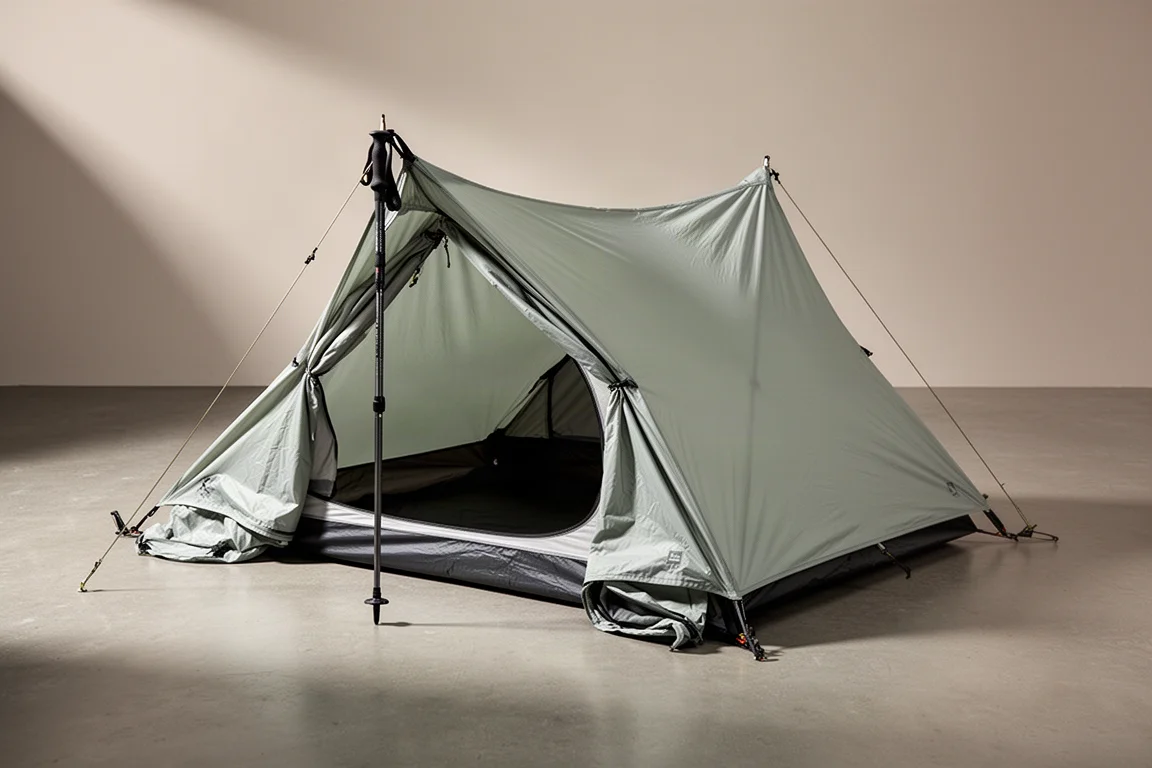
Ultralight Tents
Gossamer Gear The Two Review: An Ultralight Shelter That Pitches Fast
A practical look at the Gossamer Gear The Two, an ultralight single-wall shelter with two doors, factory-taped seams and a packed weight under 900 g.