Action Cameras
GoPro Max 2 Review: 360 Camera Strengths and Trade-offs
A detailed look at the GoPro Max 2's 8K 360 video, durability, and editing workflow, with honest assessment of where it excels and where competitors lead.
Introduction
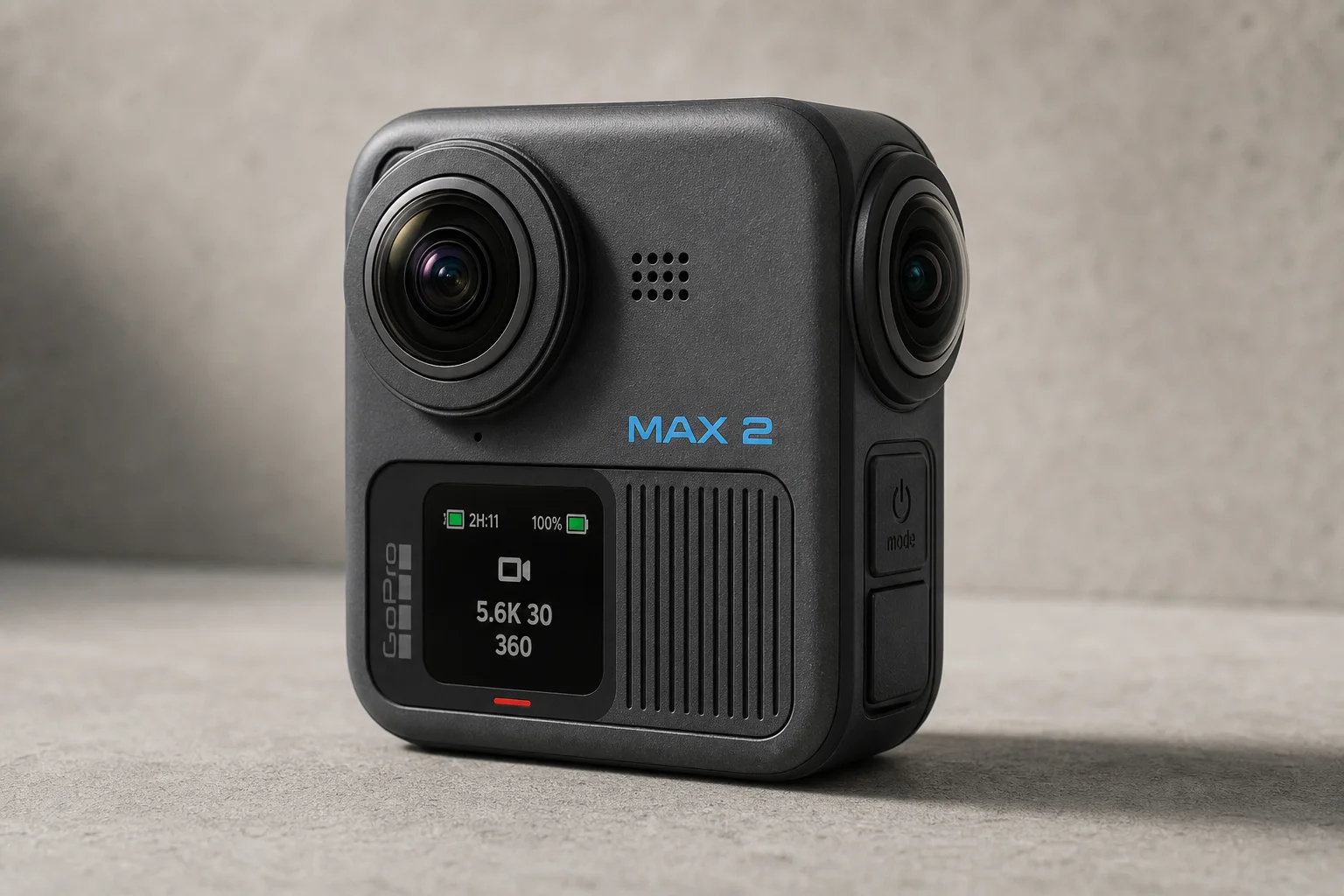
The GoPro Max 2 is a 360 camera that records dual-lens spherical video, offering a fundamentally different creative approach than single-lens action cameras. After extended use, it stands as one of the top 360 cameras on the market, though it arrives with both clear strengths and meaningful trade-offs. This review breaks down the features that matter most to help you decide if the Max 2 fits your filming needs.
Image Quality and 360 Video Resolution
The GoPro Max 2 records 8K 360 spherical video, which represents a significant step up from the original Max’s 5.7K. This full-sphere 8K resolution gives you the flexibility to reframe and pull out flat, high-quality video from any angle within the sphere. For action sports shot in daylight, this wide perspective and high resolution deliver strong results.
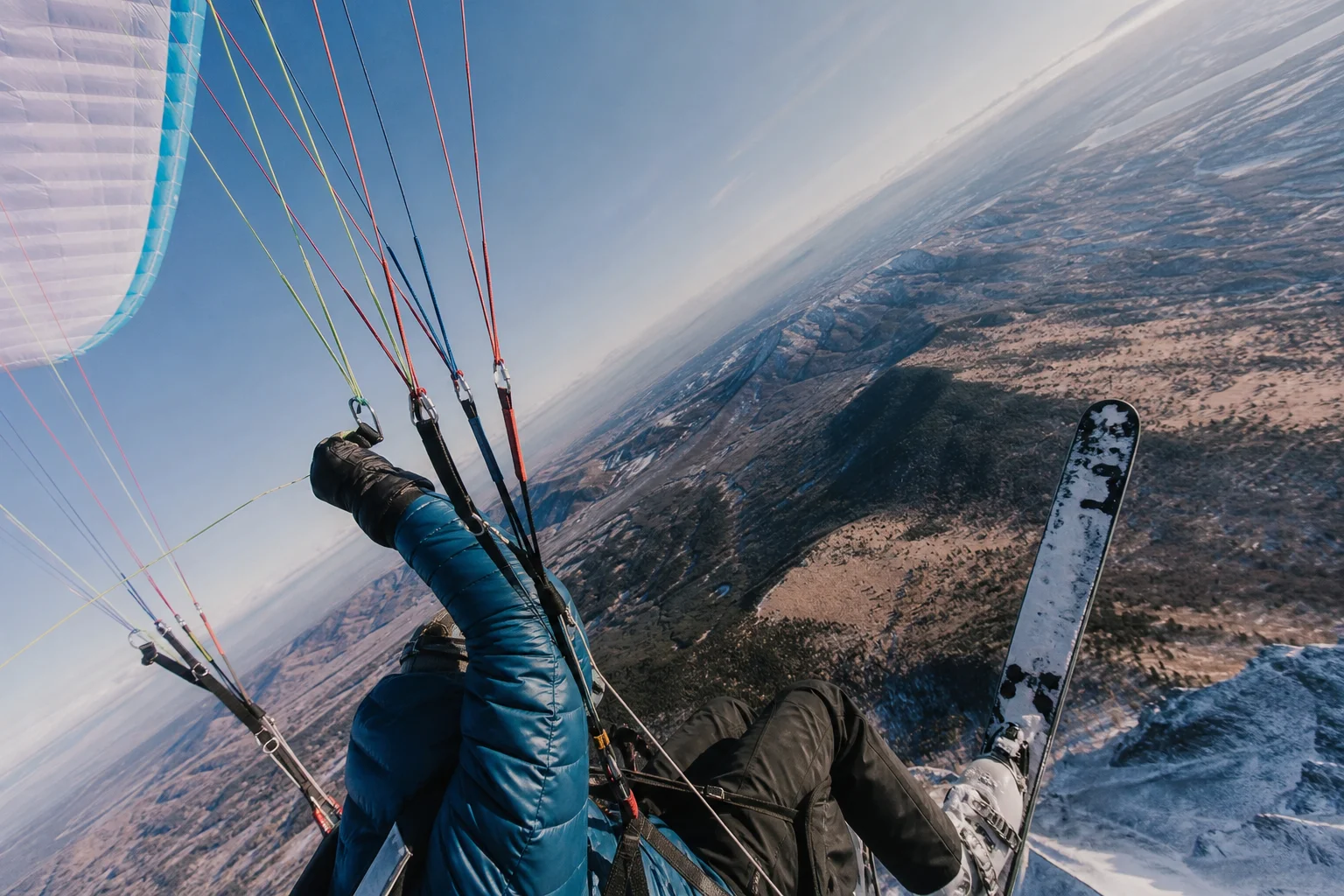
However, there are visible stitching artifacts that need firmware refinement. A darker band appears where the two lenses meet, indicating unequal exposure correction between the sensors. When your body moves close to the camera, stitch lines can misalign. Since GoPro’s apps lack stitching controls, these issues are difficult to correct in post-production. Most action footage can avoid these problem areas during editing, but they represent a quality gap that firmware updates should address.
The 8K resolution comes with a practical limitation: large file sizes and heat generation. Long continuous recordings can trigger overheating around the 20-minute mark, making the Max 2 less suitable for extended single-take scenarios like recording a live band performance. For typical action clips, this is not a constraint.
If you want slow-motion footage, you must step down to 5.7K resolution. For most action sports, the wide 360 perspective is more valuable than frame-rate flexibility, so this trade-off is reasonable.
Low Light Performance
The GoPro Max 2 does not increase sensor size compared to its predecessor, which is a significant missed opportunity. Larger sensors capture more light in low-light situations, and competitors offer this advantage. As ISO rises, the Max 2 produces noisy footage with poor night-time quality. You can tweak settings to improve low-light results, but they will not match competing 360 cameras.
If you record frequently indoors, at events, or during travel in variable lighting, the Max 2 is not your best option. Daytime and well-lit action sports are where this camera excels.
Professional Features and Single-Lens Mode
GoPro Labs offers the highest bit rate available in 360 cameras, delivering high-resolution footage suitable for professional color grading. The Max 2 also supports 10-bit color and GP Log, a flat color profile that gives you extensive latitude for post-production adjustments. These features appeal to creators who prioritize image quality and have the storage and computing power to handle large files.
The Max 2 can also record from a single lens at a time, producing ready-to-use flat video without the need for reframing. This mode is ideal for action sports enthusiasts who want the classic GoPro look with a wider field of view than a standard Hero camera.
Photo Capture
The Max 2 captures 29-megapixel photos, which is modest compared to competing 360 cameras. For casual travel photography and family snapshots, this resolution is adequate. For professional real estate or high-resolution print work, it falls short.
Size, Weight, and Mounting
The GoPro Max 2 is the smallest of the three leading 360 cameras, making it excellent for action sports mounting and compact travel. The trade-off is a smaller screen, which limits your ability to preview framing during recording. The screen does not support finger-drag navigation to look around the sphere, which is less convenient for vlogging than larger-screened competitors.
Mounting is straightforward: the Max 2 includes both a 1/4-20 inch thread and GoPro mounting fingers, eliminating the need for adapter mounts. This dual compatibility is a practical advantage.
Durability and Replaceable Lenses
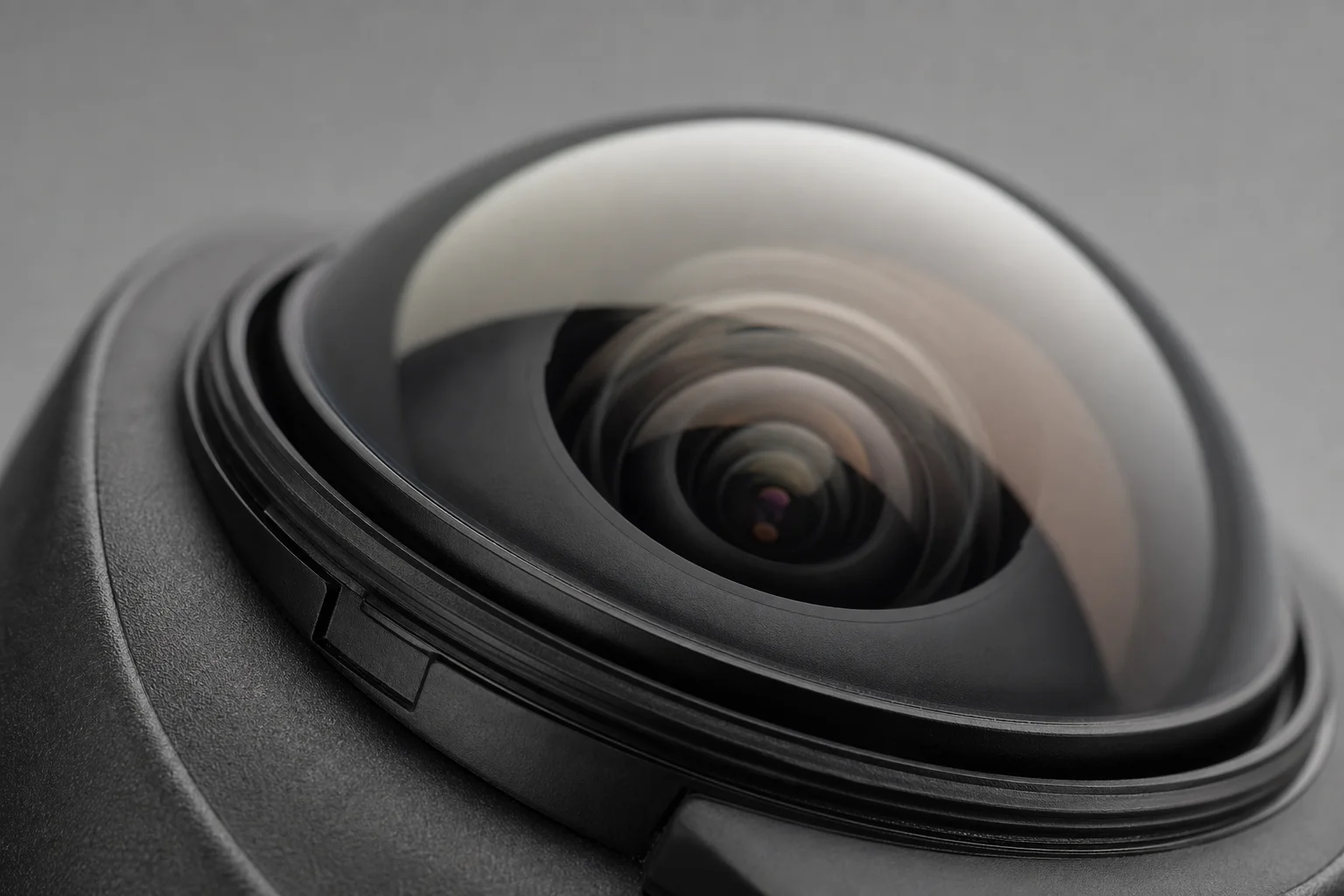
The Max 2’s replaceable glass lens covers are a standout durability feature. 360 cameras are prone to lens scratches during regular use. With the Max 2, you can unscrew and swap damaged lenses without sending the camera for repair, keeping you filming on the go. This is especially valuable for travelers and action sports users.
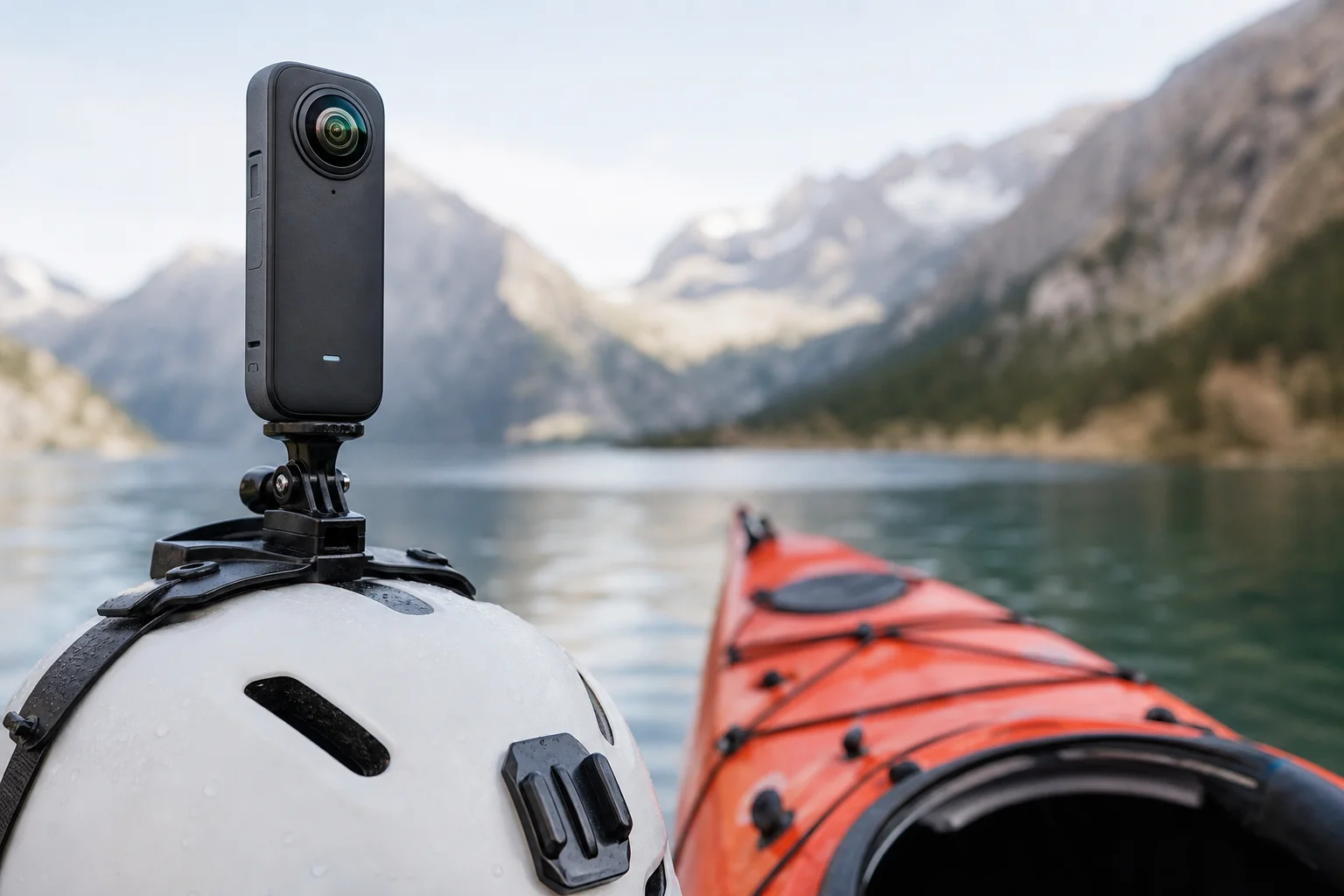
Waterproofing is present but limited. The Max 2 is water-resistant for above-water activities like surfing, kayaking, and water skiing. However, you cannot film underwater without a dive case. GoPro has indicated they are developing a dive case, but given the original Max’s history, this accessory may not materialize. If underwater filming is a priority, the Max 2 is not currently a viable option.
Overheating Issues
Despite a new front grille designed to reduce heat, the GoPro Max 2 still overheats in certain scenarios, typically around 20 minutes of continuous recording. This is disappointing given the design iteration. If overheating has been a problem with past GoPro cameras you have owned, expect similar issues with the Max 2. For short clips and typical action recording, overheating is not a practical concern. For long continuous takes, it is a real limitation.
Additional Features
GPS is built in, a feature many 360 camera users have requested. The Max 2 includes six internal microphones, though audio quality is not as clear as some competitors. External microphone compatibility is available if you need better audio capture.
The camera lacks modern conveniences like wireless charging, which would have added to its appeal as a premium device.
Editing Workflow and Software
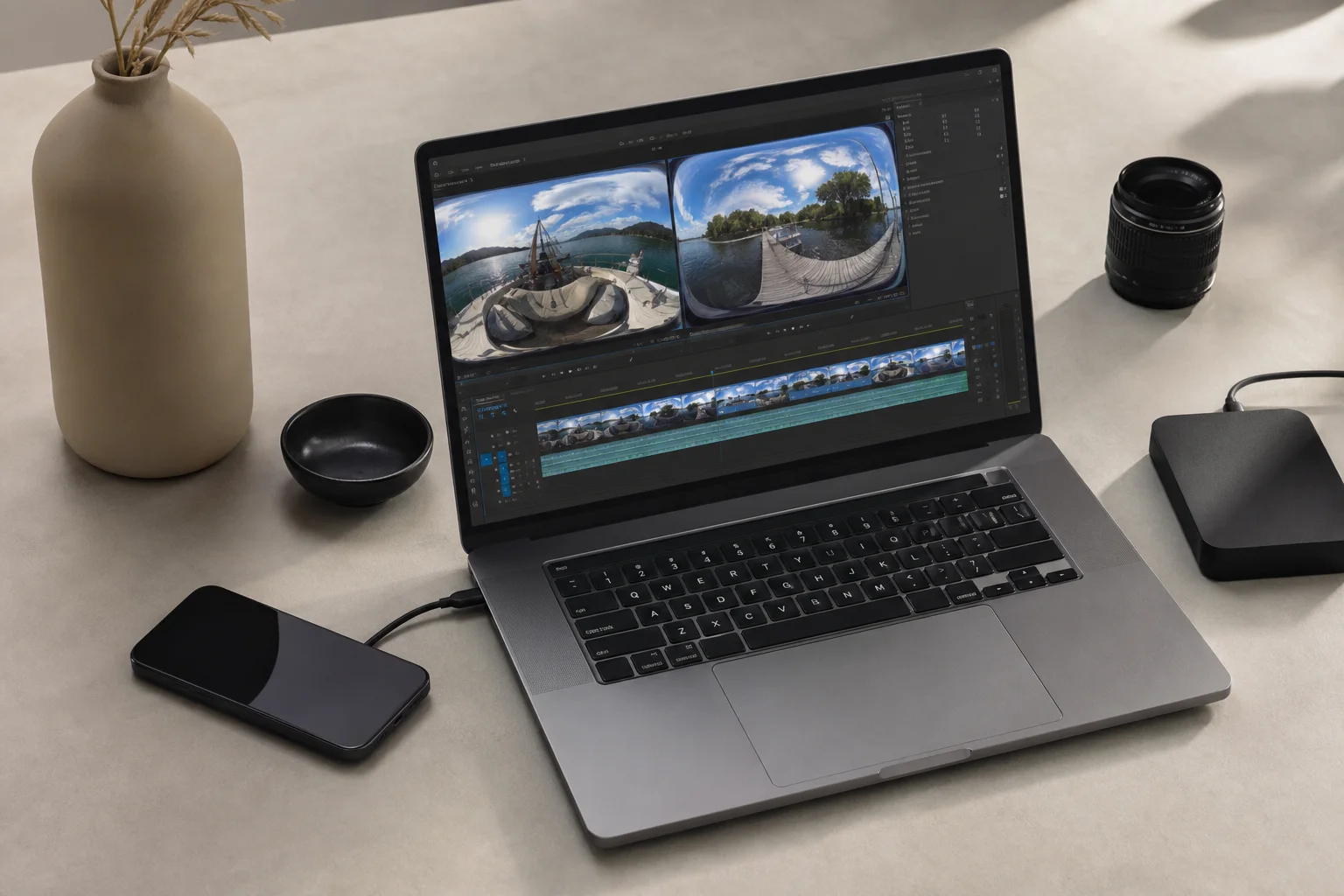
Editing 360 footage requires more work than single-lens video, and GoPro’s software support is mixed. The GoPro Quik mobile app is adequate for basic 360 editing, offering subject tracking and animations. Many users dislike Quik, but it is functional for straightforward reframing tasks.
For intermediate desktop editing, GoPro Player is the native option, but it has not evolved significantly. It lacks subject tracking, which is important for 360 footage where manual tracking is tedious. Keyframing is possible, but the workflow is slow and laggy.
Professional editors using Premiere Pro or DaVinci Resolve can use GoPro’s plugins, which work well. However, these applications require powerful computers to handle large 360 files efficiently. You will likely need to work with proxy files during editing and export at full resolution for final output. An extra export step from GoPro Player before bringing footage into Premiere Pro or DaVinci Resolve adds unnecessary friction to the workflow.
Pricing and Final Verdict
The GoPro Max 2 is priced at approximately $499, or $399 with a GoPro subscription discount. This is competitive with other top 360 cameras.
The Max 2 is not the perfect camera for everyone, but it is an excellent choice for specific use cases. If you are an action sports enthusiast who films primarily in daylight and values high bit-rate footage for color grading, the Max 2 delivers. The compact size, replaceable lenses, and strong 8K image quality make it a solid performer. However, if you need low-light capability, underwater filming, extended continuous recording, or a large screen for vlogging, competitors offer better solutions. Consider your primary filming scenarios and lighting conditions before committing. For action sports and daylight adventure content, the Max 2 stands as one of the best 360 cameras available.
Conclusion
The GoPro Max 2 represents a meaningful upgrade in 360 video technology, particularly for action sports creators. Its 8K resolution, compact design, and durable replaceable lenses are genuine strengths. The camera’s limitations in low light, underwater capability, and editing software are real trade-offs that matter depending on your use case. If your filming aligns with the Max 2’s strengths, it is a worthwhile investment. If your needs fall outside its sweet spot, exploring competing 360 cameras is advisable.
Product link
View more details for GoPro Max 2
This product is mentioned in the review. Check the specifications, options, and compatibility before buying.
View more details for GoPro Max 2Further reading
Related Reviews
Action Cameras
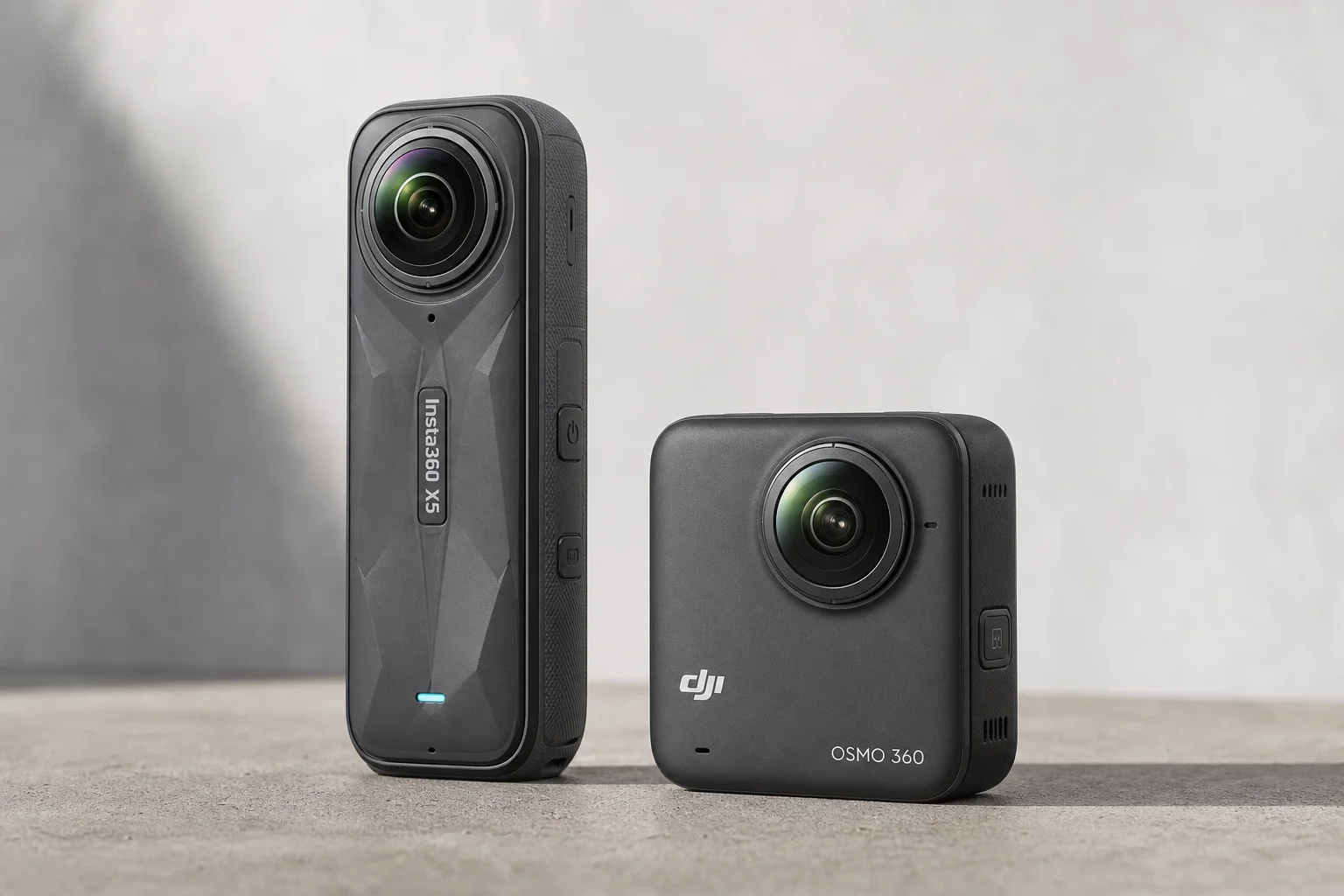
360 Cameras for Adventure Motorcycling: Insta360 X5 vs DJI Osmo 360
Two 360-degree action cameras designed for off-road and adventure riding. A detailed comparison of features, stabilization, and real-world performance for motorcycle touring.
Action Cameras
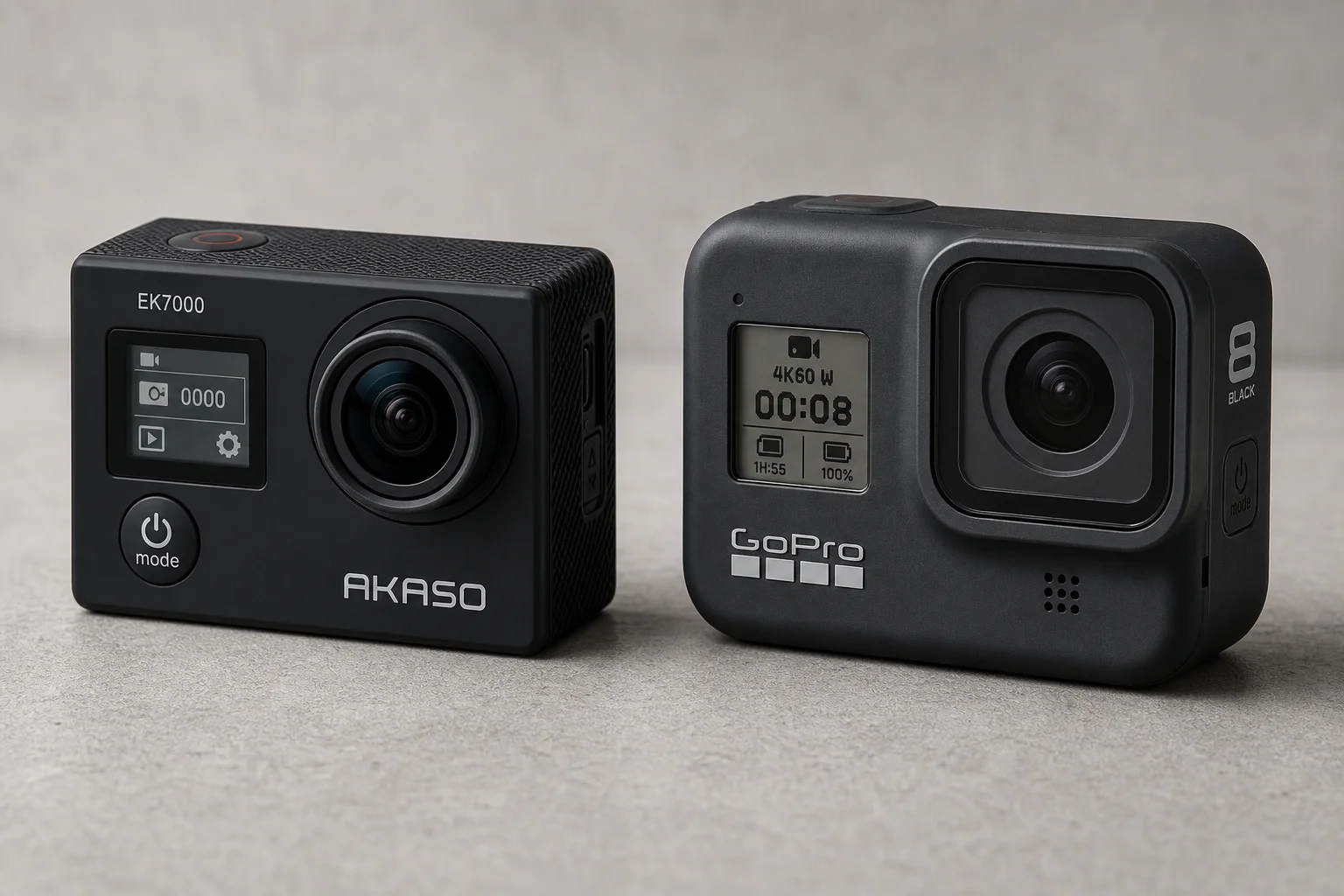
Akaso EK7000 vs GoPro Hero 8 Black: Budget Action Camera Tested
A $50 budget action camera faces off against the GoPro Hero 8 Black. Here's how the Akaso EK7000 really performs in video, audio, and photo quality.
Action Cameras
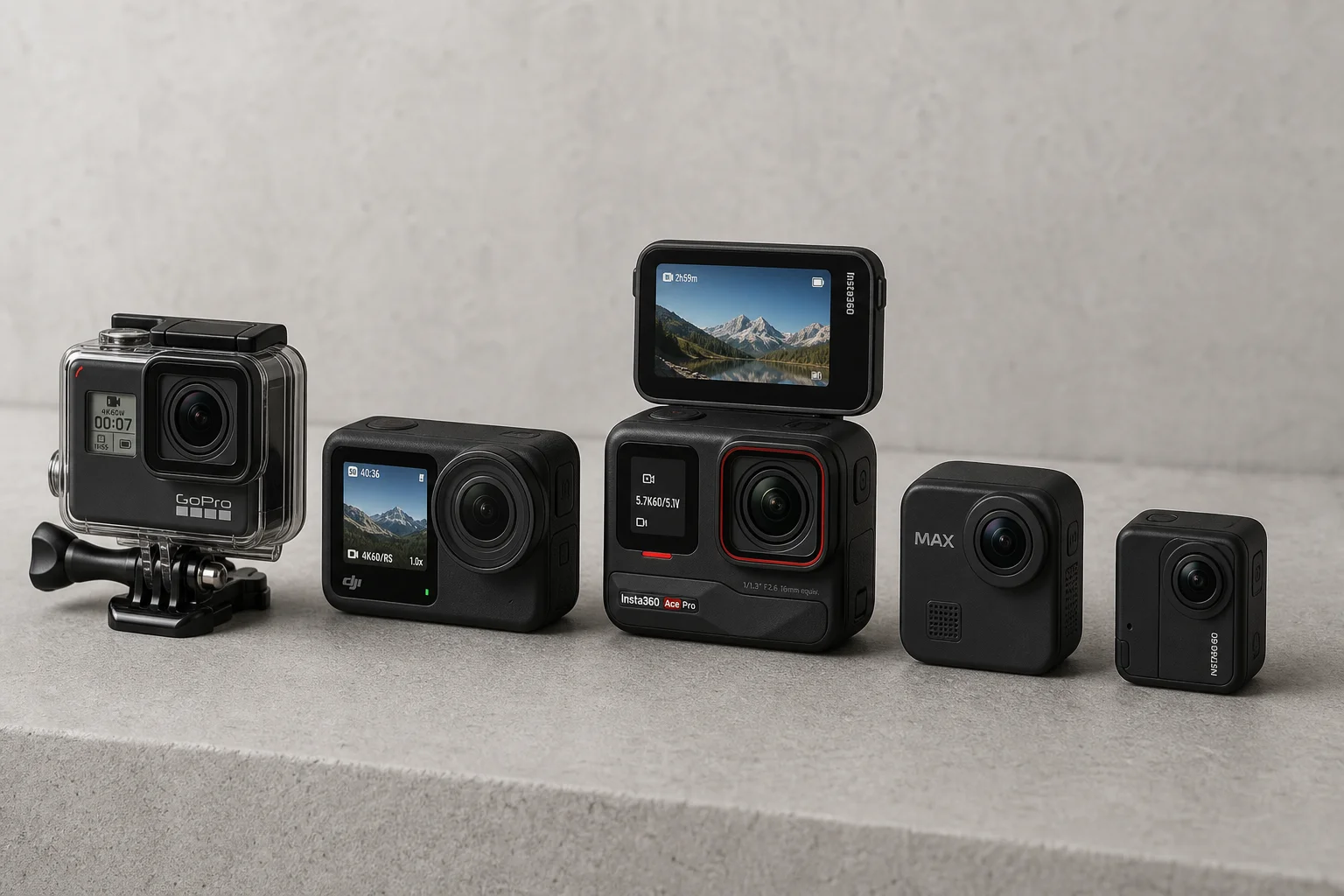
Best Action Cameras 2026: Five Top Picks Ranked
A comprehensive ranking of five action cameras from budget-friendly to premium, covering durability, video quality, stabilization, and low-light performance.