Kitchen & Bakeware
Glass vs Metal 9x13 Baking Pans: Which One Bakes Better?
We compare a Pyrex tempered glass 9x13 pan with a Williams-Sonoma metal 9x13 pan across cake, brownies, and quiche to see which material deserves a spot in your kitchen.
Introduction
A baking pan might seem like the least glamorous purchase in your kitchen, but it quietly shapes every cake, batch of brownies, and quiche you make. Pick the wrong material and you get uneven tops, gummy edges, and crusts that never quite crisp. Pick the right one and your bakes come out level, golden, and professional.
To see how big the difference really is, we baked three classics, a yellow cake, a pan of brownies, and a quiche, in a tempered glass 9x13 pan from Pyrex and a metal 9x13 pan from Williams-Sonoma. The results were surprisingly one-sided.
The Contenders
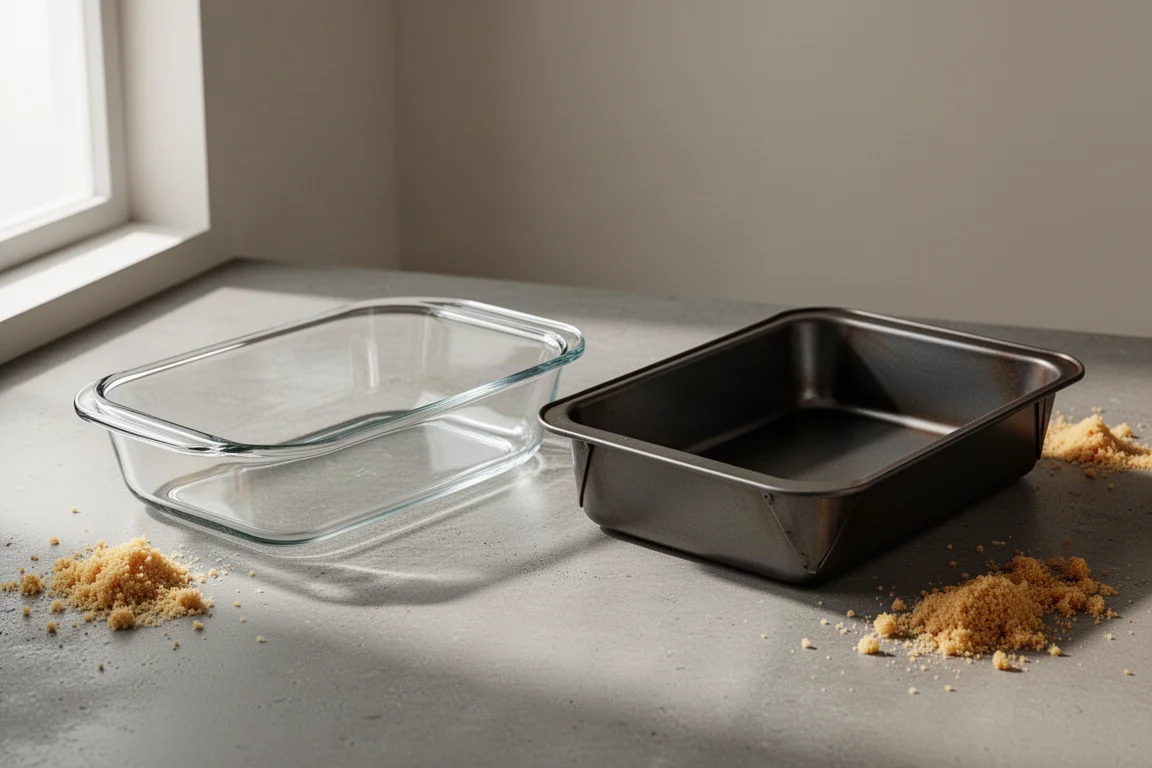
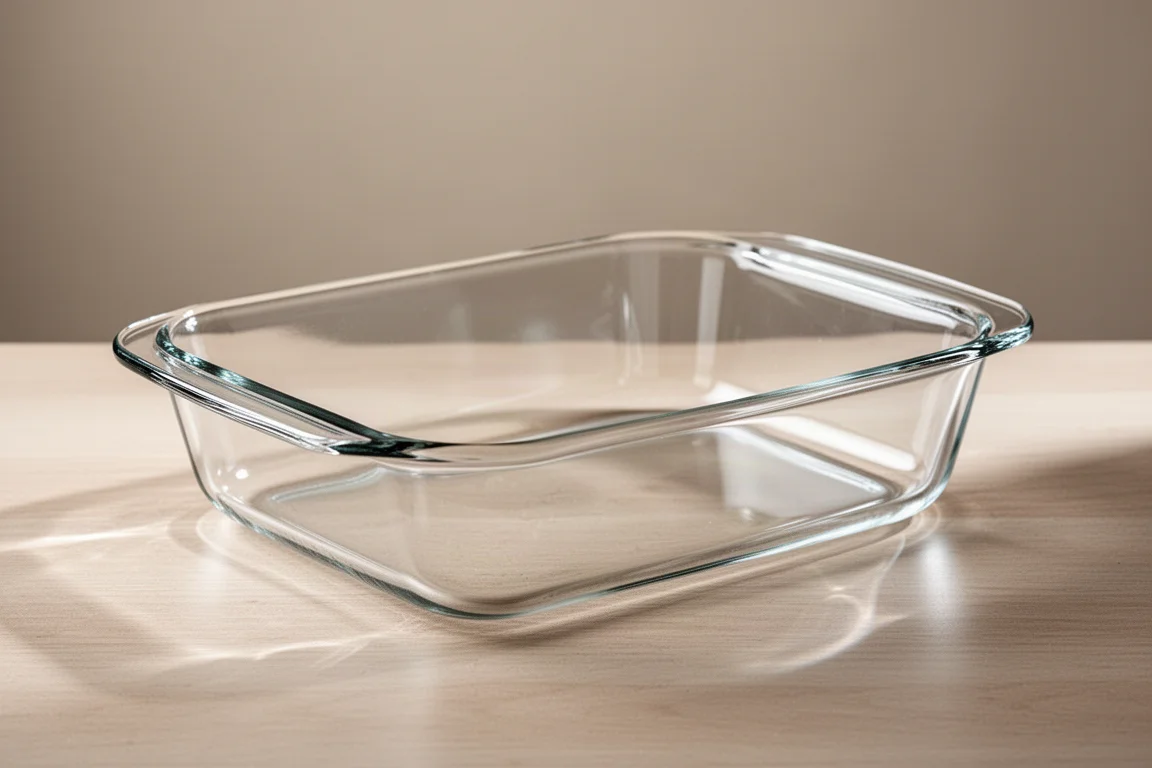
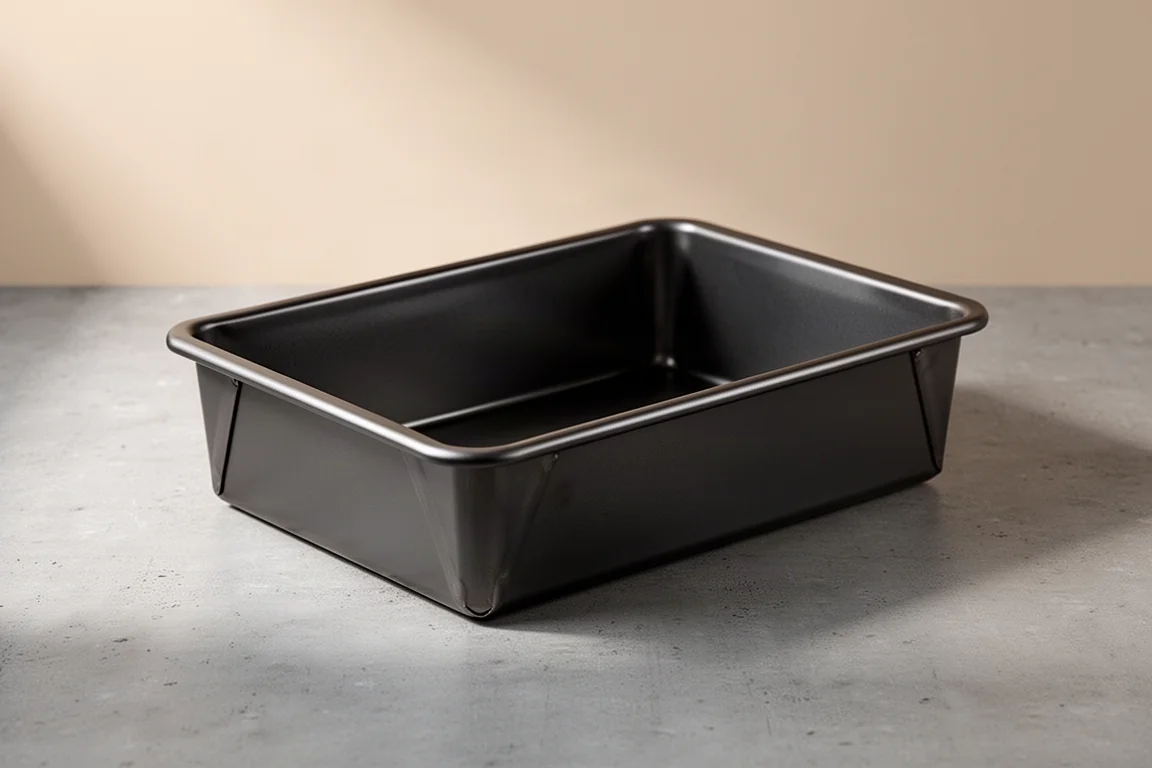
The Pyrex pan is classic tempered glass: transparent, heavy, with sides that slope slightly outward, so the bottom is narrower than the top. The Williams-Sonoma pan is metal with folded edges that create crisp, near-vertical sides and sharp corners.
That shape difference matters more than you might think. Glass produces rounded corners and a trapezoid cross-section, while metal produces straight sides and clean edges, which changes how anything you bake holds together when sliced or stacked.
Yellow Cake: Shape, Release, and Texture
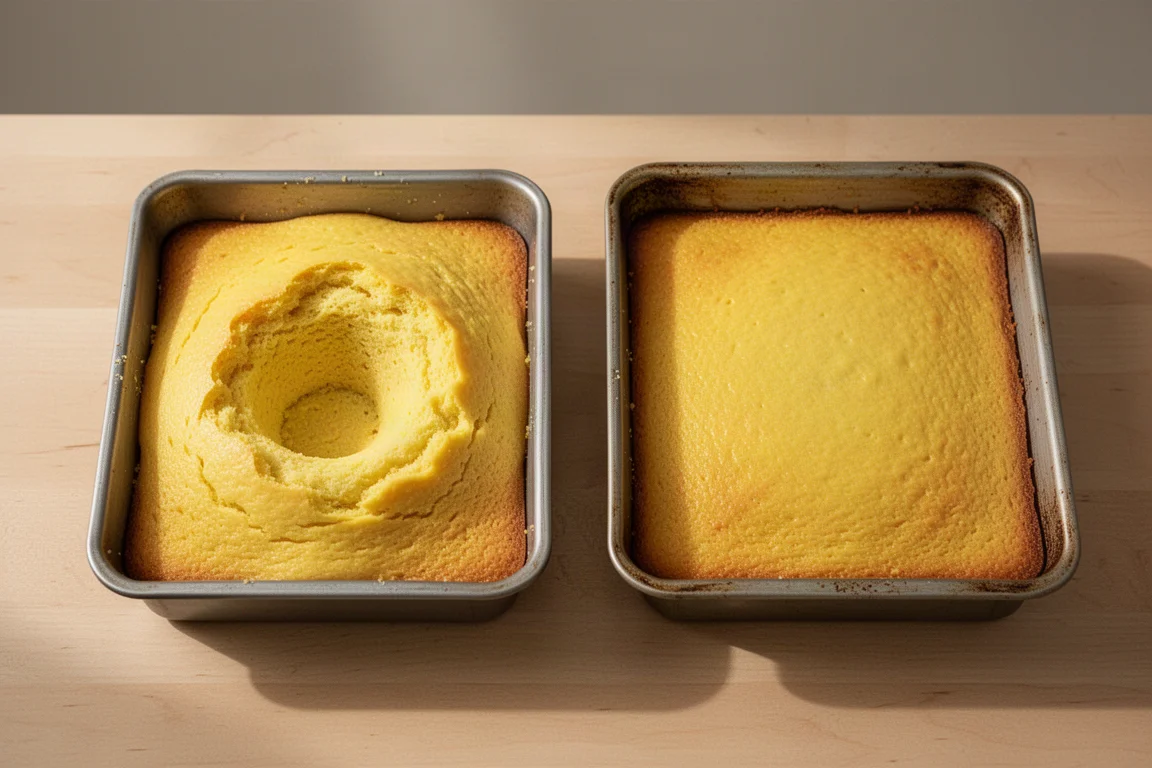
The cake test made the differences obvious immediately. The glass-baked cake came out with set edges, a gully around the perimeter, and a center that bubbled up and sank, leaving an uneven top. The metal-baked cake rose evenly across the whole pan with a flat top and consistent appearance, exactly what you want if you plan to stack layers.
Release was another clear gap. Even generously greased, the glass cake stuck to the bottom and needed convincing to come out. The metal pan released with a single confident thump, delivering a cake with beautifully golden, crisp, even edges. When both cakes were cut in half, the glass cake showed a denser layer at the bottom and slightly higher sides than center, while the metal cake was uniform throughout.
Taste told the same story. The same recipe baked in glass took about four minutes longer and produced a drier, spongier outer edge, while the metal version had a uniform tenderness throughout. Glass is an insulator, so it heats slowly and bakes slowly, and that showed up in both texture and flavor. On shape, release, and texture, metal won decisively.
Brownies: A Closer Call
Brownies narrowed the gap a bit. Again the glass pan took about five minutes longer to reach the same stage of doneness, which matters because brownies are hard to judge with a toothpick; a fudgy center always leaves crumbs, so timing is your only reliable guide.
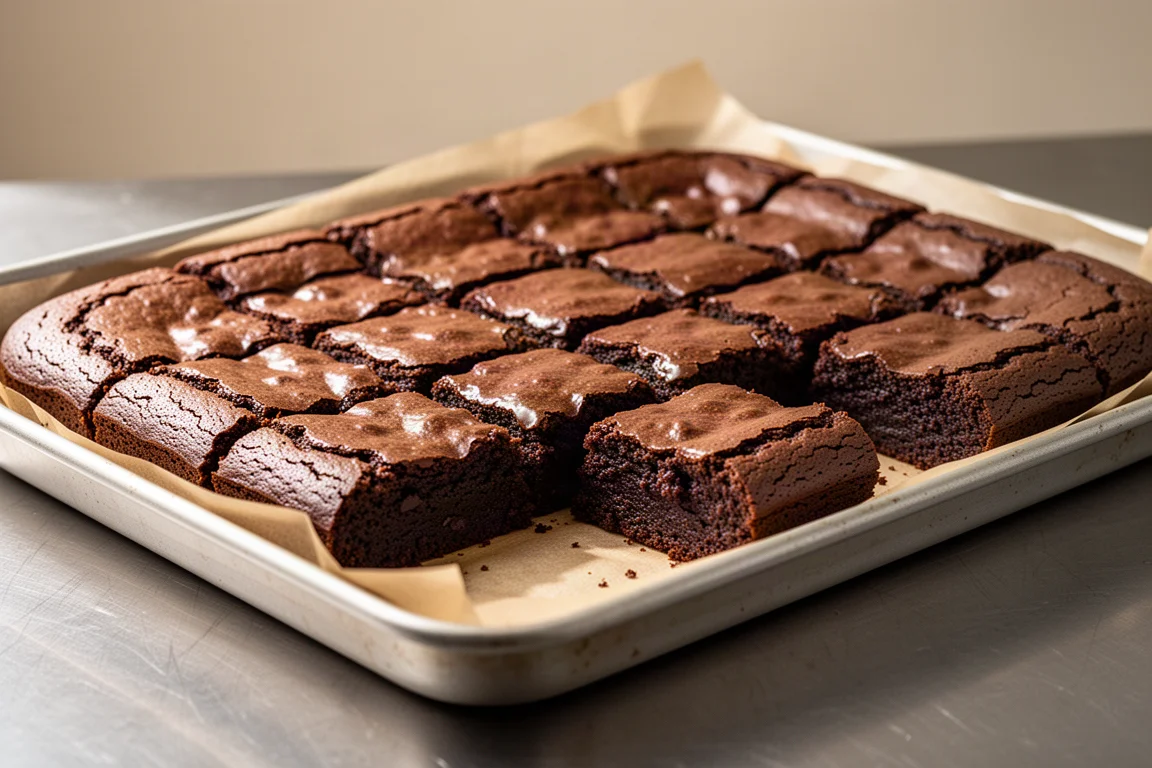
The most noticeable difference was at the edges. The glass-baked brownies had hard edges, while the metal-baked ones had crisp edges that actually tasted good. The centers from the glass pan were very fudgy, almost slightly underbaked, which many bakers will love.
Because there is no browning to worry about and a fudgy center is a feature rather than a flaw, brownies are the most forgiving bake for glass. Still, the metal pan delivered crisp, professional-looking squares, while the glass version looked a little more humble and homemade.
Quiche: Where Metal Pulls Ahead
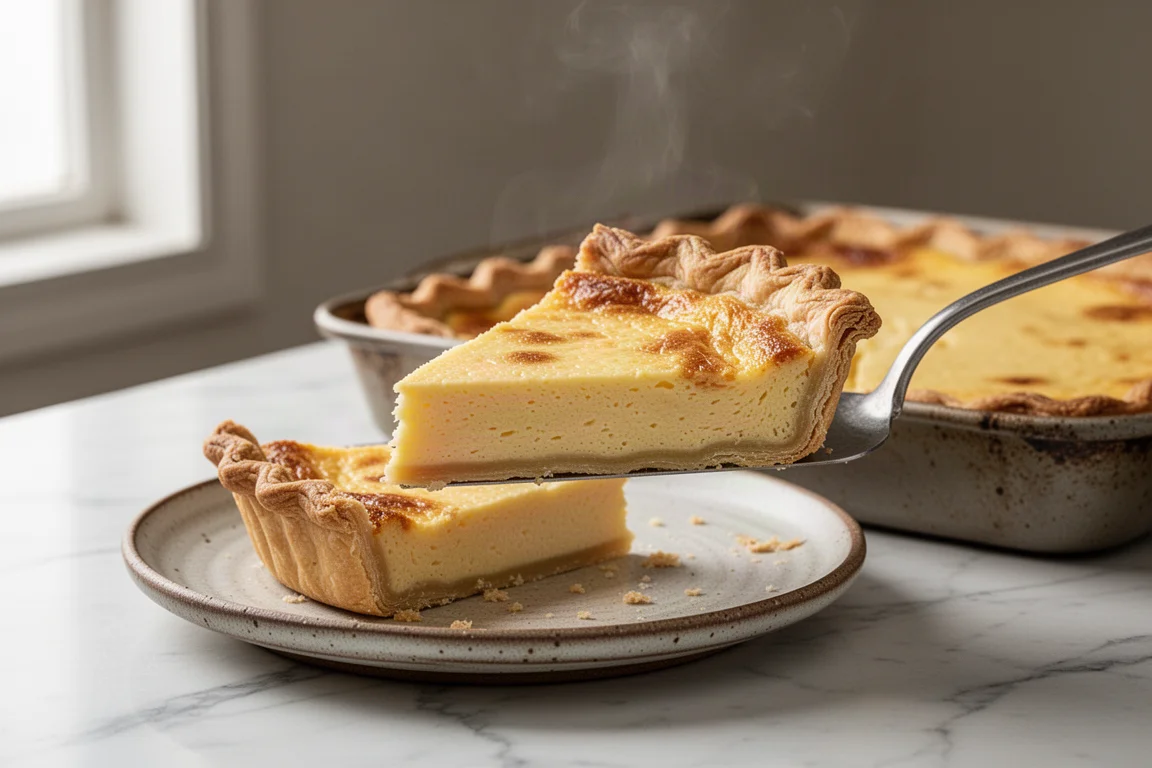
The quiche was the most dramatic result. The glass pan again needed about five extra minutes, and the custard showed a raised rim around the interior, a gutter, and a puffy, souffle-like top that looked collapsed, with lots of popped bubbles. The metal-baked quiche browned slightly darker, sat flatter and more even, and showed none of that two-texture divide.
The pastry explains why. Crust needs to heat up quickly so the fat releases steam and creates flaky layers. Insulating glass heats slowly, giving the fat time to melt and turn the crust greasy, so it slumps and loses its crispness. All that careful crimping goes to waste.
Tasting confirmed it. The glass quiche was fine on its own, but mostly tasted of eggs with everything melding together, dense rather than fluffy. The metal version offered caramely browning, distinct flaky layers, and a clear separation between crust and filling. Shape, appearance, crust, and filling: metal won on every front.
So Should You Throw Out Your Glass Pans?
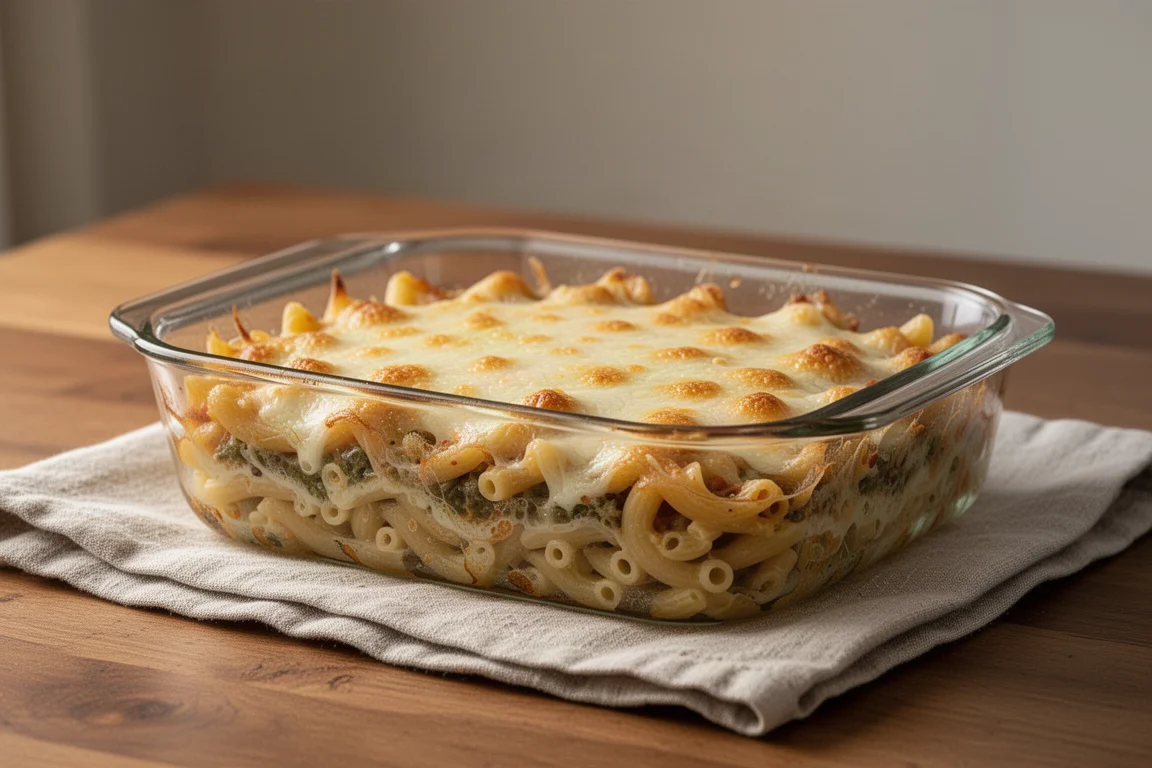
No. Glass bakeware still has a real place in the kitchen. For many people it is the one-and-done dish that handles casseroles, lasagna, and mac and cheese for decades. It is utilitarian, versatile, and there is nothing wrong with that.
But if you want special results, sometimes you have to invest in special gear. For cakes where presentation matters, for brownies with crisp edges, and for any bake with a pastry crust, the metal 9x13 pan is the one that delivers.
Buying Advice
If you bake mostly savory dishes, casseroles, and reheating, a tempered glass 9x13 like the Pyrex will serve you well and may be the only pan you need. If you care about even rises, clean release, crisp edges, and bakery-quality presentation, add a metal 9x13 like the Williams-Sonoma to your setup. Many home bakers will eventually want both, using metal for anything where looks and texture count and glass for everything else.
Conclusion
Across three very different bakes, the metal pan produced more even tops, better release, crisper edges, and better flavor and texture, while glass consistently baked slower and drier. Glass earns its keep as a workhorse for casseroles and everyday dishes, but when the outcome matters, metal is the pan that turns homemade into bakery.
Further reading
Related Reviews
Backpacking Gear
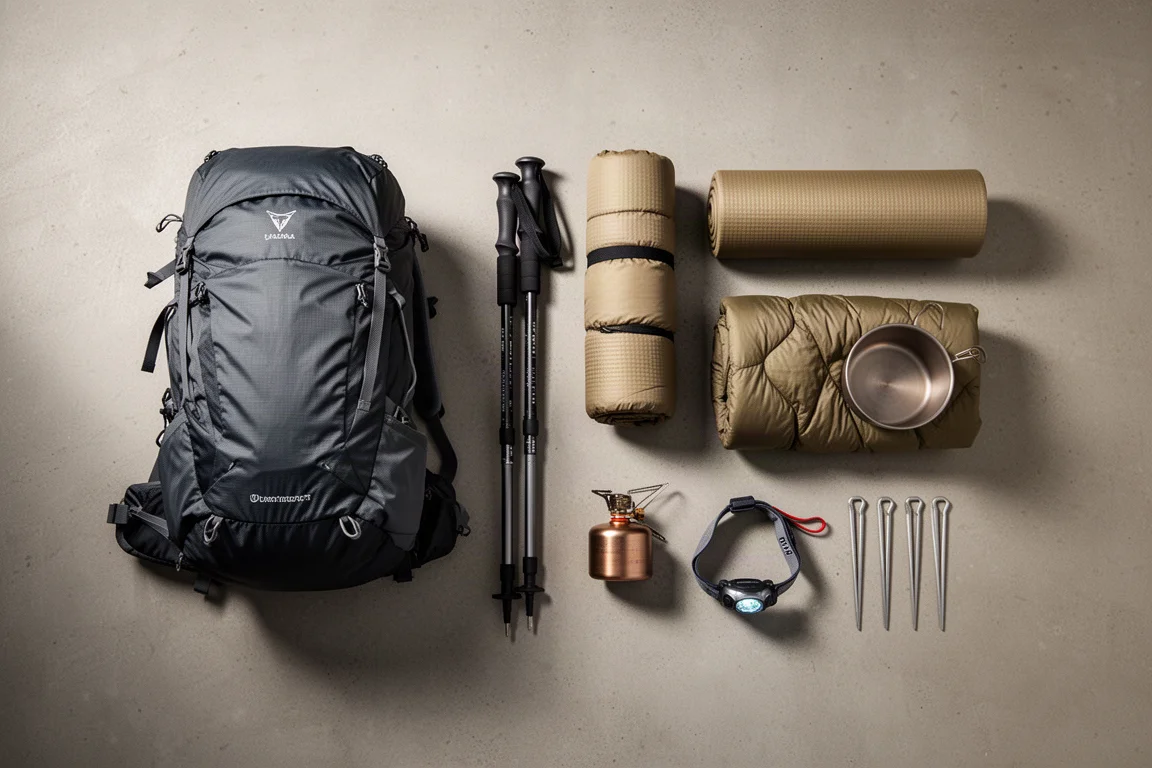
Building a 10 lb Base Weight: An Ultralight Backpacking Gear List
A practical walkthrough of the ultralight pieces behind a 10 lb base weight, from a 765 g pack and a roomy one-person tent to a full camp chair and a dependable water filter.
Road Bikes
10 New Road Bikes Worth Watching: Aero, Titanium, Steel and Endurance Standouts
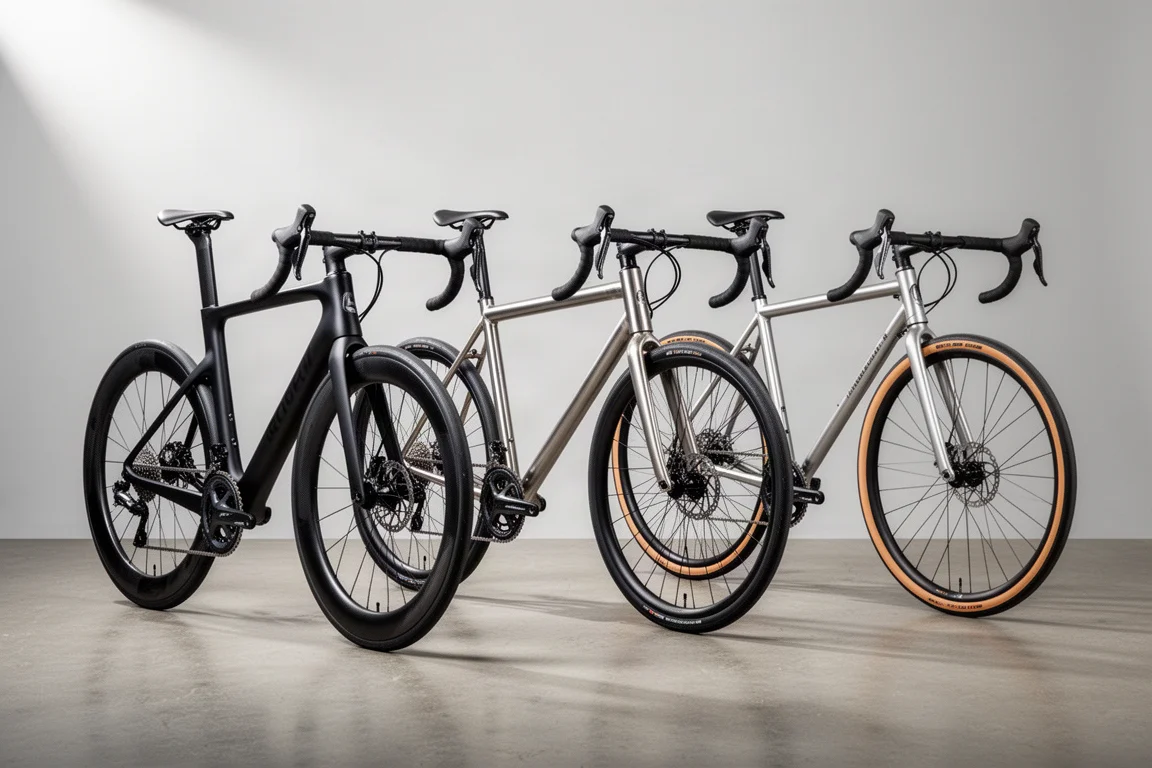
A practical roundup of 10 new road bikes, from aero flagships chasing single-watt gains to titanium, steel and endurance platforms built for real roads.
Bikepacking Gear
11 Bikepacking Essentials for Long-Distance Cycling
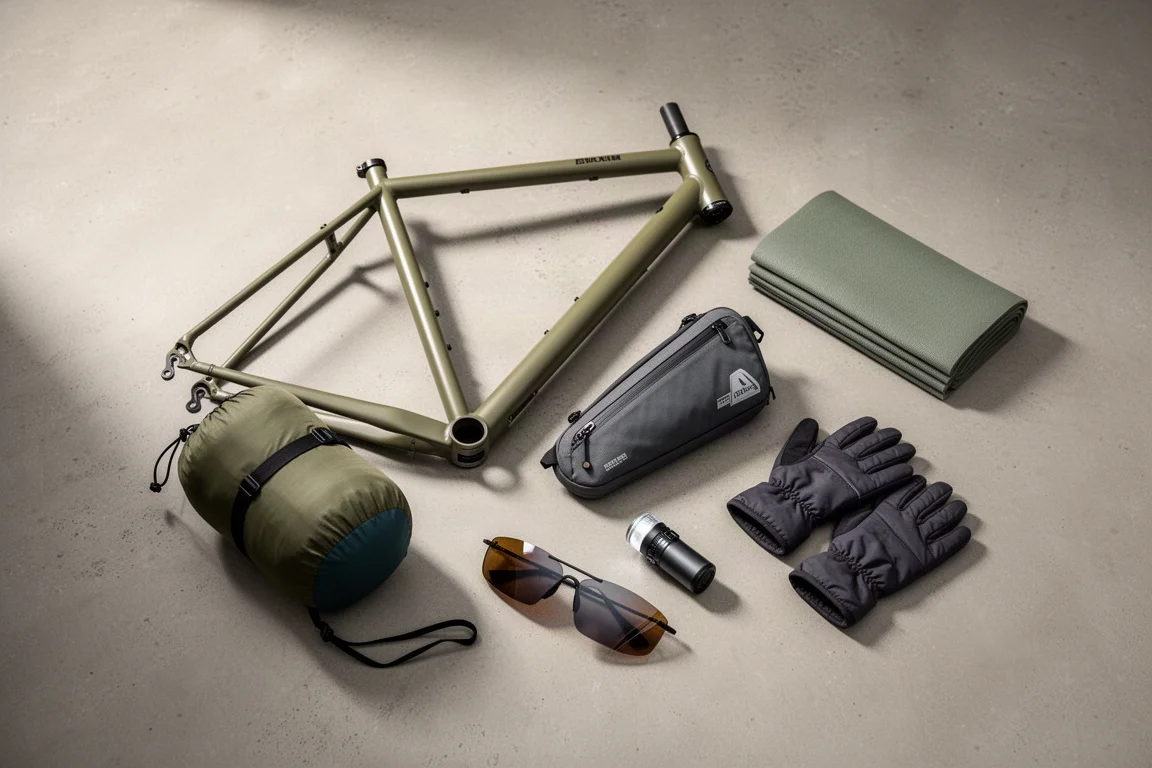
Eleven bikepacking essentials for long-distance cycling, from a steel gravel frame and a two-person tent to helmet lights, packable gloves, and a frame bag that puts weight in the right place.