Backpacking Gear
Glacier-Tested Backpacking Gear: Seven Items Worth Knowing About
Seven backpacking items tested on ice and frozen ground, from an R-value 8.5 sleeping pad and a DCF two-person tent to an ultralight pack, a snow-melting stove, a camp chair, an electrolyte mix, and a freeze-dried dinner.
Introduction
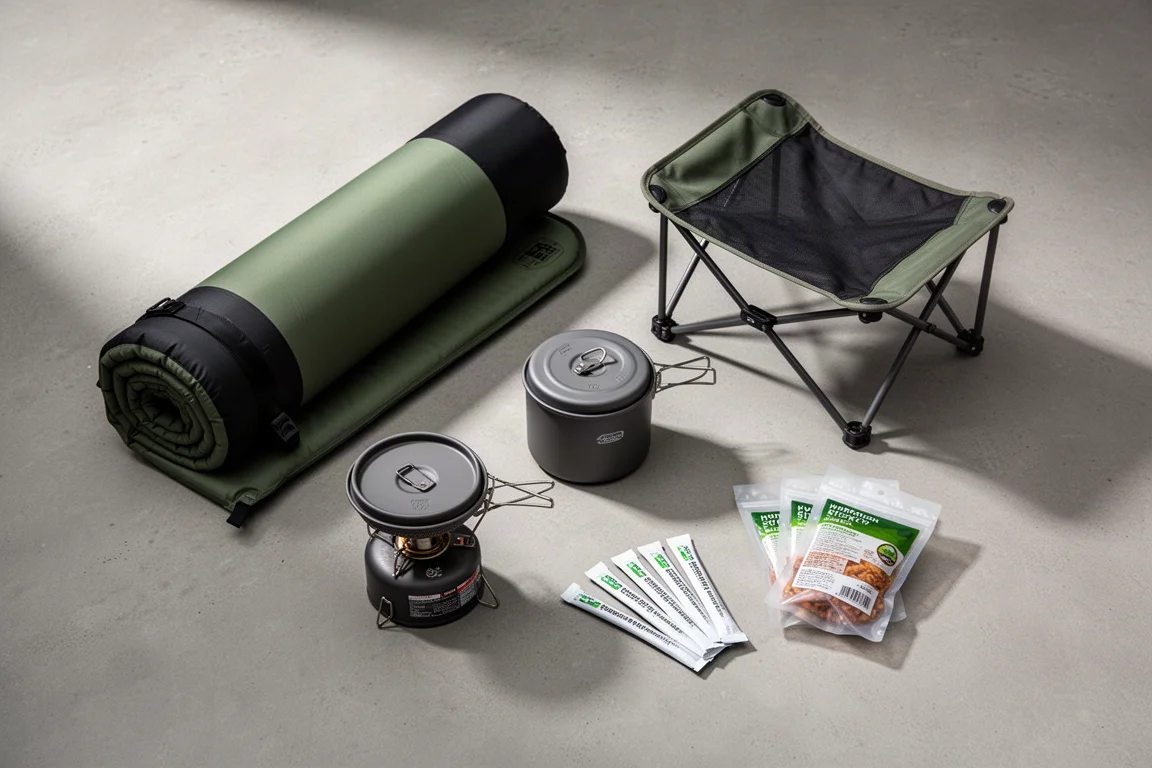
Gear that has to work on a glacier earns its place differently from gear tested in a park. Cold ground, wind, rain and long carries expose weaknesses quickly. This roundup covers seven items taken onto the ice fields of the Canadian Rockies: a sleeping pad, a two-person shelter, an ultralight pack, a camp chair, an integrated stove, an electrolyte mix and a freeze-dried dinner.
Most of them did exactly what they were brought to do. One of them left a genuine open question about real-world warmth that deserves more testing before anyone treats it as settled.
How These Products Were Evaluated
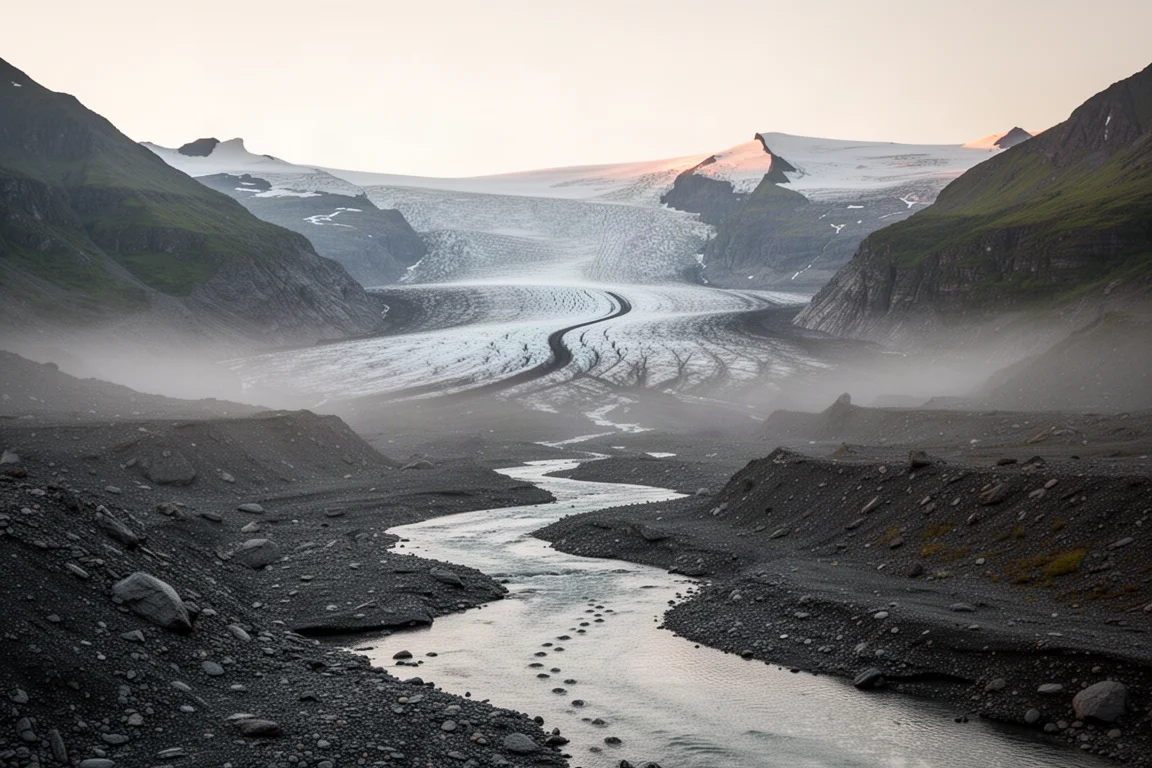
The conditions were deliberately harsh. Camp was set on frozen ground beside a glacier, temperatures dropped to around freezing, rain fell on part of the trip, and wind crossed open ice. Each item was judged on whether it performed the job it claims, how it carried, how it packed away, and whether the trade-offs made sense.
For the sleeping pad specifically, a second pad rated at R-value 2 was carried as a control. That way, any warmth could be attributed to the pad itself rather than to the air around it.
None of this is a laboratory result. These are field impressions from one trip, and where a product raised a question, that question is stated plainly rather than smoothed over.
Nemo Tensor Extreme: An R-Value of 8.5 Tested on Ice
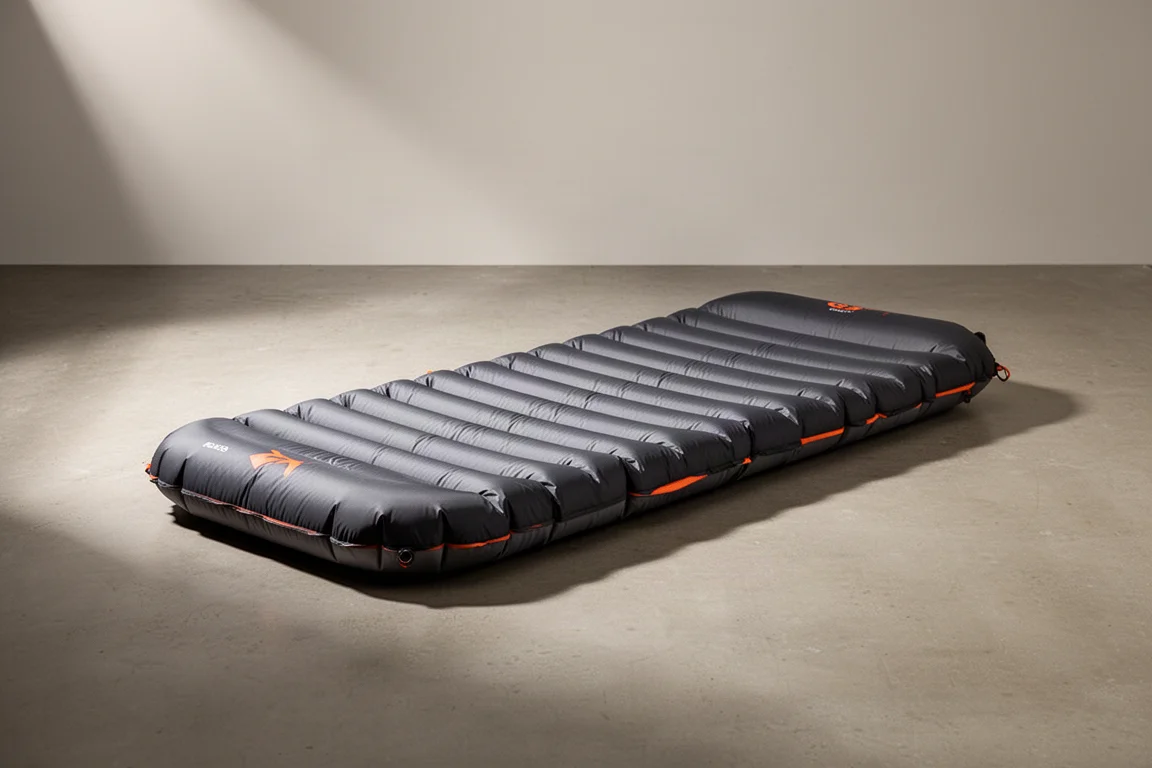
The headline figure is an R-value of 8.5, measured under the ASTM standard, in a pad that weighs 630 g in the long wide version and 444 g in the regular mummy size. That combination of warmth and low weight is what makes it interesting for cold-weather backpacking.
The construction changed for this generation. The shell is now nylon rather than polyester, and the baffling uses trapezoidal pillars that are narrower at the top and wider at the bottom. That shape lets the brand suspend multiple reflective mylar sheets inside the pad, up to four in the Extreme. There is a catch worth knowing before you buy: the pad has a green underside and a black top surface, and it has to be used the right way up. Inverted, the mylar sheets drop to the black side and the insulation stops doing its job.
The valve is redesigned as well. It is no longer attached directly to the pad, which removes a known failure point, and the new valve material makes it easier to seat a pump sack and pull it free without dragging the whole assembly apart. It stays a flat two-way valve, so one opening inflates and the other dumps air fast.
On comfort, the Tensor line uses horizontal baffles with a slight dimple pattern. That relieves pressure a little, but the height difference is small, so it does not behave like a springy, pressure-relieving surface. The nylon shell is a touch stiffer than the older polyester and that was noticeable on a hard, cold surface. The top fabric is still soft to the touch, and the pad remains very quiet in use.
The honest field result: at temperatures around freezing, on ice, this pad slept colder than an 8.5 rating would suggest. That may come down to the extraordinary cold of the glacier itself, or to how it was set up, and it is a question that needs more testing in genuinely cold winter temperatures before any firm conclusion is drawn. What is not in doubt is the warmth-to-weight figure on paper, which is exceptional.
Durston X-Mid Pro 2 Plus: More Room for Two
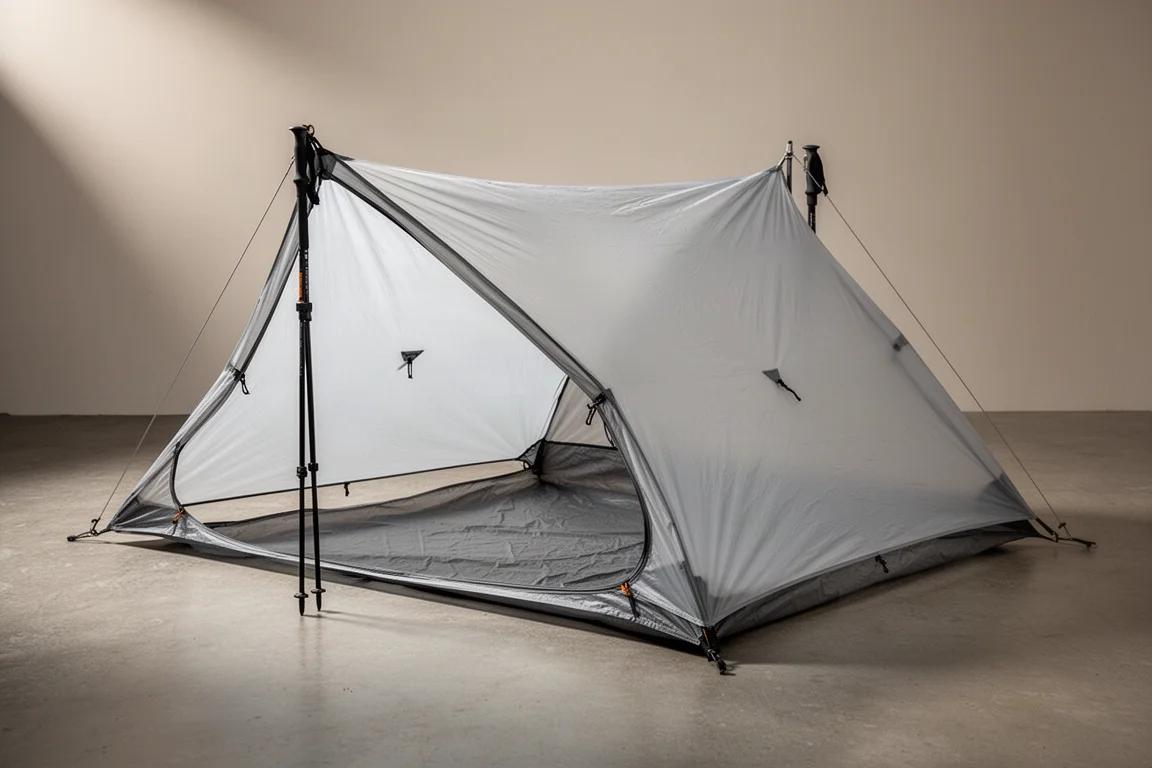
This is the wider version of the X-Mid Pro 2, built in DCF. The point of the Plus is interior space: it fits two 25-inch wide rectangular sleeping pads side by side, which is the configuration many couples and tent-sharing partners actually want.
It keeps the X-Mid geometry while gaining the weight savings that come with DCF, and it held up in real weather. Rain fell during part of the test and the tent handled it well. Wind was the bigger challenge, and it stayed planted with the anchors used on the ice instead of flapping and shifting.
As with any ultralight shelter, there are trade-offs, and this is not a tent that will suit every camper. For two people who want a wide floor and a low pack weight, though, the combination is compelling. It is also more shelter than a solo camper needs.
Zpacks Arc Haul: Ultralight Load Carrying
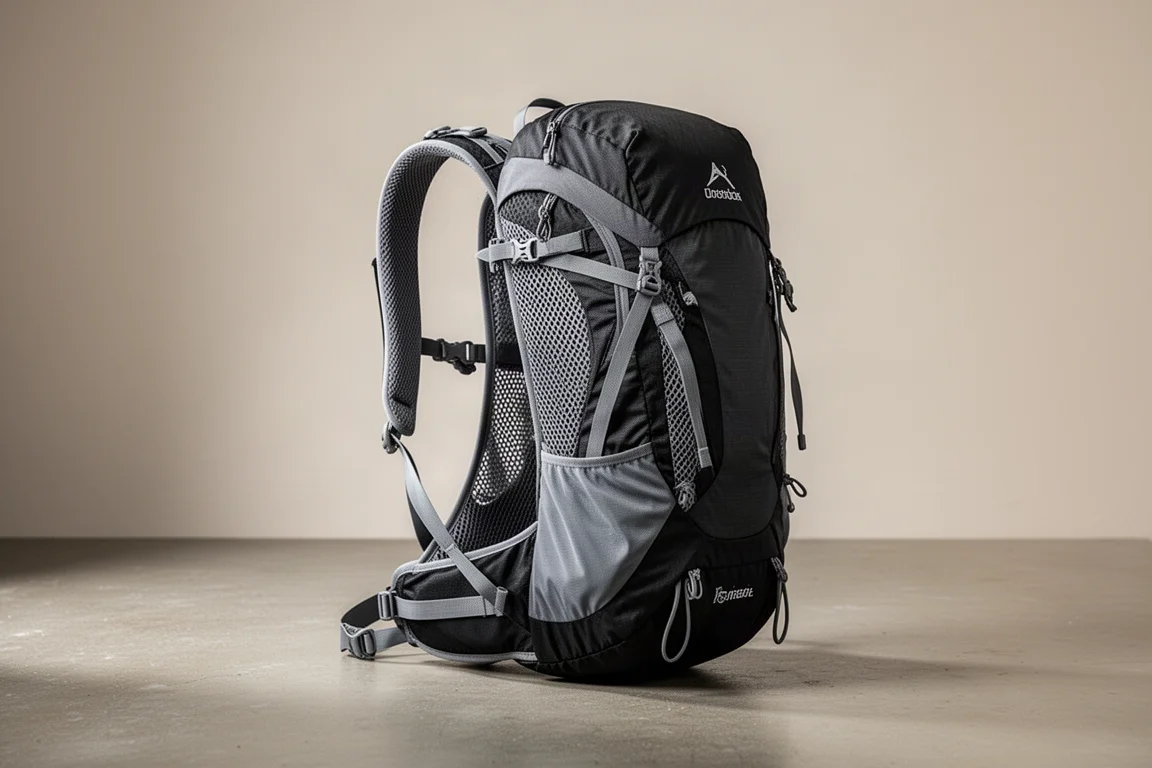
The Arc Haul is advertised at a 40-pound carrying capacity, and that claim invites scepticism given how light the pack is. In practice it carried a heavy load better than expected. The reasons are structural: a full hip belt, carbon fiber stays that move weight from the shoulders down to the hips, and load lifters to fine-tune that transfer.
The trampoline back panel is a genuine benefit in hot weather. It is not as effective as the most ventilated designs from larger brands, but it keeps the pack off your back and noticeably cooler than a flat-panel pack would be.
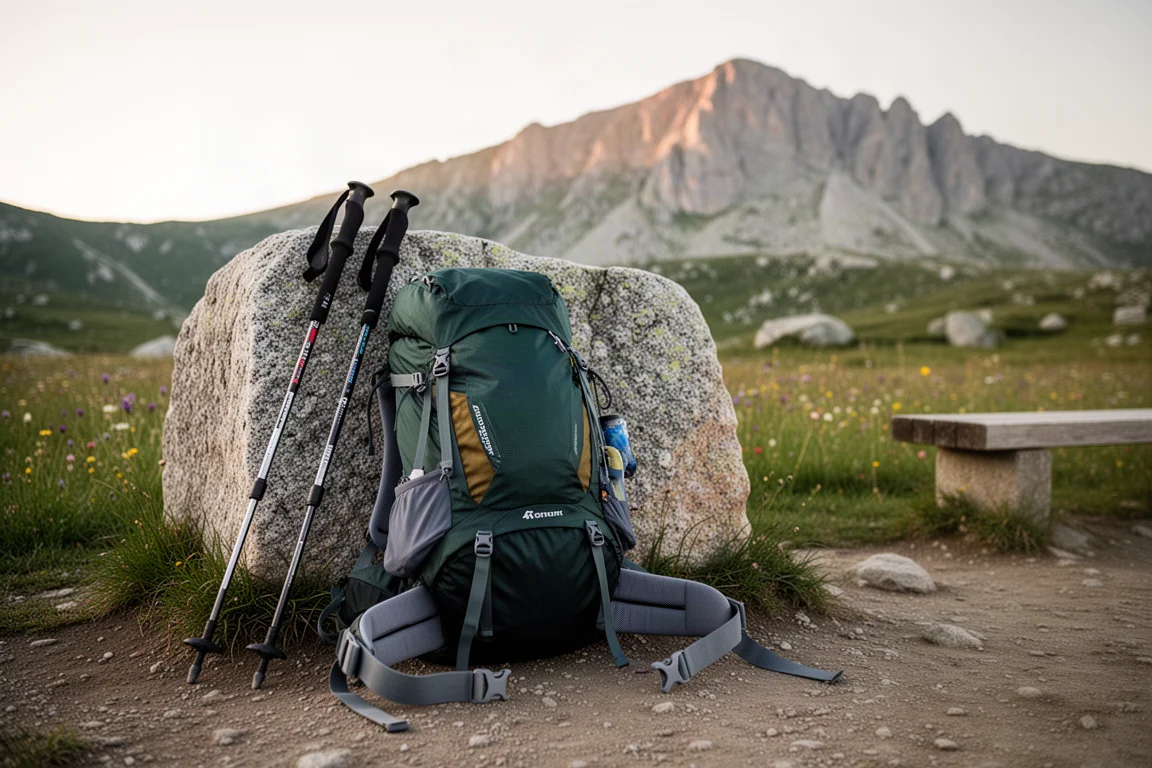
The cost is the obvious sticking point. At around $400 for the pack alone, before the hip belt, this is a buy-once purchase rather than an impulse buy. Backpackers who regularly carry substantial weight while trying to stay ultralight should keep it on the shortlist.
Nemo Moonlight Elite: An Adjustable Ultralight Chair
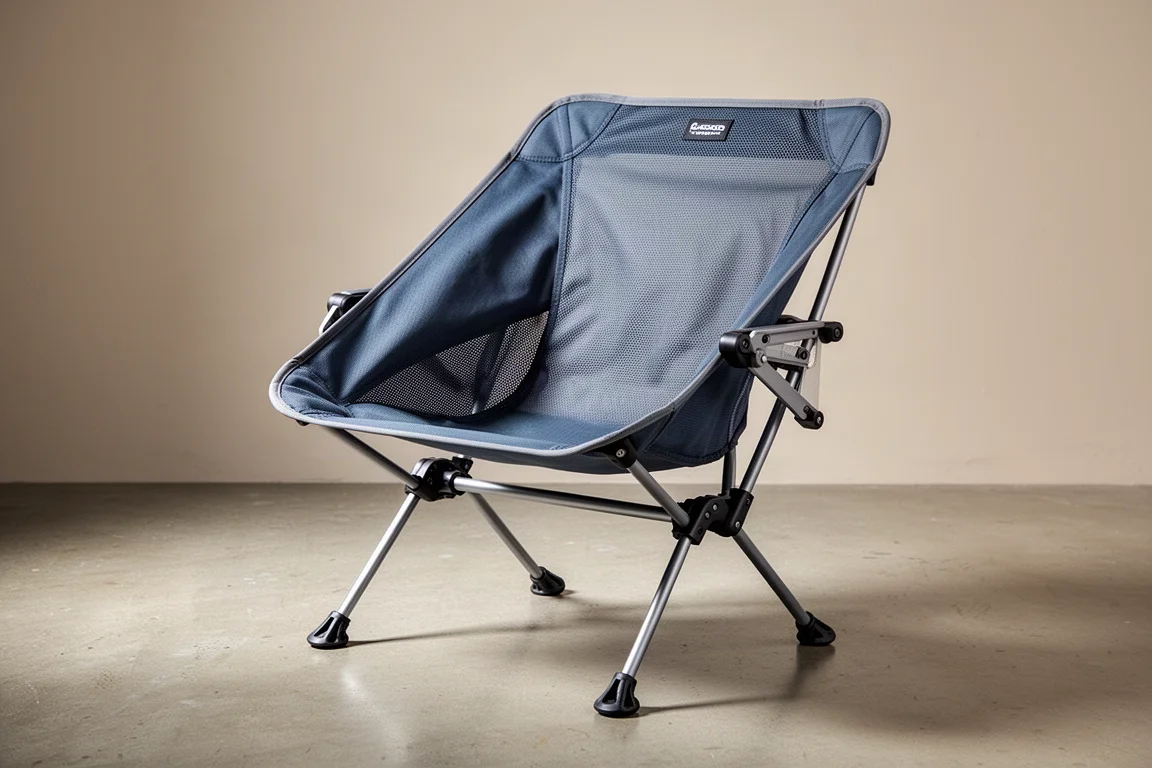
The Moonlight Elite is a lightweight camp chair whose standout feature is an adjustable back. It can be set into a reclined position for lounging or raised more upright for cooking, reading, or sitting closer to a fire.
The carry case does double duty as a ground mat. It wraps around the chair for storage, then attaches to the legs, which stops the feet from sinking into sand or soft ground.
Weight is competitive: it comes in just a few grams heavier than the lightest comparable chairs on the market, which is a remarkable figure for a chair with an adjustable back. Pricing had not been announced at the time of testing, so that is the one unknown to watch.
MSR Reactor: Built to Melt Snow Fast
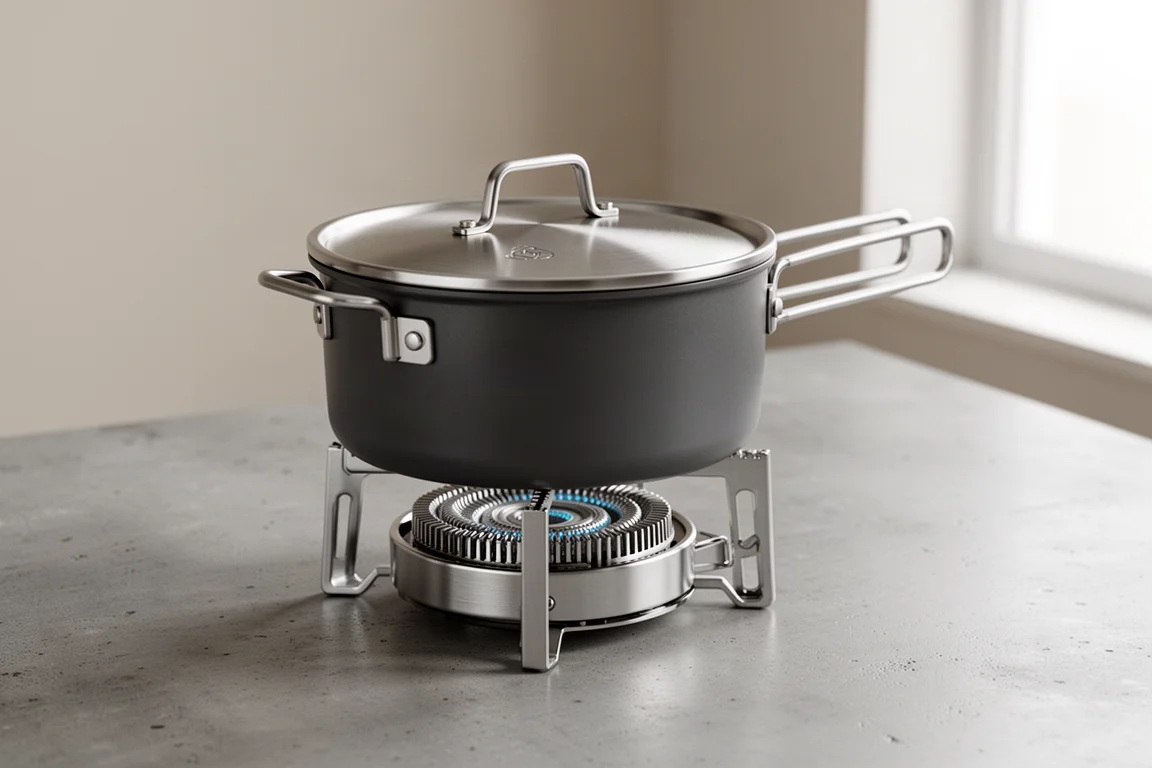
The Reactor is a stove and pot system with a single, narrow purpose: melt snow and ice and boil water as fast as possible. That focus shows in the design. There is a radiative element at the top of the burner, fins and aluminium in the pot, and a pot shape that recirculates hot air around the vessel. The result is a patented system that ranks among the most effective snow-melting setups available.
It is expensive, and it is not the stove most people will carry on every trip. For alpine and glacier travel, where producing drinking water from snow is the main kitchen task, the speed is the whole point.
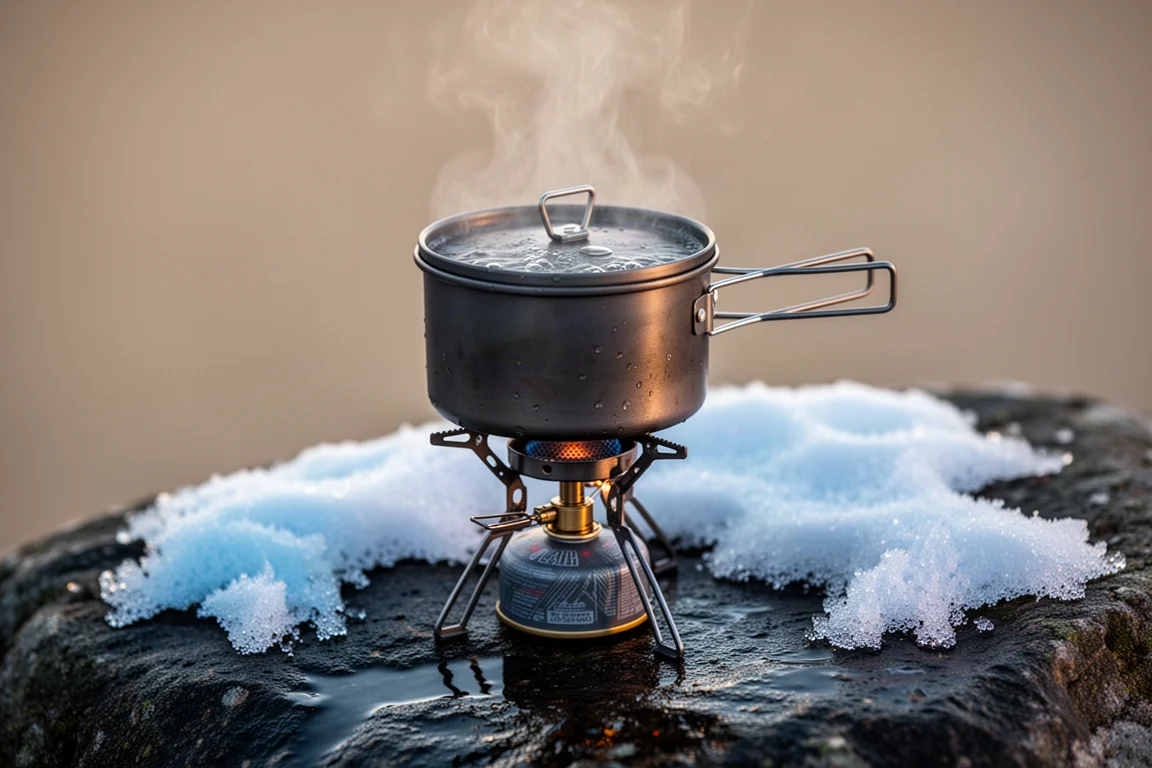
It is best understood as a specialist tool rather than a general-purpose cooker. If your trips involve long days on snow, the trade-off of cost against melting speed is easier to justify than it looks on paper.
LMNT Electrolyte Drink Mix: Hydration for Long Days
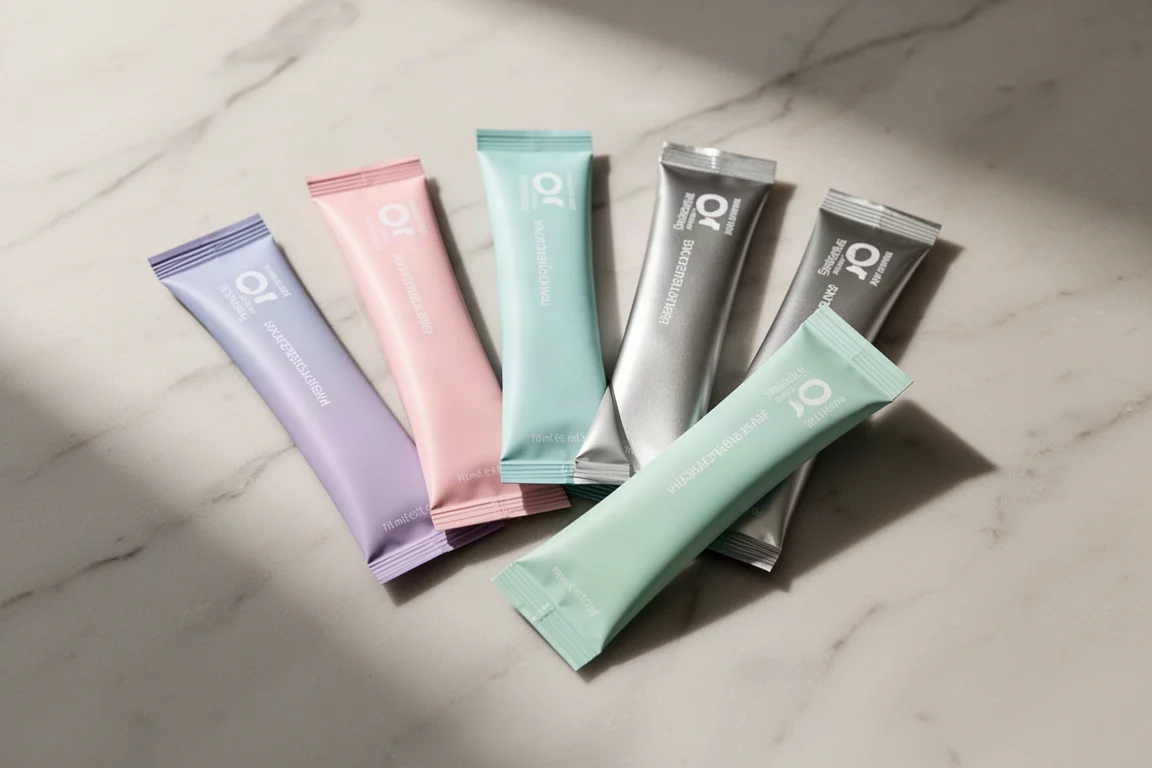
After a long stretch of testing electrolyte supplements from a range of brands, this one came back as the go-to. The reason is straightforward: it is the mix that gets used consistently, from fast-packing trips to hot desert conditions where staying hydrated is the main challenge of the day.
A free sample pack is offered with any purchase, which is a sensible way to decide whether the taste works for you before committing to a larger supply.
ReadyWise Pro Meal: Beef Bulgogi and Kimchi Fried Rice
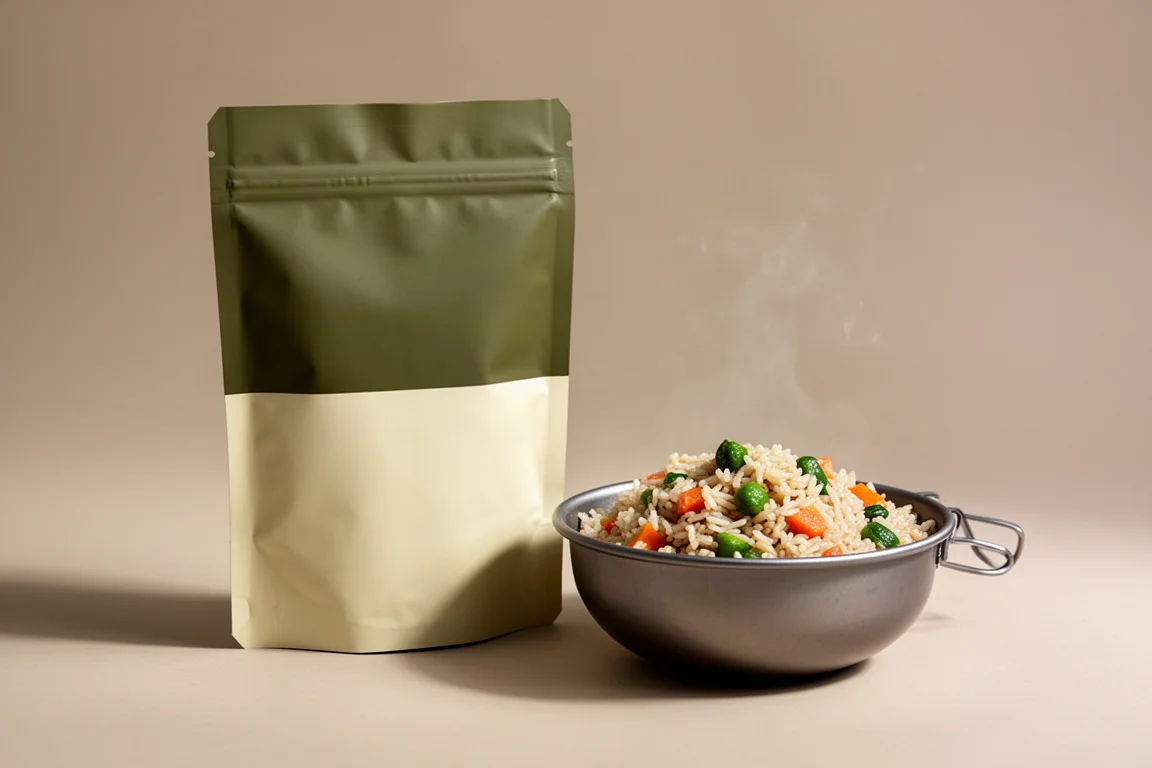
This is a freeze-dried meal that rehydrates with boiled water, and on a glacier after a long climb it delivered. It was described as one of the best backpacking meals tried in a very long time, and the plan afterwards was to pick up several more packs.
Preparation is simple and depends only on your stove working, which makes it a reliable dinner option for cold trips. Buy in multiples if you want to cover a full itinerary rather than a single night.
Buying Advice
Cold-weather backpacking gear is expensive, and the useful question is not which item is best but which item solves a problem you actually have.
If a warm pad that stays light is the priority, the Tensor Extreme is the most technically interesting option here, with the caveat that its real-world warmth on ice needs more testing before you commit to it for deep winter. If you share a tent, the X-Mid Pro 2 Plus addresses floor space directly. If you regularly carry heavy loads, the Arc Haul earns its price. The Reactor is a specialist tool for melting snow. The Moonlight Elite and the electrolyte mix are smaller upgrades that improve comfort and hydration on long days. And the freeze-dried meal is the cheapest way to make a hard day end better.
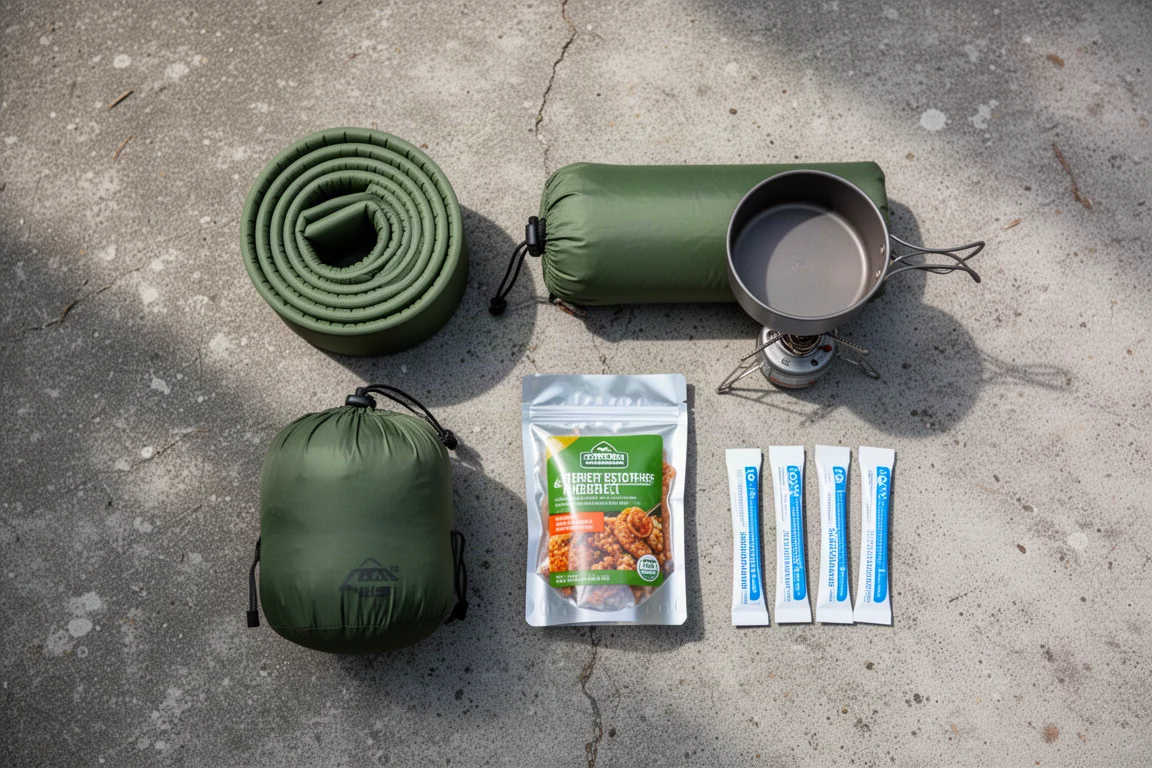
For anyone building a kit from scratch, the sensible order is shelter and sleep system first, then the pack that carries them, then the small comforts that keep a long trip enjoyable.
Conclusion
Seven items, one glacier, and a useful split between gear that clearly works and gear that needs a second look. The X-Mid Pro 2 Plus, the Arc Haul, the Moonlight Elite, the Reactor, the electrolyte mix and the freeze-dried meal all did what they were brought to do. The Tensor Extreme delivered an outstanding warmth-to-weight figure on paper and a more complicated answer in the field, which is exactly the kind of detail worth knowing before you buy.
Further reading
Related Reviews

Backpacking Gear
Building a 10 lb Base Weight: An Ultralight Backpacking Gear List
A practical walkthrough of the ultralight pieces behind a 10 lb base weight, from a 765 g pack and a roomy one-person tent to a full camp chair and a dependable water filter.

Backpacking Gear
A 15-Pound Lightweight Backpacking Gear List for Solo Trips
A beginner-friendly 15-pound backpacking setup built from easy-to-find gear, with notes on what each piece does, how it packs, and where to spend your attention.
Backpacking Gear
8 Ultralight Backpacking Gear Upgrades Worth Carrying
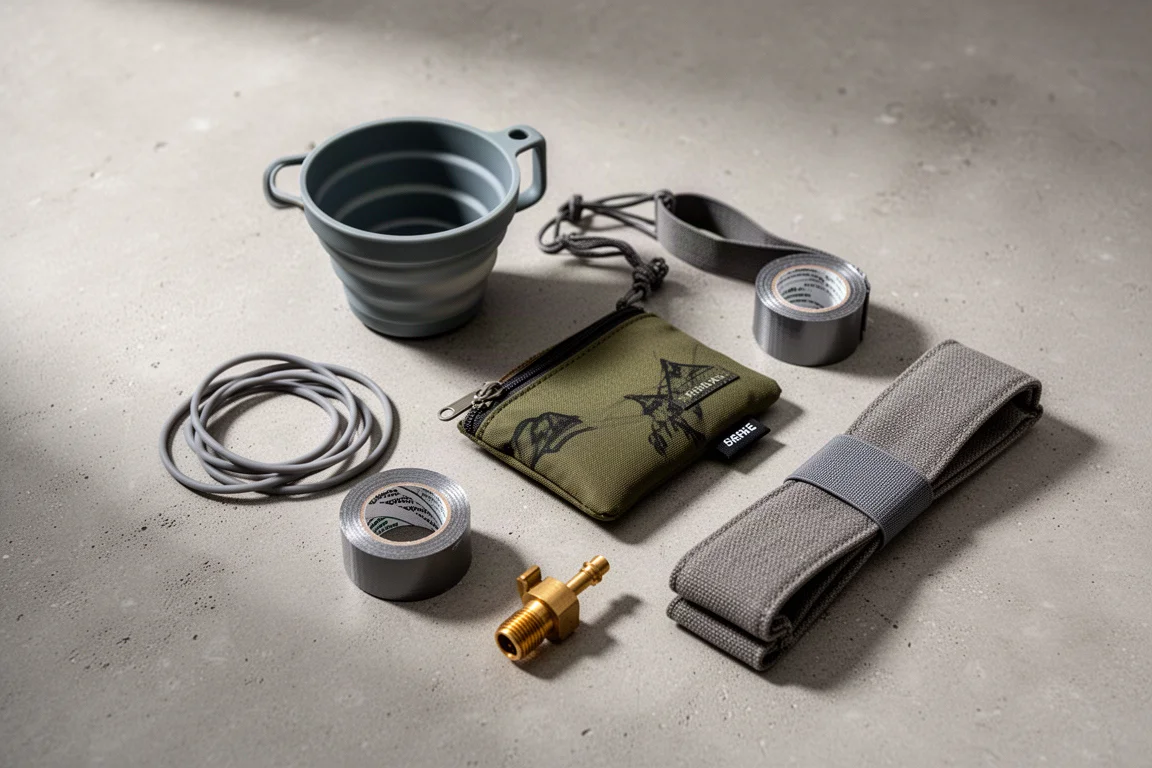
Eight small, affordable backpacking upgrades that solve real trail annoyances, from a pillow that stays put to a fuel valve that rescues leftover canister gas.