Backpacking Gear
Gimmicky Backpacking Gear vs. Gear That Lasts: Three Products to Weigh Up
A practical look at a compact fuel can stabilizer most hikers can work around, plus two carbon trekking poles built around durability and field repair.
Introduction
Every season brings a fresh crop of backpacking accessories promising to solve some small problem on the trail. A few of them replace something you already carry and quietly earn a permanent place in a pack. Others add cost, weight, and complexity, and end up in a hiker box before the first resupply.
The three products below sit at different points on that spectrum. One is a compact add-on that many hikers can work around without ever missing it. The other two are trekking poles built around durability and field repair rather than the lowest possible number on a scale.
The thread running through all three is simple. The best backpacking gear tends to be gear you do not have to think about. It sets up, it holds up, and it can be fixed or replaced without ending a trip.
What Separates Useful Gear From Gimmicks
Two questions sort most gear quickly.
First, does it replace something you already carry, or do a job that no existing item handles? A water bottle cap, for example, can press a tent stake into the ground just as effectively as a dedicated tool, and you are carrying it anyway.
Second, can it be repaired or replaced in the field? Long trails are hard on equipment. Parts get jammed with grit, cords stretch, and anything built around a button or a hinge is a candidate for failure at the worst possible moment.
Gear that answers both questions well tends to stay in a kit for years. Gear that answers neither usually becomes clutter.
Jetboil Fuel Can Stabilizer: A Small Add-On With Limited Payoff
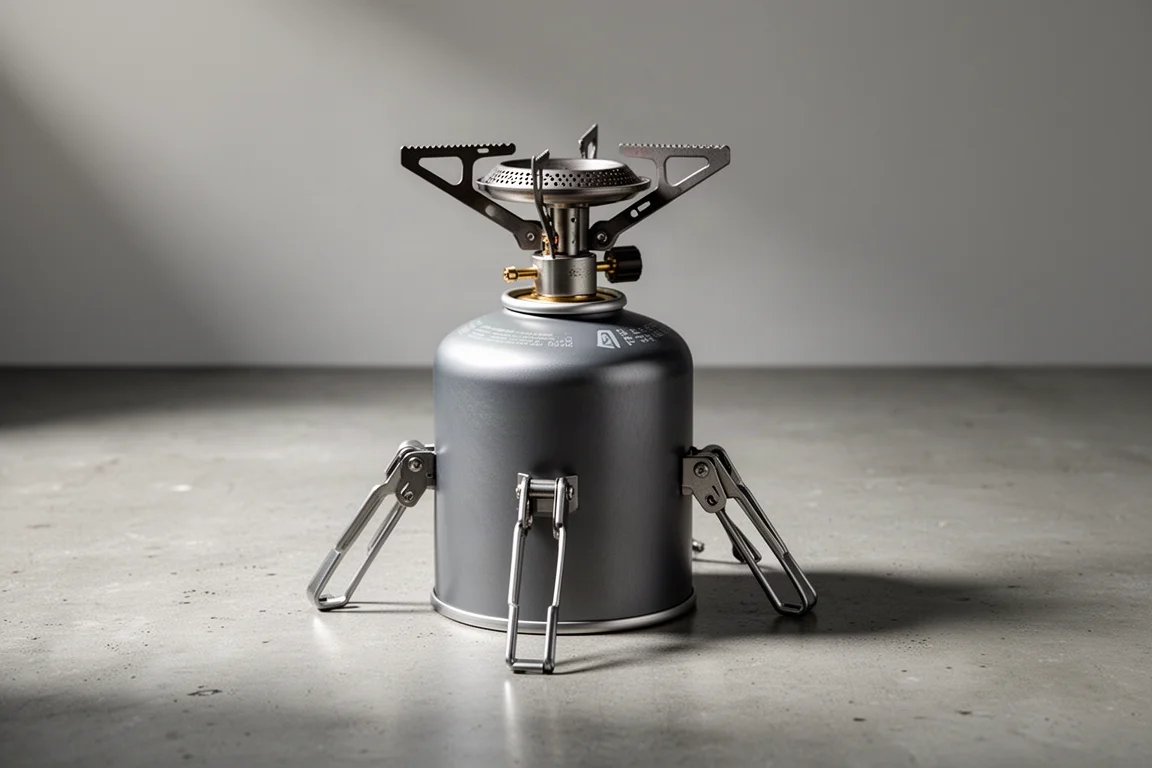
The fuel can stabilizer is one of the oldest accessories in this category. The idea is straightforward: a set of short legs clips onto the base of a fuel canister so a stove and pot sit level when the ground is not.
It works as described, and it is small and light enough to disappear into a cook kit. The catch is how rarely the problem comes up. On uneven ground, shifting a little sand, rolling a couple of rocks aside, or simply moving to a flatter patch usually solves the same problem for free.
There is also a useful diagnostic buried in the stabilizer. If a pot is heavy enough that the whole setup feels unstable on a canister stove, the stabilizer is treating a symptom. A larger stove and fuel system is the more honest answer.
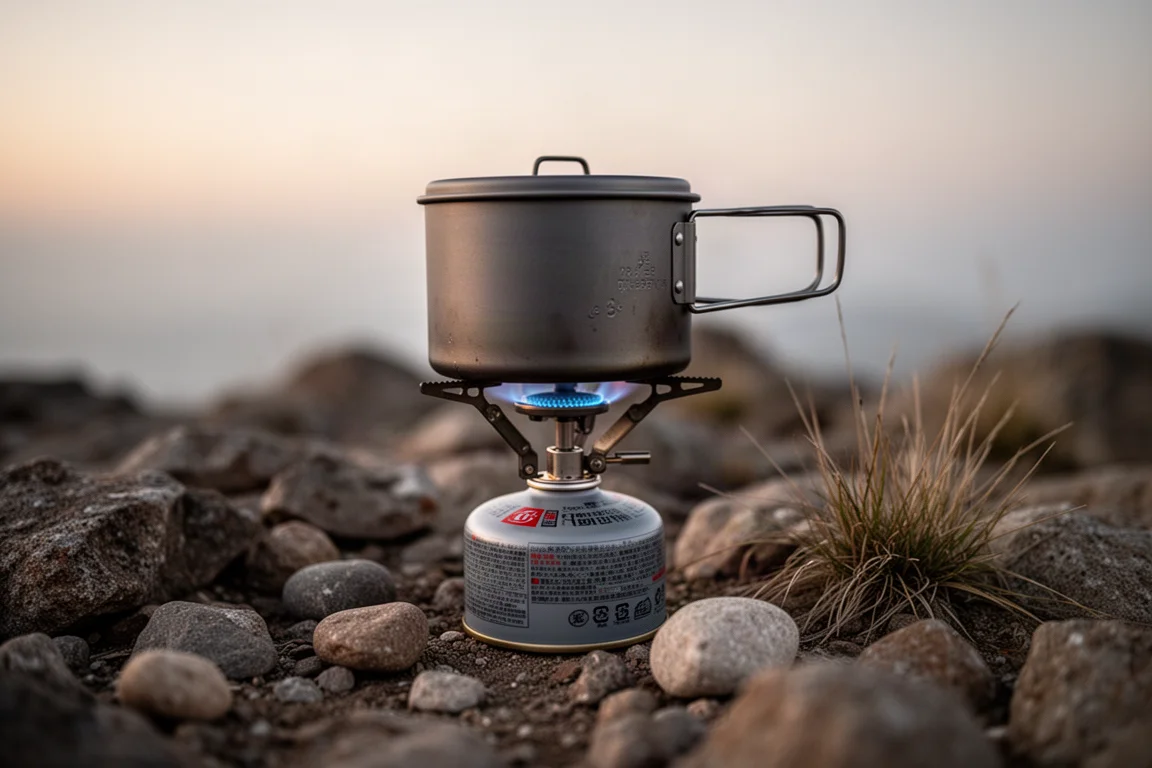
For hikers who camp on loose scree, soft sand, or heavily used sites where the ground is packed into ruts, the legs can save a minute of fiddling at dinner. For everyone else, it is one more small part to keep track of.
Black Diamond Carbon Cork Trekking Poles: Built for Long Distances
Trekking poles take more abuse than almost anything else in a pack. They carry body weight on every step, get wedged between rocks, and absorb the impact when a hiker stumbles.
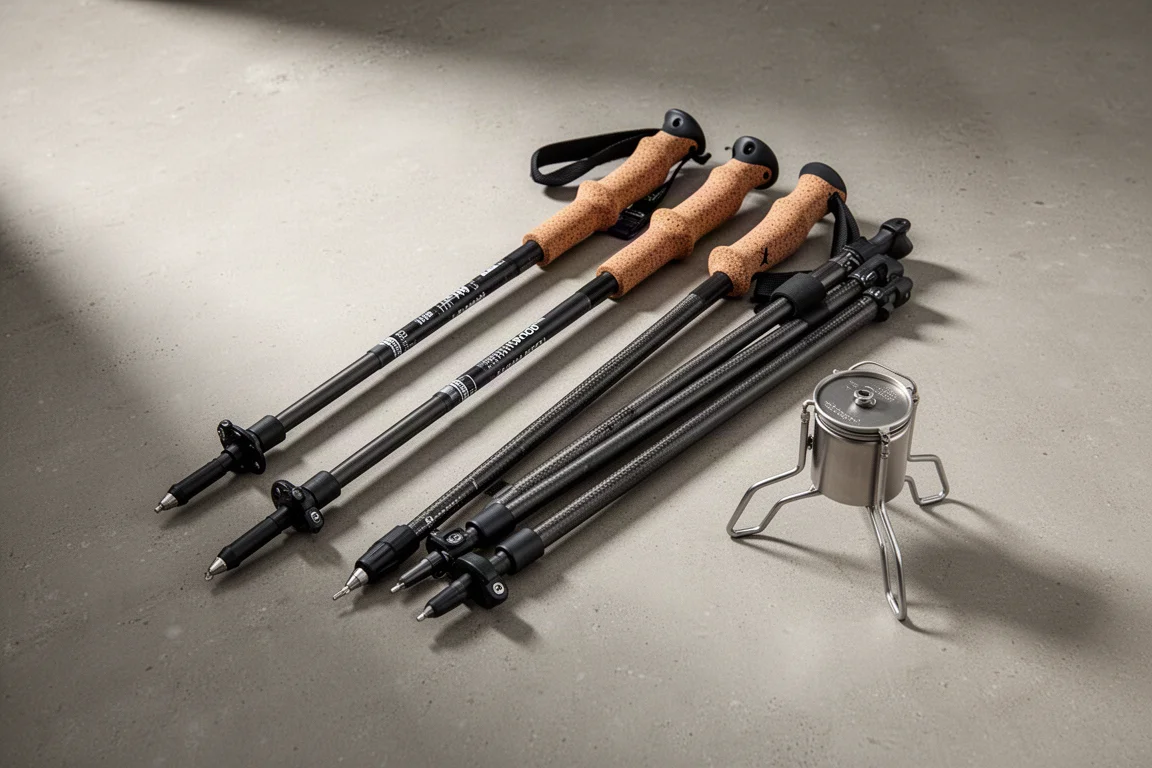
The Carbon Cork poles are built for that reality rather than for the lowest possible weight. Carbon shafts keep the swing weight reasonable, cork grips stay comfortable through long days, and the flick locks can be tightened or repaired in the field with a Phillips head screwdriver. Tips are replaceable, and the pole breaks down into a small number of sections instead of a web of cords and buttons.
That last point matters more than it sounds. Folding poles that rely on an internal cord and a push-button joint pack down smaller, but every added joint is another place for grit to collect and another mechanism that can stop holding tension. A telescoping pole with a simple lever lock has far less to go wrong, and what does go wrong is usually fixable on the spot.
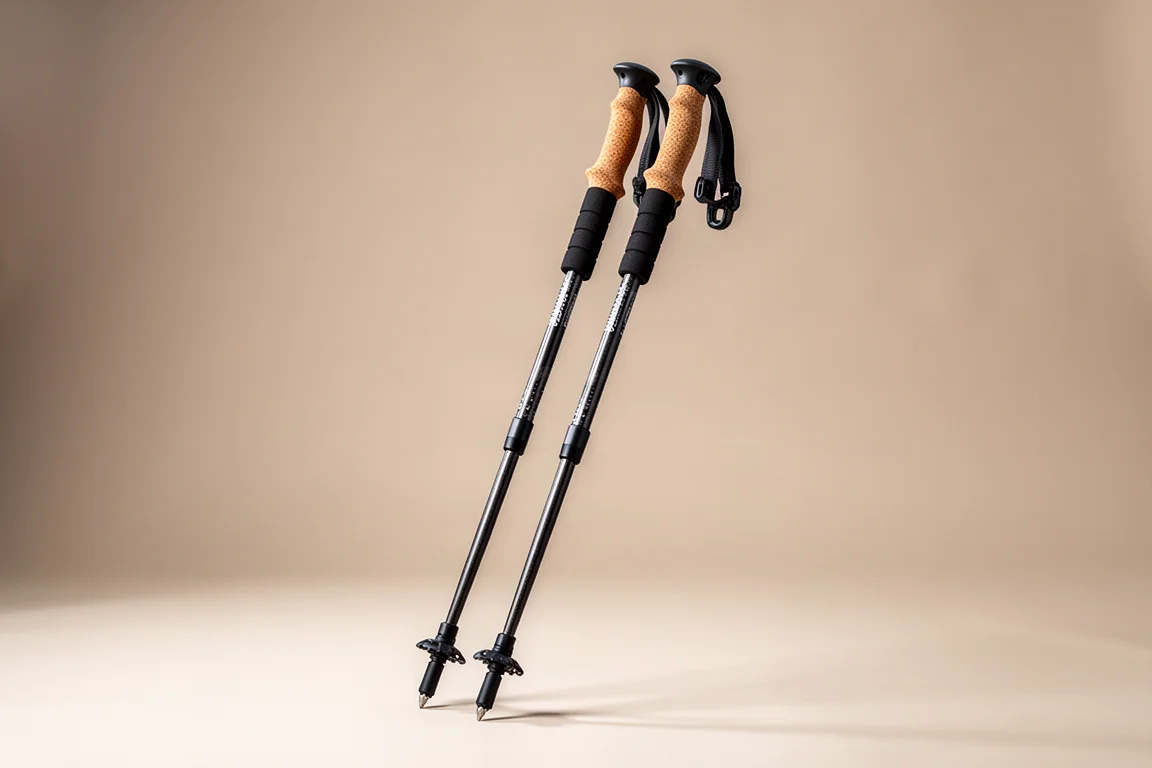
The trade-off is weight. These poles are a little heavier than the most minimal folding options, and they do not collapse as compactly. For hikers who want a pole that is still working after a few thousand miles, that is a reasonable exchange.
Deaorite Trekking Poles: Field-Repairable Carbon
The Deaorite poles, previously sold under the Kanak name and made in Portland, follow a similar philosophy. Carbon shafts, replaceable tips, and hardware that can be serviced on the trail rather than shipped back to a manufacturer.
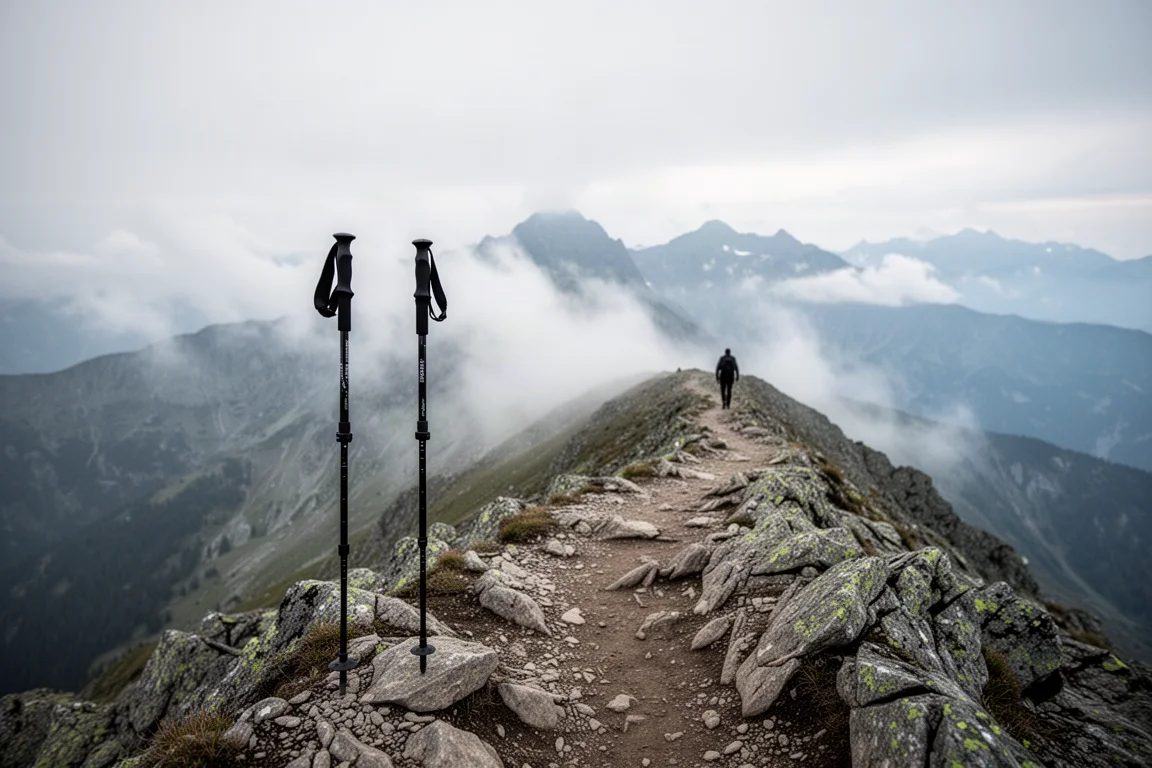
No pole is indestructible. A carbon pole that gets wedged between two rocks and takes a hiker’s full falling weight can snap, and that risk exists regardless of brand. What separates a dependable pole from a frustrating one is what happens next. Replaceable tips and field-serviceable joints mean a single damaged component does not retire the whole pair.
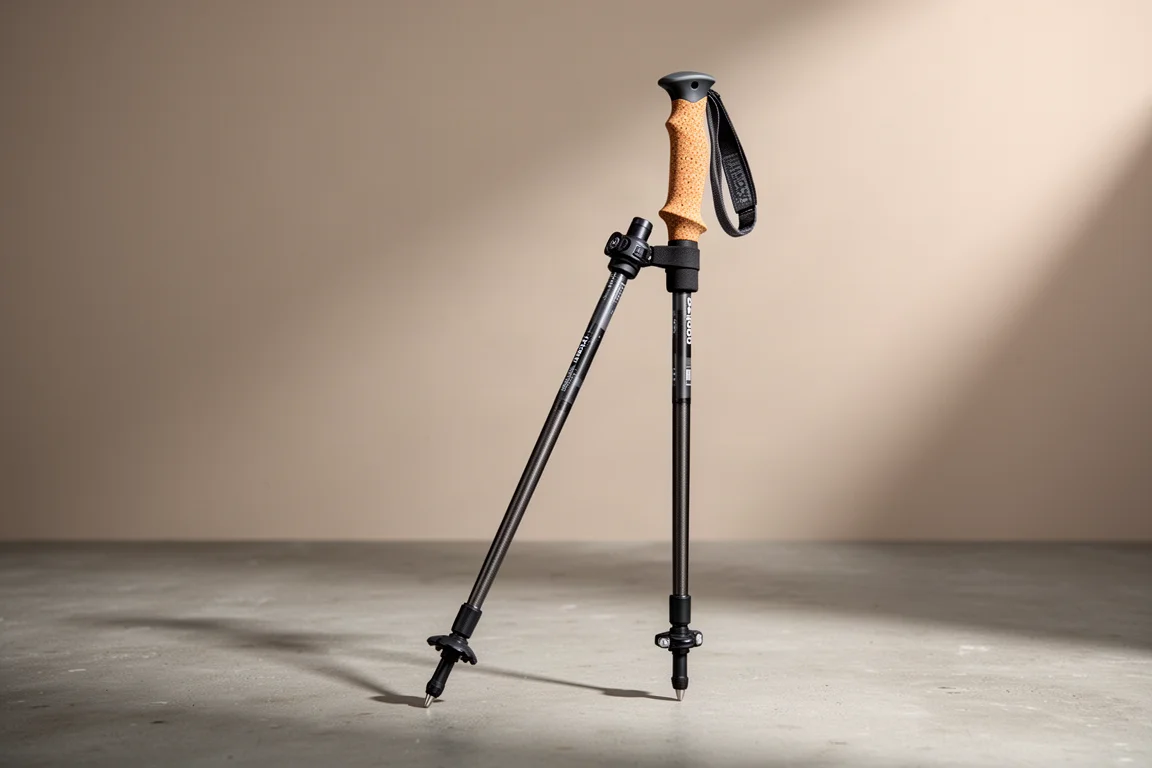
For thru-hikers and anyone planning long routes far from a gear shop, that repairability is worth more than a few grams of savings.
Choosing Between Convenience and Durability
The three products here solve very different sizes of problem.
The stabilizer addresses a narrow, occasional annoyance. It is inexpensive, it packs small, and it will genuinely help in specific conditions. It is also the kind of item most hikers can replace with a boot heel, a rock, or a flatter patch of ground.
The two trekking poles address a problem that comes up on every step of every hike. They are heavier than the lightest options on the market, and that extra material is exactly what keeps them working when a lighter pole would have failed.
If budget and pack space allow for only one upgrade this season, poles will change more days on trail than any cook kit accessory.
Buying Advice
Match the gear to the kind of hiking you actually do.
If most of your trips are short and end at established campsites with flat tent pads, the fuel can stabilizer is an easy item to skip. If you regularly cook on sand, scree, or rutted ground, it is a cheap way to keep dinner upright.
Trekking poles deserve more thought, because they are load-bearing gear. Look for replaceable tips, serviceable locks, and a shaft material you trust. Cork grips are worth the small weight penalty for hikers who put in long days.
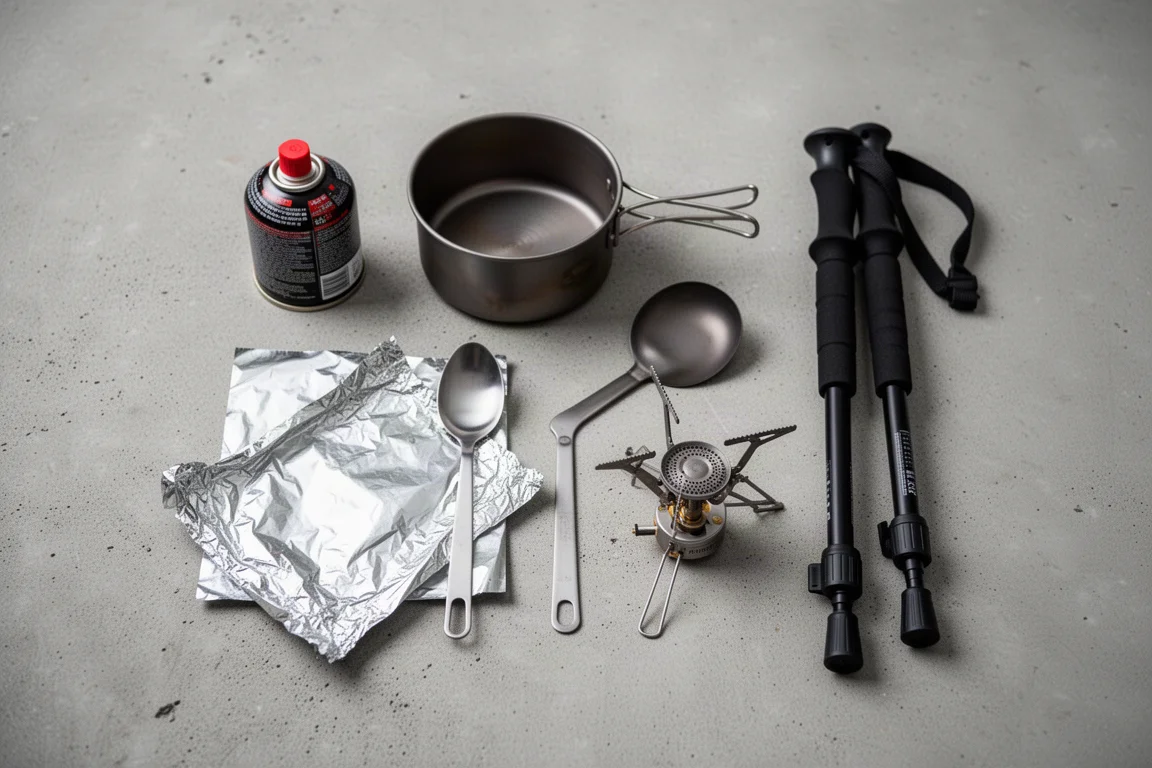
Whichever poles you choose, learn how the locks adjust before your first trip. A few minutes spent understanding how the mechanism tightens, and which tool it needs, is the difference between a quick field repair and a ruined hike.
Weight matters, but it is not the only number worth watching. Durability, repairability, and simplicity tend to decide whether a piece of gear is still in your pack five years from now.
Conclusion
Backpacking gear works best when it stays out of the way. A stabilizer can be a modest convenience in the right conditions, while a well-built pair of trekking poles is the kind of equipment that quietly carries a trip. Buy for the trails you actually hike, favour gear you can repair, and the kit tends to take care of itself.
Further reading
Related Reviews

Backpacking Gear
Building a 10 lb Base Weight: An Ultralight Backpacking Gear List
A practical walkthrough of the ultralight pieces behind a 10 lb base weight, from a 765 g pack and a roomy one-person tent to a full camp chair and a dependable water filter.
Backpacking Gear
A 15-Pound Lightweight Backpacking Gear List for Solo Trips
A beginner-friendly 15-pound backpacking setup built from easy-to-find gear, with notes on what each piece does, how it packs, and where to spend your attention.
Backpacking Gear
8 Ultralight Backpacking Gear Upgrades Worth Carrying
Eight small, affordable backpacking upgrades that solve real trail annoyances, from a pillow that stays put to a fuel valve that rescues leftover canister gas.