Backpacking Gear
Gimmick or Genuine Upgrade? Backpacking Gear Worth Carrying
Four backpacking items examined on their merits: a navigation app with an SOS service, a fuel can stabilizer, and two field-repairable trekking poles.
Introduction
There is a fine line between gear that is genuinely innovative and gear that is simply gimmicky. After more than a decade of long-distance hiking across deserts, mountain ranges, and just about every environment in between, that line has become easy to see. Roughly 15,000 miles of trail have a way of filtering out clever ideas that cannot survive contact with dirt, sand, rain, and a heavy pack.
Going ultralight was never only about the number on the scale. It is about simplifying a kit so there is less to worry about, less to lose, and less to break, which leaves more attention for the landscape. Every item has to justify the space it takes up.
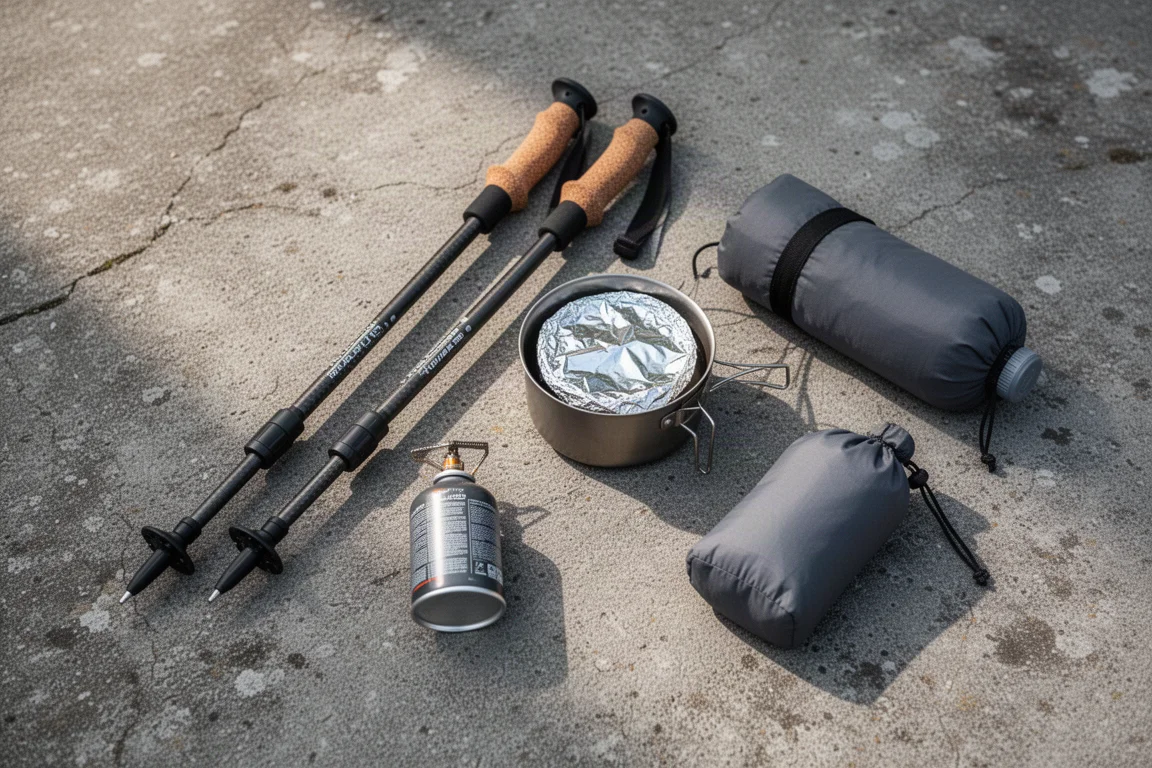
This guide covers four items that come up constantly in backpacking conversations: a navigation app that has earned a permanent place in the kit, a fuel can stabilizer with a very narrow use case, and two pairs of trekking poles built to be repaired in the field rather than replaced.
How We Judge Gear: Multi-Use, Durable, and Field-Repairable
Three questions settle most gear debates. Does the item do more than one job? Can it be repaired or replaced while you are out on trail? And can it be lost, broken, or left behind without ruining the trip?
Single-use gadgets tend to fail all three. A 3D printed stake pusher that only presses tent stakes, a battery-powered pump that only inflates a sleeping pad, and a printed pot lid that only fits one specific pot all add weight, cost, and plastic while doing one small job. None of them solve a problem that the ground, a set of lungs, or a piece of aluminium foil cannot already solve.
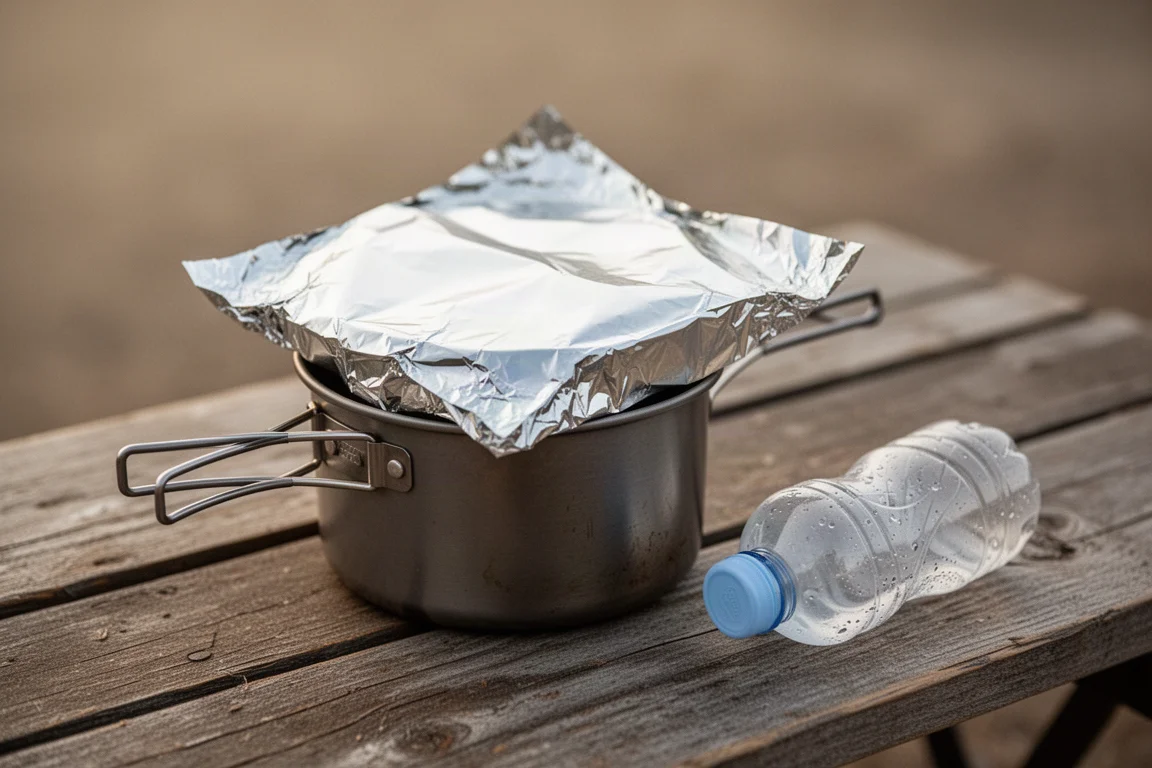
The free alternatives are usually already in the pack. A water bottle cap presses a tent stake just as well as a dedicated tool, and it costs nothing because it is already there. A square of aluminium foil folded a few times, trimmed into a circle, and unfolded at dinner time makes an ultralight pot lid that can be remade in any trail town for a couple of dollars.
Durability and repairability matter just as much as weight. Gear designed to be fixed with a simple tool, or to have worn parts swapped out, keeps working season after season. Gear that cannot be repaired usually gets replaced, and that is a worse outcome for both the wallet and the trail.
OnX Backcountry: Navigation That Earns Its Place
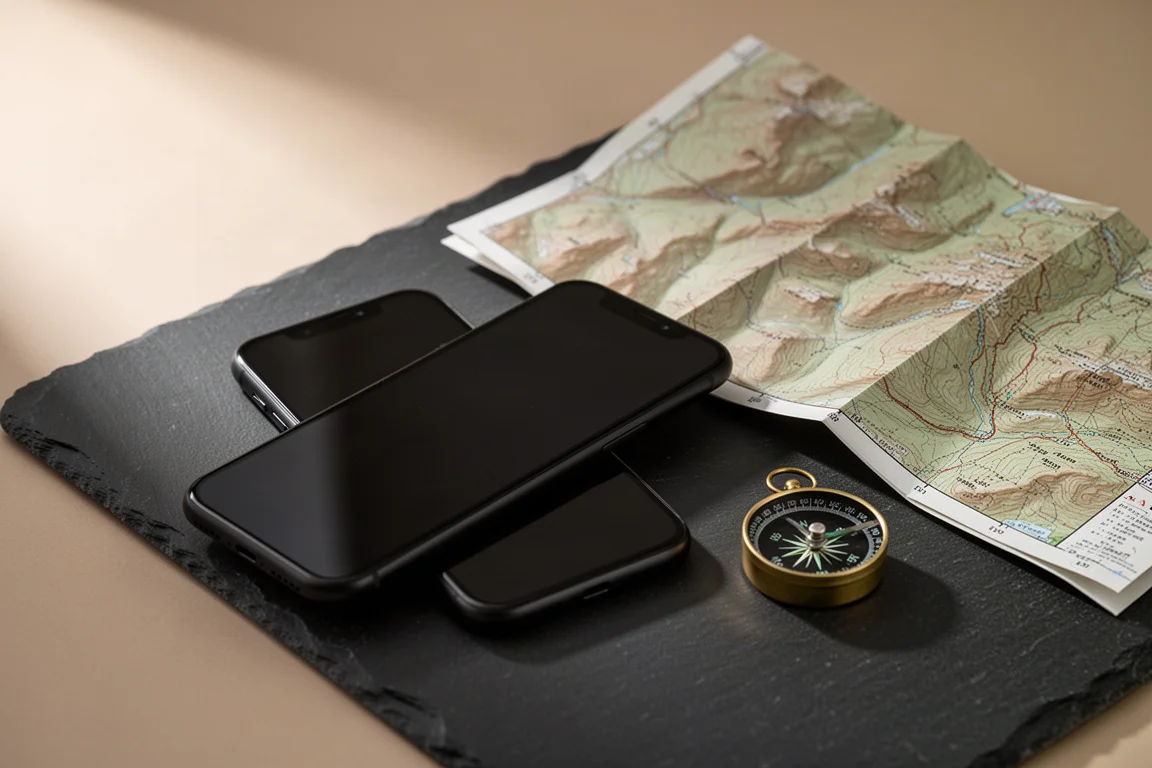
OnX Backcountry is a trip planning and navigation tool that works on mobile and on desktop. Three years of use for weekend backpacking trips, packrafting trips, and a 400-mile thru-hike through the Brooks Range in Alaska have made it a core part of the kit rather than an optional extra.
The map layers are where it becomes genuinely useful. A current weather layer, an active wildfire layer, and a slope angle layer all sit on top of the route, so decisions can be made with real information instead of guesswork.
The newest addition is OnX SOS emergency, a yearly subscription service built into the same app used for navigation. If something goes wrong and a rescue is needed, the request sits inside the tool that is already open. For anyone heading into remote terrain, that is a sensible piece of insurance and a real boost in confidence.
Jetboil Fuel Can Stabilizer: A Narrow Use Case
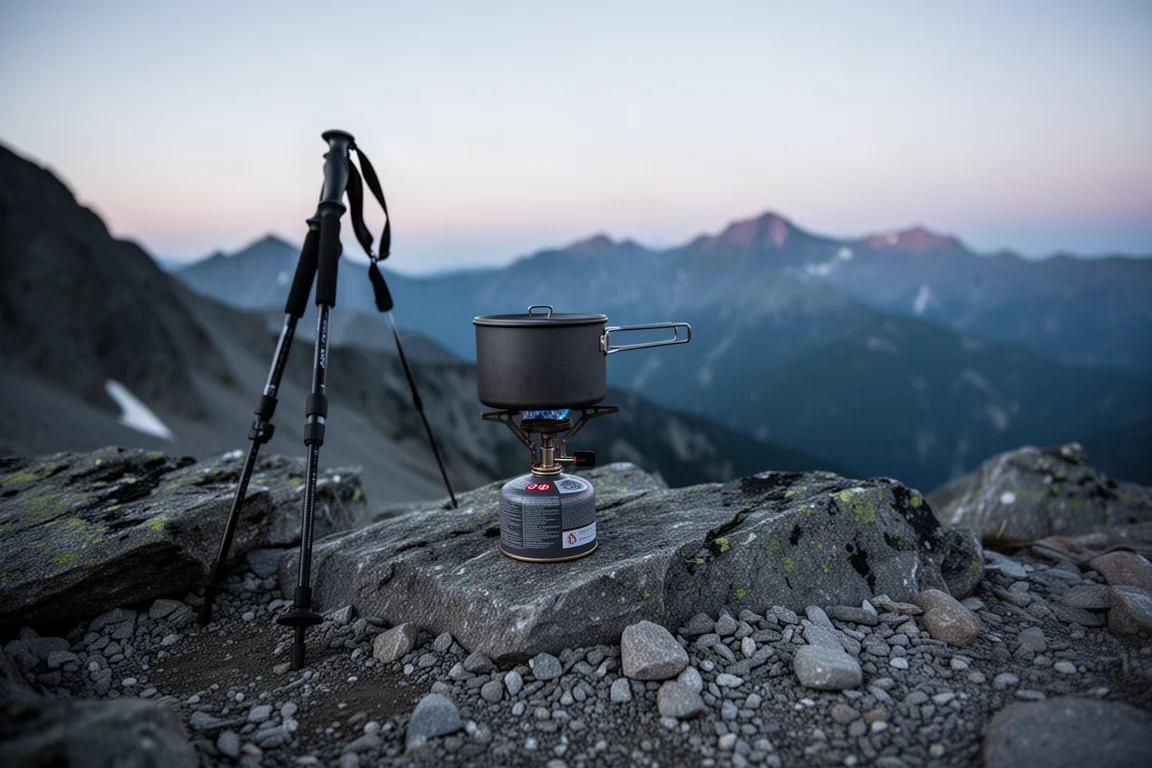
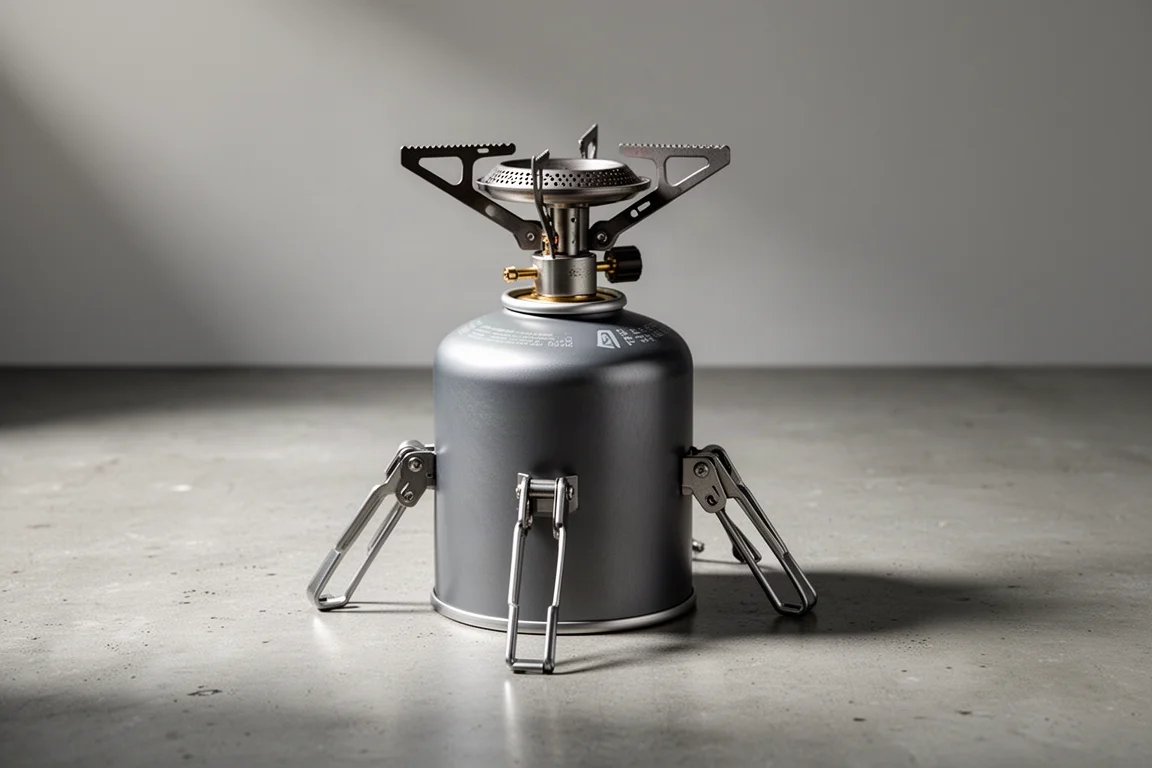
A fuel can stabilizer is a set of small clip-on legs that widen the base of a canister. The idea is straightforward: on uneven ground, the legs keep the canister and the pot above it from tipping. Jetboil has made one of the best known versions for years, and it used to ship with their stoves. Several smaller companies now offer variations, some with cutouts shaped for different canister sizes.
In practice, the problem it solves is easier to solve with the ground itself. Over more than a decade of hiking in deserts, mountains, and everything between, leveling the ground has always been enough: scrape away a little sand, shift a rock or two, or find a flatter patch to cook on. If a pot is heavy enough that the canister beneath it genuinely needs stabilizing legs, the better answer is a larger stove and a larger fuel system, not a plastic accessory.
That said, gear is personal. Anyone who cooks often on loose sand or shifting scree and likes the extra stability should carry what makes them comfortable, because they are the one carrying it. The honest trade-off is that the same result is usually available for free.
Black Diamond Carbon Cork: Poles Built to Last
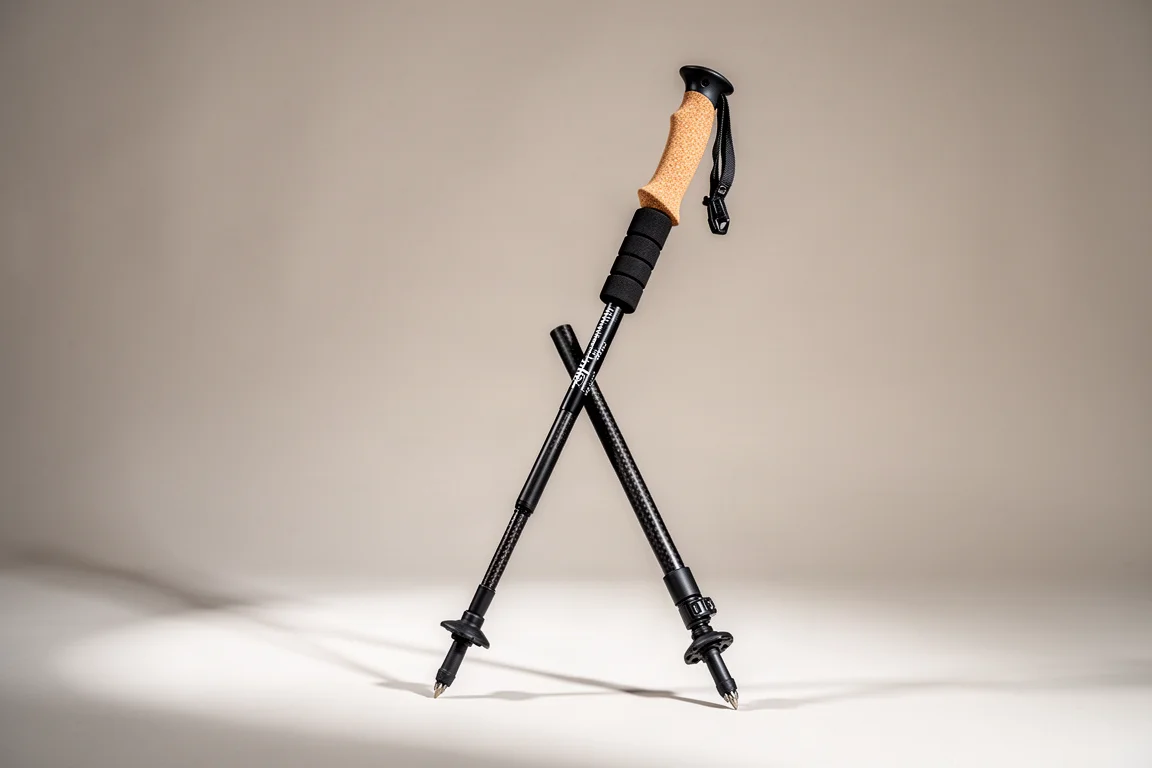
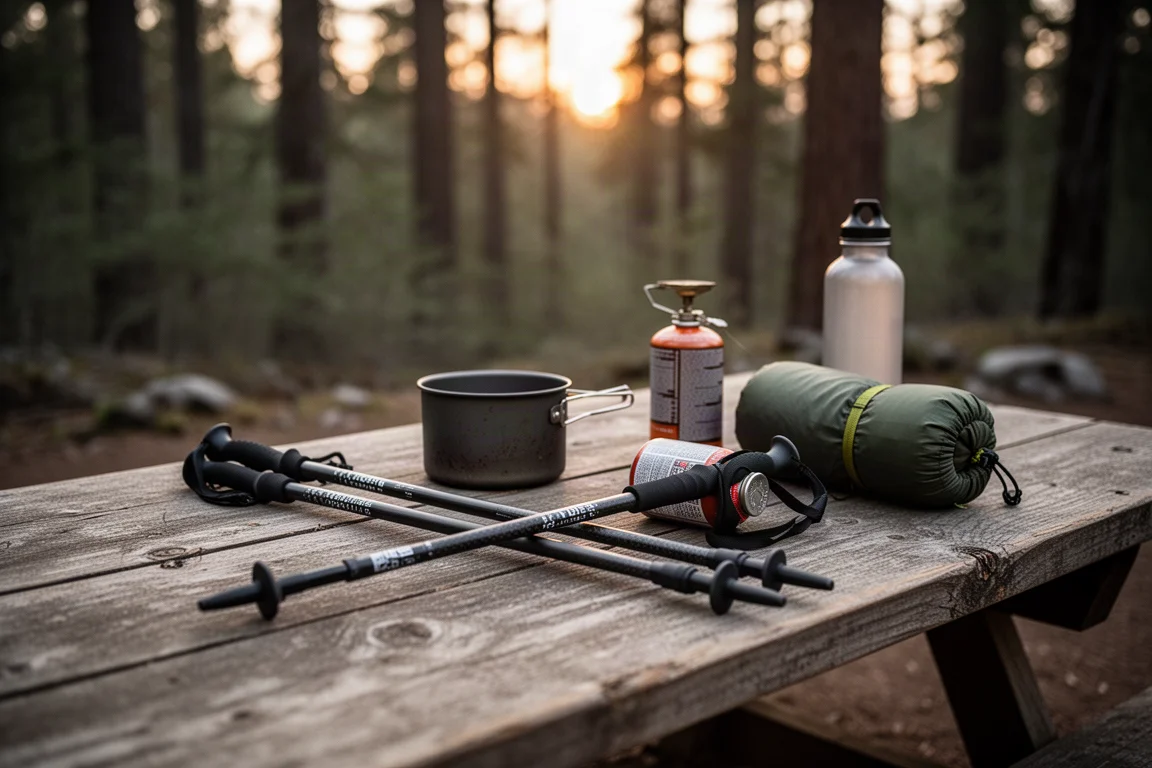
The Black Diamond Carbon Cork is the pair that has never failed. In service since 2015, with thousands of miles behind them and close to 5,000 miles of hiking, not a single part has broken.
The details explain the record. Carbon shafts keep the weight reasonable, cork grips stay comfortable over long days, and the flick locks can be repaired in the field with nothing more than a Phillips head screwdriver. It is a simple, serviceable design with very few small parts to jam, strip, or snap.
There is a broader lesson here. A trekking pole carries a large share of your body weight, smacks against rocks, catches on roots and branches, and sometimes takes the impact of a stumble. A pole built to be heavier and simpler tends to survive that treatment far longer than a pole built to be as light as possible.
What Fails on Ultralight Trekking Poles
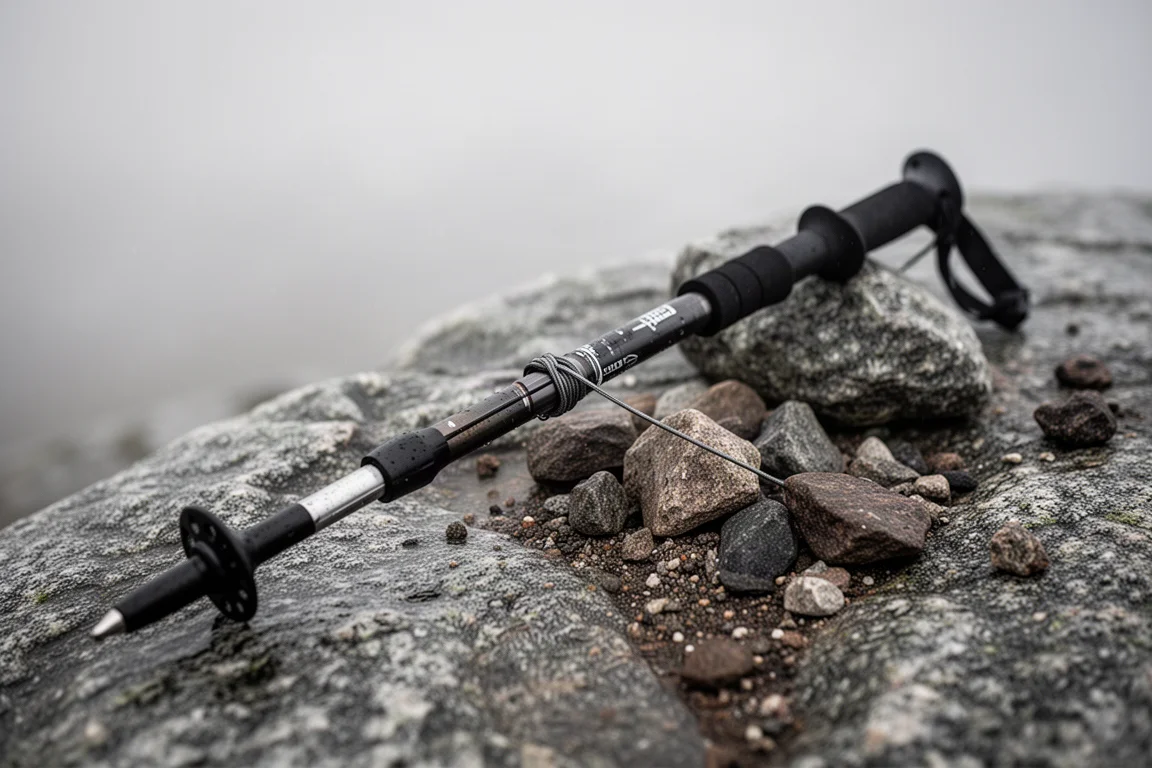
The failure pattern on minimalist poles is consistent. Internal cords stretch until the sections no longer lock firmly. Push buttons lose tension and stop engaging. Tips break off, and shafts bend because the walls are too thin for the load they carry.
Sand and grit make it worse. Every extra joint, button, and cord is another place for dirt to collect and another mechanism that can seize. Combine that with a pole shaved down to minimum material, and a single awkward fall can end its working life.
None of this is an argument against saving weight everywhere. It is an argument for treating trekking poles as load-bearing equipment rather than an ultralight experiment. A slightly heavier pole that can be repaired with a screwdriver, and whose tips can be replaced, will outlast several lighter pairs.
Deaorite Trekking Poles: Field-Repairable Carbon
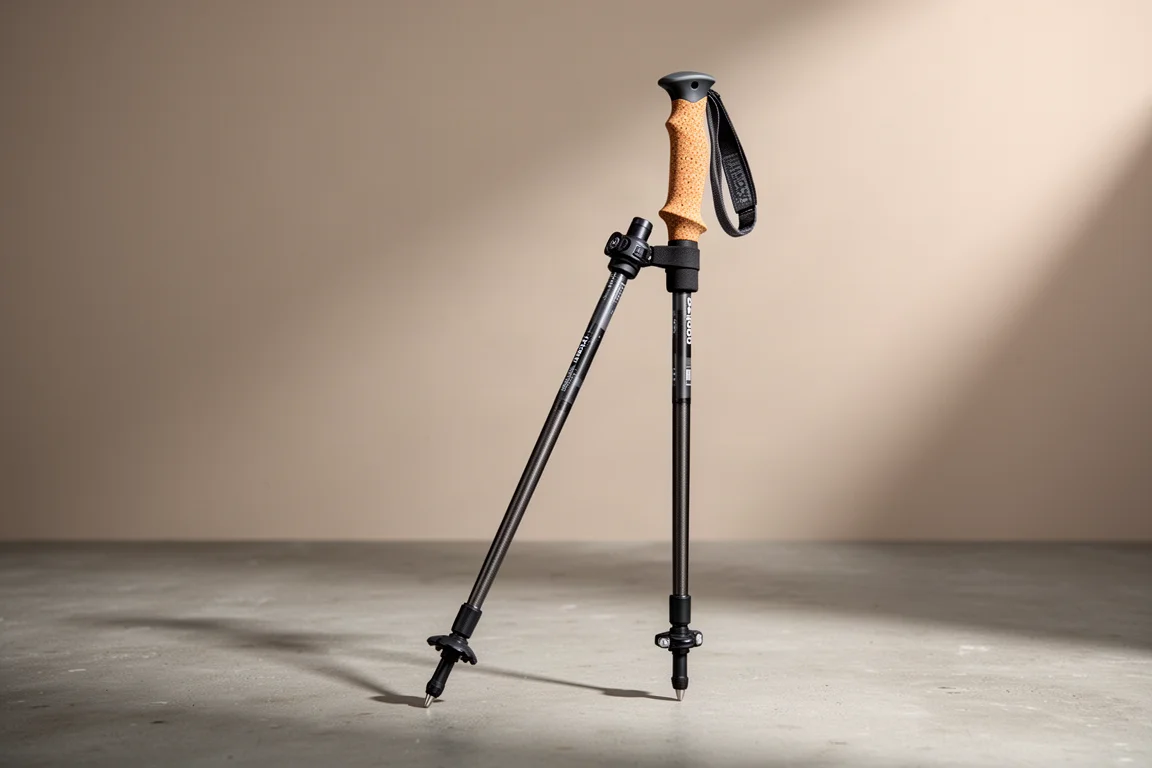
The Deaorite pole, formerly sold as Kanak, follows the same philosophy from a different direction. It is made in Portland, built from carbon, designed to be repaired in the field, and its tips are replaceable.
The track record is strong. Across thousands of miles, only one has ever broken: the end snapped at the close of a long thru-hike, after more than 3,000 miles, when the tip lodged between two rocks and the hiker fell forward onto it. Another pole from the same original set, with thousands of miles on it, is still going strong.
Overall Buying Advice
The dividing line between innovation and gimmick comes down to what the item actually changes. A genuine upgrade makes a trip more comfortable or more efficient, or it takes an existing piece of gear and improves it with better materials or better design. A gimmick adds a small, single-purpose object that nobody needed, and it usually adds plastic to the world in the process.
Before buying, run the three questions again. Does it have a second use? Can it be repaired or replaced on trail? Could it be lost or broken easily? Gear that passes all three tends to stay in the kit for years.
Preference still matters. Bright, clever, new gear is fun, and there is nothing wrong with carrying something because it makes you happy. The point is to make that choice deliberately, with a clear idea of what it costs in weight, money, and pack space.
Conclusion
Four items, two verdicts. OnX Backcountry earns its place as a planning and navigation tool, especially with an SOS subscription built into the same app. The Jetboil fuel can stabilizer solves a problem that the ground itself usually solves for free. The Black Diamond Carbon Cork and the Deaorite pole both make the same argument: trekking poles are load-bearing equipment, and durability plus field repairability is worth more than the last few ounces.
After thousands of miles, the gear that lasts is the gear that can be fixed, that has more than one job, and that does not need to be replaced every season. That is a better measure of value than any single number on a scale.
Further reading
Related Reviews

Backpacking Gear
Building a 10 lb Base Weight: An Ultralight Backpacking Gear List
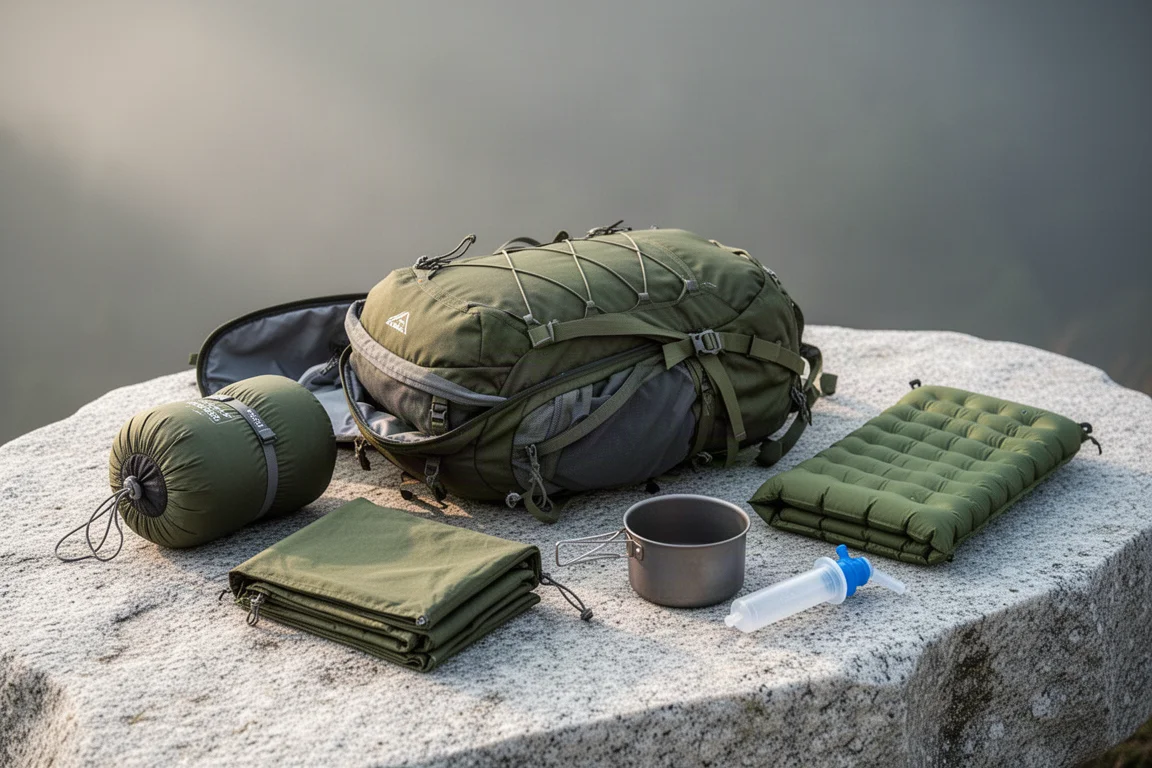
A practical walkthrough of the ultralight pieces behind a 10 lb base weight, from a 765 g pack and a roomy one-person tent to a full camp chair and a dependable water filter.
Backpacking Gear
A 15-Pound Lightweight Backpacking Gear List for Solo Trips
A beginner-friendly 15-pound backpacking setup built from easy-to-find gear, with notes on what each piece does, how it packs, and where to spend your attention.
Backpacking Gear
8 Ultralight Backpacking Gear Upgrades Worth Carrying
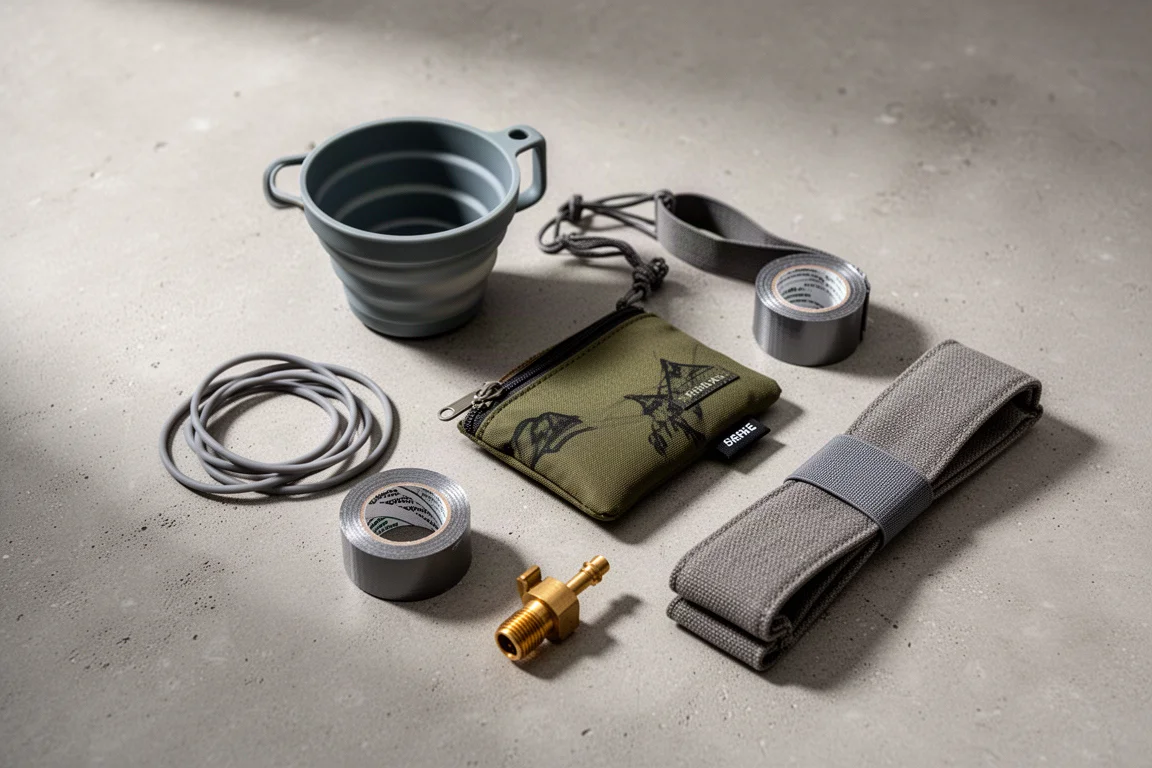
Eight small, affordable backpacking upgrades that solve real trail annoyances, from a pillow that stays put to a fuel valve that rescues leftover canister gas.