Triathlon Bikes
Giant Trinity Advanced Review: A Pro-Loved Triathlon Bike with Clever Race-Day Details
A close look at the Giant Trinity Advanced, a race-proven triathlon platform, and the cockpit, hydration, and wheel choices that make it a standout race-day package.
Introduction
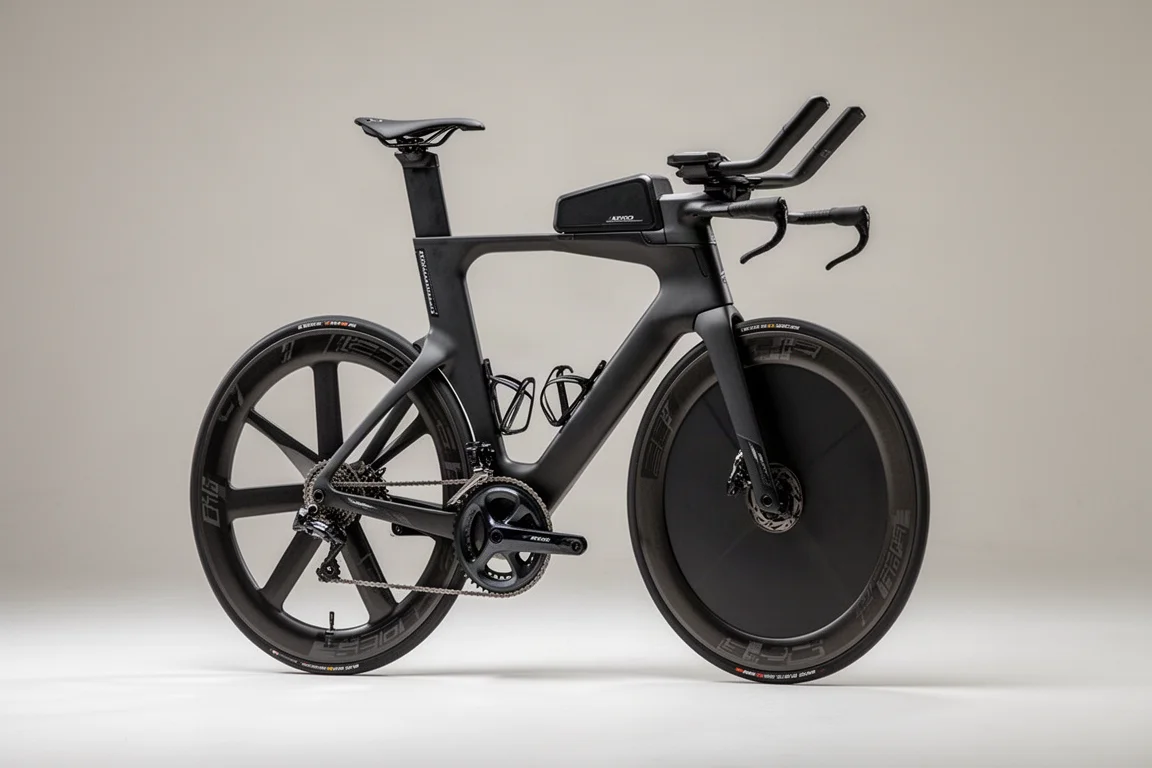
The Giant Trinity Advanced has built a reputation as one of the most successful aero platforms in triathlon and time trialing. Over the years, it has collected numerous World Tour time trial stage wins, and it added a Challenge Roth victory in 2014. The triathlon version of the Trinity goes a step further, with integrated hydration and storage options that keep the frame clean and the front end uncluttered.
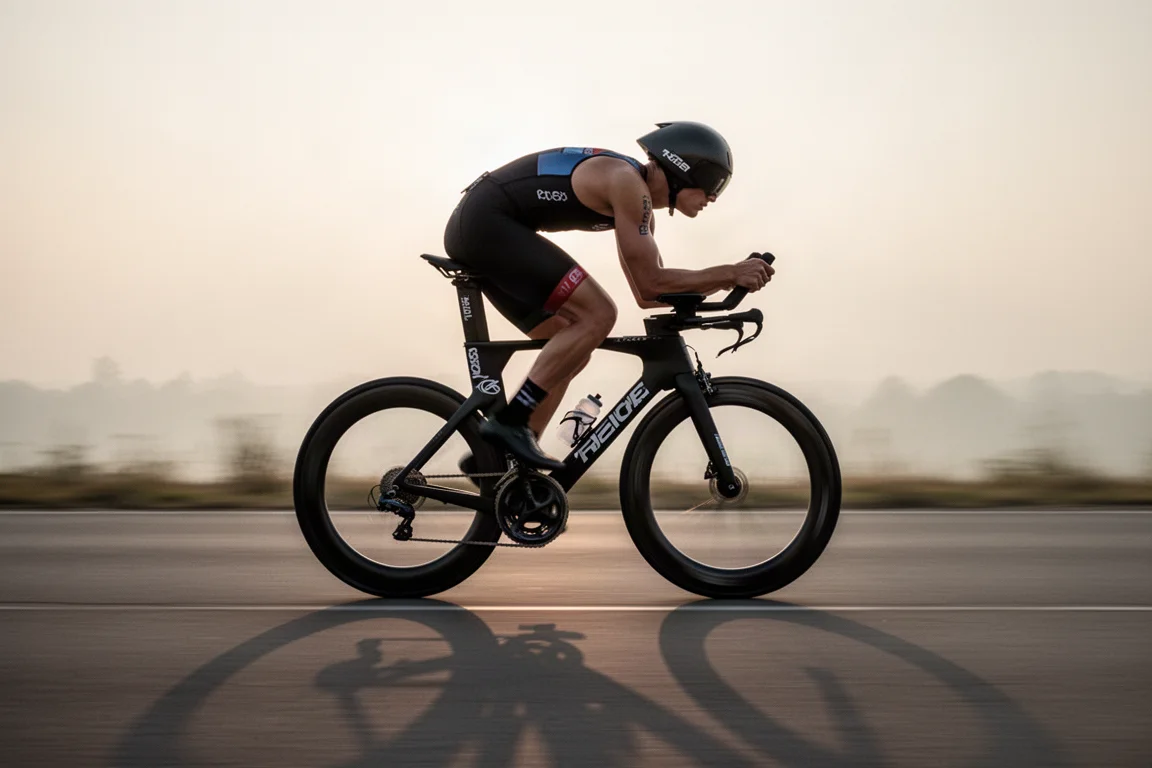
The bike prepared for South African champion Maurice Clavel ahead of Challenge Roth shows exactly how far a rider can take that personalization. This build pairs a reversible cockpit set low and aggressive with a deliberately simple hydration layout, a one-by drivetrain, and a fast Cadex wheel package.
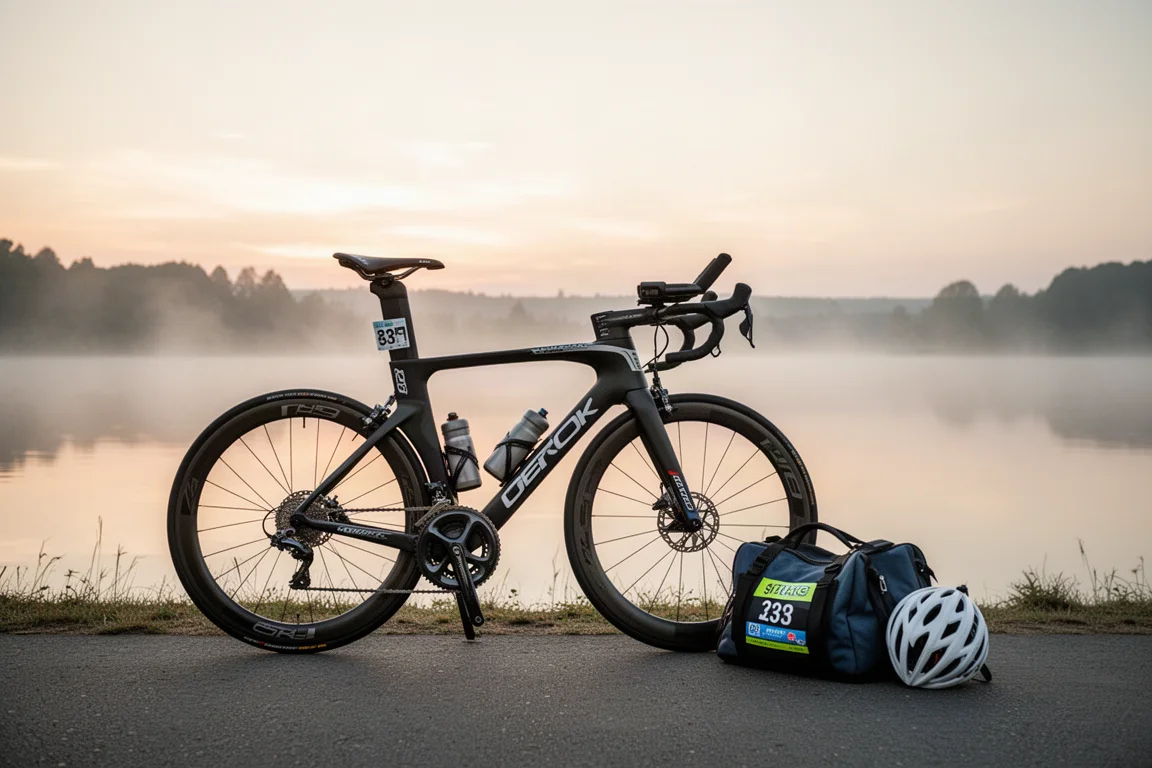
It is not the newest triathlon bike on the market, and the frame remains rim brake only for now, but the details matter. The integrated storage, the adjustable front end, and a hydration strategy chosen for real race conditions all contribute to a bike that performs where it counts.
Who This Bike Is For
The Trinity Advanced is aimed at triathletes and time trialists who want a proven aero frame with room to make it their own. The triathlon version is designed around integrated hydration and storage, so athletes who expect to carry fuel and water across a long race will appreciate the clean cockpit and the storage hatch tucked behind the stem.
Riders who are sensitive to cockpit fit will also find value here. The base bar is reversible and offers 40 mm of adjustment, allowing the rider to flip between a higher, more comfortable position and a lower, more aggressive one. That level of adjustability is uncommon on an aero bike in this class.
Design and Cockpit
Up front, the reversible base bar can be flipped to move the position through a 40 mm range. The rider in this build selected the lower, more aggressive setting. Giant also offers its Aero Vault system, an integrated hydration unit that mounts around the head tube and stem area to keep fluid storage out of the wind. That unit is not installed here, and the reasoning ties directly into race-day strategy.
Instead, the cockpit runs a somewhat old-school set of aero extensions and arm pads with a straight, long reach. It is a striking contrast to modern pro setups, where riders often sit more upright with their hands closer to the face and pads that support the forearms. The straight configuration here is a reminder that individual fit preferences can override current trends.
A small bike computer is mounted in the center and raised slightly so it sits above the arms, and a standard bottle cage is cable-tied to slim metal rods between the extensions. A matched aero time trial helmet with a truncated rear profile and good ventilation completes the front-end package.
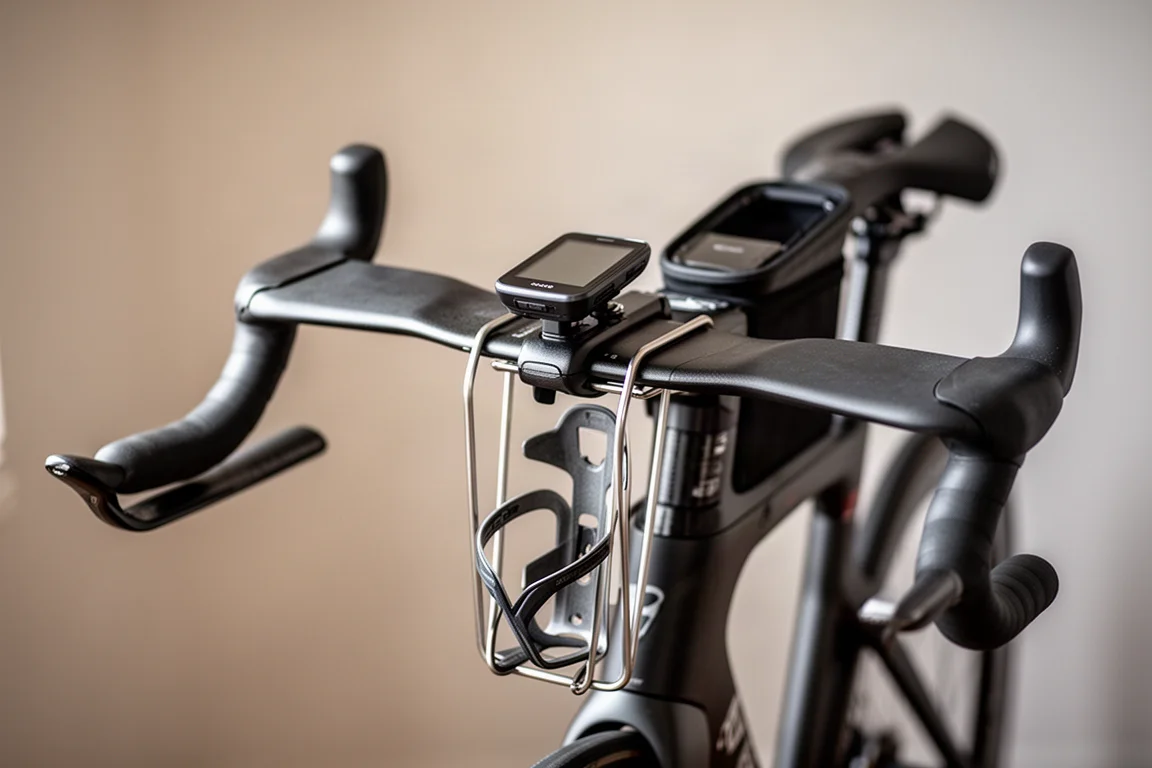
Behind the bars, the frame hides a neat integrated storage compartment behind the stem, sized for gels and small bars on race day. The rim brakes are also worked into the design: the front brake sits tucked into the fork region, while the rear brake is hidden below the bottom bracket, keeping the silhouette clean and the drag low.
Wheels and Drivetrain
The rolling stock is a Cadex package, with a four-spoke Cadex front wheel and a Cadex disc wheel at the rear. Both are fitted with prototype Schwalbe Pro One TT tires in a 25 mm width, running tubeless and matched front and rear for a fast, compliant ride over long distances.
The drivetrain is SRAM Force eTap AXS, built as a simple one-by setup. A 52-tooth chainring up front combines with a 10-33 cassette at the rear, offering a workable range for most triathlon courses while reducing shifting complexity and mechanical clutter. A CeramicSpeed OSPW jockey wheel system sits on the rear mech to trim drivetrain drag, and a power meter is built into the cranks, which are 170 mm. Shimano Dura-Ace pedals finish the setup, an increasingly rare sight at the pro level now that aero pedal systems have become popular.
Race-Day Hydration Setup
The most interesting part of this build is what is missing: there is no bottle on the down tube and no integrated front hydration unit. Instead, the rider runs two bottle cages behind the saddle and one standard bottle cage between the aero extensions.
This is a deliberate race-day strategy. With eight aid stations on a long-distance course, riders pass through at speed and often grab a bottle on the move. The real challenge is what to do with that bottle immediately after. With two cages behind the saddle, the rider can drop a fresh bottle into place and keep both hands free to reach for a second one, typically poured over the body to cool down. Filling a large integrated hydration system at speed can get messy, and bottles sometimes arrive still sealed, which slows everything down.
Fueling is handled the same way. Nutrition bottles sit behind the saddle, the small storage compartment behind the stem carries extra bars, and the bottle between the extensions holds plain water.
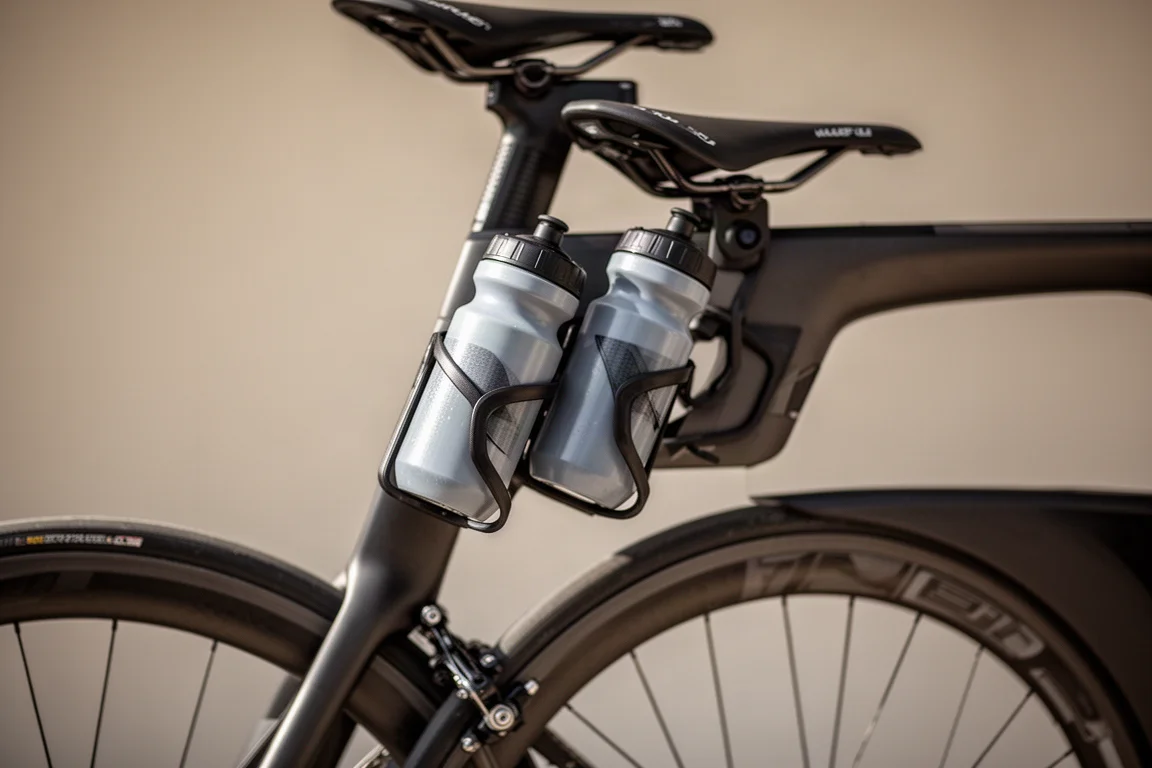
It is a reminder that the fastest setup is not always the most integrated one; for some athletes, simple bottle cages are the most reliable way to manage fuel and cooling without losing momentum.
Things to Consider Before Buying
Before committing to a Trinity Advanced, a few points are worth weighing. The platform is currently rim brake only, and a disc brake version has not yet been offered. That matters for riders who want to switch between wheel sets freely or who prefer the consistency of disc brakes in wet conditions.
The cockpit fit also deserves attention. The straight, long aerobar position that works for this rider is not a universal recommendation. Most modern pro bikes favor a more upright posture with pads that wrap around the forearms, so a professional fit session is worthwhile before replicating a build like this one.
Saddle choice is another personal detail. The Fizik Argo saddle fitted here leans more toward road riding than dedicated triathlon or time trial use. Some riders will prefer a purpose-built TT shape, while others will appreciate the Argo’s flat, short-nosed profile for long hours in one position.
Finally, think about hydration from a race-logistics perspective. The integrated Aero Vault unit is an available option on this frame, yet the rider behind this build chose classic bottle cages instead, based on practical experience with aid stations rather than aerodynamics alone.
Buying Advice
For triathletes who want a race-proven platform with genuine adjustability, the Trinity Advanced remains a strong purchase. The reversible cockpit, integrated storage, and optional Aero Vault hydration give buyers a clear path toward a fully custom setup, while the frame’s aero credentials are backed by a long record of results.
Most buyers will do well to start with the complete bike and upgrade in the direction of their race-day needs. A set of Cadex aero wheels, tubeless tires in a 25 mm width, and a one-by drivetrain with a wide-range cassette are all sensible moves. The one-by configuration here, with a 52-tooth chainring and a 10-33 cassette, keeps shifting simple and reduces the chance of mechanical trouble late in a race.
If you are planning a similar build, settle the fit before anything else. The straight aerobar position suits certain riders extremely well, but it is not a default recommendation. Test the cockpit height options, decide how you will handle aid stations, and only then match the hydration layout to the way you actually race.
At its core, this is a bike that rewards planning. The right cockpit position, the right wheels, and a hydration setup matched to your race style will always count for more than chasing the newest frame for its own sake.
Conclusion
The Giant Trinity Advanced proves that a well-designed aero platform does not need to be complicated to be fast. Between the reversible cockpit, the integrated storage, and the flexibility to run everything from a front hydration system to classic bottle cages, it adapts to the rider rather than the other way around.
For anyone shopping for a triathlon bike with a strong pedigree, a clean integrated design, and room to make it their own, the Trinity Advanced deserves a place on the shortlist. Pair it with aero wheels, a dependable drivetrain, and a hydration plan that works at speed, and it is hard to find a more complete race-day package.
Product link
View more details for Giant Trinity Advanced
This product is mentioned in the review. Check the specifications, options, and compatibility before buying.
View more details for Giant Trinity AdvancedFurther reading
Related Reviews
Triathlon Bikes
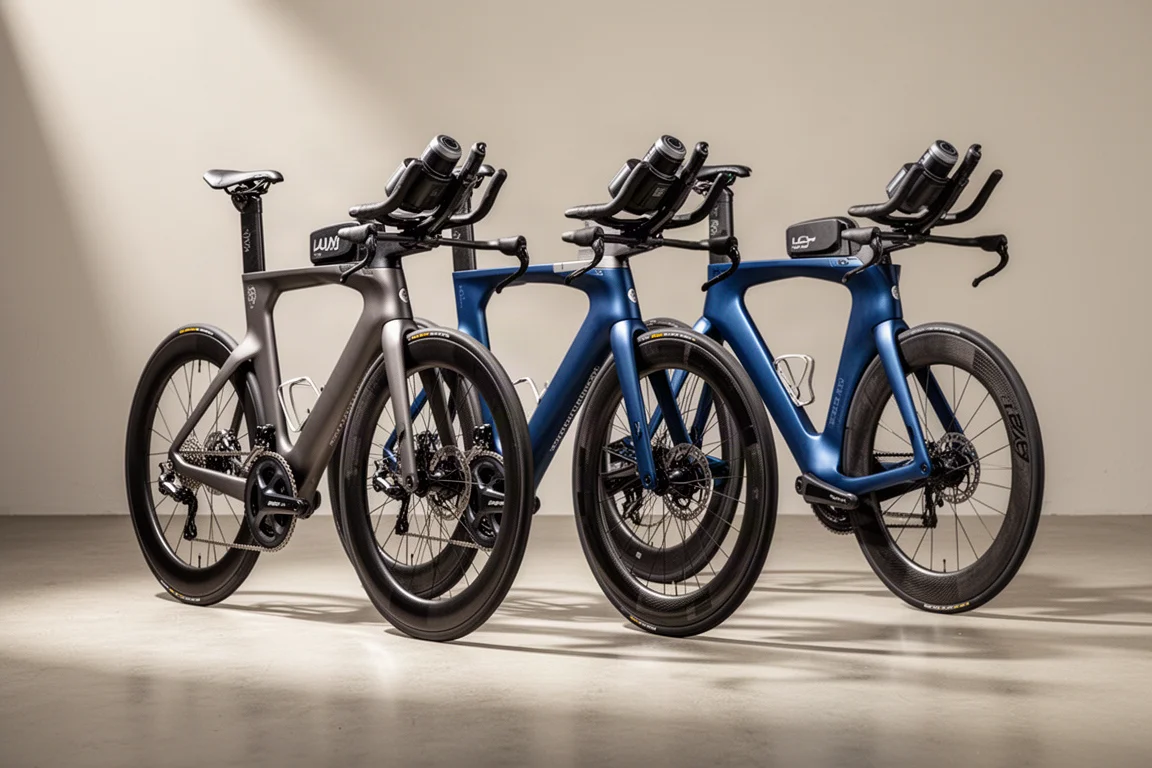
Best Triathlon Bikes 2026: Seven Race Bikes Compared
Seven triathlon bikes assessed on front-end adjustability, onboard hydration and storage, and value, from the most common bike in transition to lower-cost race options.
Triathlon Bikes
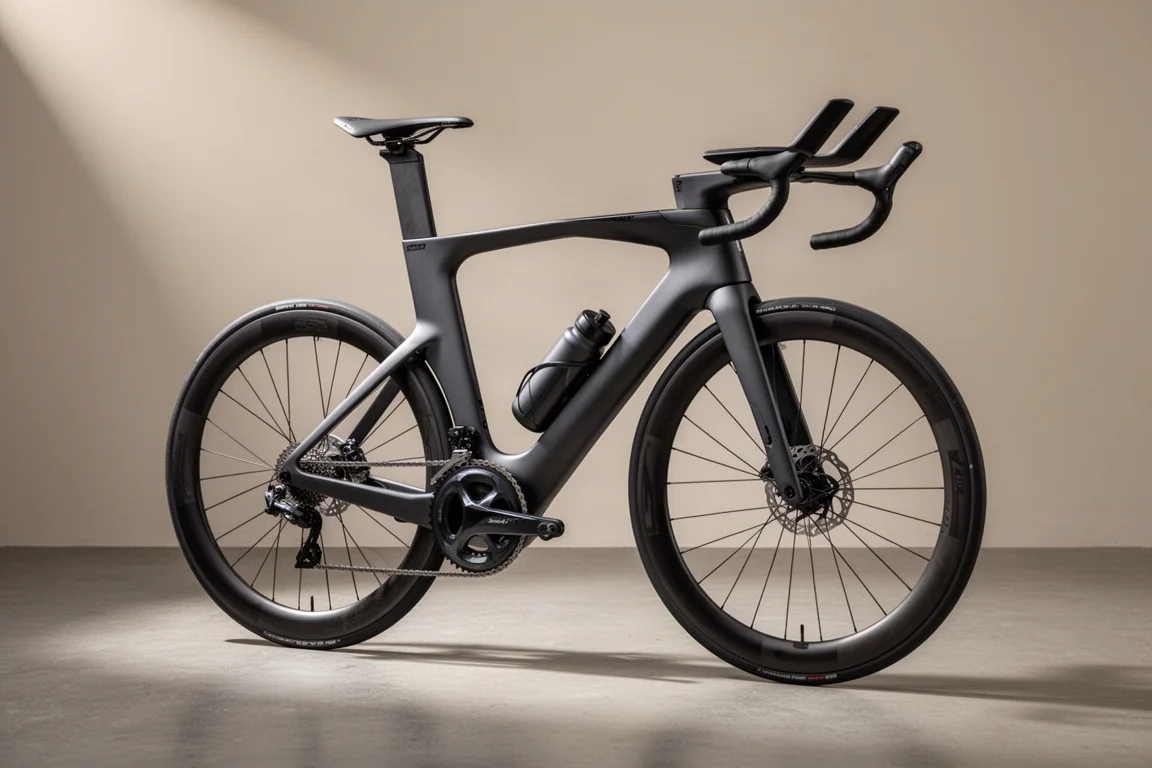
BMC Speedmachine Review: A Formula One-Informed Triathlon and TT Bike
The BMC Speedmachine pairs Red Bull Advanced Technologies aerodynamics with a redesigned frame, integrated hydration, and a 500 gram weight saving over BMC's previous triathlon platform.
Triathlon Bikes
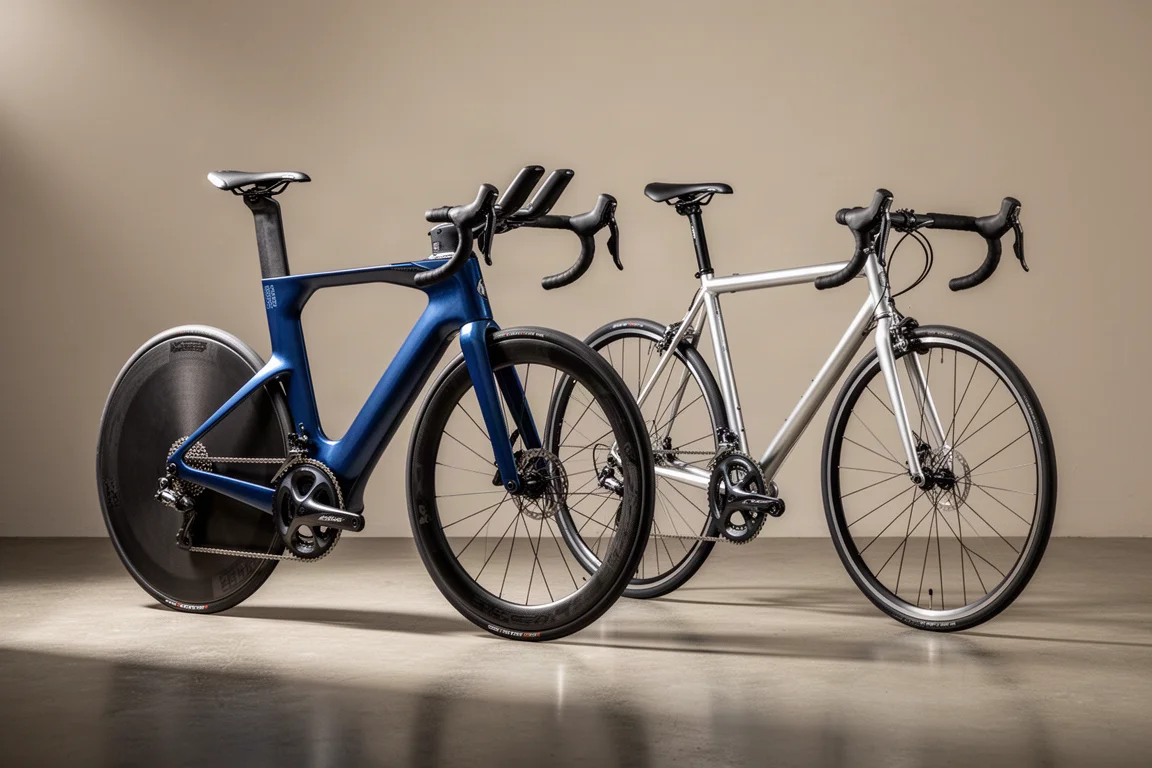
Buying Speed: Canyon Speedmax CFR vs Triban RC 120 Road Test
A head-to-head 22 km test of a premium triathlon race bike, an affordable disc-brake road bike, and a disc wheel upgrade, with the numbers and the trade-offs that matter.