Road Cycling
Giant TCR Advanced SL, Cadex Max 40, and Race GC: A Complete Race Package
Giant's tenth-generation TCR Advanced SL cuts weight, adds stiffness and makes measured aero gains, arriving alongside the new Cadex Max 40 wheelset and Race GC tire.
Introduction
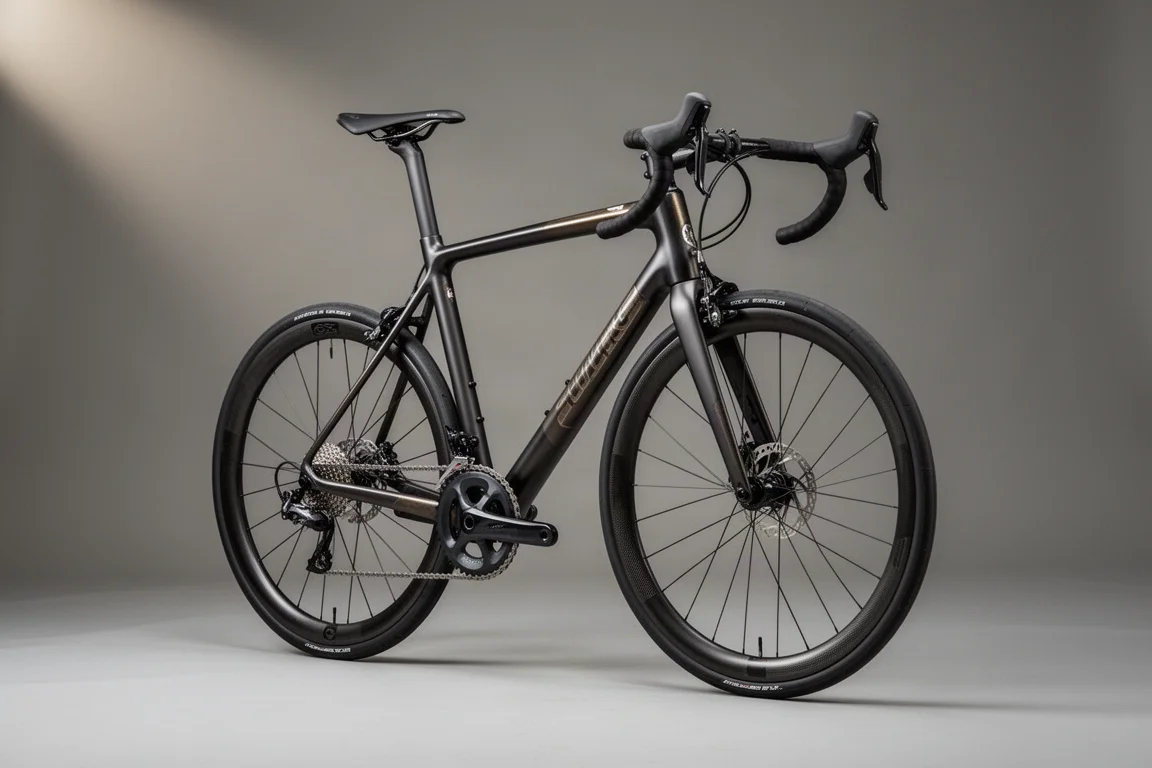
The Giant TCR has been in production for 28 years, and this is the tenth generation of the platform. It stays a total race bike in Giant’s line-up: an all-rounder built to climb, sprint and handle well rather than chase one narrow discipline. Visually it sits close to the outgoing model, keeping the classic silhouette and the non-dropped rear stays that have become a TCR signature. The changes live underneath the paint, and Giant says the new bike is lighter, stiffer and more aerodynamic than the one it replaces.
Three products arrive together. The TCR Advanced SL is the flagship frameset and complete bike, the Cadex Max 40 is a new lightweight wheelset, and the Cadex Race GC is a tubeless road tire. Rather than treating these as separate projects, Giant developed the frame, fork, handlebar, wheels and tires as one system.
Giant TCR Advanced SL: The New Flagship Race Bike
Giant’s headline figure for the top-level SL frameset is 690 g, down from 765 g. A complete bike is quoted at 6.4 kg, down from 6.7 kg, and a size ML build with pedals and a computer fitted came in at just under 6.8 kg. That places the TCR in the same weight conversation as the lightest all-round race bikes currently on the market.
Stiffness is the second pillar of the update. Giant describes this as the stiffest TCR it has produced, and both the frame and the handlebar use new tube profiles developed alongside the aerodynamic work. In wind tunnel testing at 40 km/h with a moving dummy, the company claims a 2.2 W saving for the frame and just over 4 W for the complete bike.
Full internal routing now features on the TCR, following the approach first used on the Propel and the Defy. The hoses pass underneath the stem and enter the frame through a D-shaped steerer tube. The integrated seat mast returns, but only on the range-topping SL, while lower-tier models use a conventional seatpost. The platform is disc brake only from here on, with no rim brake option, and tire clearance is largely unchanged.
The wider package matters as much as the frame. Giant claims a combined drag saving of 12 W once linear drag improvements, rotational drag savings and the lower rolling resistance of the new tires are added together.
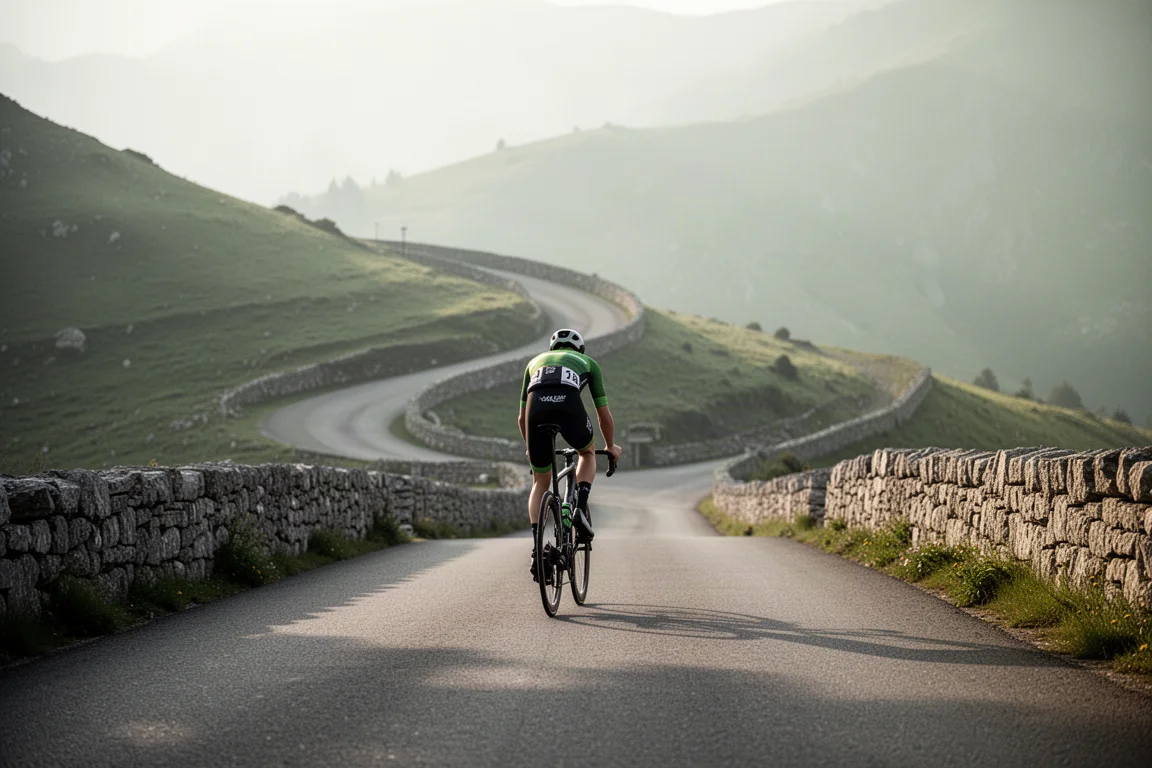
Because the frame, cockpit and wheels were tuned as a single system, the TCR Advanced SL is best understood as a complete build rather than a frameset to be reassembled later. Riders who buy the flagship bike get the package exactly as Giant intended it.
What the New Carbon Manufacturing Process Changes
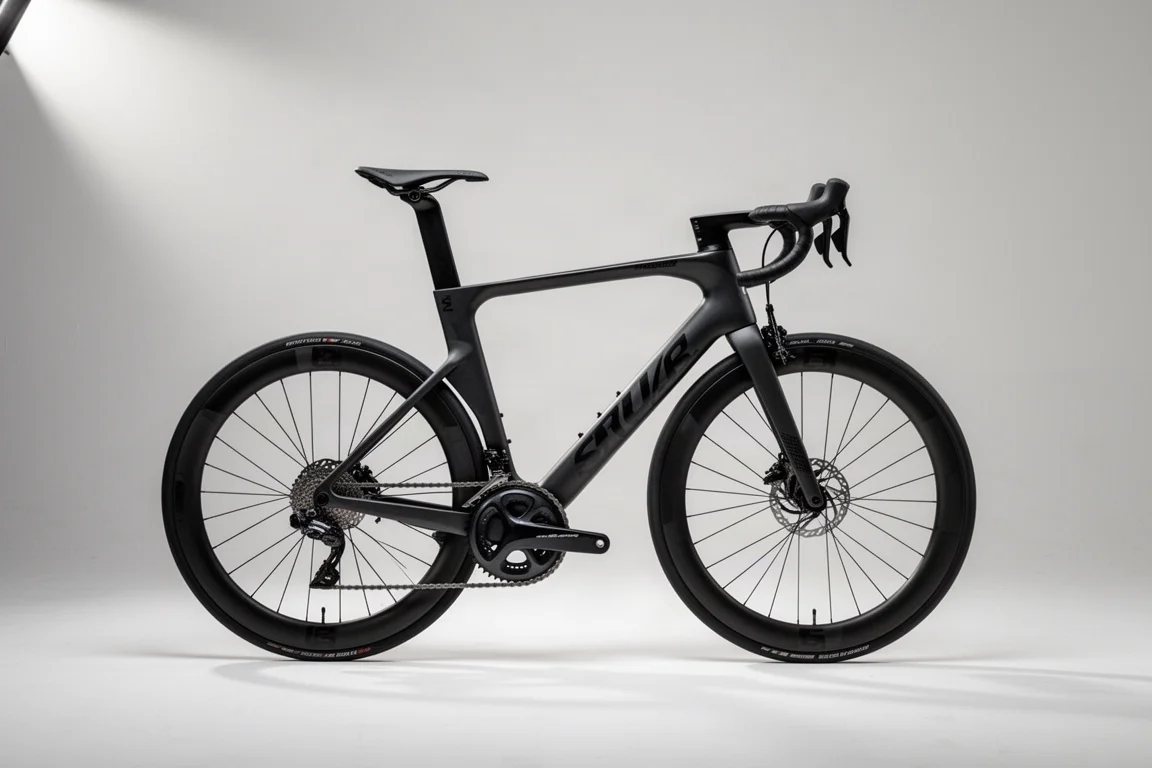
A good share of the weight saving comes from how the frame is built. Giant has introduced a cutting process it calls Cold Blade, which improves cutting accuracy and makes it possible to create more complex shapes using fewer individual pieces of carbon. The new SL frame is assembled from 270 pieces instead of 330, and the front half of the frame is molded as a single piece using one bladder rather than three. A revised paint process also trims weight.
The range is split into three tiers. The SL uses Advanced SL grade carbon in both frame and fork. The Pro pairs an Advanced grade carbon frame with the same SL fork as the flagship bike. The entry-level Advanced uses the same Advanced grade frame as the Pro, but with a non-SL fork. Pricing starts at around £2,700 and climbs to roughly £12,000 for the range-topping build.
Cadex Max 40: A Light Wheelset for GC Racing
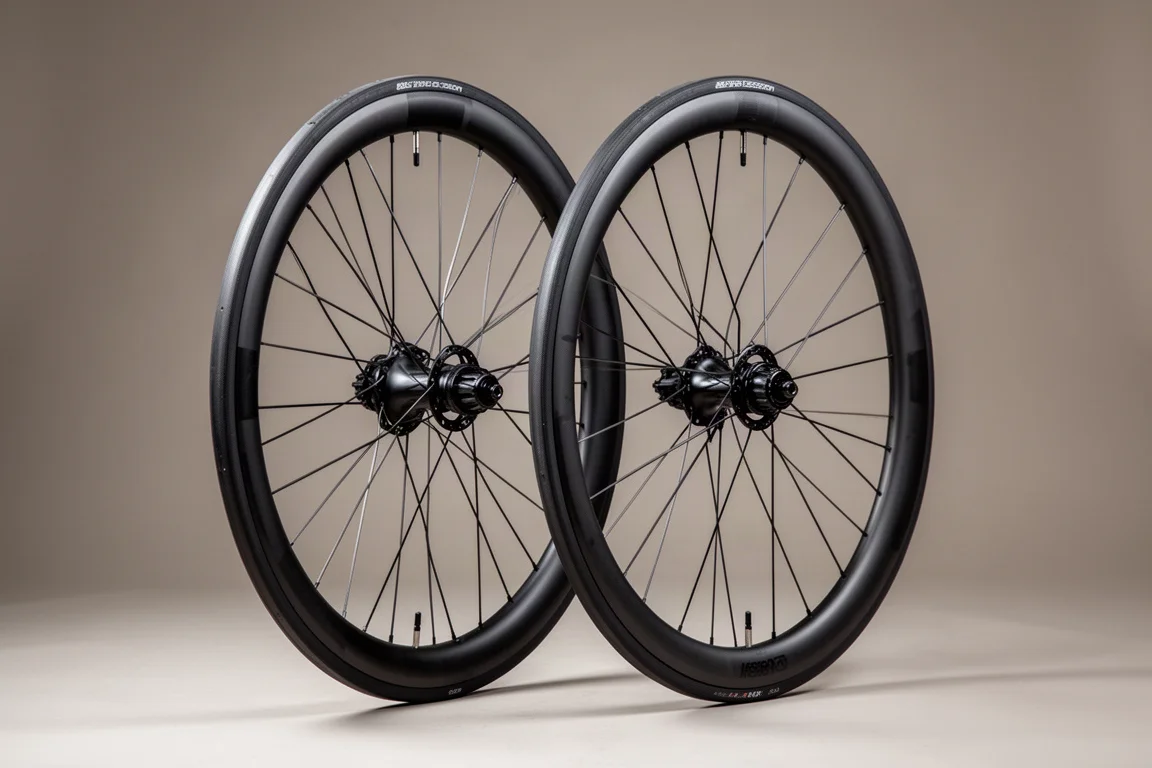
Cadex has been building wheels since 2019, and the Max 40 is the newest addition to the range. It is designed with general classification riders in mind, using a rim profile that gives away some aerodynamic performance in exchange for low weight and crosswind stability. The claimed set weight is 1,249 g, which is competitive for a disc brake road wheelset. Thin carbon spokes are integrated into thin carbon aero flanges, a construction aimed at maximizing power transfer.
The Max 40 is fitted as standard to the range-topping TCR Advanced SL, so it deserves much of the credit for that 6.4 kg complete bike figure. One practical note for anyone considering the wheelset on its own: the freehub is loud.
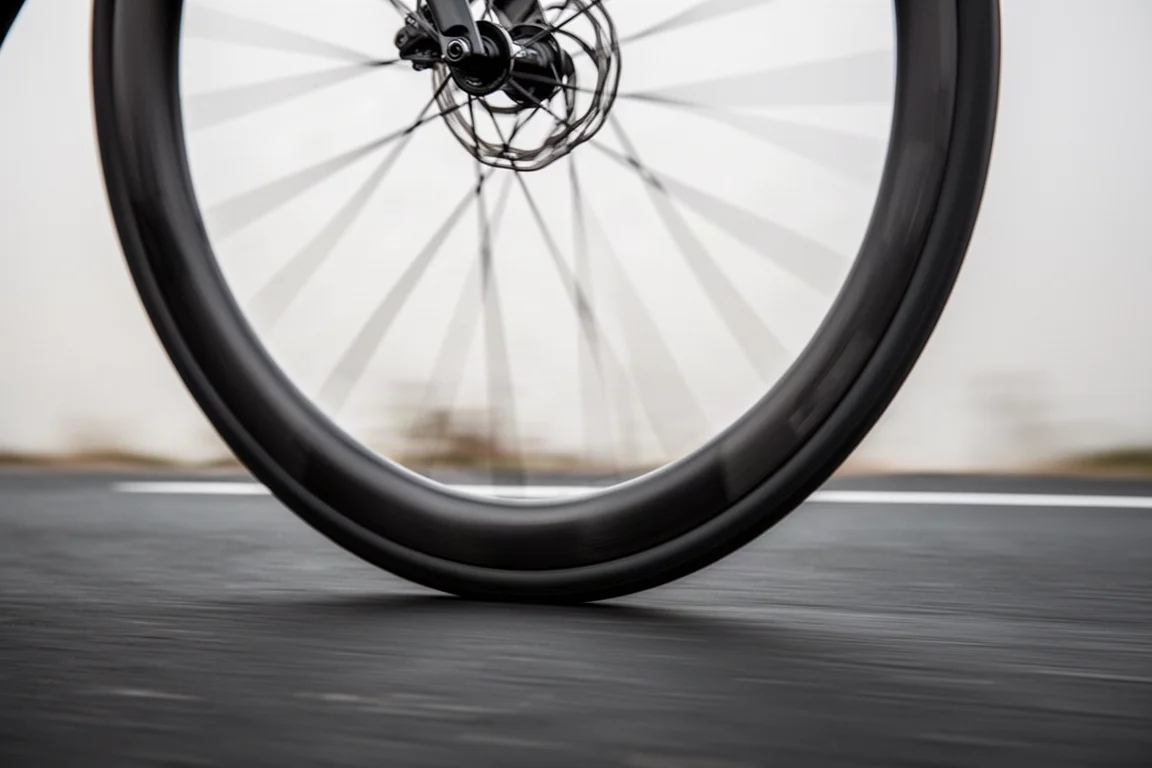
Riders who value a stable front wheel in gusty conditions will appreciate the profile, and low rotating mass is the headline benefit of the design. This is a wheelset built around a specific rider type rather than an all-purpose compromise.
Cadex Race GC: A New Tubeless Race Tire
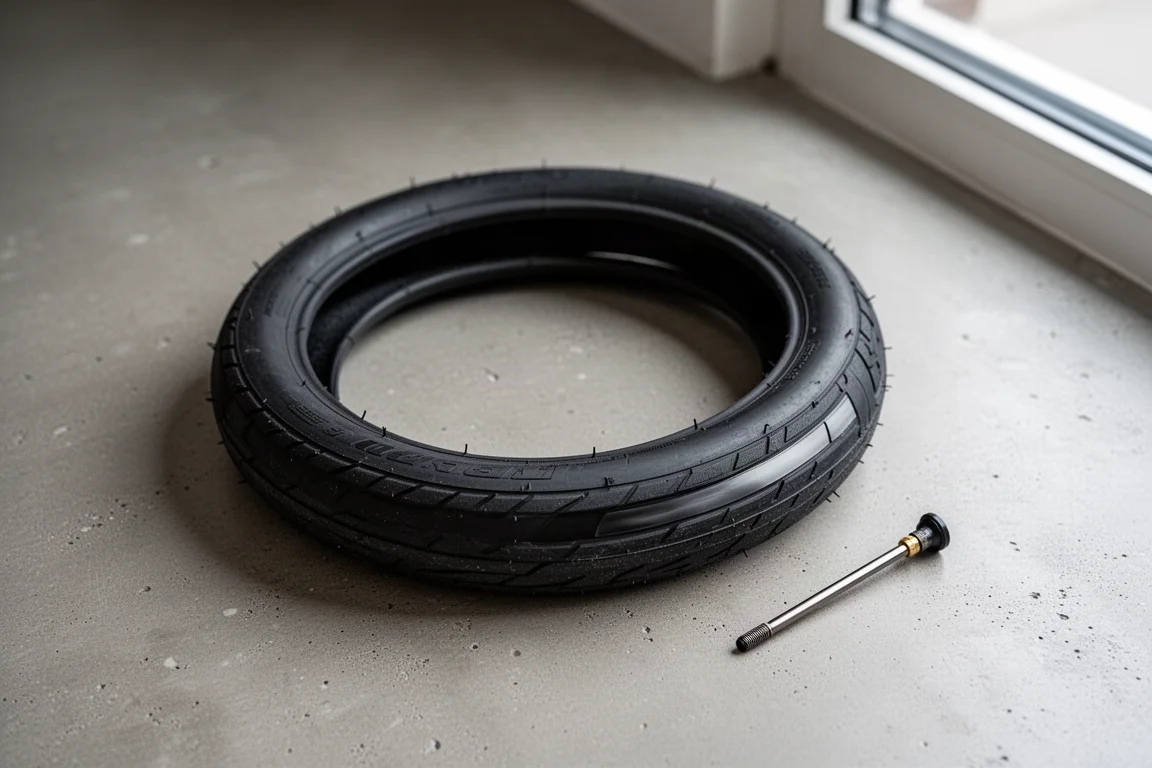
The third part of the launch is the Cadex Race GC, a tubeless-only road tire with a 240 TPI construction. Giant claims a 6.6 W improvement in rolling efficiency compared with the tires fitted to the previous-generation TCR. That is a manufacturer figure, and independent rolling resistance data is not yet available, so it is worth treating as a target rather than a confirmed result.
Grip is easier to judge than rolling resistance, and the Race GC felt secure and planted when cornering hard on fast descents, offering a level of confidence that matters more than a watt figure on a twisty road. Tubeless-only does mean riders who still use inner tubes will need to change their setup, so it is worth confirming compatibility before buying.
First-Ride Impressions: Weight, Stiffness, and Handling
The first thing that registers on the road is the absence of mass. At 6.4 kg for the complete bike, and just under 6.8 kg for a size ML build with pedals and a computer, the TCR accelerates and climbs with the ease you would expect from a bike in this weight class. The frame, fork and handlebar are stiff, and the wheels feel stiffer still, which makes the response feel unusually direct.
Handling follows the TCR formula closely. The stack, reach and trail figures preserve the quick, race-oriented steering the platform is known for, yet the bike remains approachable for riders who do not race. Comfort was not an issue on the smooth roads of the first ride, and the fit worked well at 181 cm on a size ML. Rougher surfaces at home will be the real test of compliance.
Aerodynamic gains are the harder part to assess. The claimed 4 W improvement for the complete bike is modest, and whether that is enough to match the fastest aero all-rounders is an open question. Weight and stiffness, rather than outright drag, are clearly where Giant put the emphasis.
Cockpit, Tire Clearance, and Where the TCR Sits in the Range
The range-topping TCR Advanced SL uses a two-piece cockpit: a carbon handlebar paired with a separate stem, rather than the one-piece carbon bar and stem found on some rivals. There are genuine advantages to that choice, since stem length and bar width can be changed far more easily, but riders spending this much on a performance bike may expect a one-piece setup and the small aerodynamic benefit that comes with it.
Tire clearance is largely unchanged, which may disappoint riders hoping for more volume. Giant’s argument is that the Defy endurance bike covers that ground with clearance for tires up to 38 mm, leaving the TCR to stay focused on racing. Within Giant’s own range, the Propel is the more aerodynamic option and gives away little weight, so the TCR is positioned as the lighter and more agile of the two.
Buying Advice: Which of These Fits Your Riding
The TCR Advanced SL makes sense for riders who want a light, stiff all-round race bike and are happy with race geometry, disc brakes and a modest aerodynamic step. If you race, climb a lot or simply enjoy a sharp-handling bike, the package is coherent and the weight is genuinely competitive. Riders chasing maximum aerodynamic performance should compare against the Propel before deciding.
For the wheelset, the Max 40 suits riders who want low rotating mass and predictable crosswind behavior, and who can live with a loud freehub. The Race GC is aimed at riders already committed to tubeless, where the claimed rolling efficiency gain is the main draw.
One point worth weighing across all three products: Giant’s aerodynamic claims for the new TCR are incremental rather than dramatic. The bike is lighter and stiffer, and those are the qualities that will be felt most clearly on a climb or a sprint.
Build tier matters as much as the platform. The Pro and Advanced models share much of the SL’s character at lower cost, and a more modest trim is a sensible way to get the geometry and handling without paying for the flagship frame.
Conclusion
The tenth-generation TCR is an evolution rather than a reinvention, and that is largely a compliment. Giant has kept the silhouette and the handling that made the platform popular while cutting weight, adding stiffness and making measured aerodynamic progress. The Cadex Max 40 wheelset and the Race GC tire complete the picture, and the three work best as a package. Riders who want the lightest, stiffest version of a proven race bike have a strong option here, while those who prioritize aerodynamics should compare carefully before committing.
Further reading
Related Reviews
Road Cycling
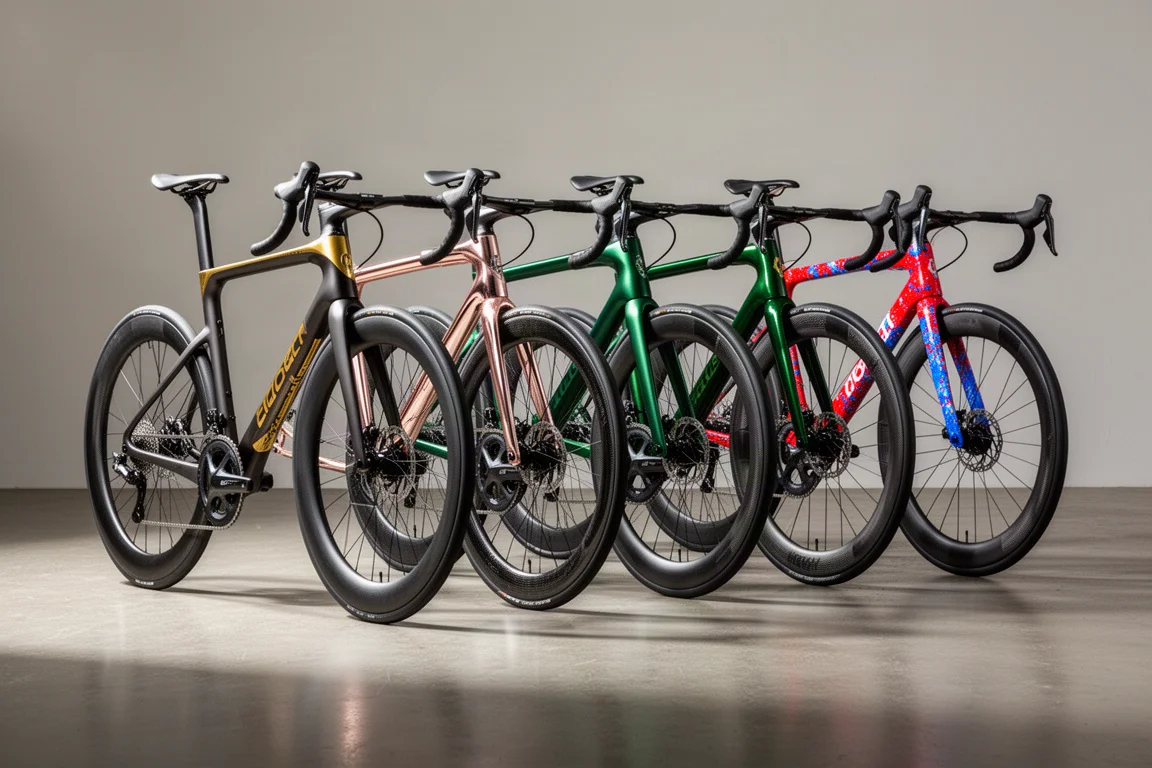
Best Looking Tour de France Bikes: Eight Race Machines and Their Paint Schemes
A closer look at eight Tour de France race bikes, from a gold-detailed presentation build to rainbow watercolours, water-transfer finishes and a clean title-sponsor livery.
Road Cycling
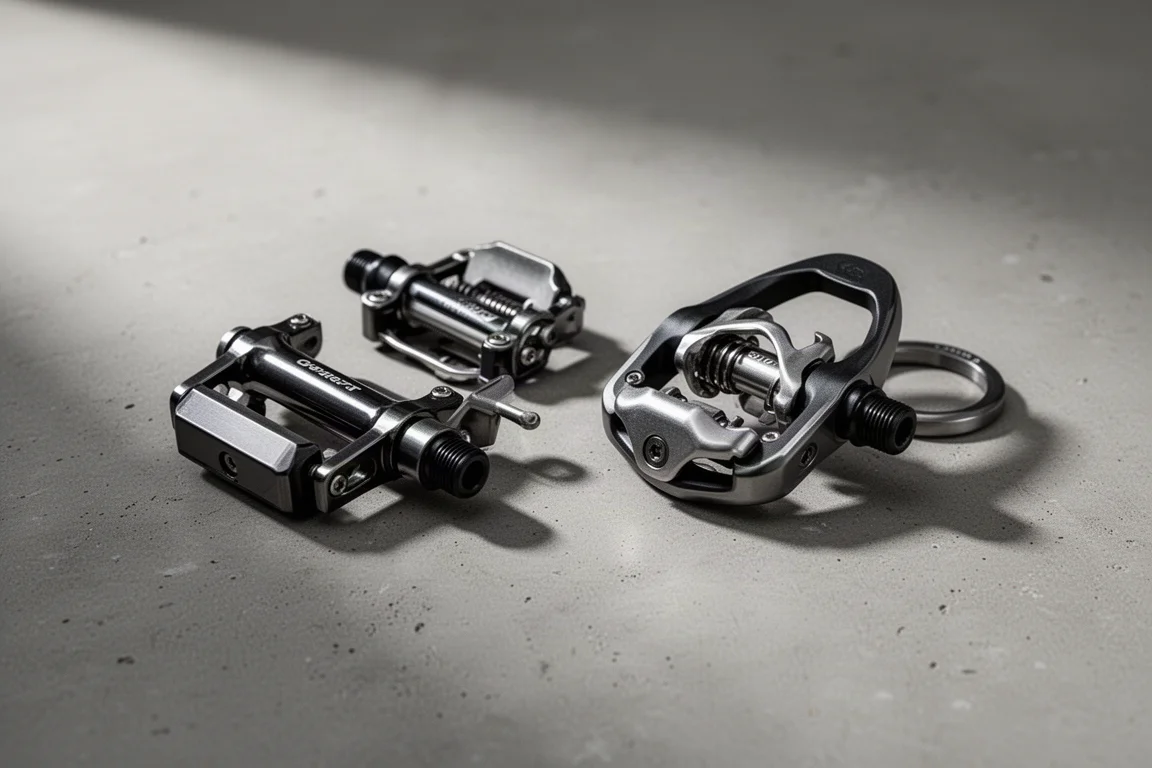
Best Road Bike Upgrades 2026: Clipless Pedals Compared and What to Change First
Two clipless pedal systems worth shortlisting for 2026, plus the lighter inner tubes, wheels, tires and saddles that genuinely change how a road bike rides.
Road Cycling
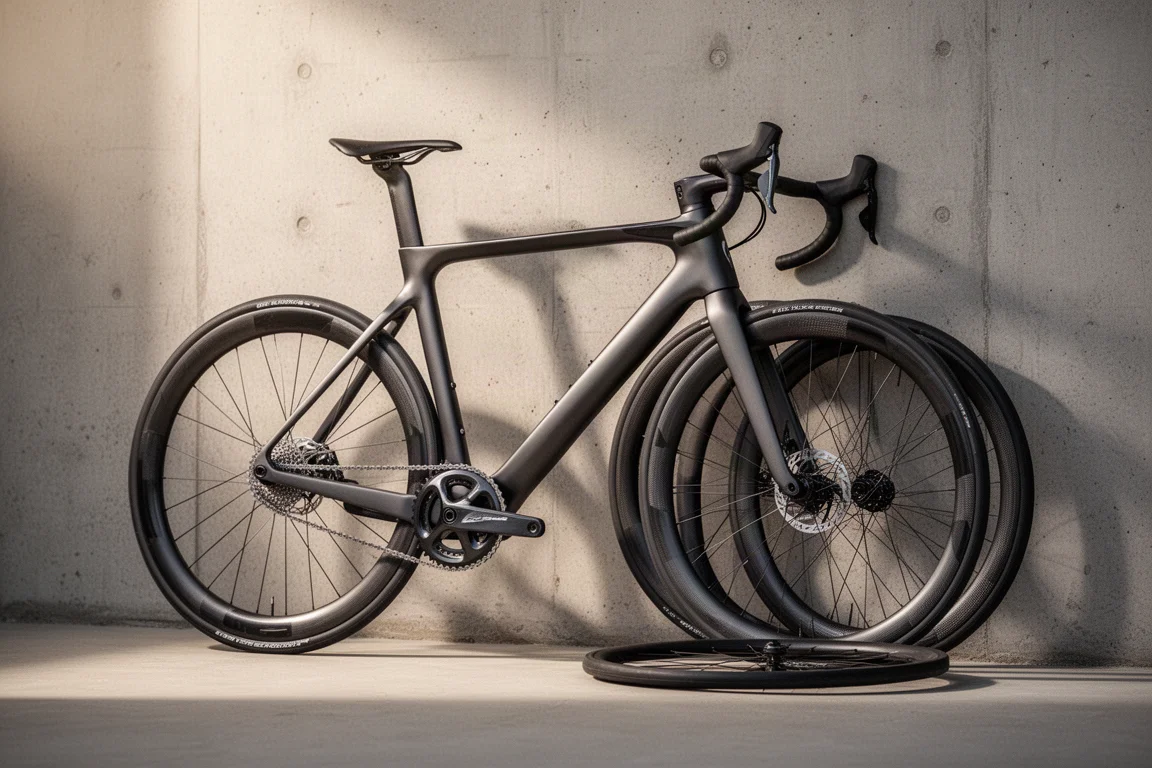
Best Road Bike Upgrades 2026: Five Pro-Level Picks Worth Buying
Five road cycling upgrades tested over months of hard riding, from a carbon-shell helmet and mixed-depth wheels to a tubeless race tire and a tight aero jersey.