Road Cycling
Giant TCR Advanced Pro Disc: Six-Month Review of a Custom Race Bike Build
Six months of nearly daily riding on a custom Giant TCR Advanced Pro Disc: how the frame, SRAM Rival eTap AXS, ENVE Foundation 45 wheels, Pirelli tires, Zipp cockpit, Fizik saddle and Wahoo computer perform on the road.
Introduction
Six months ago, this custom TCR was built up as the bike for an entire season of daily riding. The goal was simple: a road racing bike that could handle steep Cotswolds climbs, long 200 kilometer days, and the occasional fast criterium without compromise. After almost daily use, the verdict is clear, and it comes down to how well each component was chosen.
The final spec combines a Giant TCR Advanced Pro Disc frameset, SRAM Rival eTap AXS, ENVE Foundation 45 carbon wheels, Pirelli P Zero TLR SL tires, a Zipp Service Course SL cockpit, a Fizik Adaptive 3D printed saddle, and a Wahoo ELEMNT BOLT up front. Here is how each part performed.
The Frame: Giant TCR Advanced Pro Disc
Choosing the frameset was the easiest decision of the build. Other race bikes were considered, but the TCR offers the blend that matters most: low frame weight, stiffness, genuine comfort, and clearance for wider tires, all without an eye-watering price. The platform debuted in 2020 and left a strong impression from the start, which made choosing it for a custom build a natural decision.
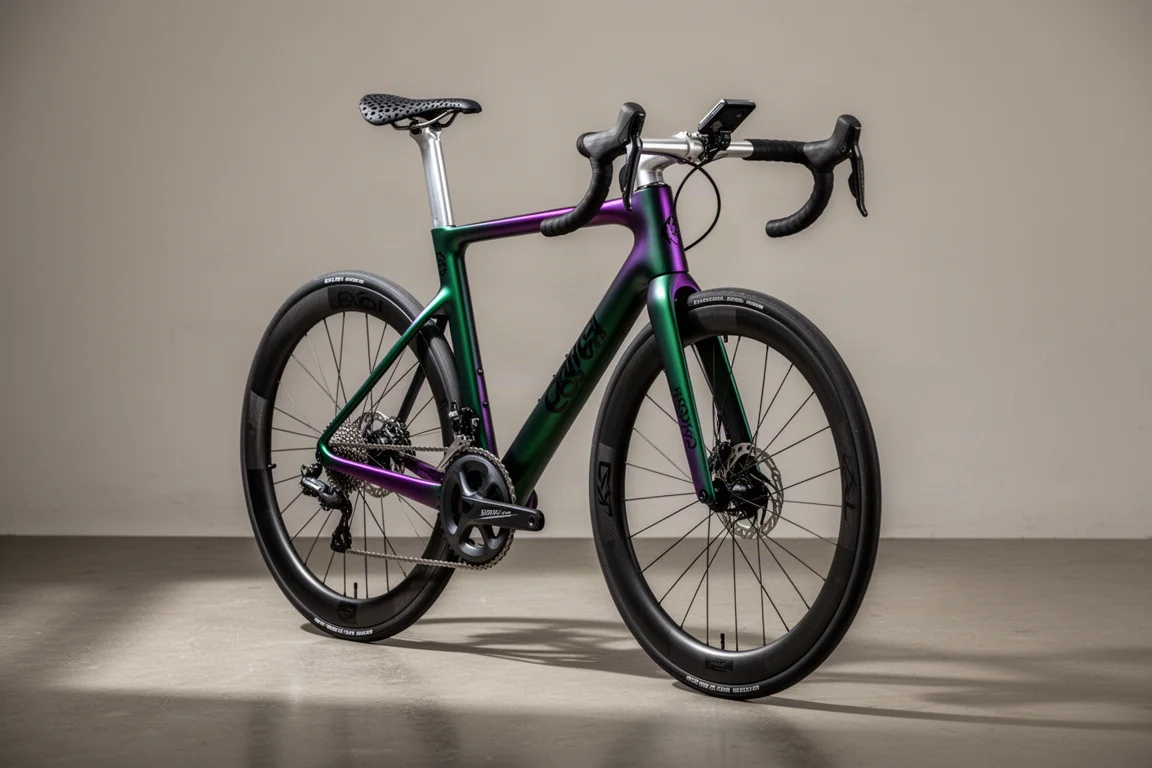
The newest chassis brings aero touches to the down tube, head tube, fork, and seatpost, yet it never sacrifices ride comfort. There is room for up to 32mm tires, though most riding here has been done on 28mm, and the result is a bike that feels almost as forgiving as an endurance machine from a few years ago. It is the kind of frame that does a 200 kilometer day without leaving you beaten up, and then snaps into action for an hour-long crit the next evening.
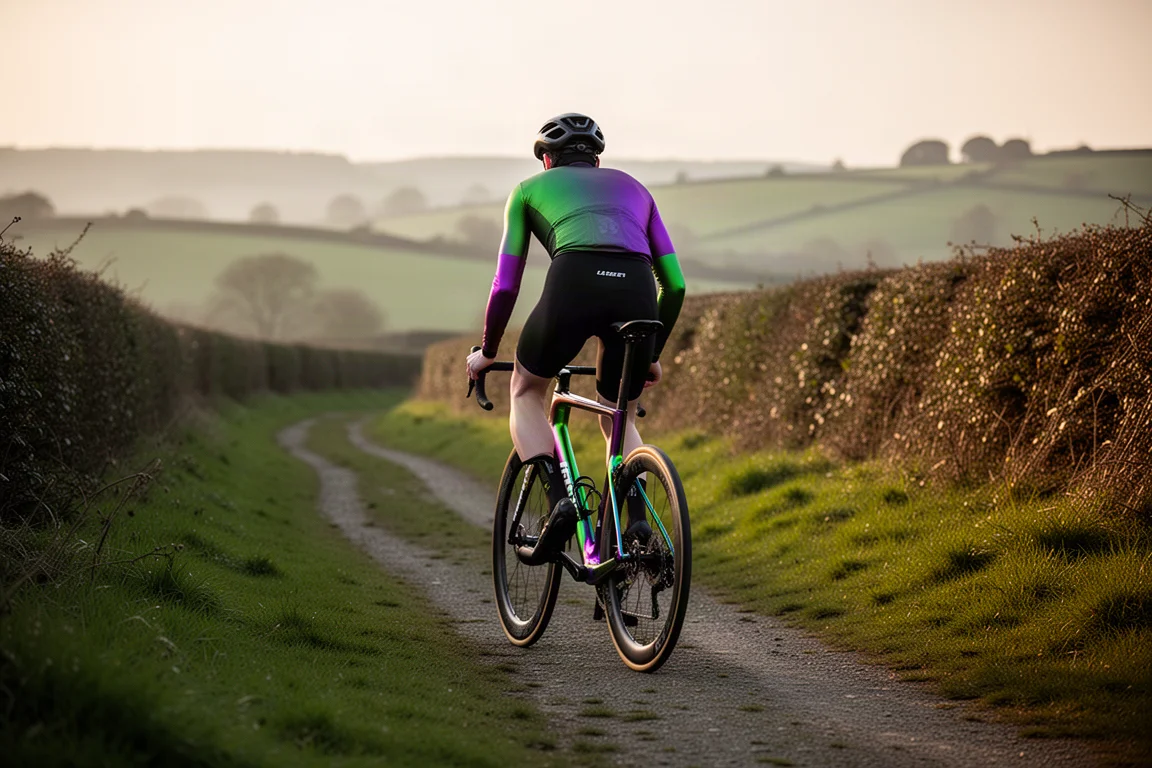
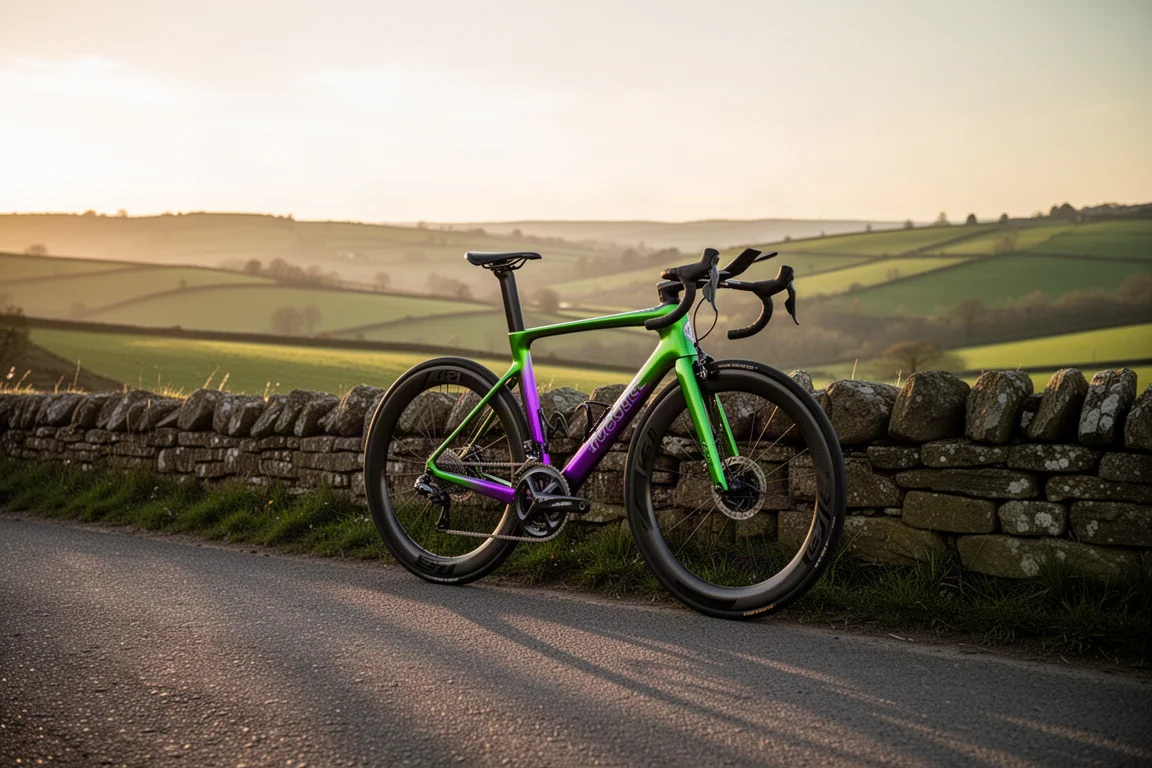
The paint deserves a mention too. It is a chameleon fade that shifts between green and purple depending on the light and the angle, with simple black logos that keep the whole bike looking understated. It is easily one of the best-looking paint jobs the brand has produced. The one compromise is external cable routing, but with a wireless groupset there are just two brake hoses emerging from the down tube, which makes the trade-off easy to accept.
The Groupset: SRAM Rival eTap AXS
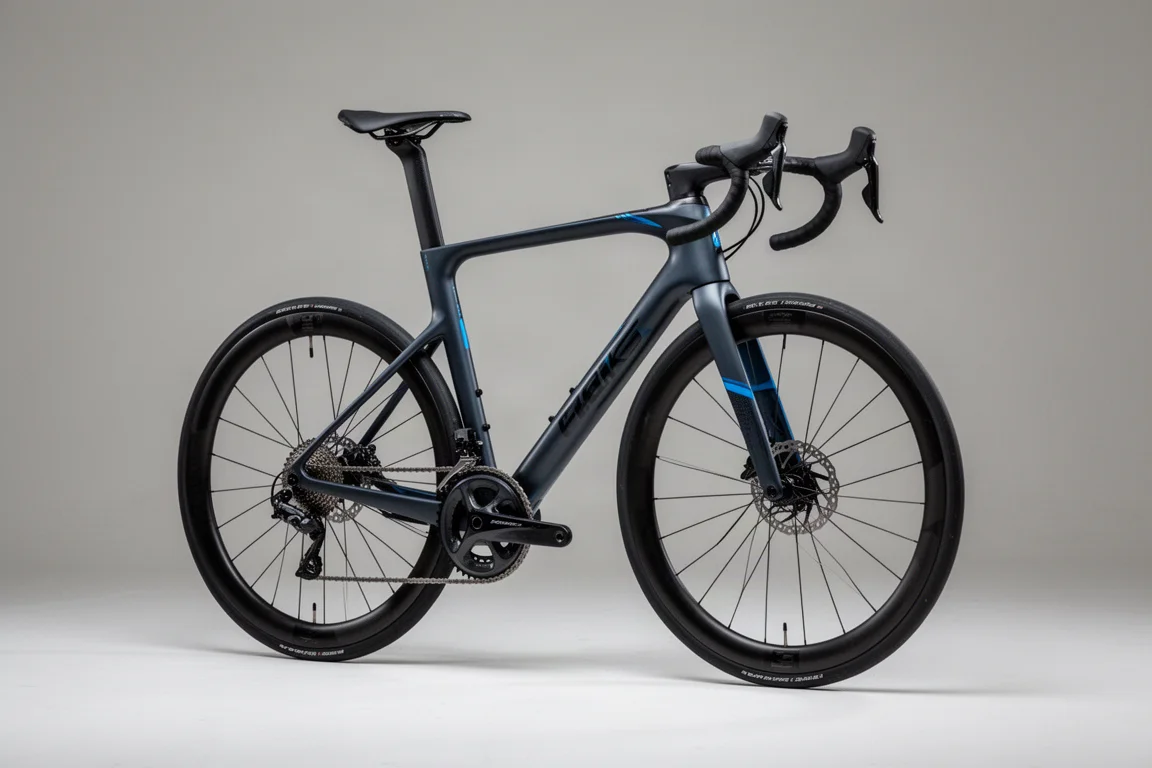
The groupset was installed straight out of the box and has been faultless from the first ride. It delivers the same shifting behavior, braking, and customization options as the higher tiers in the range, and the only real downside is weight, which has not been noticeable in practice, even on hilly routes.
The gearing is the standout feature. With a 10-36 cassette and a 46/33 chainset, the range is far wider than a traditional race setup. Back on a bike with a 52/36 and 11-28, the difference on steep climbs was immediately obvious. For riders with normal levels of fitness, that kind of range is a genuine step in the right direction.
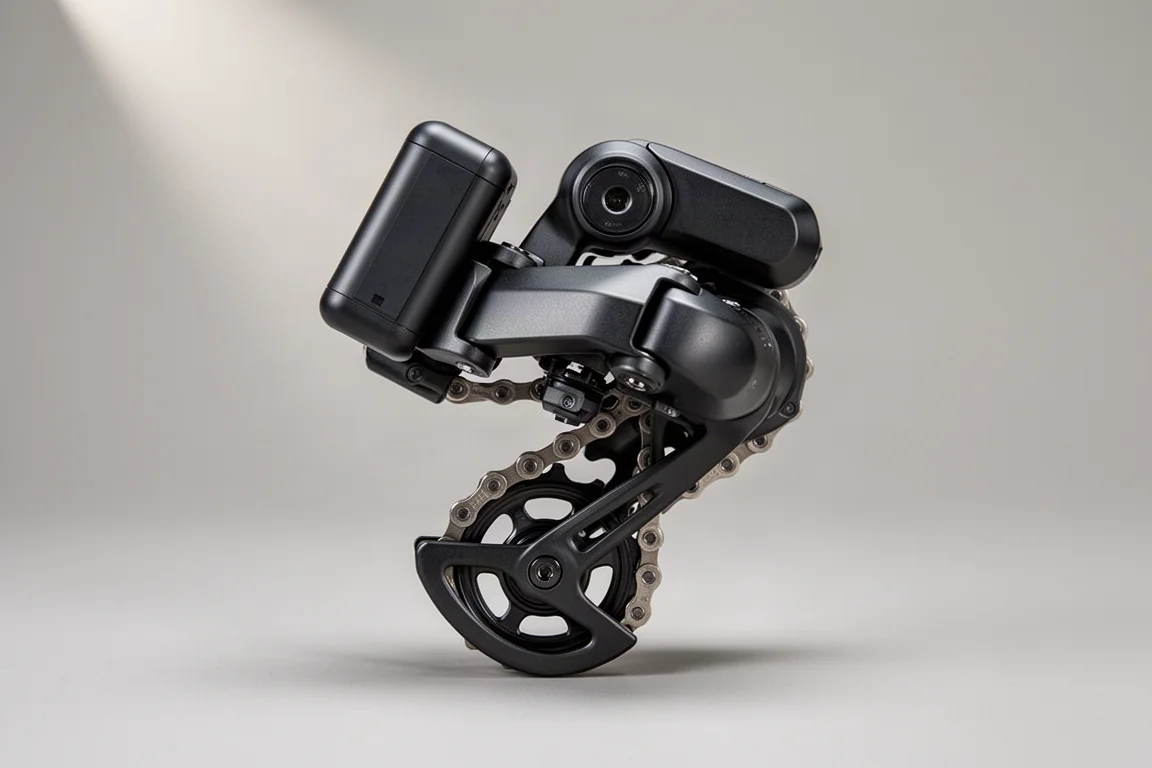
Removable batteries make day-to-day ownership easy, and the companion app allows full customization. It even shows how the groupset is actually being used, which makes it simple to tune the cassette or chainset to suit your terrain. The brakes are powerful and quiet in both wet and dry conditions, and the smaller hoods are more ergonomic than the larger options in the range.
The Wheels: ENVE Foundation 45
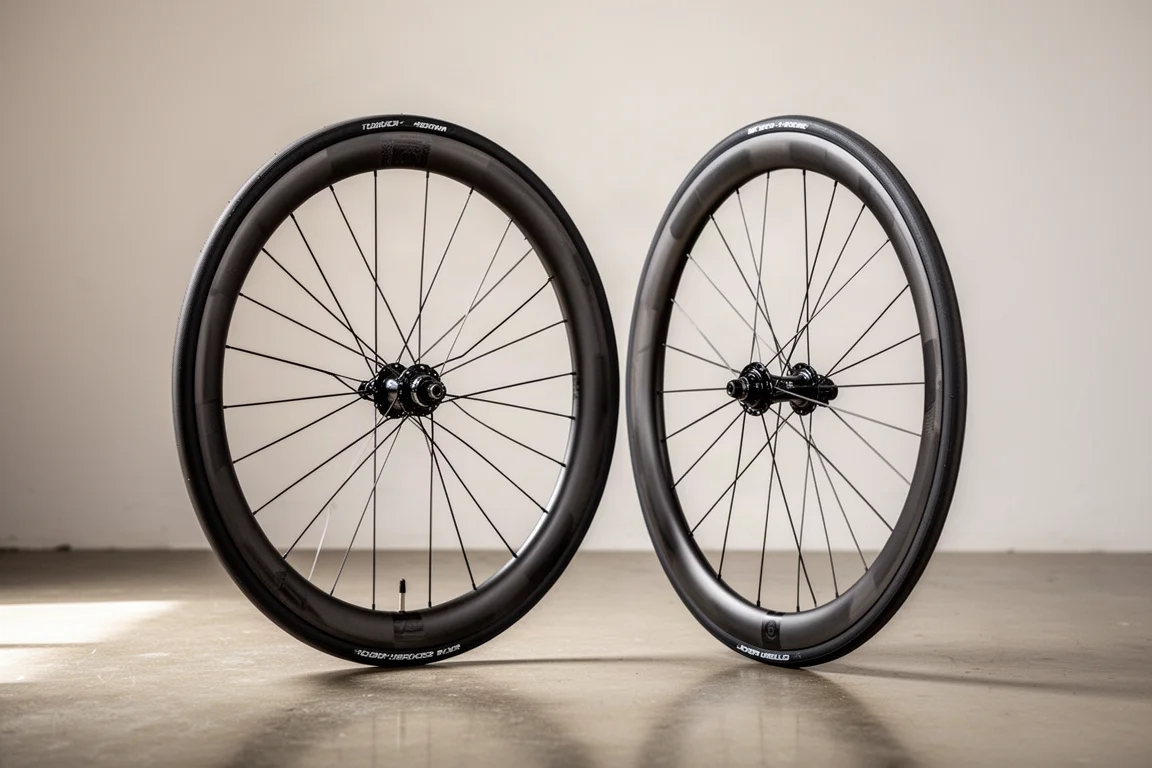
ENVE wheels have always impressed, and the brand’s pricing has historically been high, so the Foundation line launched at a much lower price point was immediately interesting. After six months of use, the performance is easy to vouch for. These wheels are good enough that it becomes hard to justify the extra cost of the top-end models unless every marginal gain matters.
The wheels are tubeless-ready, and fitting the Pirelli tires was straightforward using a normal track pump. The look is clean and understated with simple logos, and the own-brand hubs have been reliable, with smooth bearings and a freehub that engages quickly. The internal spoke nipples have held their tension, and the wheels have stayed true with no adjustment needed. The same molded spoke holes found on the flagship wheels are used here too.
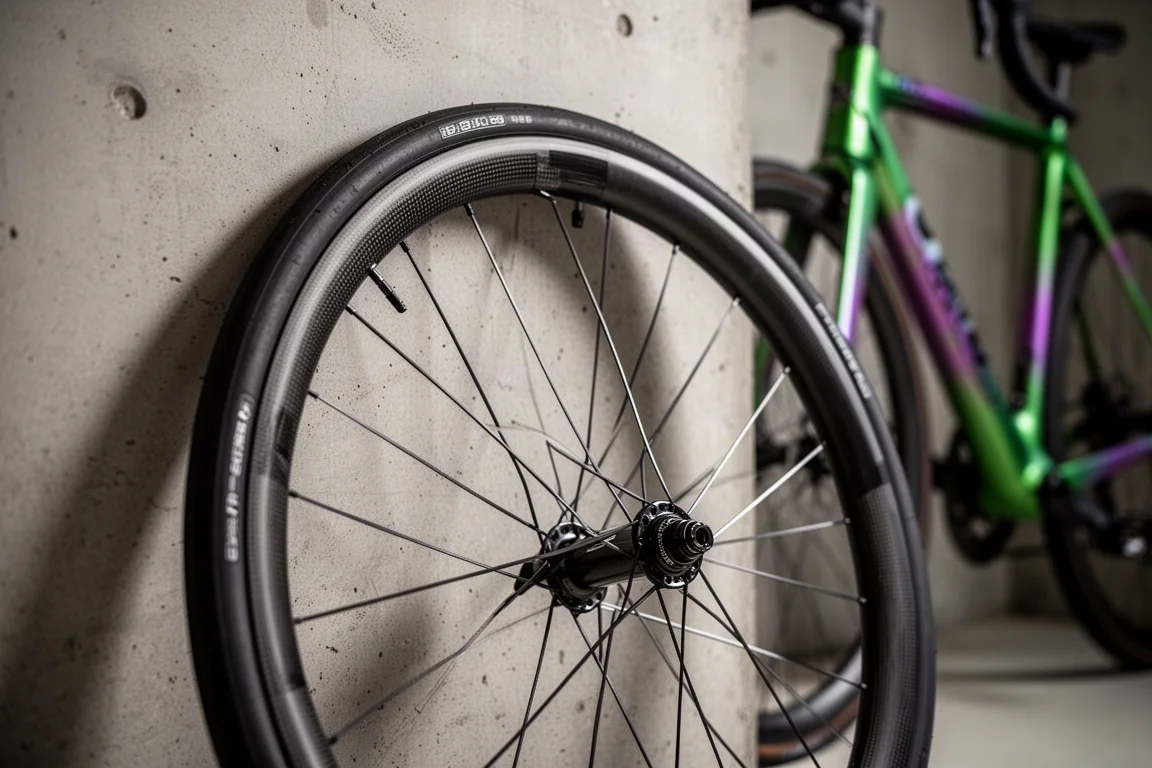
A deeper 65mm version is available for riders chasing maximum aero gains, but the 45mm depth was chosen for its lower weight and better crosswind stability, a trade-off that suits the mixed terrain and exposed roads this bike covers.
The Tires: Pirelli P Zero TLR SL
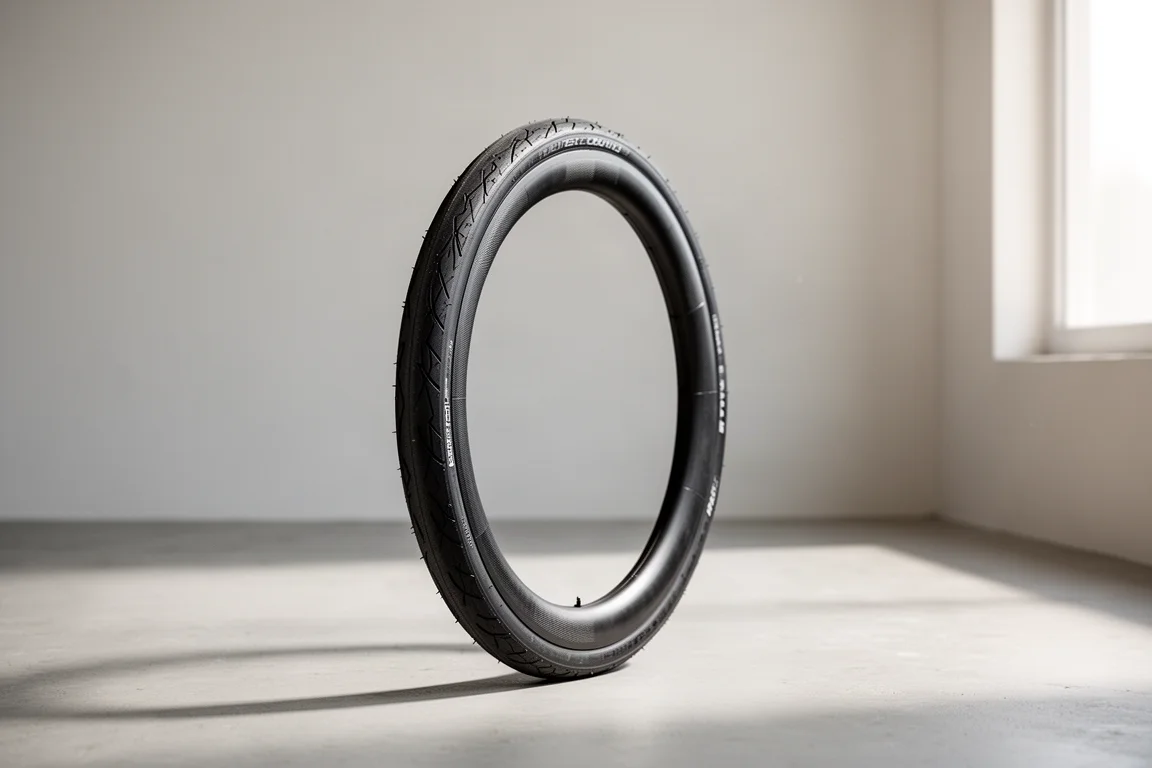
Tubeless tires have improved a lot, and the latest standards mean mounting them on hookless rims is genuinely simple. These Pirellis are among the best of the current crop. The ride quality is supple and the road feel is excellent, adding smoothness to an already comfortable bike.
Rolling resistance is very low in practice, with little between these and the other leading tubeless options tested. What has been most impressive is durability. In six months of regular riding there has not been a single puncture, the wear rate is good with plenty of life left in the tread, and the casing shows no cuts at all. Fast, supple, and easy to live with, they have earned their place on the build.
The Cockpit: Zipp Service Course SL Stem and Handlebar
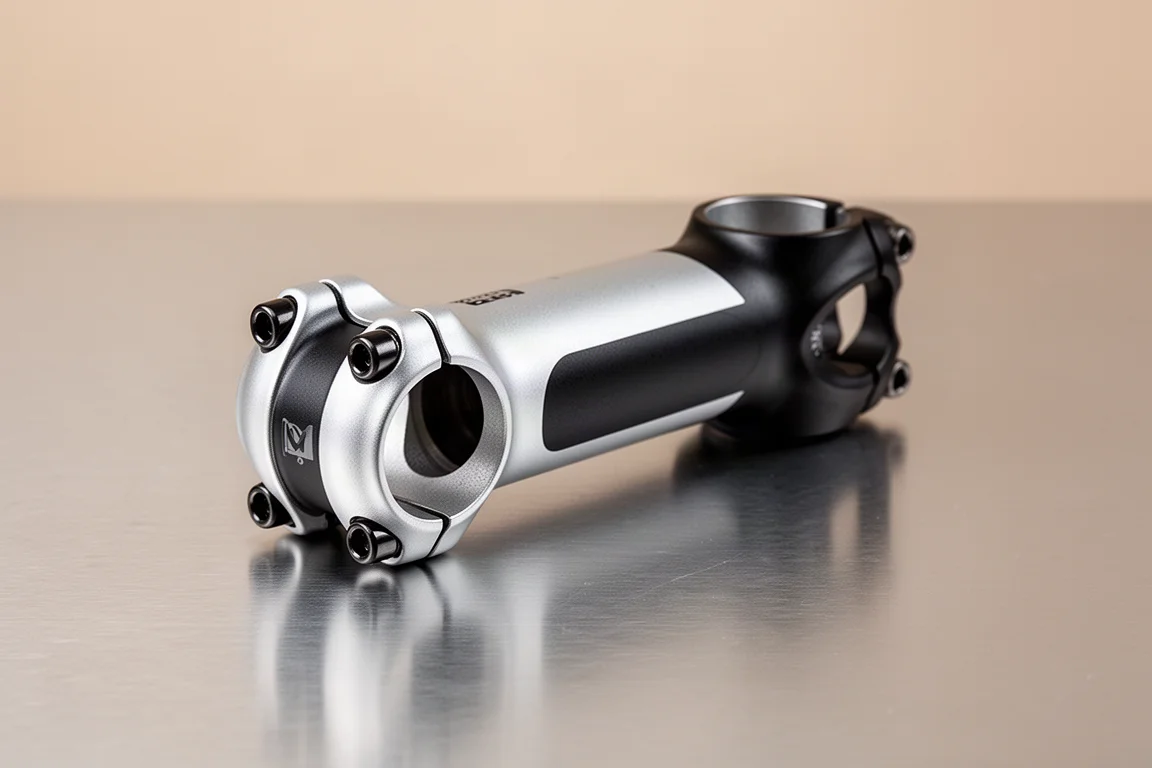
The contact points are the last and most important part of any custom build, and here there was no compromise. The TCR frame uses the OverDrive 2 system with a larger 1.25 inch steerer, which limits stem choice. Zipp is one of the few brands offering an option, and this Service Course SL stem in 110mm provides exactly the right length for the fit. It is a smart-looking stem that matches the clean character of the bike.
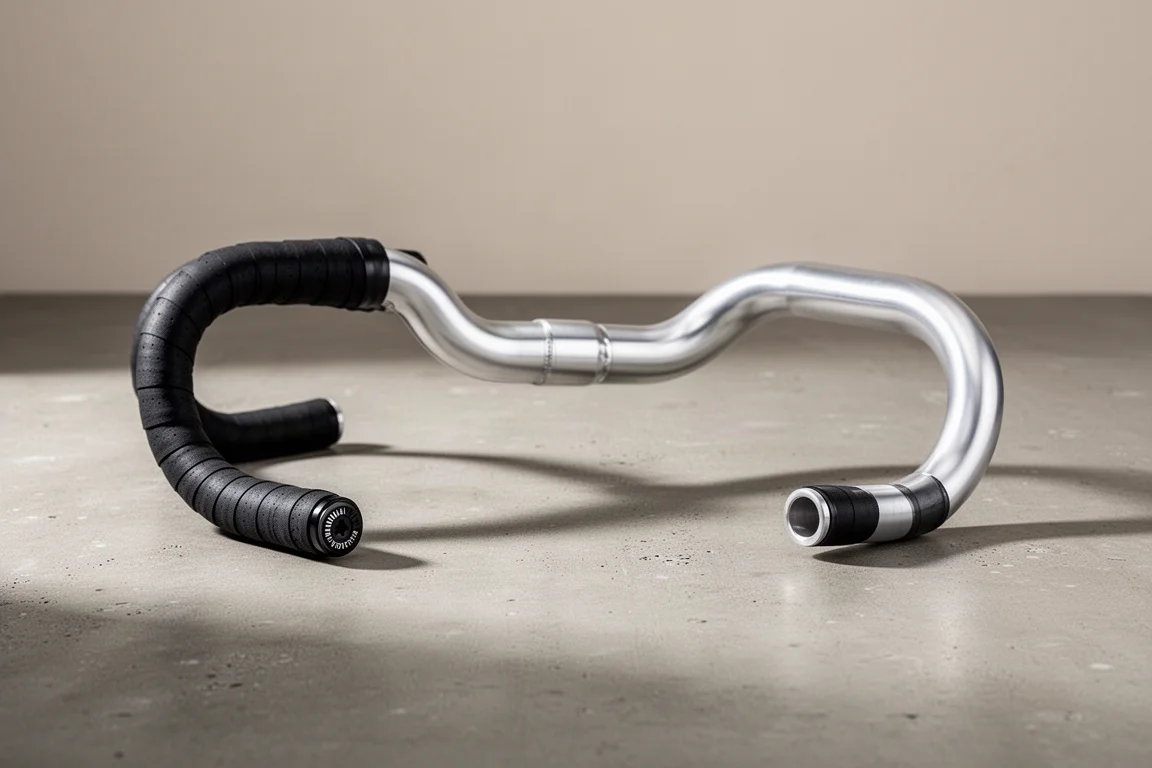
The matching Service Course SL-70 handlebar keeps with the build’s cost focus. It is an aluminum bar with a round shape that feels natural when climbing, and the short reach keeps the hoods close and comfortable. A thin, grippy bar tape adds tactile feel with just enough cushioning in the drops.
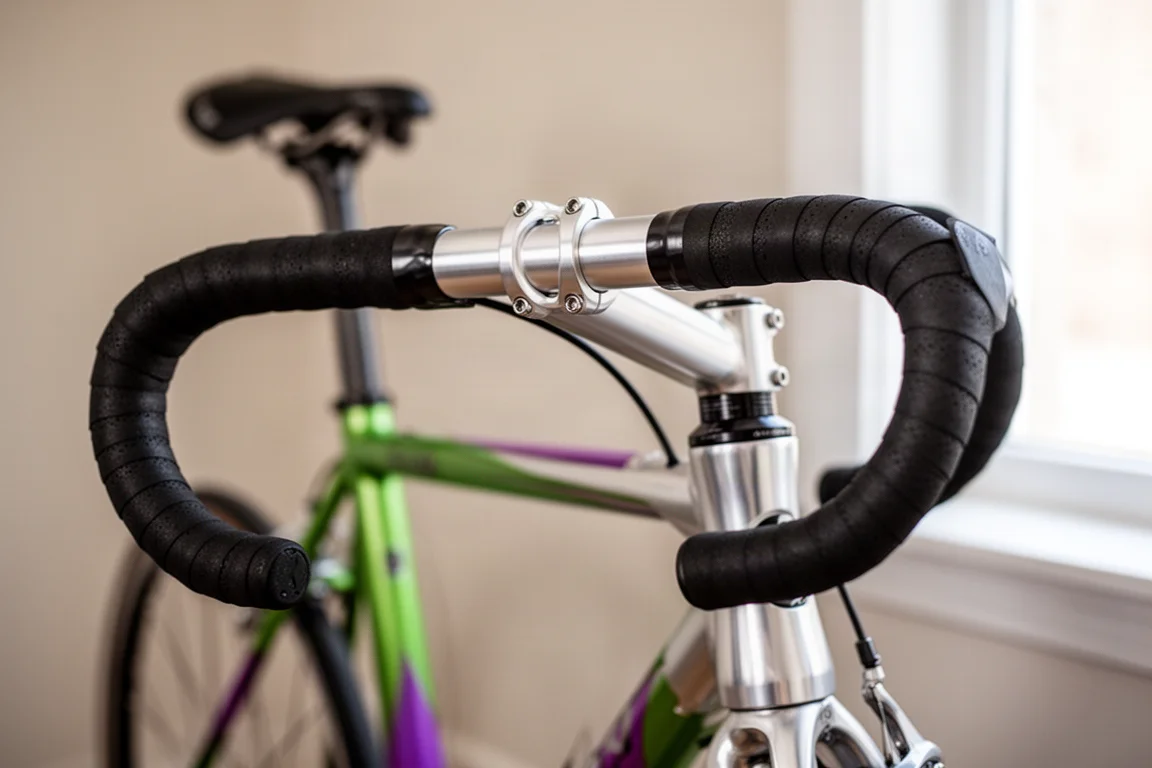
The tape has held up well over six months, and the screw-in bar end plugs stay tidy instead of popping out over time.
The Saddle: Fizik Adaptive 3D Printed Saddle
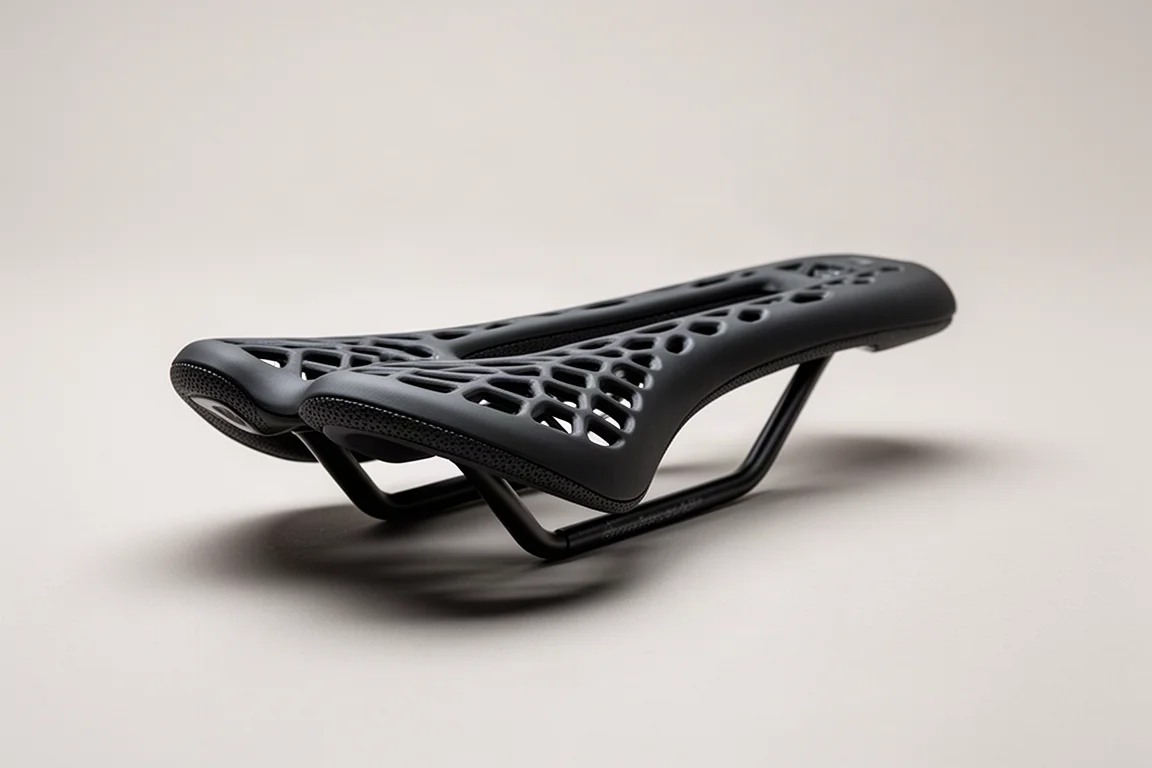
The saddle is admittedly very expensive, but the comfort has been remarkable. The 3D printed lattice construction feels like a cushioned, supportive surface: plush where it needs to be and firm where support matters, with the base flexing in different zones depending on how the rider sits. On the longest rides, it has been first class.
The slightly longer nose than a typical short-nosed saddle is useful when pulling forward on climbs, and the slight flare at the base adds support over long hours. After six months there are no reliability issues, and it still looks as good as new. Cleaning is simple too: when the roads are muddy, a quick hose-down washes the 3D printed surface clean.
The Computer: Wahoo ELEMNT BOLT
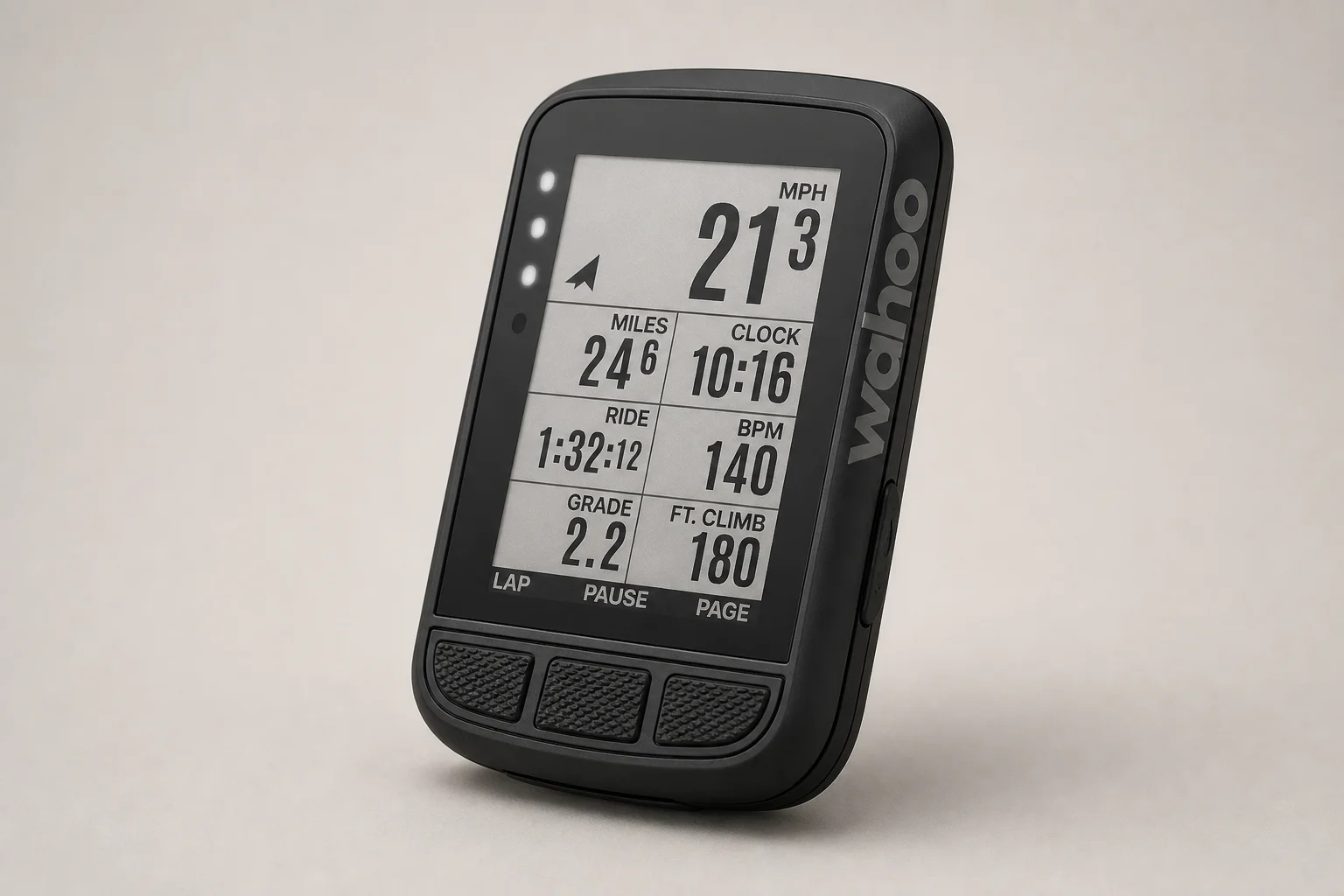
Up front, a Wahoo ELEMNT BOLT provides power and other key metrics on every ride. It is a compact unit that keeps the cockpit clean while making training data easy to read at a glance.
The finishing details round the build out perfectly. A traditional black bottle cage holds bottles securely and suits the frame, and with the right pedals swapped in for the shoes of the day, the whole bike feels personal and purpose-built.
Overall Buying Advice
The biggest lesson from six months on this build is that balance beats flagship parts. The frame, wheels, tires, and saddle are where comfort and performance are felt most, and they are worth spending on. The aluminum cockpit and Rival groupset show where savings can be made without sacrificing function.
Gearing deserves special attention. Before choosing a chainset and cassette, think about the actual terrain you ride. A 46/33 chainset with a 10-36 cassette sounds small on paper but completely changed the experience on steep climbs. Tubeless wheels and tires also earn their keep, with easier setup, better ride quality, and no punctures across six months.
Conclusion
After six months of nearly daily riding, this custom TCR has delivered on every promise. The frame is light, stiff, and comfortable, the groupset has been flawless, the wheels and tires have been fast and durable, and the saddle has been the most comfortable option of the season. It is a reminder that a well-chosen build, rather than a single expensive component, is what makes a great bike.
Further reading
Related Reviews
Road Cycling
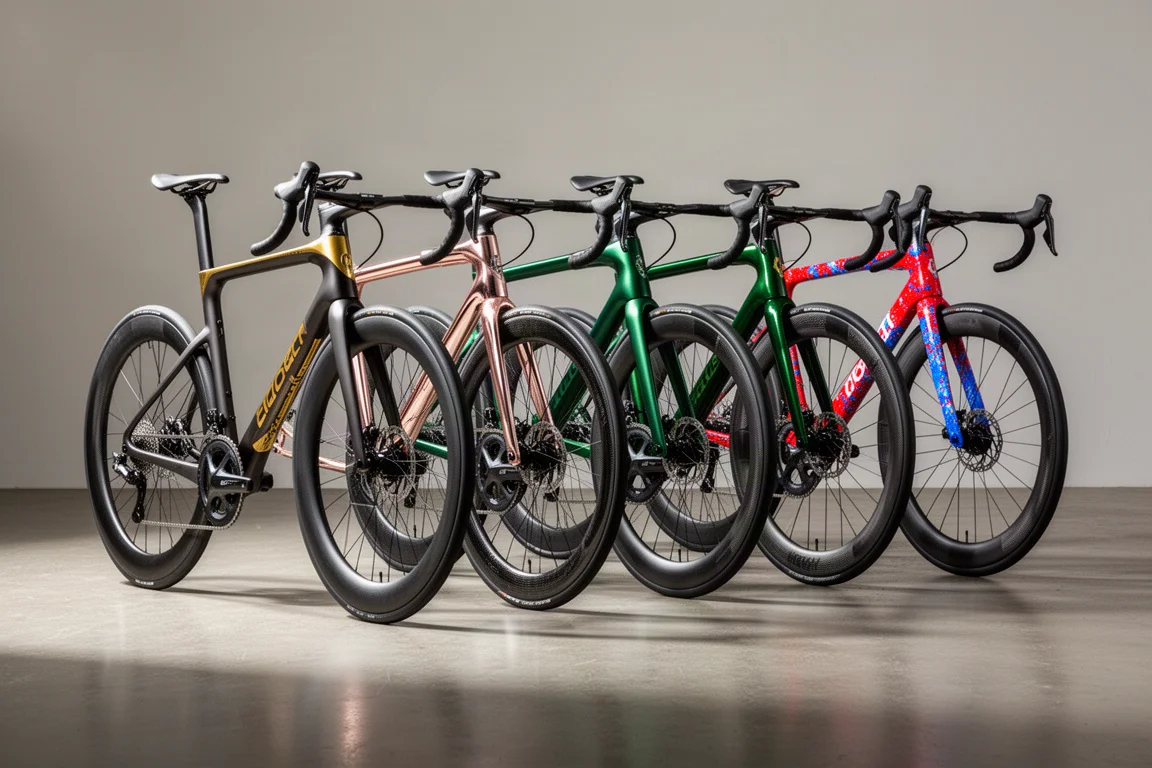
Best Looking Tour de France Bikes: Eight Race Machines and Their Paint Schemes
A closer look at eight Tour de France race bikes, from a gold-detailed presentation build to rainbow watercolours, water-transfer finishes and a clean title-sponsor livery.
Road Cycling
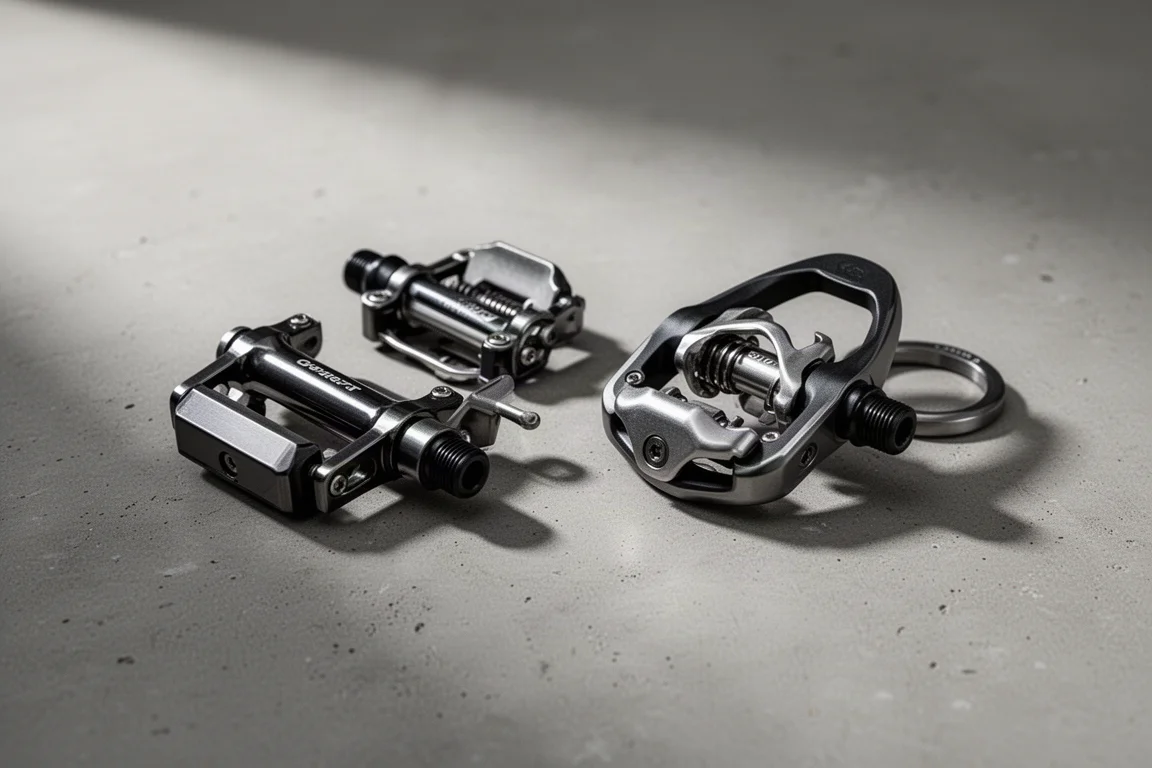
Best Road Bike Upgrades 2026: Clipless Pedals Compared and What to Change First
Two clipless pedal systems worth shortlisting for 2026, plus the lighter inner tubes, wheels, tires and saddles that genuinely change how a road bike rides.
Road Cycling
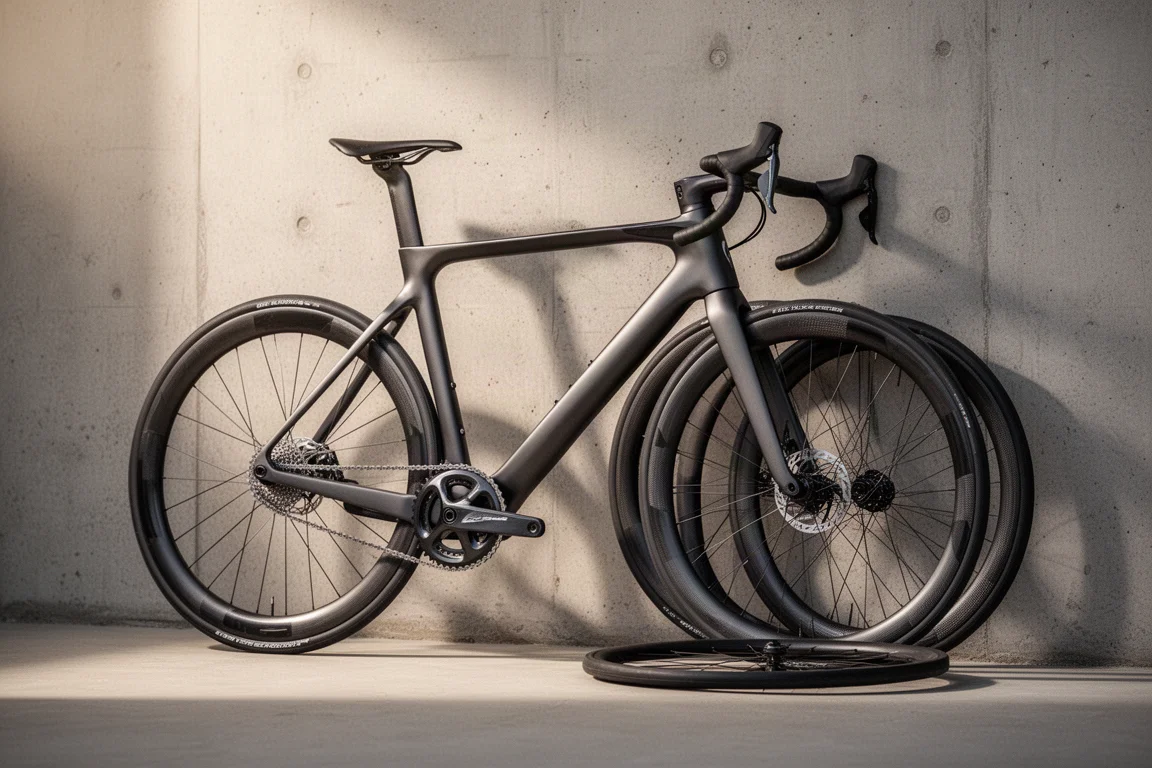
Best Road Bike Upgrades 2026: Five Pro-Level Picks Worth Buying
Five road cycling upgrades tested over months of hard riding, from a carbon-shell helmet and mixed-depth wheels to a tubeless race tire and a tight aero jersey.