Mountain Bikes
Giant Anthem Advanced 29er Review: A Light, Fast Cross-Country Race Bike
A carbon cross-country race bike with a low claimed frame weight, confident modern geometry, and a build that needs only small changes to be race ready.
Introduction
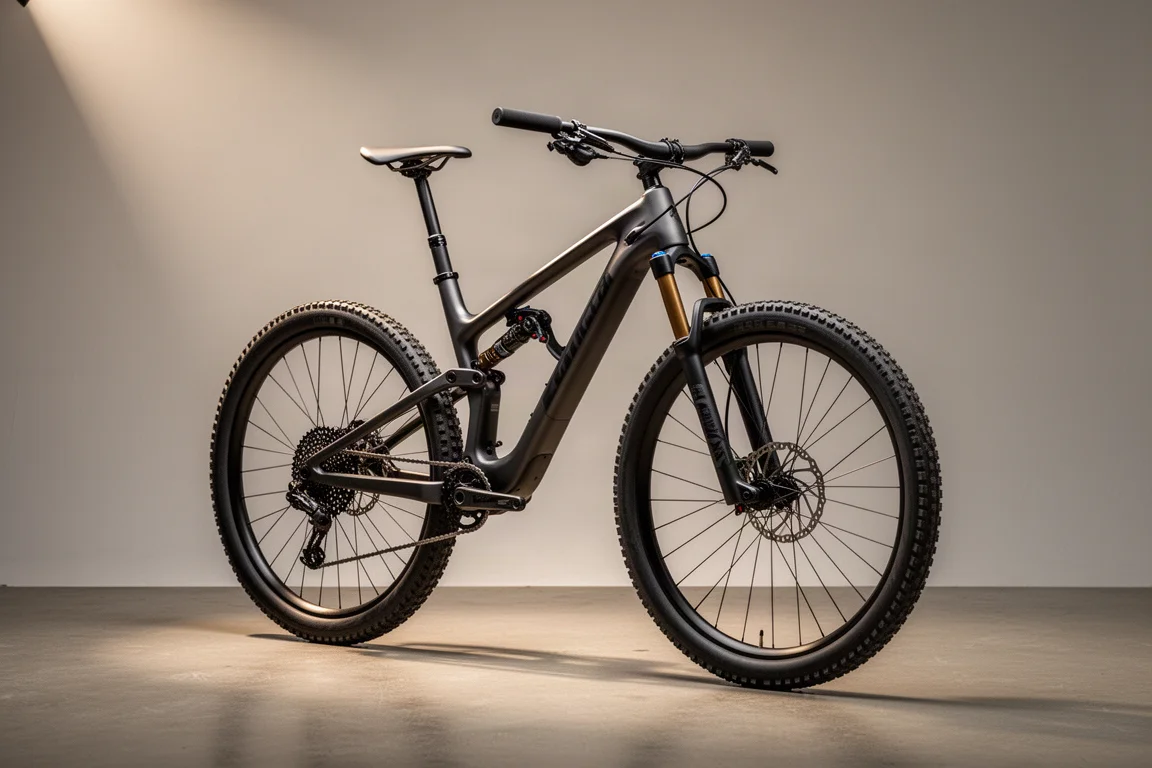
The Giant Anthem has been the brand’s dedicated cross-country race platform since it first launched in 2006, and it has changed considerably as XC racing itself has evolved. The latest Anthem Advanced 29er is the most refined version of that idea so far, built around a lightweight carbon frame with a carbon rear swingarm and a claimed frame weight of roughly 1,700 to 1,800 grams without the shock.
In the Shimano XT and SLX build tested here, a size large complete bike comes in at around 11 kilograms without pedals, which puts it firmly in race-bike territory. It costs around £5,000 in the UK.
The interesting question is not whether the Anthem is light, because it clearly is. It is whether the geometry, suspension and component choices add up to a bike that is genuinely fast on race day and still enjoyable on the trails in between. That is exactly what the following sections cover.
Who This Bike Is For
This is a bike for riders who want efficiency above all else. Cross-country racers, marathon riders and fast trail riders who enjoy covering ground quickly will find the Anthem’s priorities make sense. The riding position is long and low, with a 470mm reach on a size large, a short stem and a very flat handlebar. The result is a purposeful, head-down setup rather than a relaxed, sit-up trail bike feel.
It is also a sensible option for riders who like the idea of racing but spend most of their time on local trails. The Anthem’s numbers are modern rather than extreme, which means it is not punishing to ride outside of a race number.

The key consideration is intent. If your riding is mostly technical descending, long backcountry days or bike park laps, a longer-travel trail bike will be more comfortable. If your priority is going fast uphill and along flowing singletrack, the Anthem’s fit and low weight make a strong case.
Main Strengths
The headline strength is weight. A complete size large at roughly 11 kilograms is a genuine advantage on every climb, and the carbon frame and swingarm keep the platform light without feeling fragile.
The component package is also well judged for the price. The build pairs Shimano SLX cranks and hydraulic disc brakes with a 12-speed mechanical drivetrain and an XT rear derailleur with a clutch. Shifting is crisp and reliable, and the braking performance is strong, with lever shape and reach adjustment that suit a wide range of hand sizes. In a market full of wireless electronic groupsets and charging cables, the mechanical setup here simply works.
Elsewhere you get Giant’s own carbon wheels, wide 2.4-inch Maxxis Aspen tires that roll fast and offer good volume at low pressures, a Fox 34 fork and a Fox rear shock, plus a dropper post with 150mm of travel. Very little of the stock build feels like an obvious compromise, which is unusual at this price point.
Suspension and Ride Feel
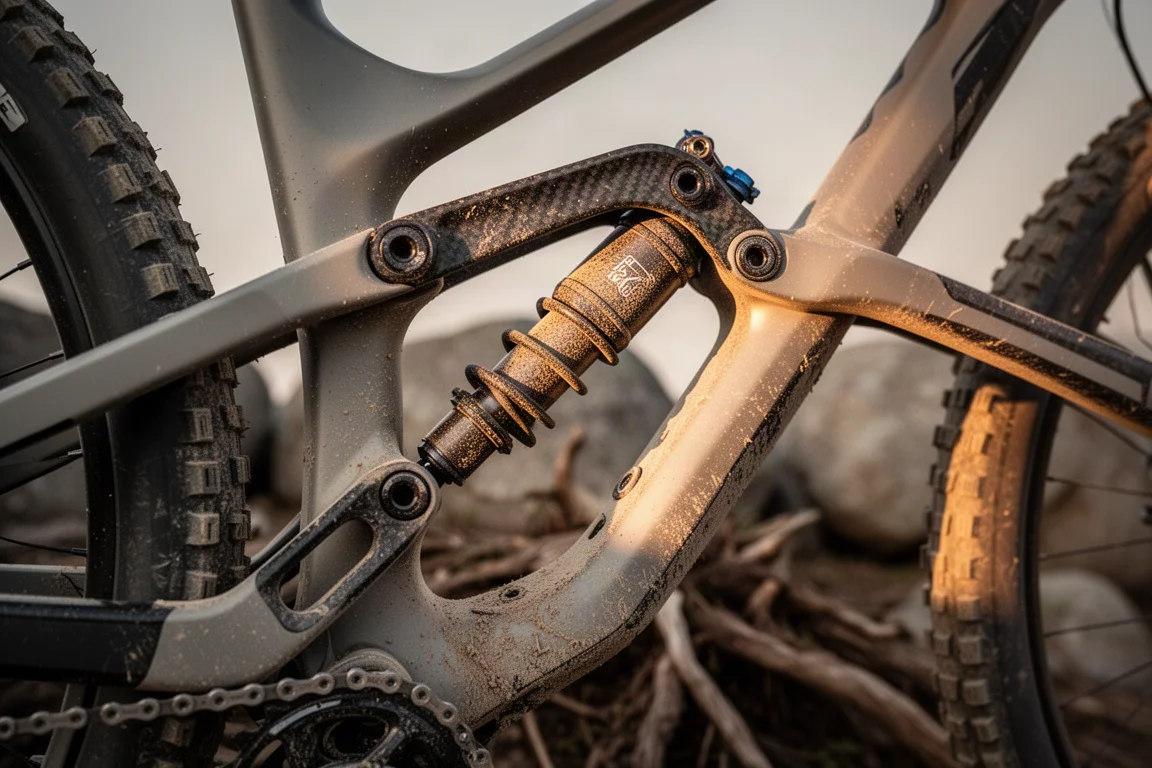
Giant has moved away from the older multi-link rear suspension design on the Anthem. The new layout uses a single main pivot with a flexing carbon rear end and a carbon linkage driving the shock. The shock now sits below the top tube, which frees up space inside the front triangle.
On the trail the suspension feels compliant and forgiving. It tracks rocks and roots well, keeps the rear wheel planted on tricky climbs and delivers a smoother ride than the travel figures alone would suggest. Riders coming from a very firm, efficiency-first race bike will notice the extra traction immediately.
There is a three-position handlebar lockout that operates both the fork and the shock, moving between fully open, a mid compression setting and full lockout. It is a common arrangement in cross-country racing, and the top-end Anthem models go further with an automatic electronically controlled system that adjusts damping on the rider’s behalf, at considerably higher cost and complexity. For most trail riding the open setting is sufficient, with only mild pedal bob that does not feel like wasted energy. Rear sag was set around 25 percent for trail riding and firmed to roughly 22 to 23 percent for racing.
In character, the Anthem sits between two extremes. It is more compliant and less restrictive off-road than the Canyon Lux World Cup, but it is not as plush or floaty as the Pivot Mach 4 SL. For a dedicated cross-country race bike, that balance is well struck.
Climbing and Descending Performance
Climbing is where the Anthem feels most at home. The low weight, fast-rolling 29-inch tires and efficient pedalling position combine to make steep, smooth climbs feel quick, and the suspension keeps enough traction to handle looser, more technical ascents without drama.
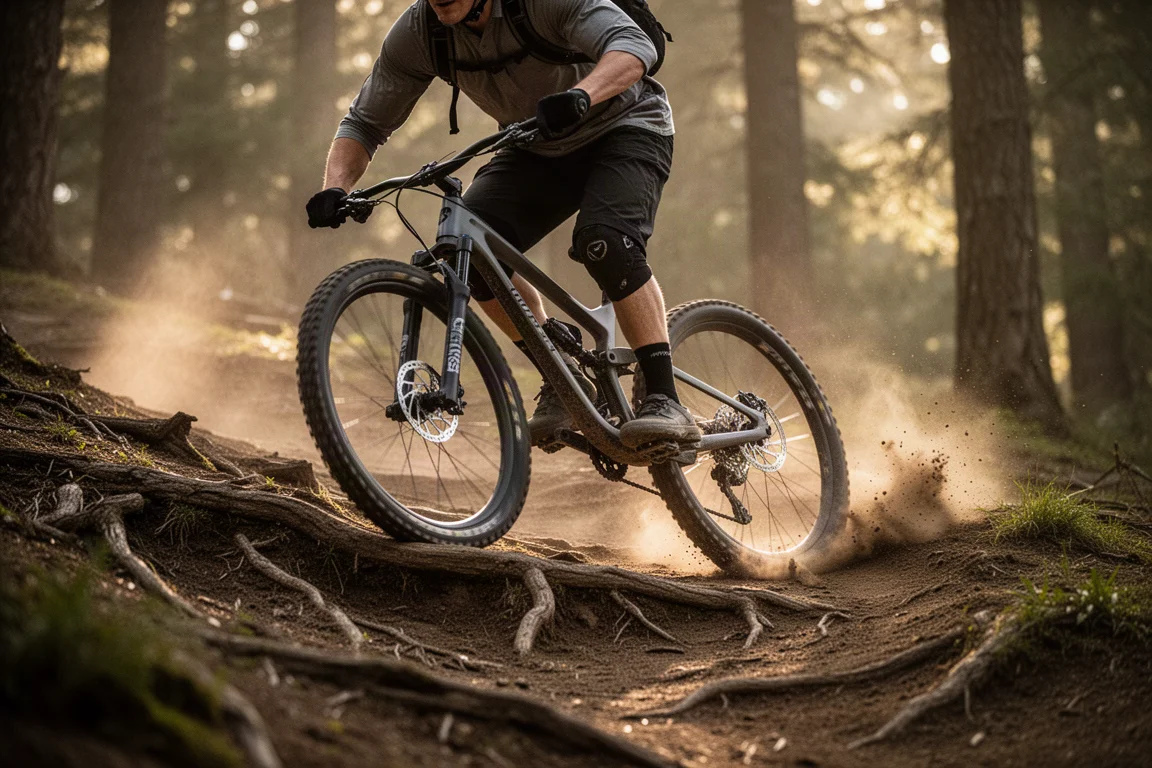
Descending is the pleasant surprise. The 67.5-degree head angle, longer reach and 110mm of front travel from the Fox 34 fork make steep, sketchy trails far less intimidating than they would be on an older-generation race bike. The wide 2.4-inch tires add confidence, and the bike remains nimble thanks to a short wheelbase and short chainstays. It pivots around tight corners and changes direction easily, which matters when you are picking a smooth line through roots or carrying speed through a fast, swooping section of singletrack.
It is not the most progressive cross-country race bike on the market, but it is far from conservative either. The result is a bike that is quick on the race course and genuinely fun once the race is over.
Things to Consider Before Buying
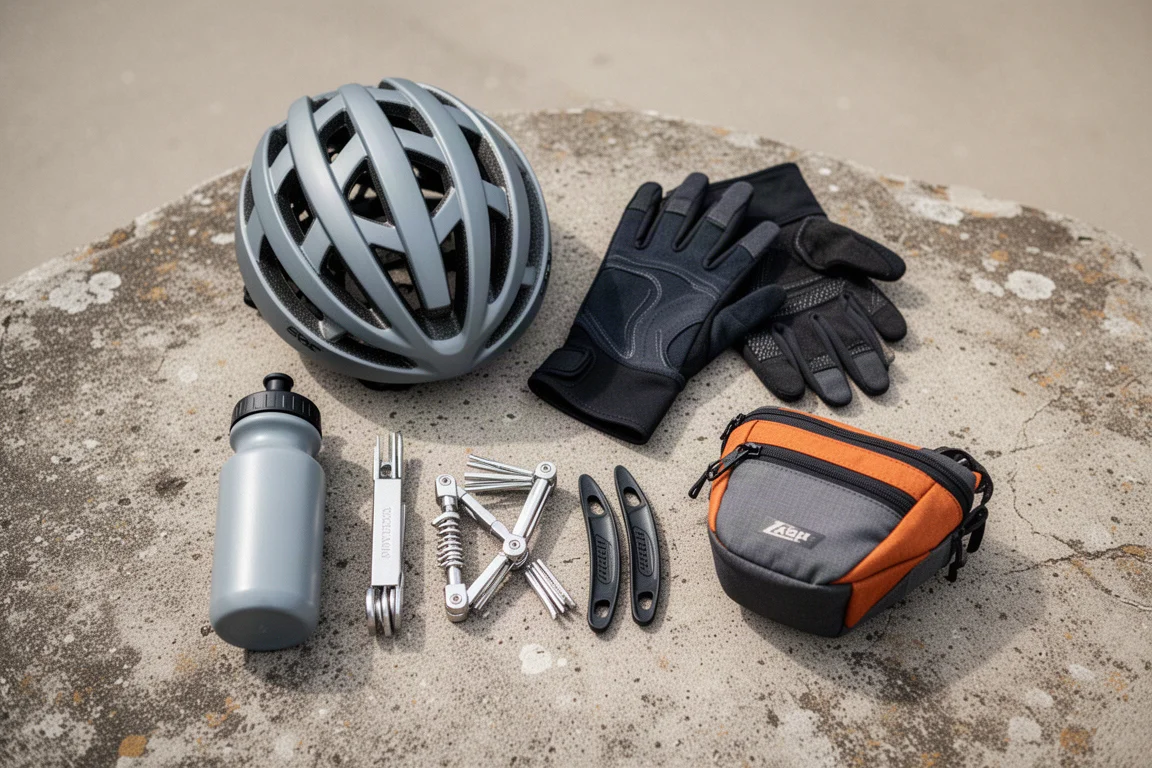
There are a few practical limitations worth knowing about before you commit. Inside the front triangle there is only one bottle cage mount, with a single additional bolt that might take a second cage. Riders planning long marathon events or multi-day trips may prefer a hydration pack.
The cockpit has a busy cluster of cables up front, which looks untidy, and the front and rear lockout arrangement will not appeal to everyone, though it can simply be left open. The dropper post lever is crude and awkward to operate at speed, and on a size large there is room for a longer-travel post than the 150mm unit fitted. The 35mm diameter aluminium handlebar feels stiff, and a 31.8mm carbon bar would add welcome vibration damping. The foam grips are light but too fat for comfort on longer rides, and the saddle is very firm.
One maintenance quirk is worth noting: water collects in a recessed area low on the frame when washing the bike or riding in heavy rain, so it is worth drying that spot out afterwards. Finally, a little more suspension travel would have broadened the bike’s appeal without hurting its race credentials. The Scott Spark, for example, runs 120mm front and rear and is no slower as a race bike, but offers more bandwidth away from the race course.
Specification and Value for Money
At around £5,000 in the UK, the Anthem Advanced 29er represents strong value for a full carbon race platform. You are getting a light carbon frame and swingarm, carbon wheels, Fox suspension front and rear, a dropper post, wide fast-rolling tires and a dependable Shimano mechanical drivetrain.
The upgrades most riders would want are inexpensive ones: better grips, a more ergonomic dropper lever, a firmer-feeling saddle swap and possibly a bar change. None of them affect the core of the bike, which is the frame, geometry and suspension design. That is where the value sits, and it is why the Anthem arrives close to race ready rather than needing a season of parts swapping to become competitive.
Buying Advice
If you race cross-country, or ride with a race mindset, the Anthem Advanced 29er is easy to recommend. It is light, efficient and quick everywhere, and it handles technical terrain far better than its travel numbers suggest. Budget a little extra for grips, a dropper lever and possibly a handlebar, and you have a package that needs almost nothing else.
If your riding leans more toward technical descending, long distance comfort or general trail riding, it is worth looking at short-travel options with a bit more suspension travel. The Scott Spark and the Pivot Mach 4 SL offer more cushioning for that style of riding, while the Canyon Lux World Cup is more single-minded in its efficiency. The Anthem sits sensibly in the middle, and for riders whose priority is speed rather than plushness, it is the more rewarding choice.
The most important thing is to match the bike to your actual riding. If most of your time is spent chasing Strava segments and lining up at the start of a race, the Anthem’s low weight and sharp handling will feel immediately worthwhile. If your weekends are about exploring rough, steep trails at a relaxed pace, a different category of bike will serve you better.
Conclusion
The Giant Anthem Advanced 29er is a well-rounded cross-country race bike. Its carbon frame and swingarm keep weight low, the geometry is modern enough to make technical descents manageable, and the suspension delivers a compliant, traction-rich ride that is efficient without feeling harsh. The Shimano build is dependable and the £5,000 price is reasonable for what you get.
Its limitations, one bottle mount, a cramped cockpit, a basic dropper lever, firm contact points and modest travel, are all easy to live with or easy to change. For racers and fast trail riders who value efficiency and low weight above everything else, this is a confident purchase.
Product link
View more details for Giant Anthem Advanced 29er
This product is mentioned in the review. Check the specifications, options, and compatibility before buying.
View more details for Giant Anthem Advanced 29erFurther reading
Related Reviews
Mountain Bikes
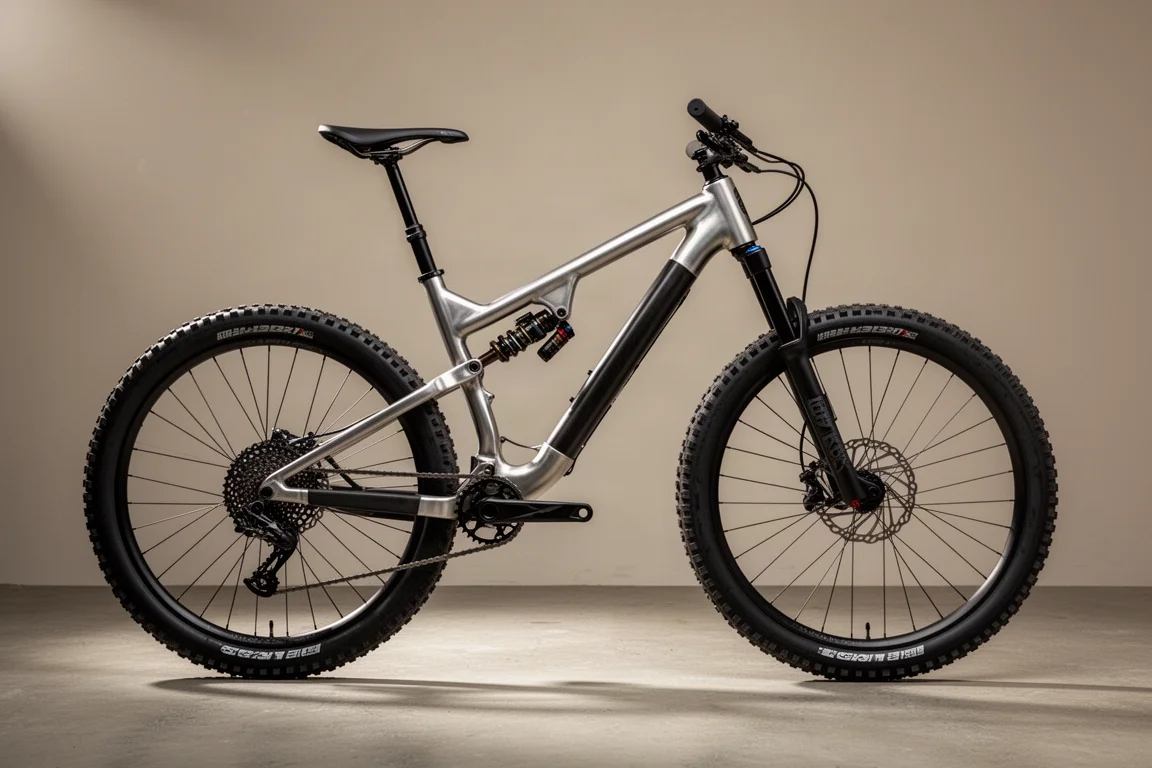
Atherton AM.130 Review: 3D-Printed Titanium Lugs and a 130mm Trail Bike That Descends Like a Bigger Machine
The Atherton AM.130 pairs 3D-printed titanium lugs with carbon tubes and a DW6 suspension platform. Here is how it rides, what the build delivers, and who it suits.
Mountain Bikes
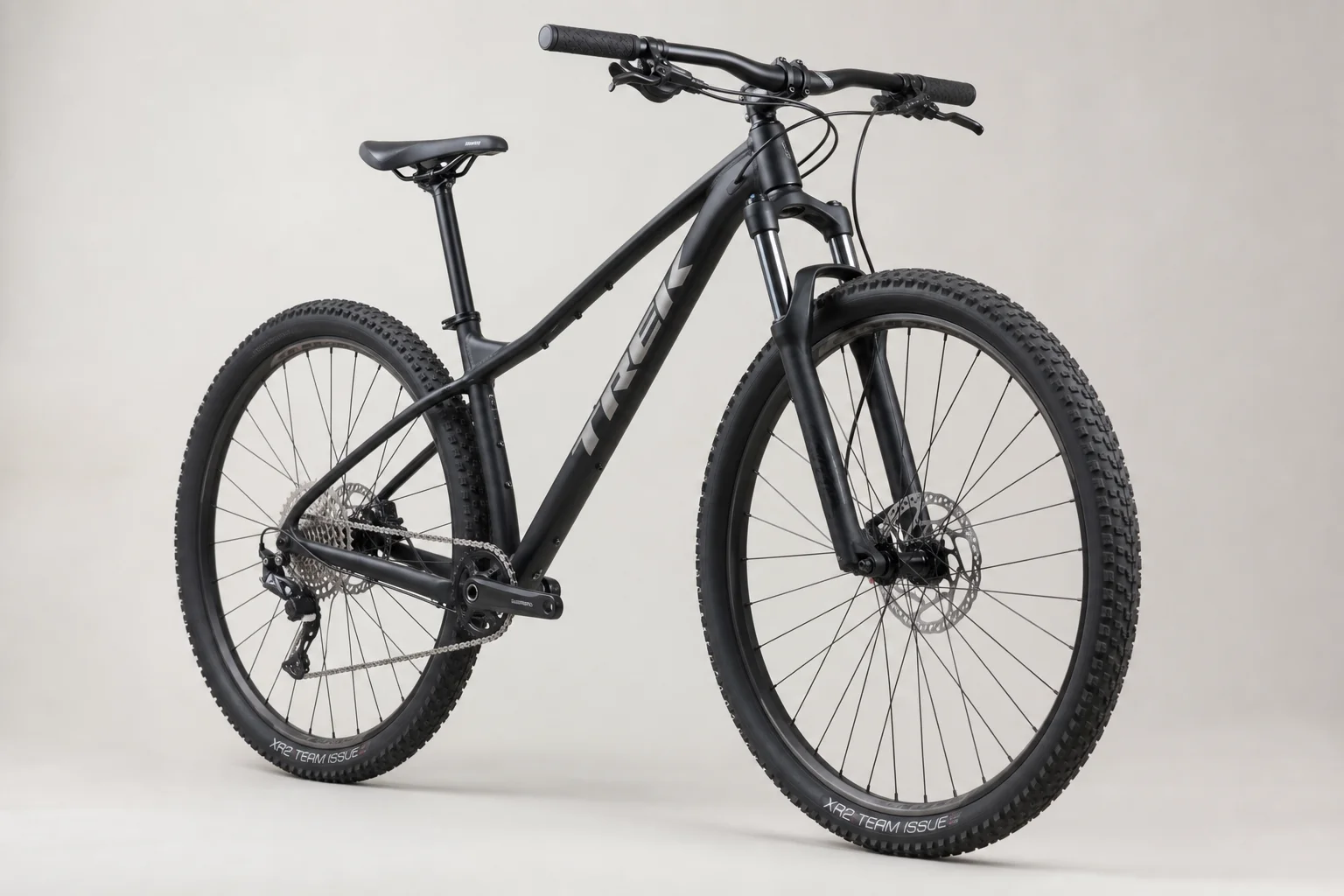
Beginner Mountain Bike Buying Guide: What to Look For in a Trailworthy Hardtail
A practical framework for evaluating beginner mountain bikes, whether new or used, by examining key components that indicate real trail capability.

Mountain Bikes
Best Aluminum Mountain Bikes 2026: Five Alloy Bikes Worth Your Attention
Five aluminum mountain bikes that show how far alloy has come, from a 120mm trail bike and a versatile machined frame to a 180mm freeride machine.