Audio DACs
Geshelli Labs J2 vs EverSolo DAC-Z8: Two Desktop DACs Compared
A close comparison of two desktop DACs: the Geshelli Labs J2 with swappable op amps and the EverSolo DAC-Z8 with remote, volume control and headphone output.
Introduction
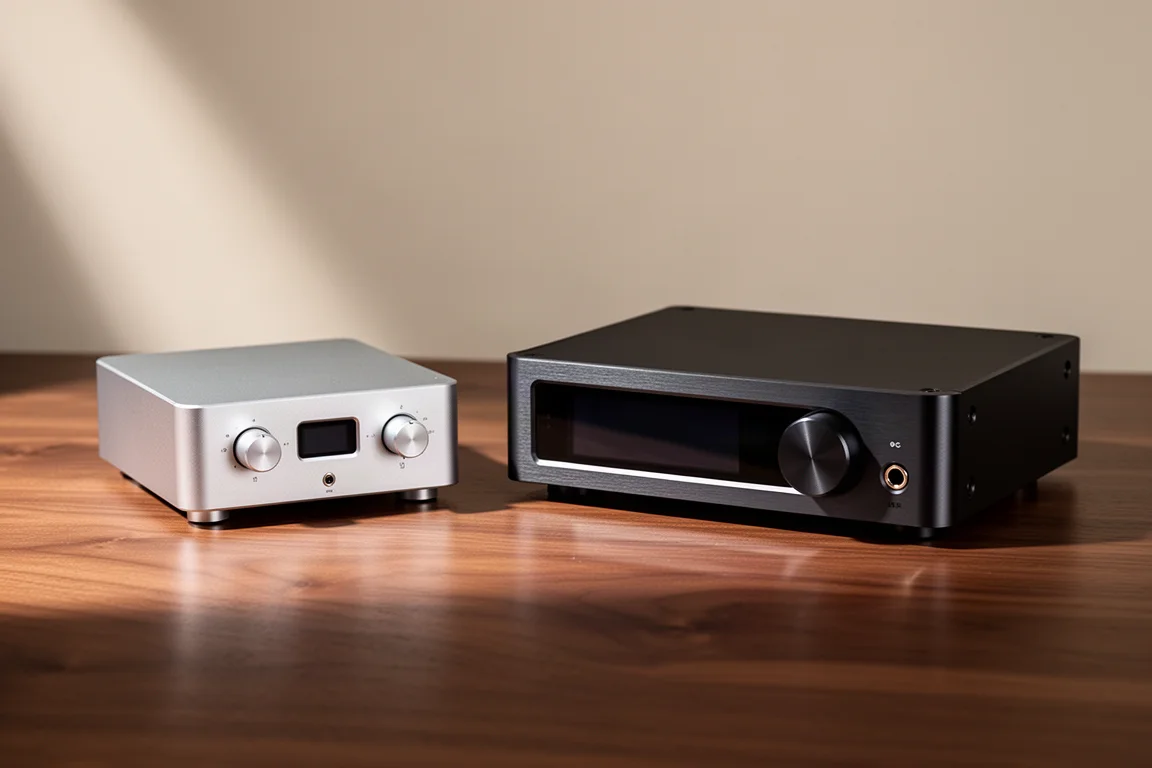
The Geshelli Labs J2 and the EverSolo DAC-Z8 occupy the same corner of the desktop DAC market, and both have been described as delivering far more than their price tags suggest. They also take completely different routes to get there. One is a focused converter with almost no extra features, and the other is a digital hub that can run a simple system on its own.
That makes the choice less about outright sound quality and more about how you listen. This guide walks through the hardware, the connectivity, the price structure and the sonic differences heard across a set of familiar test tracks, so you can work out which DAC belongs in your setup.
What Sets These Two DACs Apart
The EverSolo DAC-Z8 is designed as more than a converter. It ships with a remote control, which means it can operate as a digital preamp, and it adds a headphone output and Bluetooth on top of its DAC duties. The Geshelli Labs J2 stays deliberately narrow. It is a DAC and very little else, with a broadly fixed output and three output settings rather than a volume control.
That single difference shapes everything else. If a preamp, integrated amplifier or surround processor already handles volume in your system, the J2’s fixed output is a clean fit and you are not paying for features you will never touch. If you want to plug headphones straight in, stream from a phone over Bluetooth, or adjust level from the DAC itself, the DAC-Z8 covers ground the J2 does not attempt.
Geshelli Labs J2: A Purist DAC With Swappable Op Amps
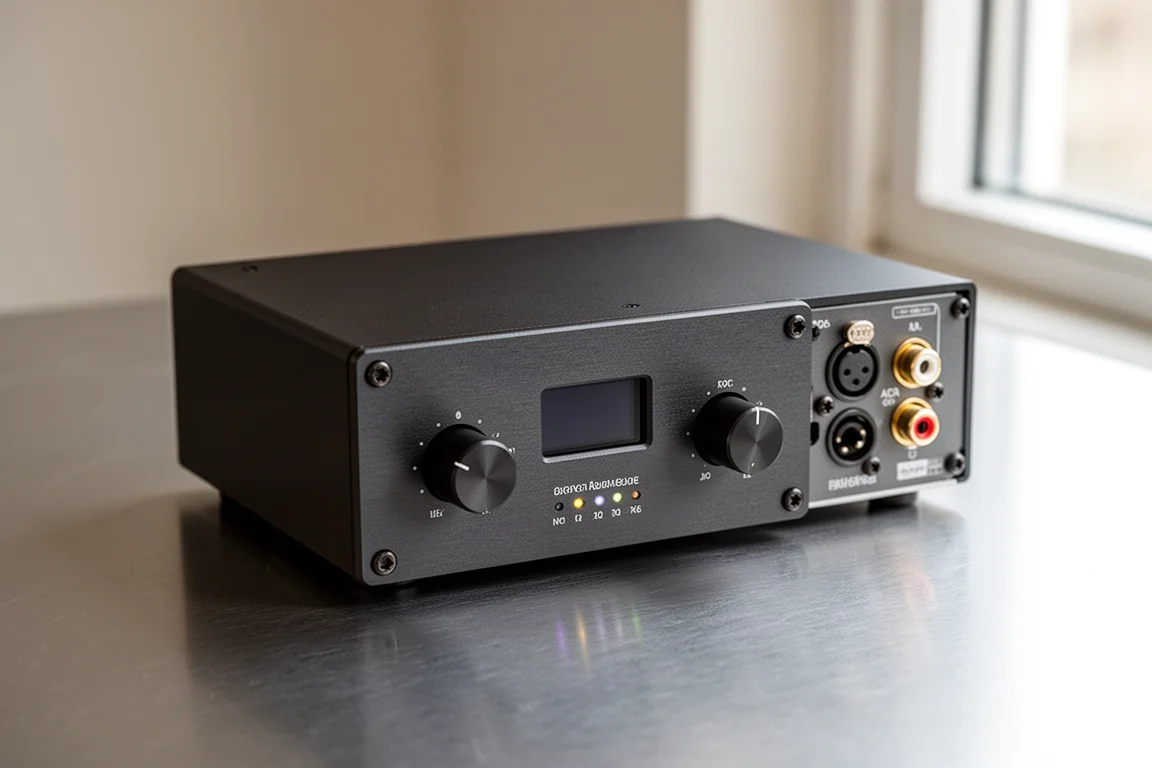
Inside the J2, Geshelli Labs pairs an AKM 4499-series converter chip with an AKM 4491, so two chips share the conversion work. The more interesting detail is that the op amps are socketed. The unit ships with Texas Instruments op amps, and the version compared here was fitted with a Sparkos upgrade, with Burson among the other options. Because the J2 is a current-based design, swapping op amps has a clearly audible effect on the character of the sound, which is not something you can say for every DAC at this price.
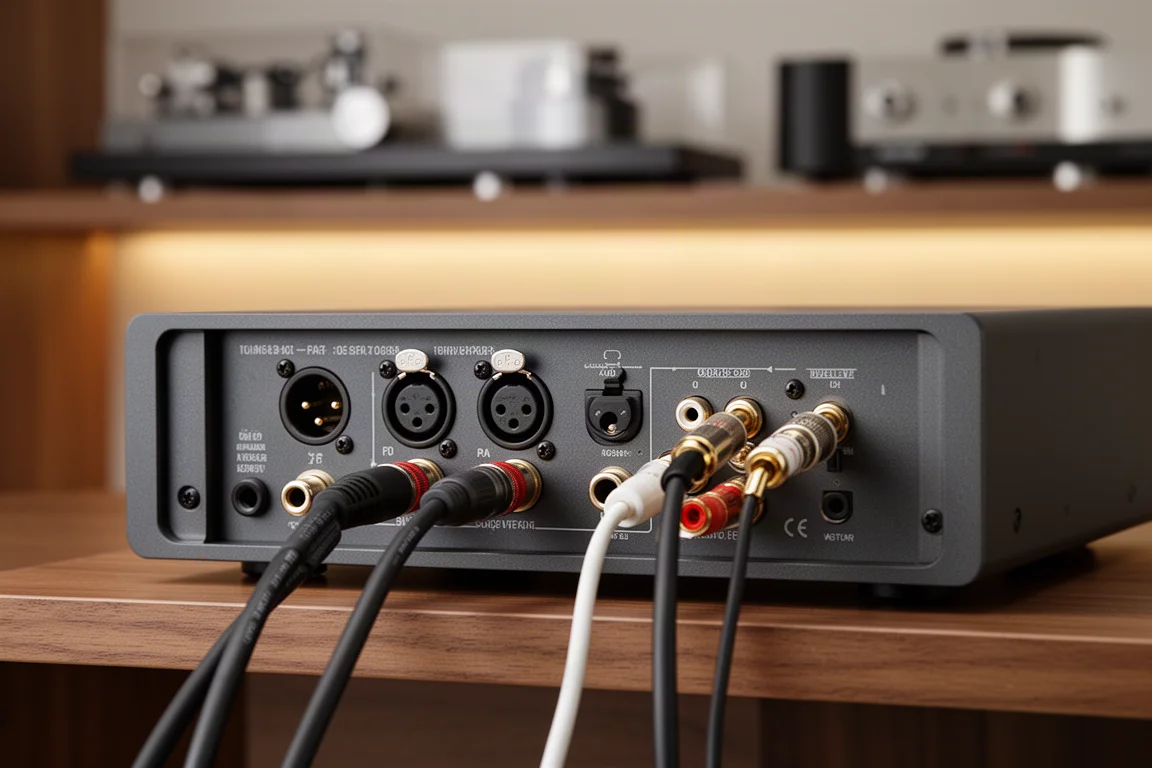
Around the back you get balanced outputs and single-ended RCA outputs, one optical input and one coaxial input, and a full-size USB input. The front panel adds a second optical and a second coaxial input, which is unusual and genuinely useful if you have more than one digital source.
EverSolo DAC-Z8: A Feature-Rich Digital Preamp
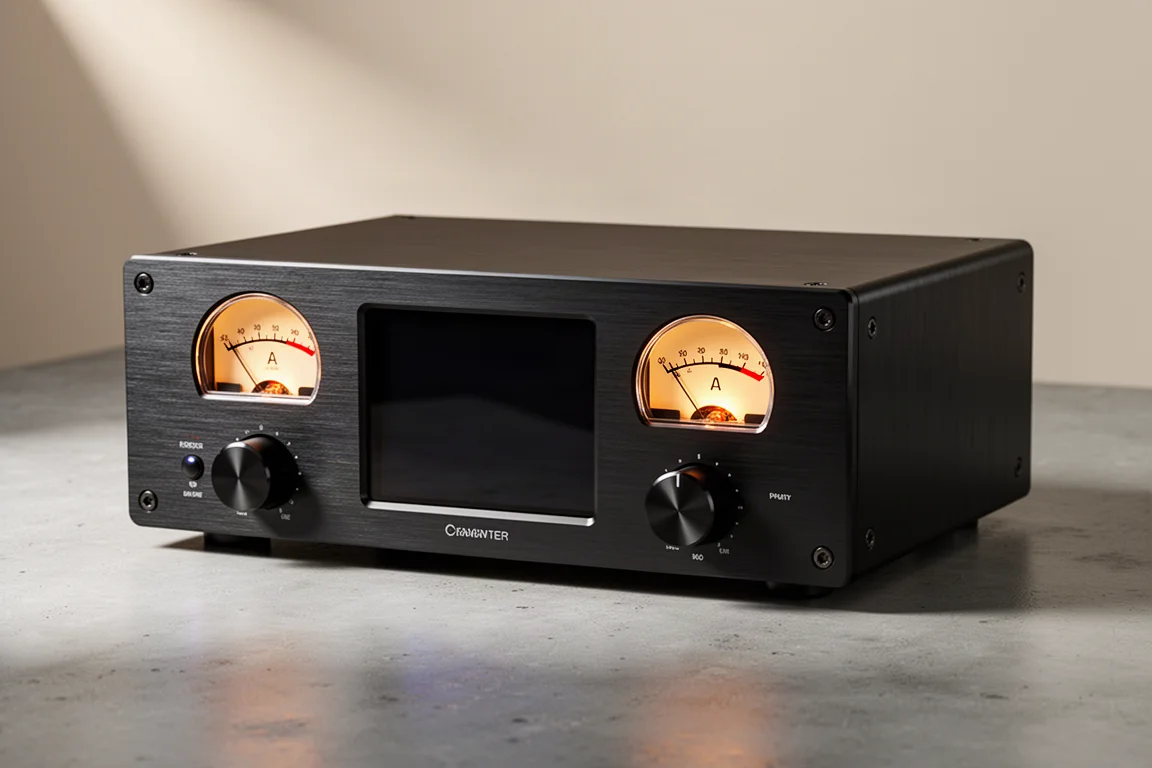
The DAC-Z8 is built around the ESS Sabre ES9038 Pro, a flagship converter chip, supported by eight Texas Instruments OPA1612 op amps and a linear power supply inside the chassis. There is a master power toggle on the rear panel, and the op amps are fixed, so the sound you buy is the sound you keep.
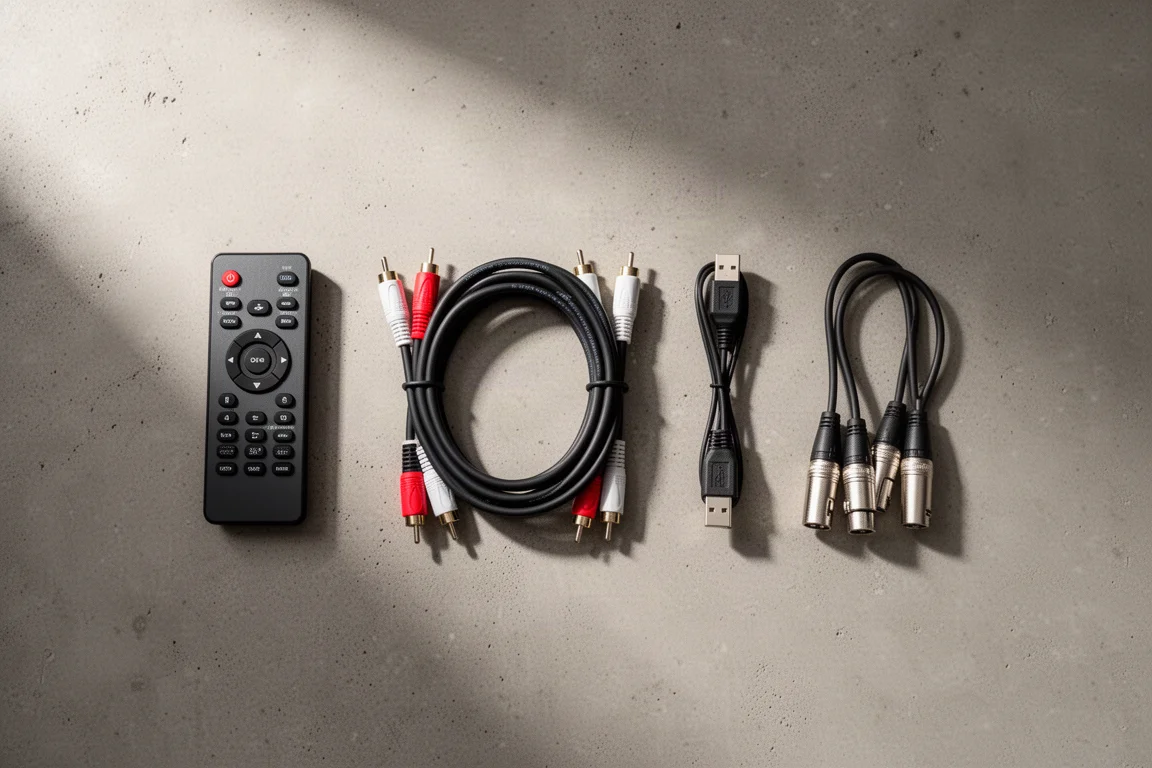
Connectivity is generous: balanced outputs and single-ended RCA outputs, an optical input, a coaxial input, a full-size USB input and a USB-C input, plus a separate port intended for firmware updates. Add the remote control, the headphone output and Bluetooth, and the DAC-Z8 can sit at the centre of a simple system on its own.
Listening Setup and Overall Character
Both DACs were run through the same chain: an Emotiva RMC-1L surround processor feeding an Emotiva XPA Gen 3 amplifier, with the front two channels driven by mono modules. Output levels matched closely enough that both could be run at fixed level, with volume handled by the processor in reference stereo mode.
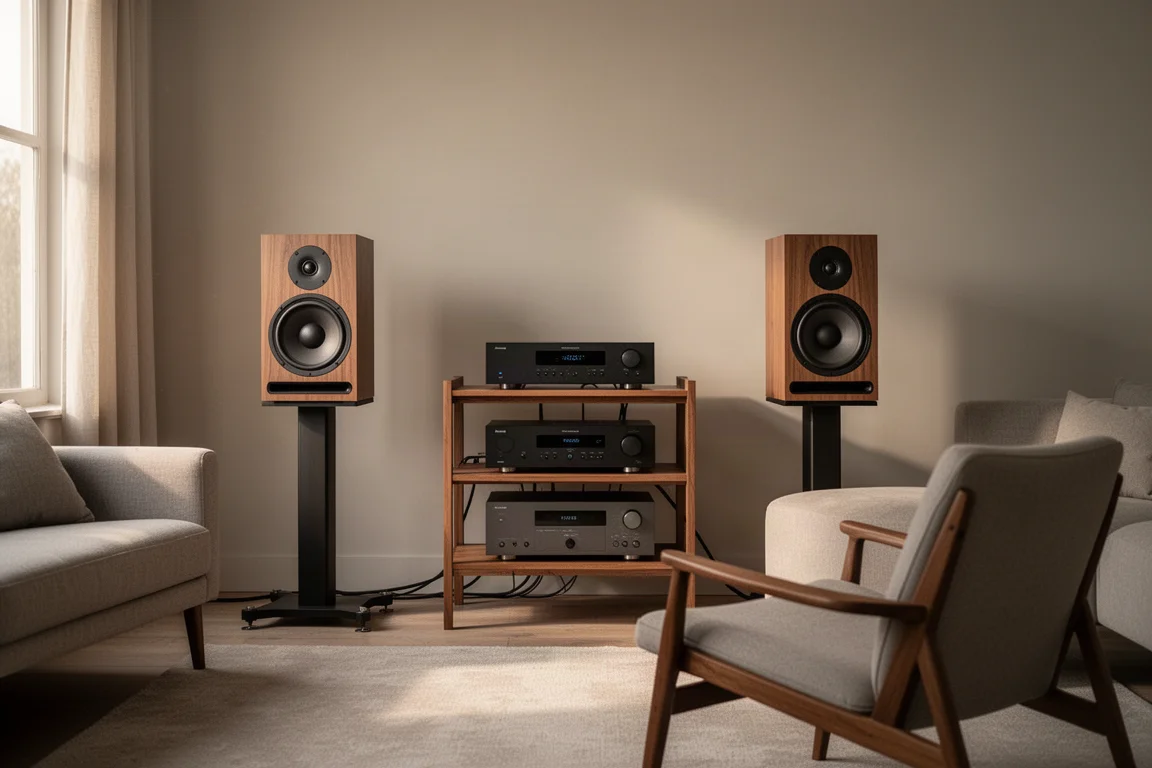
The overall character difference is consistent. The J2 throws a deeper, more three-dimensional picture, with instruments placed further back and further out into the room. The DAC-Z8 is flatter and more forward, with extra energy in the upper midrange that makes guitars crisper and vocals more immediate. Neither approach is wrong, but they reward different priorities.
Track-by-Track Takeaways
On Dr. Feelgood, the cowbell sits firmly to the left and behind the vocal, and the J2 pushed it back behind the plane of the speakers while keeping it clearly located. The DAC-Z8 spread the same part flatter and further forward, with sharper guitars but a harsher, more forward vocal. Imaging and three-dimensionality went to the J2.
Don’t Fear the Reaper split the two more evenly. The J2 let the left-channel guitars hang in the air with a more ethereal quality, while the DAC-Z8 sounded punchier and more dynamic, though at the cost of some bass cleanliness. The J2 also placed the vocal more definitively and separated instruments more clearly.
Hair of the Dog came out close to a draw. The DAC-Z8 was slightly less crisp and transparent overall, but around the two-minute mark it found a little more edge and definition in the guitar work. Neither DAC ran away with it.
Fortunate Son favoured the DAC-Z8, which had a touch more cleanliness around the vocals. That came with a trade-off: the upper-midrange forwardness made the fourth guitar repeat uncomfortable, and noticeably more in-your-face on the DAC-Z8 than on the J2. If that forward presentation is what you enjoy, this track is the argument for it.
Highway Star went back to the J2. The guttural scream that arrives around the twenty-seven second mark felt like it was pulled from behind the listening position into the right speaker on the J2, while the DAC-Z8 stayed flatter and less dimensional. During the keyboard and guitar solos later in the track, the J2 was simply the more enjoyable listen.
Price and Value
The J2’s price depends entirely on how you configure it. Fully kitted out with the Sparkos op amps and a wood case, it lands around $766. Skip the upgraded op amps and keep the wood case, and the price drops to about $608, since the Sparkos parts mainly benefit balanced connections. Drop the USB input as well and it comes down to roughly $558. That flexibility matters if you only need single-ended output.
The DAC-Z8 has sold for around $700 to $800, which puts the two in similar territory once the J2 is fully specified. Availability has been the bigger obstacle, with the DAC-Z8 difficult to find in stock. Judged purely as a DAC, the J2 offers the stronger value, but that comparison ignores the remote, the volume control and the headphone output you get with the DAC-Z8.
Framed as a system component rather than a pure converter, the DAC-Z8’s price looks more reasonable. Framed as a converter feeding a system that already has volume control, the J2 looks like the better buy.
Who Each DAC Suits Best
The J2 suits listeners who already control volume elsewhere and want the most dimensional sound they can get at this price. The socketed op amps also make it the obvious pick for anyone who enjoys tuning the sound of their system without replacing hardware.
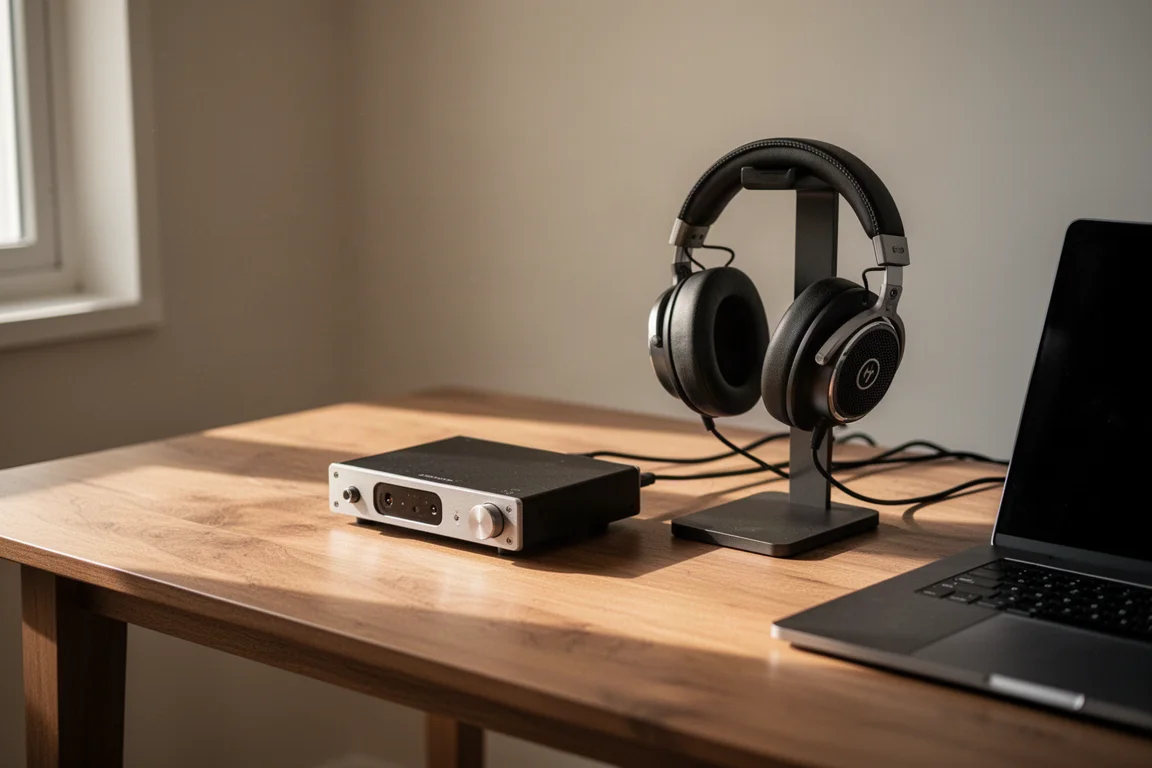
The DAC-Z8 suits a different listener: someone who wants one box to handle conversion, volume, headphones and the occasional Bluetooth stream. It is also the easier recommendation if you are building a simple desk system where a remote and a headphone jack matter more than the last degree of soundstage depth.
Buying Advice
Start with your system rather than the spec sheet. If a preamp or processor already sets volume, the J2’s fixed output is an advantage, and its configurability lets you spend only on the inputs and op amps you actually need. If nothing else in your chain controls volume, the DAC-Z8 solves that problem out of the box.
On sound alone, the J2 with the Sparkos op amps was the more compelling listen across most of the material, with the DAC-Z8 ahead on a handful of tracks where its extra forwardness and punch worked in its favour. If you can only choose one, weigh three-dimensional imaging and op-amp flexibility against built-in volume, headphone support and Bluetooth, then let your own setup decide.
Conclusion
Both of these DACs earn their reputation. The Geshelli Labs J2 delivers a deeper, more layered presentation and gives you the option to change its character through op-amp swaps, provided your system handles volume elsewhere. The EverSolo DAC-Z8 trades some of that dimensionality for punch, convenience and a far broader feature set. Match the DAC to the rest of your system and either one will serve you well.
Further reading
Related Reviews
Audio DACs
SMSL SU1 Review: A Tiny $80 DAC That Sounds Better Than It Should
A pocket-sized digital-to-analog converter with MQA support, flexible inputs, and an engaging sound that holds its own against far pricier desktop DACs.

Backpacking Gear
Building a 10 lb Base Weight: An Ultralight Backpacking Gear List
A practical walkthrough of the ultralight pieces behind a 10 lb base weight, from a 765 g pack and a roomy one-person tent to a full camp chair and a dependable water filter.

Road Bikes
10 New Road Bikes Worth Watching: Aero, Titanium, Steel and Endurance Standouts
A practical roundup of 10 new road bikes, from aero flagships chasing single-watt gains to titanium, steel and endurance platforms built for real roads.