Hi-Fi Speakers
Genelec G3 Review: A Compact Active Speaker With Studio Pedigree
A close look at the Genelec G3, a small active speaker with a cast aluminum cabinet, an all-analog signal path, and in-house amplification.
Introduction
Genelec has been designing and building loudspeakers in Finland since 1978, and the G3 carries that professional heritage into a very small cabinet. It sits in the middle of a compact line that runs from the G1 up to the G5, growing larger as the number rises, which makes the G3 a sensible place to start looking.
What makes it unusual in a home listening setup is how it is built. The G3 is an active speaker: two 50-watt Class D amplifiers and an active crossover are designed and made by Genelec and mounted inside the enclosure. The signal path stays analog from input to output, with no digital connectivity and no conversion stage anywhere in the speaker.
That combination is appealing for anyone who wants a very small, very high quality speaker without building a rack of separate components.
Who This Product Is For
The G3 is aimed at small to mid-size rooms, whether it sits on a desk, a shelf, a platform, or a stand. Its connections are deliberately simple: one RCA input and one XLR input, both analog. There is no volume control on the speaker itself, so it has to be paired with a preamplifier or with a source that has its own volume control, such as a DAC.
Tonally, it leans toward neutral and accurate rather than warm and forgiving, so it rewards listeners who want to hear what is actually in the recording. Anyone expecting a thick, colored presentation should look elsewhere.
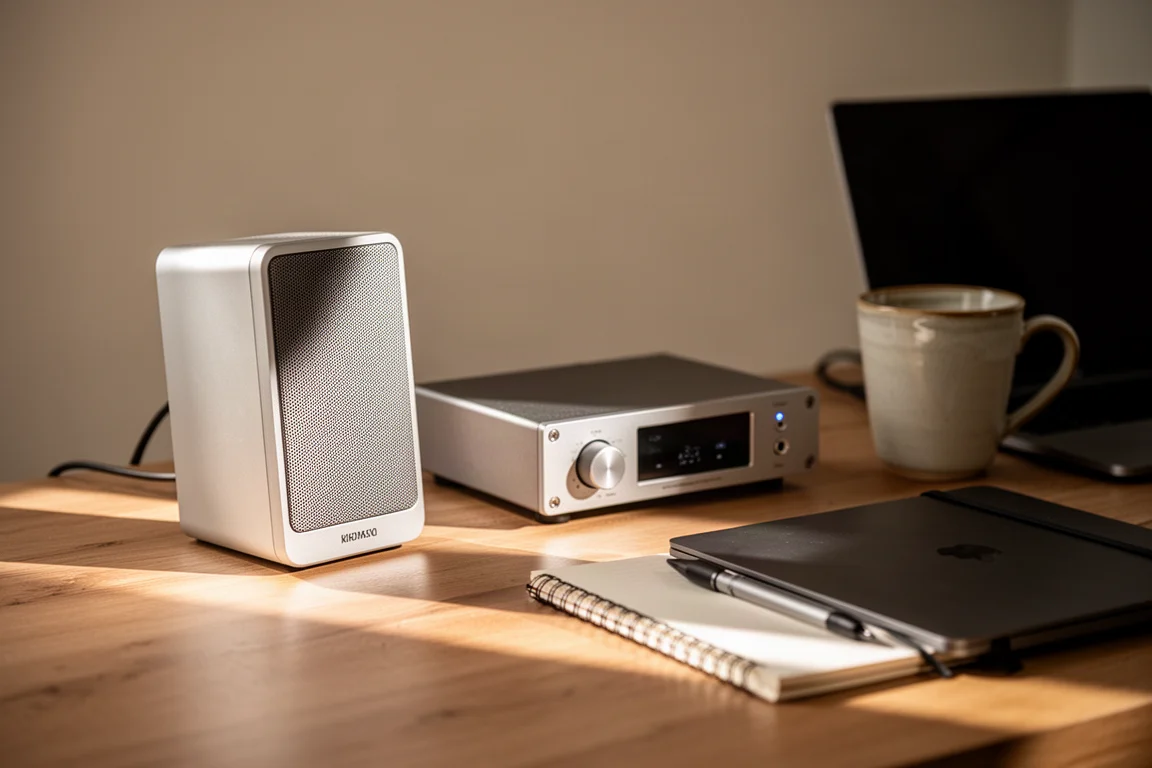
Bass output is deeper than the cabinet suggests. In an appropriately sized room, most music will not need a subwoofer; only listeners who spend their time with bass-heavy electronic material are likely to want one. The G3 also suits anyone who wants to keep the system as simple as possible, since the amplifiers are already inside the box.
Main Strengths
Several things stand out, starting with the enclosure and the way the electronics are integrated into it.
Design and Build Quality
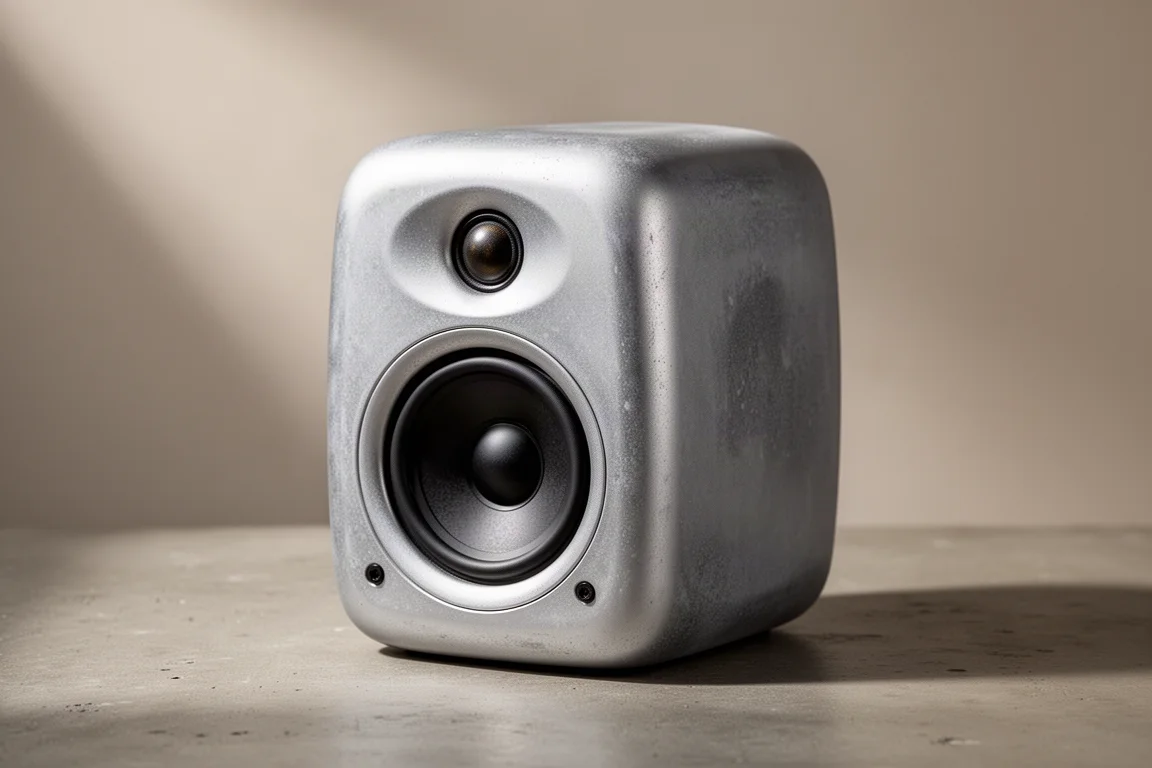
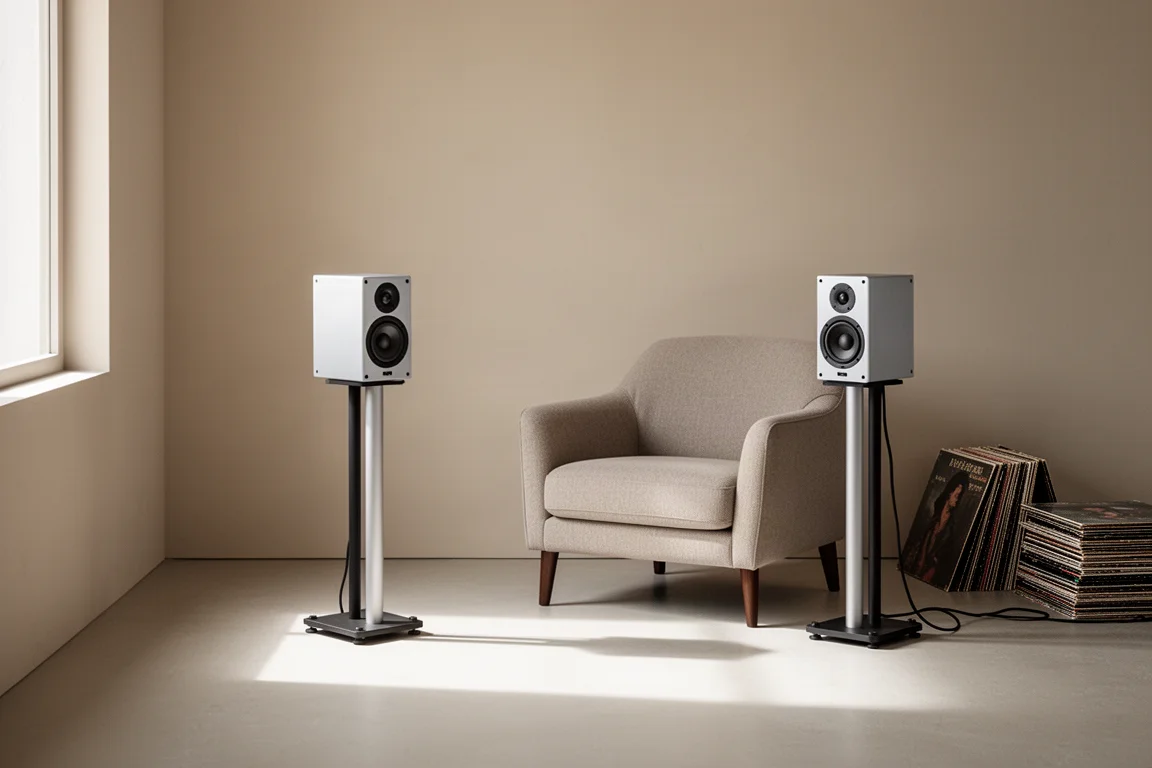
The cabinet is cast aluminum, with no MDF and no plastic in the construction. It feels like a solid chunk of metal because it is one, and it is filled to the brim with electronics. Three finishes are available: black, white, and a raw option that leaves the aluminum unfinished.
The shape is driven by function. It is a low-diffraction cabinet with no hard edges, and the waveguide around the tweeter is cast directly into the aluminum. The drivers are a 0.75-inch aluminum dome tweeter and a 5-inch polypropylene woofer. Each speaker also ships with a removable Iso-Pod footer assembly, which decouples it from the shelf or stand it rests on and can be used to angle the speaker upward or downward, giving useful control over vertical orientation.
Warranty coverage runs to two years and can be extended to five years by registering the purchase with Genelec.
Amplification and the All-Analog Signal Path
Two 50-watt Class D amplifiers live inside the cabinet alongside the active crossover, all designed and manufactured by Genelec in its own factory. Because the amplification is matched to the drivers, there is no separate amplifier to choose, match, or pay for.
The signal path is analog from start to finish. There is no digital input and no conversion stage, which keeps the design simple and predictable for listeners who prefer an all-analog chain.
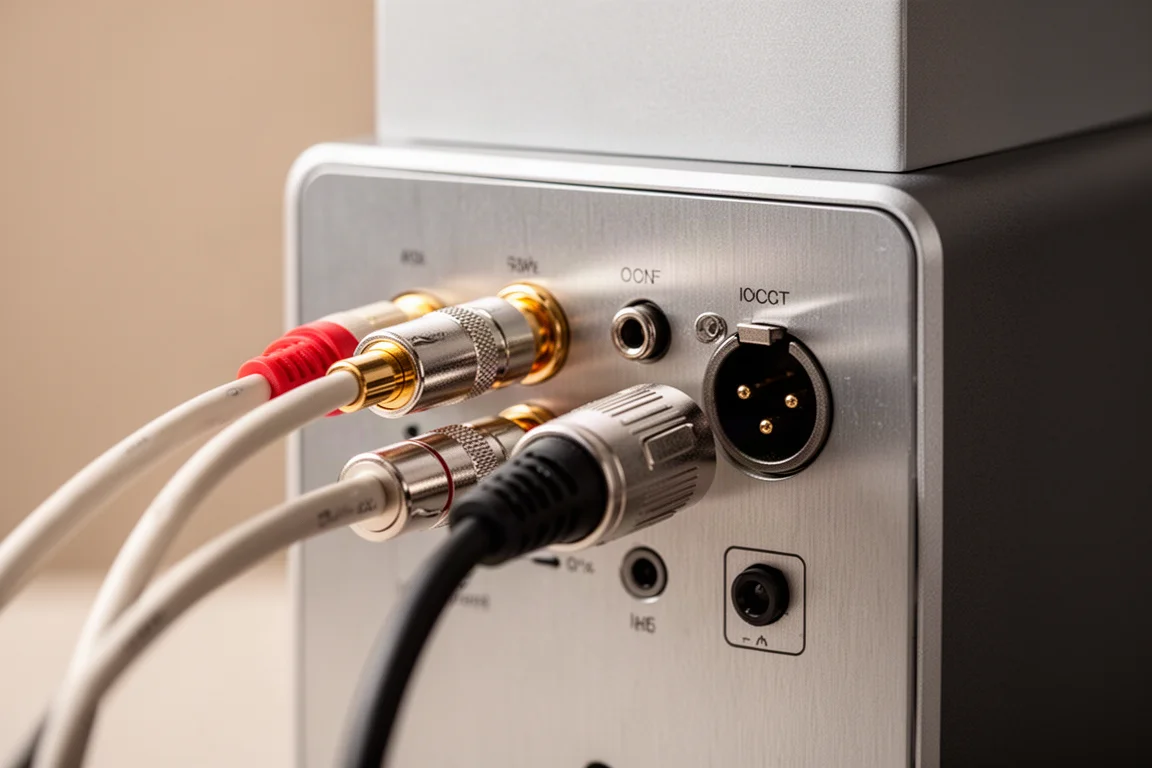
On the back panel there is a set of tone controls operated with dip switches. These engage EQ curves for common placements, such as a corner, a shelf, a platform, or a tabletop. It is a practical detail that helps the speaker sound consistent wherever it ends up, rather than only in an ideal position.
Vocal Presence and Transparency
Vocals are the strongest argument for this speaker. On an unaccompanied singing recording, the presentation felt remarkably human: the way the singers listened to each other, their breathing, their phrasing, and the character of the room were all easy to follow.
Transparency is the other notable quality. The spaces between voices were more clearly defined, and it was easier to hear into the recording. The speaker is honest about what it is given without editorializing: rough, distorted garage-band recordings came through with their flaws intact, but the flaws were never exaggerated or made irritating.
Bass, Dynamics, and Low-Level Listening
Bass reaches into the high 40s and 50 Hz range with real control. It is tuneful and pitch-defined rather than a single thumpy note, and it goes deeper than the cabinet size suggests. A larger three-way design will still dig lower, but for a speaker this small the low end is substantial.
Long sessions produced no listening fatigue, and the sound held together as the volume came down late in the evening. Brass and layered horn arrangements stayed clean rather than turning hard, and the speaker kept its composure when the music got dense.
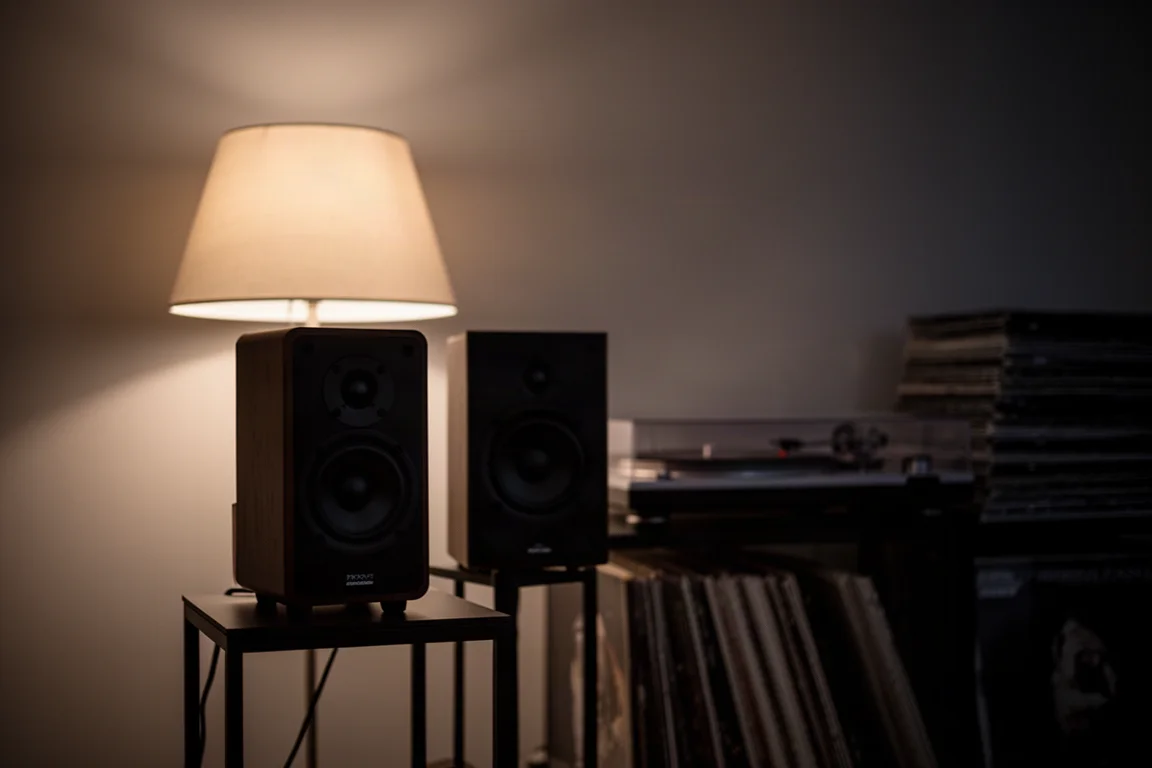
That steadiness is the through-line: the G3 does not seem to run out of poise, whether the material is a delicate acoustic recording or something rough and loud.
How It Compares With a Larger Passive Alternative
It is worth setting the G3 against a passive alternative, because the price difference is smaller than many listeners expect. A well-regarded passive three-way speaker with a six-inch woofer costs around $1,200 a pair, and adding an integrated amplifier brings a comparable system to roughly $1,800.
The larger passive system had the clear advantage at the bottom end, which is no surprise given the cabinet size. In the midrange and treble, though, vocals sounded more complete and more natural through the G3, and the smaller speaker rendered the space inside the recording more precisely. The passive setup sounded slightly more compressed and constrained by comparison.
Things to Consider Before Buying
There are a few practical points to weigh before committing.
- There is no volume control, so a preamplifier or a source with its own volume control is mandatory.
- The inputs are analog only, with no digital connectivity of any kind.
- Pricing is per speaker at $795 each, not per pair.
- Low-frequency extension is limited compared with larger three-way designs.
- The neutral, accurate balance may not suit listeners who prefer a warmer, more colored sound.
Buying Advice
The G3 makes the most sense for a listener who wants a small, high quality speaker and values a short signal path. Budget for a preamplifier or a DAC with volume control, since the speaker will not work without one, and think about placement in advance: the rear dip switches exist precisely because corner, shelf, and tabletop positions each need slightly different correction.
Finish is the other decision. Black and white will blend into most rooms, while the raw aluminum option shows the cast metal cabinet as it comes out of the mold, which is a distinctive look for a desktop or studio setup.
Registering the speaker with Genelec extends the warranty from two years to five, which is worth the few minutes it takes. Given the price per speaker, buying a pair is a considered purchase, so it is worth confirming that the room and the rest of the system are ready for a speaker this revealing.
Conclusion
The Genelec G3 is a compact active speaker that does far more than its size suggests. Its cast aluminum cabinet, in-house amplification, all-analog signal path, and placement EQ controls add up to a design that is simple to live with and honest about the recordings it plays. Vocals sound natural and present, the bass is tuneful, and long listening sessions stay comfortable at both high and low volumes.
If you need a small speaker for a small to mid-size room, want something on the neutral and accurate side of the spectrum, and like the idea of a professional audio pedigree in a home system, the G3 deserves serious consideration.
Product link
View more details for Genelec G3
This product is mentioned in the review. Check the specifications, options, and compatibility before buying.
View more details for Genelec G3Further reading
Related Reviews
Hi-Fi Speakers
1723 THX Tower vs 1528 Bookshelf: Which Speaker Fits Your Room?
Two speakers at roughly the same price, built very differently. How the 1723 THX tower and the 1528 bookshelf compare on construction, bass, power needs, and sound.
Hi-Fi Speakers
Acoustic Energy AE 300 Review: Deep Bass From a Compact Standmount
A two-way standmount with real wood veneer, surprising low-end weight, and a warm, easygoing character. Here is what to know before buying.
Hi-Fi Speakers
Acoustic Energy AE1 40th Anniversary Review: A Modern Take on a British Classic
A compact standmount that revives a 1980s favorite with all-new parts, a warm mid-centric balance, and a price of £1,499 per pair.