Ski Gear and Accessories
Gear We Actually Love: Ski Season Accessories and Everyday Picks Worth Your Money
From a dedicated crud-cutter ski to wool layers, insoles, snacks, and a side satchel, these are the picks that earned a permanent spot in the rotation.
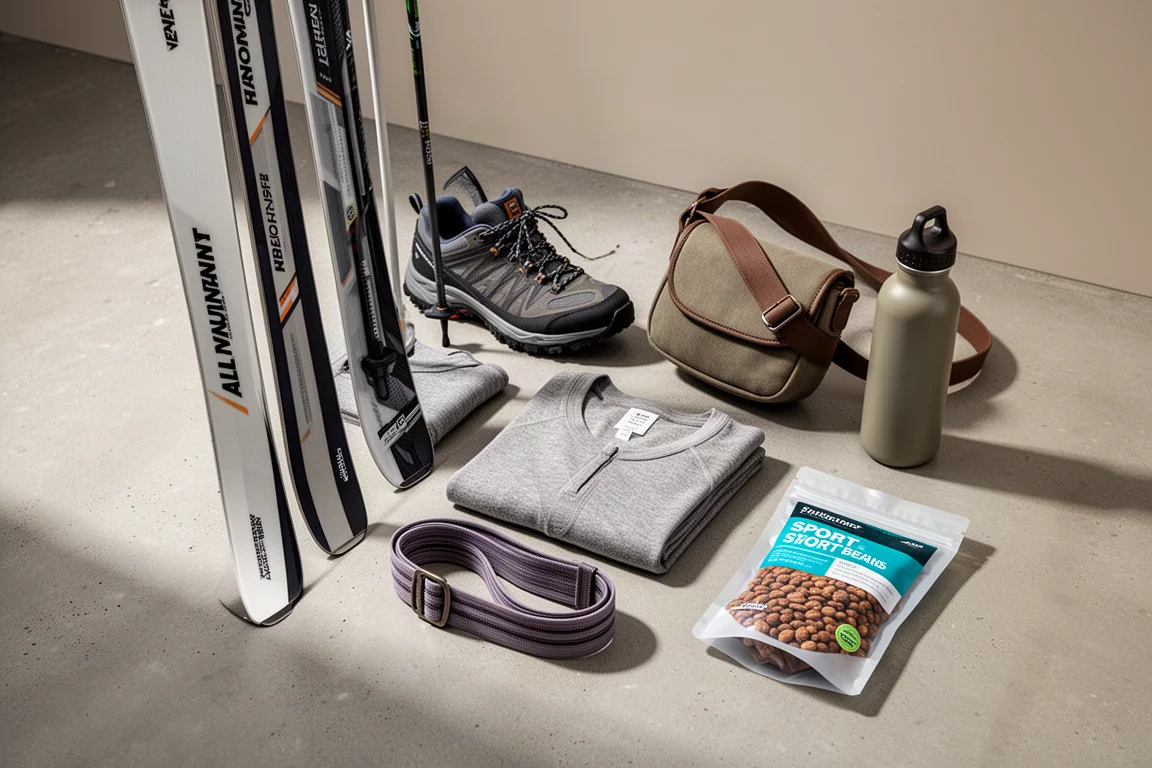
Introduction
Some gear earns its place through specs and test scores. Other gear earns it by simply being the thing you reach for every single week. This guide is about the second kind: skis, shoes, layers, snacks, and small accessories that proved themselves over an entire season of hard use, from sticky spring snow to summer road trips.
Everything here was used daily or weekly over a long period, not just unboxed and photographed. That matters, because the small stuff in your kit either quietly works or quietly annoys you. These picks do the former.
A Dedicated Crud-Cutter Ski Changes Everything
The single biggest revelation of the past season was the idea of a designated crud-cutter ski. In previous years, the spring was handled with old rock skis, but that meant skiing variable, sun-affected snow on skis that were never designed for it. On skis like the Atomic Maverick, heavy and sticky snow grabs the tip, throws you over the front, and turns a fun spring day into a genuine injury risk.
That changed with the Volkl M7 Mantra. Dense, damp, and predictable, it coasted through adverse, sticky snow at speeds that would have been dangerous on anything else. It effectively opened up far more of the season for reliable, confident skiing, especially in sunny regions out west where the snow cycles through freeze-thaw and gets heavy fast.
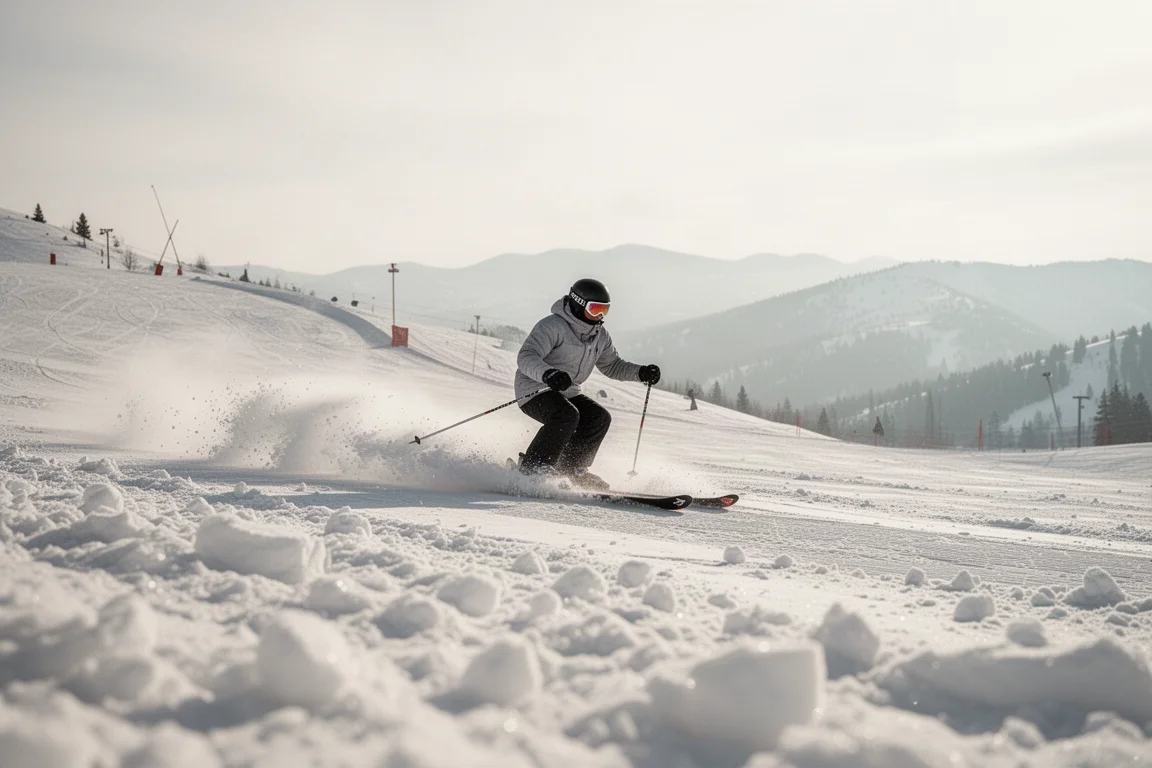
If a dedicated crud-cutter is on your radar, a few other models also fit the brief well: the Nordica Enforcer 99, the K2 Mindbender, and older versions of the Rossignol Black Ops Sender all handled bad snow admirably. The Volkl Mantra 88 and Mantra 84 are also excellent in heavy, wet conditions, each to a slightly different degree. Pair any of them with a good wax routine, because dried-out bases make even the best ski fight the snow instead of slicing it.
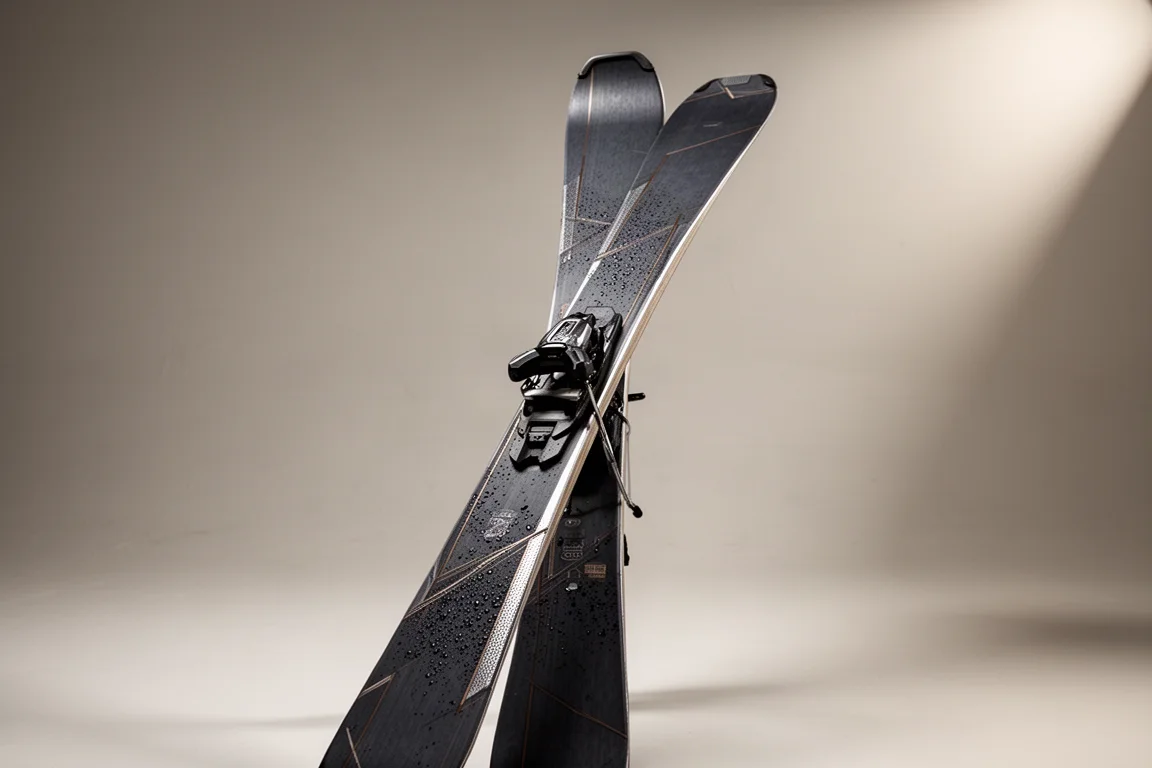
Surprisingly Great: Mammut Sertig 2 Shoes
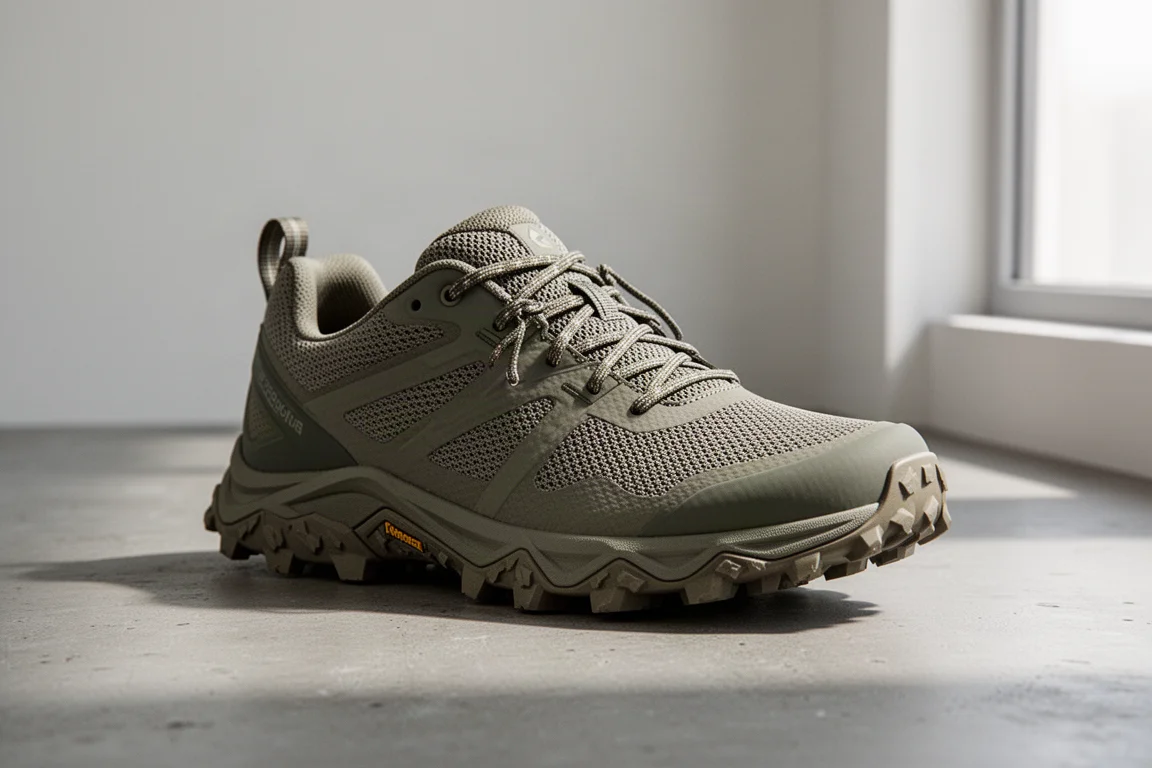
Ski and winter brands have a mixed record with footwear, so expectations were low. The Mammut Sertig 2 completely overturned them. It has become the go-to trail running, hiking, and everyday shoe, and it replaced both a Salomon Speedcross and, before that, a Brooks Cascadia as the favorite.
One practical warning: the Sertig 2 comes in two versions. The pull-cord lacing system, similar to Salomon’s quicklace, felt too thin across the top of the foot. The traditional lace version is the one to get. With laces, the fit is comfortable enough to wear all day, the upper sheds moisture well, and the tread is just right for walking around snowy parking lots without overheating your feet on the drive down, something bulky winter boots never manage.
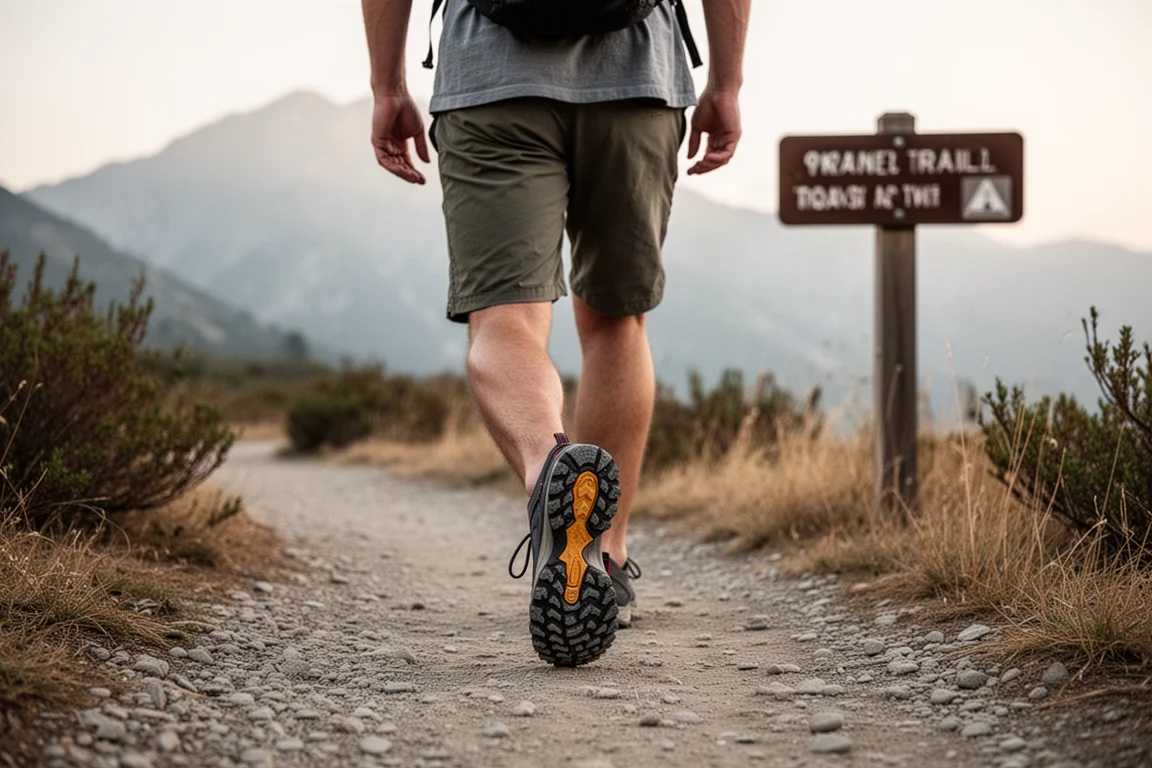
They also look good, which is not something most winter-brand footwear can claim. Multiple pairs have been bought since the first one, which says more than any spec sheet.
Insoles Worth Swallowing Your Pride For
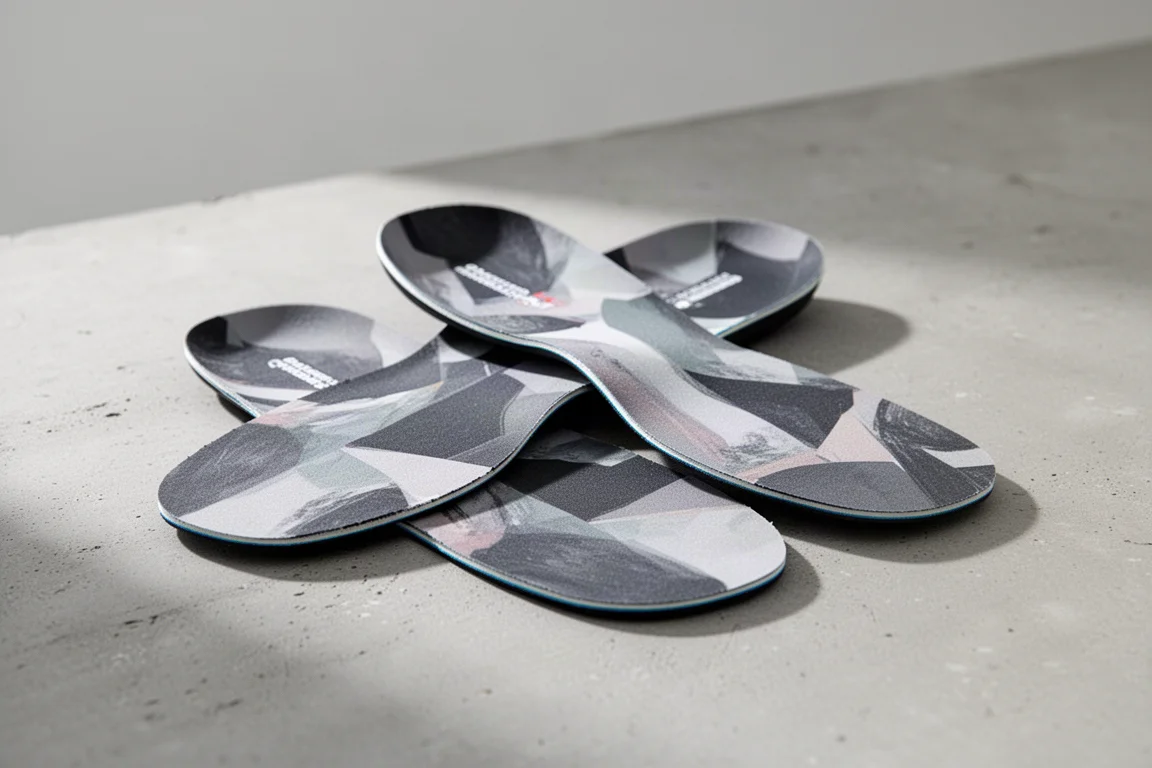
Footbeds used to seem unnecessary. Then came the first year of actually using them, and there is no going back. The Remind insoles, the Chris Benchetler version, were originally intended for ski boots. They worked well in alpine-style liners but not with a Zipfit or Intuition liner, so they migrated into everyday shoes instead, where they turned out to be excellent. More arch support, more comfort through a full day on your feet, and they carried over seamlessly from Salomon shoes into the Mammut pair.
Remind also makes a cork version with strong support, but it squeaks noticeably when walking, which ruled it out for recording anything on camera. For daily use, the standard version wins.
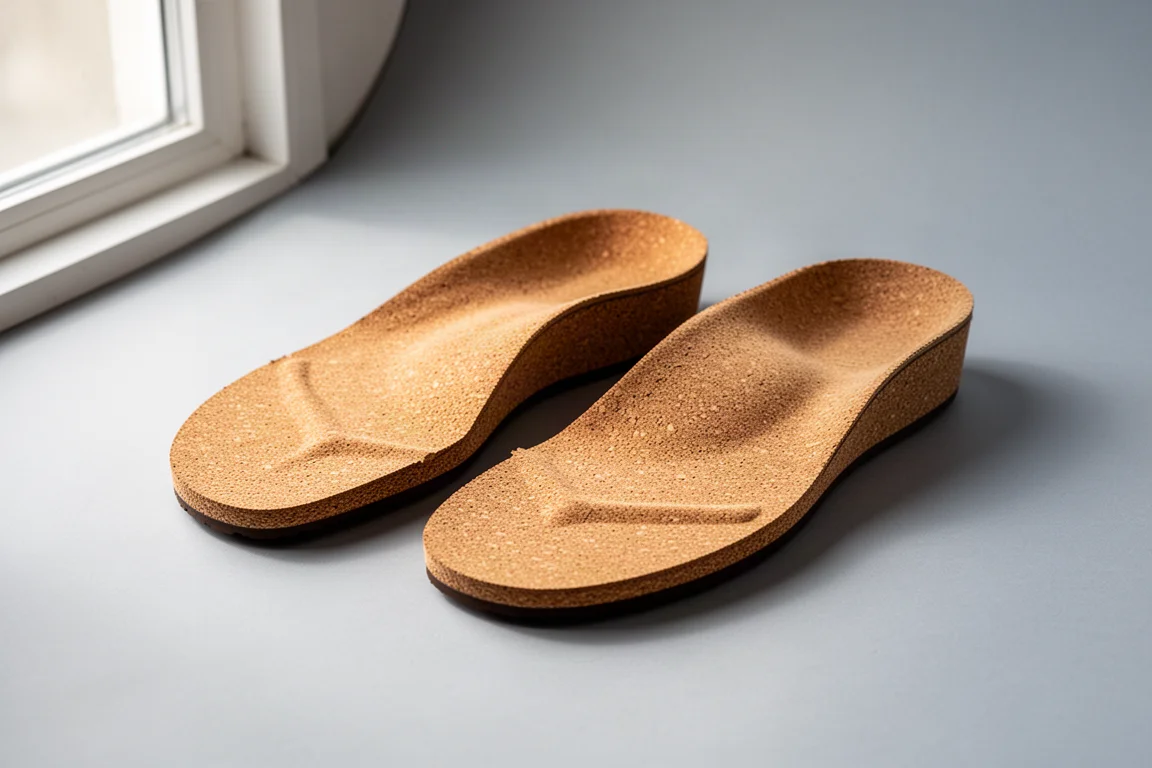
The other insole in rotation is the SOLE cork footbed. It has slightly more pronounced arch support, which shines on high-mileage walking days, and it survived a season in lawn-mowing shoes with serious mileage. The trade-off is that it is a bit more noticeable underfoot, so the foot slides into the shoe slightly less easily.
The honest takeaway: if you have been skipping footbeds out of stubbornness, stop. That extra arch support is worth it, especially as the years add up.
Wool Layers That Work Far Beyond Winter
Wool gets dismissed as an itchy sweater fabric, which is a shame, because modern merino is one of the best warm-weather materials available. In Idaho summer heat well over 100 degrees, lightweight wool shirts stayed breathable, wicked moisture, and never felt like drowning in your own skin the way polyester does.
The Ibex Woolies Pro Tech long sleeve became the unexpected favorite. It is soft enough for someone genuinely sensitive to fabric textures, and it earned heavy use on cold mornings and as a bedtime layer. Ibex also makes a merino t-shirt worth a look. The Woolies Pro Tech was the sleeper pick of the whole list, pleasant in a way no prior Ibex experience had hinted at.
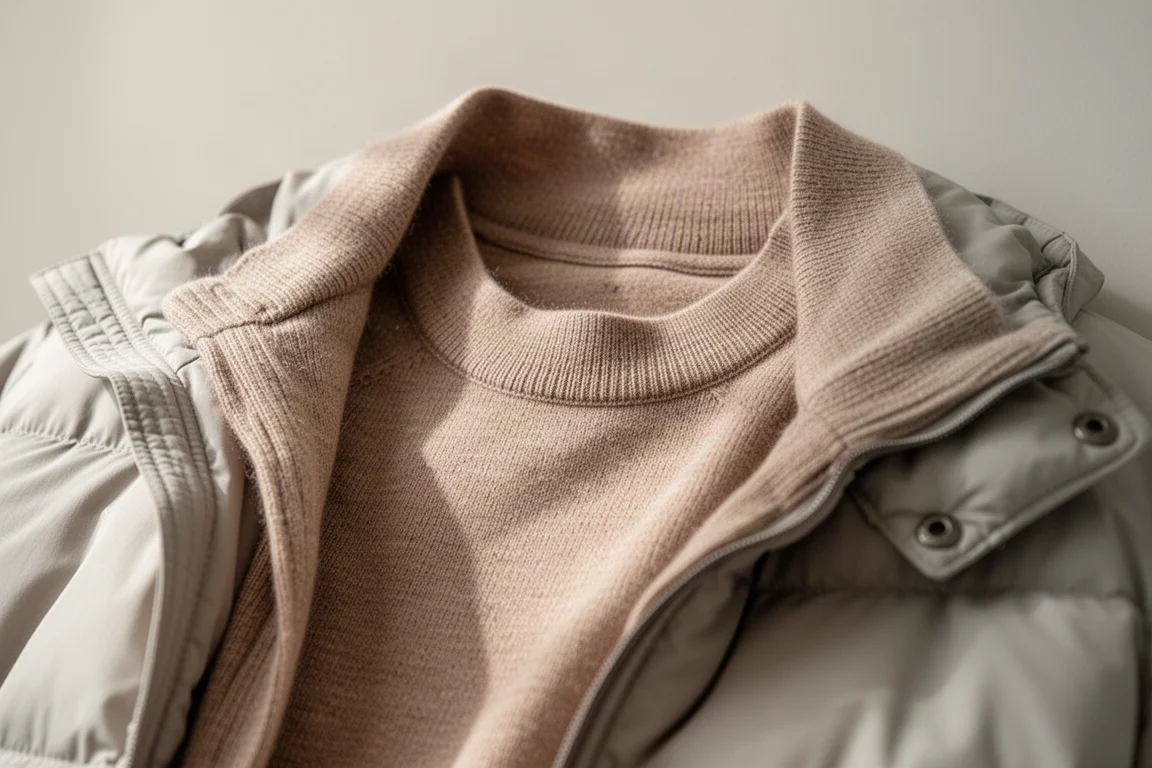
Pair it with lightweight merino tees from brands with well-tuned fabrics and you have a summer and ski-season base layer system that cotton cannot touch. If you run hot and have avoided wool because of an old sweater memory, this is the category to re-test.
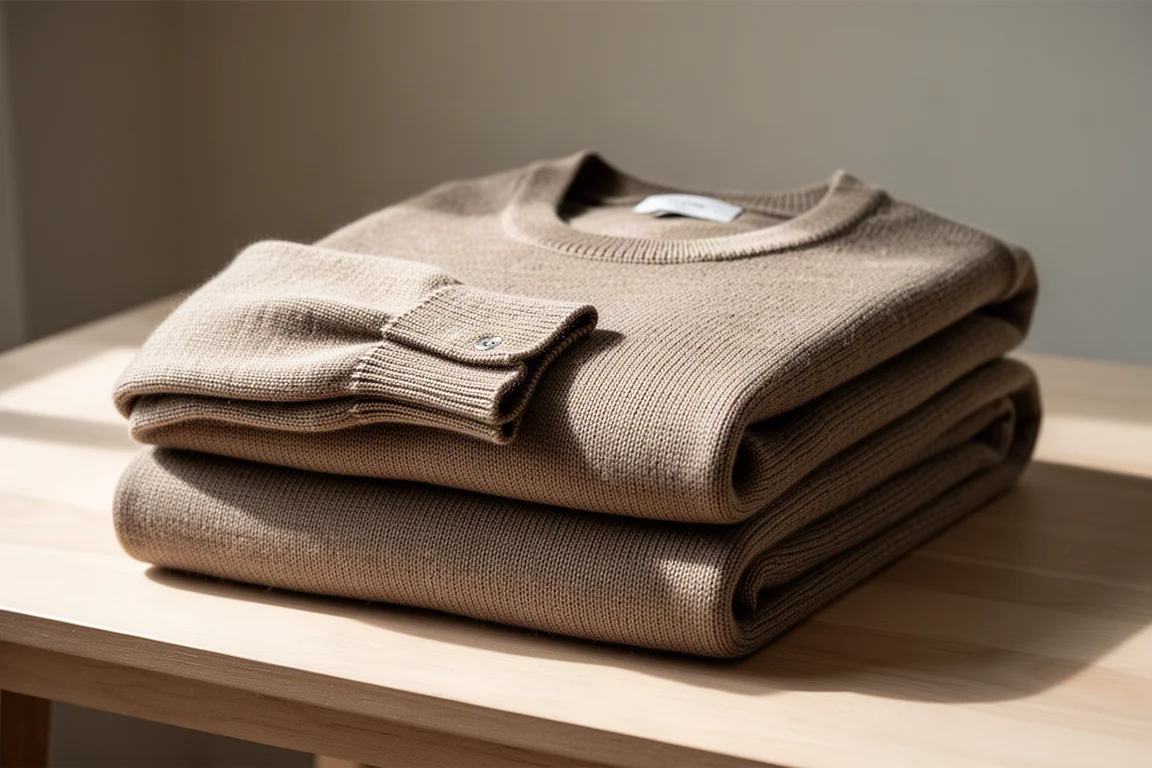
The Arcade Belt Nobody Expected to Love
An elastic stretch belt sounded like a gimmick. Two years later, there are two or three in the rotation and one was handed to a family member. The appeal is simple: the elastic holds pants up without pinching the way leather does, and it adjusts finely enough that it works for everyone, including a kid wearing it with ski snow pants who could never keep anything up before.
The plastic buckle turned out to be a feature, not a compromise. It is TSA-friendly, so the belt stays on through airport security. One note for fit: the smaller buckle versions slide through standard pant loops far more easily than the larger buckle models, so opt for the low-profile option.
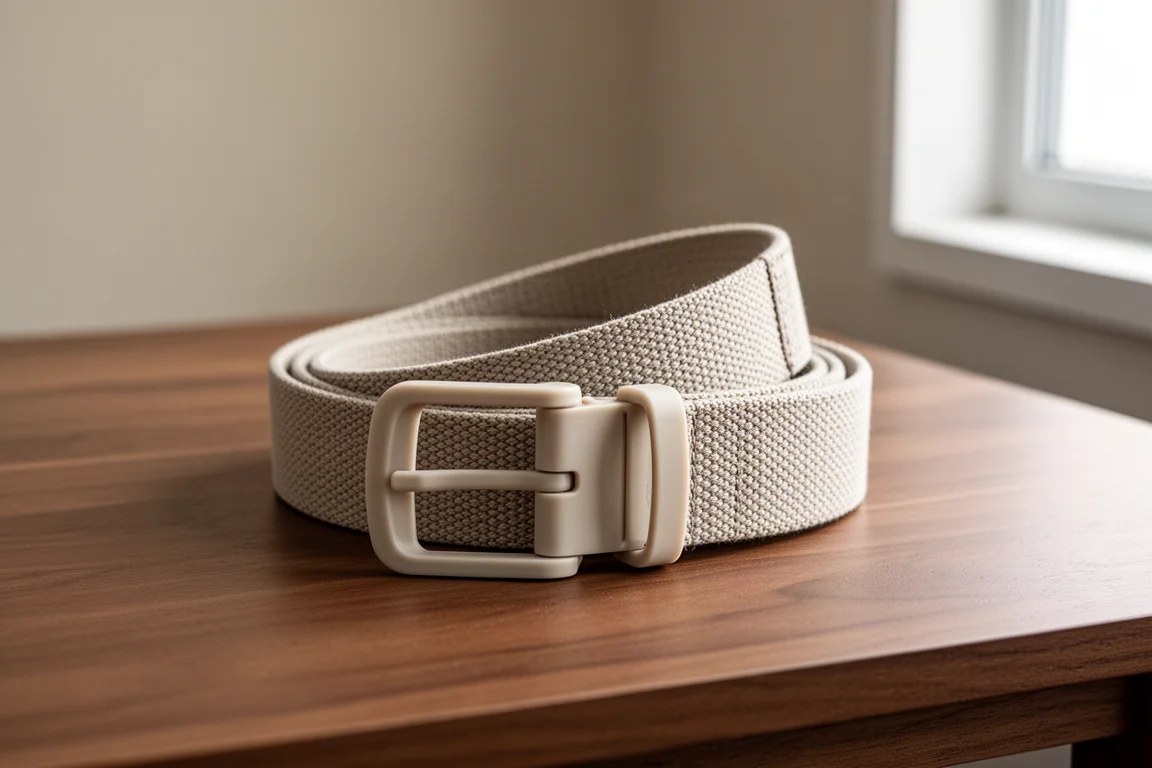
On-Hill Fuel: Small Snacks, Big Difference
Skipping the lodge lunch entirely changed how a ski day feels. Instead of a heavy mid-day meal that kills momentum, a single small snack stashed in a jacket pocket provides a second wind on big powder days and keeps dizziness and nausea at bay. The Jelly Belly Sports Beans became the default for exactly this.
They offer something to chew, which conveniently helps pop your ears on the chairlift, plus some electrolytes. Be clear-eyed about it: these are mostly sugar, not health food. But a resealable pouch, a pleasant lemon-lime flavor, and just enough energy to push through the afternoon make them genuinely useful. One warning: when they get cold in a jacket pocket they turn brittle, so let them warm up a minute before eating. Also mind the versions, because there are caffeinated and non-caffeinated variants, and the caffeinated ones have a strange aftertaste. The caffeinated pouches do shine on travel days, though. On a trip where no coffee or usual caffeine source was available, a bag of caffeinated beans handled jet lag beautifully.
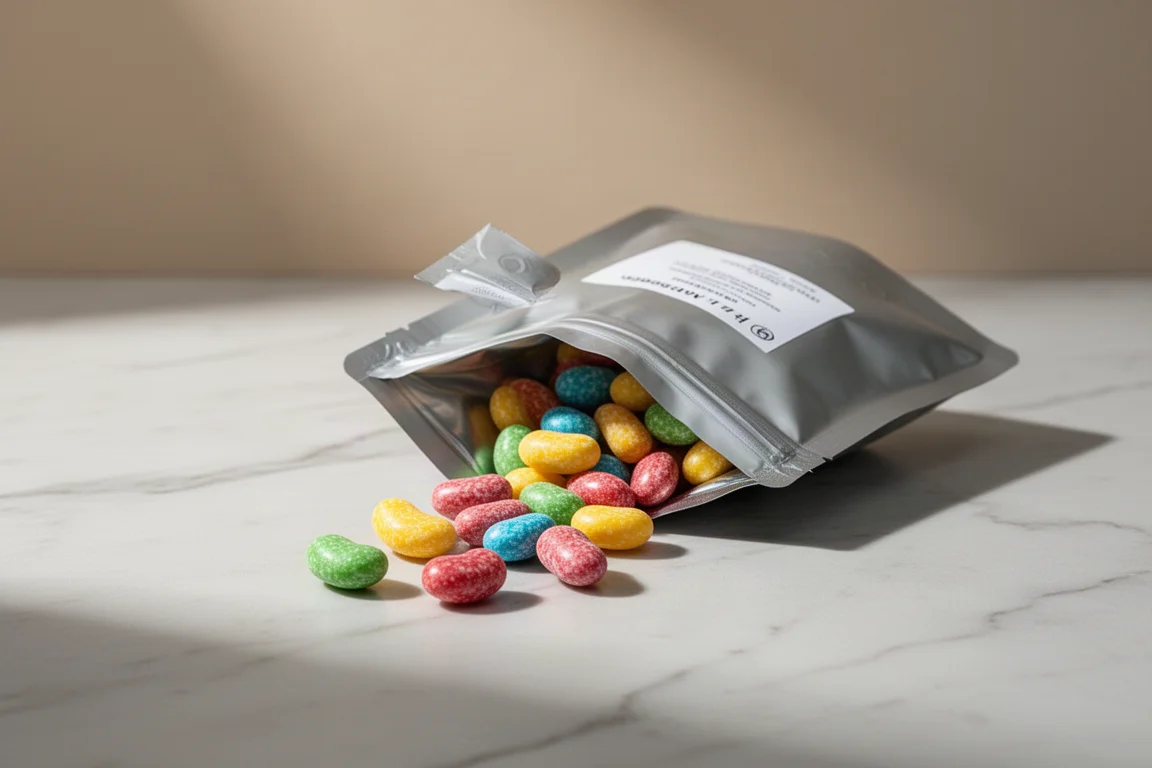
The other drink habit that stuck is Guayaki Yerba Mate. The Lemon Elation flavor is excellent but loaded with sugar, so the Yerba and Lemonade became the everyday alternative. It is essentially iced tea with a touch of lemonade, with 17 grams of sugar, far less than the original, and it avoids that overly syrupy sweetness. Less punchy than Lemon Elation, but much easier to drink regularly while trying to cut sugar.
Driver Essentials and Oddball Favorites
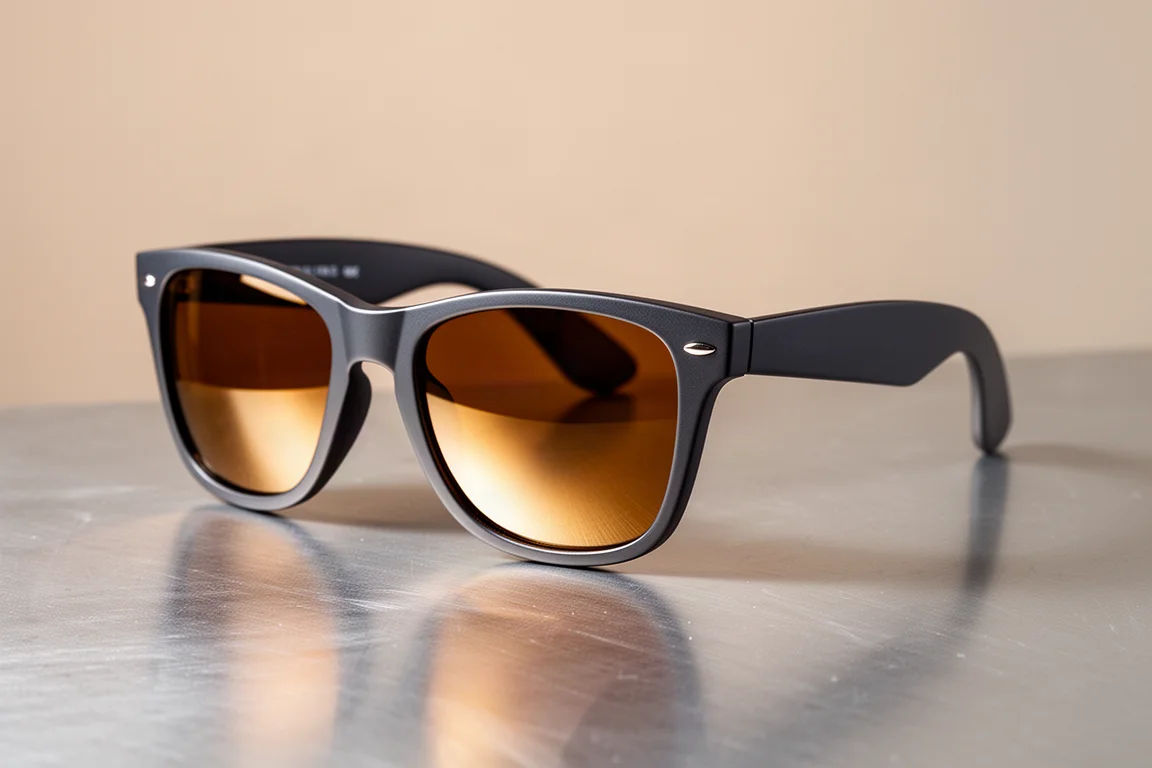
The Oakley Holbrook has been the driving sunglasses for about five years, and the answer is emphatic: Oakley Prizm lenses are worth it. In the harsh glare of Idaho summers, the comfort and clarity are on another level, and there is no going back. They are worn strictly for driving rather than sports, but for that use they are nearly perfect.
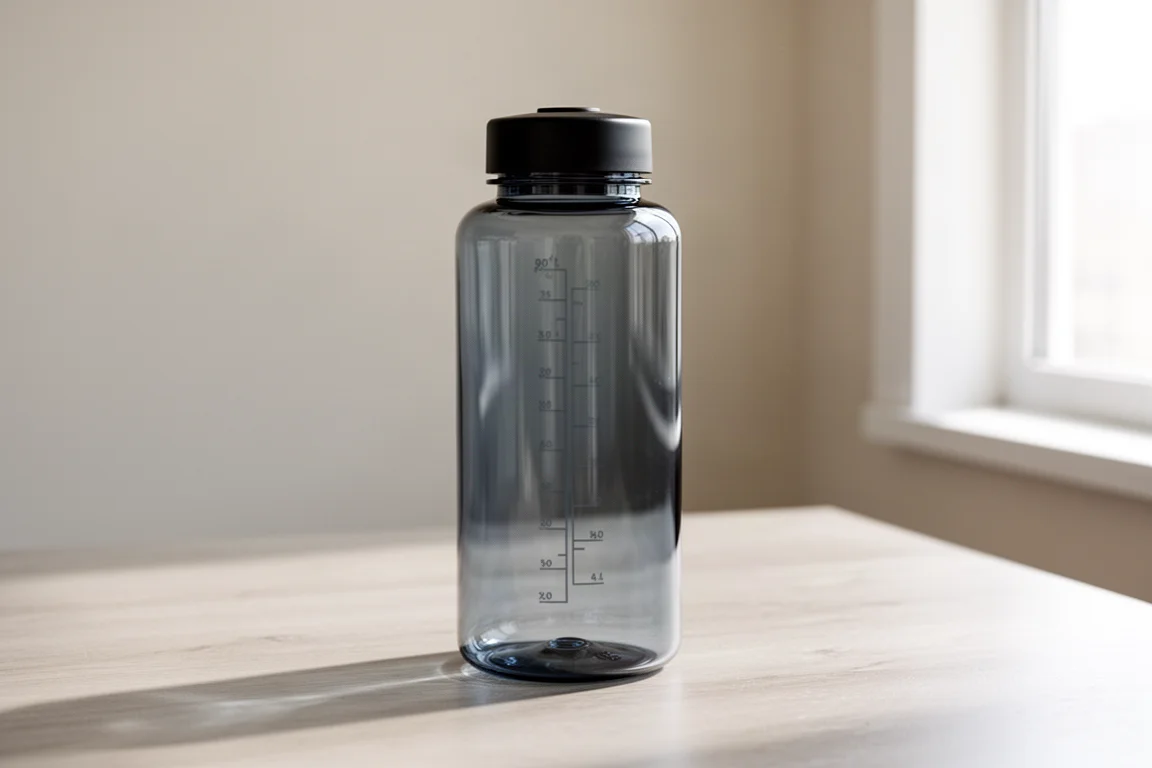
The classic Nalgene water bottle earned its spot for one underrated reason: the wide spout. Drinking from it while driving is dramatically easier than from trendy narrow-mouth bottles, which reliably cause spills. It is simple, dishwasher safe, and does the job better than the fashionable alternatives.
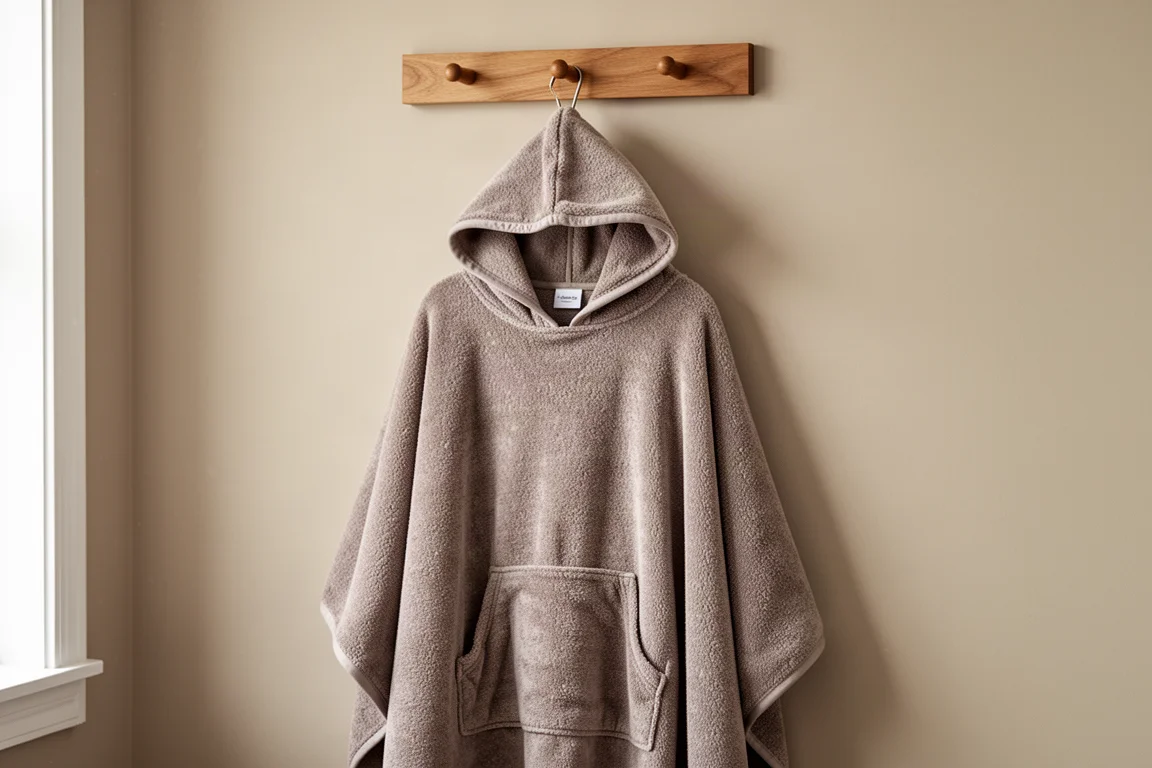
The O’Neill Men’s Tailgating Changing Towel had nothing to do with skiing when it arrived as a Father’s Day gift, but it became a constant companion. It started as a surf changing poncho, letting you dry off and change discreetly, but it turned out to be just as valuable at the pool and the river. For a family with a child who wears swim pull-ups, being able to change him comfortably and with dignity anywhere, no changing room required, is a genuine luxury. It lives in the back of the SUV now.
Everyday Carry: The Mammut Side Satchel
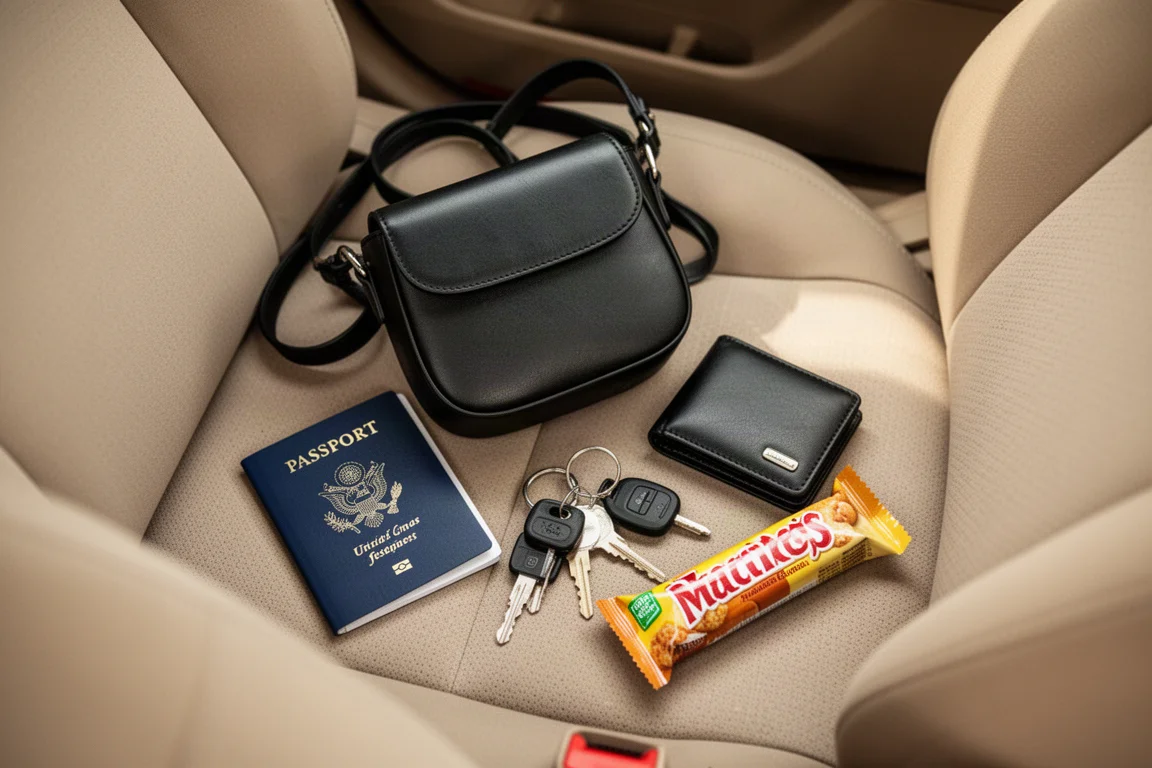
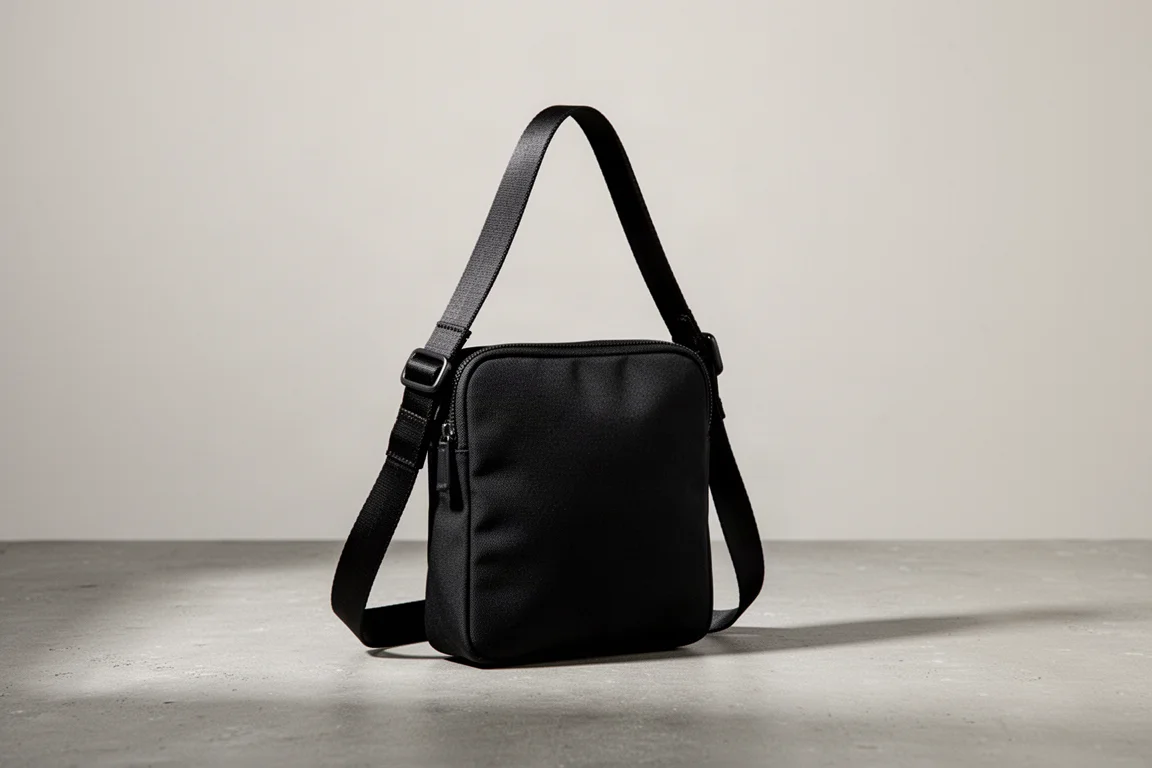
This one got mocked, right up until everyone at the river float needed to store something in it. The Mammut Side Satchel is a small crossbody pouch that carries snacks, keys, a wallet, sunscreen, a passport, and, for parents of kids with special needs, essential documentation and sensory chewies that need to be within reach at all times.
Beyond the practical storage, it solves a small but real problem: keys, phone, and wallet in pockets stretch them out and create that awkward bulge. The satchel keeps pants looking decent and keeps the essentials accessible. It has shrugged off splash pad water without issue, the quality matches the rest of Mammut’s surprising footwear showing, and a matching mini wallet with simple velcro closure handles the minimal-carry days on the bike or the mountain.
Skip the ego, carry the pouch. It is one of those purchases that quietly improves every single day.
How to Shop This List
Not everything here is a must-buy for everyone. If you ski a freeze-thaw region with heavy spring snow, the crud-cutter ski is the highest-impact upgrade on this list. If your feet ache after long days, footbeds are the cheapest meaningful comfort upgrade you can make. The wool layers, shoes, and belt are all-year purchases that will outlast the ski season entirely. The snacks and drinks are a few dollars each and worth experimenting with before committing. Buy for your actual problems, not for the hype, and most of these picks will earn their spot the same way they earned this one: through months of use.
Conclusion
The through-line in this list is simple: gear that disappears into daily life is the gear worth buying. A ski that makes bad snow feel good, shoes and insoles that keep feet comfortable, fabrics that breathe, and small carry items that solve real annoyances all add up to a better season on and off the hill. Start with the one item that matches your biggest current frustration, and let the rest follow.
Further reading
Related Reviews
Backpacking Gear
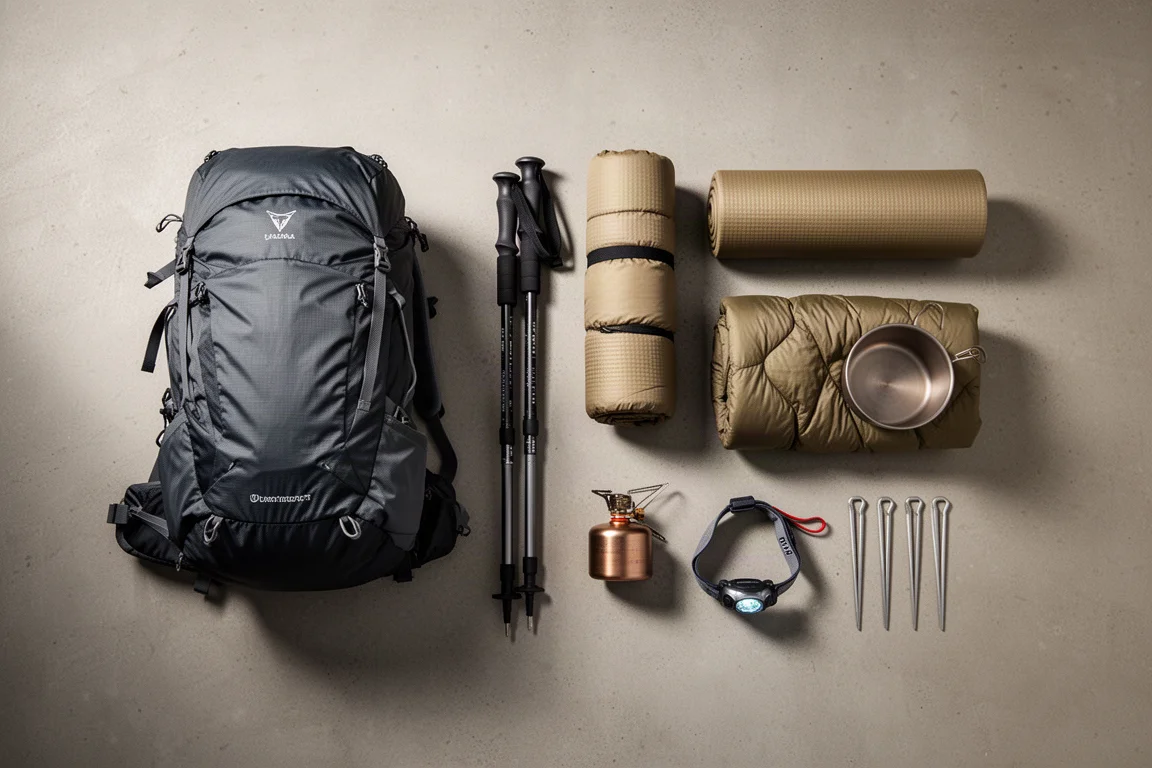
Building a 10 lb Base Weight: An Ultralight Backpacking Gear List
A practical walkthrough of the ultralight pieces behind a 10 lb base weight, from a 765 g pack and a roomy one-person tent to a full camp chair and a dependable water filter.
Road Bikes
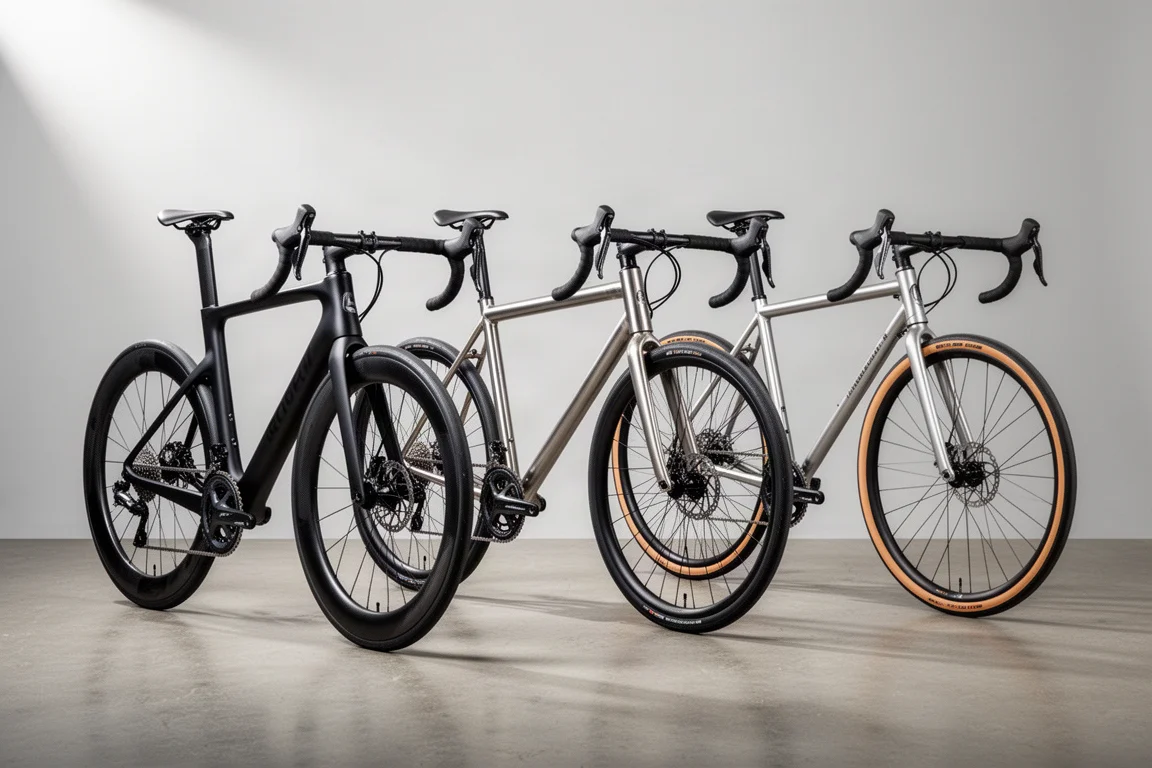
10 New Road Bikes Worth Watching: Aero, Titanium, Steel and Endurance Standouts
A practical roundup of 10 new road bikes, from aero flagships chasing single-watt gains to titanium, steel and endurance platforms built for real roads.
Bikepacking Gear
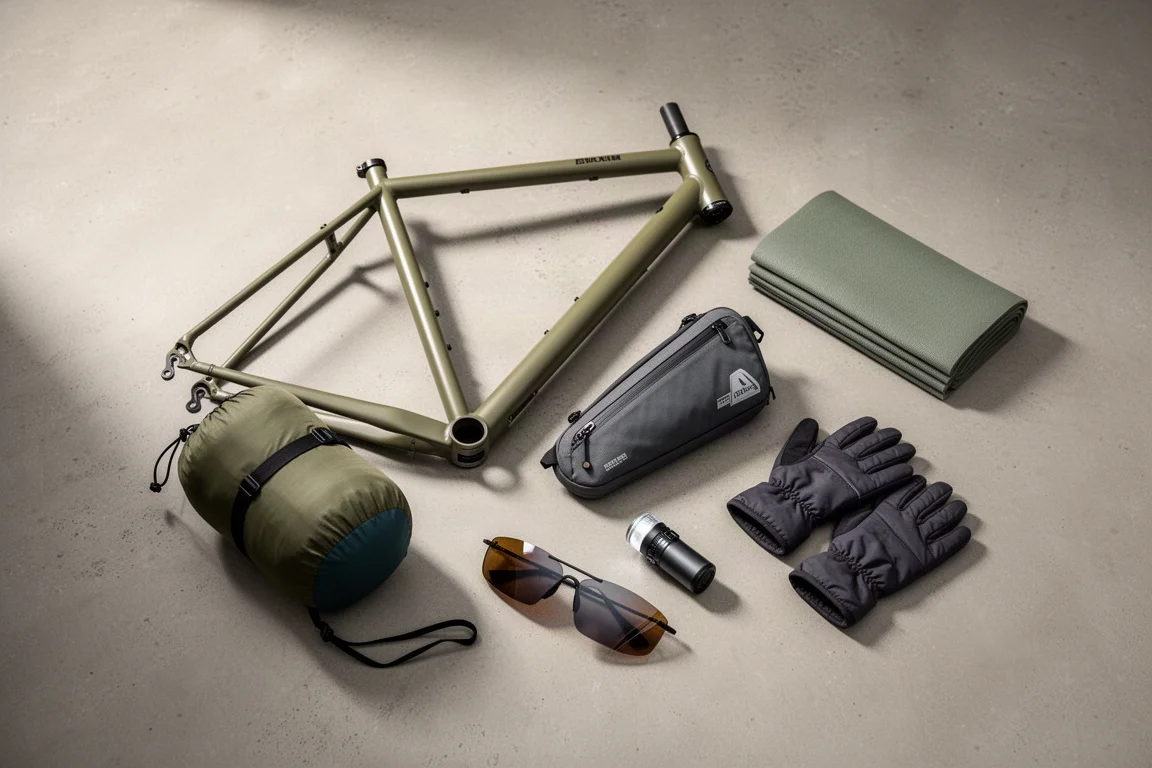
11 Bikepacking Essentials for Long-Distance Cycling
Eleven bikepacking essentials for long-distance cycling, from a steel gravel frame and a two-person tent to helmet lights, packable gloves, and a frame bag that puts weight in the right place.