Backpacking Gear
Gear Built by Backpackers: 12 Field-Tested Products for Desert Hiking
A hot desert overnight put twelve products from backpacker-founded brands through a real load test, from a wool sun hoodie and a 60L ultralight pack to camp kitchen tools, a dice game, candy, and electrolytes.
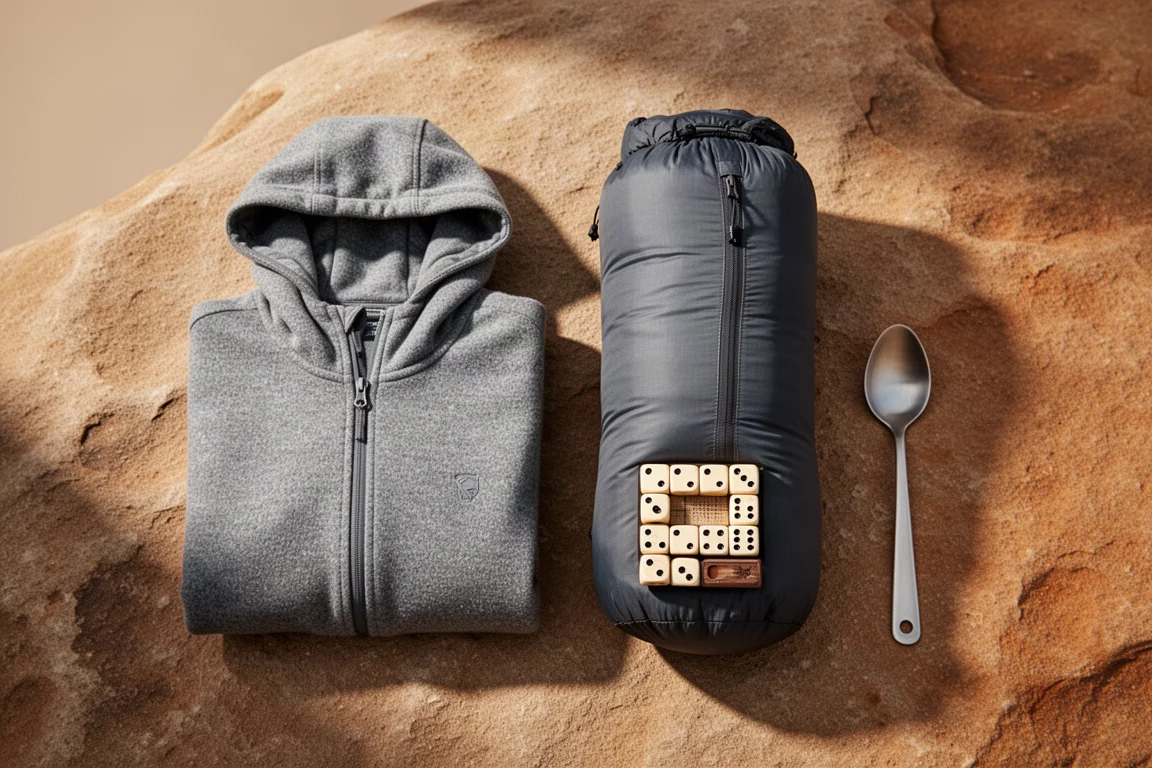
Introduction
Some of the most interesting backpacking gear on the market right now comes from small brands founded by people who spend most of the year on trail. The logic behind it is simple. Backpackers who hike constantly build up strong opinions about how gear should behave, and eventually they make the version they wanted in the first place.
That was the premise behind an overnight in Arizona’s Superstition Wilderness, a hot, sunny fall day in a landscape that had just come through a week of heavy rain. The result was an unusually green desert, with water running in the canyons, saguaro cactus on the slopes, and a climb over a saddle in front of a landmark rock spire. Camp sat high on a ridge after roughly six and a half miles of hiking.
Twelve products went into the pack for the trip, covering clothing, carrying, sleeping, cooking, hydration, snacks, and camp entertainment. This guide walks through each one: what it is, how it performed, and who it suits.
What These Brands Have in Common
The brands behind this gear are run by working backpackers, and that shows in the details. Storage sits where a hiker reaches for it. Cook kits are trimmed to the pieces people actually use. Sleeping systems are cut for the way people actually sleep.
Two test conditions made the trip useful. The first was heat and sun exposure, which pushed the clothing and hydration gear hard. The second was weight. Around six litres of water went into the pack, partly because the water situation on the route was uncertain and partly to see how the pack carried above a normal base weight. The base load came in near 26 lb before the extra water was added.
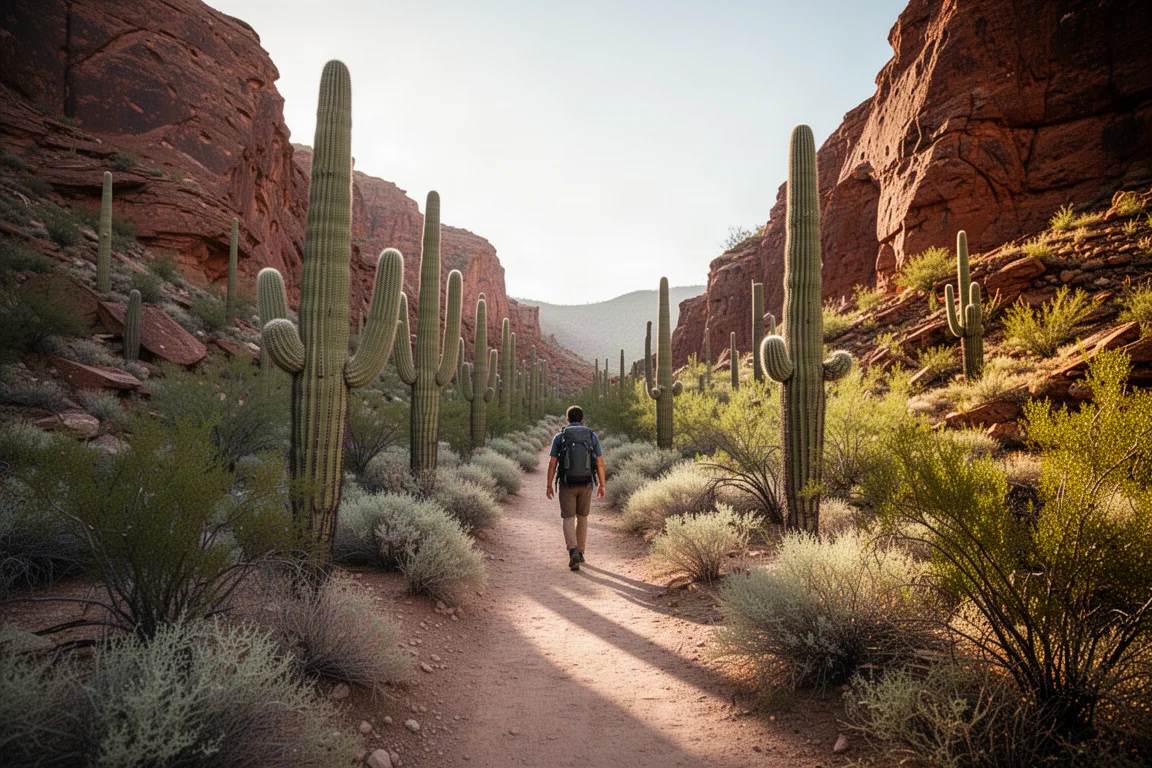
Across the whole kit, nothing felt badly designed. The trade-offs that appeared were the ordinary ones: a feature that suits one style of hiking more than another, or a small-brand production detail worth knowing before ordering. That is a good sign for a category that some shoppers still approach with caution.
Wearables and Sleep Layers
Two pieces from Evolved Supply Co. handled the layer side of the trip: a wool sun hoodie for the hiking hours, and insulated camp booties for the cold ends of the day.
Evolved Supply Co. Mirage Sun Hoodie
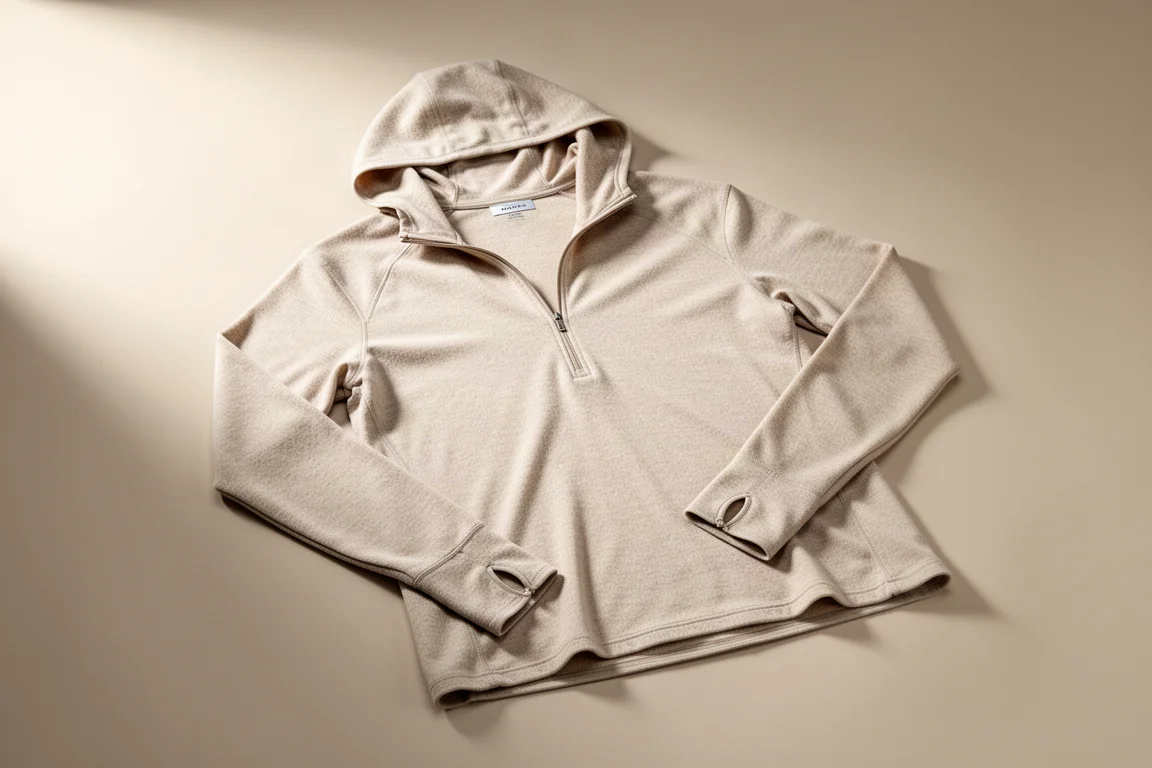
The Mirage is a wool sun hoodie developed in partnership with Zpacks, and it was the right piece of clothing for a hot, exposed day. It is a quarter zip with a long zipper, so it can be closed all the way up to protect the neck, or opened down for airflow when the climb heats up. Thumb holes keep the sleeves pulled over the hands, which matters on long stretches of open sun.
On the climb it stayed comfortable and breathable, and it kept the wearer cooler than expected. The wool build is a big part of why it works in heat instead of turning into a sweaty shell.
Evolved Supply Co. Insulated Booties
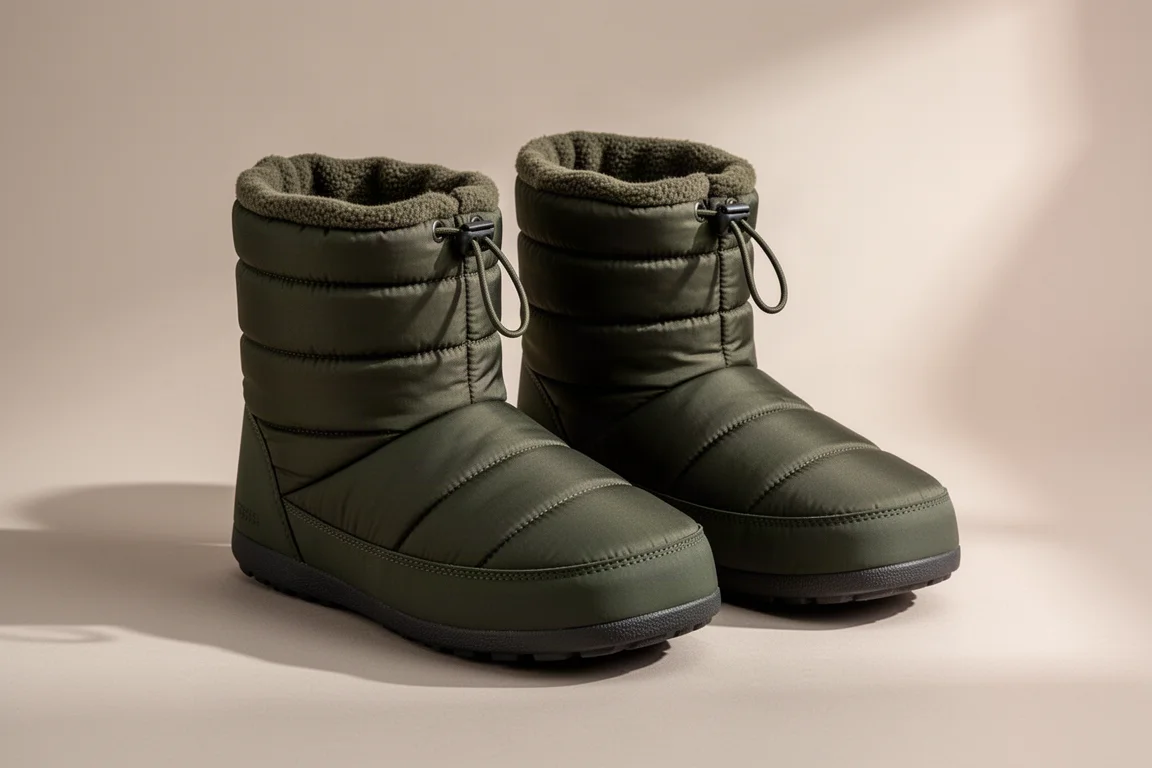
The booties pair synthetic insulation with an alpha fleece lining, and that combination is what makes them memorable. They have a wide opening that a foot slides straight into, plus a small drawcord to cinch them around the ankle.
They were warm enough to stay on through dinner, the evening, and the following morning, which is about the strongest endorsement camp footwear can earn. For anyone who feels the cold the moment the sun drops behind a ridge, they solve a real problem.
Packs and Storage
A pack and a set of food bags covered the carrying side of the trip.
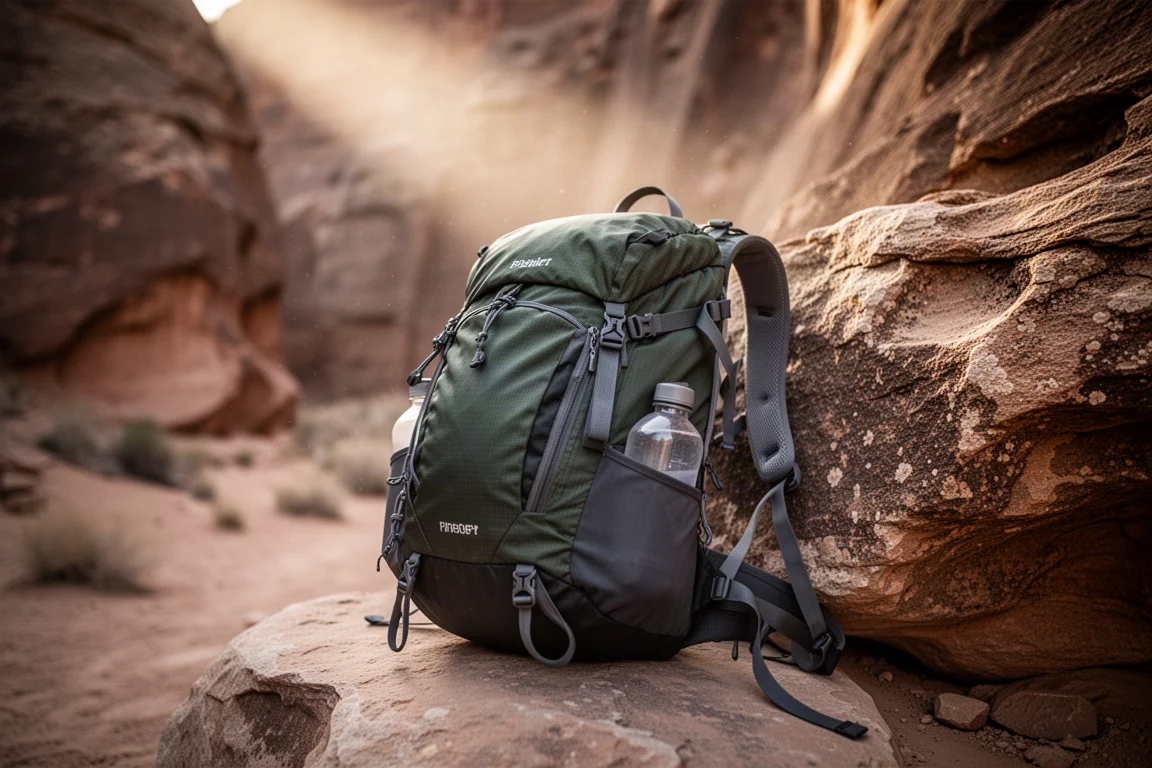
The pack carried the full load, and the food bags kept meals sorted inside it. Both are examples of gear that exists because the maker wanted a specific behaviour: a pack that stays comfortable above the usual ultralight ceiling, and a food bag you can actually see into.
Outdoor Vitals Shadow Light 60
The Shadow Light 60 is a 60-litre pack designed to carry up to 40 lb comfortably, and that claim is the one that matters. Most ultralight packs start to feel like a compromise somewhere around 30 lb. This one stayed comfortable on a climb with water and food pushing the load higher than a normal kit.
The 60-litre figure includes roughly 10 litres of external storage, since the main body measures about 49 to 50 litres. Two stretch side pockets held two 1-litre bottles, and both could be reached and pulled out without taking the pack off, while a 1.5-litre bottle plus a 1-litre bottle fitted more tightly. Two large drawcord pockets at the top add more room, there are two generous hip belt pockets, and two long stretch pockets run down the front with a full-length zip between them.
That front zip turned out to be the standout detail. Base layers and spare socks stored in the middle of the pack came out through the front opening before the rest of camp was even set up.
At around 2 lb and $275, it delivers a lot of storage and load capacity for the money, and it is offered in multiple sizes so the fit can be tailored.
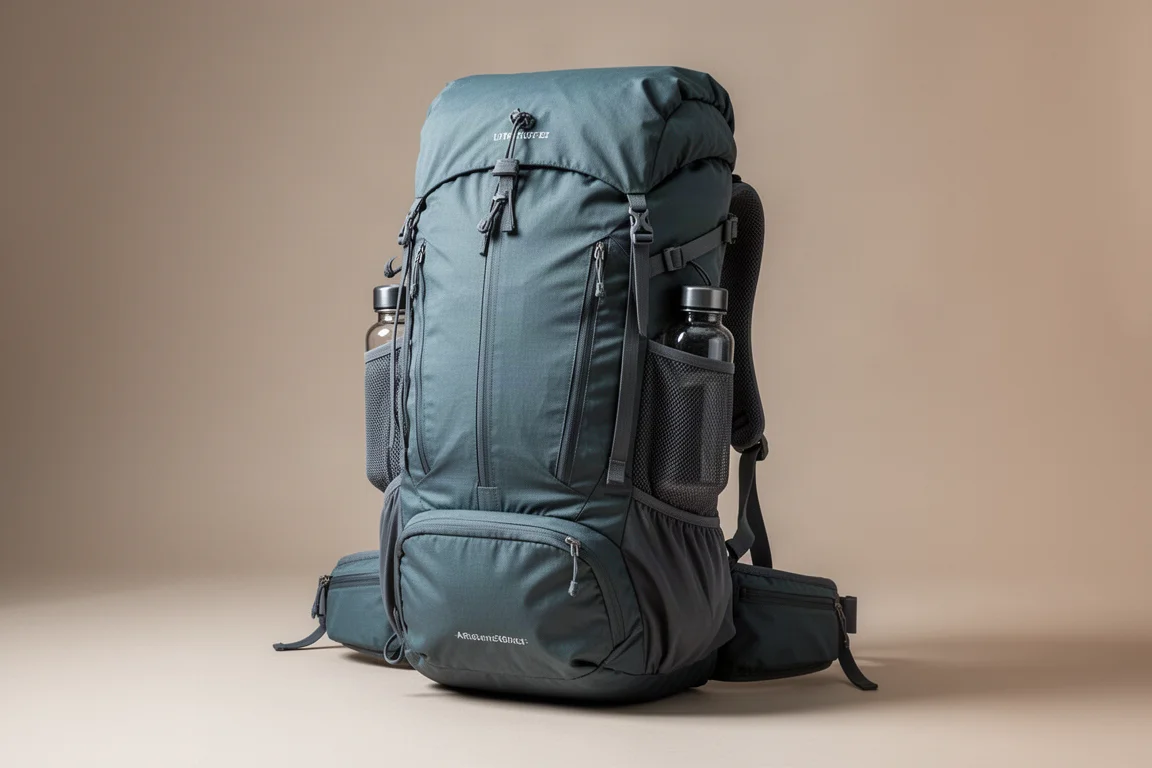
Backcountry Exposure Mesa Bag
The Mesa bag is handmade by a backcountry guide who wanted a better food bag, and the shape does the work. Square sides and gussets create a rectangular interior, and a long zip runs across the top.
The result is a bag you can see into and reach into without unpacking it. Lunch went into one: jerky, air-dried steak, crackers, and a tin of fish. Several sizes are available, which makes it easy to match bags to meals or to separate food from the rest of the kit.
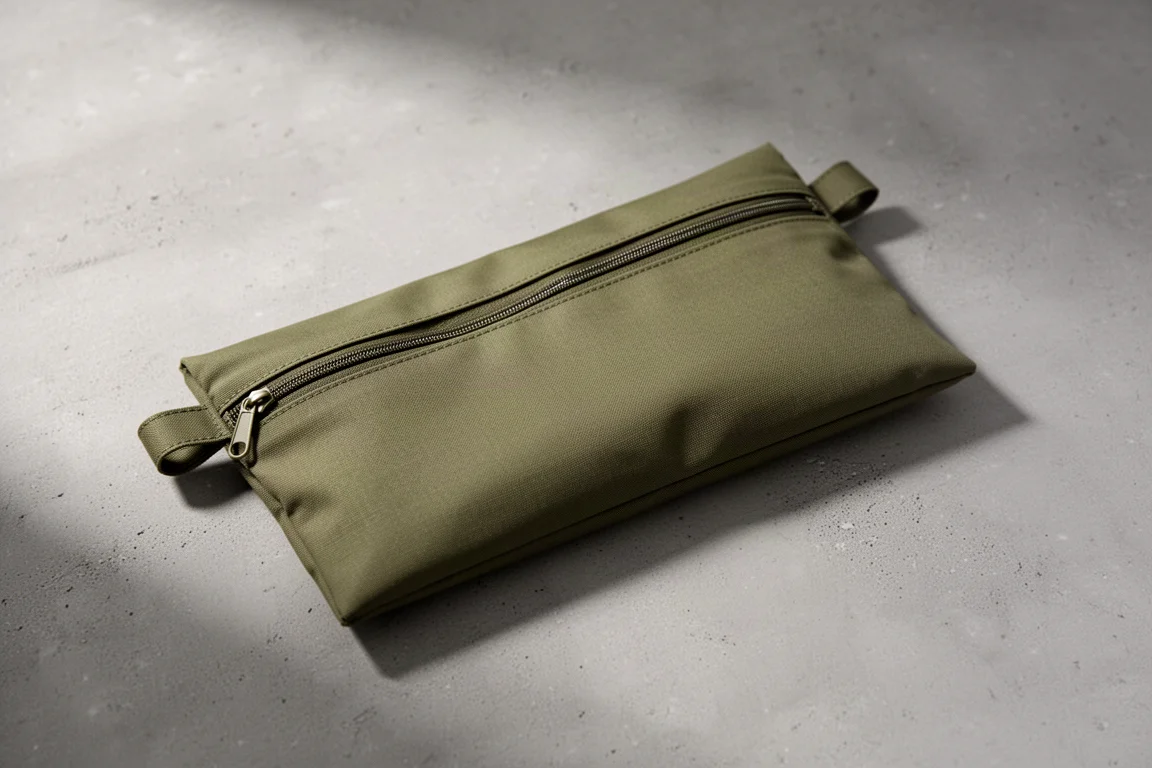
The Sleep System
One sleeping bag handled the night, and its design is unusual enough to be worth explaining before the verdict.
Outdoor Vitals Summit 15
The Summit 15 takes a different approach to a sleeping bag. Instead of a side zip, the zipper runs down the centre of the bag from roughly the halfway point, and a large baffled collar wraps around the neck on both sides of it. The collar secures with a snap or velcro, and the centre zip can be opened from the top or from around the hips for ventilation.
The design makes most sense in genuinely cold conditions, where sealing the middle of the bag and closing that collar keeps more warmth in. On a mild desert night it still slept comfortably, and rolling over with the zip in front made it easy to tuck the bag around the body.
There is a small velcro pocket inside, sized for a battery pack or a hand warmer rather than most phones. The toe box is unusually roomy for a mummy bag. The bag comes in 15, 30, and 0 degree versions, and the 15 degree model sits in the middle as an all-season option.
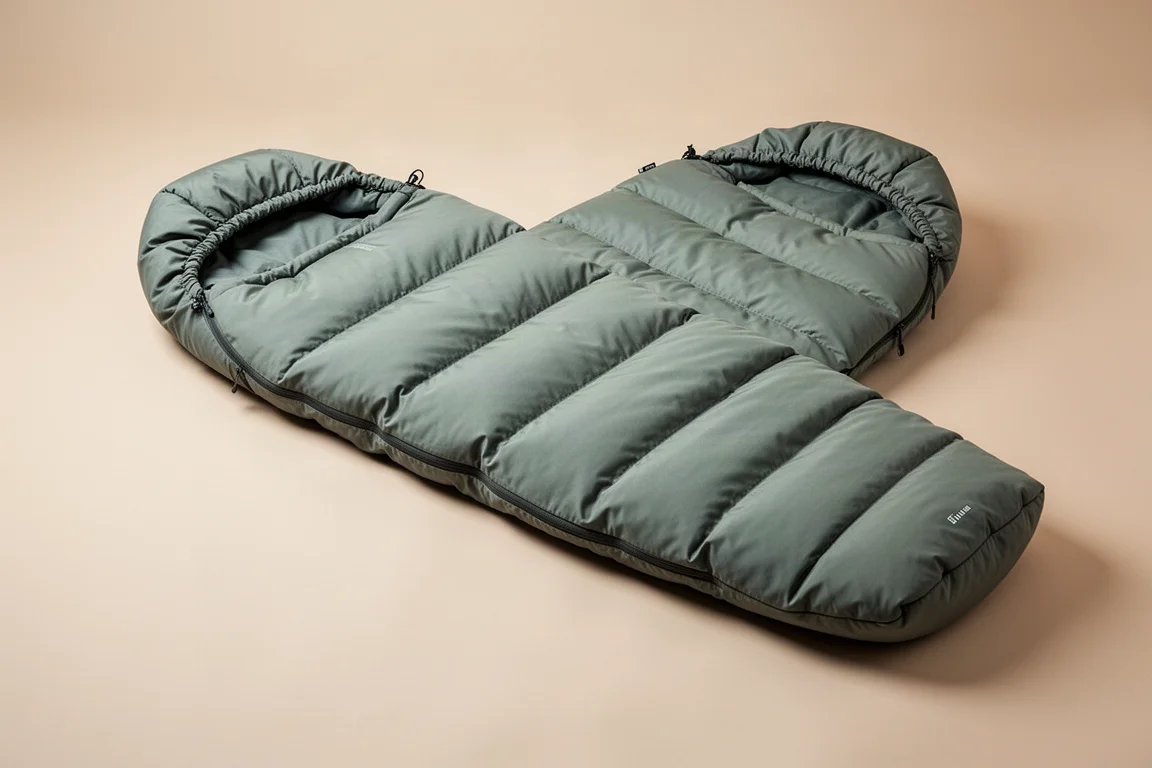
Camp Kitchen
Two small pieces handled cooking and eating.
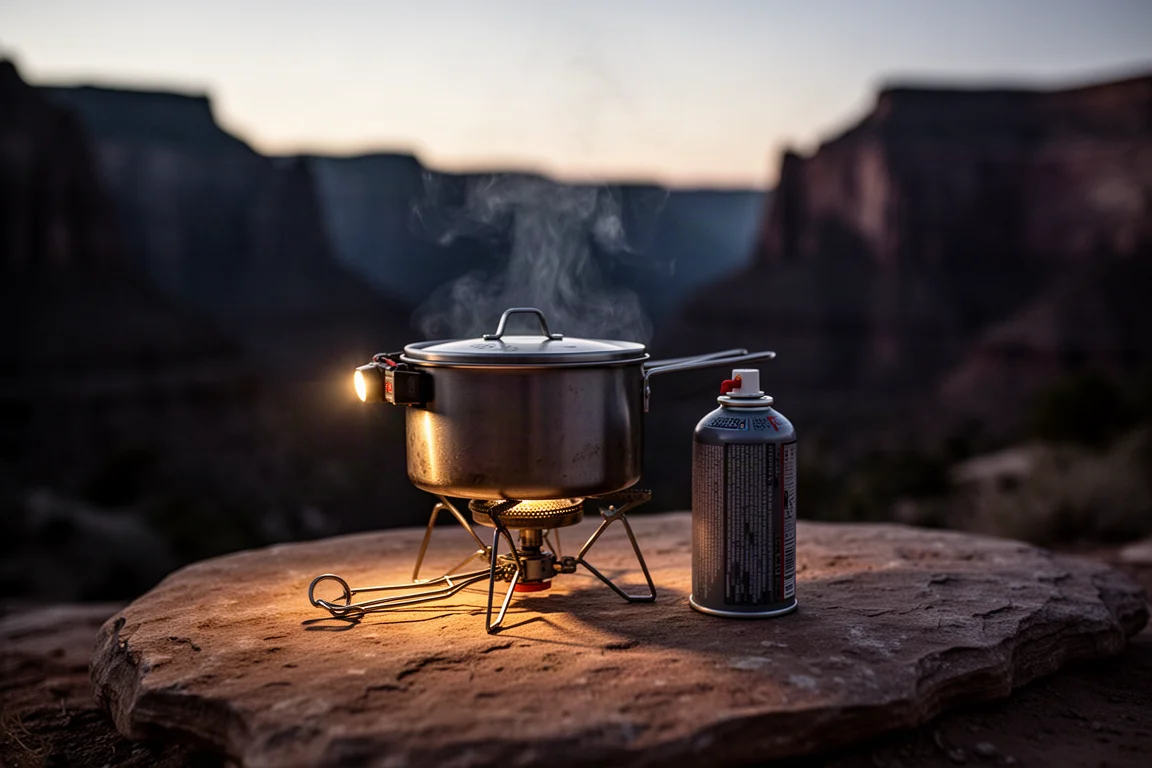
Cook kits are where small design decisions matter most, because every item has to justify its place in the pack. Both of these pieces exist to remove something else: a pot grabber in one case, and a shorter utensil in the other.
Evolved Supply Co. Long-Handled Spoon
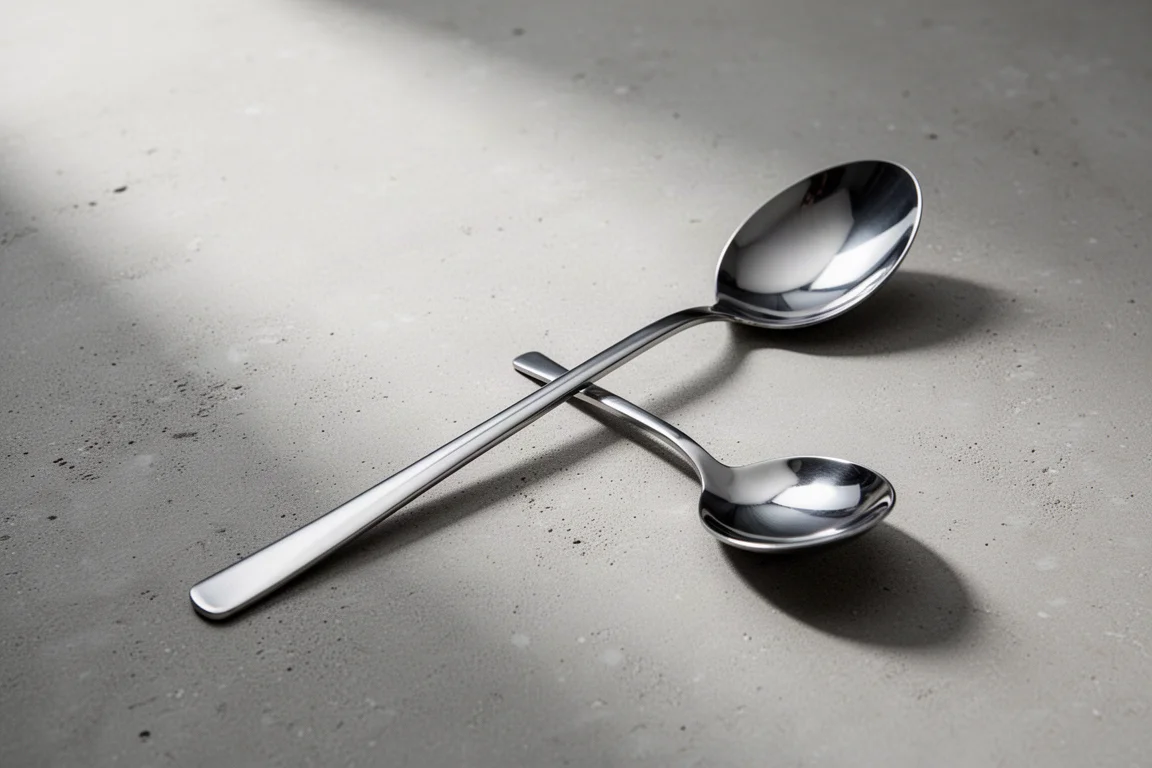
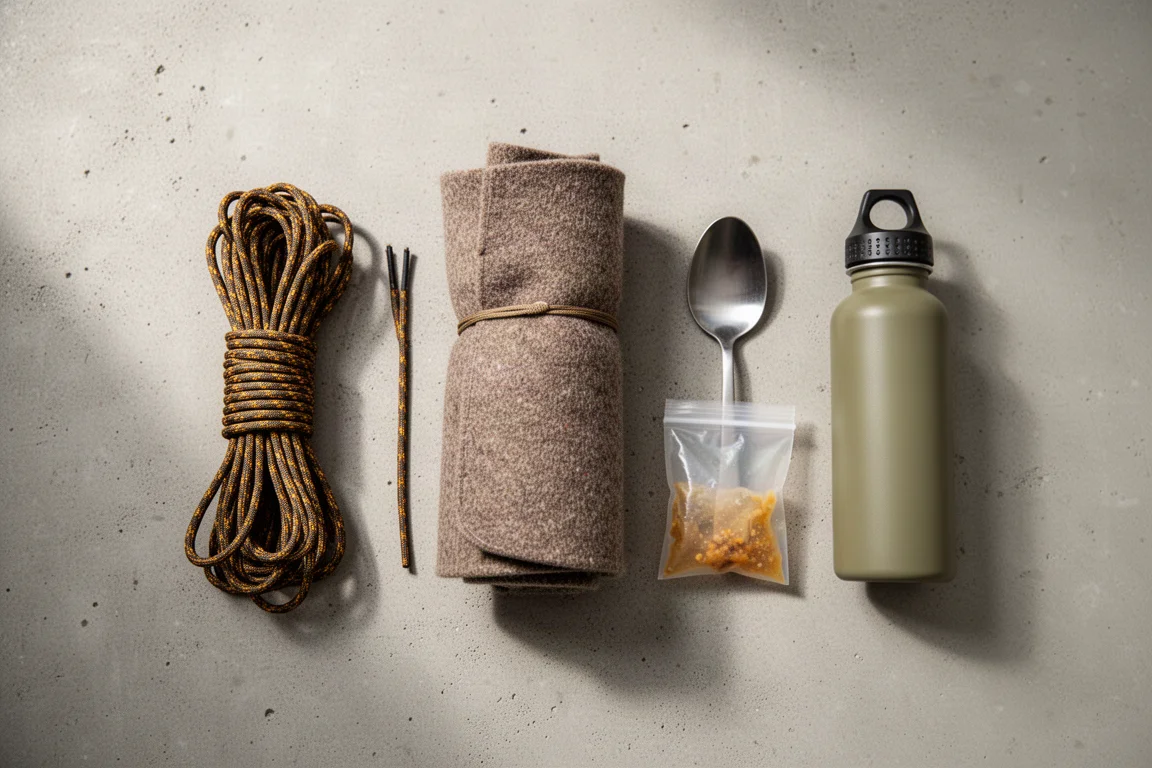
This is a long-handled spoon rather than a spork, which will divide opinion in the backpacking world. The long handle reaches the bottom of a meal pouch without coating your knuckles, and the polished bowl wipes clean easily.
It ships with a small pouch that keeps the spoon clean in transit and doubles as a cloth for drying it off. For anyone who has quietly given up on spork tines, this is a straightforward upgrade.
Pika Pot Lid
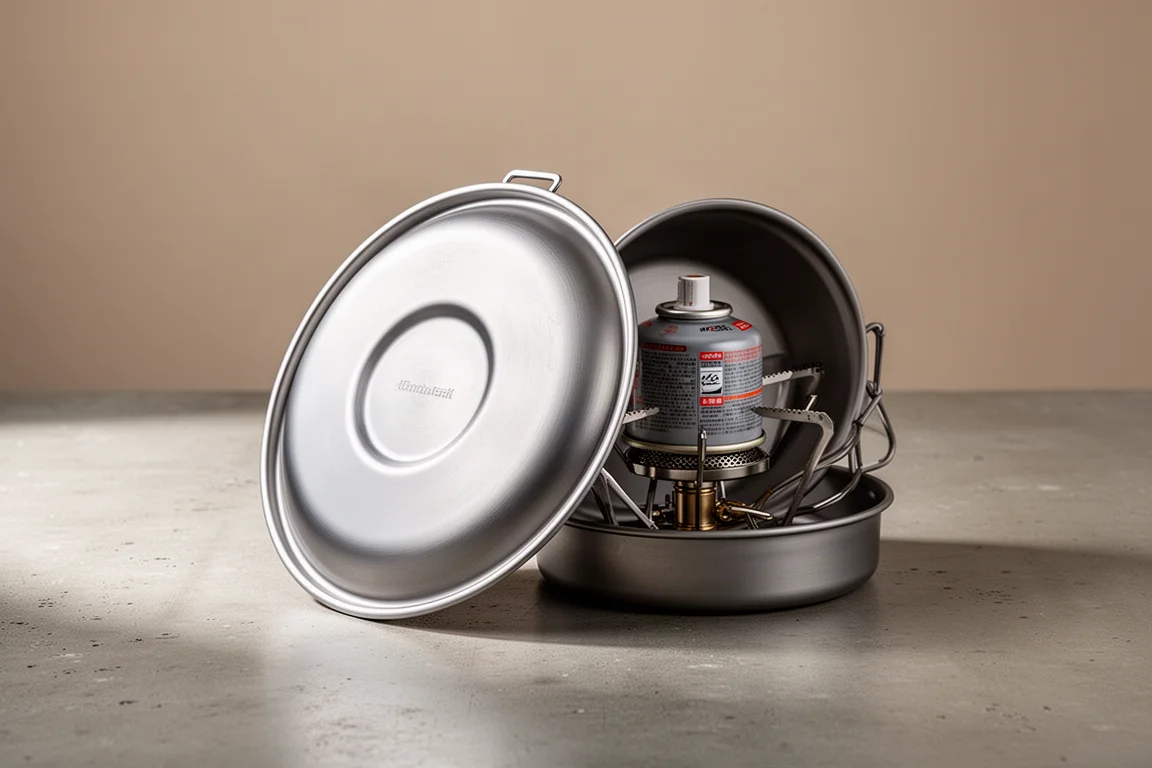
The Pika pot lid is designed for the wide pot that most backpackers already carry. Off the pot, it holds a small fuel canister, and there is space underneath the canister for a lighter, which keeps the whole cook kit in one place.
The clever part is the handle. A spoon or long-handled spork slots into the lid and acts as a lever for pouring, so there is no need to pack a separate pot grabber. It is a neat solution with one caveat: if your utensil has a trail brush attachment on the end, it will not fit through the slot.
Trail Treats and Hydration
Dinner was a curry pouch, but the more interesting part of the evening was dessert: a side-by-side candy comparison, plus an electrolyte mix that had been going into a water bottle all day.
LMNT Electrolyte Drink Mix
LMNT is an electrolyte drink mix, and it earned its place in the bottle. After a hot, exposed climb with heavy sweating, the day finished with the classic signs of electrolyte loss: headaches, muscle cramping, fatigue, and the feeling of hitting a wall with no way forward.
Mixing LMNT into a water bottle through the day is a simple way to replace the salt lost through sweat. It is especially relevant on warm, sunny trips where fluid intake runs high, and it suits anyone who needs more salt than a plain bottle provides.
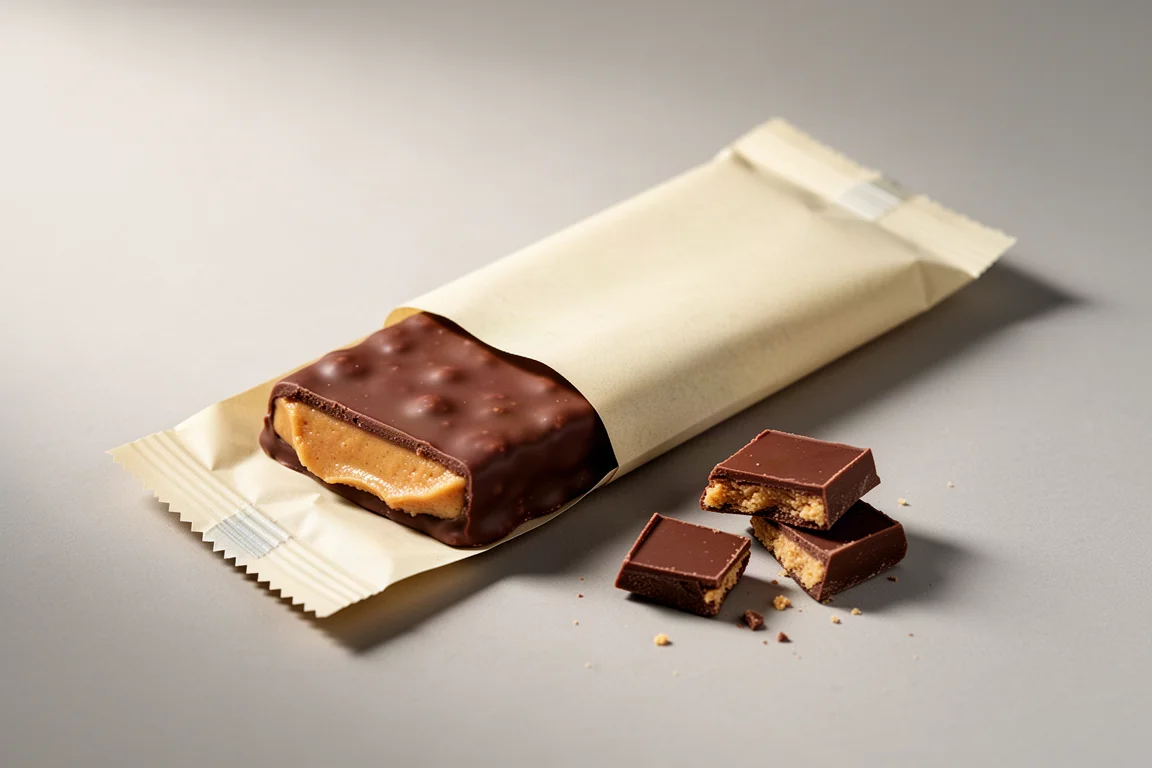
Feastables Peanut Butter Bar
The peanut butter bar tastes a lot like a chocolate peanut butter cup, which is a solid starting point. The problem was condition rather than flavour. By the time it reached camp the bar had crumbled inside the wrapper, leaving mostly crumbs.
The verdict was that it is fine, but not a repeat buy, particularly when a familiar candy aisle peanut butter cup does the same job.
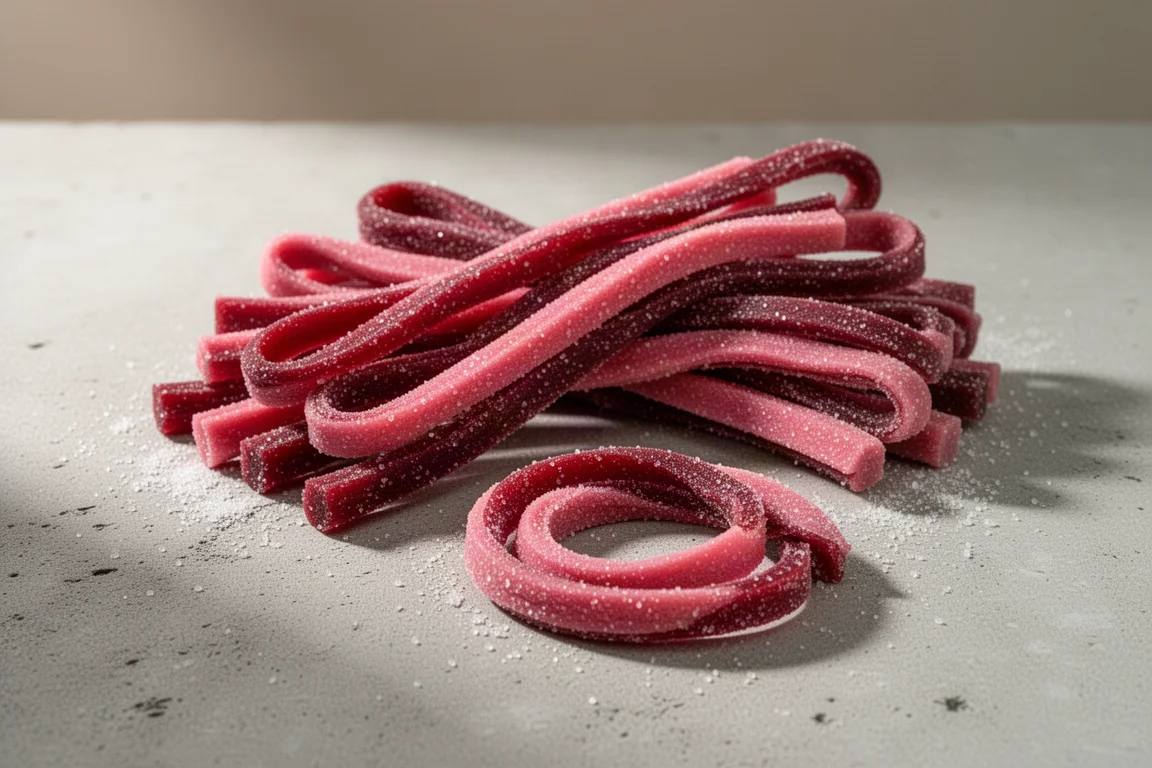
Joyride Cherry Berry Ropes
Soft, chewy, and easy to eat at camp, these ropes were well received. They also contain prebiotic fiber, which is a small bonus in a category that is usually just sugar.
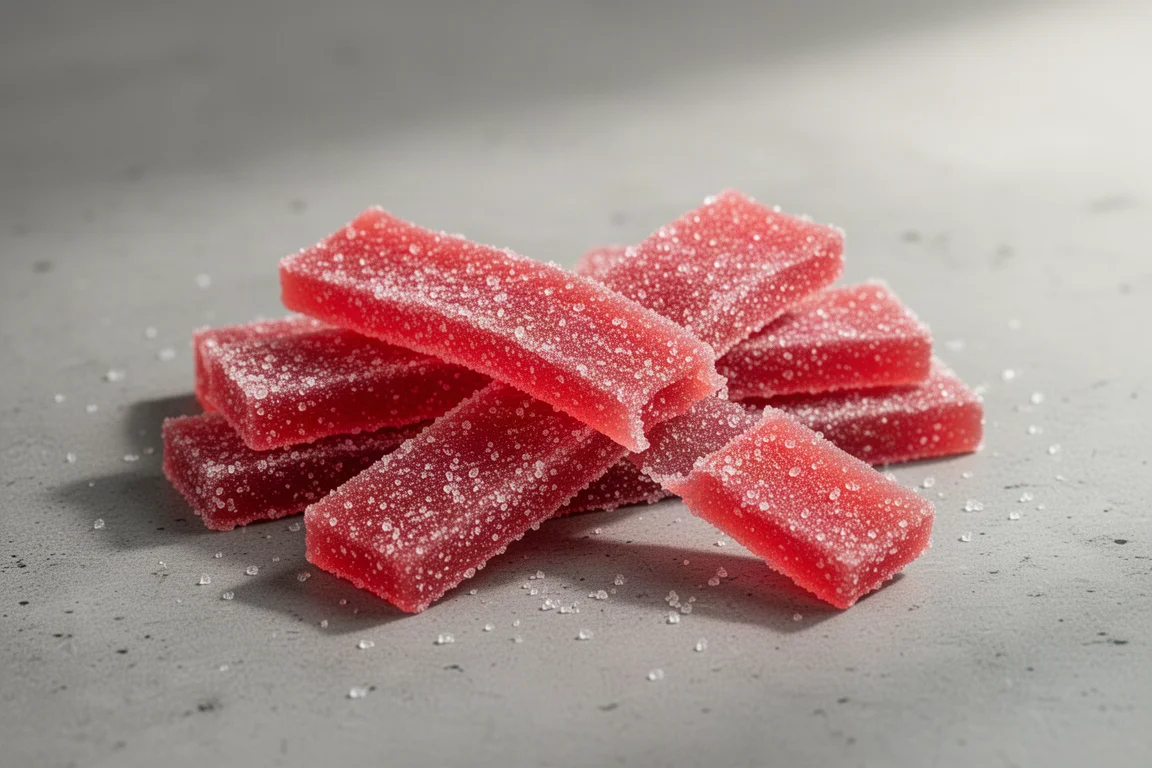
Joyride Sour Strawberry Strips
The sour strawberry strips were the favourite of the candies tested, balancing sour and sweet in a way that made them hard to stop eating. The one annoyance is packaging. The strips had stuck together in the bag and needed peeling apart, and they cling to teeth.
Camp Entertainment
The last piece of gear was not gear at all in the usual sense, but it earned its place in the pack on a long evening at camp.
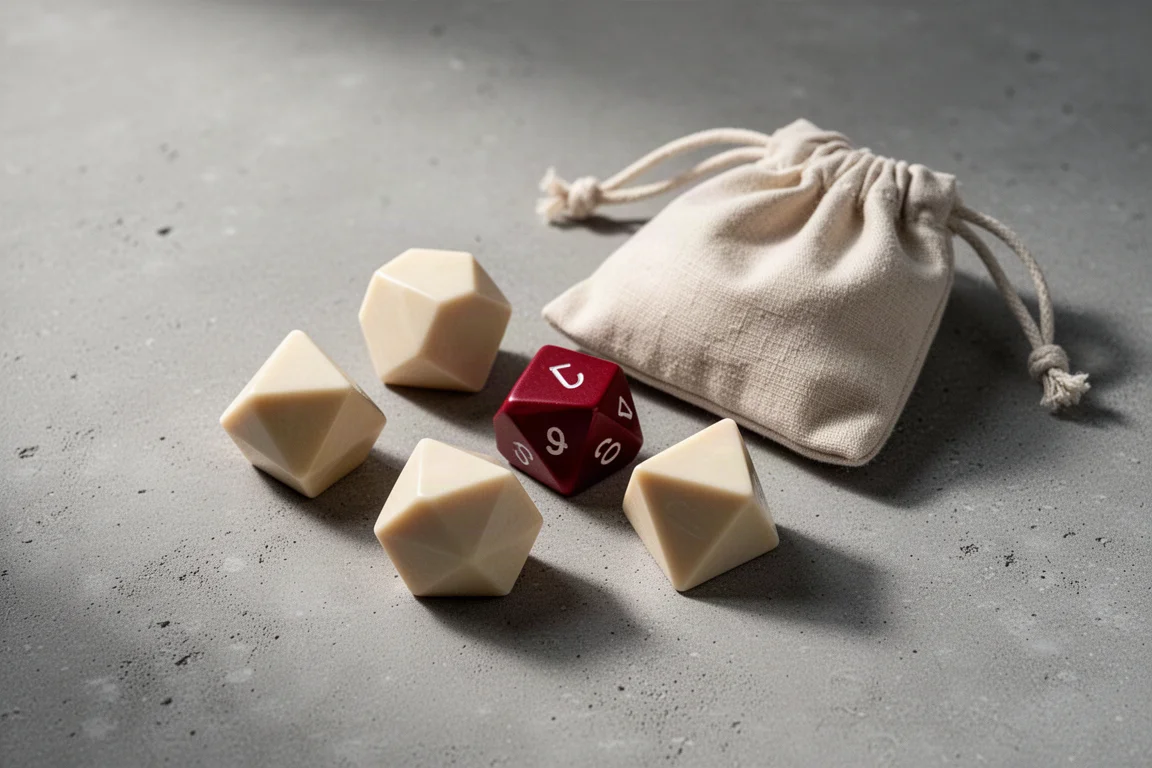
Grim Granite Survive the Woods
Survive the Woods is a dice game built around a simple premise: get out of the woods before you run out of rations or run out of days. The bone dice are 3D printed to look like bone fragments, and they are rolled together with a blood die to start a turn.
From there, results send you to the forage, hunt, or tool dice for water, fire, fish, and rations. Turns move quickly, the components are compact enough for a pack, and the whole thing turns a slow hour at camp into something worth staying up for.
Buying Advice
The clearest conclusion from testing this set is that gear from backpacker-founded brands is not a novelty category. These are products built by people who spend their lives on trail, and the design choices reflect that experience rather than a marketing angle.
Match the purchase to the trip you actually take. If you hike in exposed sun, the wool sun hoodie is the piece that changes your day most. If you carry heavy water loads, group gear, or long food carries, the 60-litre pack is the standout value at $275, and its 40 lb comfort rating is the specific reason to choose it over a lighter, more fragile ultralight pack. If your evenings at camp are cold, the fleece-lined booties are the comfort upgrade people rarely think to buy.
For smaller budgets, the cook kit is where the easy wins sit. A lid that holds a fuel canister, a lighter, and a pouring handle removes two or three items from your pack, and a long-handled spoon costs little and works better than most people expect.
A final note for first-time buyers of small-brand gear: check sizing and stock early, because production runs are short and restocks are not always quick. The designs are sound; the logistics are simply smaller in scale.
Conclusion
Twelve products, one hot desert overnight, and no genuine failures. The sun hoodie and the insulated booties were the comfort highlights, the 60-litre pack carried more weight than most ultralight designs manage without complaint, and the small cook kit pieces quietly removed gear from the pack rather than adding to it.
The candy comparison went one way, the electrolyte mix did its job in real heat, and a 3D printed dice game turned out to be a genuinely good use of pack space. For anyone building a kit around real trail experience rather than brand size, this is a category worth shopping.
Further reading
Related Reviews

Backpacking Gear
Building a 10 lb Base Weight: An Ultralight Backpacking Gear List
A practical walkthrough of the ultralight pieces behind a 10 lb base weight, from a 765 g pack and a roomy one-person tent to a full camp chair and a dependable water filter.

Backpacking Gear
A 15-Pound Lightweight Backpacking Gear List for Solo Trips
A beginner-friendly 15-pound backpacking setup built from easy-to-find gear, with notes on what each piece does, how it packs, and where to spend your attention.

Backpacking Gear
8 Ultralight Backpacking Gear Upgrades Worth Carrying
Eight small, affordable backpacking upgrades that solve real trail annoyances, from a pillow that stays put to a fuel valve that rescues leftover canister gas.