Camping Tents
Gazelle T4 Review: How It Handles an Hour of Heavy Rain
A close look at how the Gazelle T4 cabin tent performs in sustained heavy rain, from its removable nine inch tub floor and taped seams to the short rainfly limits worth knowing before you buy.
Introduction
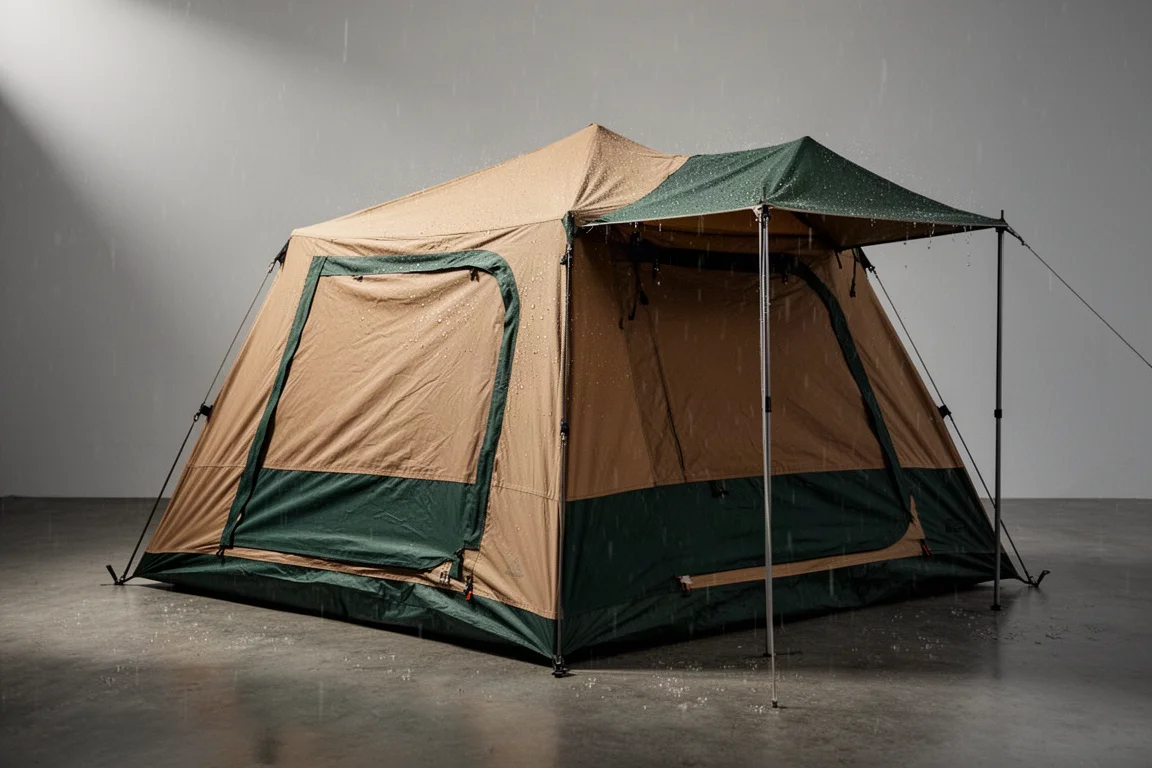
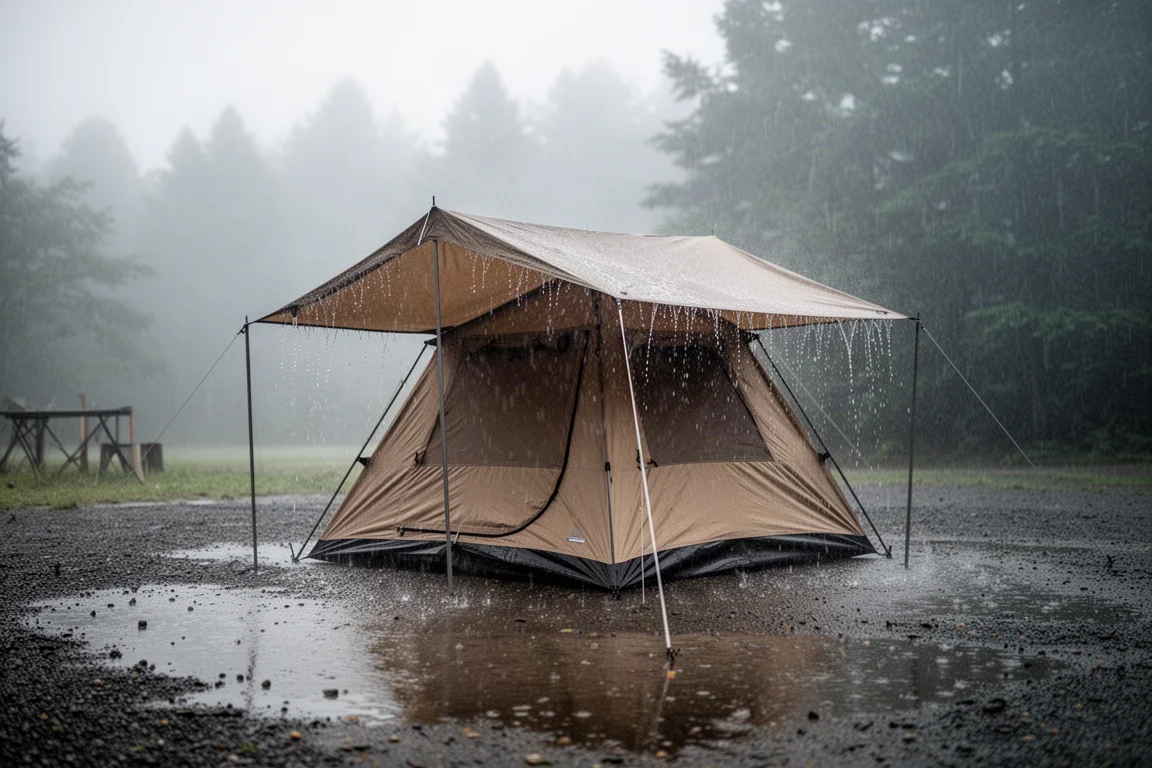
The Gazelle T4 is a cabin style camping tent built around near vertical walls, a roomy interior, and a hub based frame that pitches quickly. For anyone shopping in this category, the deciding question is usually weather performance, so the tent was put through a one hour heavy rain simulation, with a hose spraying continuous water across two of its walls.
The result was encouraging. The interior stayed almost entirely dry, the removable tub floor held up without a single issue, and the weaknesses that did appear were small and specific rather than structural. Those weaknesses are still worth understanding, because they shape how long the tent can sit in hard rain before water finds a way in.
Who the Gazelle T4 Is For
The T4 is aimed at campers who want space and headroom rather than a minimal backpacking shelter. The cabin shape means you can stand and move around, and the floor plan suits families or couples who bring a fair amount of gear. It is also a natural fit for weekend trips where the forecast is mixed rather than extreme, since the tent handled an hour of serious rain better than many other cabin and instant tents in the same class.
It is less suited to campers who plan to sit through many consecutive hours of non-stop heavy rain. In that scenario, a tent with a longer or full coverage rainfly is a better match, because the T4 rainfly is deliberately short and leaves some seams and mesh exposed.
How the Rainfly Handles Heavy Rain
The rainfly is the first thing to look at, and it is also where the T4 shows its main compromise. It is short, covering only a limited portion of the tent, and it barely overlaps the mesh windows. During the rain test those windows were completely drenched, including at the top where they sit slightly under the rainfly, which means they cannot realistically be opened while it is raining without letting water straight into the tent.
The upper mesh panels behave a little better. They are there for ventilation on hot days and for stargazing at night, and the gap between the rainfly and the mesh is what determines how much rain reaches them. After an hour of spraying, those panels held up and stayed dry. The remaining risk is wind: a few droplets of water did end up on the tent floor after being blown under the edge of the rainfly.
Main Strengths: Tub Floor and Interior Dryness
The standout feature is the tub floor. It runs all the way around the base of the tent, and it measures almost nine inches in height, which is a genuinely useful figure for keeping ground water and splash away from your sleeping area. Better still, the tub floor is fully removable. It attaches to the tent body with a long Velcro strip that circles the whole tent, so it can be pulled out for cleaning or replaced.
The design detail that makes it work is that the tent body fully covers the tub floor on the outside. That combination meant the floor produced no problems at all during the test, not even at the corners, which are usually the first place a cabin tent starts to leak.
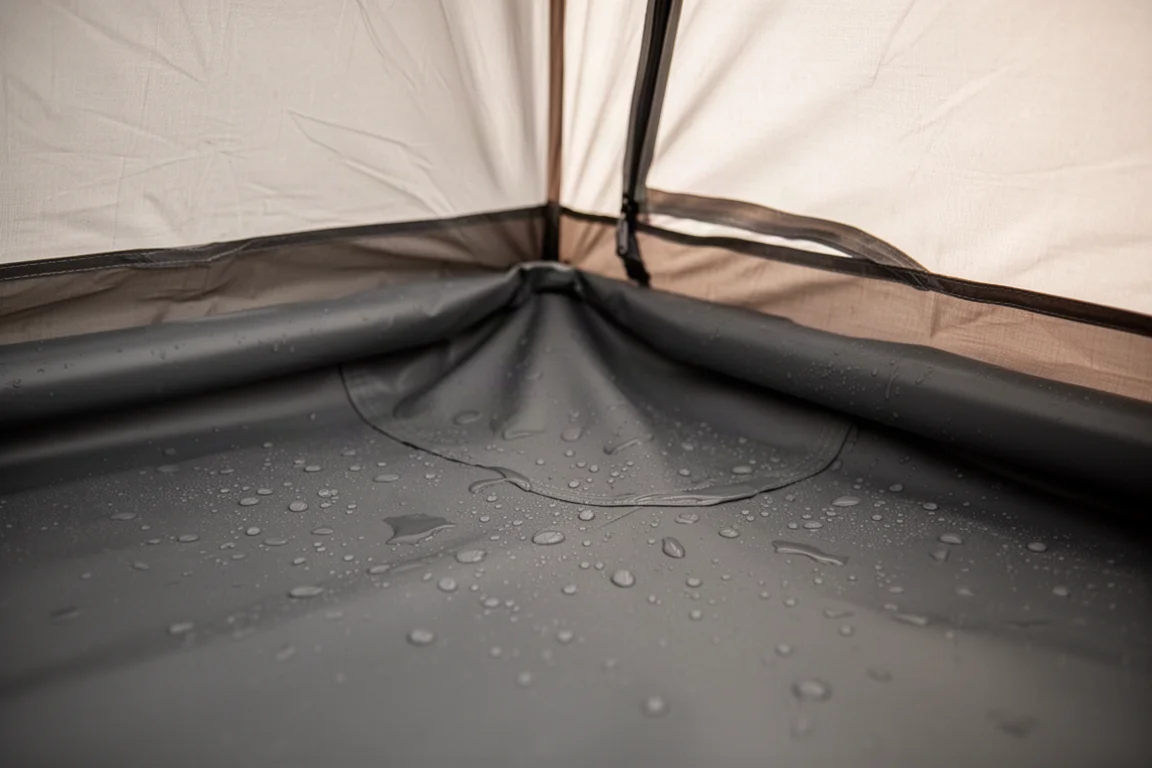
Elsewhere, the inner tent body fabric and the rainfly both stayed dry. After a full hour of heavy spray, the only moisture inside was a slight dampness on the mesh of the two walls that took the most water, plus a few droplets on the floor.
Seam Taping, Pockets, and Hub Details
At first glance the seam work looks thorough. The rainfly seams are all taped. So is the seam running the length of the floor, the wall seam above the side pocket, the window seams, and the hub seams in the middle of the tent. The top pocket seam and the top mesh seam are not taped, but they sit under the rainfly. The door seam is also untaped, though the exterior rain flap over the door kept it completely dry during the test, helped by leaving the zippers at the top of the door tucked just under the rainfly.
The pocket seams are the weak point. Only the top of each pocket is taped, because the rest of the pocket is not exposed to the weather on the inside. From the outside, however, a lot of water runs directly over that seam during heavy rain, and it soaks through into the pocket on the inside. After one hour the amount of water in the seam was small. The estimate is roughly five to ten hours of heavy rain before the pocket becomes fully saturated and starts leaking into the tent. The same mistake appears on other cabin tents, including the Coleman Instant Tent, where far less waterproofing meant the pocket soaked and dripped within about fifteen minutes, so the T4 is clearly the better of the two.
The hubs in the center of each wall show a similar pattern. Water soaks into the hub itself, and the hub felt slightly damp on the inside of the tent. The surrounding hub seams are taped, so the effort is there, but a hub cannot be taped over and it remains exposed to the weather. The same five to ten hour estimate applies before this becomes a real leaking problem.
Ventilation and Mesh Panels in Wet Weather
Ventilation is the trade-off that comes with the short rainfly. Because the mesh windows are so lightly covered, they are effectively closed off during rain, which reduces airflow exactly when a tent needs it most. The upper mesh panels help, and the rainfly gap above them leaves some breathing room, but the coverage is not generous.
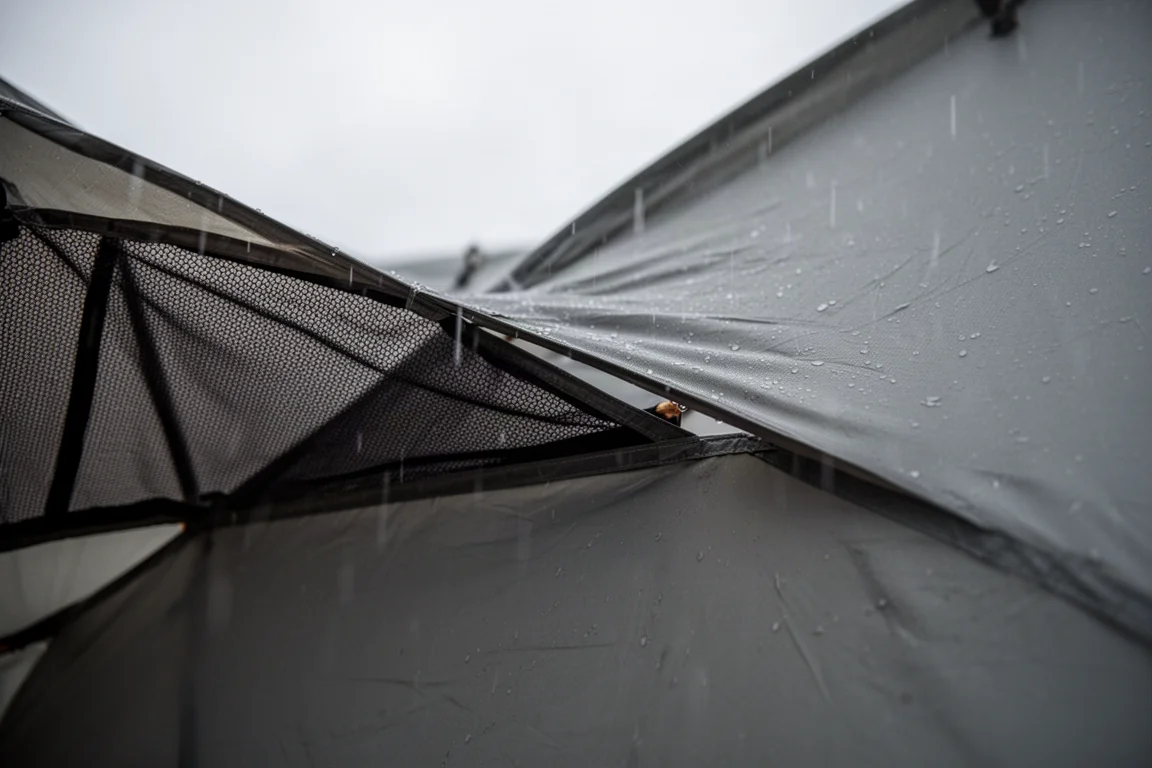
In dry, warm conditions this is a non-issue. The mesh windows open up, the top panels let heat escape, and the stargazing view through the roof is a real bonus at night. The limitation only appears when the weather turns, which is worth weighing if you camp in wet climates.
Things to Consider Before Buying
The most important consideration is trip length and rainfall intensity. For a few hours of ordinary rain, the T4 stays dry. For ten straight hours of very heavy rain, the short rainfly leaves the pocket seams, the hubs, and the upper mesh more exposed than a full coverage design would.
Wind is the second factor. Rain driven sideways can push under the rainfly edge, and that is how the few droplets reached the floor.
The third consideration is ventilation in wet weather. If you want windows you can crack open during a downpour, this is not the tent for that.
Buying Advice
For the vast majority of campers, the Gazelle T4 is a confident choice. It handles a solid stretch of heavy rain without leaking, the removable nine inch tub floor is genuinely excellent, and the seam taping is more complete than what many competing cabin tents offer. The interior stays dry in the places that matter most, and the corners, usually the first failure point, held up perfectly.
If your plans regularly involve non-stop heavy rain lasting many hours at a time, then a tent with a full rainfly is the smarter purchase, because it protects the seams and mesh that a short rainfly leaves open. For everyone else, the T4 delivers the space, the quick pitch, and the weather resistance that a cabin tent should.
Conclusion
The Gazelle T4 came through an hour of heavy rain in better shape than expected for a cabin tent with a short rainfly. The tub floor and the taped seams did their job, and the interior stayed dry apart from light dampness on two walls and a few droplets on the floor. The pocket seams and the center hubs are the areas to watch on longer, wetter trips, and a longer rainfly would be the single change that would solve both.
For around 90 percent of campers, this is a dependable, weather resistant cabin tent. For campers who chase multi-day storms, choose a design with full rainfly coverage instead.
Product link
View more details for Gazelle T4
This product is mentioned in the review. Check the specifications, options, and compatibility before buying.
View more details for Gazelle T4Further reading
Related Reviews
Camping Tents
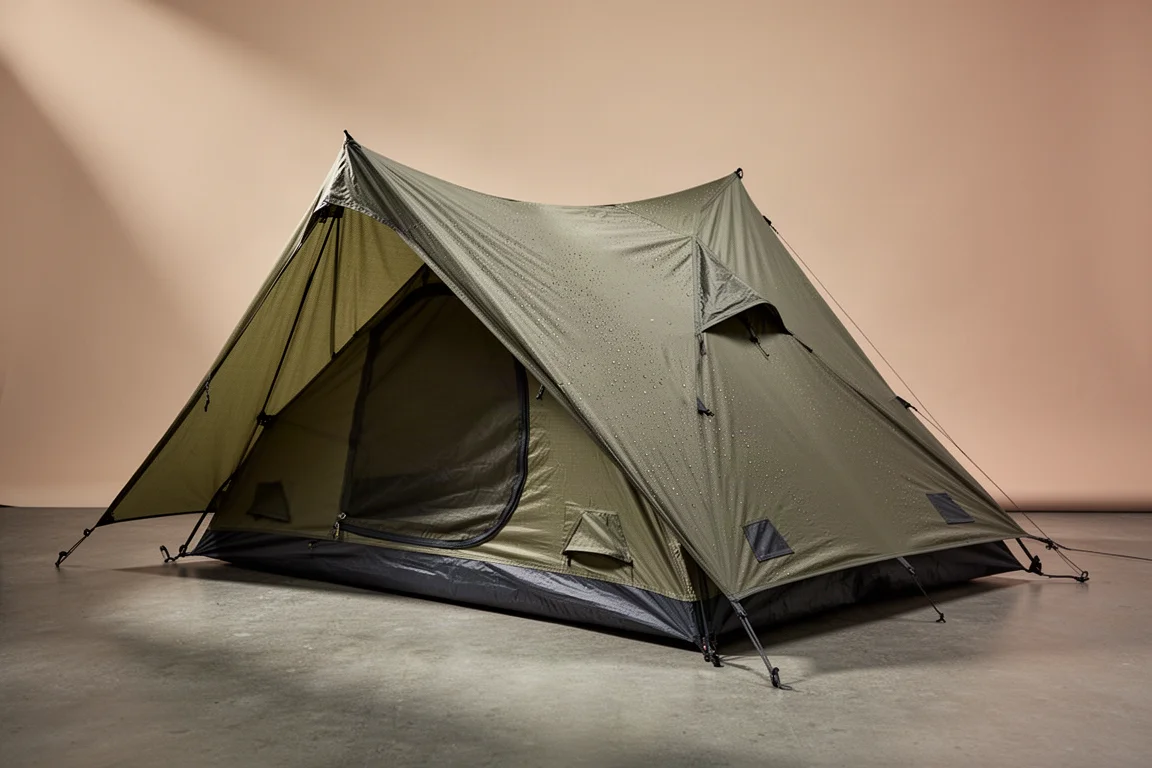
3F UL Gear Taiji Two-Person Tent Review: Field Waterproofing Results and Buying Advice
The Taiji pairs an attached fly with a removable inner, but sustained rain exposed untaped vent seams that need sealing before this shelter can be trusted.
Camping Tents
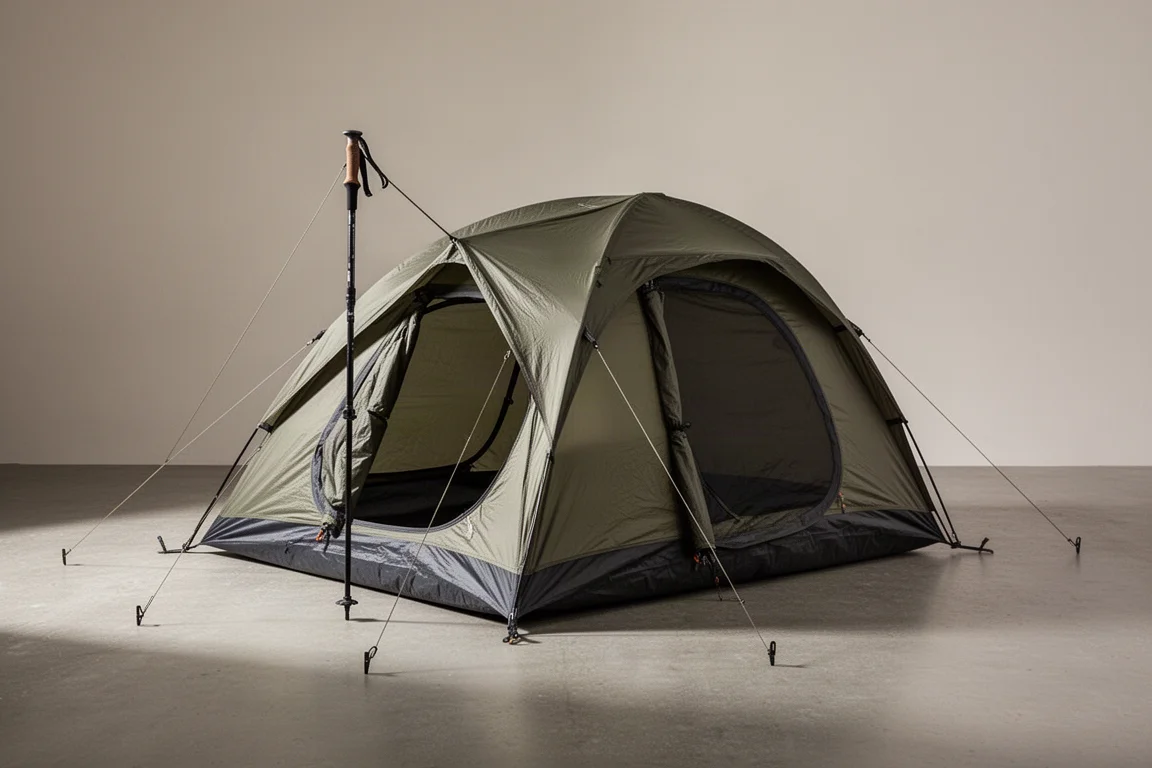
3FUL Gear Lanshan 2 Pro 4-Season Review: A Sub-$200 Single-Wall Trekking Pole Tent
An early look at the 3FUL Gear Lanshan 2 Pro 4-Season, covering its straightforward pitch, generous interior space, and the condensation and seam-sealing questions that come with any single-wall shelter.
Camping Tents
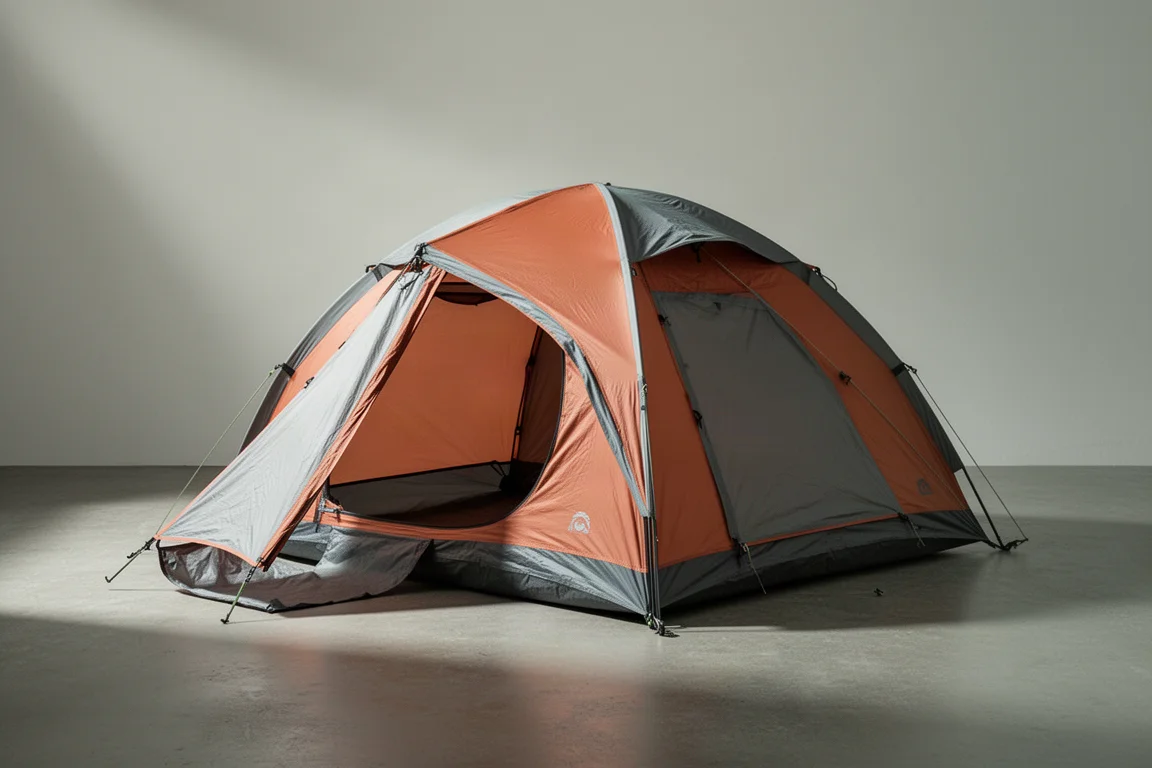
Alps Mountaineering Lynx 1-Person Tent Review: Big Value in a Small Budget Tent
A close look at the Alps Mountaineering Lynx 1-Person Tent, covering real interior dimensions, materials, setup time, ventilation limits, and who should buy it.