Camping Tents
Gazelle T3X Review: Fast Setup, Real Wind Stability, and Serious Trade-Offs
A practical look at the Gazelle T3X pop-up tent, from its few-minute pitch and strong wind performance to the ventilation, weather protection, and build quality questions worth resolving before you buy.
Introduction
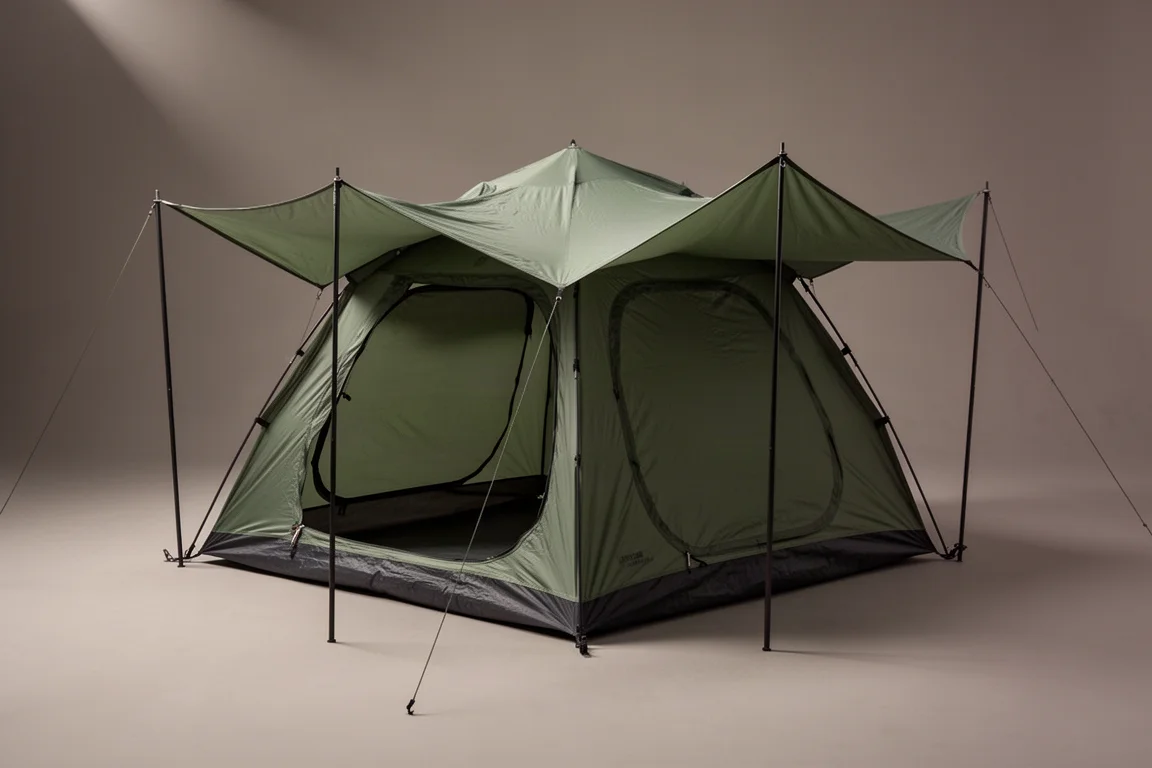
The Gazelle T3X is a pop-up hub shelter built around an interlocking pole and hub system that raises the whole tent in one motion. It is a genuinely divisive design: plenty of campers swear by it, and a similar number report problems after a season or two of use.
We tested this tent over a couple of months in a mix of cool and warm conditions, including deliberate rain testing, and paid close attention to waterproofness, airflow, and condensation. The short version is that the T3X gets the big structural idea right and several of the details wrong, and the details matter a lot at this price.
Who This Tent Is For
The T3X measures 76 by 82 inches and offers 43 square feet of floor space, with two doors. Gazelle describes it as a three-person tent with ample room for gear. In practice it works best as a two-person tent with gear, or three people with almost nothing inside. Add three adults and the space disappears quickly.
Peak height is worth checking before you buy. The claimed figure is 68 inches, but our measurement came in roughly four inches lower, which means most adults cannot stand upright inside. That misconception is worth correcting early, because a lot of shoppers assume the T3 version offers standing room. It does not.
Packed down, the tent is 57 by 10 by 10 inches and weighs 29 pounds on our scale. That bundle fits in the back seat or trunk of most vehicles, though not all. It suits campers who want a shelter that goes up in a few minutes, holds its shape in wind, and sleeps two comfortably, and who do not need to stand up inside.
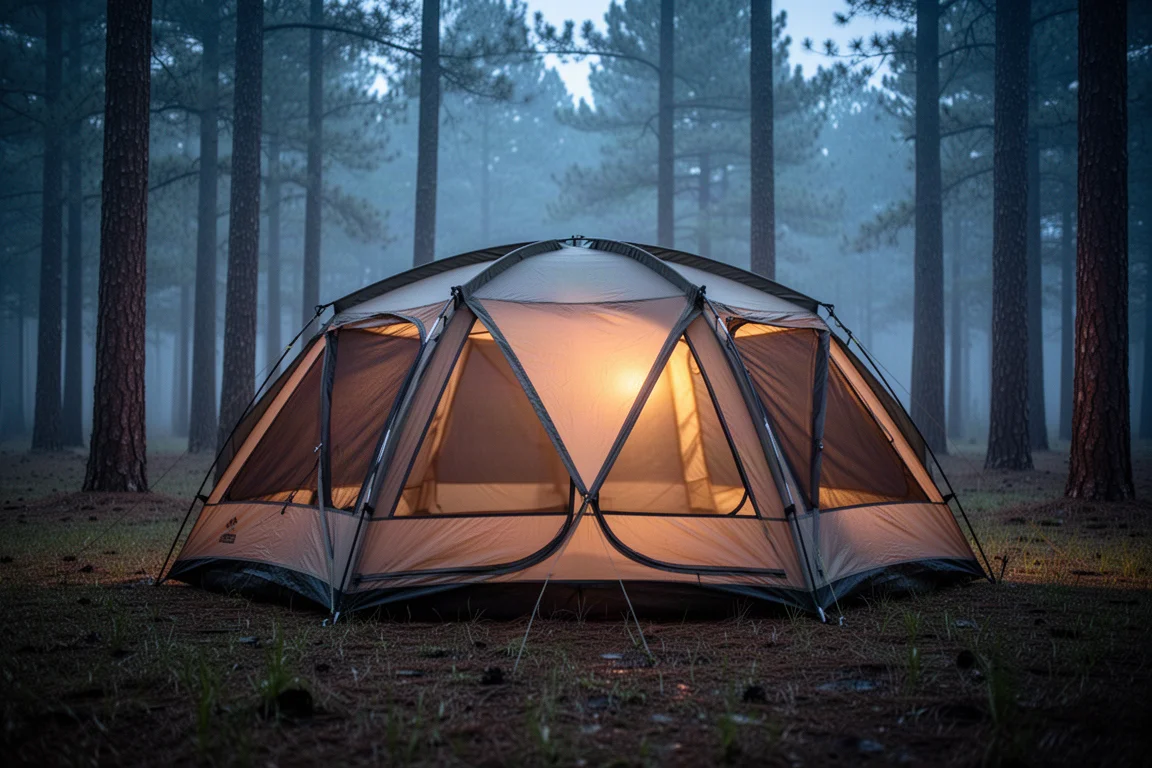
The case for this tent is strongest for campers who pitch in exposed, windy sites and value a rigid structure over light weight. Anyone who changes clothes standing up, camps in sustained heavy rain, or wants a compact pack size should read the next few sections carefully before deciding.
Setup and Pack-Down
Gazelle claims a 90-second setup. That is optimistic. Realistically the T3X takes a few minutes, closer to three or four, from the moment you open the duffel bag. The tent does not arrive fully assembled for use: you pull the panels out, lift the roof, throw the fly over the top, and stake it out.
Skipping the stakes is possible, but staking gives the tightest pitch and the best floor tension, so it is worth the extra minute. The process itself is straightforward, with no pole sleeves to thread and no sequence to memorize.
Stability and Wind Performance
This is where the T3X earns its reputation. Once the panels are popped and the tent is staked out, the structure is remarkably rigid. We had it out in rainstorms with winds around 50 miles per hour and it did not budge.
The interlocking hub design is what does the work. Each panel braces the next, so the shelter resists side loads that would deform a conventional dome tent. If your camping involves open ground, ridgelines, or unpredictable weather, this is the strongest argument in the tent’s favour.
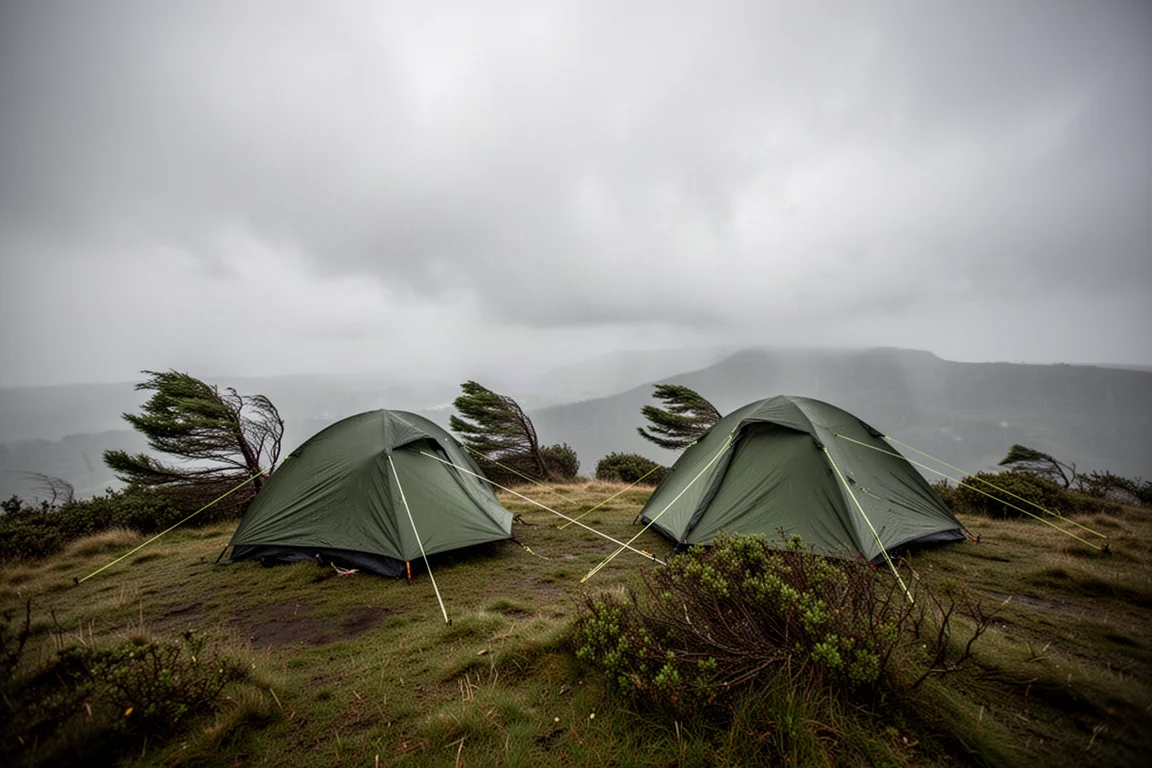
That rigidity also makes the tent feel planted in a way that is reassuring on a windy night. The trade-off is that the same structure produces a bulky, heavy package, which is covered further down.
Space, Standing Height, and Ventilation
Inside, the T3X feels large at first glance and smaller once two people and gear are in it. Two adults with bags is comfortable. Three adults is possible but tight, and three adults plus gear is not realistic.
Ventilation is the bigger problem. The tent has six mesh windows and mesh door panels, but the mesh is woven so tightly that very little air passes through it. It takes a substantial gust to push meaningful airflow into the shelter, and in still, warm conditions the interior gets stuffy.
Because this is effectively a single-wall design, limited airflow translates directly into condensation. Damp walls in the morning are common, and some owners have gone as far as running a box fan against a window to force air through. If you sleep warm or camp in humid conditions, plan for moisture management.
Quality Control and Waterproofing
This is the part of the review that matters most for a buying decision. The T3X is not a tent we would trust in heavy rainfall. The fly is rated to a 2000 millimeter hydrostatic head and the floor to 5000 millimeters, but the fabric ratings are only part of the story.
Fit and finish on our sample was rough. We found holes punched through the fabric into the interior, loose threads throughout, and inconsistent storm flaps: on one side of the tent there is roughly a one inch gap between the flaps that cover the door zippers, while the other side closes properly. That kind of variation points to quality control rather than design.
Owners have reported leaks around the poles and doors, and one described having to rebuild the hub assembly on each panel because those points let water in. Combined with condensation, it can be genuinely hard to tell whether the interior is wet from a leak or from moisture in the air.
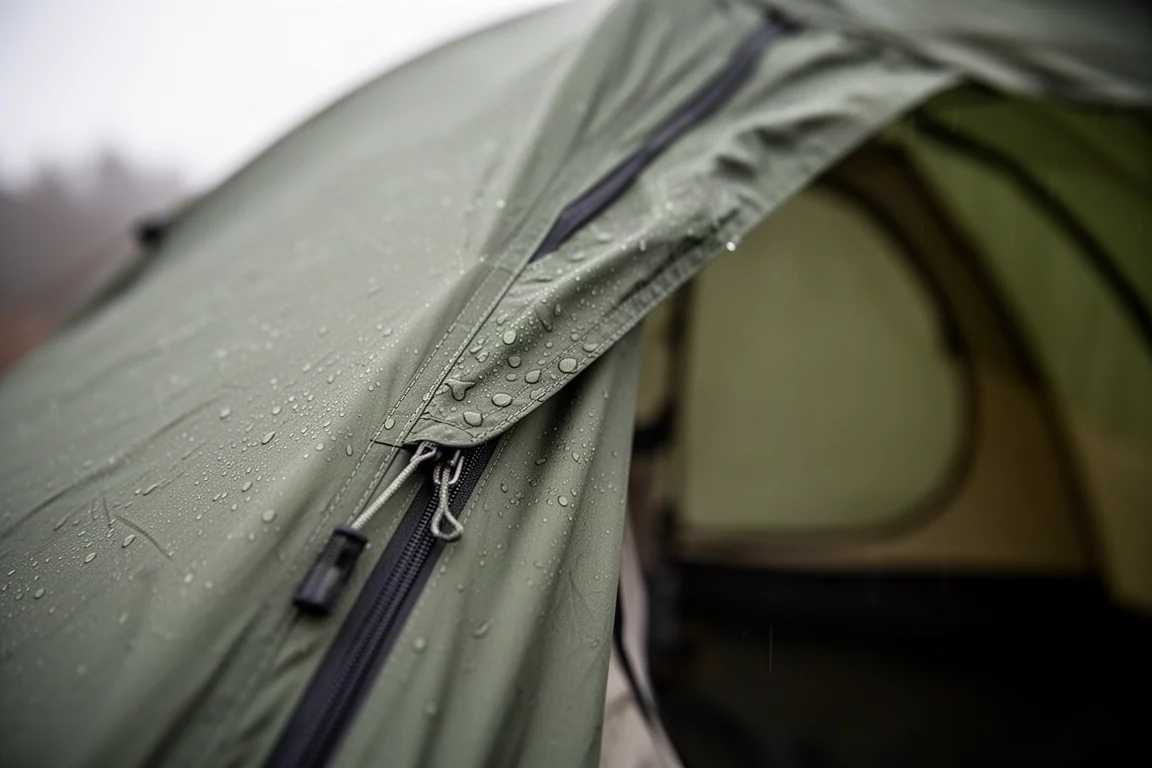
Materials themselves do not feel cheap. The tent uses a combination of 210 denier and 30 denier Oxford polyester with YKK zippers, and the fabric has a substantial, robust hand feel. The problem is not the spec sheet, it is the execution on the individual unit you receive.
Doors, Floor, and Everyday Usability
Getting in and out of the T3X is awkward. The door opening is narrow and the base forms a lip you have to swing your body over, which is a trip hazard and a real obstacle for anyone with mobility limits or a larger frame. Children will manage fine. Most adults will not enjoy it, and there are two doors to deal with.
There is a second annoyance: the door panel and the mesh screen are separate layers, each with its own zipper pull, and the pulls look identical. It is easy to grab the mesh pull and jam it while trying to open the door. Colour coding the pulls on both the inside and outside solves this cheaply and is worth doing on day one.
Because the opening is tight, you tend to brush against the walls on the way in. If the interior is damp from condensation, or the exterior is wet from rain, you get wet too.
Bug resistance is also limited. There is a sizeable opening at the top of the tent where the roof strap passes through, wide enough for most insects, and the removable floor does not seal reliably at the corners. During testing, insects and spiders found their way in even with the tent fully closed.
That removable floor deserves its own note. Taking it out for cleaning is easy. Putting it back and getting a good seal is difficult, and the attachment at the corners is the weakest point. A fixed floor would likely be a better design decision here.
Stakes and Included Accessories
The included stakes hold well in the ground, but they are unpleasant to remove. The pull lip is roughly the width of one finger, so all the resistance of a suctioned stake lands on a single point. A wider lip would make a real difference.
That is likely why Gazelle offers upgraded stakes, along with footprints and water resistant duffel bags as accessories. The included duffel bag itself is a good one: the tent, fly, and stakes all fit easily, there is room to spare, and multiple handles make it comfortable to carry.
Buying Advice
The T3X retails around $390, and it is frequently discounted to roughly $300. At either figure, the value question is the whole decision. You are paying for a fast pitch and exceptional wind stability, and accepting a bulky 29 pound package, no standing height, weak airflow, heavy condensation, and a build quality that varies from unit to unit.
If your priority is a stable shelter that goes up in a few minutes for two people, and you mostly camp in fair or breezy weather, the design has real merit. If you camp in sustained rain, sleep in humid climates, or need to stand up inside, this is not the tent to buy at this price.
It is also worth knowing that the hub system is not proprietary. Similar pop-up hub tents exist from several companies, some at lower prices and some at higher ones, which makes comparison shopping sensible before committing. Gazelle also offers this design in three, four, and eight person versions; we have not tested those, so the same concerns may or may not carry across the range.
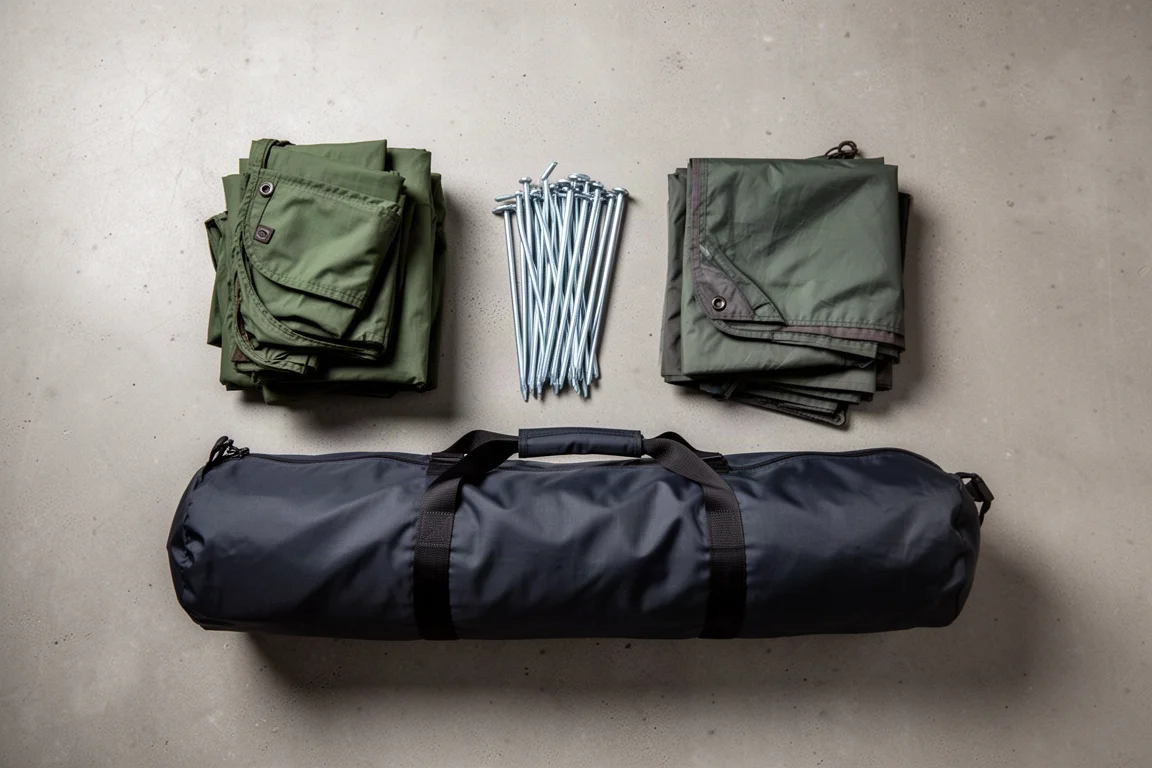
One practical tip regardless of which version you consider: budget for a footprint and upgraded stakes, and inspect the tent thoroughly on arrival. Check the storm flaps, the seams, and the floor seal before your first trip, and return it promptly if the finish looks rough.
Conclusion
The Gazelle T3X is a well-conceived shelter with a fast pitch and outstanding stability in wind, undermined by poor ventilation, questionable weather protection, and inconsistent build quality. It works for a specific camper: two people, breezy or dry conditions, no need for standing room, and a willingness to manage condensation. For everyone else, the money is better spent on a design that keeps the weather and the bugs outside, or on one of the comparable hub tents that cost less.
Product link
View more details for Gazelle T3X Tent
This product is mentioned in the review. Check the specifications, options, and compatibility before buying.
View more details for Gazelle T3X TentFurther reading
Related Reviews
Camping Tents
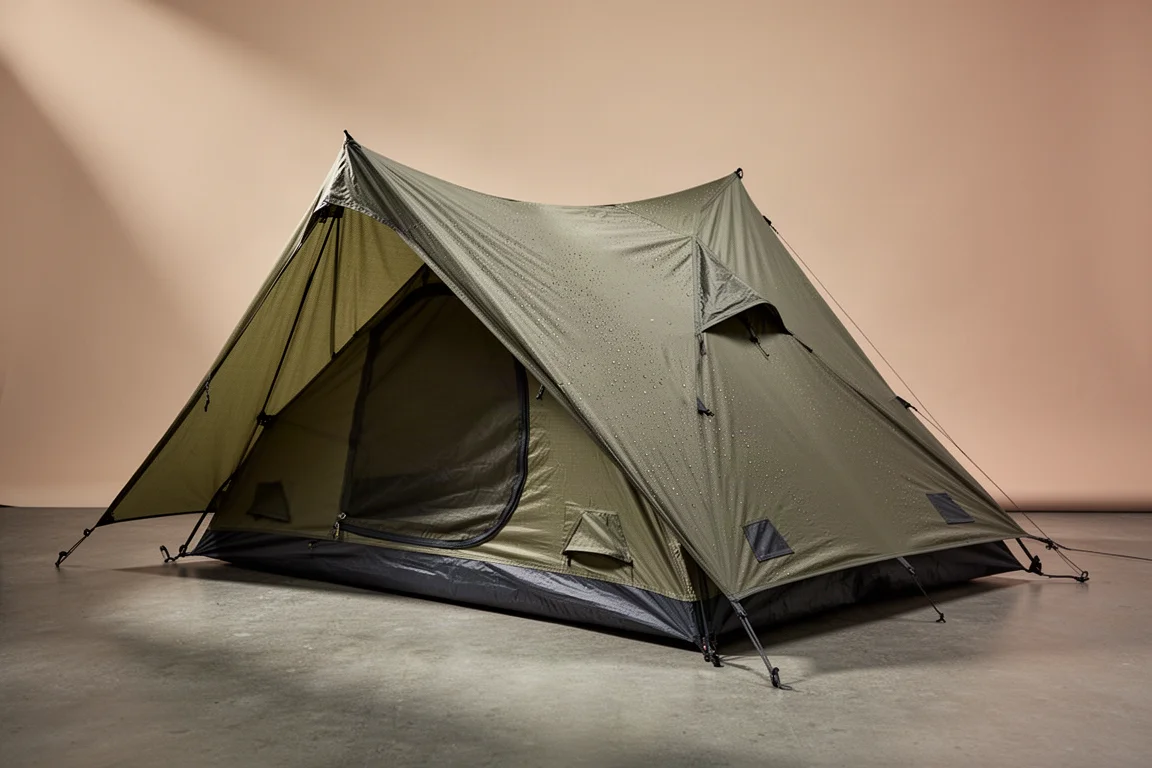
3F UL Gear Taiji Two-Person Tent Review: Field Waterproofing Results and Buying Advice
The Taiji pairs an attached fly with a removable inner, but sustained rain exposed untaped vent seams that need sealing before this shelter can be trusted.
Camping Tents
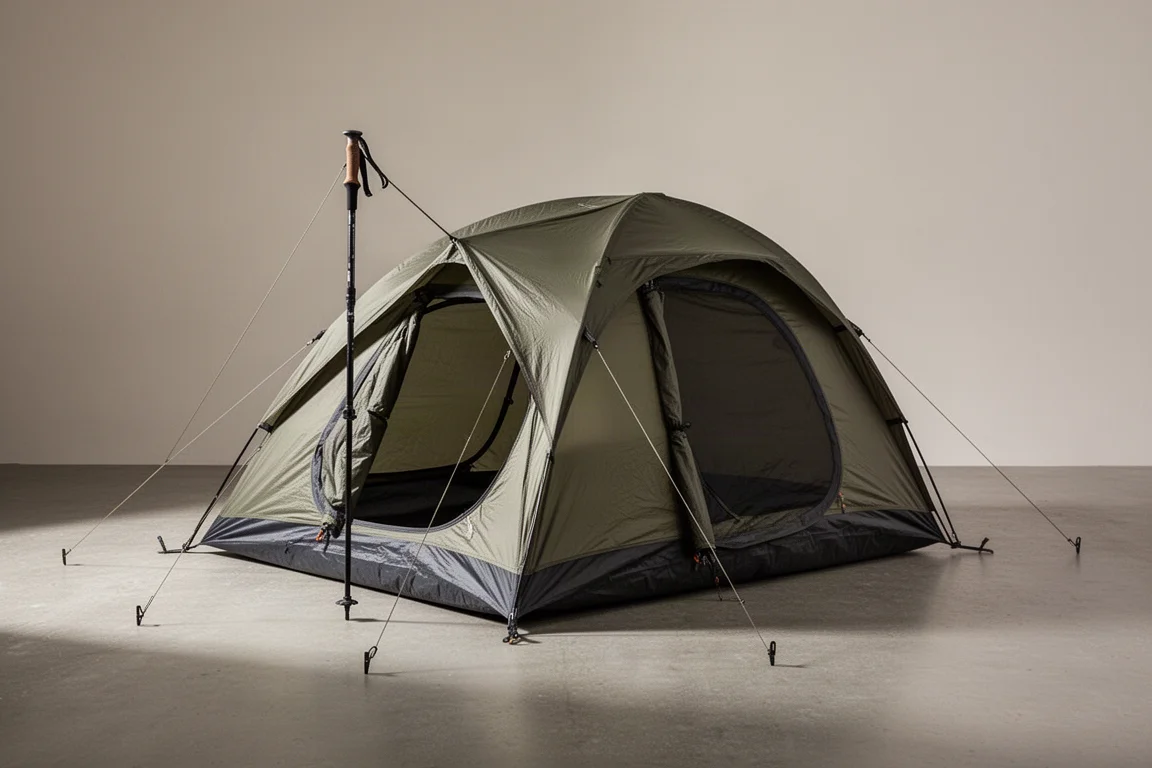
3FUL Gear Lanshan 2 Pro 4-Season Review: A Sub-$200 Single-Wall Trekking Pole Tent
An early look at the 3FUL Gear Lanshan 2 Pro 4-Season, covering its straightforward pitch, generous interior space, and the condensation and seam-sealing questions that come with any single-wall shelter.
Camping Tents
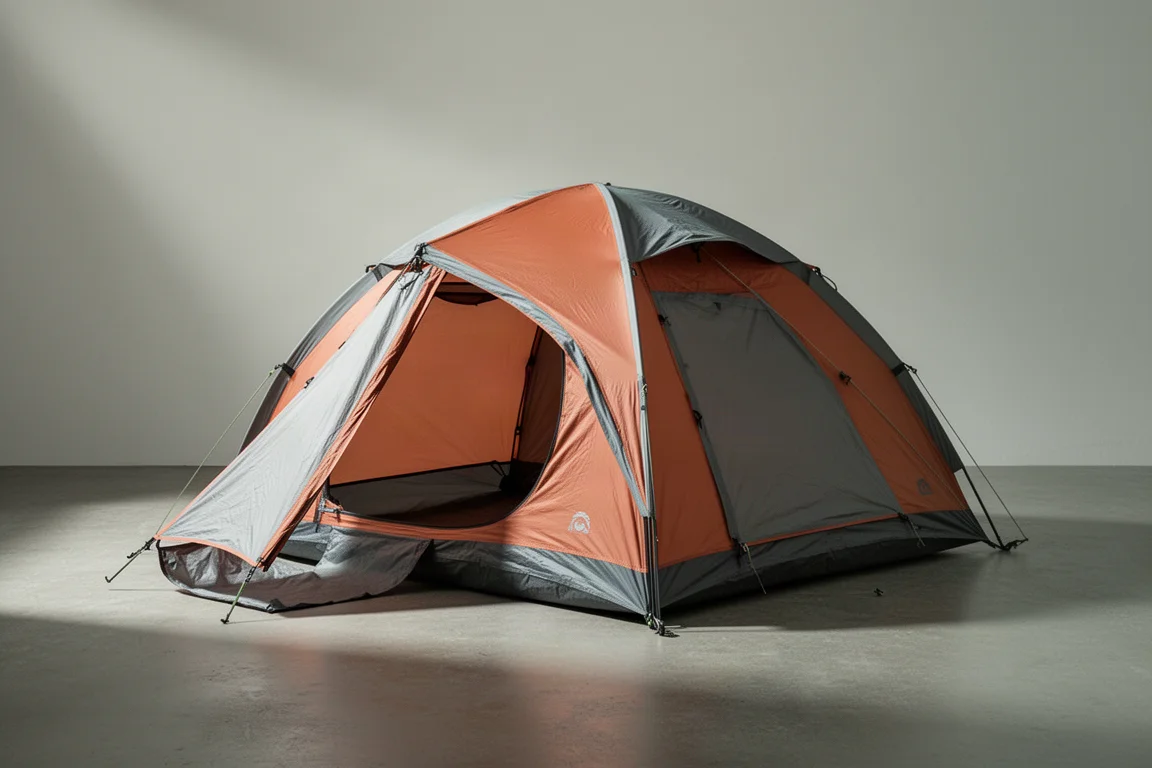
Alps Mountaineering Lynx 1-Person Tent Review: Big Value in a Small Budget Tent
A close look at the Alps Mountaineering Lynx 1-Person Tent, covering real interior dimensions, materials, setup time, ventilation limits, and who should buy it.