Camping Tents
Gazelle T3 Tent Review: A Roomy Pop-Up Shelter With Real Trade-Offs
A spacious, quick-pitching three-person pop-up tent with excellent wind stability, weighed down by weak airflow, condensation, bug entry points, and uneven build quality.
Introduction
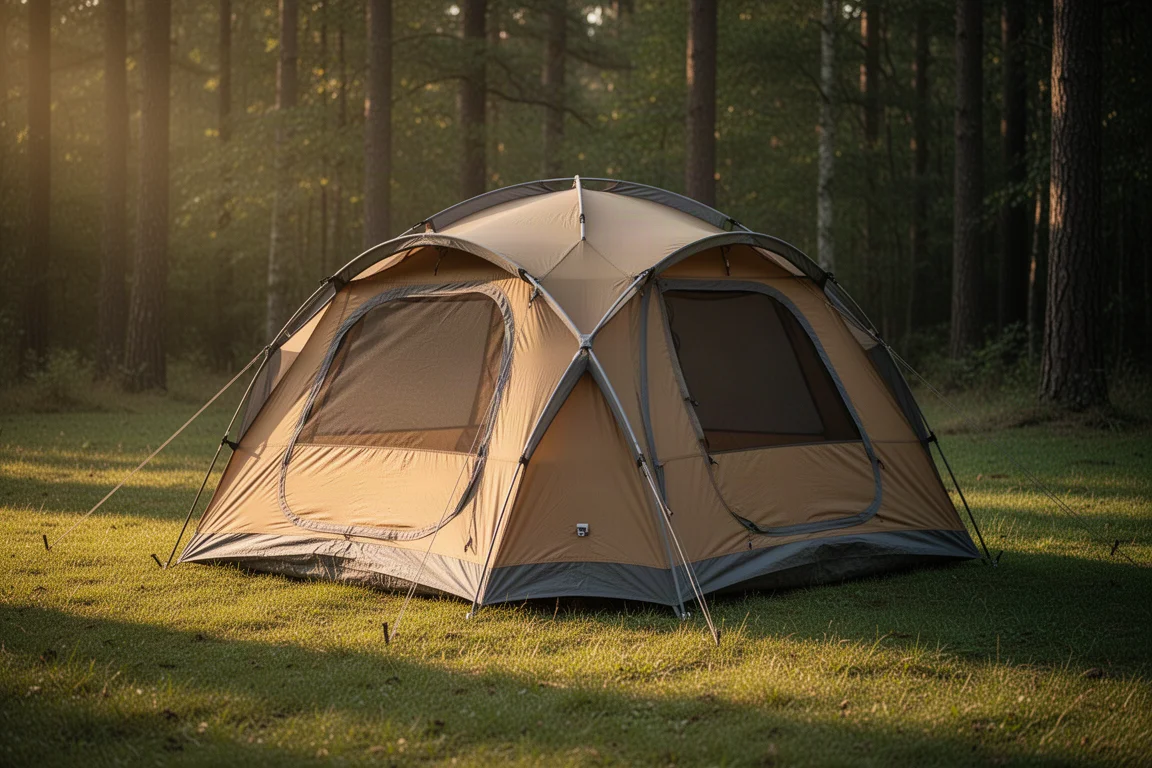
The Gazelle T3 Tent is the smallest and most compact model in a family of pop-up tents built around a hub-based frame. It pitches fast, it holds a lot of interior space, and it stays planted when the wind picks up. It also carries a list price of $389, which puts it firmly in premium territory for a car camping shelter.
Two nights of camping in mixed spring weather made the trade-offs clear. Warm, humid nights produced heavy condensation. Rain on and off meant the tent stayed closed up for long stretches. By the third morning, the case for the price had become much harder to make.
This review covers what the T3 does well, where it falls short, and who should think carefully before buying.
Who This Product Is For
The T3 makes the most sense for car campers who want a large, quick-pitching shelter for two or three people and who value a frame that stays rigid in strong wind. It is also the smallest option in the range, which matters if you want the pop-up format without handling an even larger tent.
It is a poor fit for anyone who expects to stand upright inside. It is also worth ruling out if you sleep hot, camp in humid conditions without airflow, or need a shelter that keeps crawling insects out reliably.
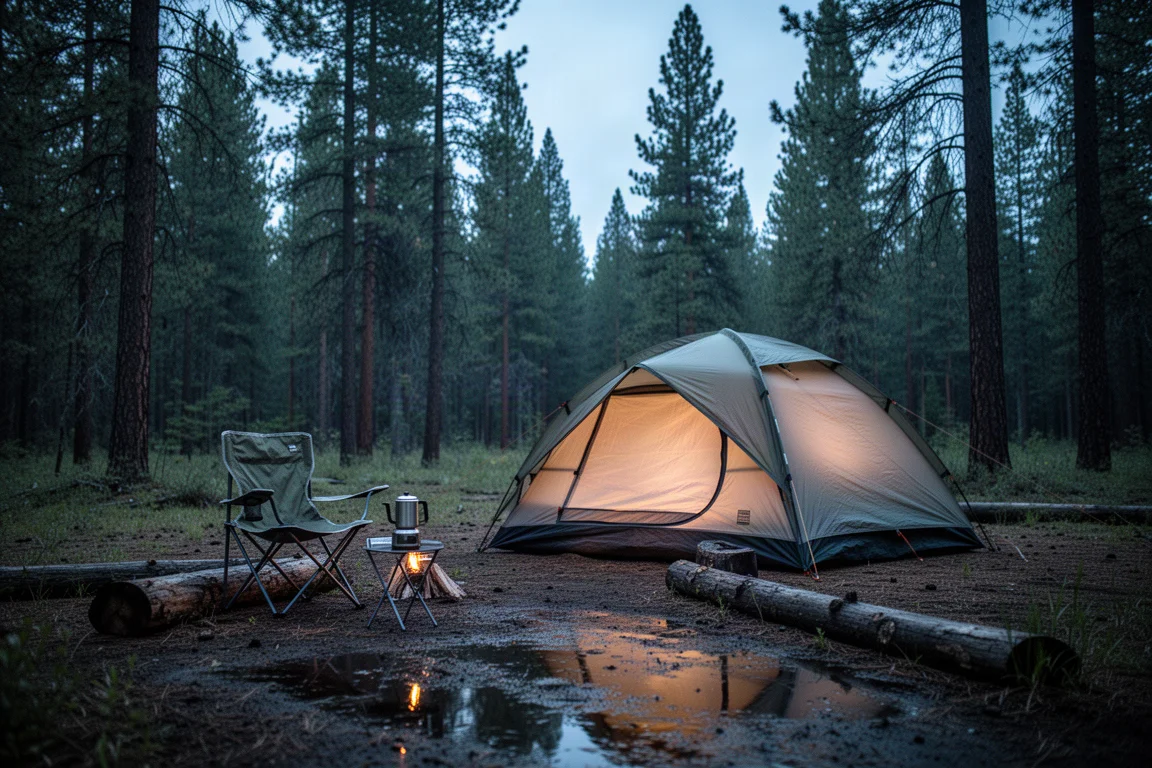
Buyers who plan to leave the tent set up at a basecamp for several days will get more from the format than those who break camp and move every morning.
Setup and Size in Practice
One person can set the T3 up alone. The hub frame pops into shape once you understand how it wants to move, and the process becomes routine after the first attempt.
The awkward part comes before that. The tent is bulky and heavy enough that carrying it from a vehicle takes real effort, and it is not something you casually pull out and move around one-handed.
Interior space is genuinely generous. There is comfortable room for two adults and enough space for three. What you cannot do is stand up. Even directly at the center of the tent, someone around five foot six cannot reach full standing height. The listed height overstates the real interior clearance by roughly four inches, which is a meaningful gap for anyone choosing this model specifically because they believed they could stand inside it.
Main Strengths
Wind stability is the standout quality. Once the frame pops out and the tent is staked down, the structure feels rigid and planted rather than flexing and flapping. It held up through a severe thunderstorm with winds near 50 miles per hour. The tent did leak in that storm, but in those conditions most tents would struggle, and the frame itself came through without drama.
The materials also feel substantial. Despite quality control problems elsewhere, the fabric and poles do not come across as cheap or flimsy. There is a sturdy feel to the whole structure that supports the premium positioning.
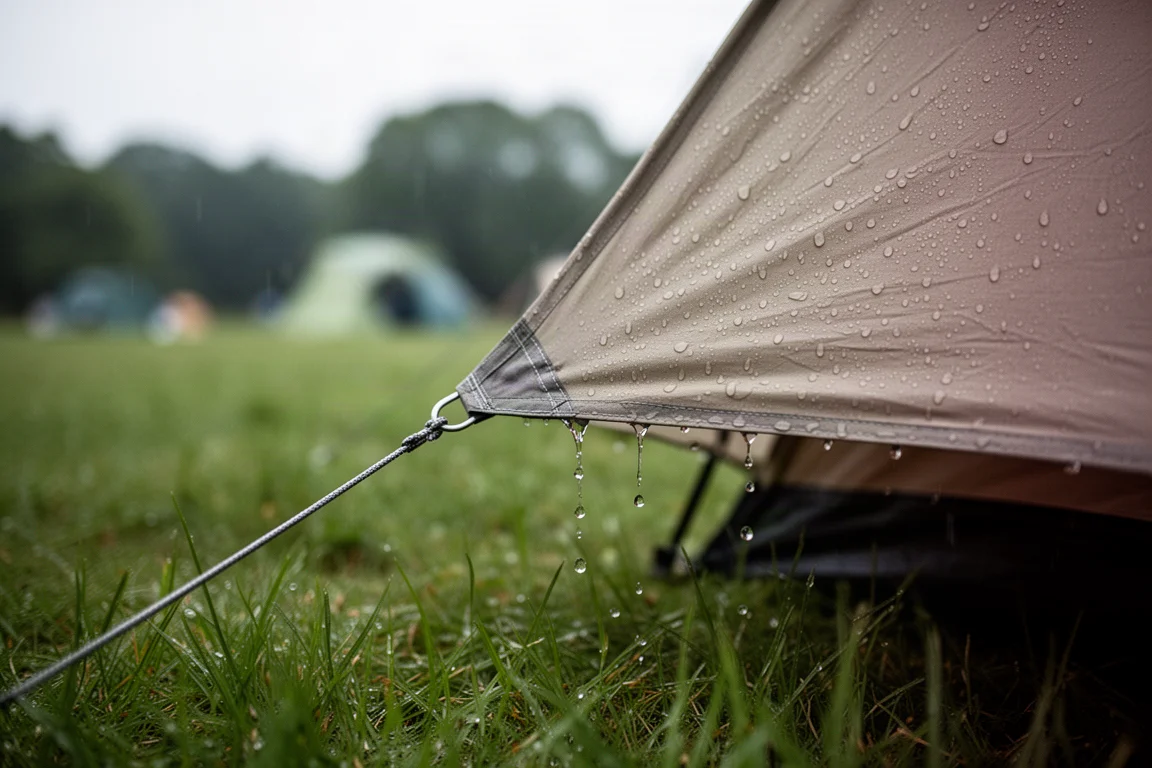
For exposed, windy campsites, that stability is a real advantage and the strongest argument for the design.
Airflow, Condensation, and Bug Protection
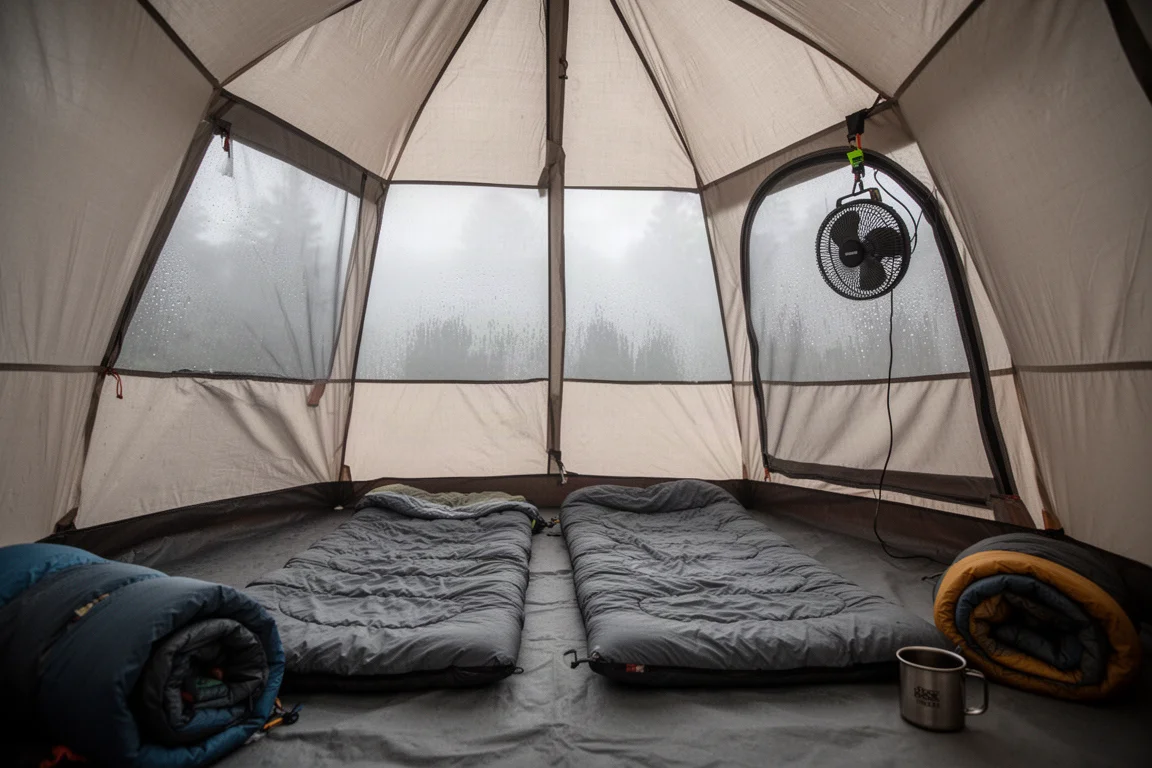
Airflow is the biggest functional weakness. The mesh over the vents is tightly woven, so very little air moves through it. It takes a substantial gust to push meaningful airflow into the tent. With the tent sealed up during rain, the interior became stifling, and a small fan made a noticeable difference.
The result each morning was soaked interior walls. It was never fully clear whether the moisture came from condensation, from leaking, or from both.
Bug protection is a second problem. Over two nights, spiders and a beetle turned up inside the tent. One spider was watched entering through the opening at the top of the roof, the same opening used to raise and collapse the structure. That gap is large enough for a full-size spider to pass through.
The floor attaches to the walls with velcro, and other owners have reported insects coming in at that seam. That attachment point is also a wear item: repeated separation will loosen it, and debris caught in the velcro makes a clean seal harder to restore.
Things to Consider Before Buying
Construction quality is inconsistent. There are loose threads and small holes across the tent, and the stitching on some seams is rough. One section of loose thread spanned from one side of the interior to the other, forming a thick wad of strands.
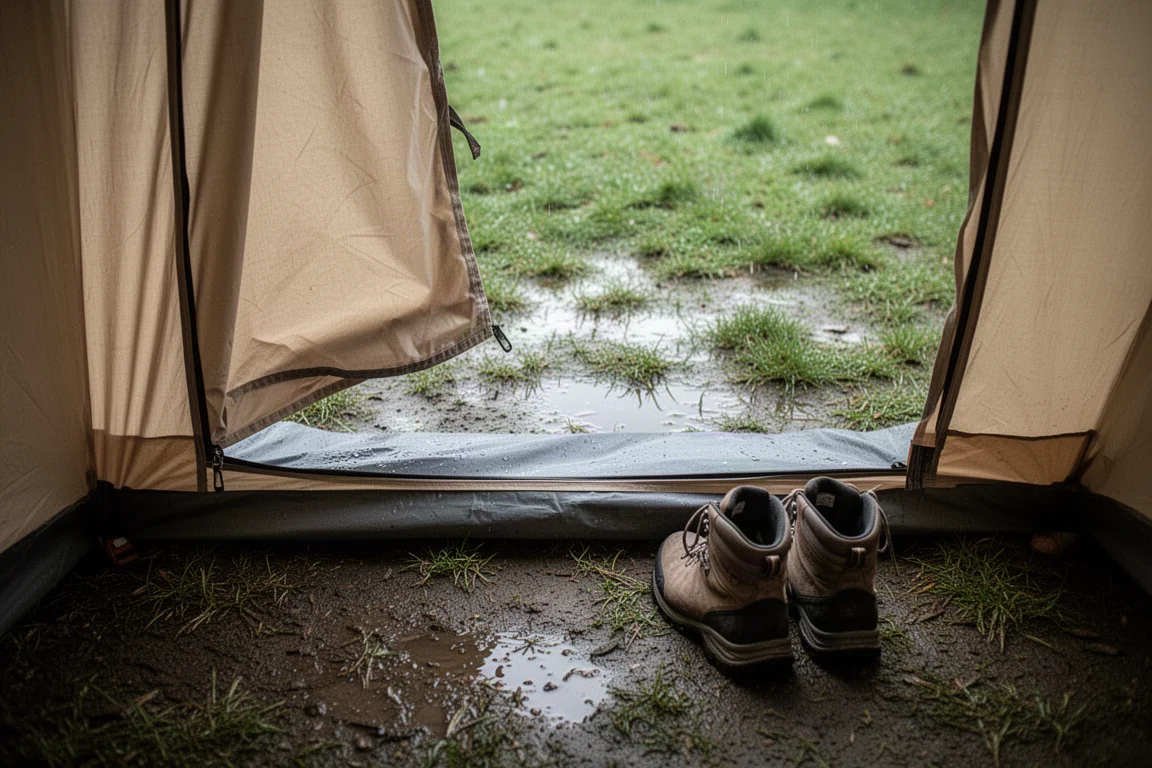
The doorway is another practical annoyance. Getting in and out takes more care than it should, and it is easy to trip over the threshold. Larger campers and anyone with mobility limitations will find it harder still.
Then there is the price. At a $389 list price, the T3 sits at the top of the range for this type of shelter, and the flaws above are difficult to overlook at that level. Sale pricing helps, but it does not change the fundamentals.
Weather Resistance and Waterproofing
The T3 handled ordinary rain without obvious trouble, but it is not a tent to trust in everything. It leaked during a severe storm with near 50 mile per hour winds. Reports from other owners describe serious leaking at the hub areas.
On wet, humid nights the interior ended up damp every morning. Whether that moisture was condensation, leakage, or a combination is hard to separate, and that ambiguity is itself a concern for anyone planning trips in sustained rain.
Buying Advice
The T3 is a genuinely roomy, quick-pitching tent with an impressively rigid frame, and those qualities are real. The question is whether they justify the price once airflow, condensation, bug sealing, doorway access, and build quality are factored in.
If your priority is a large pop-up shelter for fair weather car camping with reliable wind stability, the T3 delivers on those points. Plan for a fan to move air, check the seams and stitching as soon as it arrives, and be realistic about not standing up inside.
If you sleep warm, camp in humid regions, or want a shelter that keeps insects out, look at alternatives with better ventilation and a sealed floor before committing. At a much lower price the flaws would be easier to accept, but at the current list price the value is hard to defend.
Buyers who can inspect the tent in person or buy from a retailer with a straightforward return window will be in a better position to judge whether their specific unit has the same issues.
Conclusion
The Gazelle T3 Tent is a case of a strong concept with uneven execution. The pop-up frame is fast, the interior is spacious, and the structure is remarkably stable in wind. Against that, airflow is poor, condensation is heavy, insects can find their way in, the doorway is awkward, and quality control is inconsistent for the money.
It can work well for the right camper in the right conditions. For everyone else, the trade-offs are significant enough that it is worth comparing other large tents first.
Product link
View more details for Gazelle T3 Tent
This product is mentioned in the review. Check the specifications, options, and compatibility before buying.
View more details for Gazelle T3 TentFurther reading
Related Reviews
Camping Tents
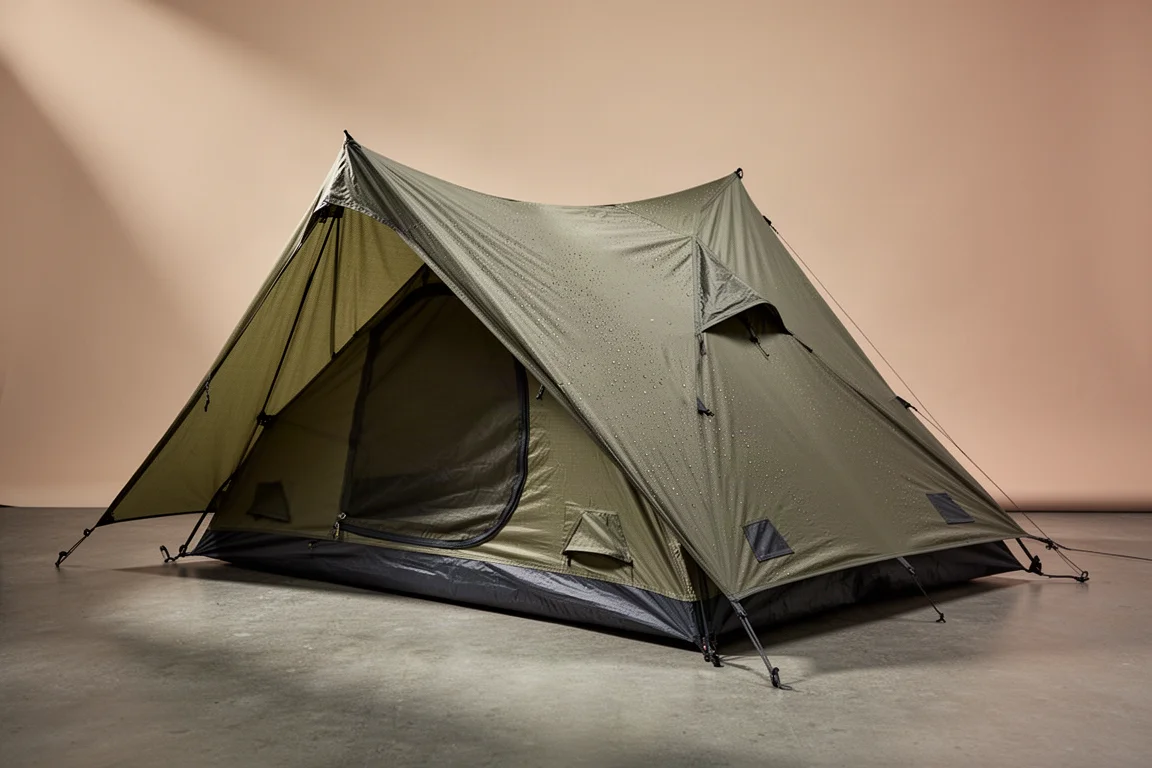
3F UL Gear Taiji Two-Person Tent Review: Field Waterproofing Results and Buying Advice
The Taiji pairs an attached fly with a removable inner, but sustained rain exposed untaped vent seams that need sealing before this shelter can be trusted.
Camping Tents
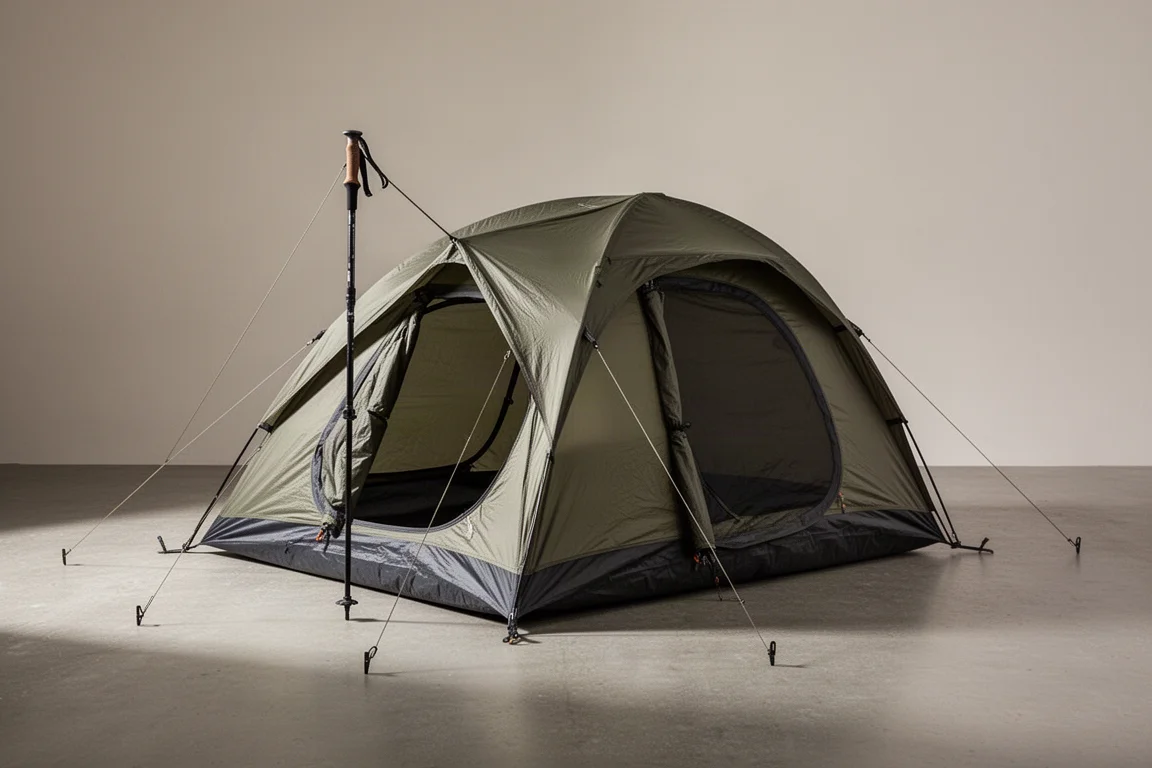
3FUL Gear Lanshan 2 Pro 4-Season Review: A Sub-$200 Single-Wall Trekking Pole Tent
An early look at the 3FUL Gear Lanshan 2 Pro 4-Season, covering its straightforward pitch, generous interior space, and the condensation and seam-sealing questions that come with any single-wall shelter.
Camping Tents
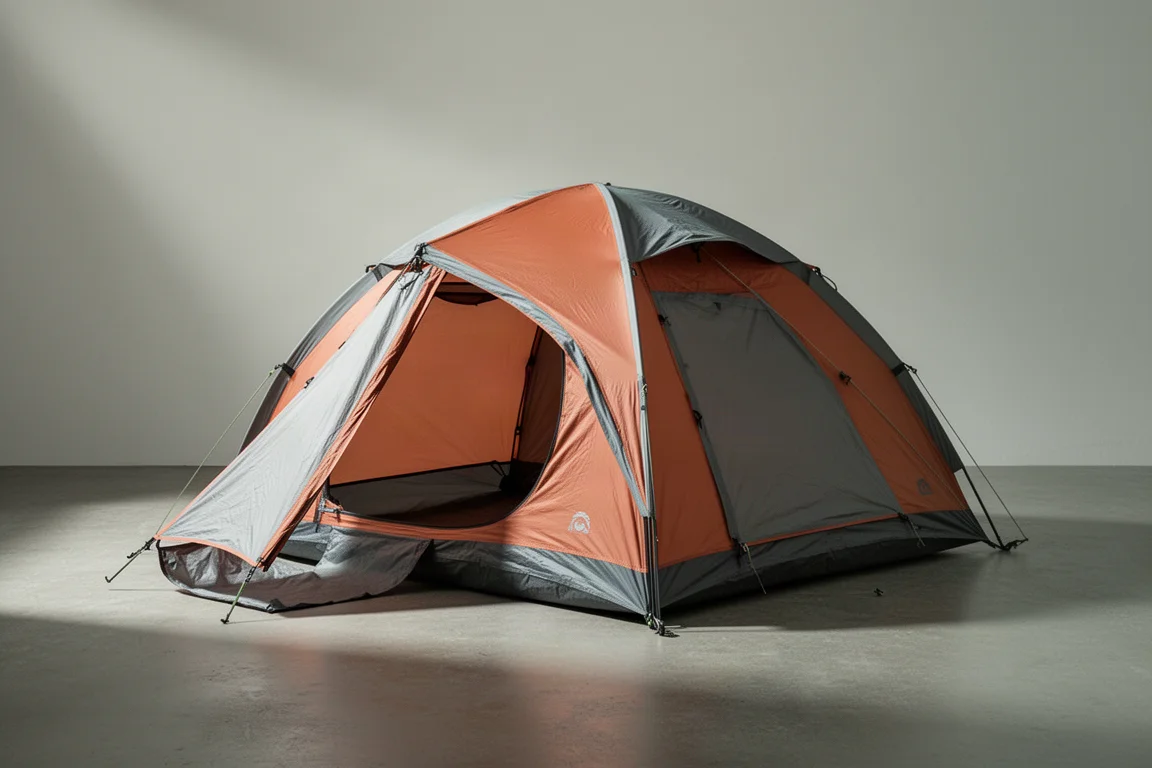
Alps Mountaineering Lynx 1-Person Tent Review: Big Value in a Small Budget Tent
A close look at the Alps Mountaineering Lynx 1-Person Tent, covering real interior dimensions, materials, setup time, ventilation limits, and who should buy it.