Smartwatch Accessories
Garmin Watch Charging Options: Cable, Battery Puck, or Adapter
Three practical ways to keep a Garmin watch charged, from the official cable to a battery-equipped puck and a tiny budget adapter.
Introduction
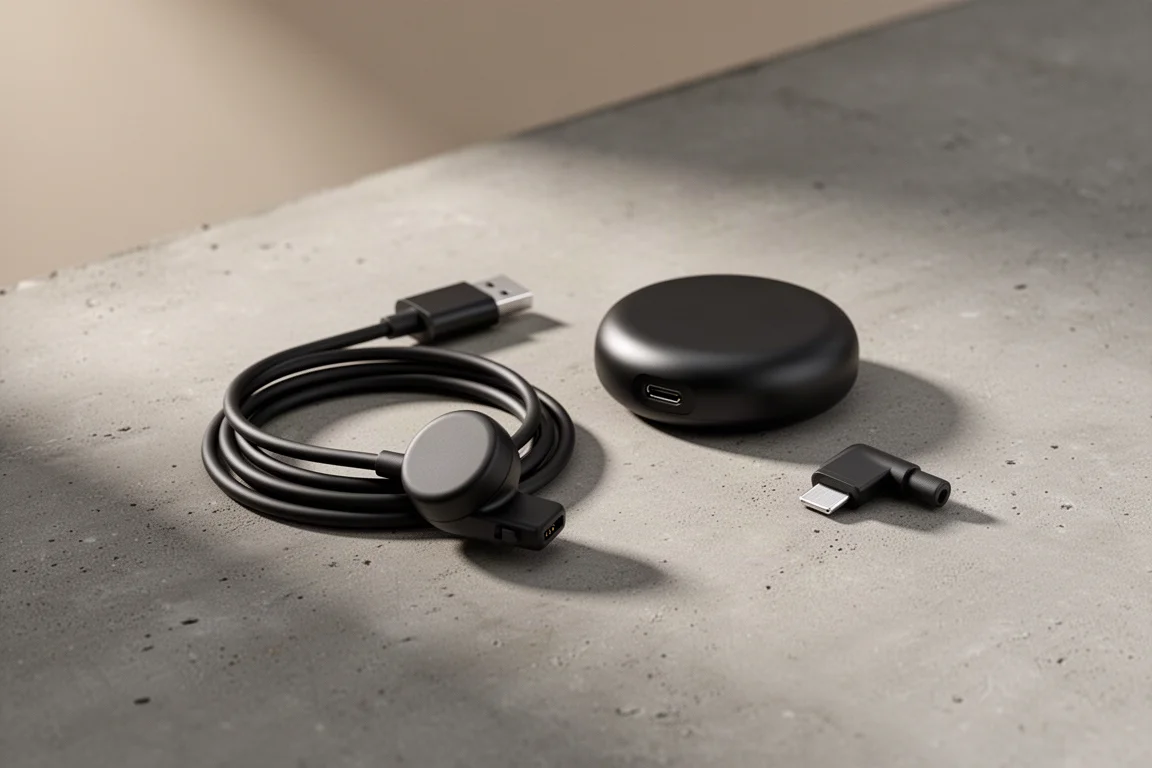
Garmin watches are built for long days away from a wall socket, but keeping one topped up takes a little planning. The official charging cable is a dependable, well-made accessory, and it sells for around $25. That price is exactly why two alternatives are worth a look: a third-party charging puck with a battery built in, and a tiny L-shaped adapter that turns a USB cable you already own into a watch charger.
This guide covers all three options, what each one does well, and where each one asks for a compromise. The aim is to match the accessory to the way you actually use your watch, whether that is an overnight routine at home, a multi-day hike, or a bag that is constantly in transit.
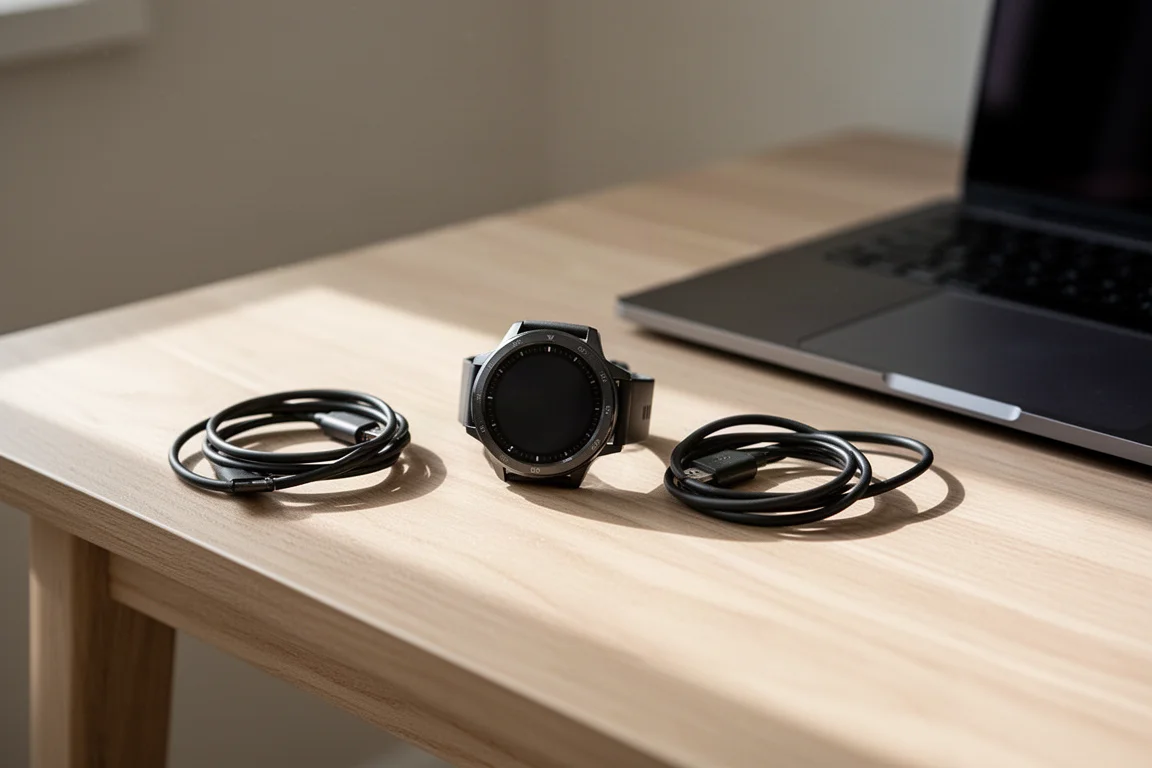
None of the three is a universal winner. The right pick comes down to whether you value official reliability first, charging without an outlet, or spending as little as possible.
What Matters in a Garmin Watch Charging Setup
Three practical factors separate these options, and they matter more than brand names do.
The first is the power source. A cable needs a wall outlet or a USB port. A charging puck with its own battery does not. An adapter sits in between, because it needs a cable and a power source but can use whatever you already have on hand.
The second is data pass-through. Garmin watches can connect to a computer to update through Garmin Express, and not every accessory carries that data connection. Some are charging only, which is fine until the day you want to update the watch without hunting for the original cable.
The third is fit and access. The back of a Garmin watch is a small target and the band sits close to it. A connector that approaches from the front has to work around the band, while a side-entry connector does not. Secure fit matters most on a device you wear while moving.
Best Overall: The Official Garmin Charging Cable
The official cable is the safe choice, and there is a reason it ships in the box with the watch. It charges reliably, it handles the data connection so the watch can talk to a computer and update through Garmin Express, and the fit is consistent every time. That last point is not a small thing. Cheaper third-party cables have a habit of working loose, fitting poorly, or falling apart after a while, and the official cable avoids that pattern.
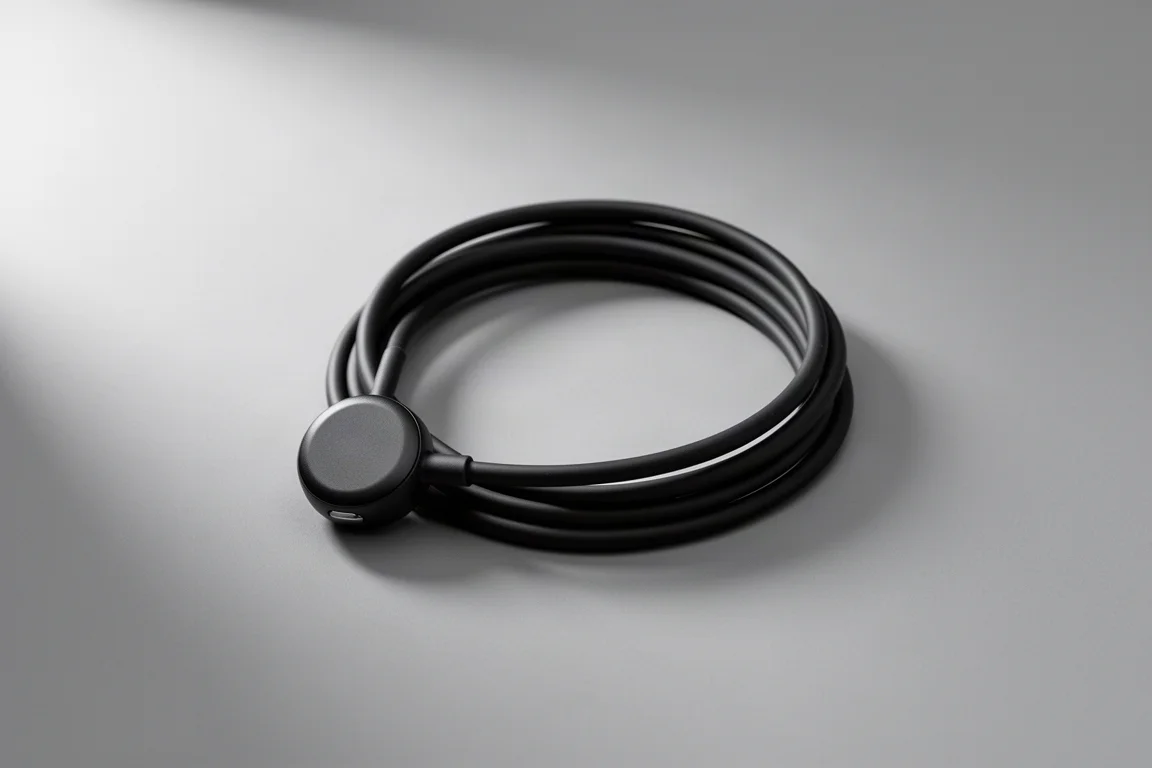
The trade-offs are price and cable routing. At around $25 it costs more than either alternative here, and the connector plugs straight into the back of the watch from the front, so it competes with the band while the watch is on your wrist. It is also only a cable: there is no battery, no lanyard, and nothing extra beyond what you already expect.
Best for Travel and Emergencies: The Battery Puck Charger
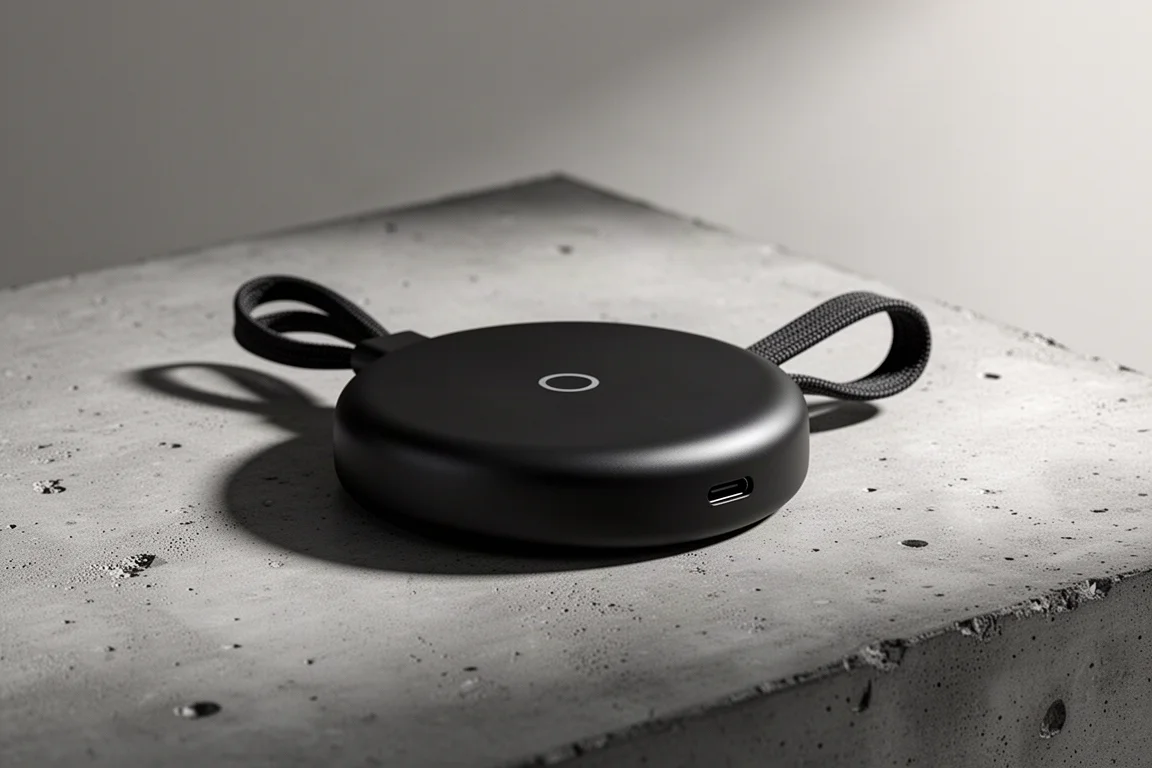
This is the most interesting of the three because it is two devices in one. It is a third-party accessory rather than an official Garmin product, and it works by snapping the watch onto the back of the puck. In repeated use the watch stayed put and never came off, which makes it a comfortable option for charging on a desk or in a tent.
One edge of the puck has a USB-C port. Plug it into a wall charger and it tops up the watch and the 1,200 mAh battery inside at the same time. Unplug it and the puck becomes a portable power source: attach it to the watch and it charges with no outlet involved. On a Garmin Fenix watch it added roughly 27 percent of a charge in about an hour, which is a sensible return for an accessory designed to top up rather than replace a full charging session.

The clever part is what happens in a pinch. If the watch runs out mid-hike, the puck can sit underneath it and be worn on the wrist while an activity keeps recording. It is not pretty and not comfortable, and heart rate readings stop, but tracking continues when the alternative is losing the rest of the route. A small lanyard lets you clip the puck to a backpack so it stays with you.
Two caveats are worth knowing before buying. A few user reports mention the puck coming loose or not working with certain Fenix models, even though the fit held up well in extended use here. More importantly, it does not pass data through, so it cannot connect the watch to a computer for Garmin Express updates. Some reports also raise quality control questions, which is not unusual for a non-Garmin accessory. At around $25 it costs the same as the official cable alone, and the built-in battery is the real reason to choose it.
Best Budget Pick: The L-Shaped Charging Adapter
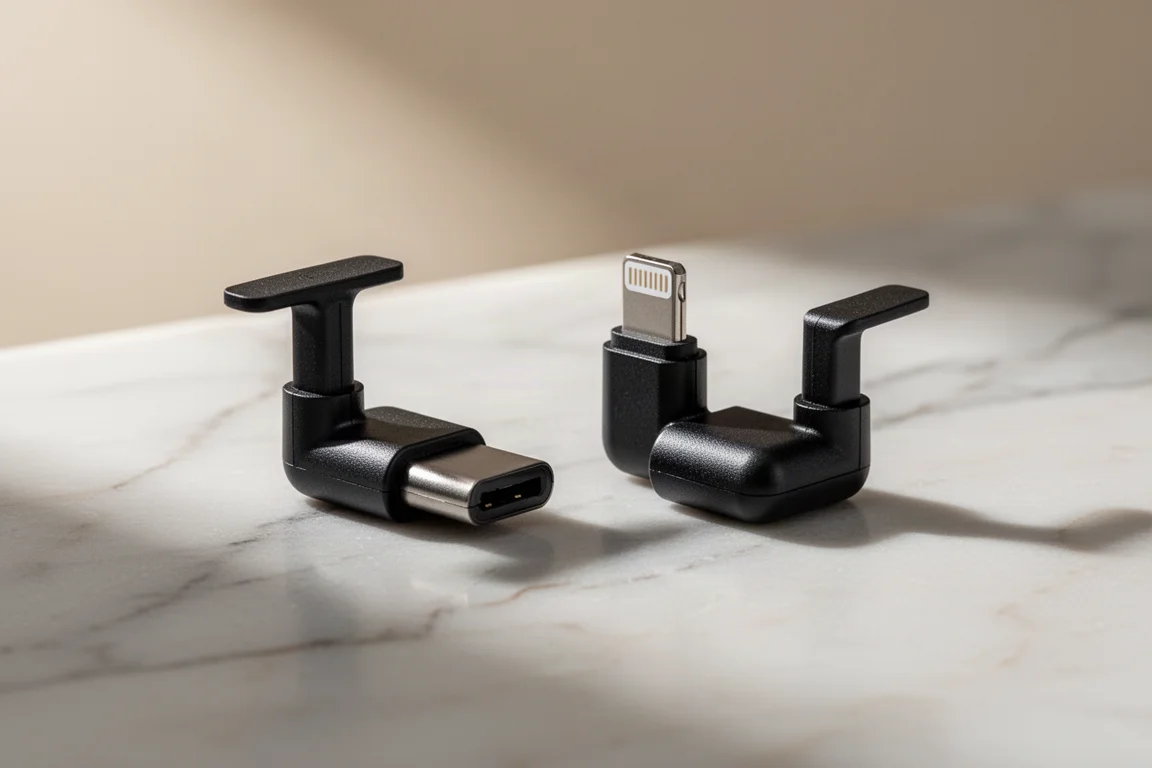
The adapter is the simplest idea of the three and by far the cheapest. A standard USB cable plugs into one end, whether that cable is attached to a wall charger or a battery pack, and the L-shaped connector on the other end goes into the back of the watch. Because it enters from the side rather than straight on, it does not fight with the watch band the way the official cable does. It fits securely and it simply works.
Price is the headline. Two of these adapters cost about $6.99, and most people already have a spare USB cable somewhere, so the total outlay is a fraction of a $25 cable. The adapter also supports data pass-through, so the watch can still connect to a computer and update through Garmin Express. Small lanyards are included, and keeping one permanently attached to a USB-C cable is a simple way to stop it disappearing into a drawer.
The obvious limitation is that it is only half of a charger. Without a cable and a power source it does nothing at all, so it is not the item to grab if you want one self-contained accessory in a pack.
Real-World Charging Scenarios
Charging habits tend to fall into a few patterns, and each one points toward a different accessory.
For an overnight routine at home, the official cable and the adapter are equally convenient. Both charge reliably, both carry the data connection, and both live happily next to a bedside outlet or a laptop.
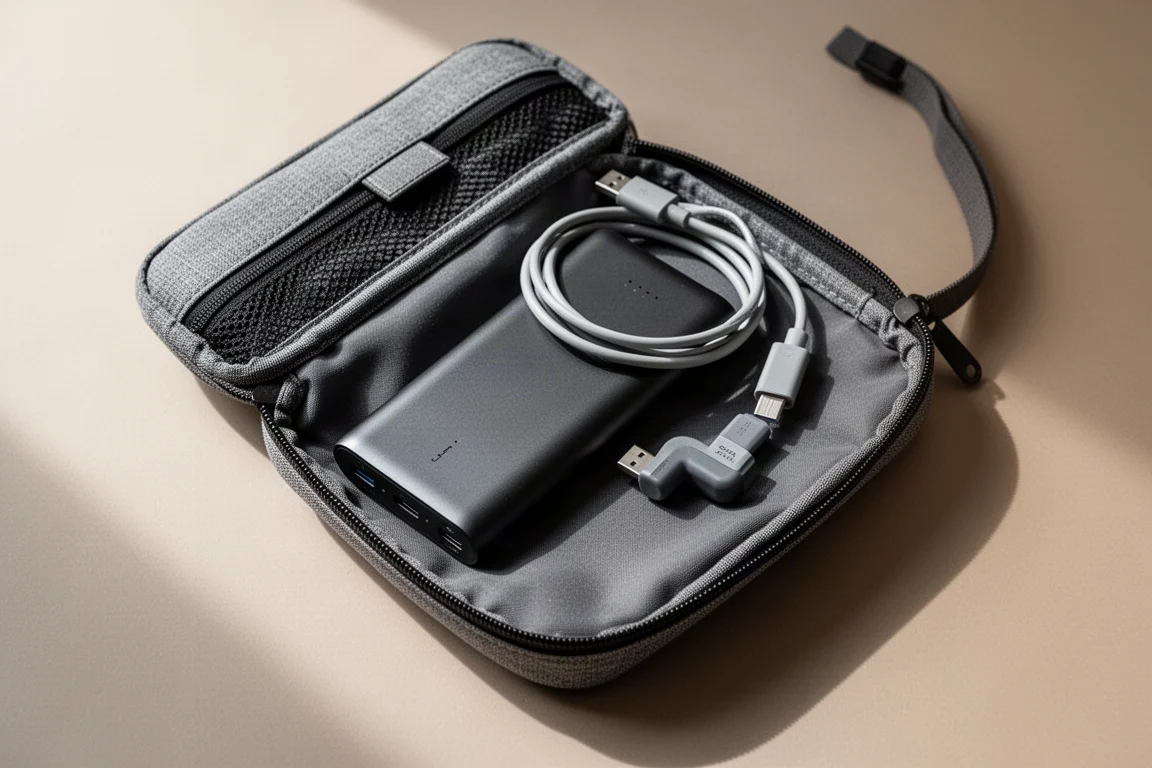
Travel and trail days shift the balance toward the puck. A long hike, a camping weekend, or a flight with no accessible outlet are exactly the situations where a built-in battery earns its place, and the ability to keep recording an activity while the watch charges is a genuine advantage.
If the goal is simply to avoid paying for a second official cable, the adapter covers the same ground for a fraction of the cost, as long as you accept that it depends on a cable and a power source you already own.
Compatibility and Data Transfer Notes
Data pass-through is the clearest dividing line between these three. The official Garmin cable and the L-shaped adapter both carry the data connection, so a watch can be plugged into a computer and updated through Garmin Express. The battery puck does not, which makes it a charging-only accessory.
Fit is the second consideration. The official cable enters from the front and works around the band. The adapter enters from the side, which keeps the band clear. The puck relies on snapping the watch onto its back, and while it held securely in extended use, a small number of user reports describe it coming loose or failing on certain Fenix models.
Finally, there is the question of quality control. Official Garmin accessories have a consistent track record, while third-party options vary more. That is not a reason to avoid them, but it is a reason to buy from a seller with clear return terms.
Buying Advice: Choosing the Right Charging Option
The right choice comes down to what you want the accessory to do when there is no outlet nearby.
If reliability and a single official accessory matter most, and you update your watch through a computer, the Garmin charging cable is the straightforward answer. It costs more, but it is the item that came with the watch for a reason.
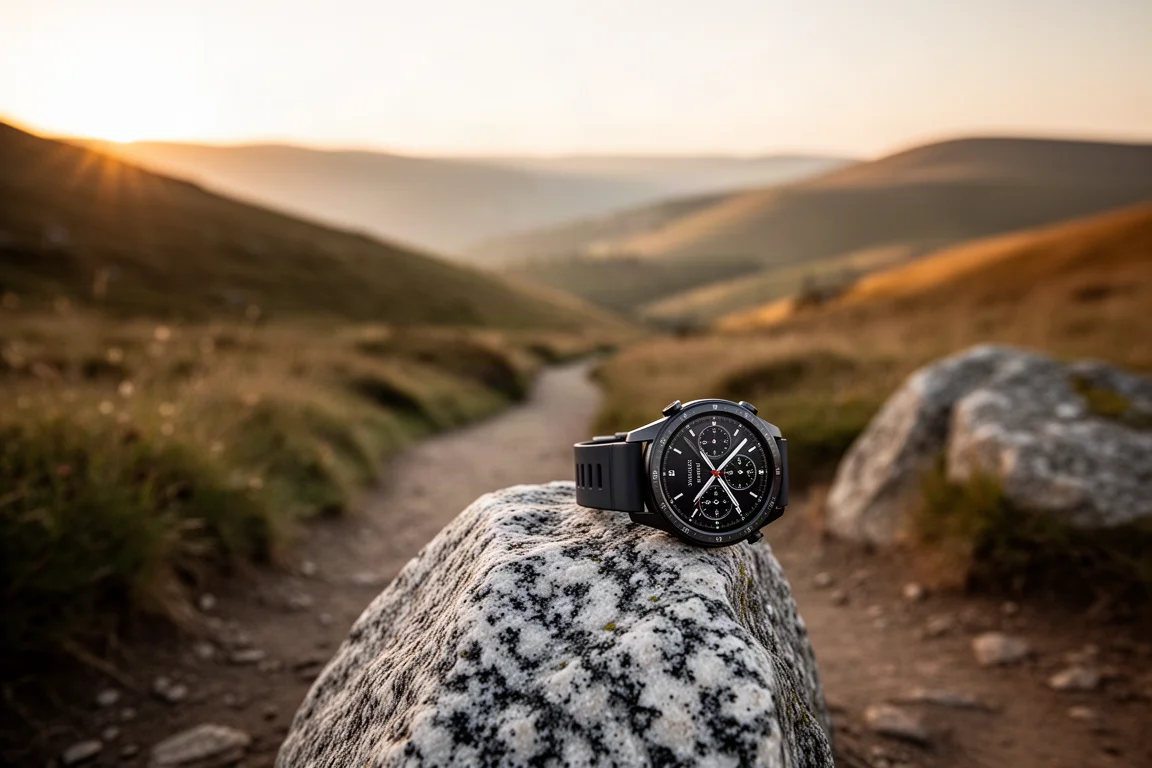
If you spend time away from power, the battery puck is the more useful companion. It covers both charging and emergency top-ups, and at around the same price as the official cable it adds a 1,200 mAh battery and a lanyard without asking much in return. The missing data connection is the trade-off to accept.
For the lowest possible spend, the L-shaped adapter is hard to argue with. At about $6.99 for two, with data pass-through included, it turns cables you already own into a working watch charger. Just remember that it needs a cable and a power source to do anything at all.
Conclusion
Charging a Garmin watch does not have to mean buying the same $25 cable again. The official cable remains the most dependable option and the only one that pairs charging with a full data connection in a single, well-built piece. The battery puck adds something the official cable cannot do, which is charging without an outlet, at the cost of data pass-through. The L-shaped adapter is the value pick, and for a few dollars it covers the same basic job as long as you supply the cable.
Match the accessory to the routine and any of the three will keep the watch on your wrist and running.
Further reading
Related Reviews

Backpacking Gear
Building a 10 lb Base Weight: An Ultralight Backpacking Gear List
A practical walkthrough of the ultralight pieces behind a 10 lb base weight, from a 765 g pack and a roomy one-person tent to a full camp chair and a dependable water filter.

Road Bikes
10 New Road Bikes Worth Watching: Aero, Titanium, Steel and Endurance Standouts
A practical roundup of 10 new road bikes, from aero flagships chasing single-watt gains to titanium, steel and endurance platforms built for real roads.

Bikepacking Gear
11 Bikepacking Essentials for Long-Distance Cycling
Eleven bikepacking essentials for long-distance cycling, from a steel gravel frame and a two-person tent to helmet lights, packable gloves, and a frame bag that puts weight in the right place.