Cycling Electronics
Garmin vs Wahoo Bike Computers: How to Choose the Right GPS Cycle Computer
A practical guide to Garmin Edge and Wahoo Elemnt bike computers, covering range, battery, mounts, mapping, and who each model suits.
Introduction
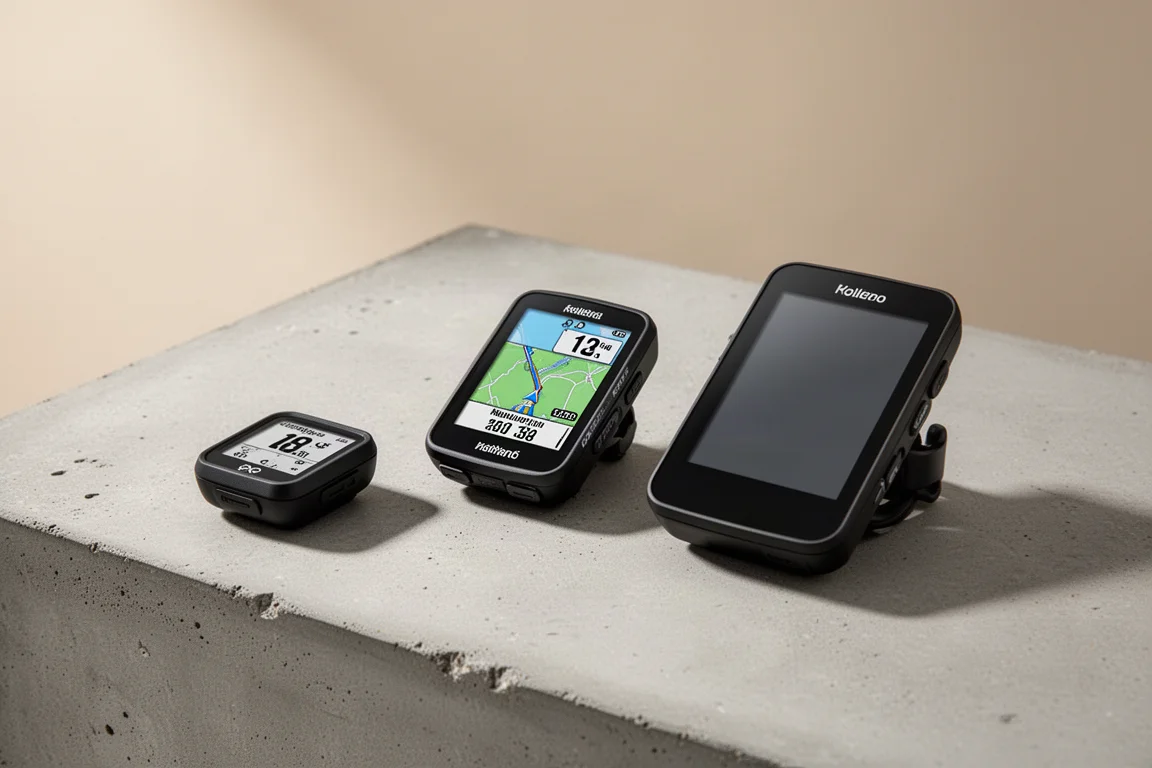
Garmin and Wahoo dominate the bike computer market, and choosing between them comes down to your priorities. Garmin offers a wide range from budget to premium, with features like touchscreens, solar charging, and detailed mapping. Wahoo counters with a refined interface, neat mounts, and clever LED arrays. This guide breaks down the current Garmin Edge and Wahoo Elemnt models so you can match a computer to your riding.
Garmin Edge 130 Plus: Compact and Budget-Friendly
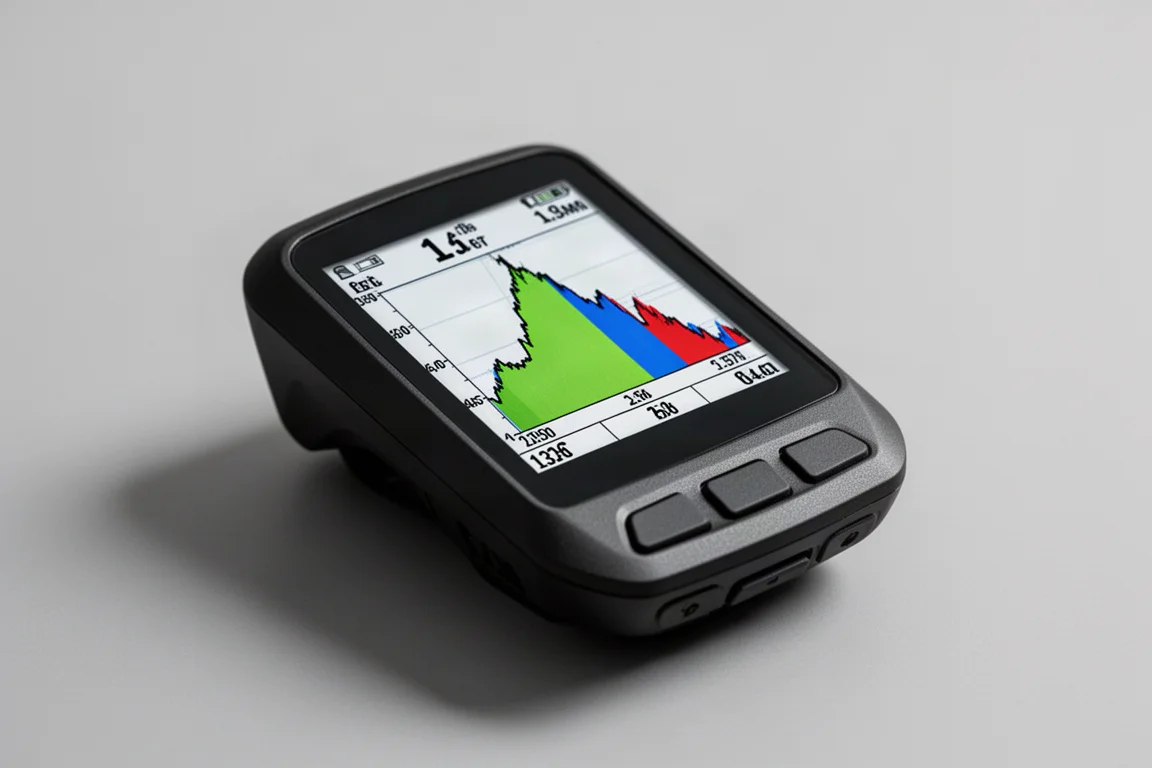
The Garmin Edge 130 Plus is the entry point, featuring a monochrome screen and five-button control. It provides a simple breadcrumb trail for navigation rather than full basemap mapping, and offers fewer data fields per screen than higher models. Its claimed battery life is 12 hours, which is enough for most rides. At around $200, it is a practical choice for riders who want essential ride data without spending much.
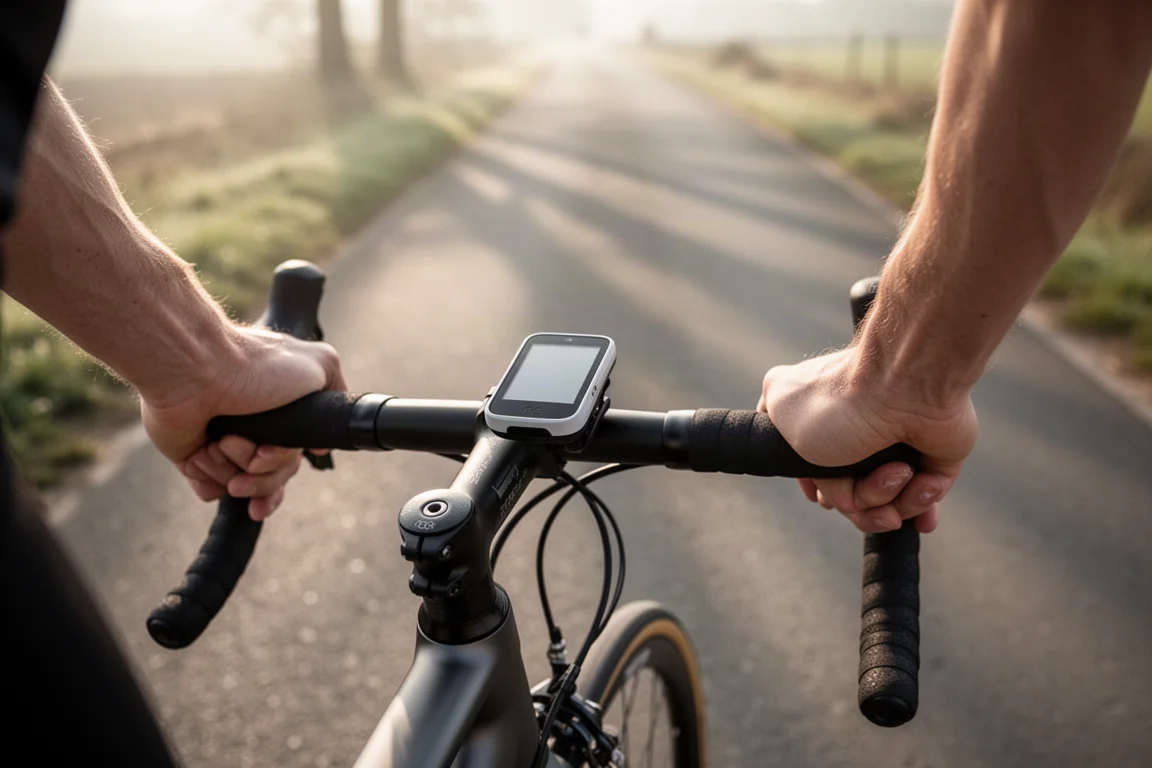
If you mostly ride familiar roads and just need speed, distance, and basic route guidance, the Edge 130 Plus keeps things simple. The button layout works reliably in all conditions, and the compact size suits smaller cockpits.
Garmin Edge 530: Button-Controlled Color
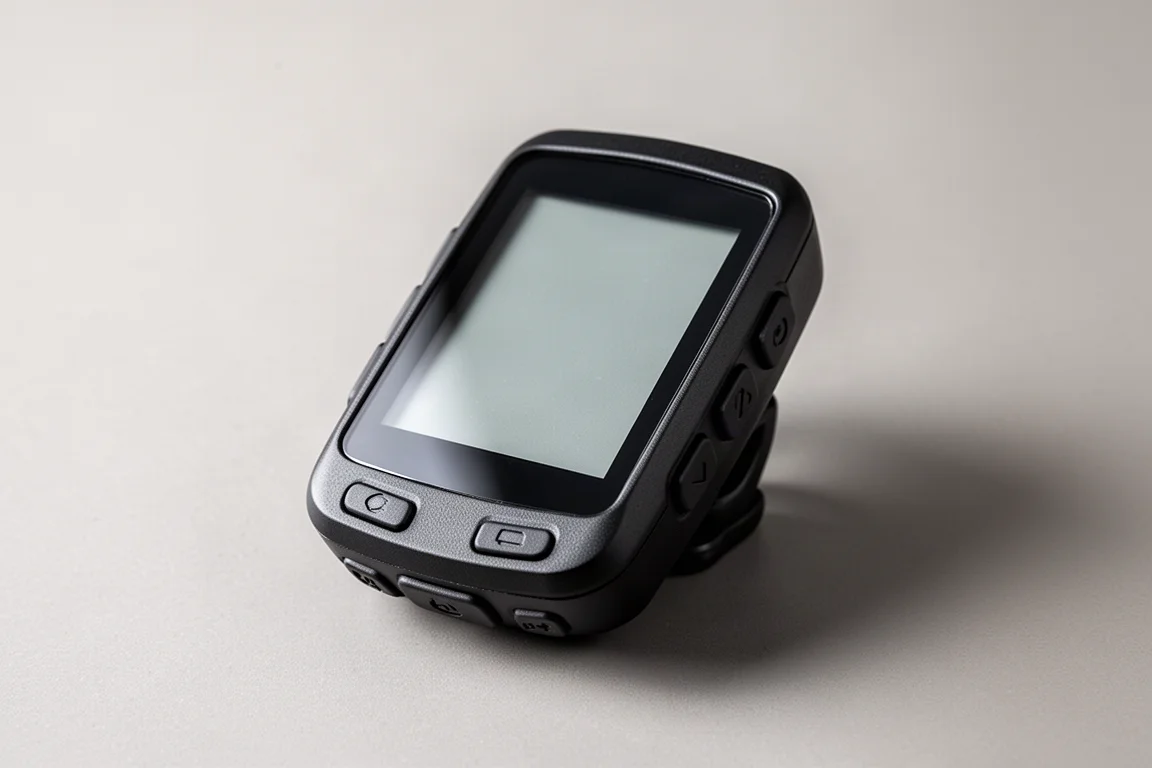
The Garmin Edge 530 steps up to a larger color screen while keeping button control. It includes basemap mapping, so you can see roads and areas rather than a simple line. Garmin’s maps are more colorful and feature-rich than Wahoo’s, and heat maps help identify cycle-friendly routes. The Edge 530 is priced similarly to Wahoo’s Elemnt models, around $300.
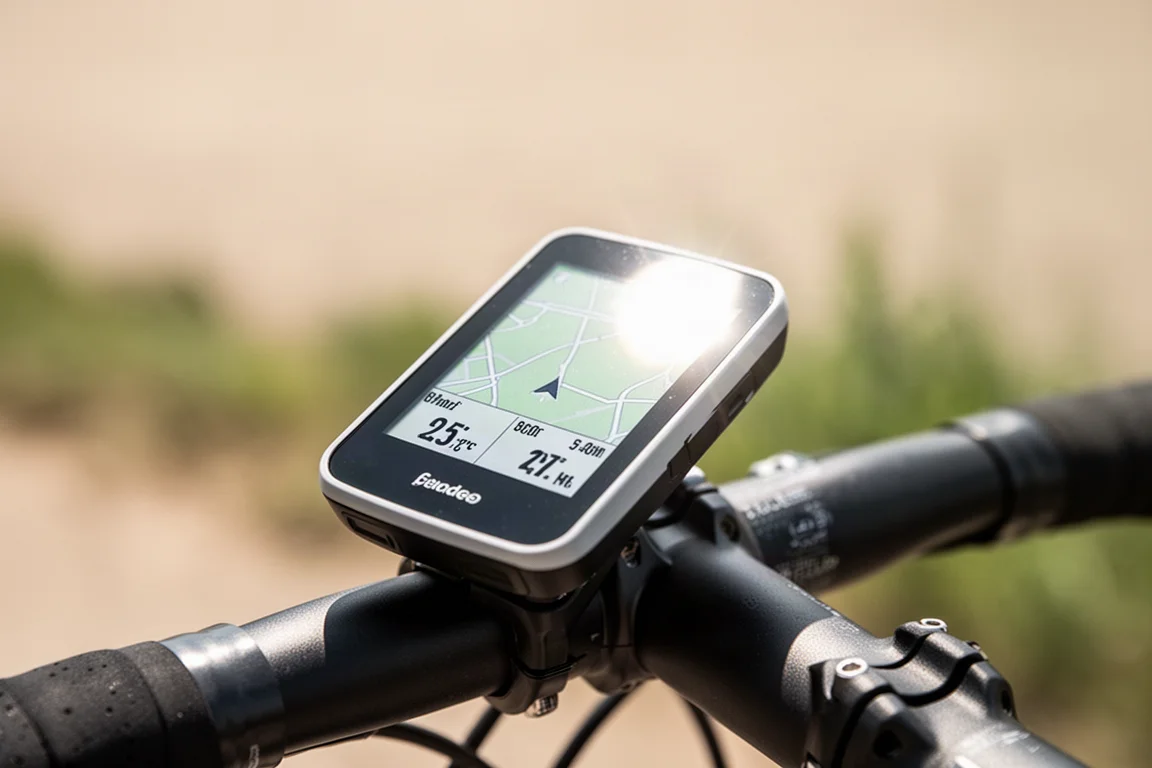
Button control remains a preference for many riders, especially in wet or muddy conditions. The Edge 530 balances a clear color display with tactile operation, and it supports the same sensor and connectivity features as the rest of the Garmin line.
Garmin Edge 830: Touchscreen Control
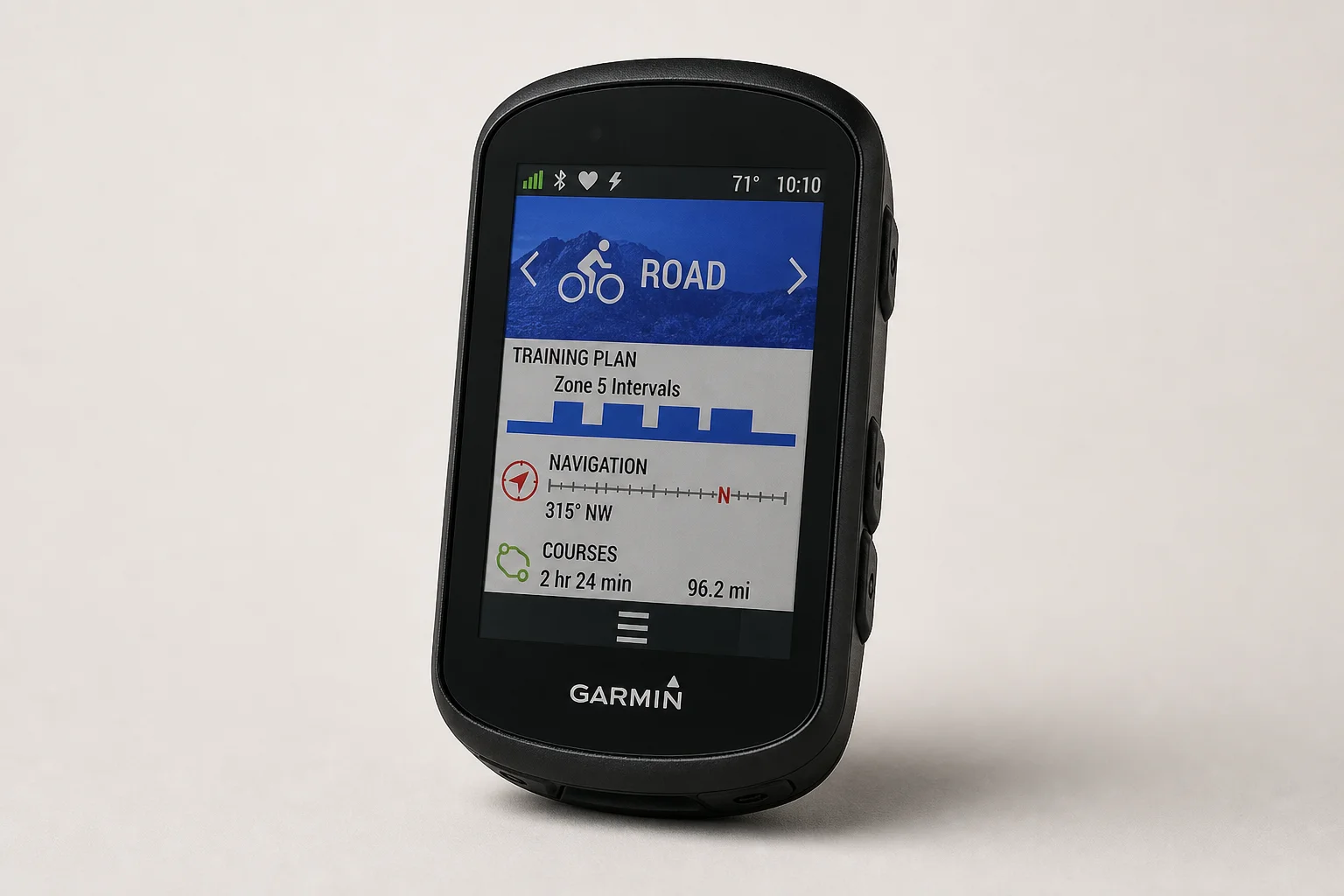
The Garmin Edge 830 adds a touchscreen to the Edge 530’s size and mapping features. Touchscreens can be quicker for panning and zooming, but the raw source notes they can be difficult to use in the wet, off-road, or with thick gloves. If you ride in varied conditions and prefer buttons, the Edge 530 is a safer bet. The Edge 830 suits riders who value the convenience of touch and mostly ride in good conditions.
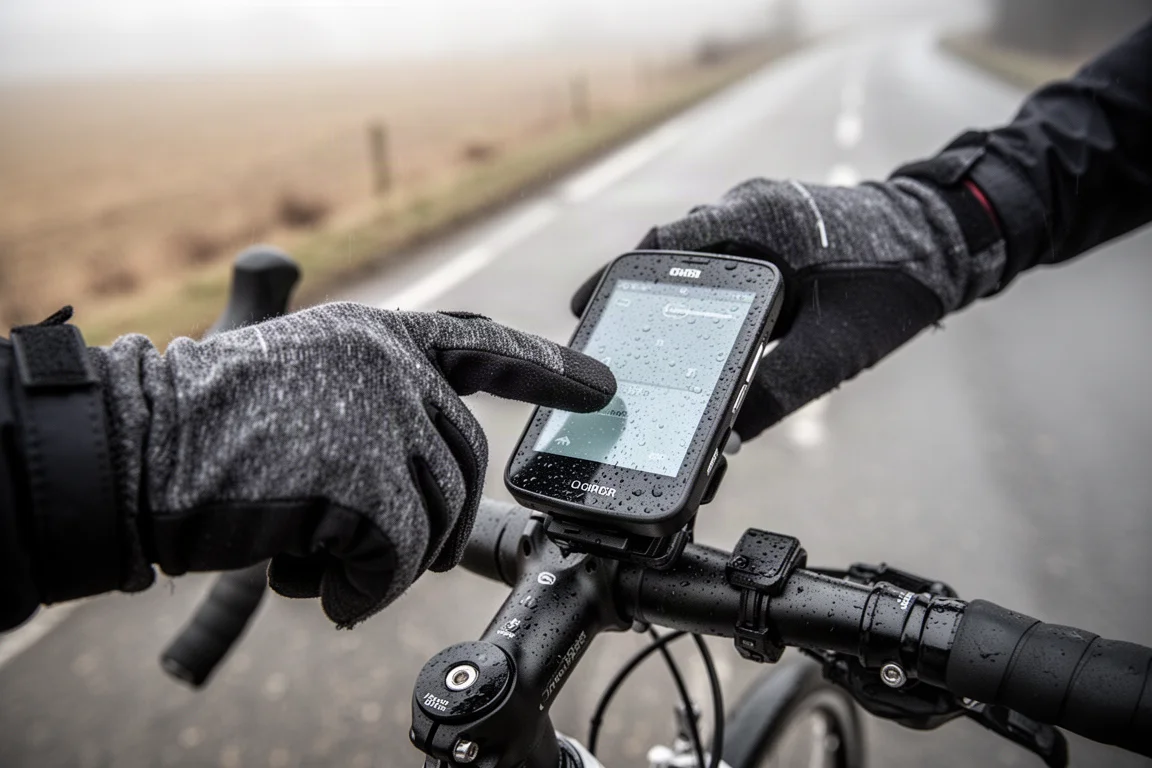
For many, the touchscreen is a nice-to-have rather than a necessity. The Edge 830 still includes all the mapping and training features of the 530, so the main decision is the input method.
Garmin Edge Explore: Larger Touchscreen
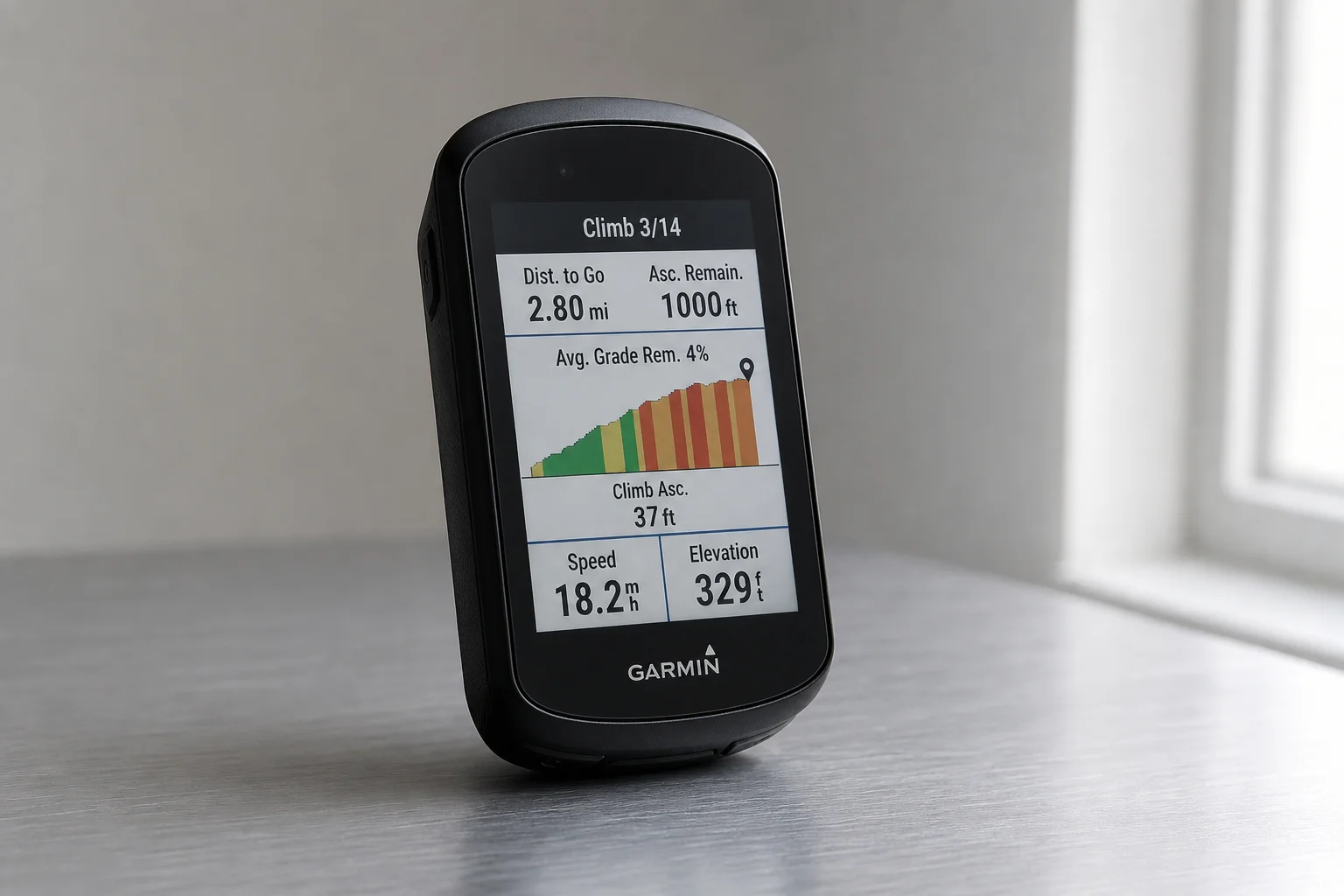
The Garmin Edge Explore offers a larger touchscreen, making it easier to see maps at a glance. Like the Edge 830, it uses touch control, so the same caveats about wet or gloved use apply. It is a good fit for touring and adventure riding where screen real estate matters.
Garmin Edge 1030 Plus: Extended Battery
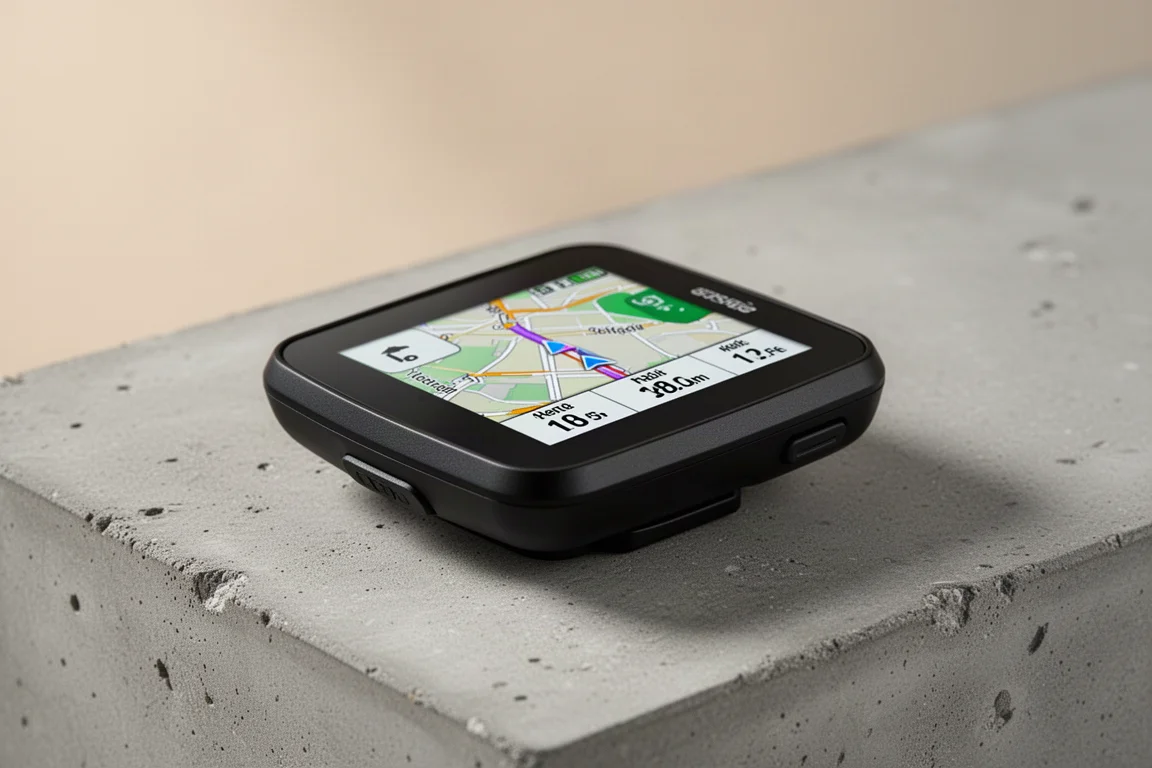
The Garmin Edge 1030 Plus doubles the claimed battery life of the Edge 130 Plus to 24 hours. It has a larger body, so an outfront mount is pretty much a necessity. It also provides more data fields per screen, which appeals to riders who want lots of metrics visible without scrolling. The Edge 1030 Plus sits in the upper mid-range of Garmin’s line.
Garmin Edge 1040: Top of the Range
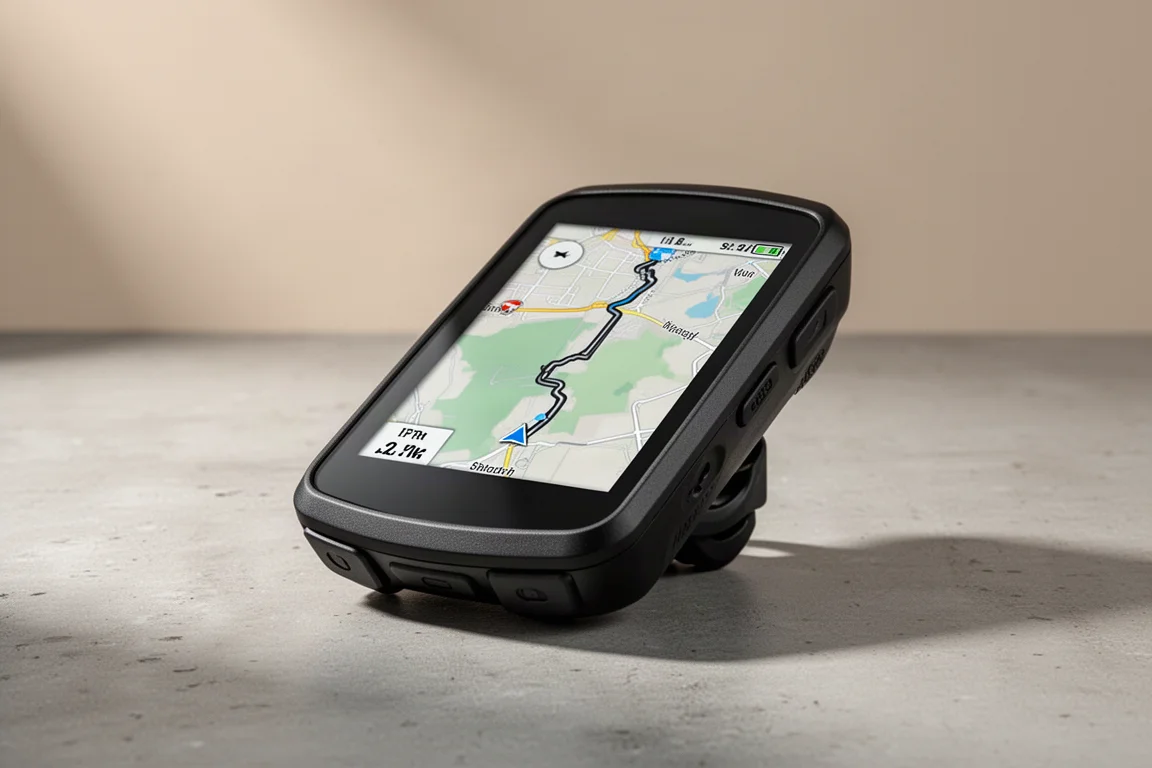
The Garmin Edge 1040 is the latest top-tier model, offering the most data fields per screen and a large display. It is available in a solar charging version, which we cover separately. For riders who want the pinnacle of Garmin’s feature set without solar, the standard Edge 1040 delivers.
Garmin Edge 1040 Solar: Solar Charging
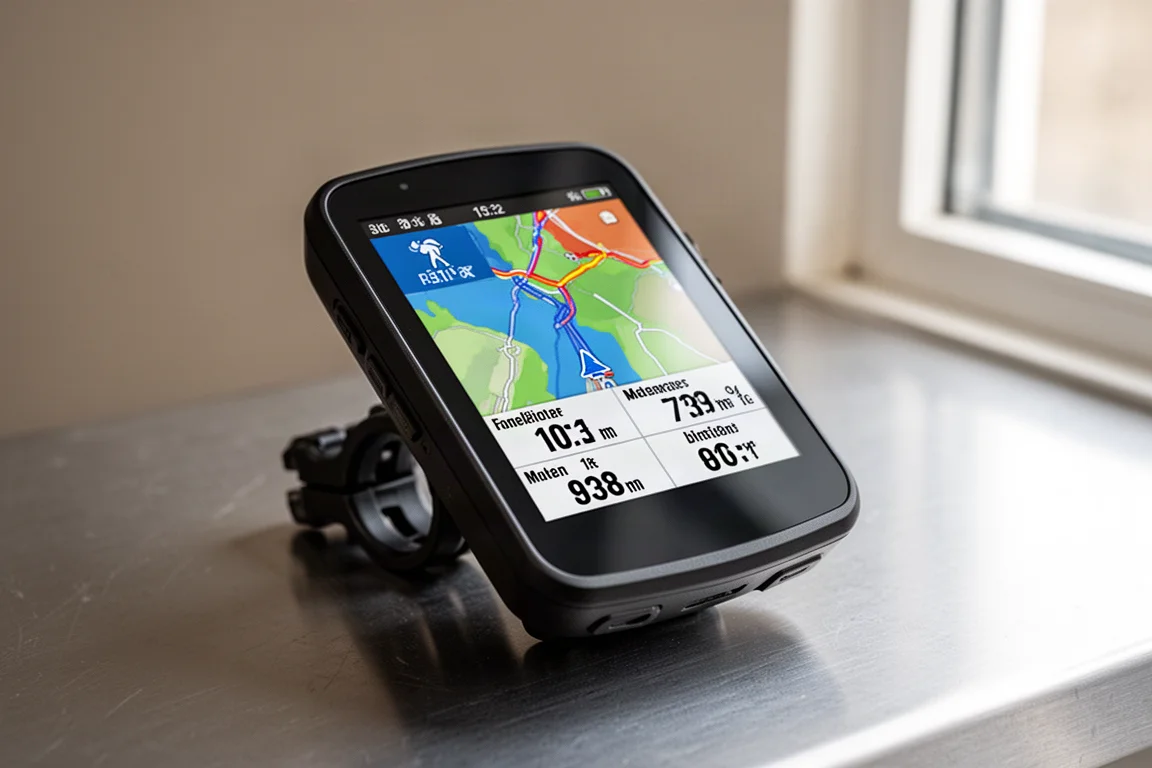
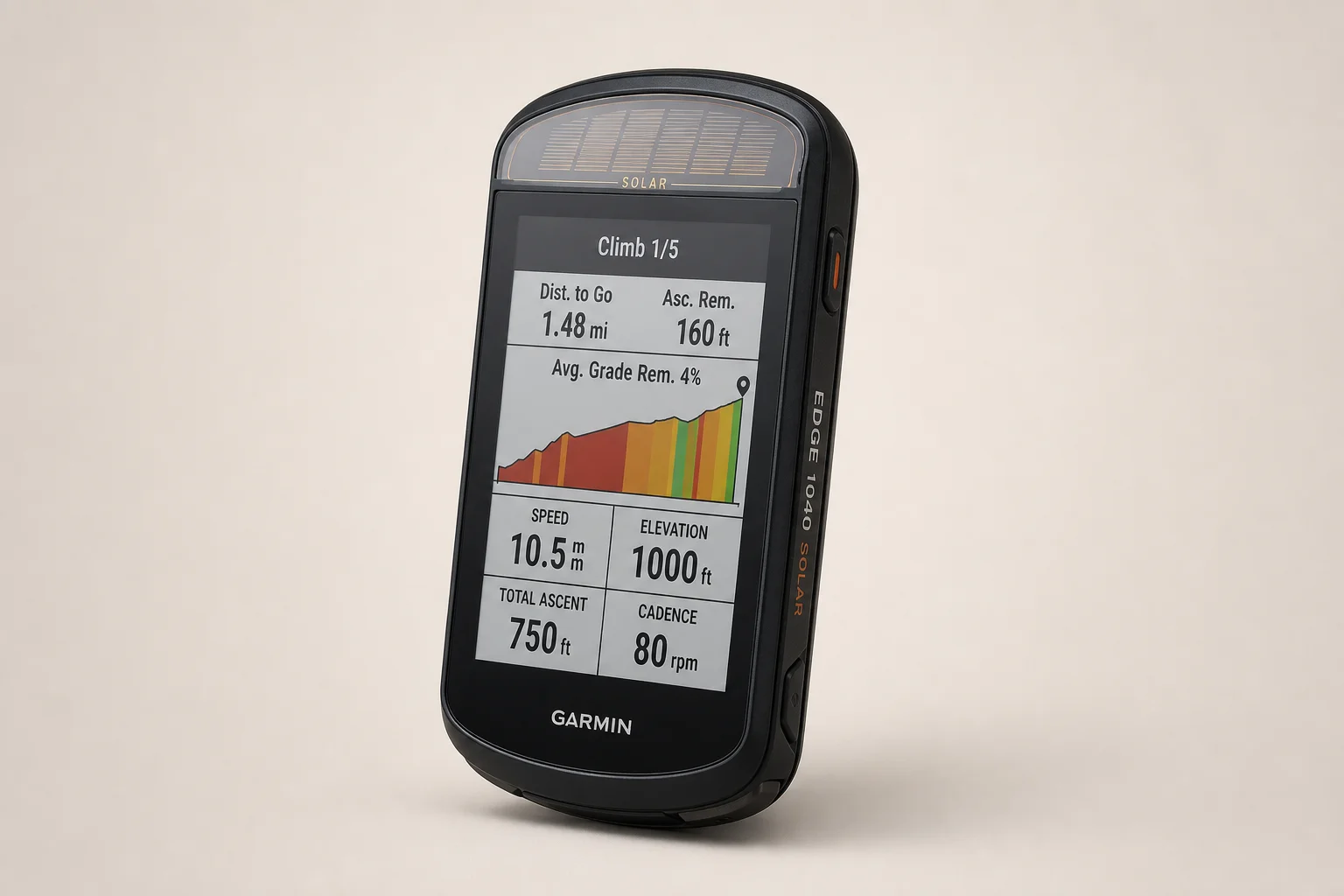
The Garmin Edge 1040 Solar adds solar charging to extend battery life further. Garmin claims a 7-day runtime on a single charge when topped up with 8 hours a day of riding in daylight. This makes it the ultimate choice for ultra-endurance riders or anyone who hates charging frequently. It is priced at around $750, placing it firmly in the premium tier.
Wahoo Elemnt Bolt: Compact and Neat
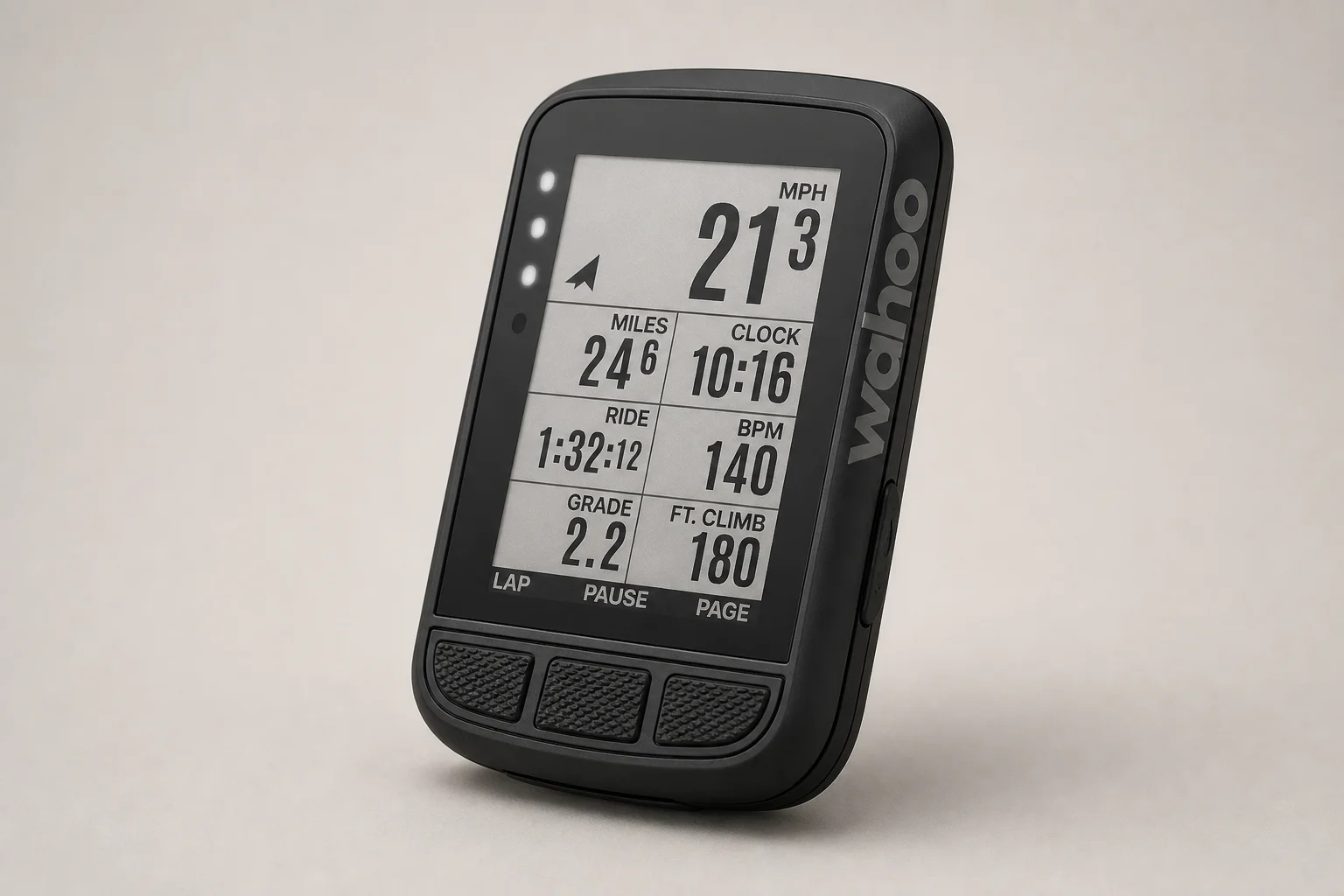
The Wahoo Elemnt Bolt is a mid-sized, non-touchscreen computer with a color screen and six buttons: three on the face and three on the sides. It includes one array of LED lights that can be programmed to show heart rate zone or upcoming turns. Battery life is quoted at 15 hours, and it comes with an outfront mount that integrates cleanly for a smooth aero appearance. You can screw the computer to the mount for security. At around $300, it rivals the Edge 530.
Wahoo Elemnt Roam: Larger Screen and Dual LED Arrays
The Wahoo Elemnt Roam is slightly larger than the Bolt and adds a second array of LED lights. It shares the same button layout and non-touchscreen color display. Battery life is quoted at 17 hours. Its outfront mount is equally neat, and the Wahoo smartphone app makes setup and customization easy. Maps are fairly basic and do not include street names, but the screen is less reflective and easier to read in sunlight. Priced around $380.
Overall Buying Advice
Your choice depends on budget, screen preference, and ecosystem. Garmin offers a wider range from the budget Edge 130 Plus to the premium Edge 1040 Solar. If you want a touchscreen, Garmin is your only option among these two brands, but consider the wet-weather limitations. For button control, Wahoo’s devices look neater on the bars and include useful LED arrays and a refined smartphone interface. Battery life is another key factor: the Edge 1040 Solar leads with its 7-day claim, while Wahoo sits in the middle. Both brands support ANT+ and BLE sensors, and higher-end models add Wi-Fi for uploading rides without a phone.
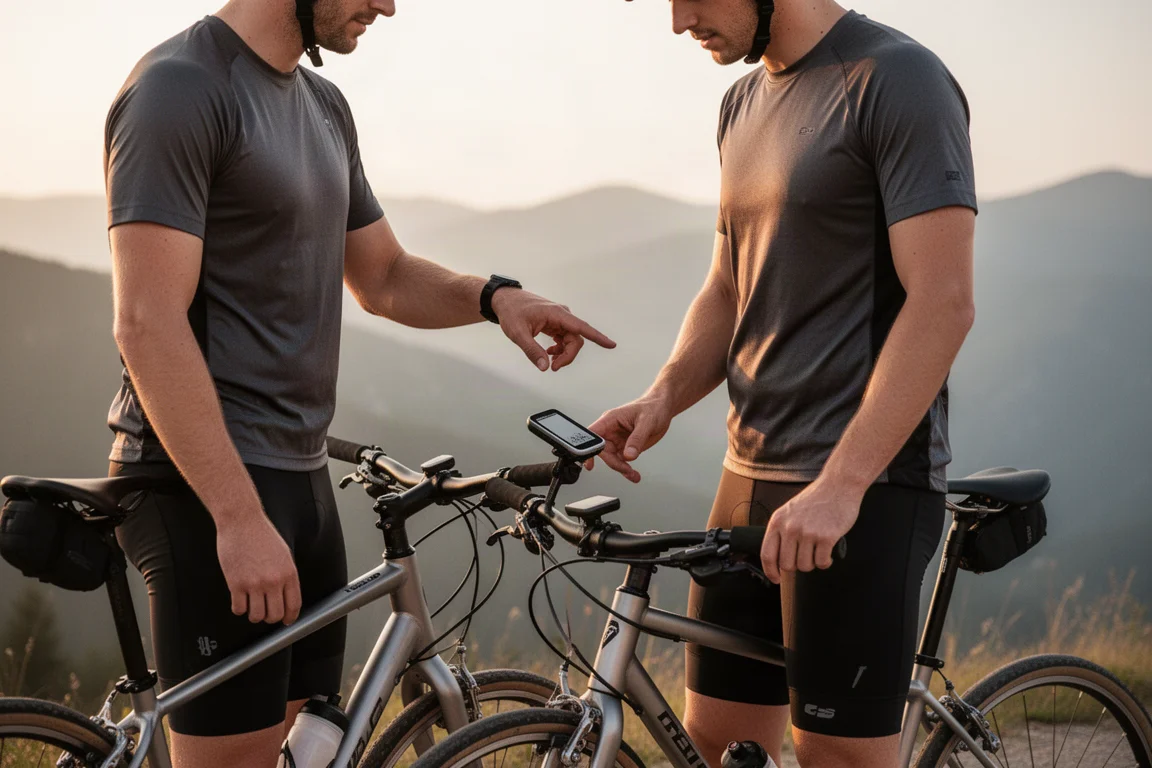
Ultimately, match the computer to your riding style. If you need long battery life and detailed mapping, Garmin’s upper models shine. If you value a clean cockpit and easy phone-based setup, Wahoo’s Elemnt series is compelling. Both ecosystems sync with Strava, TrainingPeaks, and other fitness apps.
Conclusion
There is no single winner. Garmin covers the widest range of needs and budgets, with standout options like the Edge 1040 Solar for endurance riders and the Edge 130 Plus for simplicity. Wahoo counters with intuitive controls, neat mounts, and thoughtful details like LED arrays. Decide what matters most to you, whether that is touch, battery, mapping, or price, and pick the model that fits.
Further reading
Related Reviews

Backpacking Gear
Building a 10 lb Base Weight: An Ultralight Backpacking Gear List
A practical walkthrough of the ultralight pieces behind a 10 lb base weight, from a 765 g pack and a roomy one-person tent to a full camp chair and a dependable water filter.

Road Bikes
10 New Road Bikes Worth Watching: Aero, Titanium, Steel and Endurance Standouts
A practical roundup of 10 new road bikes, from aero flagships chasing single-watt gains to titanium, steel and endurance platforms built for real roads.
Bikepacking Gear
11 Bikepacking Essentials for Long-Distance Cycling
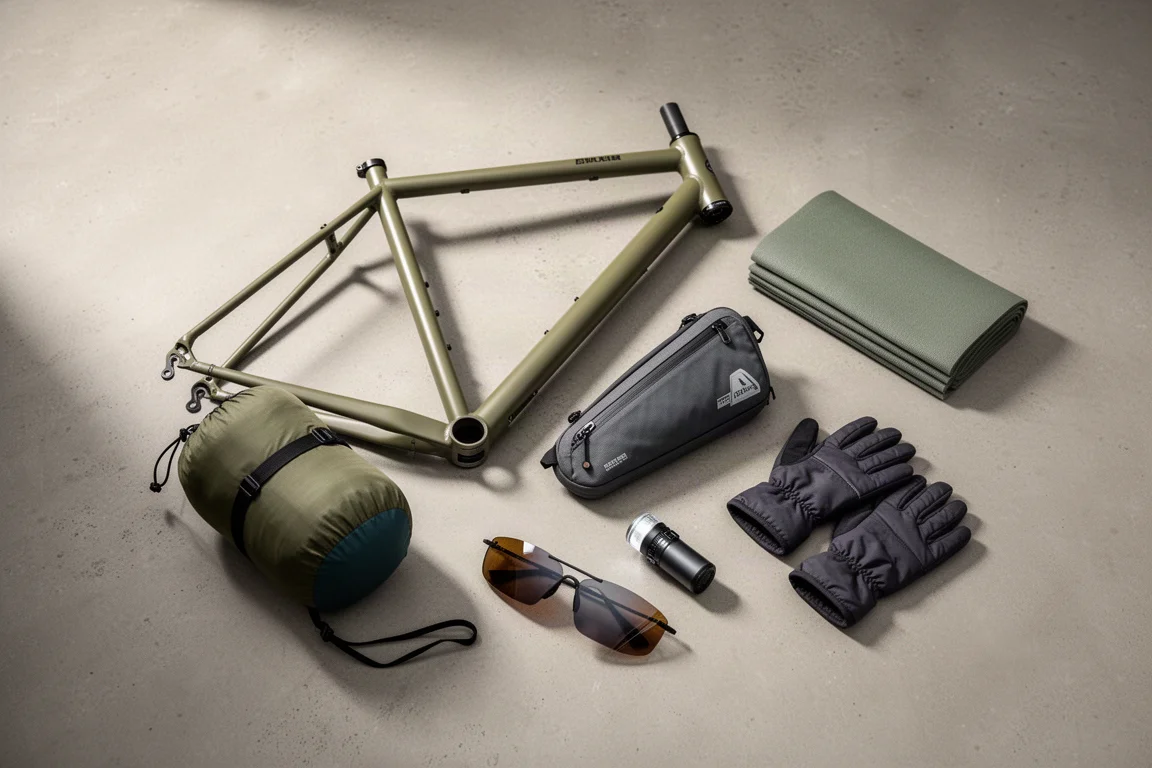
Eleven bikepacking essentials for long-distance cycling, from a steel gravel frame and a two-person tent to helmet lights, packable gloves, and a frame bag that puts weight in the right place.