Fitness Trackers
Garmin Vivosmart 5 vs Fitbit Charge 5: Which $149 Fitness Band Makes More Sense?
Two fitness bands at the same official price point, with very different strengths. Here is how the Garmin Vivosmart 5 and Fitbit Charge 5 compare on display, accuracy, features, and value.
Introduction
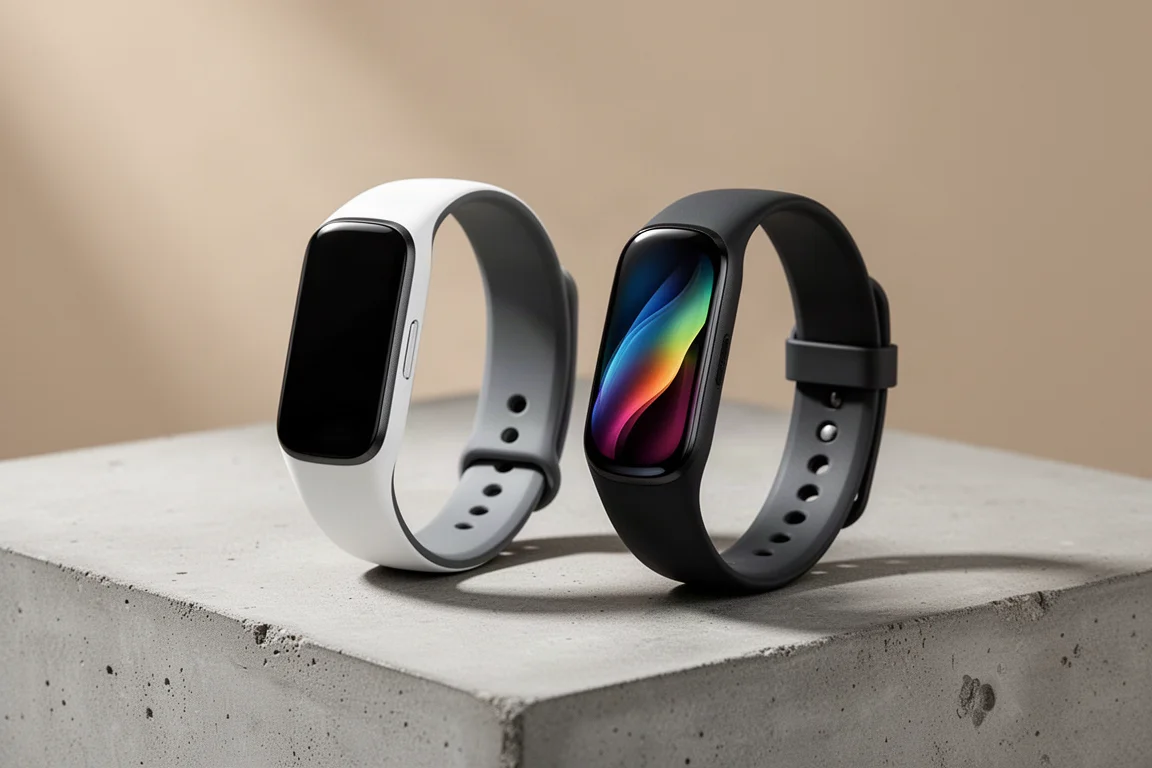
Garmin and Fitbit rarely compete head to head at the same price point, but the Vivosmart 5 and the Charge 5 do exactly that. Both are officially listed at $149, both are slim wrist bands with color displays, and both promise week-long battery life. In practice, though, they are different devices for different people, and the real-world pricing makes the comparison even more interesting. Here is what you need to know before choosing between them.
What Is New on the Garmin Vivosmart 5
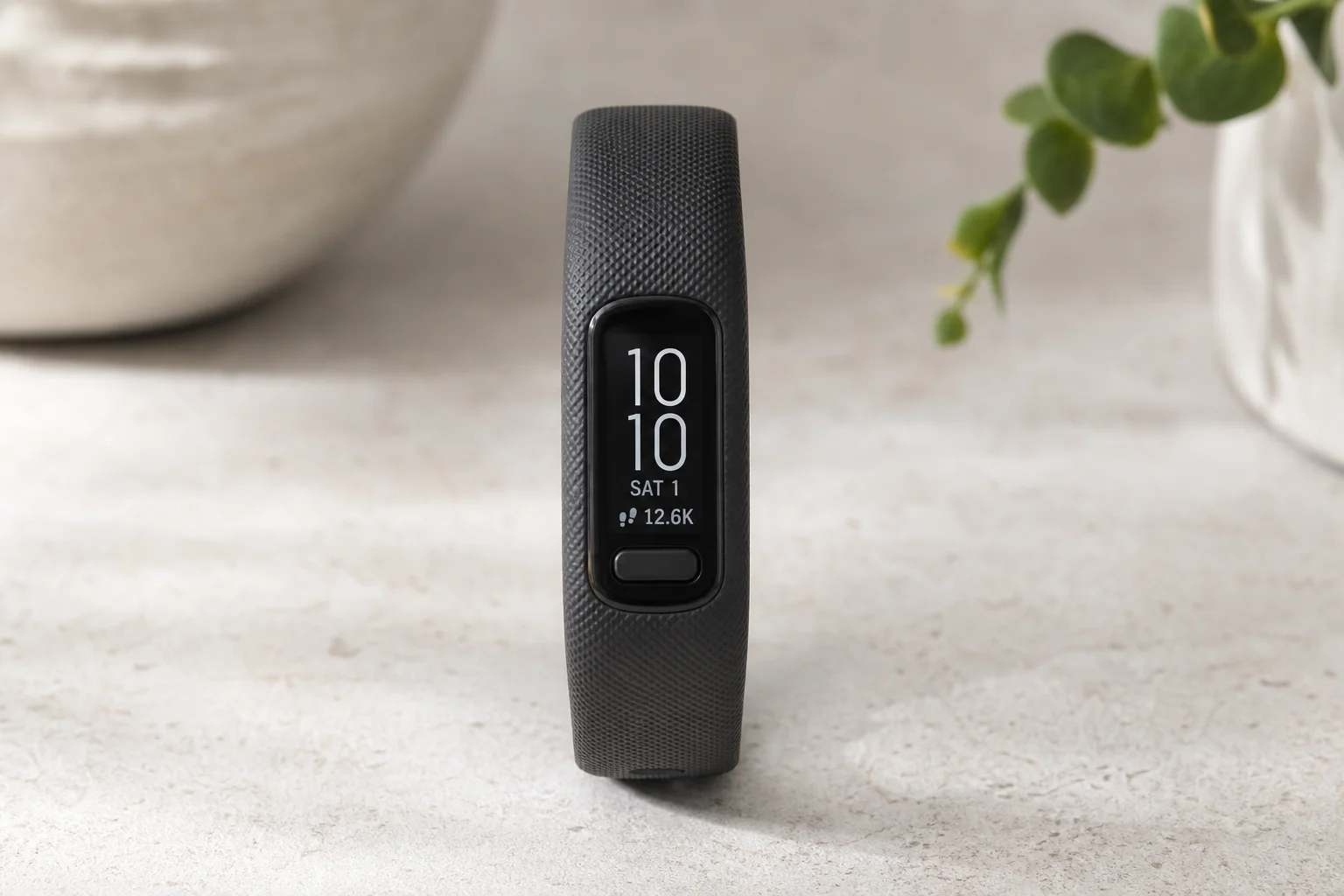
The Vivosmart 5 is a clear step up in size from its predecessor. Both the band and the display are larger, with Garmin claiming a 66% bigger screen. In everyday use that translates to noticeably better readability and room for three data fields on a single workout screen instead of one. The display is not always-on; it times out quickly and wakes with a wrist raise or button press.
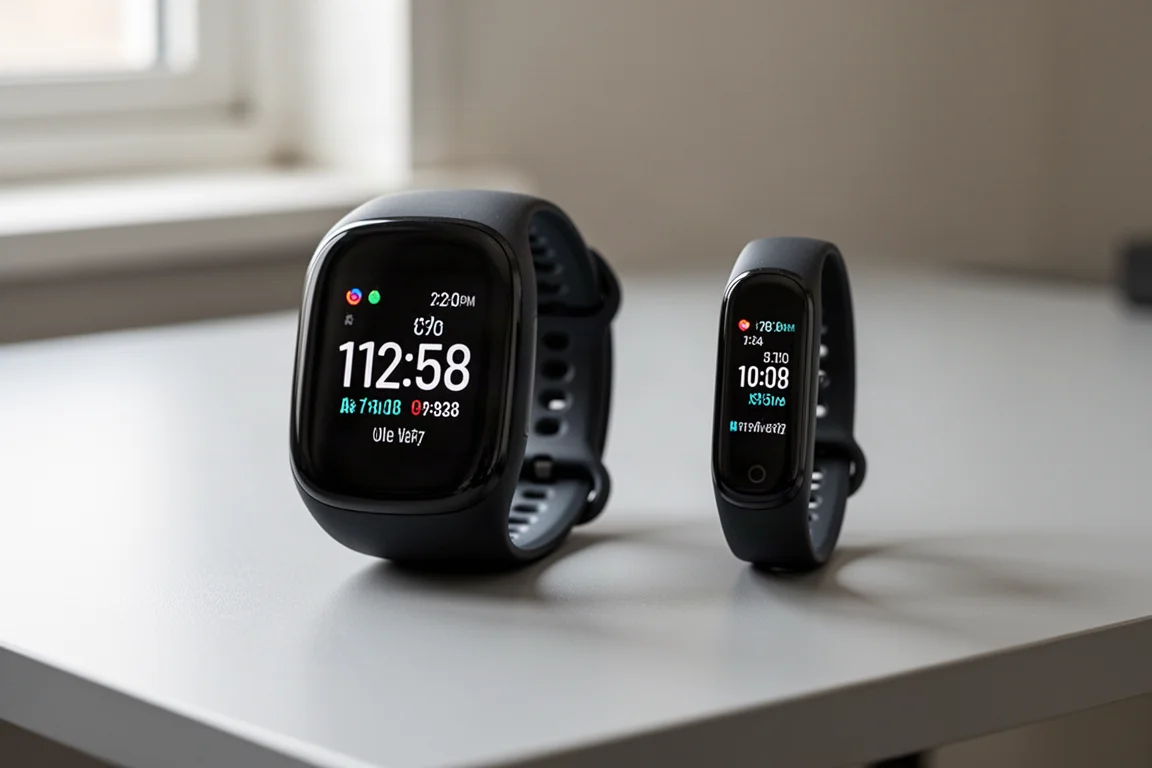
Two other changes stand out. First, there is now a real, physical button that presses down to open menus, which is far more reliable than swipe- or touch-based controls. Second, the bands are now fully swappable, so you can pop the tracker out and move it to a Garmin accessory band or, over time, likely third-party options.
The feature list also grew in meaningful ways: a sleep score with a morning report showing weather, sleep, step goals, and calendar items; five new activity profiles (breathwork, HIIT, Pilates, treadmill, and indoor rowing); respiration rate tracking; and safety features including incident detection, live tracking, and an emergency assistant triggered by holding the button for several seconds. Heart rate can now be broadcast over ANT+ and Bluetooth, so you can pair it with a Peloton bike or nearly any fitness app. On the downside, Garmin removed the barometric altimeter, so stair tracking is gone, and there is no built-in GPS: the band relies on your phone for location, and outdoor visibility of the smaller data fields in bright sun is genuinely poor. There is also no contactless payments support and no ECG, and battery life sits around a claimed seven days, which held up roughly as advertised in testing with heavier use.
Where the Fitbit Charge 5 Pulls Ahead
The Fitbit Charge 5 is a very different package despite the matching price tag. Its AMOLED display is dramatically nicer to look at than the Garmin’s black-and-white panel, and it includes built-in GPS as well as connected GPS through your phone. It also adds ECG functionality and contactless payments, none of which the Vivosmart 5 offers.
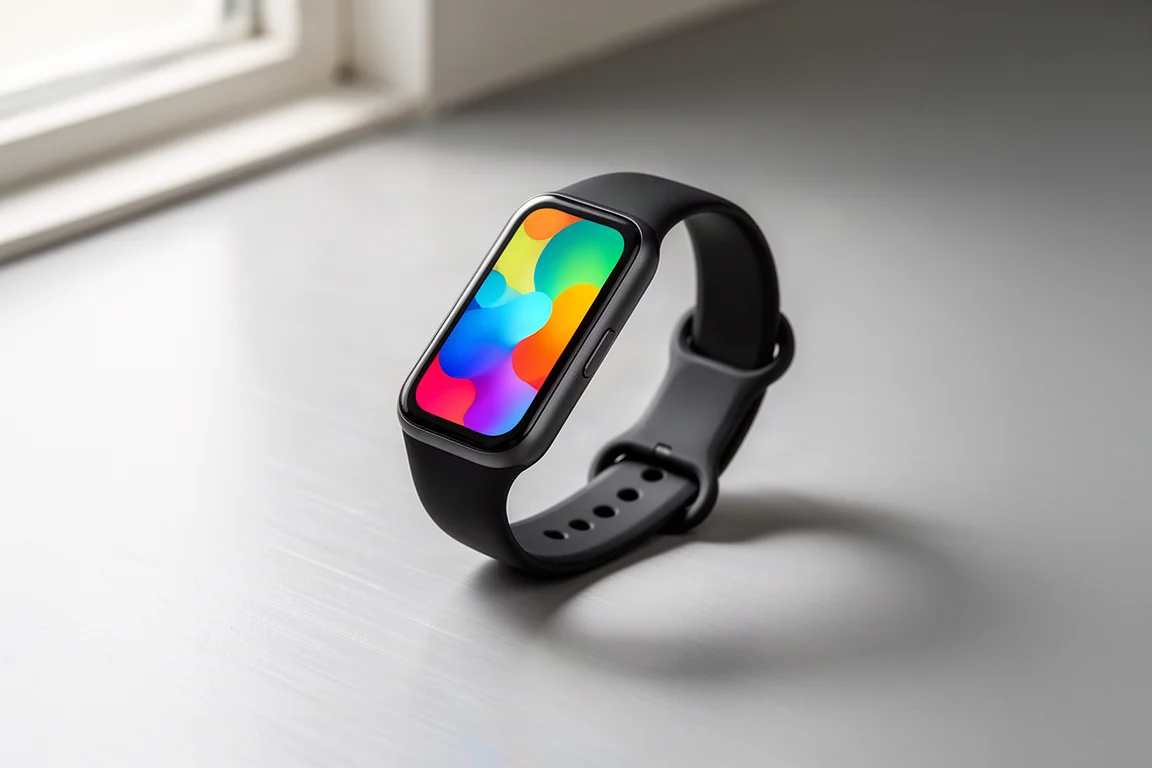
The trade-offs show up in battery life, where the Charge 5 manages about five days versus the Garmin’s seven, and in optical heart rate consistency. The Charge 5’s own GPS is weak enough that you are better off using connected GPS anyway, at which point both bands pull location from the same phone. For daily step and sleep tracking, the two are roughly equivalent in practice.
Heart Rate and GPS Accuracy
On heart rate, the Vivosmart 5 is the stronger performer. Across indoor trainer sessions, hard interval workouts, and easy runs, its optical sensor tracked a chest strap almost exactly, with no meaningful dropouts. The Charge 5, on the same workouts, showed occasional snags during intervals and steady efforts, though for casual daily wear both are fine.
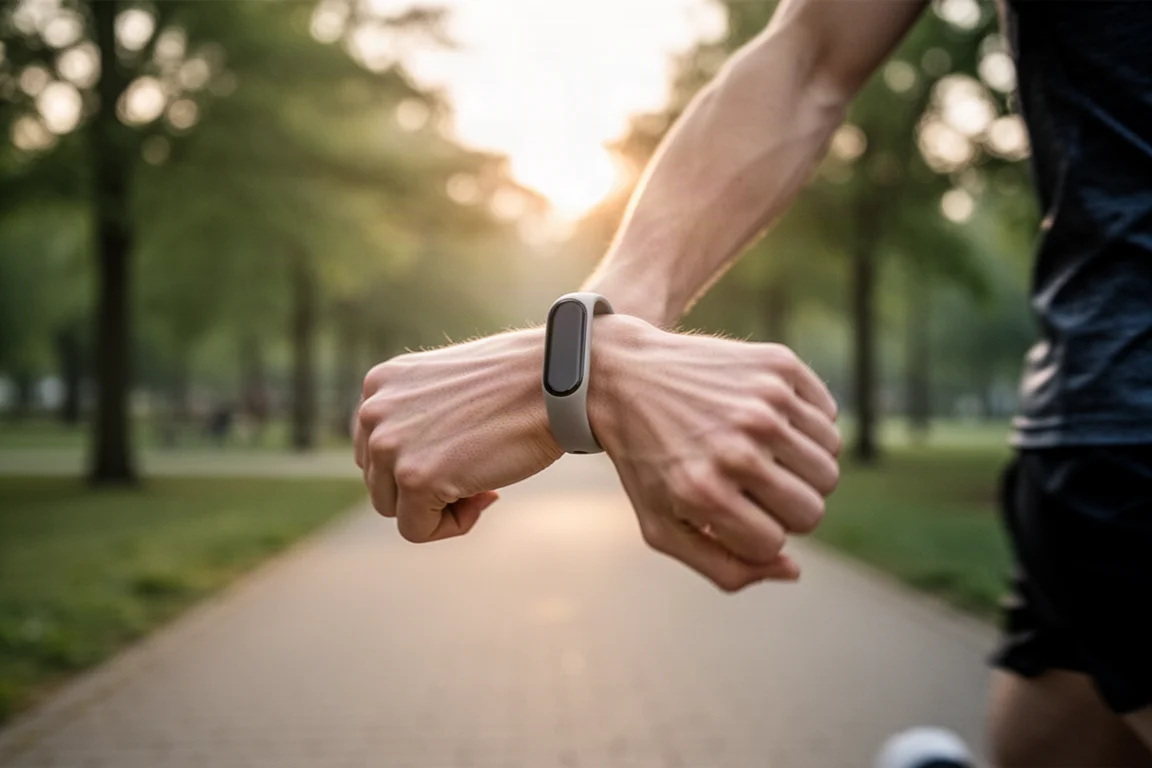
GPS accuracy depends entirely on your phone for the Garmin, and results were generally on par with other devices, with one anomalous bike ride that overestimated distance by roughly 20 km with no clear explanation. The Charge 5, wearing both at once and using the same phone, once stopped tracking after only 0.7 km, though other workouts matched the Garmin without major differences.
The Garmin Connect App Experience
One of Garmin’s biggest strengths is what happens after the workout. The detail available in the Garmin Connect app, including maps, pace, elevation, heart rate trends, and multi-week views of sleep, respiration, stress, and Body Battery, is essentially the same depth you get from high-end Garmin watches. That is a lot of analytical value in a $149 band.
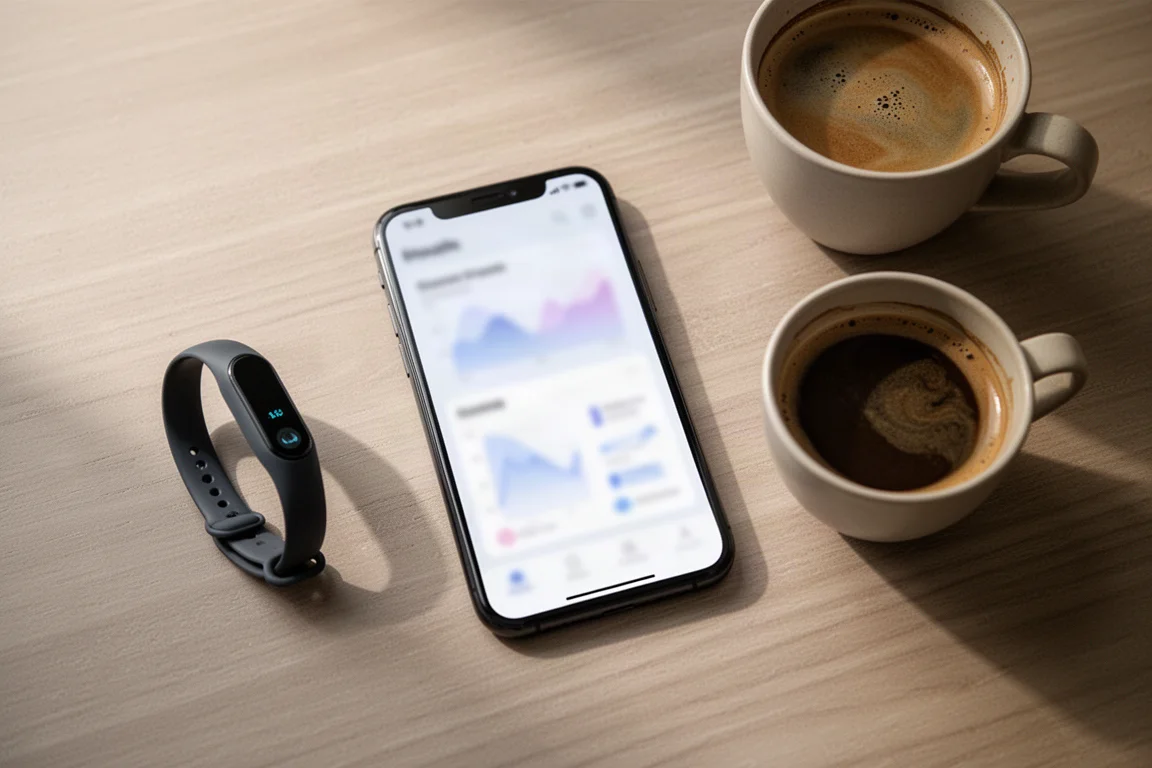
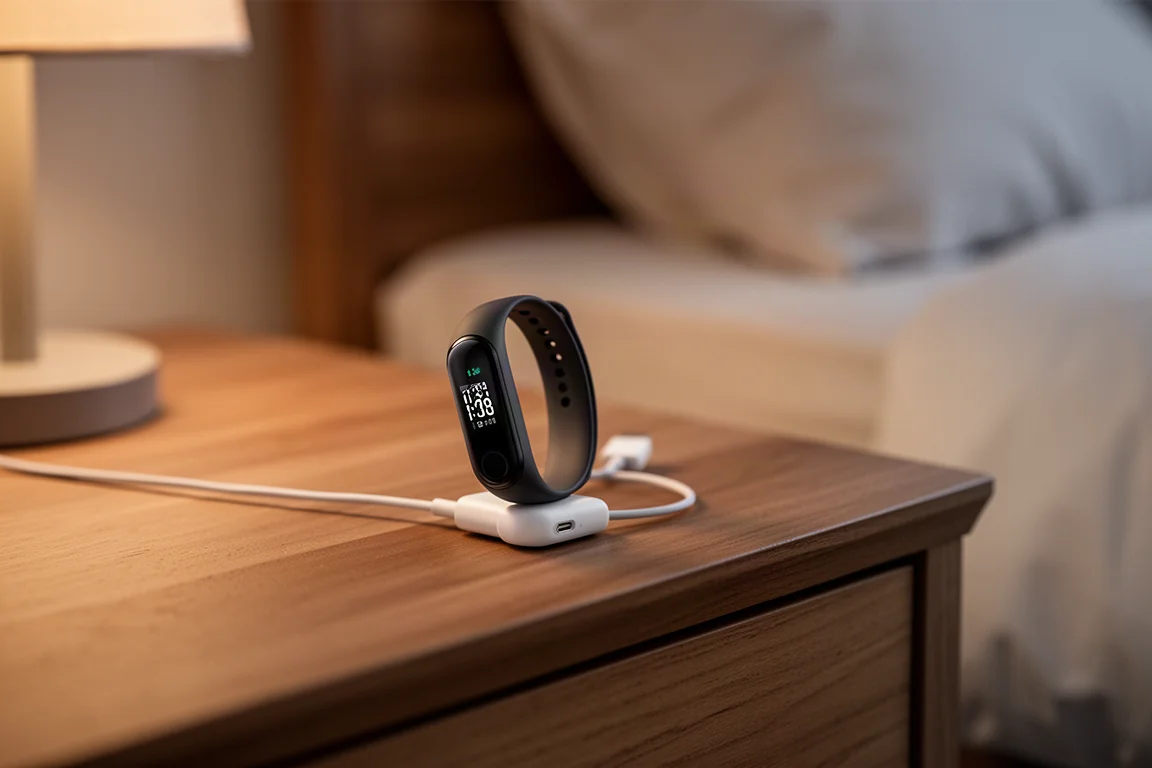
The Vivosmart 5 also tracks VO2 Max and fitness age, combining those estimates with resting heart rate, intensity minutes, and BMI. It is worth noting the health snapshot feature found on other Garmin devices is not available here. One last practical detail: the band finally moved to the standard Garmin charging cable shared across most of the company’s wearables, replacing the older proprietary clip.
Which One Should You Buy?
Real-world pricing complicates this matchup. The Charge 5 has spent the vast majority of its time on the market at $129 or lower, including periods at $99, while the Vivosmart 5 holds at $149. That means you are often choosing between a nicer screen, GPS, ECG, and payments on one side, and better optical heart rate accuracy, longer battery life, a physical button, swappable bands, and deeper fitness analytics on the other.
If your priority is structured workouts, reliable training heart rate, and long-term health data trends, the Vivosmart 5 is the better tool. If you want a more premium-feeling display plus ECG and contactless payments, the Charge 5 wins, especially at its typical discounted price. Judged purely on its $149 list price against what the Charge 5 delivers, the Vivosmart 5 is a tough sell; closer to the $99 mark, its case gets much stronger.
Conclusion
The Garmin Vivosmart 5 is a capable, accurate training band that plays it safe on hardware, while the Fitbit Charge 5 offers more flagship-style features at a lower street price. Match the choice to what you actually use: accuracy and analytics lean Garmin, features and value lean Fitbit.
Further reading
Related Reviews
Fitness Trackers
Amazfit Helio Band Review: A $99 Screenless Fitness Band That Isn't a Whoop Killer (And Doesn't Need to Be)
The Helio Band delivers impressive hardware and accurate heart rate tracking for $99 with no subscription, but its software keeps it from truly competing with Whoop.
Fitness Trackers
Fitbit Air Review: A $99 Screenless Band That Challenges Whoop
After weeks of testing across running, cycling, swimming, and everyday wear, the Fitbit Air proves to be impressive hardware with a few software growing pains.
Fitness Trackers
Fitbit Charge 5 vs Garmin Vivosmart 5: Which $149 Fitness Band Should You Buy?
Two fitness bands at the same list price take very different approaches to displays, health data, and sports tracking. Here is how they compare in practice.