Cycling Radar
Garmin Varia RTL820 Review: Is It Worth Upgrading From the RTL515?
The new Garmin Varia RTL820 brings USB-C, a brighter brake light, longer battery life, and advanced vehicle tracking. We look at what works, what does not, and how it compares to the RTL515 and Wahoo Trackr Radar.
Introduction
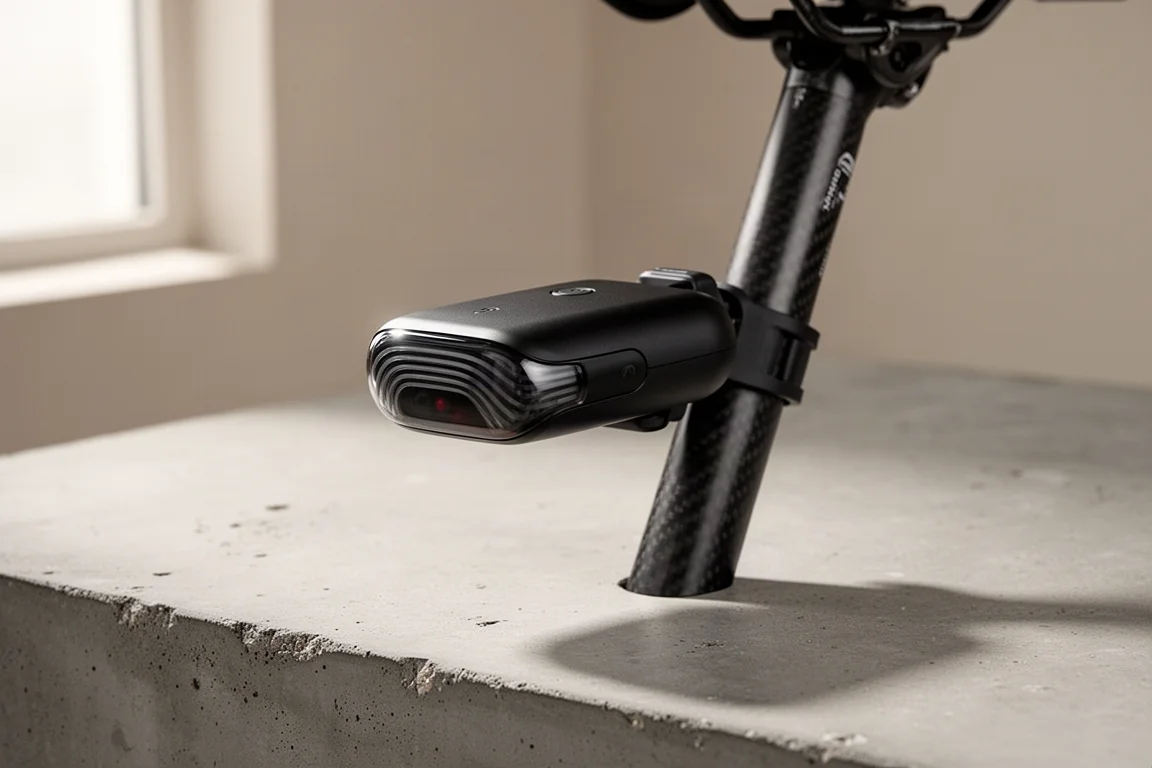
The Garmin Varia RTL820 is the long-awaited update to the Varia RTL515, a rearview radar that has spent five years as one of the go-to benchmarks in the category. The 820 finally moves to USB-C charging, adds a brighter tail light with a brake light function, extends the detection range, and introduces a more detailed radar interface with vehicle size, threat level, and lane position information.
At $299, it is a significant step up from the $199 launch price of the 515, so the real question is what that extra money actually buys and whether existing 515 owners should switch. The answer depends heavily on which bike computer you ride with, because several of the headline features only work with Garmin’s newer Edge units.
Why a Cycling Radar Still Makes Sense
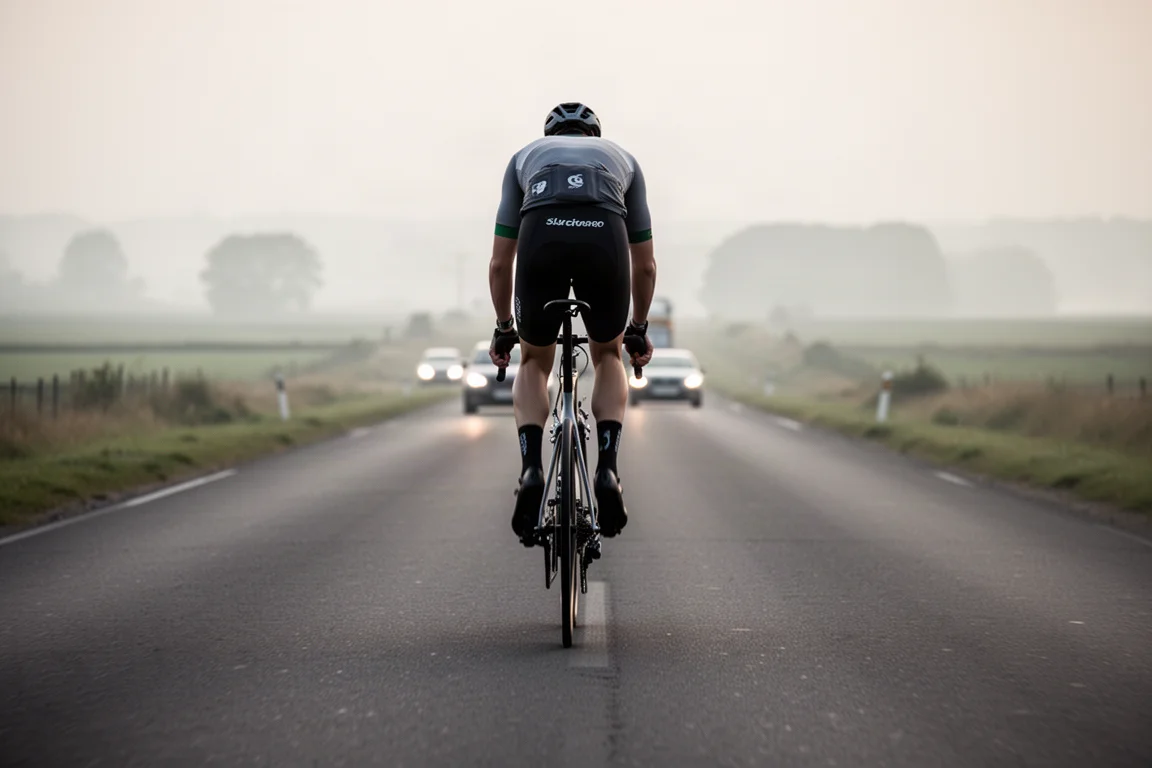
The usual objection to cycling radars is that a $15 mirror adds awareness too. Mirrors genuinely help, but they cannot match what a radar does: audible alerts that flag vehicles approaching well before you could spot them in a mirror. These devices do not replace eyes, ears, or general awareness, but they add another layer of information that many riders come to consider essential, right alongside a good pair of bibs.
Riding without one, once you are used to it, genuinely feels exposed. That is the baseline context for judging whether the 820’s additions justify their cost.
Design, Mounting, and the Tail Light
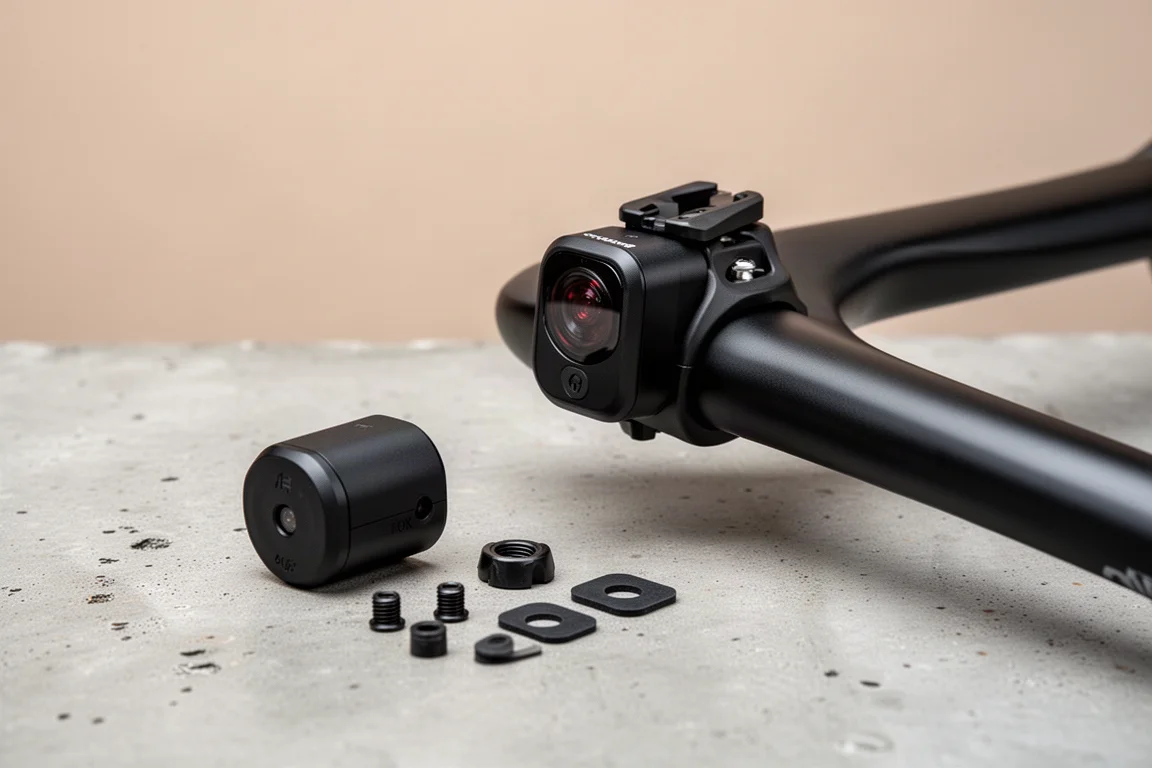
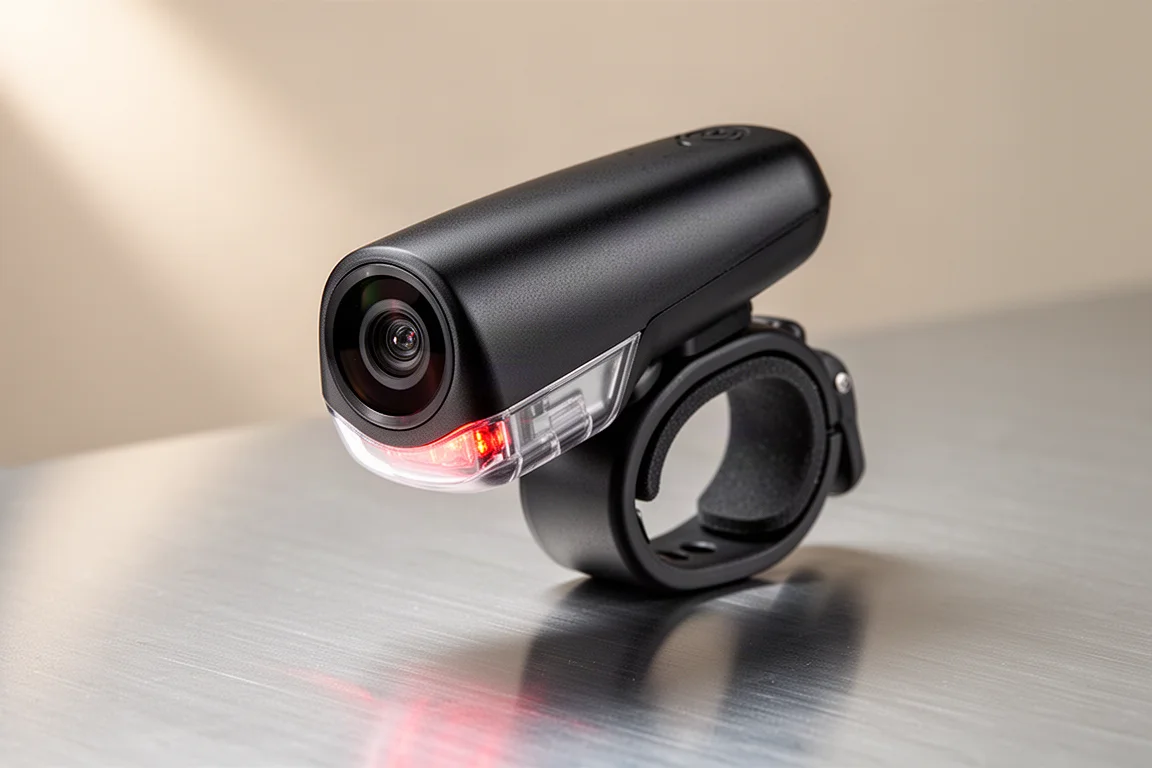
Size and weight are broadly similar to the previous generation, though the 820 is slightly bigger and slightly heavier. It keeps the same quarter-turn mounting interface, so all existing Varia mounts still work. The new seatpost mount in the box is noticeably more secure and ships with inserts for round, D-shaped, and aero seatposts.
One design quirk drew attention early on: the light element sits at the bottom of the unit rather than the top. The likely logic is that the radar internals sit higher, keeping the sensing elements clear of the rear tire when the unit is mounted low, for example with a large saddle bag. In practice it does not matter much, because the 820 can be mounted either way up and automatically senses its own orientation, even notifying you in the app if it is angled incorrectly.
The tail light itself is brighter, with claimed visibility up to around 2 km and added side-facing LEDs for all-around visibility. A new brake light function uses the built-in accelerometer to detect rapid slowing or stopping and increases brightness or changes the flash pattern. Importantly, this brake light feature works with any device, regardless of what computer you ride with.
Battery Life and Charging
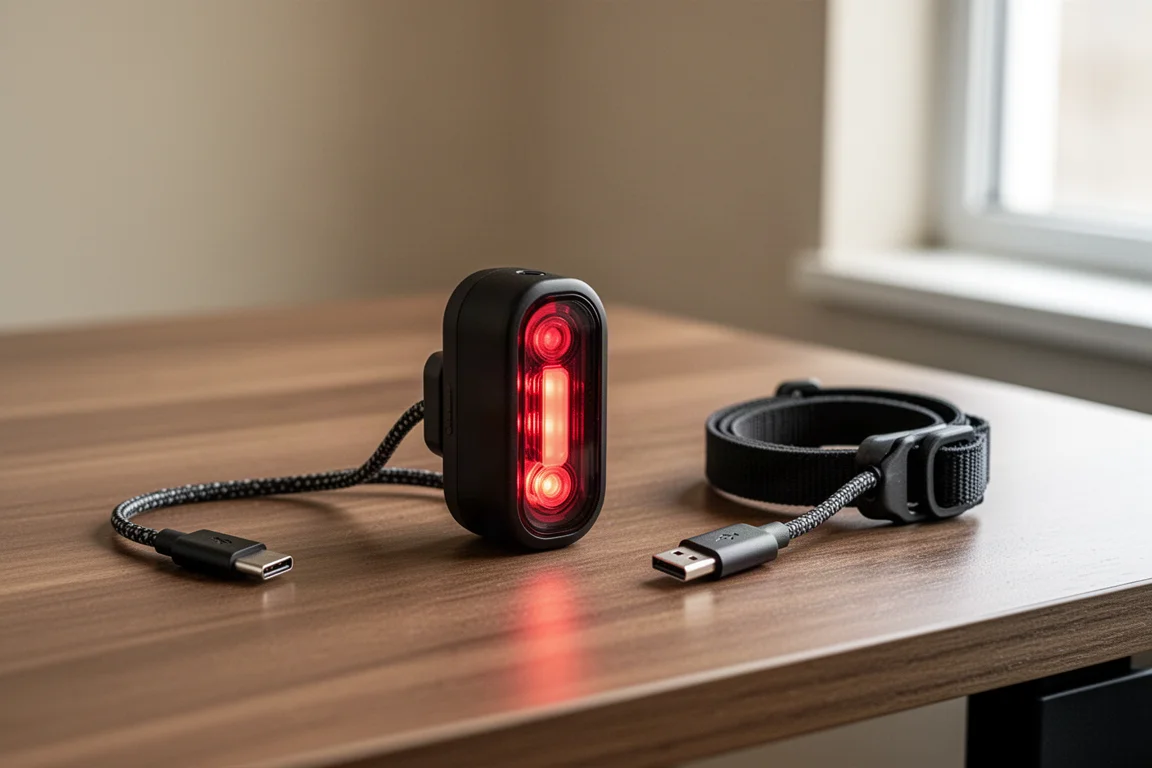
The move to USB-C will be welcomed by anyone still nursing a micro USB cable, and battery life is a clear step forward. Garmin claims between 10 and 24 hours depending on light mode, and up to 30 hours with the light off and radar only.
In testing, solid mode used roughly 9.6 percent of the battery per hour over a ride just over two hours long, which lines up almost exactly with the 10-hour claim. Day flash extended the runtime noticeably, though it did not reach the full 24-hour figure in real use. Across the board, this is a substantial improvement over the 515, whose aging battery now needs charging every other ride after five years of service.
Advanced Vehicle Tracking and the New Interface
This is where the 820 diverges most sharply from everything before it. The radar now distinguishes vehicle size, assigns a threat level based on size, speed, and lateral distance from your path, and indicates whether an approaching vehicle is on your left or right. Orange icons mark mid-level threats, red icons mark high-level threats, and smaller objects such as other cyclists show up as thinner icons.
The catch is compatibility. These advanced features only work on Garmin’s Edge 540, 840, 1040, 550, 850, and 1050 computers, or through the Varia smartphone app. On non-Garmin devices, or older Garmin units, you get basic radar functionality only, though the brake light still works everywhere. There is also a dedicated radar data screen, with a split-screen layout reserved for the 1040, 1050, and oddly the 850 but not the 550.
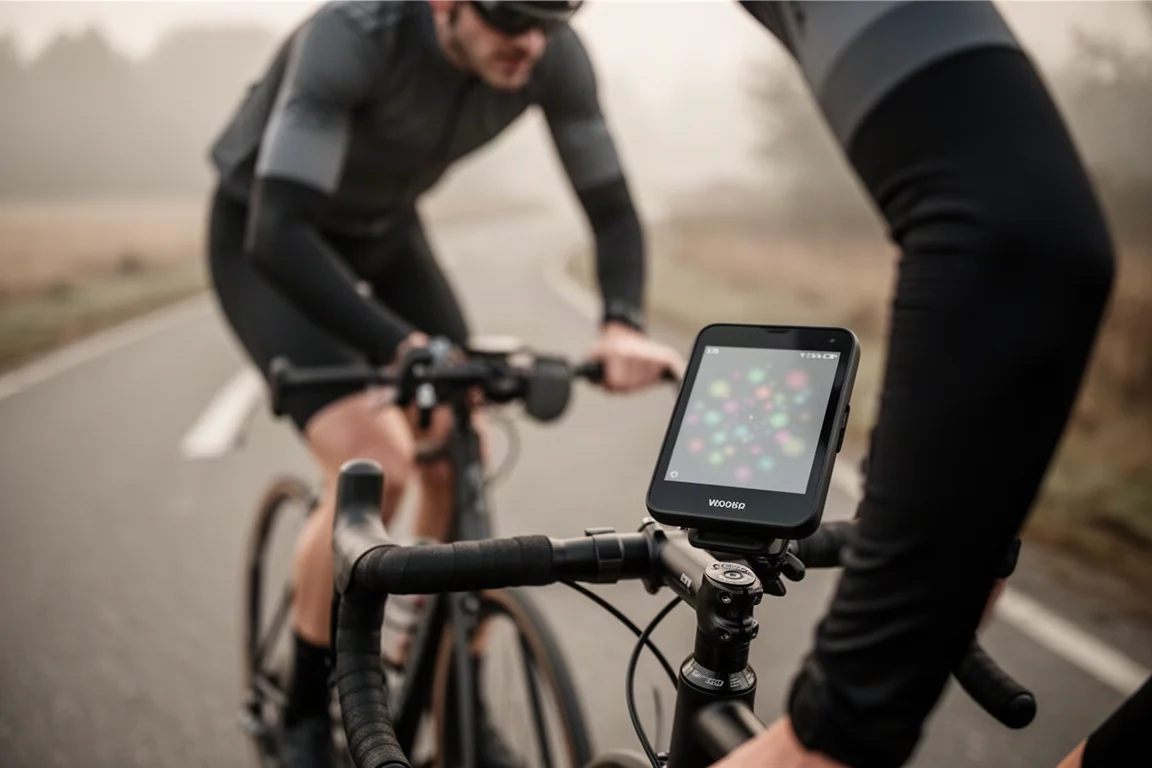
The lane feature is genuinely useful in one specific scenario: riding in a bike lane between a through lane and a turn lane, with traffic on both sides. A single-column view simply cannot show that. The downside is that distant vehicles sometimes jump around laterally before locking on, which is distracting in heavy traffic.
The honest verdict on the new interface is that it is overwhelming on day one and second nature after a week or two. Once the icon language becomes subconscious, the extra information earns its place, and the option to switch to a simpler single-lane view helps. A quick toggle back to the fully traditional interface would still be a welcome addition.
Radar Performance: Range, Width, and Detection
Detection range grows from 140 m to 175 m, and the detection width widens from 40 degrees to 60 degrees, both of which translate into earlier and more complete awareness of traffic.
The standout improvement is same-speed detection, historically the weak point of every radar. Vehicles holding your pace would occasionally vanish from the display on the 515; on the 820 they stayed locked on almost constantly. Garmin notes limitations at slower speeds or when snow, ice, or heavy rain prevent the radar from reading the road, but in normal conditions the consistency was seriously impressive.
False negatives were rare, with no missed vehicles during extended testing. A single ghost-car style false positive turned up in footage review, and tunnels, which have tripped up other radars, produced none. Two bugs are worth knowing about: if the unit is paired to two devices at once, such as an Edge computer and a compatible watch, one can override light mode changes made on the other. And over ANT+, vehicles detected beyond roughly 196 m may briefly appear closer than they are before the icon corrects itself; pairing over Bluetooth avoids this.
How the RTL515 Still Stacks Up
The Varia RTL515 remains a perfectly capable radar after five years. It still detects vehicles reliably, the light still works well, and it still delivers the core awareness that made it the category benchmark. Its weaknesses are practical rather than functional: the degraded battery now needs charging every other ride, and it is the last micro USB device in many households.
For riders who already own one, the upgrade case rests on USB-C, longer battery life, the brighter light with brake detection, and the expanded range and same-speed consistency. Whether the advanced vehicle tracking matters depends on whether you ride a compatible Garmin Edge and actually want that much data on screen.
Where the Wahoo Trackr Radar Fits
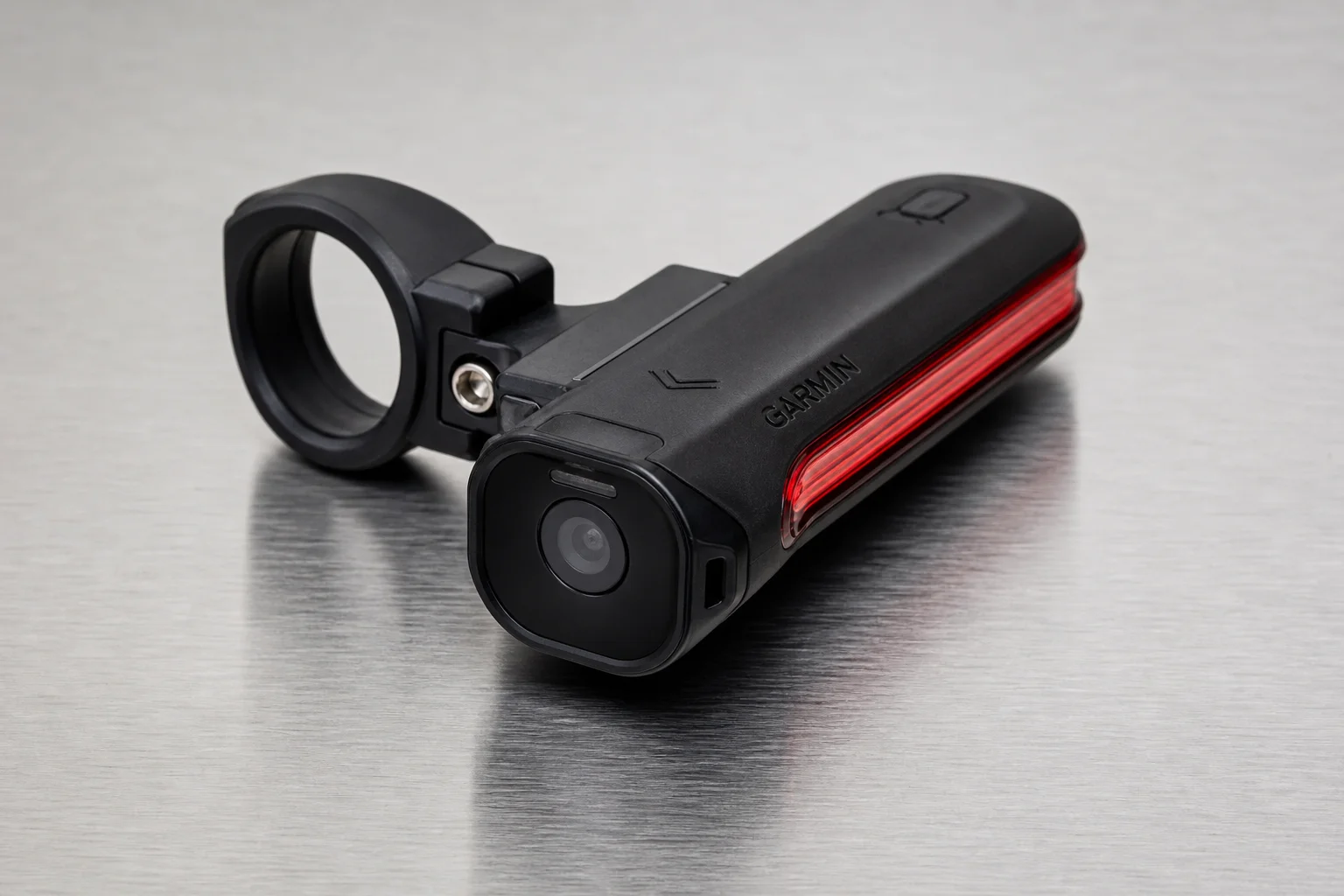
The Wahoo Trackr Radar sits at $249 in the United States, fifty dollars under the Varia 820, and it has proven itself as a solid primary radar in long-term use. It delivers reliable core radar functionality with its own quirks, which keeps it a credible alternative for riders invested in the Wahoo ecosystem or hesitant about the 820’s price.
What it does not offer is the 820’s expanded detection range and width, the improved same-speed tracking, the brake light, or the vehicle size and lane information. For fifty dollars more, the Garmin simply bundles considerably more capability, but anyone happy within the Wahoo ecosystem loses little by staying put.
Is the RTL820 Worth the Upgrade?
For 515 owners, this comes down to priorities. The 515 still works, and its core function has not aged. But the 820’s brighter light, brake detection, USB-C charging, and dramatically better battery life are concrete daily improvements, and the increased range and same-speed consistency make it the stronger radar outright.
The advanced vehicle tracking is the polarizing part. It is locked to Garmin’s secure Bluetooth protocol and will likely never reach third-party computers, which is a genuine limitation if you ride a Wahoo or Hammerhead head unit. For buyers choosing their first radar, or 515 owners on newer Edge computers who want richer traffic data, the 820 is the clear pick.
Conclusion
The Garmin Varia RTL820 is the most capable cycling radar currently available, with better detection, a longer-lasting battery, and a tail light that finally charges over USB-C. The advanced interface divides opinion and needs a week or two to click, but the option to simplify the display softens that. Existing 515 owners can wait if budget matters, while riders on newer Garmin Edge computers, or anyone buying their first radar, get a meaningful leap in awareness for the money.
Further reading
Related Reviews
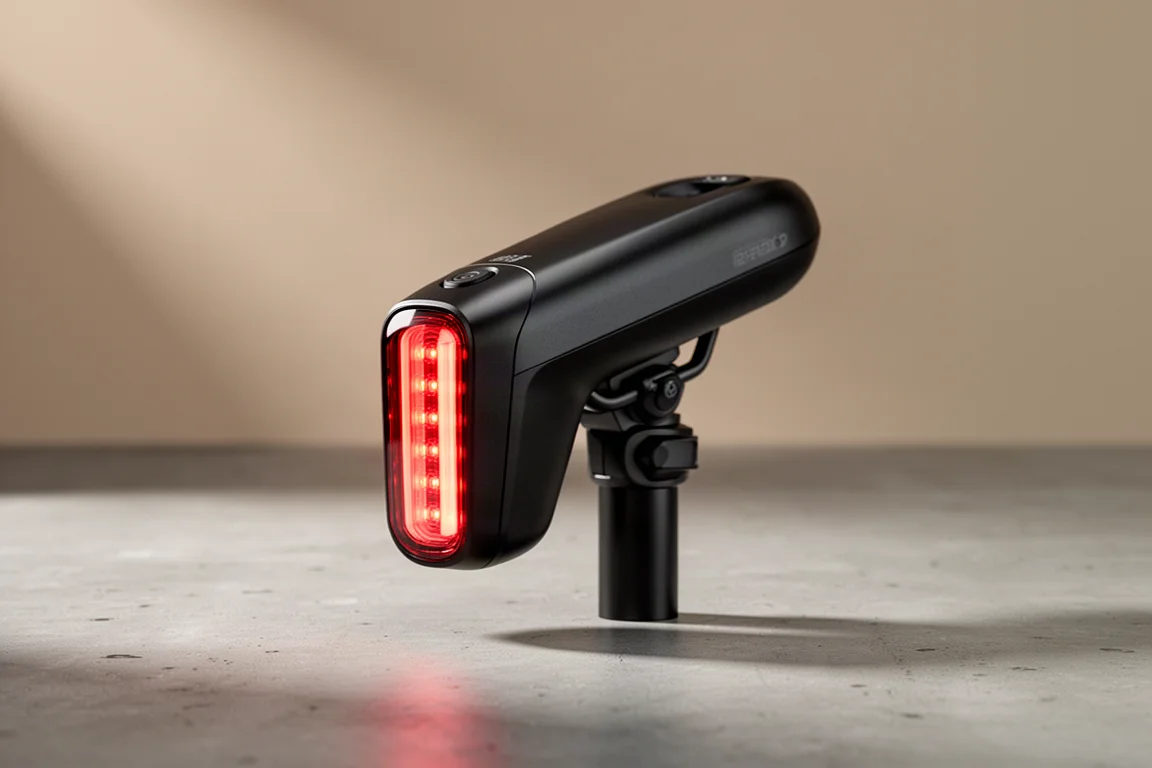
Cycling Radar
Wahoo Trackr Radar First Look: USB-C, Bigger Battery, and a Few New Tricks
Wahoo's new tail light radar matches the competition on core features and adds brake lighting, a longer claimed battery life, and a USB-C port that finally retires the micro-USB cable.
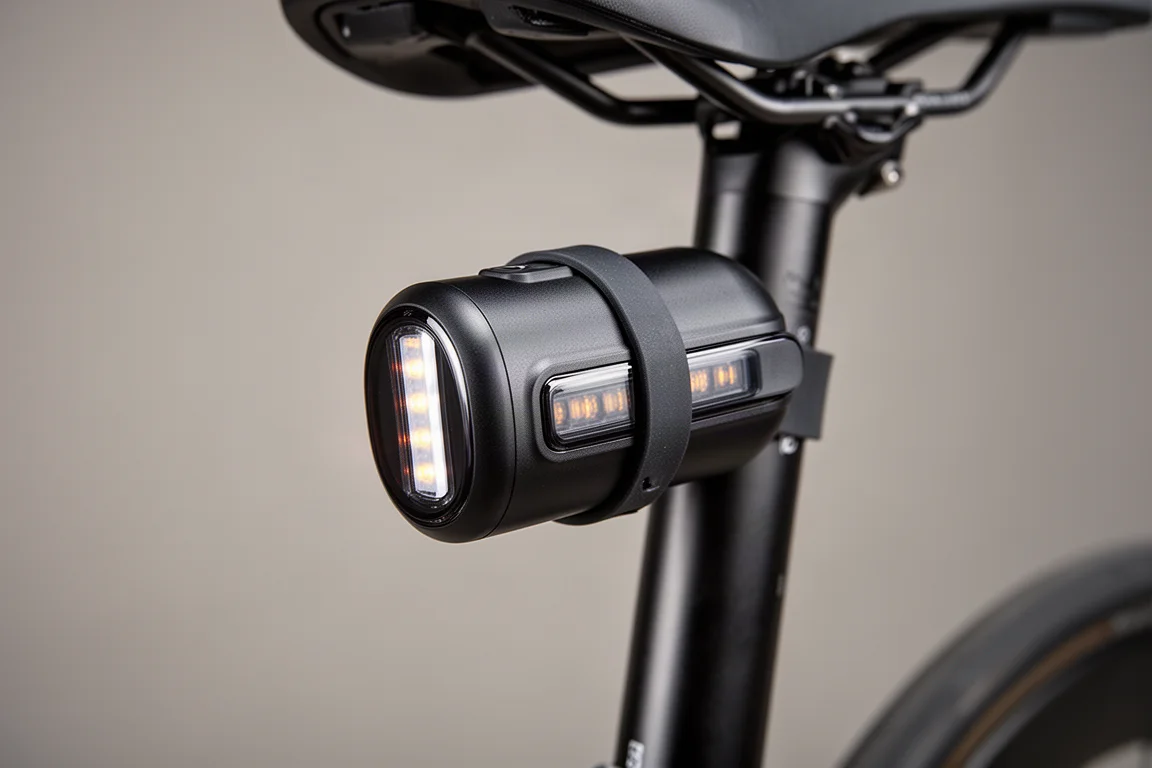
Cycling Radar
Bryton Gardia R300 Review: A Cheaper Cycling Radar That Is Not Quite Ready
The Gardia R300 undercuts the market leader on price, but detection quirks and false alerts give us pause before a full recommendation.
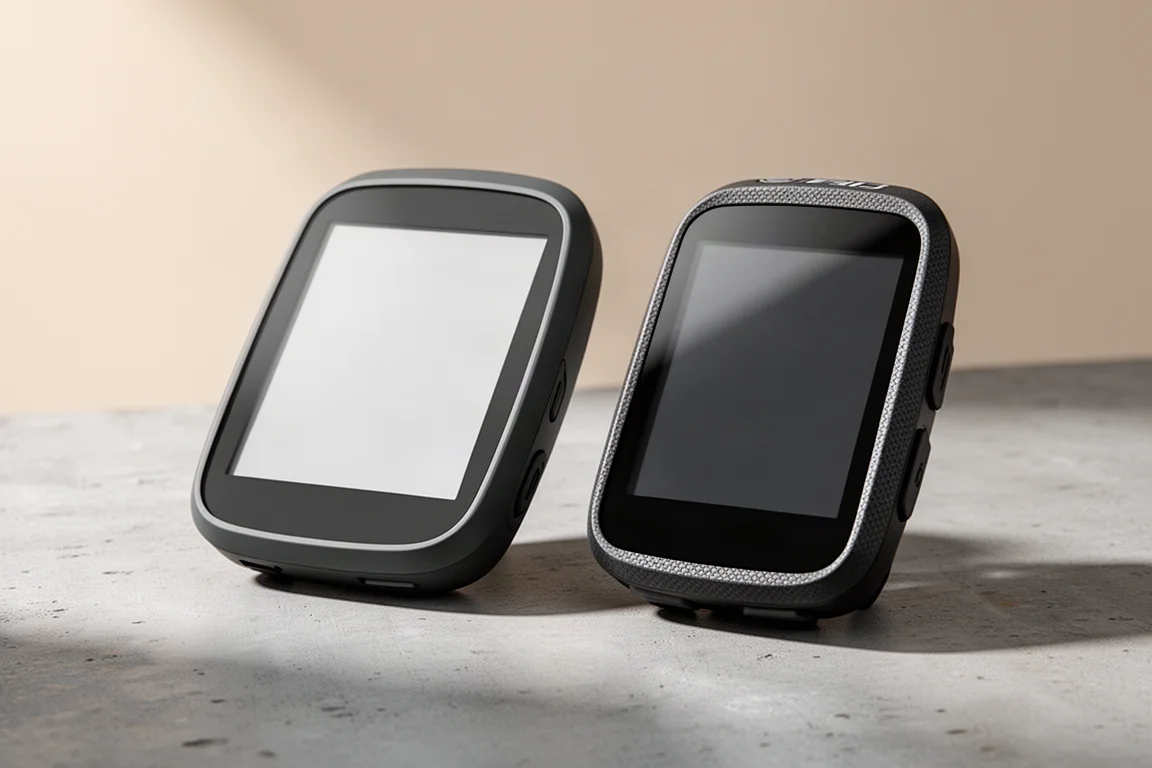
Bike Computers
Best Bike Computers 2026: Wahoo ELEMNT ACE, Garmin Edge 1050 and Two Value Alternatives
A practical comparison of the Wahoo ELEMNT ACE and Garmin Edge 1050, plus two cheaper computers that cover the essentials for far less.