GPS Smartwatches
Garmin MARQ Athlete Gen 2 vs Garmin Epix: What an Extra $1,000 Actually Buys
The MARQ Athlete Gen 2 is essentially a premium-materials Epix with two additions. Here is where the extra money goes and whether it is worth it.
Introduction
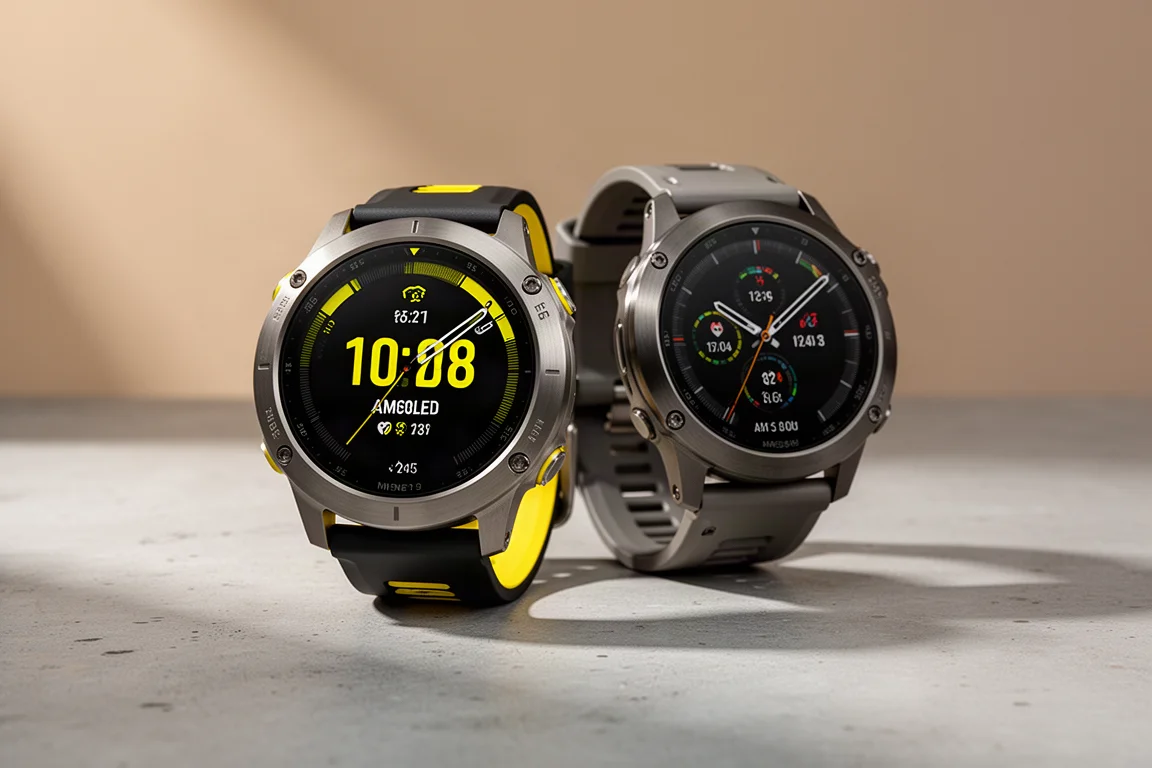
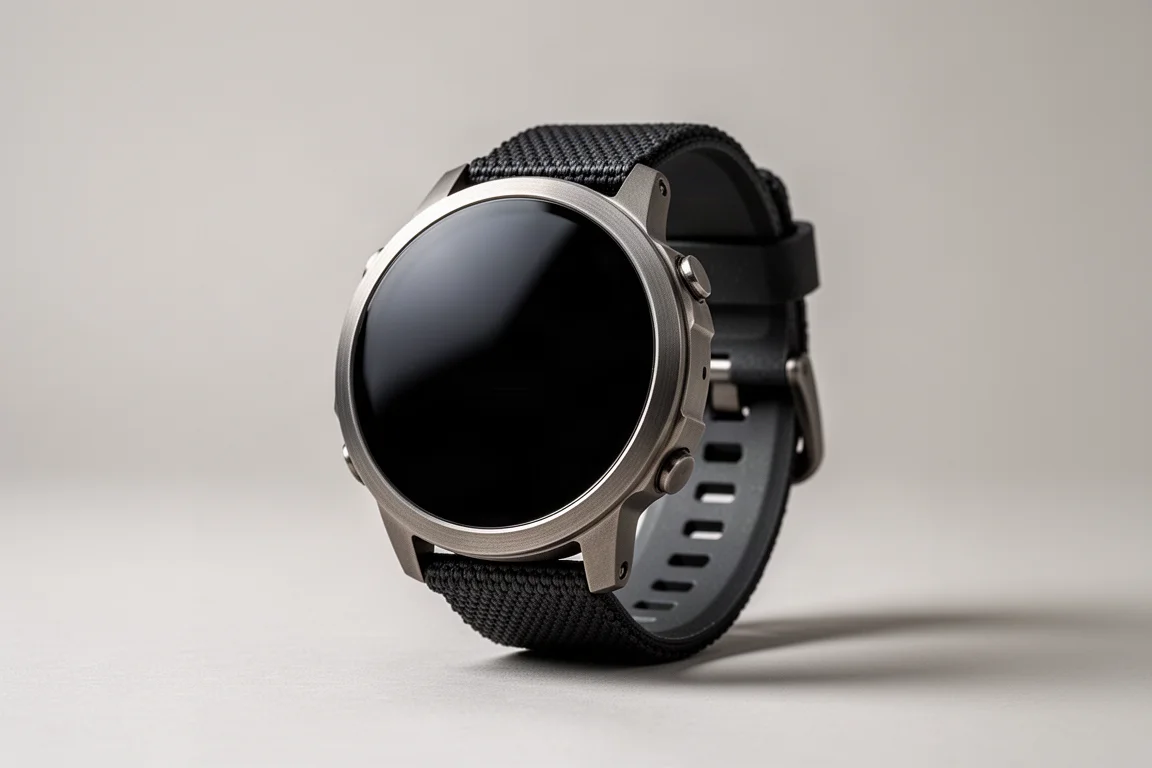
The Garmin MARQ Athlete Gen 2 is the most expensive GPS watch released in its class this year, priced at $1,900, and it raises a very fair question: why pay roughly twice the price of a Garmin Epix for what is, feature for feature, almost the same watch? The short answer is materials and looks, plus one new hardware element and one new software feature. This comparison walks through what the Gen 2 MARQ actually offers, how it relates to the Epix it is based on, and who each watch makes sense for.
Understanding the MARQ Gen 2 Line-up
There are five second-generation MARQ editions. The MARQ Athlete sits at $1,900, the MARQ Adventurer at $2,100, the Captain marine and boating edition at $2,200, the Golf edition at $2,300, and the Aviator at the top at $2,400. There is currently no MARQ Driver edition for Gen 2, unlike the first generation. All of them share the same core platform, so the choice between editions is mostly about design and intended use rather than capability.
Each MARQ is essentially an equivalent Epix with more premium materials at roughly double the price. The Gen 2 series uses grade-5 titanium, and the difference is visible side by side: the buttons and finish feel a step above even the Epix Sapphire edition. The Gen 2 MARQ also arrives in a large, layered presentation case, though it is the kind of case most owners will rarely use again.
The MARQ Athlete Gen 2: Premium Materials and a Familiar Platform
The MARQ Athlete Gen 2 is a 46mm watch built on the Epix platform, which is the AMOLED variant of the Fenix line. It has a brighter, prettier display than a traditional transflective screen, at the expected cost of shorter battery life. Underneath, it carries everything you would expect: contactless payments, Garmin’s latest-generation optical heart rate sensor, and the full physiological suite including training readiness, HRV status and load focus, which makes it much easier to judge whether to train or recover.
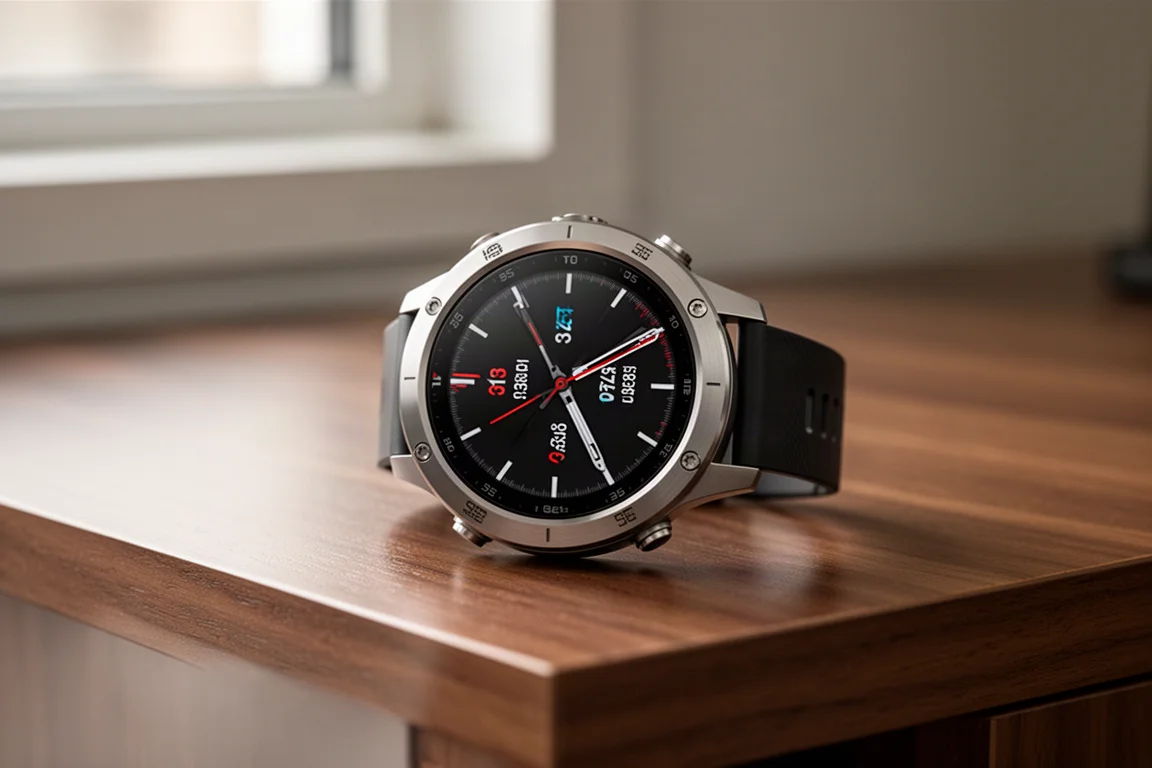
One caveat: HRV status requires 19 nights of wear before it fully populates, so new owners should expect some patience before the complete picture appears. Wrist-based running power is also expected to arrive via software updates after launch rather than being available on day one.
GPS Accuracy and Navigation Features
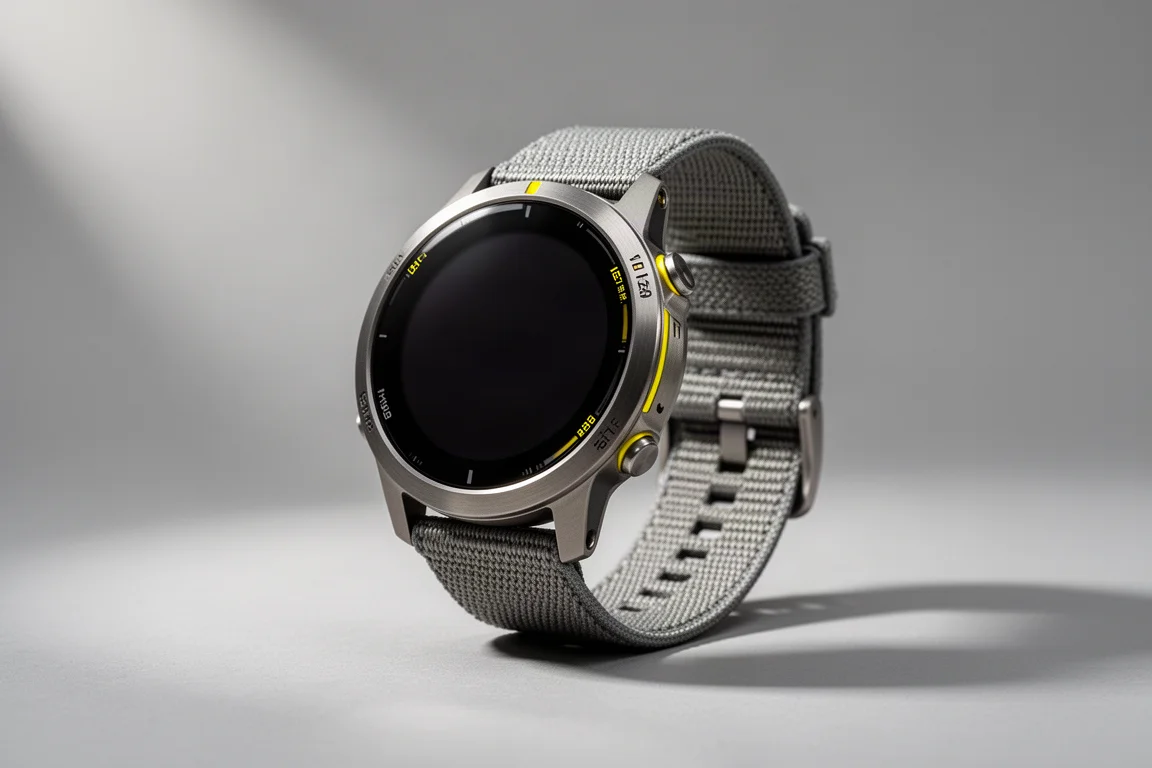
All MARQ editions include multi-band, dual-frequency GPS plus Garmin’s SAT IQ, which automatically switches between multi-band and dual-band modes depending on conditions. In extended real-world testing, including an eight-day hike, SAT IQ performed very well: it reduced GPS power draw in open farmland and ramped accuracy up in cities and mountains, without needing manual intervention.
In practice, outdoor cycling tracks came out spot on, including through tunnels and tree cover, and indoor cycling heart rate tracked an optical strap closely. City running among tall buildings showed a bit more struggle than a Fenix 7, particularly on shorter intervals, but longer intervals held up fine. The watch also inherits Fenix 2-era features like Next Fork, which predicts upcoming trail junctions on unloaded routes, and it will receive the same quarterly feature drops as the Fenix and Epix beta series.

Jet Lag Adviser: The One New Software Feature
The MARQ Gen 2’s headline software addition is the Jet Lag Adviser. You enter your trip details in the Garmin Connect app, including departure and arrival times for each leg, and the watch generates a widget showing your current time versus destination time, the total time-zone shift, and real-time suggestions across light exposure, sleep, activity, caffeine, nutrition and more. Each component can be turned off individually if it is not relevant to you.
For frequent flyers, much of this advice will feel familiar, but for occasional travellers it can be genuinely useful. Worth knowing: Garmin has confirmed the adviser currently does not factor in your actual sleep, recovery or workout data, though the architecture is built to allow that later. Garmin has also stated the Jet Lag Adviser will eventually come to the Fenix, Epix, Venu and Forerunner lines, so Epix buyers should get the same feature in due time.

Battery Life and the New Charging Cable
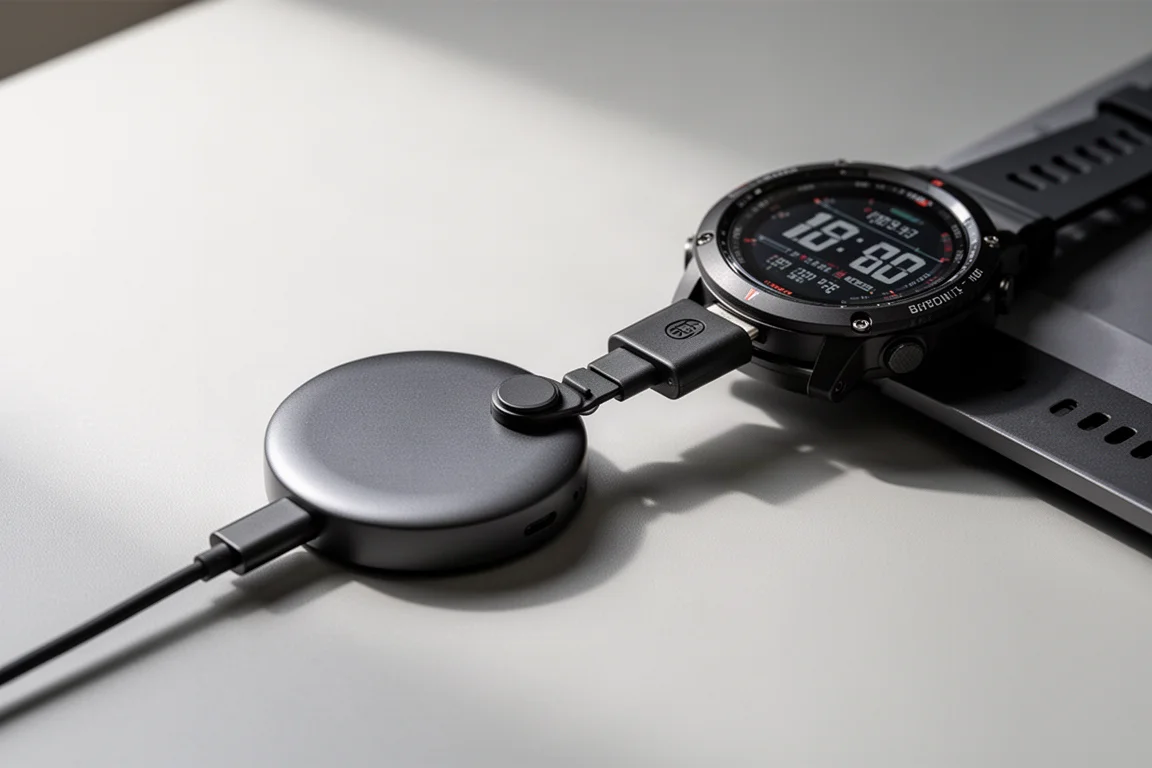
Without the always-on display, the MARQ Athlete Gen 2 reaches up to 16 days in smartwatch mode. With always-on enabled, expect roughly three to five days. Charging is where the new hardware shows up: the Gen 2 ships with a new snap-on charging connector and, for the first time on a Garmin fitness watch, a USB-C plug on the wall end. The magnetic hold is adequate rather than impressive, but the speed makes up for it. In one test, 29 minutes of charging took the battery from 9% to 60%, on track for a full charge in under an hour, the fastest charging seen in this watch family.
Who Should Buy Which
If you want the nicer materials, the refined finish and the status that comes with a titanium MARQ, and the price genuinely does not bother you, the MARQ Athlete Gen 2 is an excellent watch. It is effectively the best version of the Epix experience in a more beautiful package. If you care about the features rather than the materials, the Epix delivers the same platform, the same AMOLED display, the same physiological tools, and will receive the Jet Lag Adviser as well, at roughly half the price. Be aware that these watches are not heirloom pieces: based on how Garmin handled the first-generation MARQ, expect meaningful feature updates for roughly two and a half to three years.
Conclusion
The MARQ Athlete Gen 2 is a very good watch, but the honest framing is that you are paying for premium materials, looks and status, not capability. Every meaningful feature is either already on the Epix or confirmed to arrive there. Buy the MARQ if the finish and exclusivity matter to you; buy the Epix if you want the same experience for considerably less.
Further reading
Related Reviews

Backpacking Gear
Building a 10 lb Base Weight: An Ultralight Backpacking Gear List
A practical walkthrough of the ultralight pieces behind a 10 lb base weight, from a 765 g pack and a roomy one-person tent to a full camp chair and a dependable water filter.

Road Bikes
10 New Road Bikes Worth Watching: Aero, Titanium, Steel and Endurance Standouts
A practical roundup of 10 new road bikes, from aero flagships chasing single-watt gains to titanium, steel and endurance platforms built for real roads.
Bikepacking Gear
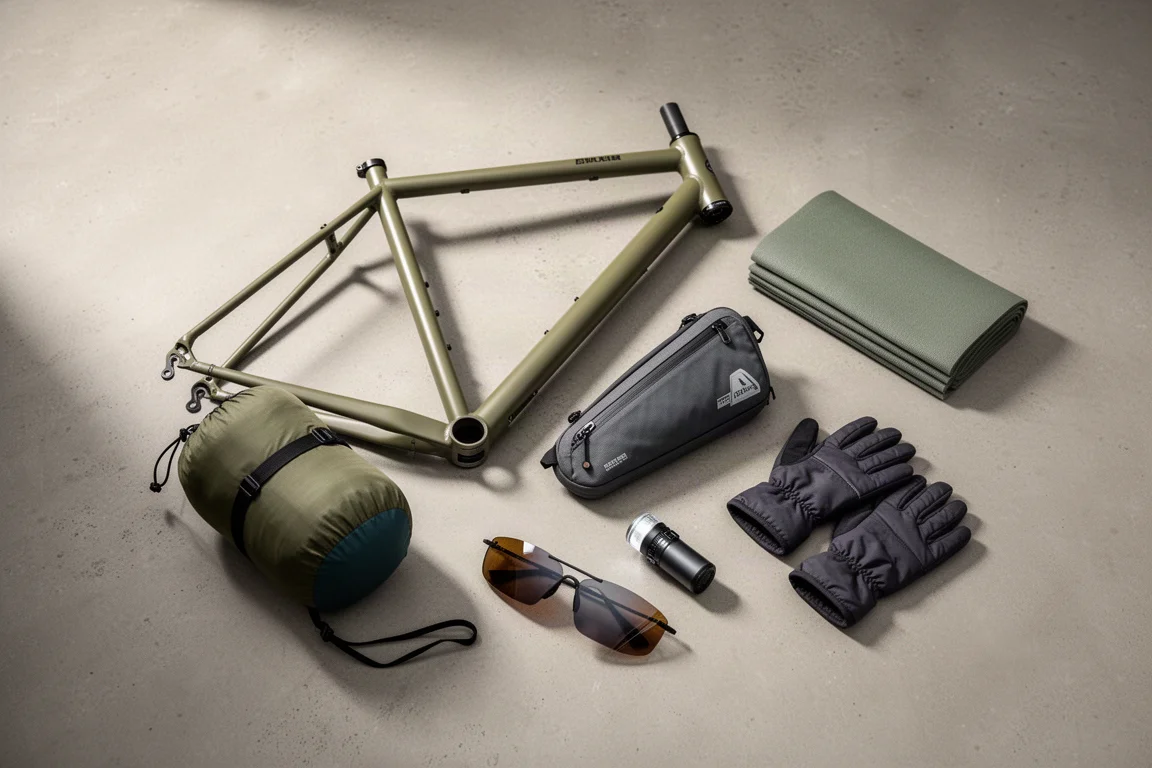
11 Bikepacking Essentials for Long-Distance Cycling
Eleven bikepacking essentials for long-distance cycling, from a steel gravel frame and a two-person tent to helmet lights, packable gloves, and a frame bag that puts weight in the right place.