Outdoor Electronics
Garmin inReach Mini and Instinct Solar: Two Trail Electronics Worth Carrying
A practical look at two Garmin devices that handle satellite messaging and personal health tracking for backpackers.
Introduction
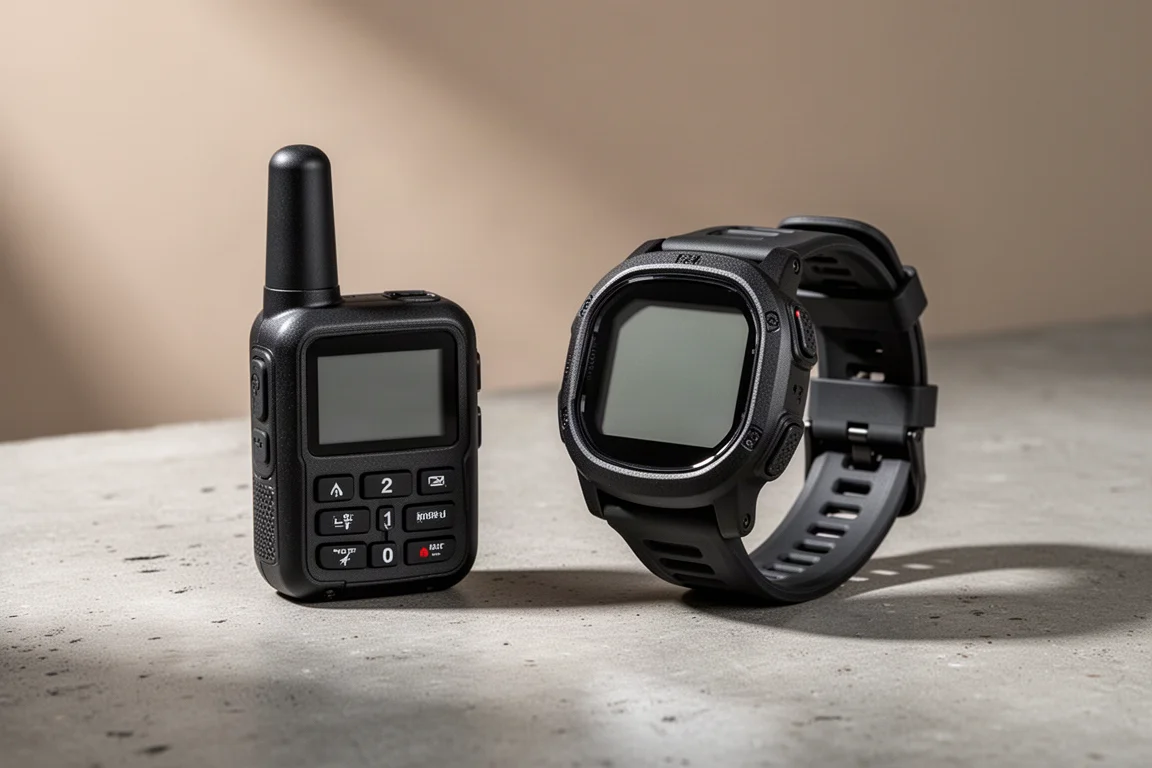
A phone covers most of daily life. On a remote trail it covers far less. Two Garmin devices fill the gap that opens up: the Garmin inReach Mini, a palm-sized satellite communicator, and the Garmin Instinct Solar, a rugged GPS watch built around health and training data. One keeps you in contact with the people watching from home. The other keeps you honest about what your body is doing.
Neither is strictly required for a night in the woods, and both sit at the higher end of the price range. For anyone who spends real time in the backcountry, though, they are the kind of gear that quietly reshapes how a season of trips goes.
Why These Two Devices Earn a Spot in Every Pack
Good communication on the mountain matters for two reasons. The obvious one is safety. The less obvious one is frequency: when you can check in and be reached, it becomes easier to plan another trip, and easier for the people at home to support it.
The case for a watch is more personal. Long days on trail place steady stress on the body, and having data on heart rate, recovery and workload turns vague feelings into something you can read and act on.
Together, one device keeps you connected to other people and the other keeps you connected to your own condition. That combination is why both have stayed in the pack trip after trip, rather than being left behind once the novelty wore off.
Garmin inReach Mini: Satellite Messaging, Weather Reports, and SOS
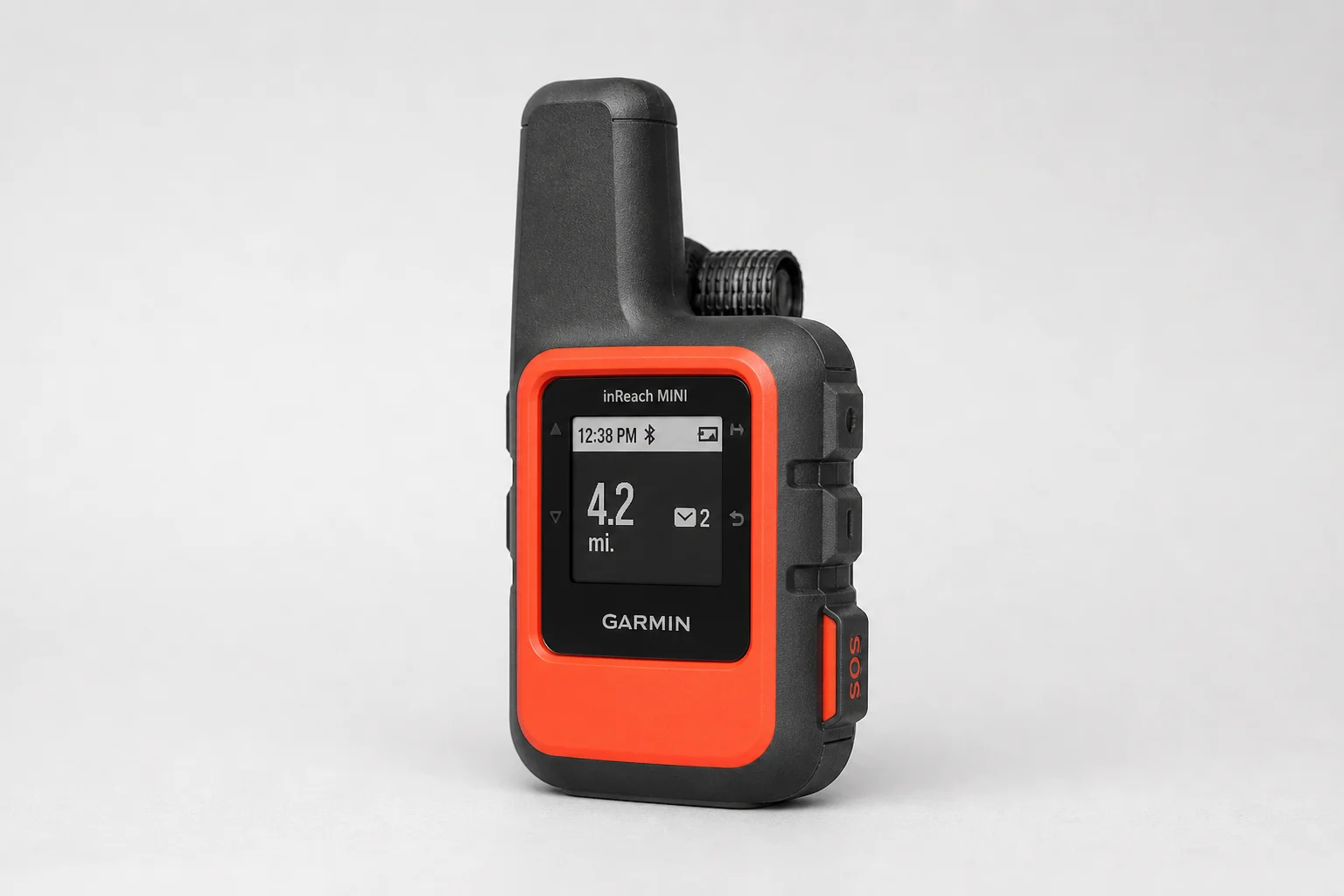
The inReach Mini is the first piece of electronics to go in the pack. Its core job is messaging. You can send a text to anyone directly from the device, or use preset messages that can be sent without limit, which means checking in through the day costs nothing more than a button press. An SOS function covers genuine emergencies.
Weather reports are the feature that gets used more than expected. On a trek through the Highline Trail in the Uinta Wilderness, one member of the group became ill and the crew faced a choice between turning back and arranging a pickup. With no cell service in the middle of the wilderness, the inReach was how the message got out and how a ride was arranged. Weather moved in soon after, and the same device was used to track what was coming and plan around it.
Live tracking sends your position to the people you choose, so a track that stops moving can itself be a signal that something is wrong. All of this comes in a device weighing 3.5 oz.
Garmin Instinct Solar: Health Tracking, Training, and Solar Battery Life
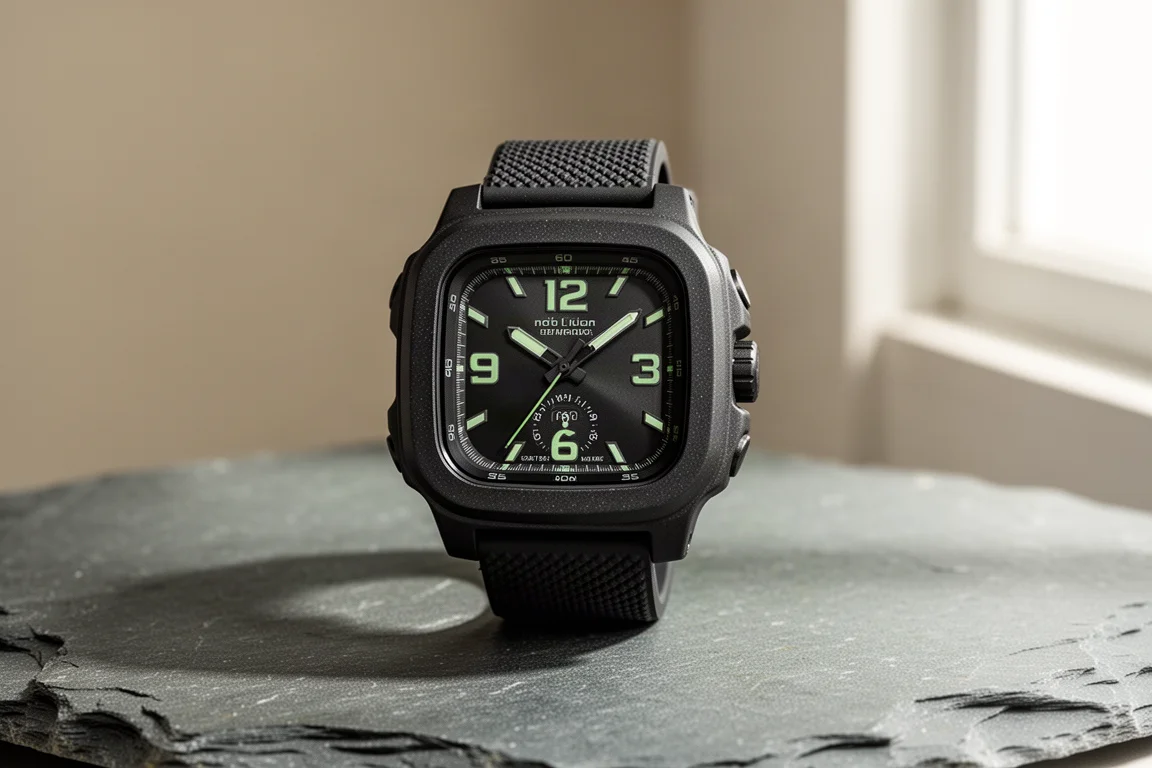
The Instinct Solar adds GPS to the wrist, alongside a heart rate monitor, a blood oxygen monitor and solar charging that contributes to a very long battery life. It can also pair with the inReach Mini to send messages and trigger an SOS from the watch.
The companion app is where much of the value sits. Body Battery estimates how much energy you have, based on heart rate variability and other factors: a low reading suggests you are drained and more vulnerable, a high reading suggests you are in good shape. Calorie counting comes straight off the watch, making it easy to see how training days change what you can eat.

Heart rate data turned into a training tool. Trail running, tracked and compared week after week, became something closer to a game, and the fitness built there carried directly into backpacking. Reviewing months of heart rate history also made it possible to identify what was likely elevation sickness rather than ordinary fatigue. Alongside calorie tracking, that picture contributed to losing 30 lb over the year, a change that affected daily wellbeing as much as trail performance.
How the Two Devices Work Together
The pairing is what makes the two more useful as a set than either one alone. The watch can connect to the inReach Mini to send messages, trigger an SOS and handle related functions, so the most important actions are available from the wrist. Health and training data keeps collecting on the watch while check-ins, weather and live tracking run on the communicator. One system looks outward, the other looks inward, and neither competes for the same job.
What to Consider Before Buying
Cost is the honest answer. Both devices sit at the higher end, and the inReach Mini in particular is a serious purchase for something you hope never to need in an emergency. If most of your trips are short, on busy trails and within reliable coverage, the case is much weaker.
It is also worth being clear about what these are not. The inReach Mini is built for messaging, weather, tracking and SOS rather than as a replacement for a phone in everyday life. The Instinct Solar is a training and health watch that happens to be rugged enough for the backcountry. Both reward people who will actually read the data and use the check-ins.

Where the pair earns its keep is consistency. The value compounds across a season of trips rather than a single weekend, and the habits form quickly once the devices become part of the routine.
Matching the Devices to the Way You Backpack
If your trips are remote and multi-day, the communicator is the piece that changes what is possible. Being able to reach someone from a place with no service turns a potential emergency into a logistics problem, and it makes longer routes easier to justify.
If your focus is fitness and health, the watch comes first. Trail running, calorie awareness and heart rate trends are the kind of data that shapes training between trips, which in turn makes loaded days on the trail feel more manageable.
Many backpackers will land on both. The watch makes the communicator easier to live with, and the communicator makes the watch more useful on routes where there is no other way to reach the outside world.
Buying Advice
Start with the problem you actually have. If you regularly hike where there is no service, the communicator is the more consequential purchase. If you want to train more effectively and understand your health data, the watch is the better starting point. Buy the one that solves the problem you run into most often, and add the second when the budget allows.

These are long-term devices rather than one-trip gadgets. The cost is easier to justify when you measure it across years of use, and when you buy the piece that fits the way you already hike instead of the one that looks best on a gear list.
Conclusion
The Garmin inReach Mini and the Garmin Instinct Solar do two different jobs, and they do them well. One keeps you reachable when there is no signal, with messaging, weather reports, live tracking and SOS in a 3.5 oz package. The other turns heart rate, blood oxygen, recovery and calorie data into something you can actually use, with solar charging stretching the battery along the way.
Neither is required for every backpacker. For anyone who spends meaningful time beyond coverage and wants to understand their own condition on the trail, they are two of the easier gear decisions to make.
Further reading
Related Reviews
Backpacking Gear
8 Ultralight Backpacking Gear Upgrades Worth Carrying
Eight small, affordable backpacking upgrades that solve real trail annoyances, from a pillow that stays put to a fuel valve that rescues leftover canister gas.
Backpacking Gear
Affordable Alternatives to Premium Backpacking Gear: Five Budget Picks Compared
Five premium backpacking items paired with five lower-cost alternatives, compared on weight, materials, weather performance, and price.

Backpacking Gear
Affordable Backpacking Gear: Four Low-Cost Items That Make Trips Better
Four inexpensive backpacking items, from reusable food bags to a sub-100 gram camp pillow, plus the packing habits that keep pack weight honest.