Outdoor Electronics
Two Essential Garmin Devices for Backpacking: inReach Mini and Instinct Solar
A practical look at two Garmin devices that change how backpacking trips unfold: satellite messaging beyond cell coverage and a solar GPS watch for training, health, and battery life.
Introduction
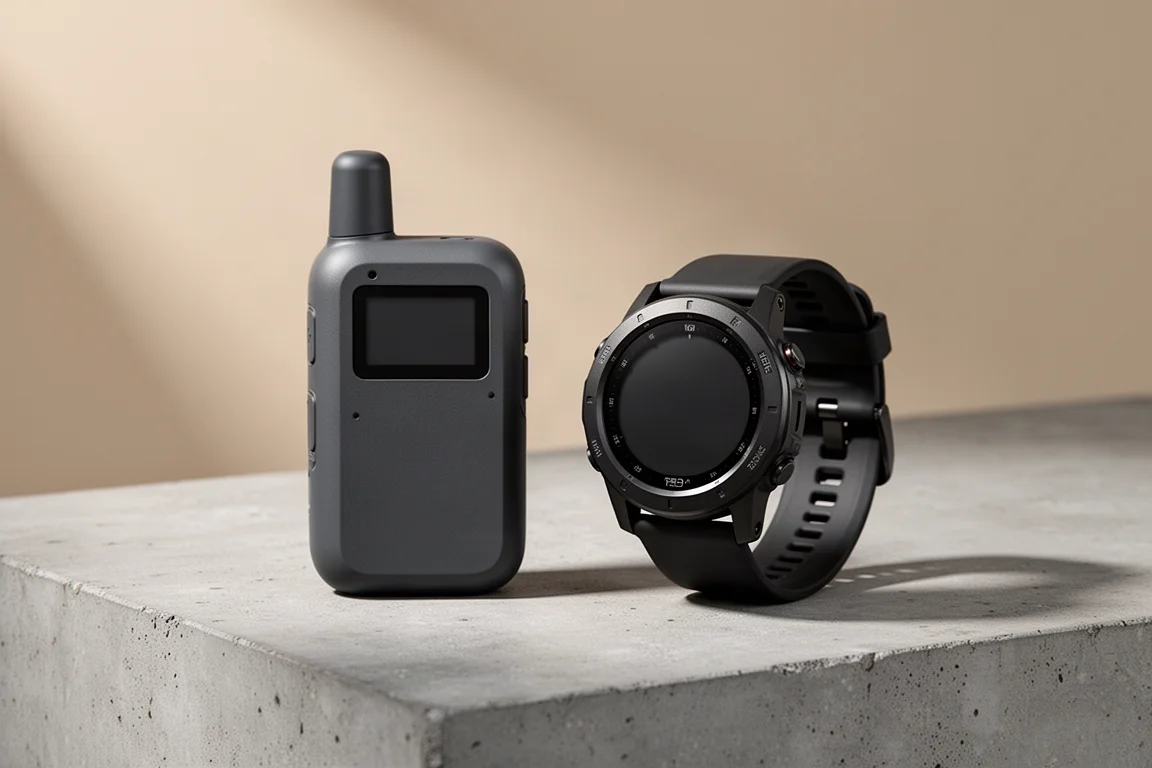
Some gear earns its place in a pack by being useful. A much smaller group earns its place by changing how a trip unfolds. For backpacking, two Garmin devices sit in that second category: the inReach Mini for communication beyond cell coverage, and the Instinct Solar watch for training, health tracking, and long battery life on the wrist.
Neither one is strictly required to walk a trail. What they offer is a different level of confidence: the ability to reach help or pull a weather report from deep in the wilderness, and a clearer picture of how your body is responding to the work.
This guide covers what each device does well, where it fits in a real pack, and who gets the most value from it.
Why These Two Garmin Devices Earn a Place in the Pack
Backcountry trips tend to succeed or fail on two things: information and communication. If you know what the weather is doing and you can reach the outside world when something goes wrong, a lot of small problems stay small.
Both devices address that directly. The inReach Mini handles messaging, weather reports, live tracking, and SOS from places with no cell service. The Instinct Solar handles navigation support, heart rate, blood oxygen, and day-to-day health tracking, with a solar element that stretches battery life considerably.
Together they cover two halves of the same problem: staying in contact, and staying aware of your own condition.

Neither device replaces judgment, planning, or the right layers. They simply remove some of the guesswork that comes with being far from a road.
Garmin inReach Mini: Messaging and Safety Beyond Cell Service
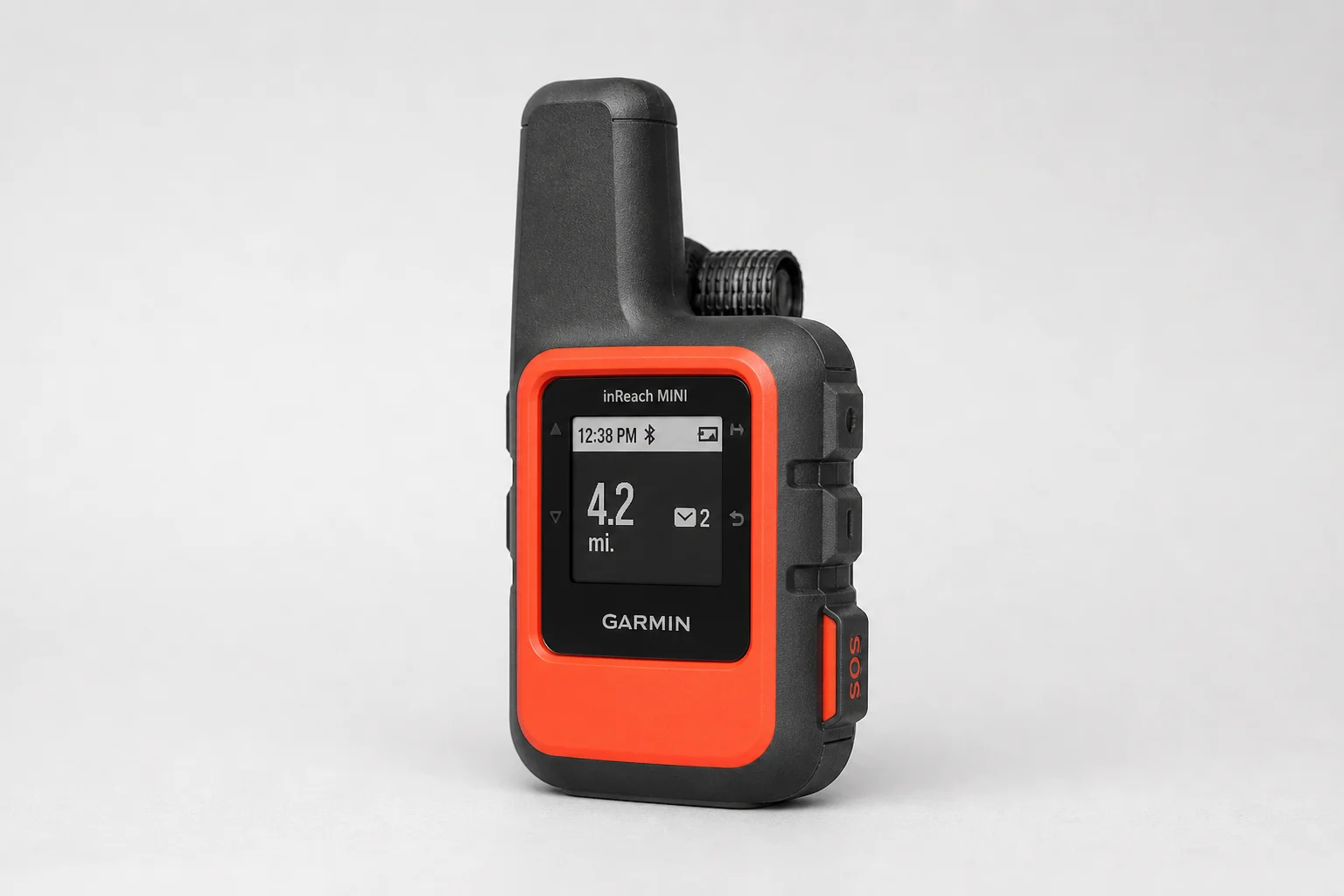
The inReach Mini is the piece that comes on every trip. It provides satellite messaging, so you can text someone directly, or set predetermined messages and send as many of those as you like to check in through the day. Weather reports can be pulled on demand, which matters more than most people expect. Live tracking pings your position to whoever you have chosen, so if you stop moving for an unusual amount of time, someone back home has a reason to check in. SOS functionality rounds out the safety side.
At 3.5 oz, it is light enough that the decision to bring it stops being a decision at all.
A real example makes the case better than a spec sheet. On a trip along the Highline Trail in the Uinta Wilderness, a member of the group became sick, badly enough that the whole crew either had to leave the trail or arrange a pickup. There was no cell service. The inReach Mini was used to communicate off the trail and coordinate a ride out, and the situation resolved safely. Shortly after, weather moved in, and the same device was used to track conditions and plan around them.
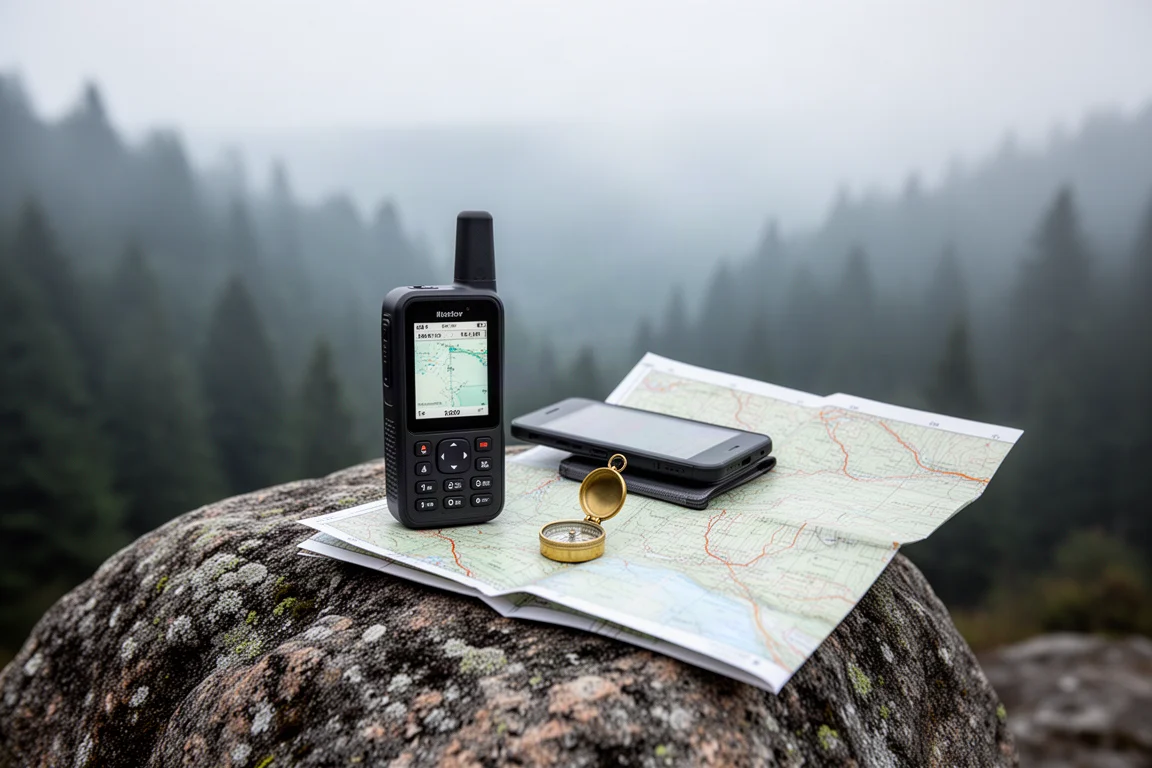
That combination of messaging, weather, tracking, and SOS is what turns it into a staple rather than an accessory. It is most valuable exactly where it is hardest to replace: deep in the backcountry, far from a signal.
Garmin Instinct Solar: Training, Health, and Battery Life on the Wrist
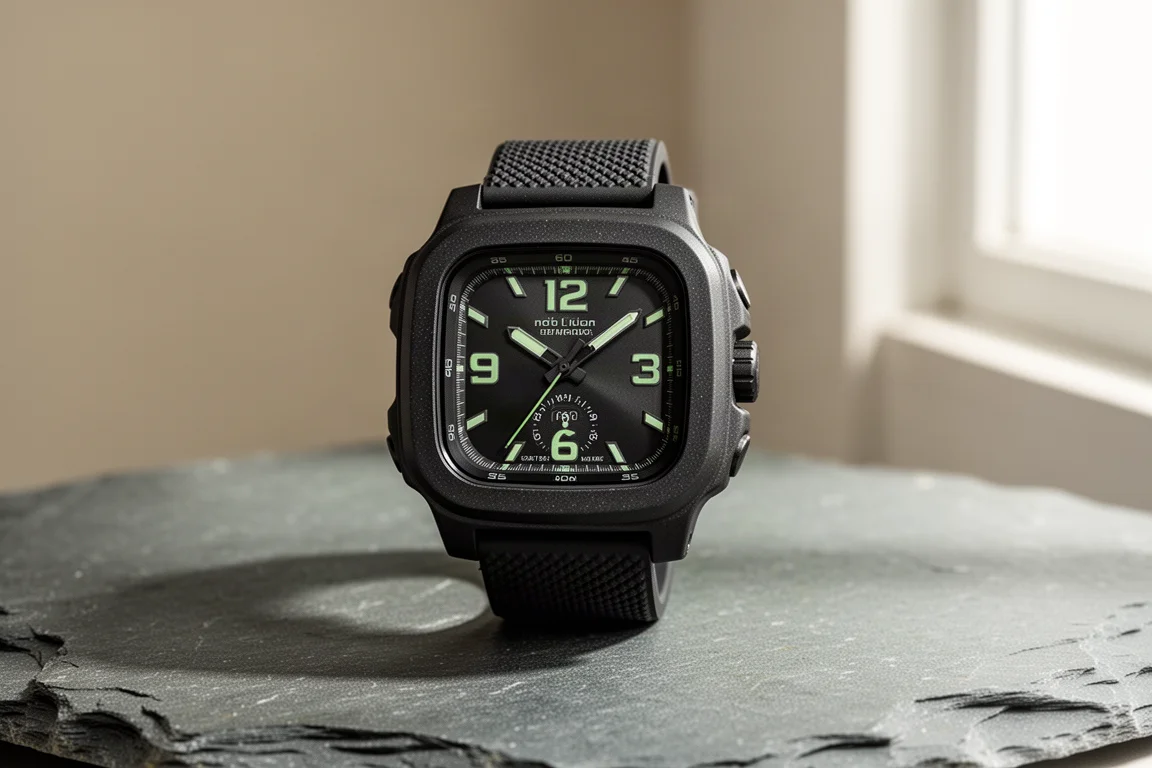
The Instinct Solar adds GPS to a watch that already tells time, and it does so with an extremely long battery life thanks to its solar element. It includes a heart rate monitor and a blood oxygen level monitor, and it can pair with the inReach device to send messages or trigger SOS features from the wrist.
The more interesting part is what happens after the trip. The companion app collects the data into something you can act on. Body Battery uses heart rate variability and other factors to indicate how recovered or depleted you are: a low reading suggests you are drained and more susceptible to getting run down, while a high reading suggests you are doing well. Calorie counting comes straight from the watch, which makes it easy to see how training days and rest days differ.
For training, the watch turns trail running into something measurable. Tracking runs, chasing personal times, and watching incremental improvement week over week made the work more engaging, and that training feeds directly back into backpacking fitness. On the health side, reading heart rate data over time helped identify when the body was going into distress. Looking back through months of data even helped clarify whether a past episode was elevation sickness, something that would have been difficult to determine otherwise.
Calorie tracking played a role too, showing how workouts raised daily calorie needs and how those needs changed on days off. That feedback loop contributed to dropping 30 lb over the course of a year, which is the kind of change that affects how every trip feels.
How the Two Devices Work Together
The pairing is what makes the two greater than the sum of their parts. The watch can send messages and SOS through the inReach, so you do not have to dig the communicator out of your pack every time you want to check in.
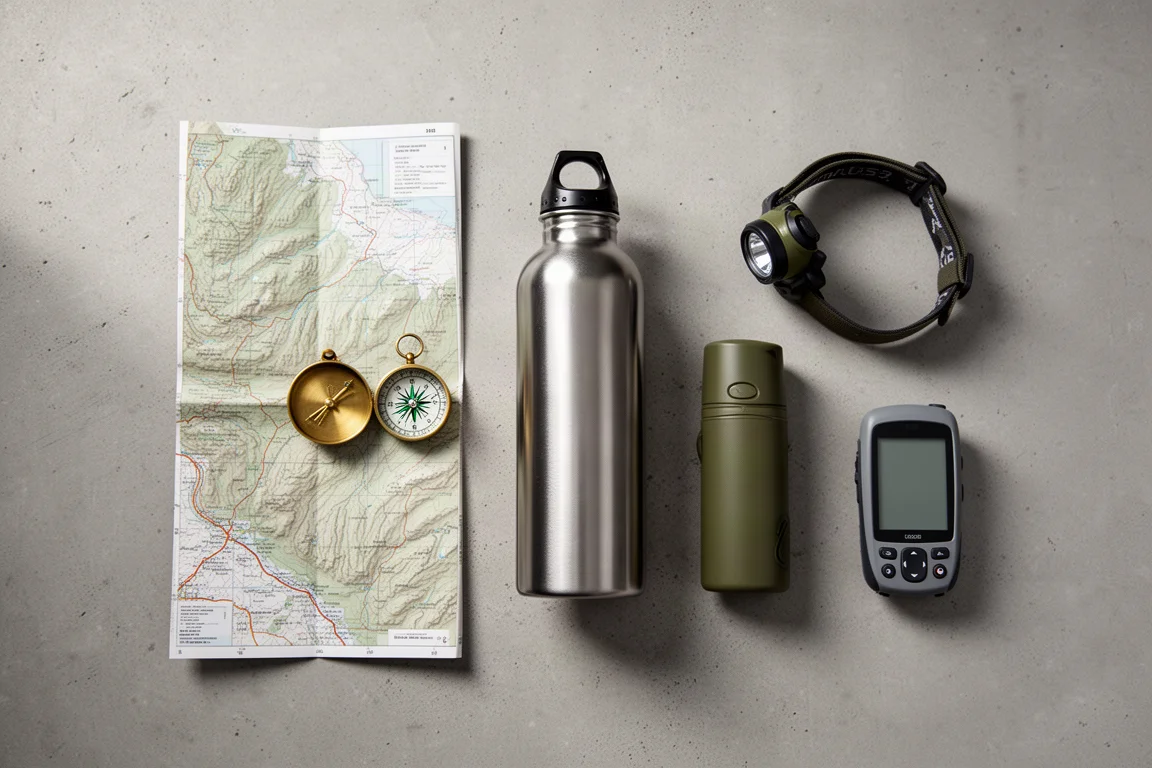
Meanwhile, the watch keeps collecting health and training data while the inReach handles communication and weather. One lives on your wrist, the other lives in your pack, and together they cover the full span of a trip from the trailhead to the last mile out.
Who Should Consider Each Device
The inReach Mini makes the most sense for anyone who spends real time beyond cell coverage: thru-hikers, alpine travelers, solo backpackers, and anyone whose family wants to know where they are. The messaging and weather features also make it easier to go on more trips, because check-ins and forecasts remove a lot of the friction that keeps people home.
The Instinct Solar suits hikers and backpackers who want training data, health insight, and long battery life in one device, and who will actually use the app to review it. If you already track workouts or care about recovery, the value is straightforward.
Buying both is not necessary for every hiker. Many people will start with one, depending on whether communication or health tracking is the bigger gap in their setup.
Buying Advice: Cost, Value, and What to Expect
Both devices sit at the higher end of the price range, and that is the main thing to weigh. Neither is a requirement for backpacking, but both are the kind of gear that gets carried on every trip once you own it, which changes the value calculation over a season.

A useful way to think about it: the inReach Mini is insurance and logistics in one small package, and the Instinct Solar is a training and health tool that happens to survive the backcountry. If you hike often, or hike far from help, the cost spreads across enough trips to make sense. If you hike occasionally and stay close to civilization, start with whichever problem you actually have.
Conclusion
Two devices, two jobs. The Garmin inReach Mini keeps you connected, informed, and reachable when there is no signal. The Garmin Instinct Solar keeps you training, recovering, and aware of what your body is doing, with battery life that lasts. Together they cover the essentials of a confident backpacking setup, and both earn their weight in a pack.
Further reading
Related Reviews
Outdoor Electronics
Garmin inReach Mini and Instinct Solar: Two Trail Electronics Worth Carrying
A practical look at two Garmin devices that handle satellite messaging and personal health tracking for backpackers.

Backpacking Gear
Building a 10 lb Base Weight: An Ultralight Backpacking Gear List
A practical walkthrough of the ultralight pieces behind a 10 lb base weight, from a 765 g pack and a roomy one-person tent to a full camp chair and a dependable water filter.

Road Bikes
10 New Road Bikes Worth Watching: Aero, Titanium, Steel and Endurance Standouts
A practical roundup of 10 new road bikes, from aero flagships chasing single-watt gains to titanium, steel and endurance platforms built for real roads.