Satellite Communicators
Garmin inReach Mini Compared: Mini 1, Mini 2, Mini 3 and Mini 3 Plus
A practical comparison of the Garmin inReach Mini 1, Mini 2, Mini 3 and Mini 3 Plus, with clear guidance on when an upgrade is genuinely worth the money.
Introduction
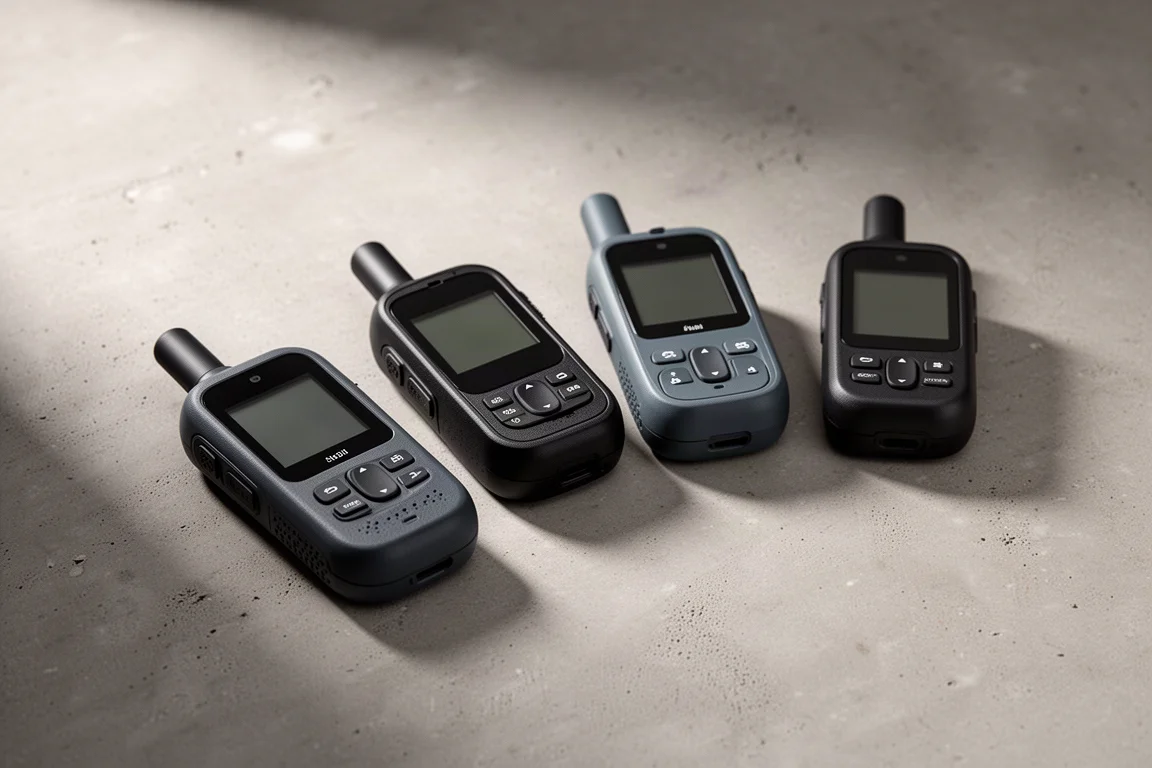
Satellite communicators are a strange category of gear. You carry one for years and hope the day never comes when you actually need it. The Garmin inReach Mini has become one of the most popular ways to carry that capability, and the range now spans four units: the original inReach Mini, the Mini 2, the Mini 3 and the Mini 3 Plus.
All four promise the same essentials: an SOS alert, two-way satellite messaging, live tracking and location sharing beyond cellular coverage. What separates them is everything around that core, including the screen, the battery, the positioning hardware and, on the Mini 3 Plus, the way messages are transmitted.
This comparison is written for buyers who want to know whether the newest unit justifies the extra spend, and for existing owners wondering whether an upgrade changes anything meaningful. The honest answer is that the core inReach experience has changed very little. A handful of refinements are genuinely useful, but only when they line up with how you actually use the device.
How the inReach Mini Family Compares
The first thing worth understanding is how much these units share. The Mini 1 and the Mini 3 deliver the same fundamental inReach feature set, and the Mini 2 covers the same ground with multi-GNSS positioning that draws on several satellite constellations at once. If your needs stop at SOS coverage, occasional messages and live tracking, every unit in the family already meets them.
The differences are refinements rather than reinventions. The newer models add a touchscreen, a colour display, voice commands, an emergency siren, a larger battery and, on the standard Mini 3, multiband GNSS. The Mini 3 Plus goes further with a different messaging system that can carry photos and voice notes.

That framing matters when you weigh the cost. A newer unit buys convenience, a little more battery headroom and faster positioning in awkward terrain. It does not buy a different class of safety service. Nothing here is guaranteed in every condition either, because satellite delivery varies with terrain, tree cover and weather regardless of which model you carry.
Garmin inReach Mini 2: Still the Best Value
The Mini 2 has been on the market for close to four years, and it remains the easiest recommendation in the range. It is often discounted to around $250, which puts it at roughly half the cost of a Mini 3 Plus, and it still handles the full set of core inReach functions: SOS, two-way messaging, tracking and location sharing.
Its multi-GNSS positioning pulls in multiple satellite constellations, and battery life holds up well in real use across long day hikes and multi-day backpacking trips. Capacity does decline over time, as it does on any lithium-powered device, but third-party replacement kits exist that include instructions, a small screwdriver and a walkthrough guide, so a tired battery does not have to mean a new device.
For most buyers, the Mini 2 is the point where price and capability meet. The newer units add conveniences on top, not a different service underneath.
Garmin inReach Mini 3: Refinements, Not a Reinvention
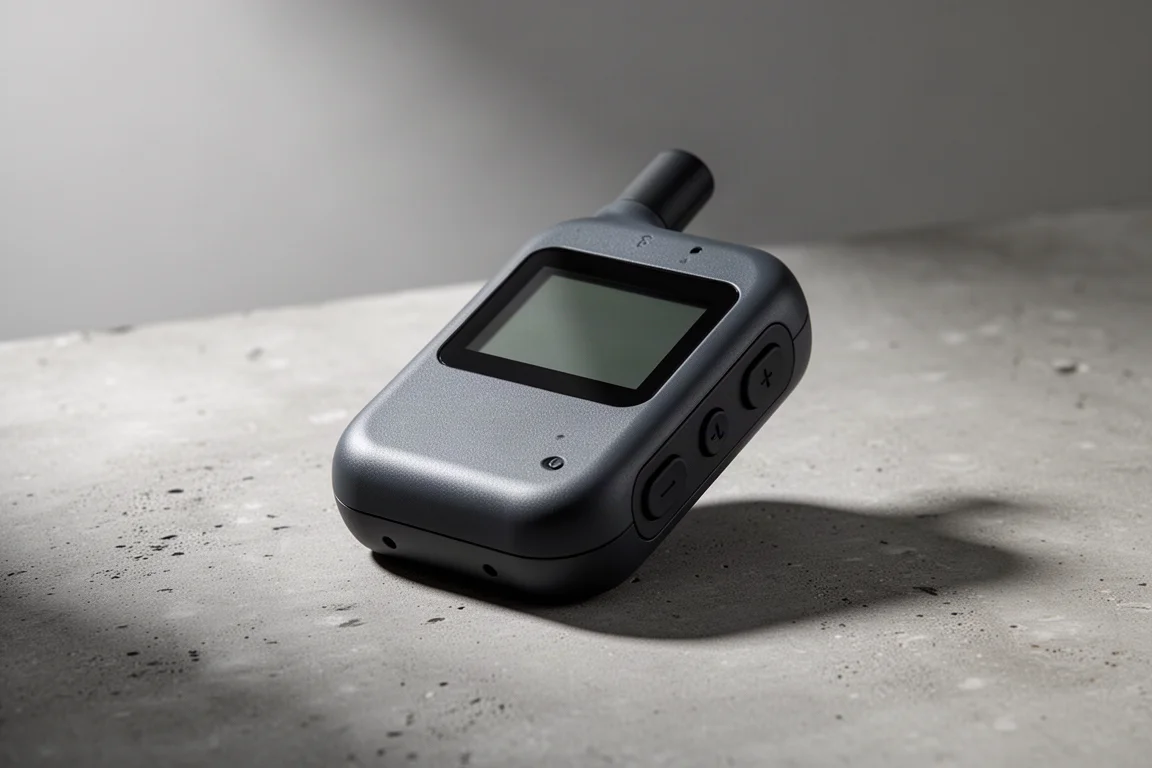
The Mini 3 is the most heavily updated unit in the family, and the changes are easy to appreciate in daily use. A colour touchscreen makes moving through menus far quicker, and typing a message on a touchscreen is noticeably less fiddly than working through buttons. Voice commands, an onboard siren and a set of simple onboard maps round out the convenience list.
Two upgrades carry more practical weight. The battery is larger than the Mini 2’s, which translates into extra runtime, and the addition of multiband GNSS alongside multi-GNSS positioning means a GPS fix can be acquired faster and more reliably in difficult environments such as canyons. In an SOS situation the device attaches your location automatically, so a quicker fix is a real, if modest, benefit.
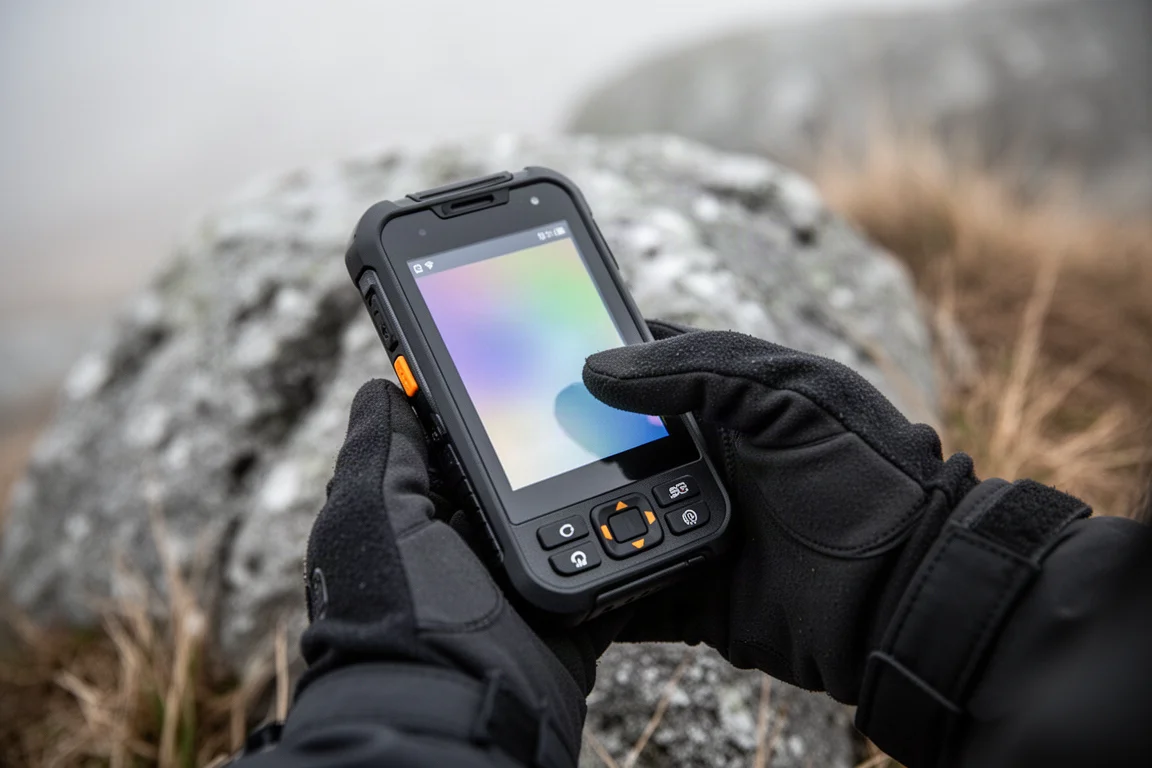
The caveats are worth stating plainly. The onboard maps are very limited and are not a substitute for a phone app or a dedicated mapping handheld, so the Mini 3 works best as a hike tracker and a backup rather than a primary navigation device. Its core inReach feature set is also identical to the Mini 2’s, and the positioning improvement is a marginal gain rather than a dramatic one.
The Mini 3 makes sense if you want the extra battery headroom, you spend time in terrain where a faster fix matters, or you simply prefer the newer interface.
Garmin inReach Mini 3 Plus: Photos and Voice Notes Over Satellite
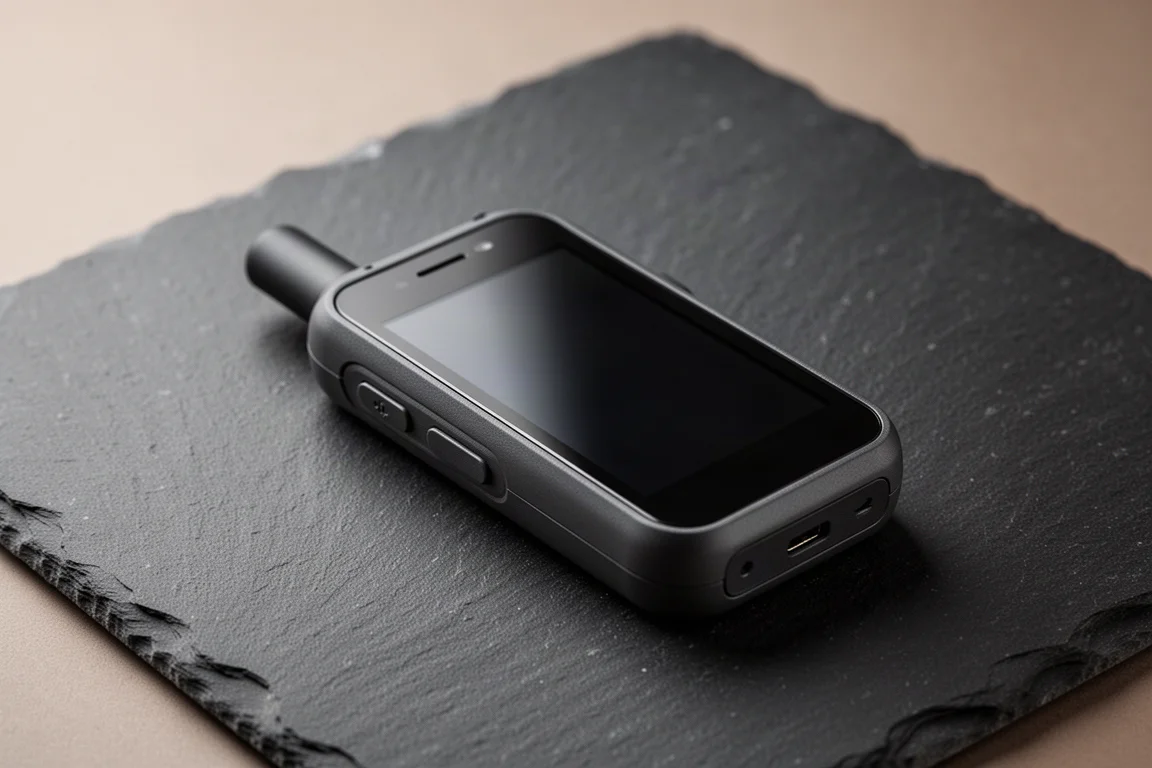
The Mini 3 Plus is the one unit in the family that changes what a satellite message can contain. It uses a different transmission system that supports photo and voice note messages, and it transmits at a higher power than the standard Mini 3.
The extra power does not make messages travel faster, since radio signals already move at the speed of light. What higher wattage tends to improve in practice is the ability to push a message through dense tree cover. For anyone hiking under heavy canopy, where messages can otherwise struggle to get out, that is a meaningful advantage, though it is never a guarantee.
Photos and voice notes are not features most people use casually, but they matter in an emergency. Sending a picture of an injury to first responders, or speaking a message aloud that is transcribed on the receiving end, is far easier than picking out a message on a small keyboard when you are hurt, in shock or in an awkward position.
That capability comes at the highest price in the range, at roughly double the cost of a discounted Mini 2.
Garmin inReach Mini 1: Still Worth Keeping
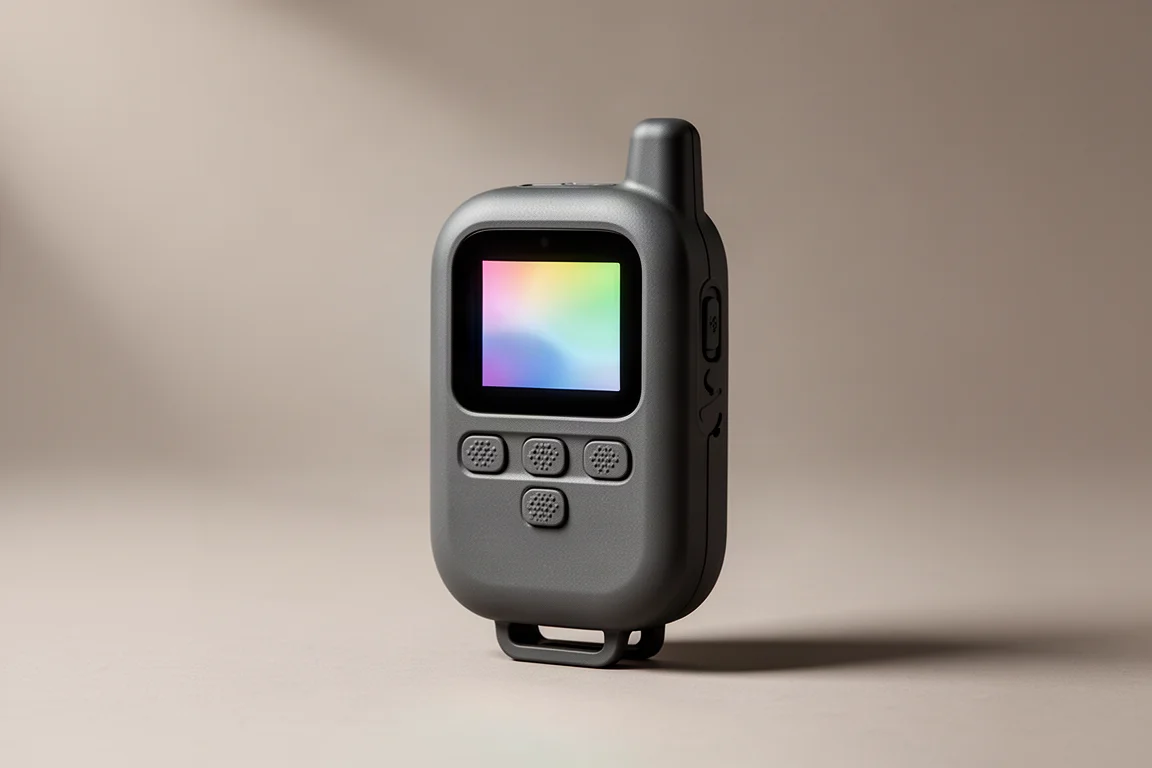
The original inReach Mini deserves a place in this comparison because its core functionality is the same as the Mini 3’s. SOS alerting, two-way messaging, tracking and location sharing all work as expected, and the same third-party battery replacement kits are available if the original cell is fading.
What you give up is the convenience layer: the touchscreen, the colour display, voice commands, the siren, the larger battery and multiband GNSS. If you want an inReach purely as an emergency lifeline and you do not care about a nicer interface, the original unit still does the job, and there is little reason to spend more.
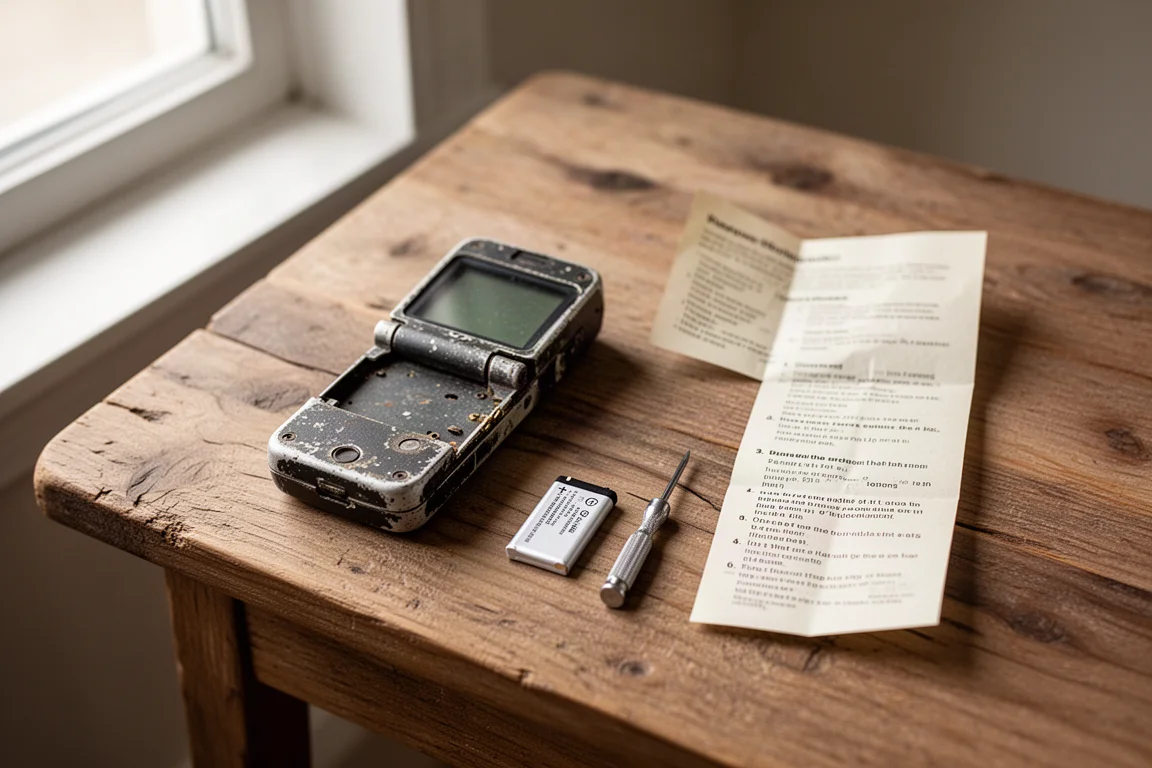
For owners of an older unit, the sensible first step is a battery replacement rather than a new purchase. That keeps a capable device in service for a fraction of the cost of an upgrade.
Buying Advice
The decision comes down to why you are considering a change.
If you already own a Mini 2 and it works, there is no compelling reason to upgrade. The Mini 3 adds a touchscreen, a colour screen, voice commands, a siren, a larger battery and multiband GNSS, but the core inReach service is unchanged. If your battery is degrading, replacing it is the cheaper and more sensible route. Upgrade only if you have a specific need for the extra runtime, you rely on the device as a primary navigation aid and want the multiband positioning, or you simply want the newest unit and the ability to send a photo or a voice note in a pinch.
If you are buying new, the Mini 2 at around $250 is the strongest value in the range, at roughly half the price of a Mini 3 Plus. The Mini 3 is the pick for anyone who wants more battery life and faster fixes in difficult terrain. The Mini 3 Plus is the choice for heavy tree cover and for anyone who wants photo and voice messaging available in an emergency. If the budget is tight and SOS coverage is all you need, the original inReach Mini remains perfectly serviceable.
Conclusion
The inReach Mini family has evolved through refinement rather than reinvention. Every unit in the range delivers the same core satellite safety service, and the newer models add convenience, battery headroom and positioning improvements on top of it. The Mini 2 remains the value benchmark, the Mini 3 is the balanced step up, the Mini 3 Plus is the most capable and most expensive option, and the original Mini still earns its place for straightforward emergency use.
Match the unit to the way you actually travel, and any of the four will do the job it was built for.
Further reading
Related Reviews
Satellite Communicators
Garmin inReach Messenger vs inReach Mini 2: Which Satellite Communicator Belongs in Your Pack
A practical comparison of two compact Garmin satellite communicators, covering navigation, screen size, battery life, reverse charging and price.
Satellite Communicators
Garmin inReach Messenger vs Zoleo: Which Satellite Communicator Is Right for You?
A practical comparison of two satellite communicators, covering price, battery life, messaging, apps, satellite coverage, and standalone SOS use.
Satellite Communicators
Garmin inReach Mini 2 vs inReach Mini: Is the Newer Satellite Communicator Worth It?
A practical comparison of the Garmin inReach Mini 2 and the original inReach Mini, covering battery life, USB-C charging, navigation, app support, and upgrade advice.