Satellite Communicators
Garmin inReach Mini 3 Plus vs Mini 3 vs Mini 2: Which Satellite Communicator Is Worth Buying
Three compact satellite communicators tested side by side. Why the Plus model stands out, why the base model is a tough sell, and when the Mini 2 still makes sense.
Introduction
Garmin’s inReach Mini line is the go-to option for hikers, runners, and backcountry travelers who want two-way satellite messaging and SOS coverage in a device small enough to forget it is in the pack. The latest generation adds the inReach Mini 3 and inReach Mini 3 Plus on top of the existing Mini 2, and after testing all three side by side across hikes and other activities, the differences between them matter a lot more than the spec sheets suggest.
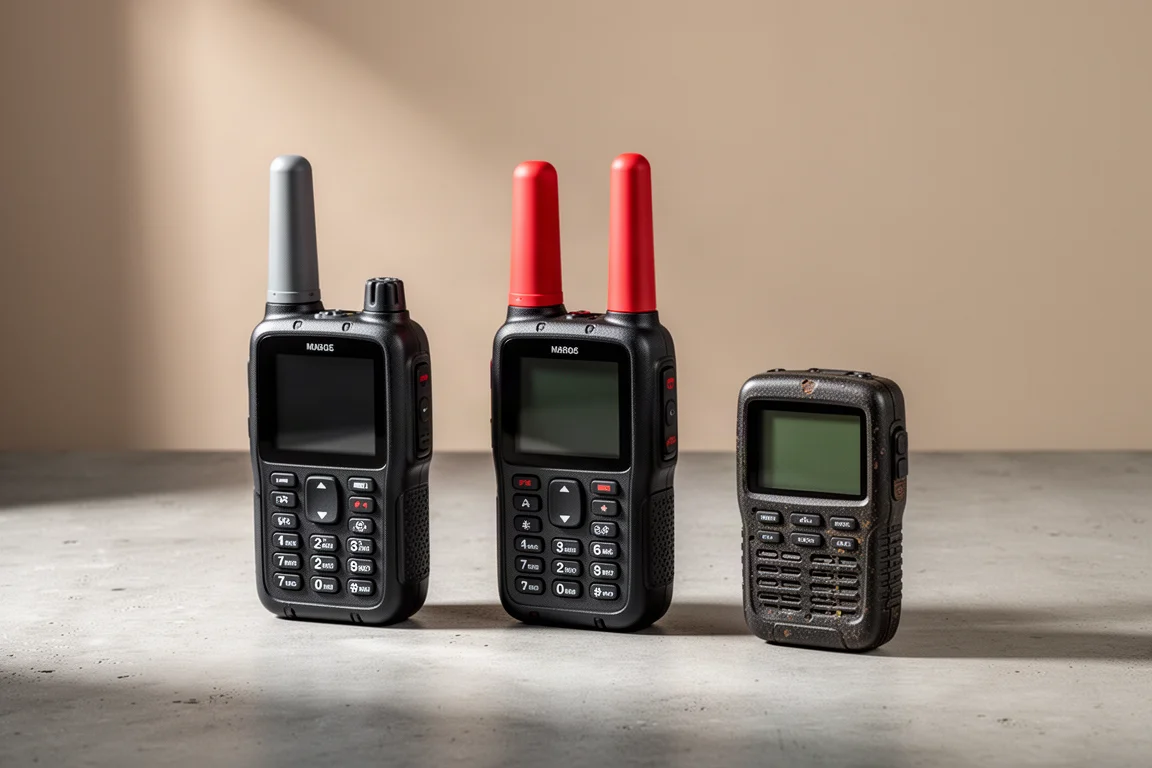
There are two versions of the Mini 3: a base model with a gray top and a Plus model with a red top. The short version of this comparison is that the Plus model is where nearly every meaningful new feature lives, while the base model sits awkwardly between it and the cheaper, still excellent Mini 2. Here is how the three stack up, and what you need to know before picking one.
What Sets the Mini 3 Plus Apart
The headline feature on the Mini 3 Plus is 30-second voice messages. Using the built-in microphone, you can record a short audio snippet and send it over the satellite network, or pair the device with your phone and record using the phone’s mic instead. It is a genuine quality-of-life upgrade when you are trying to get a point across in rain, snow, or wind rather than typing out a message on a tiny screen. Incoming voice messages from other people are also automatically transcribed, which keeps conversations readable on the device itself.

The Plus model also handles photo messages. You snap pictures with your phone’s camera through the Garmin Messenger app and send them via the device; on the small screen they are not high resolution, but they are more than enough to show where you are or what conditions look like. Underneath the red antenna cap sits a different Iridium antenna design that enables higher-bandwidth communication, which is what unlocks these richer message types plus faster sending of larger messages. For short messages under a sentence long, sending speed was effectively identical across all three devices.
The speaker and microphone combo enables a few extra tricks as well: standalone voice notes you can record and replay later, an emergency siren, and fully offline voice commands. Long-hold the upper right button and say “open the siren” and it does exactly that, which works surprisingly well.
The Base Model Problem
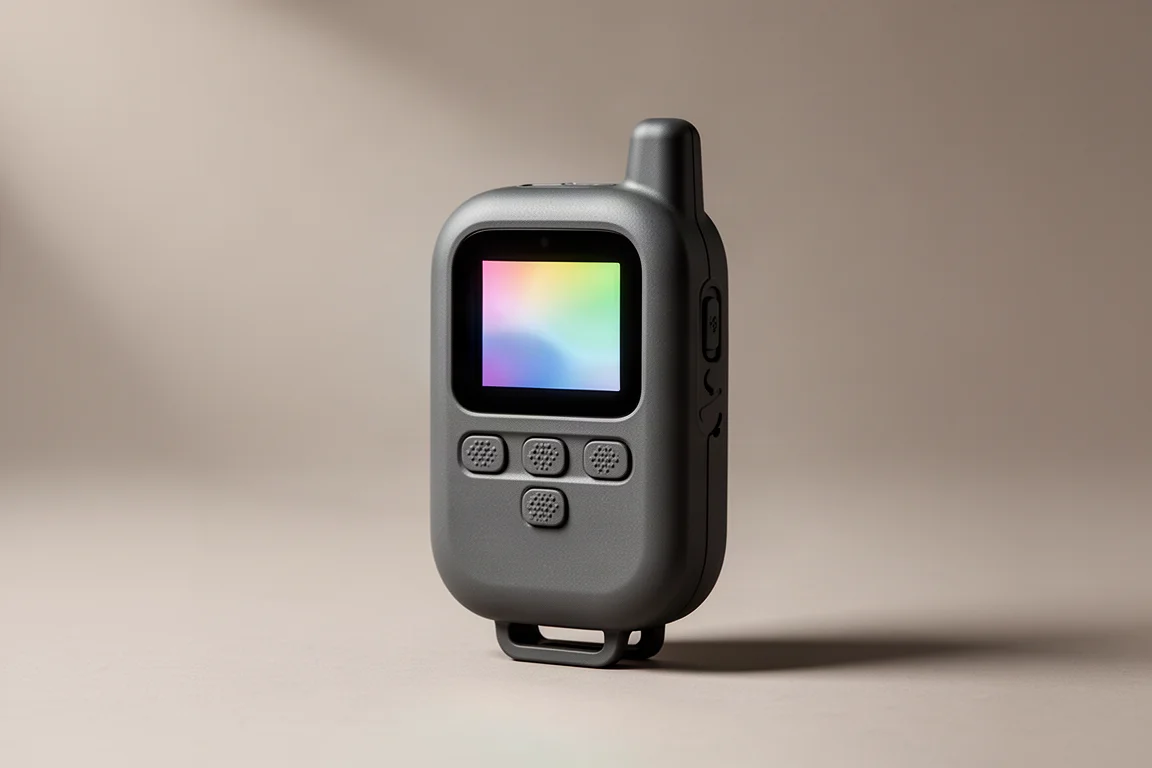
The inReach Mini 3 base model shares the new hardware fundamentals with the Plus but misses every high-bandwidth feature: no voice messages, no photos, no siren, no microphone, no speaker, and the 1,600-character message limit is Plus-only. Functionally, its antenna is effectively the same as the Mini 2’s, and the visual difference in the antenna cap is just that, visual.
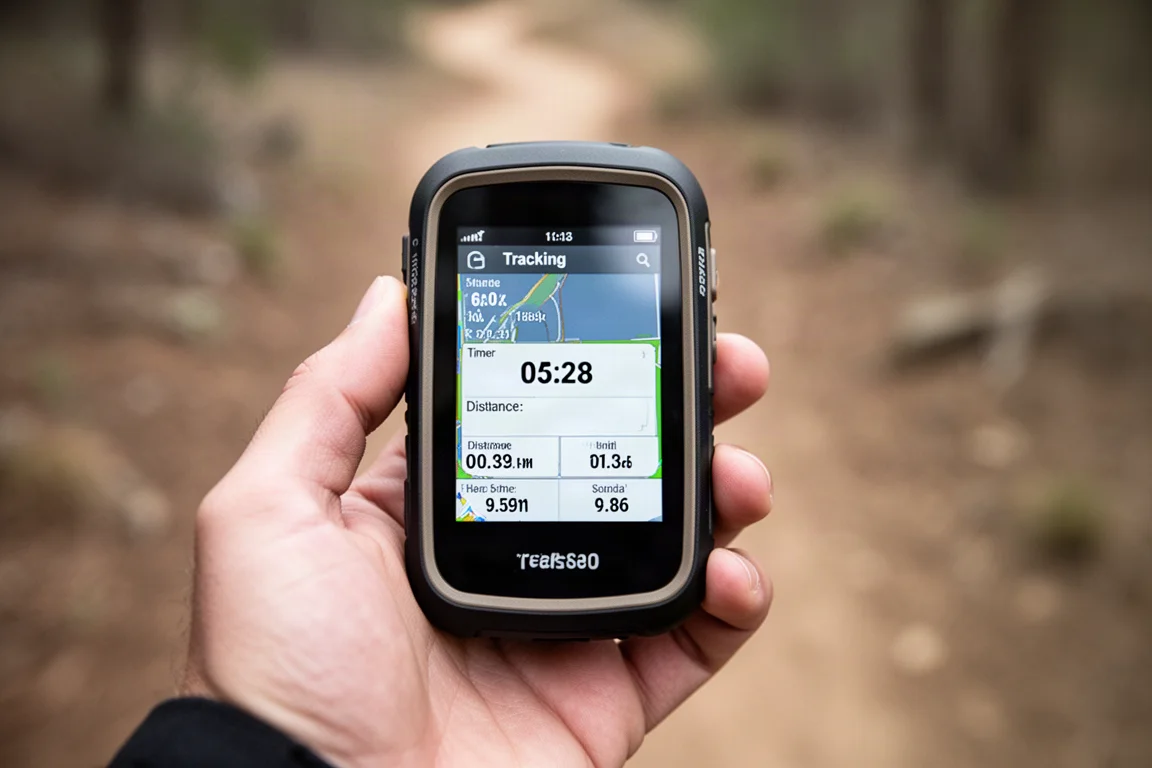
That leaves the base Mini 3 selling the new user interface, the bigger display, and the sport profiles at a price roughly double the Mini 2. Unless those specific upgrades are what you are after, the Mini 2 delivers the same core satellite communications for substantially less, and most people would rather keep the difference. The Plus model, by contrast, costs roughly half again as much as the base and includes a carabiner attachment; the base model does not even ship with a lanyard, which is hard to justify on a device meant to live clipped to a pack.
Shared Upgrades Across the Mini 3 Series
Both Mini 3 models move from the Mini 2’s roughly 0.9-inch monochrome display to a 1.9-inch 64-color MIP screen with higher resolution. The color screen looks good on paper, and in practice it is fine in most conditions, though there are sun angles where the older display was actually easier to read. Neither is a dealbreaker in day-to-day use.
Both models add a touchscreen that works alongside the physical buttons, and you can disable it if you prefer button-only operation. The housing grows slightly heavier, from 100 g on the Mini 2 to 122-125 g depending on the model, which is unlikely to matter in a pack. Durability improves from IPX7 to IP67, keeping the one-meter immersion rating while adding dust protection, and both Mini 3 units gain a MIL-STD-810 durability rating.
Positioning gets dual-frequency, multiband GNSS on both Mini 3 units for more accurate tracks. In testing the practical gain was small, because Garmin’s single-band antenna performance is already exceptionally good, and enabling multiband simply drains more battery. Other additions include Garmin Share for passing routes between a Garmin watch or bike computer and the device, passcode protection, a quick controls menu, a redesigned interface, and sport profiles tied to activities like hiking, trail running, or mountain biking. Storage jumps from 20 MB to 3.5 GB, though the included basemap barely uses any of it: it is dots marking major cities, with the entire peninsula where our tester lives missing entirely. Limits are effectively gone, with unlimited courses, activities, and waypoints replacing the previous caps.
What We Learned About Reliability
Battery life matched the spec between the Mini 2 and Mini 3 in real-world testing across many activities and configurations, and battery was never a concern. Charging is still USB-C across the lineup. The SOS button sits under a hard plastic cover and starts a 20-second countdown before alerting Garmin’s emergency response center, which coordinates rescue anywhere in the world; a service plan is required, and the Essential or Standard tiers make sense for most people, with Premium only worthwhile if you will use the higher message allowances and faster tracking intervals.
Messaging behavior is smart: when your phone is nearby with cellular coverage, the Garmin Messenger app routes messages through the phone automatically, so those do not count against your satellite plan. In typical use, text messages sent in under 20 seconds, while photos could take up to a minute depending on tree cover and device orientation. Satellite weather, including hourly, daily, and marine forecasts, pulls in over the satellite link. The emergency siren was clearly audible up to about 150 m in dense forest and up to roughly 300 m in open terrain, though its real value is narrow given the device also broadcasts your exact GPS coordinates.
One notable issue surfaced during testing: at the start of an eight-hour hike, one Mini 3 Plus refused to send satellite messages for the first three hours, even though messages via the connected phone worked fine and a Mini 2 nearby had no trouble. A forced reboot fixed it. Garmin ran an engineering deep dive, pulled debug logs, and identified a software bug it says should be quite rare. It has not recurred since, but for a device whose core job is satellite communication, it is worth knowing about.
Buying Advice: Which One Should You Get
If all you want is a dependable satellite communicator, the inReach Mini 2 remains a great option at roughly half the price of the Mini 3 Plus. It will get you out of a pickle and has proven itself as a trusted companion for years.
If you use satellite communications heavily, or the voice messaging, photo sharing, siren, and offline voice commands appeal to you, the Mini 3 Plus is worth the extra money, and it is also the safer bet for future firmware feature additions. The base Mini 3 is the hardest to recommend: skip it unless the new interface and sport profiles specifically matter to you.
Whichever you choose, budget for the subscription, and remember that the Plus model needs the Garmin Messenger app on your phone to unlock its photo and richer messaging features.
Conclusion
The inReach Mini 3 Plus is the most capable compact satellite communicator in Garmin’s lineup, and for frequent users the upgrades are genuinely useful. The Mini 2 continues to offer the best value for anyone who mainly wants reliable two-way messaging and SOS coverage. The base Mini 3 occupies an awkward middle ground that most buyers should avoid. Match the device to how often you will actually use the richer messaging features, and all three will do the fundamental job of keeping you connected and rescuable in the backcountry.
Further reading
Related Reviews
Satellite Communicators
Garmin inReach Messenger vs inReach Mini 2: Which Satellite Communicator Belongs in Your Pack
A practical comparison of two compact Garmin satellite communicators, covering navigation, screen size, battery life, reverse charging and price.
Satellite Communicators
Garmin inReach Messenger vs Zoleo: Which Satellite Communicator Is Right for You?
A practical comparison of two satellite communicators, covering price, battery life, messaging, apps, satellite coverage, and standalone SOS use.
Satellite Communicators
Garmin inReach Mini 2 vs inReach Mini: Is the Newer Satellite Communicator Worth It?
A practical comparison of the Garmin inReach Mini 2 and the original inReach Mini, covering battery life, USB-C charging, navigation, app support, and upgrade advice.