Satellite Communicators
Garmin inReach Mini 3 Plus Review: Real Maps, Real Limits
The Garmin inReach Mini 3 Plus brings a touchscreen, a color display, and an onboard base map to the inReach line. Here is what it does well and where it still falls short.
Introduction
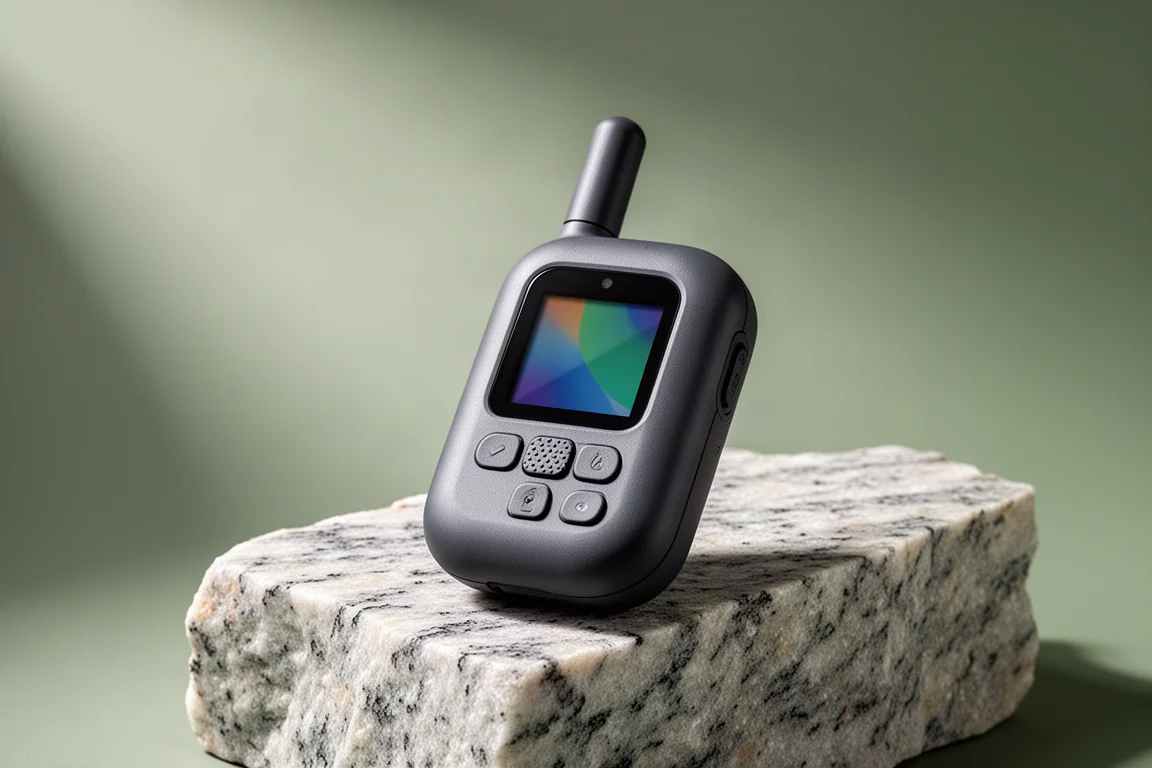
The Garmin inReach Mini 3 Plus is a palm-sized satellite communicator built for two-way messaging, weather reports, SOS alerts and satellite tracking well beyond cellular coverage. It is the first Mini unit to ship with a touchscreen, and it also brings a color display and an onboard map page that has not been heavily publicized.
After several days of hiking with it, the device made a strong first impression. It powered up without bugs or unexpected restarts and behaved exactly as a safety device should: predictably.

The more nuanced story sits in the details. The map page is genuinely useful in some situations and limited in others, and the navigation it enables is narrower than the hardware suggests. For most hikers, the Mini 3 Plus works best as a dependable communication and backup navigation tool rather than a replacement for a primary mapping device.
Who this product is for
The Mini 3 Plus is aimed at people who travel where phones do not work: backpackers, long-distance hikers, alpine climbers and anyone who wants a direct line to emergency services alongside the ability to send and receive messages from the trail.
The Plus variant matters most for anyone who wants to send photos and voice messages over satellite. Both the standard Mini 3 and the Plus share the same core inReach feature set, which includes two-way messaging, weather reports, SOS and satellite tracking. The difference lies in the communication protocol, and that difference is what unlocks richer message types on the Plus.
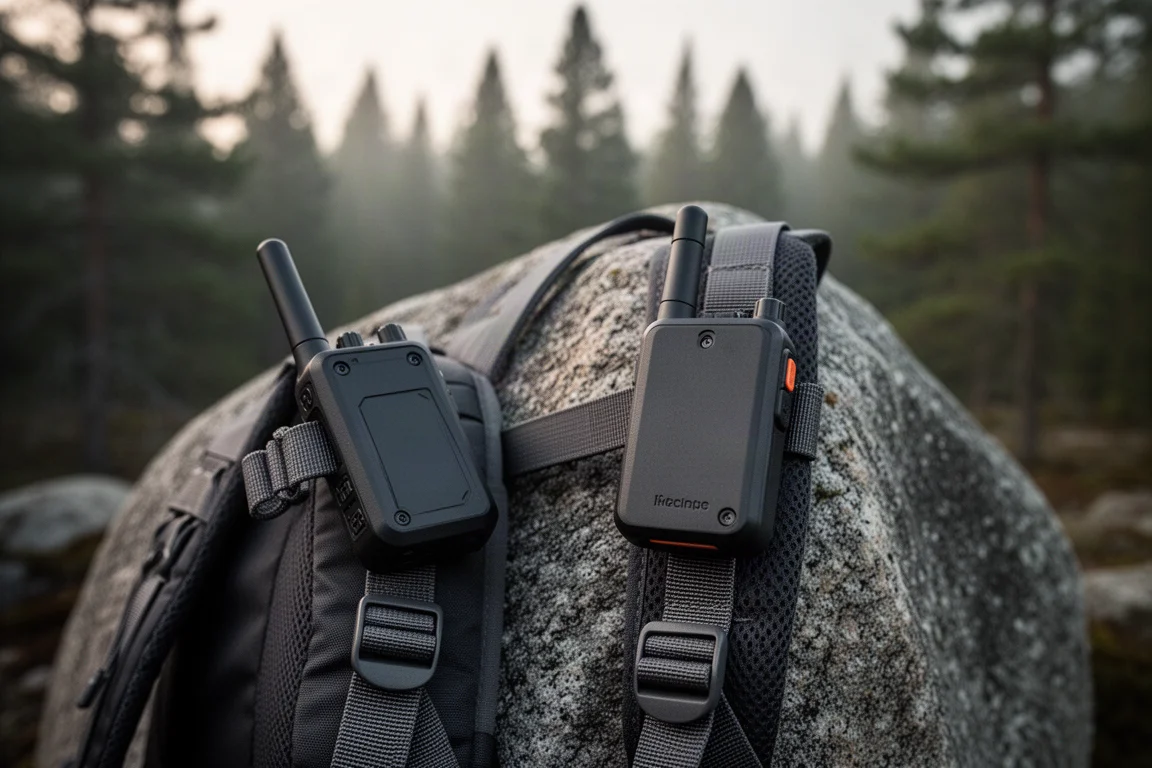
It is also a sensible choice for hikers who want a compact unit that lives on a shoulder strap or in a hip pocket and only comes out when needed. The touchscreen makes those short interactions faster than they were on earlier button-only Mini units.
Main strengths
The touchscreen is the headline change. It is the first Mini with one, and it behaves much like the touch interfaces on Garmin’s newer handhelds. The device rests comfortably in the palm, and swiping through menus with a thumb feels natural. It is clearly more intuitive than the older button-only approach, and the physical buttons remain available for anyone who prefers them. If you would rather not use the touchscreen at all, a swipe-down menu lets you disable it.
Messaging benefits directly from the touchscreen. A full on-screen keyboard means messages can be typed by tapping with a thumb instead of cycling through buttons. The touch targets are small and can be difficult to hit accurately, but the keyboard layout can be switched, and the grid layout, where a key is tapped one to three times to select a letter, worked particularly well.
The color display is a welcome addition, and readability was never a problem during testing. Some users may find the monochrome screen of the Mini 2 slightly easier to read at a glance, but the trade-off is reasonable for the added capability. The lock screen also borrows heavily from Garmin’s wearables, and the glance menu can be scrolled and customized in much the same way.
Activity setup is quick and flexible. From the main glance menu, an activity can be started with live tracking already enabled, and the fidelity of the GPS track can be adjusted before setting off. The new siren worked well in testing, and voice commands function as intended, though they are unlikely to become part of most people’s routine in the field.
Navigation and maps in practice
The onboard map is the most interesting surprise. The map page displays what appears to be a Garmin worldwide base map, and it can be scrolled around to get a sense of where you are. What it does not offer is trail detail or contour lines, and there does not appear to be a way to load additional maps onto the unit.
Navigation options include the familiar track back and navigate to waypoint functions, along with a points-of-interest list that now covers cities. Selecting a city works, but the routing is straight-line only, meaning the unit provides a compass bearing rather than turn-by-turn guidance. Courses loaded from Explore still deliver off-trail alerts, but that setup has to be handled in the Explore app rather than on the Mini 3 itself. Recorded tracks can be reviewed afterwards on the base map, which is a modest improvement over earlier versions.
The result is a meaningful step forward that still feels like a missed opportunity. If routable maps can fit on a watch, they could reasonably fit on a device like this, particularly with a color screen already in place. As it stands, the map page is a helpful reference rather than a navigation system, which keeps the Mini 3 Plus in a backup role for anyone who depends on detailed mapping.
Things to consider before buying
There is no dedicated shortcut or action button for quick tasks such as check-ins. Other Garmin handhelds include an action button, and Garmin watches allow custom actions to be assigned to a long press, but that flexibility is not available here.
The keyboard’s small touch targets are a genuine annoyance in cold or wet conditions, even though the alternative keyboard layouts help. Touchscreen performance in sustained heavy rain has not been verified in this round of testing, so anyone who hikes regularly in wet weather may want to keep the physical buttons in mind as a fallback.
Costs extend beyond the device. Satellite communication requires an active subscription, and adding a second plan to the same account during setup incurred an additional $40 activation fee on top of the plan itself. Running two inReach devices on one consumer account is now possible, and both units appeared under a single Messenger account. Sending a message to that account triggered both units at once, and individual device IDs appear to require a professional account. Anyone planning to carry two units should factor that behaviour in.
Long-term battery endurance and performance under dense tree canopy had not been fully characterized at this stage, so those remain open questions for anyone planning extended trips.
How the Mini 3 Plus fits alongside earlier Mini units
The Mini 3 family comes in two versions, and the core inReach features are shared: two-way messaging, weather reports, SOS and satellite tracking. The standard Mini 3 continues to use Iridium short burst data, the same protocol used on the Mini 2, which has a long track record of reliability. The Plus moves to Iridium Certus IMT, the protocol that enables photo and voice messages.
Transmit power differs across Garmin’s satellite devices, and direct comparisons are not apples to apples because antennas and protocols vary between models. In light use, messages from the Mini 3 Plus went through quickly and were comparable to another recent Garmin unit. More demanding testing is still needed before firmer conclusions can be drawn.
For existing Mini 2 owners, the upgrade question is not straightforward. The touchscreen, color display and base map are real improvements, but they do not automatically justify the extra spend, especially for hikers who mainly use the device for messaging and SOS.
Buying advice
If a compact satellite communicator with SOS and two-way messaging is the goal, the Mini 3 Plus is a capable and well-behaved option. It boots reliably, the touchscreen makes short interactions faster, and the core satellite features work as expected.

Choose the Plus version if sending photos and voice messages over satellite matters to you, since that is the main functional difference from the standard Mini 3. If plain text messaging is enough, the standard Mini 3 keeps the protocol that has served the inReach line reliably for years.
If detailed routable maps are essential for primary navigation, this device should be treated as a backup rather than a replacement, and a dedicated handheld with routable mapping is the better fit. If you already own a Mini 2 and it meets your needs, upgrading is optional rather than necessary.
Finally, budget for the subscription. The hardware is only part of the cost, and the activation fee and ongoing plan are part of the real price of staying connected.
Conclusion
The Garmin inReach Mini 3 Plus is a solid, dependable satellite communicator that improves on the Mini 2 in the ways that matter most day to day. The touchscreen is well executed, the color display is readable, messaging is faster, and the new base map adds genuine context even if it stops short of full navigation.
Its limits are equally clear. Straight-line routing, no loadable maps, no action button and subscription costs keep it firmly in a backup role for anyone who navigates by detailed maps. For hikers who want a compact safety device with reliable messaging, it is easy to recommend, with the caveat that existing Mini 2 owners may not need to rush.
Product link
View more details for Garmin inReach Mini 3 Plus
This product is mentioned in the review. Check the specifications, options, and compatibility before buying.
View more details for Garmin inReach Mini 3 PlusFurther reading
Related Reviews
Satellite Communicators
Garmin inReach Messenger vs inReach Mini 2: Which Satellite Communicator Belongs in Your Pack
A practical comparison of two compact Garmin satellite communicators, covering navigation, screen size, battery life, reverse charging and price.
Satellite Communicators
Garmin inReach Messenger vs Zoleo: Which Satellite Communicator Is Right for You?
A practical comparison of two satellite communicators, covering price, battery life, messaging, apps, satellite coverage, and standalone SOS use.
Satellite Communicators
Garmin inReach Mini 2 vs inReach Mini: Is the Newer Satellite Communicator Worth It?
A practical comparison of the Garmin inReach Mini 2 and the original inReach Mini, covering battery life, USB-C charging, navigation, app support, and upgrade advice.