Satellite Communicators
Garmin inReach Mini 2 vs Mini 3 vs Mini 3 Plus: Which Satellite Communicator Is Worth Buying?
A practical comparison of the Garmin inReach Mini lineup, covering battery life, multiband positioning, photo and voice note messaging, and when an upgrade is actually worth it.
Introduction
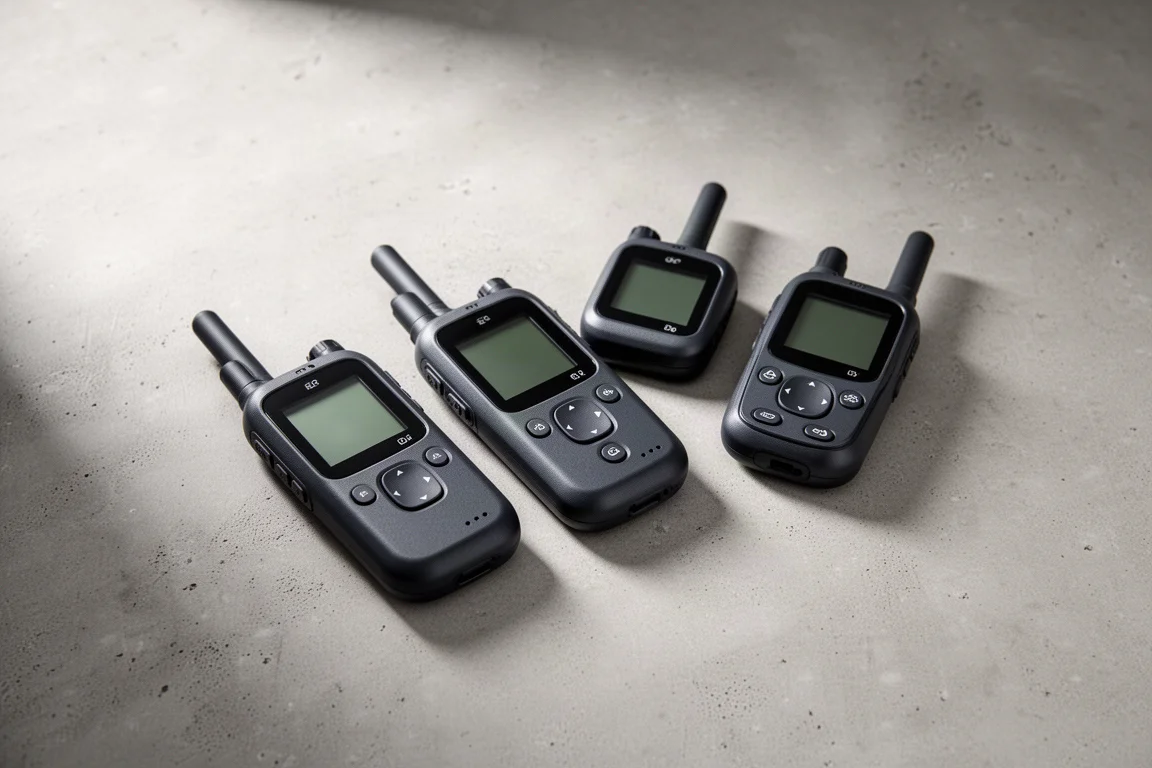
Garmin’s inReach Mini family has become the default choice for hikers, backpackers and backcountry travellers who want satellite SOS and two-way messaging in a device small enough to carry every day. The interesting question is not whether the lineup is good, but which member of it deserves your money.
The inReach Mini 2 has been on the market for almost four years and is currently available for around $250, which is roughly half the price of the most capable model in the range. The inReach Mini 3 and inReach Mini 3 Plus add real hardware changes, but they read as refinements and conveniences rather than a new way of using an inReach.

This guide walks through what each model actually adds, where those differences show up on a real trip, and when replacing a battery makes more sense than replacing the device.
What Actually Changed Across the inReach Mini Line
Every model in the lineup shares the same core inReach feature set: satellite SOS, two-way text messaging, location sharing and live tracking. The differences sit in the interface, the battery, the positioning hardware and how much data the device can push through.
The inReach Mini 2 keeps a button-driven interface, multi-GNSS positioning and the short burst data messaging system. The inReach Mini 3 adds a touchscreen, a colour display, an audible siren, simple onboard maps, voice commands, a larger battery and multiband GNSS on top of multi-GNSS. The inReach Mini 3 Plus keeps all of that and swaps short burst data for Iridium Certus, which is what allows photos and voice notes to be sent. The inReach Mini 1 delivers the same core inReach functionality without the newer conveniences.
That framing matters. If your use case is SOS and the occasional check-in message, the practical gap between the oldest and newest units is smaller than the spec sheets suggest.
Garmin inReach Mini 2: The Value Pick
The inReach Mini 2 is the model that has quietly become the default. It covers multi-GNSS positioning, two-way messaging and tracking, and its battery life is respectable enough for long day hikes and multi-day backpacking trips.
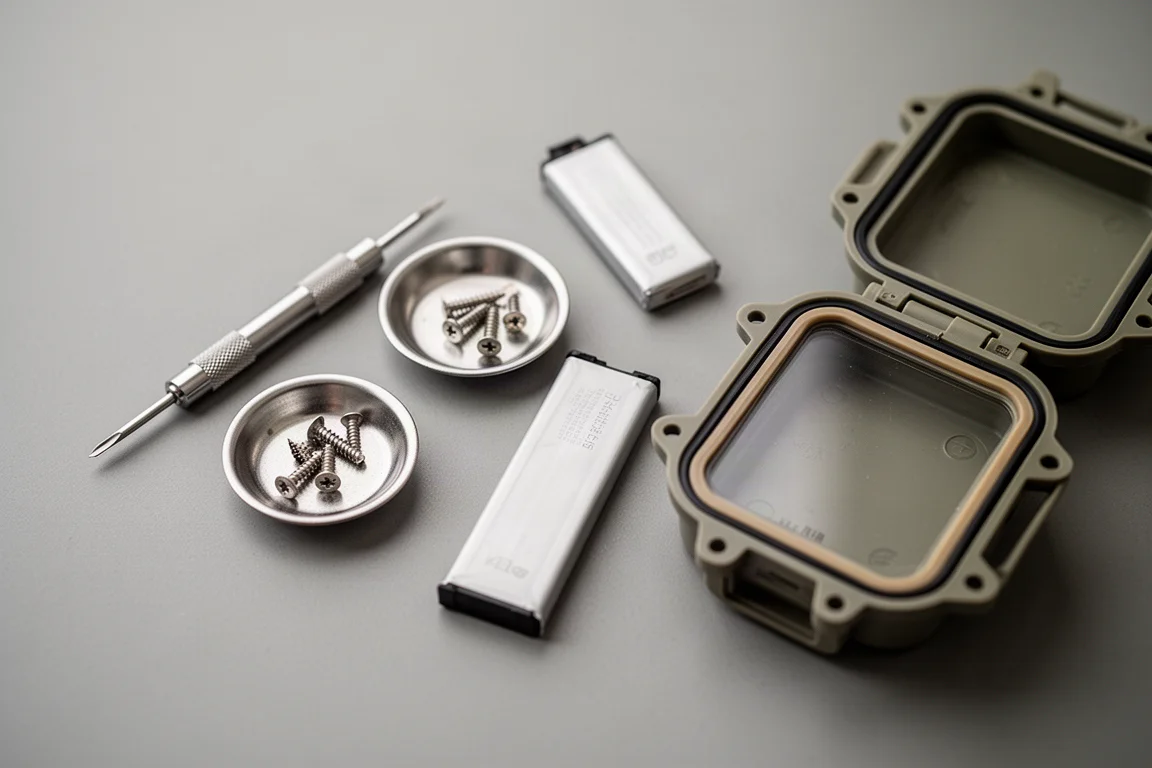
Batteries do degrade over time, and if runtime on an older unit has started to shrink, replacement kits are available that include the cell, the tools and step-by-step instructions. That route costs far less than a new device and keeps a familiar interface in your pack.
For anyone buying into the ecosystem for the first time, the inReach Mini 2 at around $250 is the straightforward recommendation. It delivers the core satellite safety features at roughly half the price of the inReach Mini 3 Plus, and the features it leaves out are conveniences rather than essentials.
Garmin inReach Mini 3: Refinements and a Bigger Battery
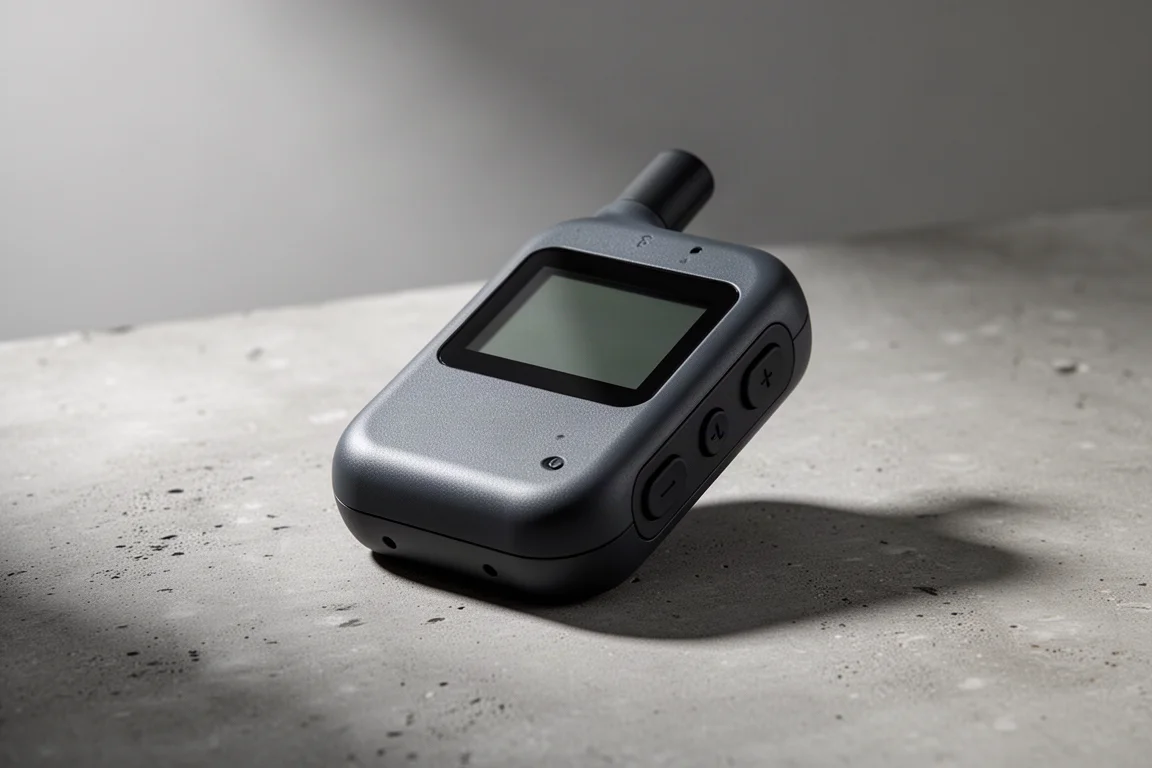
The inReach Mini 3 is the most updated unit in the family, and most of those updates are about convenience. A touchscreen makes menu navigation and message typing noticeably easier, the display is in colour, and voice commands let you operate the device without working through menus. There is also a siren that can be triggered in an emergency.
Positioning gets an upgrade as well. The inReach Mini 3 keeps the multi-GNSS support of the Mini 2 and adds multiband reception, which helps the device lock onto a fix in difficult environments such as deep canyons. In practice that translates to faster fixes rather than a different experience, and the onboard maps remain simple enough that they should not be treated as a replacement for a phone app or a dedicated mapping handheld.
The other headline change is battery capacity. The inReach Mini 3 holds more charge than the Mini 2, and if extra runtime genuinely matters for the trips you take, that alone can justify the step up. For everyone else, the core inReach features are identical and the difference in day-to-day use is modest.
Garmin inReach Mini 3 Plus: Photos, Voice Notes and More Transmit Power
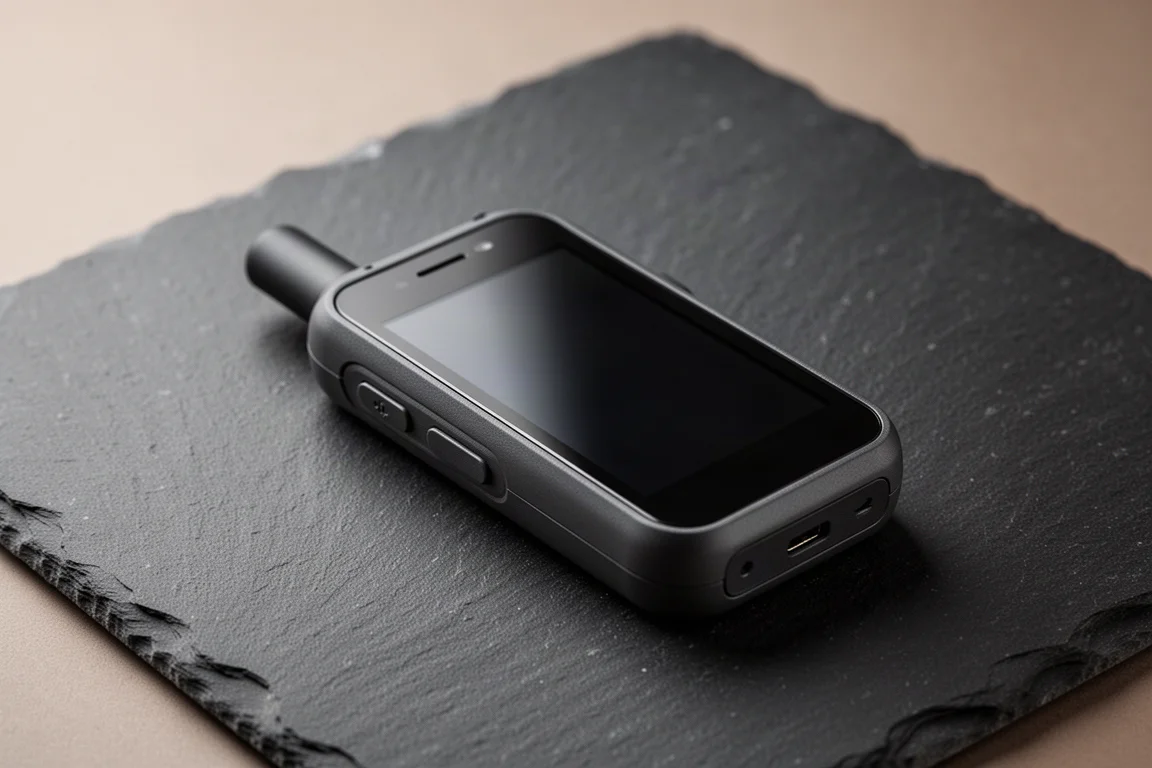
The inReach Mini 3 Plus is the only model in the lineup that changes what you can send. Instead of the short burst data system used by the Mini 2 and the standard Mini 3, it uses Iridium Certus, which supports photo attachments and voice notes.
That capability is unlikely to be part of everyday messaging, but it is genuinely useful in a bad situation. A photo of an injury sent to responders can communicate more than a typed description, and a voice note is far easier to record when you are hurt, in shock or unable to hold a device steady. On the receiving end, voice notes are transcribed so the message can be read.

The Plus also transmits at higher power than the other units. That does not make messages arrive faster, since all satellite messages travel at the same speed, but higher wattage generally does a better job of pushing a signal through heavy tree canopy. Anyone who hikes under dense cover and has struggled to get messages out may find the extra transmit power worthwhile, with the caveat that satellite messaging is variable and no device guarantees a connection.
Garmin inReach Mini 1: Still Fine for Core SOS Use
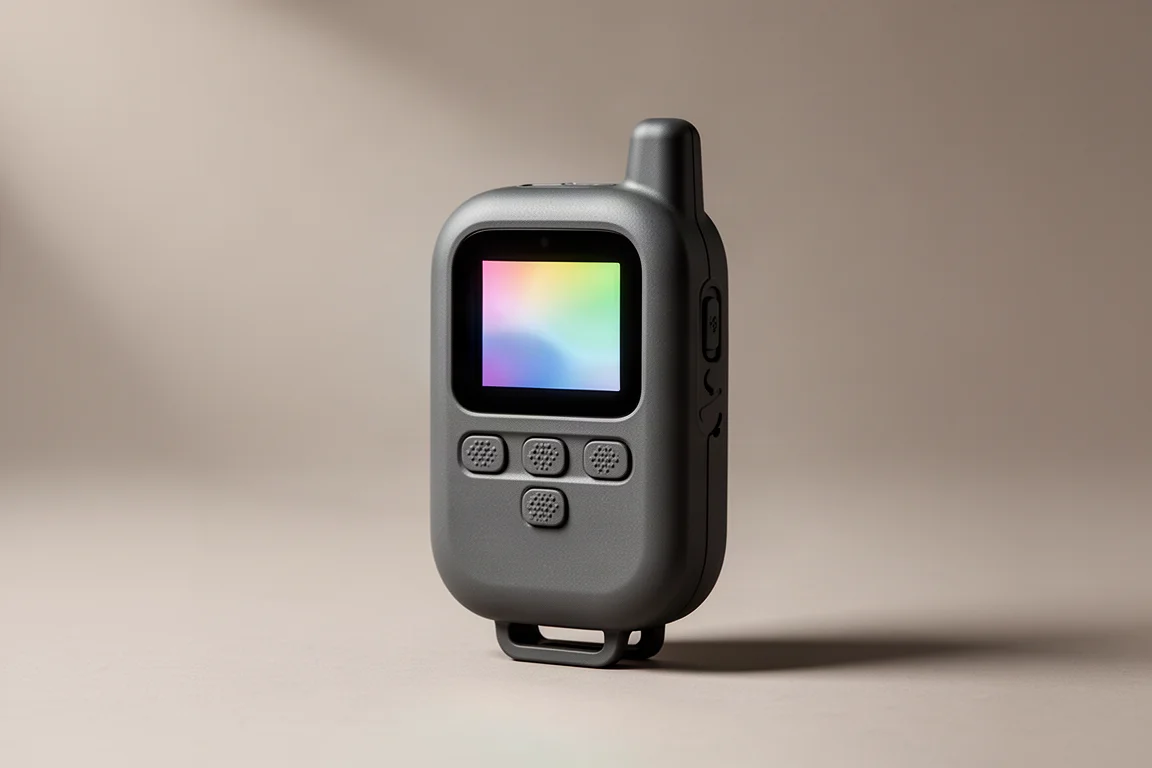
The inReach Mini 1 is the oldest unit here, and it still does the job that matters most. Its core inReach features match what you get on the inReach Mini 3: SOS, messaging and tracking work the same way, and the device will call for help when you need it.
What it lacks are the conveniences of the newer models, and those are exactly the things that are easy to live without if you only carry a communicator as an emergency backup. Battery replacement kits are available for the Mini 1 as well, so a unit with a tired cell can be brought back to useful service rather than retired.
If your only goal is to have an inReach in your pack in case something goes wrong, saving the money and keeping the Mini 1 is a reasonable decision.
Buying Advice: When an Upgrade Makes Sense
There are three situations where moving to a newer inReach Mini is easy to justify. The first is battery life: if you need more runtime than the Mini 2 provides, the larger cell in the Mini 3 is the reason to step up. The second is navigation: if the communicator is your primary navigation device rather than a backup, the multiband positioning in the Mini 3 is a meaningful addition. The third is messaging capability: if sending a photo or a voice note to responders in an emergency is worth the premium, the Mini 3 Plus is the only model that can do it.

For everyone else, the upgrade case is thin. The core inReach experience is the same across the lineup, and the touchscreen, colour display, siren and voice commands are conveniences rather than capabilities. If your current unit works and the battery is fading, a replacement kit is the cheaper fix. If you are buying new, the inReach Mini 2 at around $250 remains the better value against a Mini 3 Plus that costs roughly twice as much.
Conclusion
The inReach Mini 2 is still the model most people should buy. It covers SOS, messaging and tracking at a price that makes the rest of the lineup look expensive, and its battery life holds up for long days and multi-day trips.
Step up to the inReach Mini 3 if extra battery life or multiband positioning solves a problem you actually have, and to the inReach Mini 3 Plus if photo and voice note messaging is worth the premium for your peace of mind. If you already own a Mini 1 or Mini 2 and it still works, there is little reason to replace it, and a fresh battery may be all it needs.
Further reading
Related Reviews
Satellite Communicators
Garmin inReach Messenger vs inReach Mini 2: Which Satellite Communicator Belongs in Your Pack
A practical comparison of two compact Garmin satellite communicators, covering navigation, screen size, battery life, reverse charging and price.
Satellite Communicators
Garmin inReach Messenger vs Zoleo: Which Satellite Communicator Is Right for You?
A practical comparison of two satellite communicators, covering price, battery life, messaging, apps, satellite coverage, and standalone SOS use.
Satellite Communicators
Garmin inReach Mini 2 vs inReach Mini: Is the Newer Satellite Communicator Worth It?
A practical comparison of the Garmin inReach Mini 2 and the original inReach Mini, covering battery life, USB-C charging, navigation, app support, and upgrade advice.