Satellite Communicators
Garmin inReach Mini 2 Review: Still Worth Buying After Three Years?
A practical look at the Garmin inReach Mini 2 after years of trail use, covering durability, battery behavior over time, app support, plan flexibility, and who should buy it.
Introduction
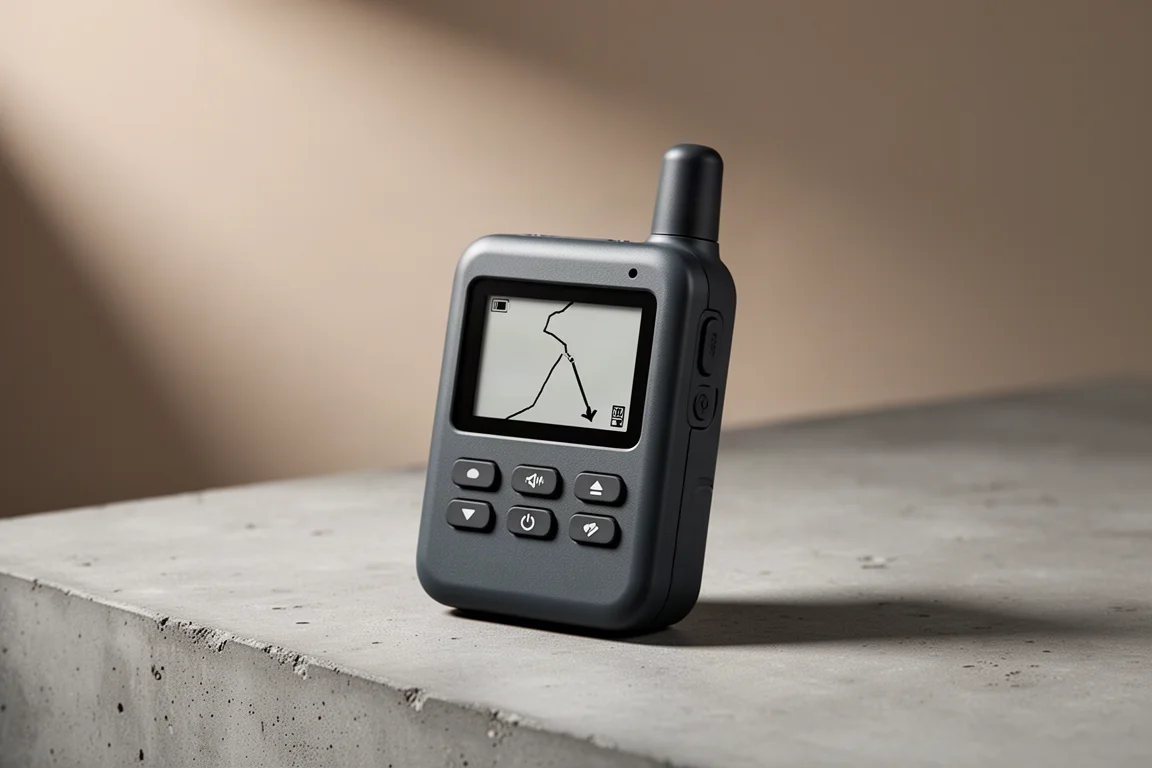
The Garmin inReach Mini 2 arrived in February 2022, and roughly three years of regular trail use later it is still the device that tends to get packed first. The housing has held up remarkably well over thousands of miles, and the overall package, a light, rugged satellite communicator paired with flexible service plans, is hard to beat for anyone who spends real time outside cell coverage.
The question worth answering is whether it still makes sense to buy one now. The short answer is yes, with a few conditions that depend on what you expect from it.
Who This Product Is For
The Mini 2 is aimed at hikers, backpackers, and outdoor travelers who want a dedicated way to trigger an SOS and exchange two-way messages when there is no phone signal. At around 100 grams it is small enough to clip onto a pack strap and forget about, which matters more than it sounds: the device you actually carry is the one that helps you.
It also works best as part of a layered setup. Many people keep using a phone for routine messaging and treat the Mini 2 as the dependable link for emergencies, or for the situations where a phone battery is flat or the phone itself is not built to survive a hard drop onto rock.

That division of labor is the main reason the Mini 2 stays relevant. It is not trying to replace your phone for everyday texts, and it does not need to.
Main Strengths
Durability is the first thing that stands out. After years of use the housing looks close to how it did when new, and that resilience is the foundation for everything else the device does.
Weight and size come next. At roughly 100 grams, the Mini 2 disappears into a pack, and the clip makes it easy to keep within reach without digging through a bag.
Garmin has also kept the firmware moving. Updates have fixed issues and added functionality, including support for the Garmin Messenger app, which allows settings to be controlled from a phone in ways the older Garmin Explore app did not. Features such as Sight ‘N Go and Back to Start have arrived through firmware as well.
Finally, reliability. Among satellite communicators, the Iridium-based Garmin devices have proven the most consistent in practice, which is the quality that matters most when the device is your emergency link.
Durability and Battery Life Over Time
The exterior of the Mini 2 has aged extremely well, but the battery is the one component that changes with time, as it does in any device used for years. Expect noticeably less runtime than a fresh unit delivers, and be cautious about second-hand listings where the battery may already be well into its decline.
A new unit should deliver strong battery life, and even a well-used one can still cover a long day hike or a couple of days of backpacking without much worry.
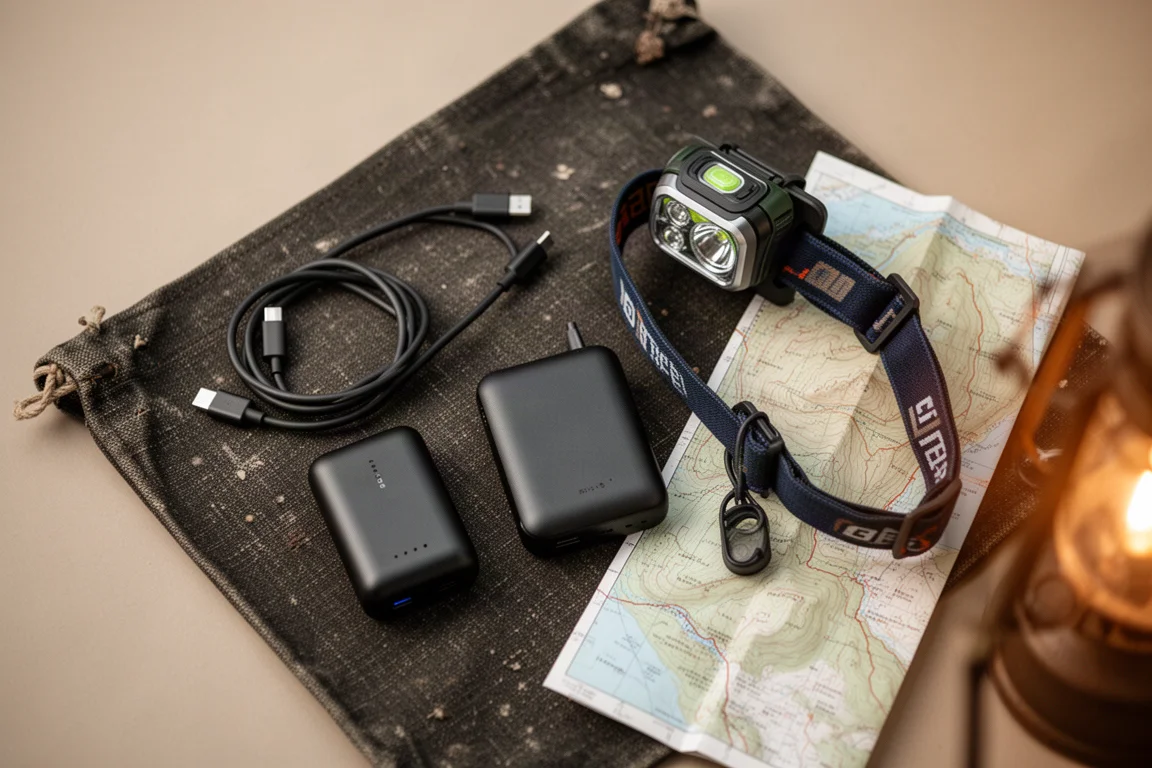
Battery capacity is not a trivial detail here. If a medical situation requires back-and-forth messaging, or if weather keeps rescuers from reaching you for days, runtime is what keeps the line open.
Apps, Plans, and Firmware Support
Two Garmin apps matter for the Mini 2. The Messenger app handles messaging, device settings, and plan information. The Explore app covers navigation, including offline and topographic maps that can be downloaded for a trip. The split across two apps is not elegant, but it is workable once you know which one does what.
Service plans have changed considerably since launch, and the current structure is friendlier for occasional users. There is a one-time activation fee, then a monthly plan. The Enabled plan costs around $8 per month in the United States and lets you hit SOS, with messages, tracking points, and weather reports billed as you use them. Suspending service for up to 12 months is also possible, which suits seasonal users who only need coverage part of the year.
Garmin shaped these plans to compete with phones that now offer free messaging and free satellite SOS. The distinction is that a phone is not a rugged outdoor instrument, and a cracked screen or a dead battery removes the safety net entirely.
Backup Navigation and the Wider Garmin Ecosystem
The Mini 2 is not a primary navigation device, but it is a capable backup. Courses can be loaded through the Explore app and followed on the small screen when needed.
For trips where conditions are poor and phone navigation feels risky, a larger handheld such as the Garmin GPSMAP 67i is the better tool. It ships with maps and a large color screen that supports on-the-fly navigation, but it is also considerably bigger and bulkier, which is why it tends to stay home on ordinary days. A watch with maps and routing, such as the Fenix 8, adds another layer.
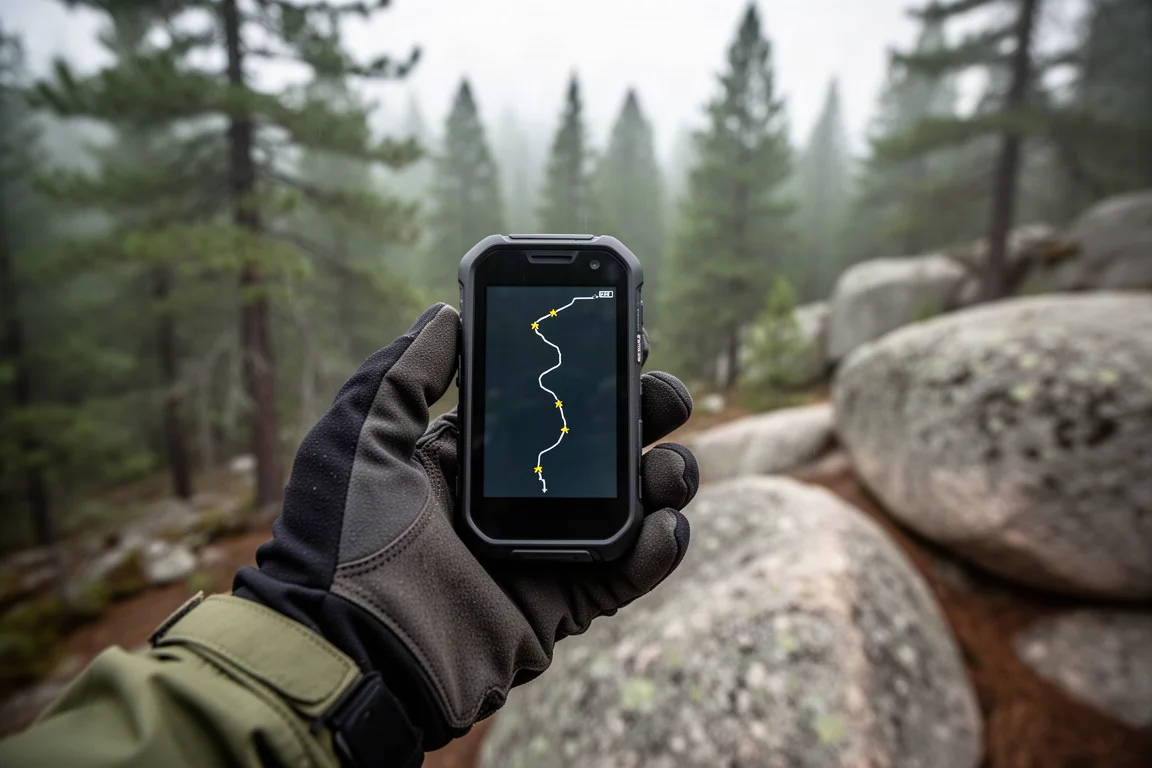
Taken together, a phone and a Mini 2 provide redundancy in satellite communication, SOS, and navigation, with the watch covering offline routable navigation as a further backup.
Things to Consider Before Buying
The screen is small, and while it is workable, it will not appeal to anyone who wants to browse maps comfortably on the device itself. The controls are easier to use than those on the Garmin Messenger device, but it is still a compact interface.
Satellite communication has physical limits. Heavy tree canopy and deep canyons are challenging for any satellite communicator, including this one, so expectations should be realistic about where a signal will get through.
Battery aging is a genuine long-term consideration, especially for used units.
And if you are certain you never want navigation features, the Garmin Messenger is cheaper and covers the core messaging and SOS role.
Buying Advice
Buying new is the safer route, mainly because the battery will be at full health and you will get the runtime the device was designed to deliver. Given how often the Mini 2 is discounted, it is worth watching for a sale rather than paying list price.
On the service side, the Enabled plan at around $8 per month keeps ongoing costs low for people who only send occasional messages, and the option to suspend service for up to 12 months makes it practical for seasonal use.

If your trips are short and close to coverage, a phone may be enough. If you go far enough that a failed phone would leave you without a way to call for help, the Mini 2 earns its place in the pack.
Conclusion
The Garmin inReach Mini 2 is still a strong buy. Its durability, low weight, and continued firmware support have kept it competitive, and the current plan structure makes it easier to justify for people who only need coverage part of the year.
The main caveats are the small screen, the battery aging that comes with any device of this age, and the fact that satellite signals are never guaranteed in dense cover or deep terrain. Weigh those against the reliability it has shown over years of use, and the recommendation is straightforward for anyone who spends meaningful time beyond cell coverage.
Product link
View more details for Garmin inReach Mini 2
This product is mentioned in the review. Check the specifications, options, and compatibility before buying.
View more details for Garmin inReach Mini 2Further reading
Related Reviews
Satellite Communicators
Garmin inReach Messenger vs inReach Mini 2: Which Satellite Communicator Belongs in Your Pack
A practical comparison of two compact Garmin satellite communicators, covering navigation, screen size, battery life, reverse charging and price.
Satellite Communicators
Garmin inReach Messenger vs Zoleo: Which Satellite Communicator Is Right for You?
A practical comparison of two satellite communicators, covering price, battery life, messaging, apps, satellite coverage, and standalone SOS use.
Satellite Communicators
Garmin inReach Mini 2 vs inReach Mini: Is the Newer Satellite Communicator Worth It?
A practical comparison of the Garmin inReach Mini 2 and the original inReach Mini, covering battery life, USB-C charging, navigation, app support, and upgrade advice.