Satellite Communicators
Garmin inReach Messenger vs inReach Mini 2: Which Satellite Communicator Fits Your Adventures
A side-by-side look at Garmin's inReach Messenger and inReach Mini 2, covering battery life, messaging, tracking, SOS, and how both compare with iPhone satellite messaging.
Introduction
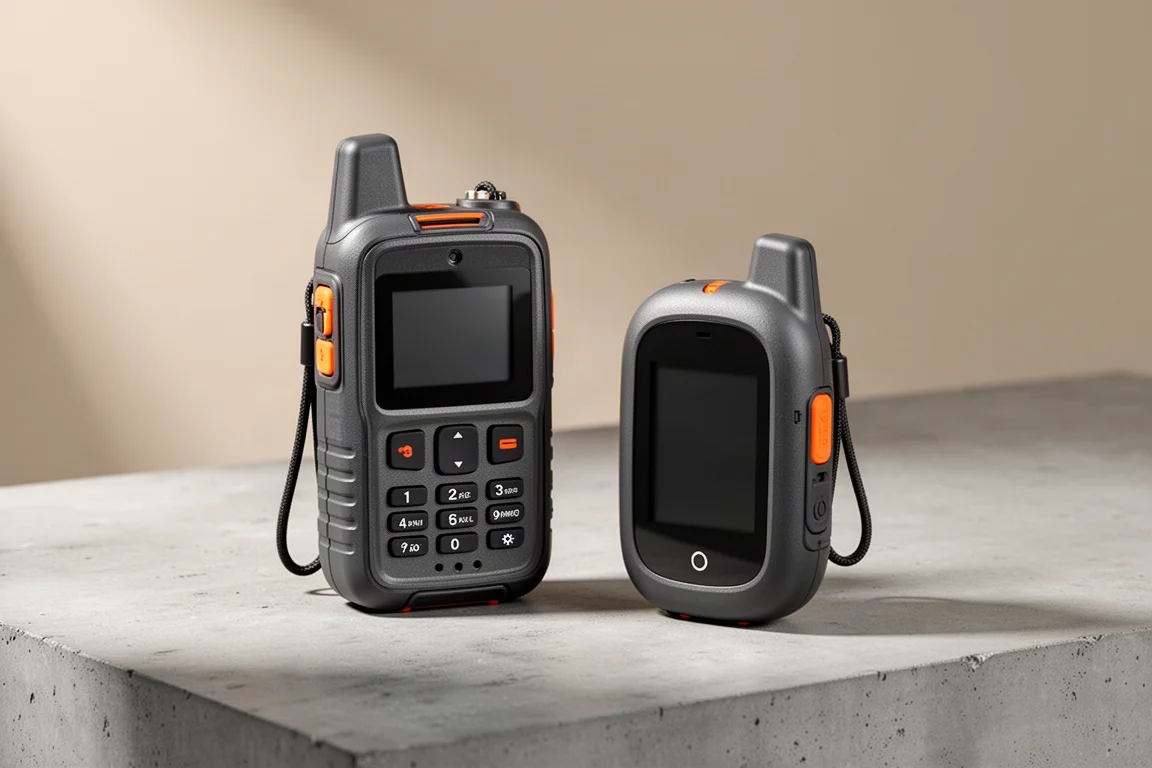
Garmin has a new entry in its satellite communicator line with the inReach Messenger, joining the long-running inReach family that includes the popular inReach Mini 2. Both devices are built for places with no cellular coverage and no Wi-Fi: long treks, backcountry camping, open water. This comparison walks through what each device does well, where they differ, and which type of traveler each one suits.
Why a Satellite Communicator Matters
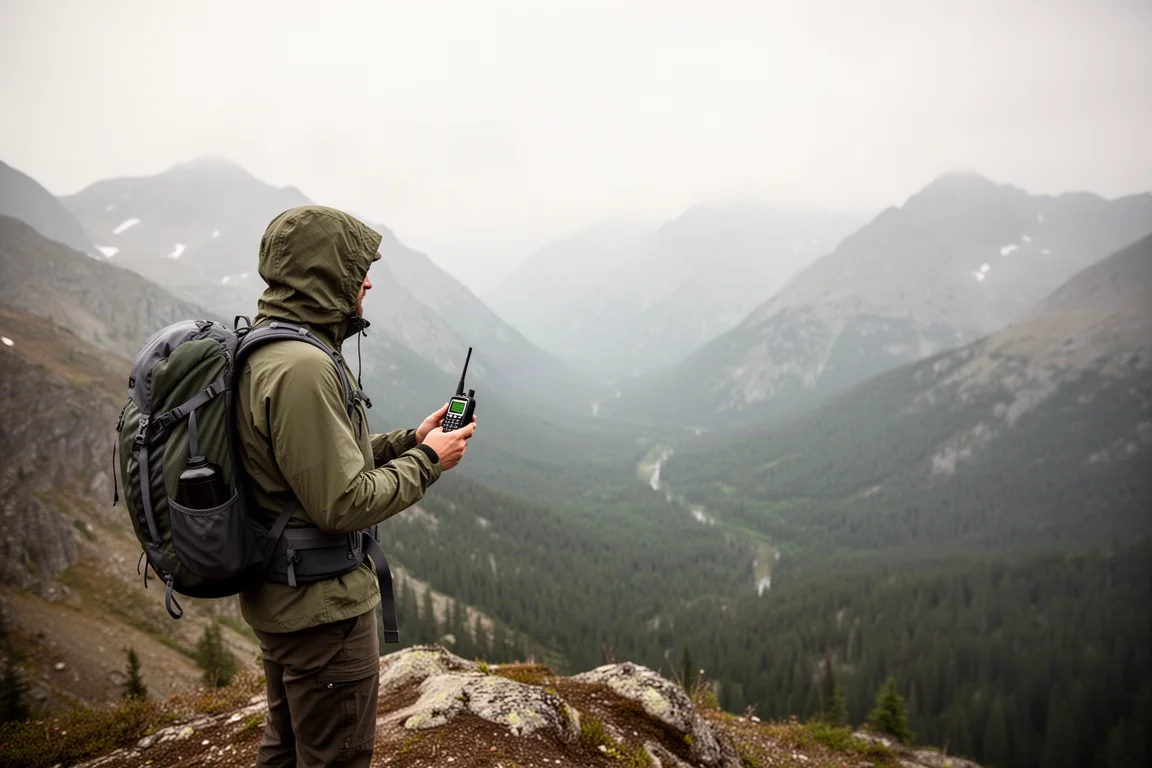
These devices exist for one reason: staying reachable when every other connection fails. Beyond sending check-in messages and location updates to friends and family, both inReach devices include a dedicated SOS button under a protective cap. Pressing it connects you to an emergency response center that coordinates a rescue wherever you are in the world, whether that means sending a helicopter or dispatching the Coast Guard.
That capability comes with a subscription, roughly $12 per month on an annual plan up to $65 per month on a monthly plan with all features enabled. It is a real ongoing cost, but it is what makes global SOS coverage and two-way messaging possible.
What the Two Devices Share
The Messenger and the Mini 2 are more alike than different at their core. Both support quick messages such as “checking in” or “heading out for the day,” and both let you type longer custom messages either on the device itself or by pairing a smartphone over Bluetooth. Each has an SOS button hidden under a hard plastic cap on the side, and both charge over USB-C.
Garmin inReach Messenger
The Messenger’s headline advantage is battery life, roughly double that of the Mini 2: up to 28 days in 10-minute tracking mode versus 14 days, and up to 46 days at 30-minute intervals versus 30 days. For multi-day trips where recharging is impractical, that margin matters.
It also introduces the new Messenger app, which consolidates all messaging into a single interface and seamlessly switches between cellular and satellite connectivity, always choosing the cheapest network available. That app is coming to other inReach devices as well, including the Mini 2. Another neat trick: the Messenger supports reverse charging, so you can plug your phone in and top it up just enough to send a longer message or load maps. Reverse charging runs in 20-minute sessions and shuts off below 25 percent battery so the device can still send an SOS.
Garmin inReach Mini 2
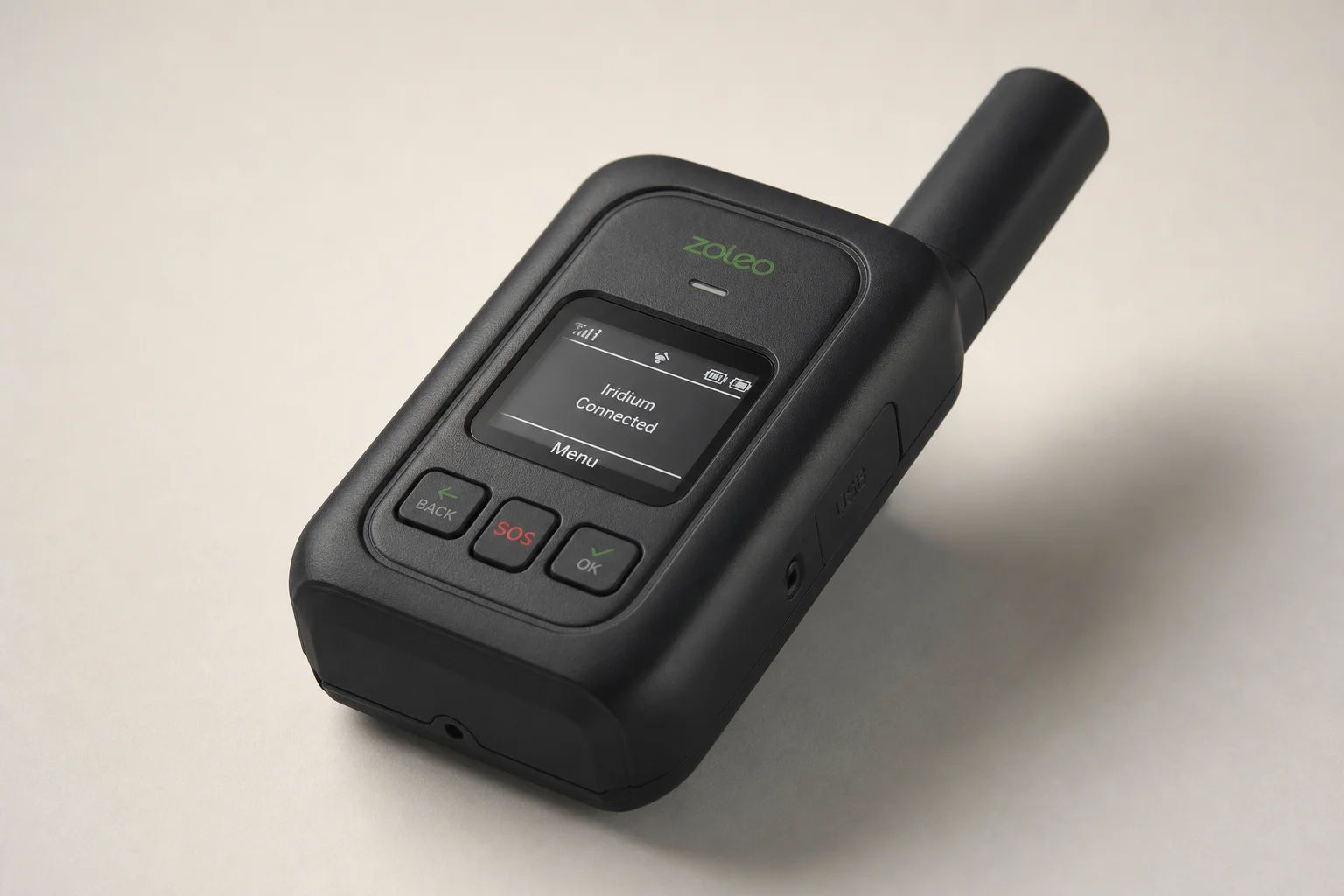
The Mini 2 takes a different trade. It gives up some battery life but can load a course and navigate with it, which is genuinely useful for following a planned route through the woods. It is not a full navigation solution, but it worked fine on an eight-day trek and covers a use case the Messenger does not.
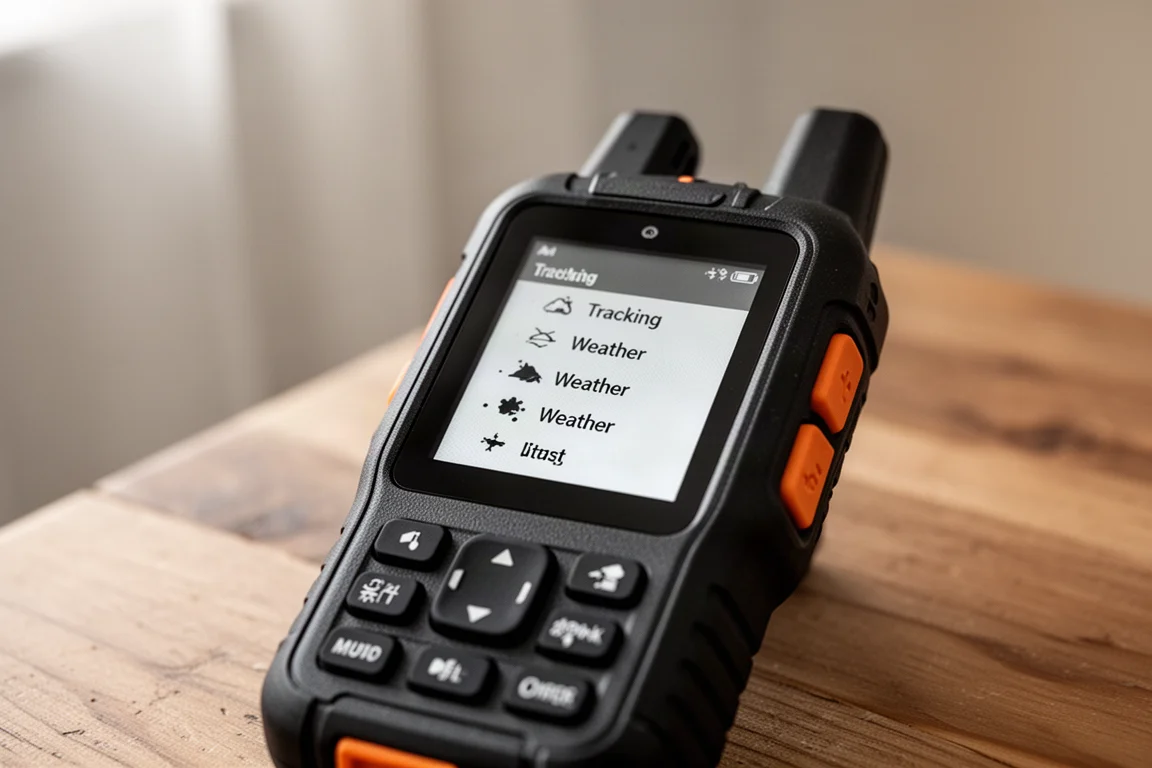
It benefits from the same ecosystem: the Messenger app and its cellular-to-satellite handoff will arrive on this device too, and it supports the same SOS, tracking, and messaging core. If you want the lightest possible package with a bit of route guidance, this remains the stronger pick.
Using the Messenger Standalone
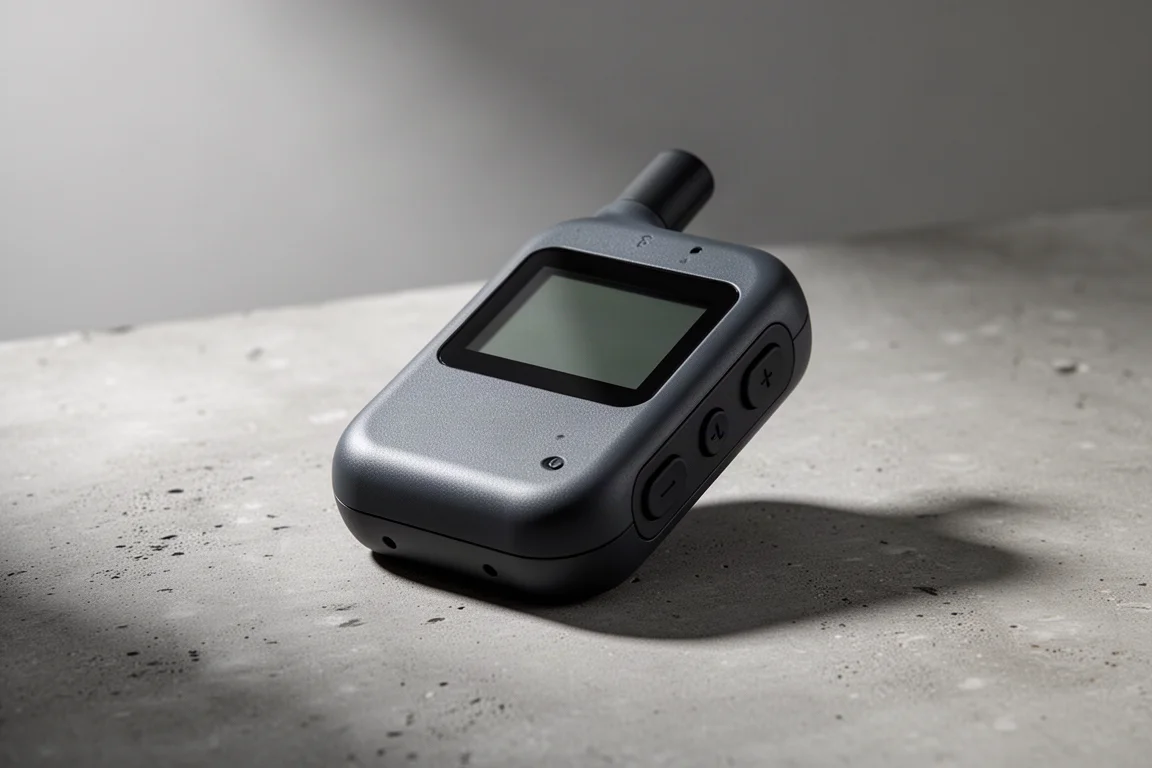
The Messenger works entirely without a phone. Its buttons let you open messages, toggle tracking, request weather forecasts (basic or advanced depending on your plan), and use TrackBack, which guides you back toward your starting point using recorded tracking points. You choose whether to retrace your actual path or head back in a straight line, and you can see the time and distance to any saved point.
Typing on the device is possible but slow. The OK-button shortcut menu handles the essentials: check in with your last contact, stop tracking, check for messages, and view your coordinates. It is deliberately simple, which is exactly right for a device like this.
The Messenger App Experience
The companion app moves the fiddly parts onto your phone screen over a Bluetooth connection, and it works fine in airplane mode. From the app you can adjust the tracking interval anywhere from every two minutes up to every four hours, enable auto-track when the device powers on, and connect a Garmin watch or cycling computer to control the device remotely.
The standout feature is the connectivity switch. On cellular, messages go out over the internet instantly; switch to airplane mode and the same message routes over satellite within seconds, even under light tree cover. The app also supports group messaging, ideal for a large party traveling together, and the SOS initiation is there too, connecting to Garmin’s emergency response center, which coordinates with local agencies.
inReach vs iPhone Satellite Messaging
Apple’s emergency SOS via satellite on the iPhone 14 is impressive and will save lives, but it solves a different problem. The inReach platform is fully global and works anywhere, while Apple’s feature is initially limited to the United States and parts of Canada. InReach lets you message anyone with custom long or short texts; the iPhone option is emergency-only, with Find My as the sole casual location-sharing option, showing a current position but no tracking history or shareable progress link.
Positioning is another gap. Apple’s own guidance is cautious about finding and holding the satellite connection, even in light tree cover, while the inReach device connects readily as long as it is not buried or upside down. The flip side: inReach requires a recurring subscription that can be paused seasonally, and Garmin’s plan structure is needlessly complex, with consumer and pro tiers, multiple styles, and per-message pricing that can scare off casual buyers.

A practical framing: someone who drives to a remote cabin in Newfoundland a few times a year is perfectly served by an iPhone’s free emergency satellite option. Someone who travels across continents and goes deep into the mountains needs the global coverage, tracking links, and flexible messaging that inReach provides. They overlap, but they target different people, and that is unlikely to change for several years.
Buying Advice
Pick the inReach Messenger if battery life and the new consolidated app matter most, especially for long trips where you will not recharge. Pick the Mini 2 if you want the smaller, lighter device and value on-device course navigation. Either way, factor in the subscription cost and consider pausing it during months you are not traveling.
Conclusion
The inReach Messenger is a battery-life-focused messaging device with clever touches like reverse charging, while the Mini 2 remains the compact all-rounder with basic navigation. Both deliver the core inReach promise of global two-way messaging and coordinated SOS rescue, something no phone currently matches. Match the device to how often and how far you go off-grid, and the choice is straightforward.
Further reading
Related Reviews
Satellite Communicators
Garmin inReach Messenger vs inReach Mini 2: Which Satellite Communicator Belongs in Your Pack
A practical comparison of two compact Garmin satellite communicators, covering navigation, screen size, battery life, reverse charging and price.
Satellite Communicators
Garmin inReach Messenger vs Zoleo: Which Satellite Communicator Is Right for You?
A practical comparison of two satellite communicators, covering price, battery life, messaging, apps, satellite coverage, and standalone SOS use.
Satellite Communicators
Garmin inReach Mini 2 vs inReach Mini: Is the Newer Satellite Communicator Worth It?
A practical comparison of the Garmin inReach Mini 2 and the original inReach Mini, covering battery life, USB-C charging, navigation, app support, and upgrade advice.