Sleep Trackers
Garmin Index Sleep Monitor: What Happens When You Wear It 24/7
We ran a full-day experiment using the Garmin Index Sleep Monitor as the only wearable on a Garmin account, with the watch powered off entirely. Here is what worked, what did not, and who this band is actually for.
Introduction
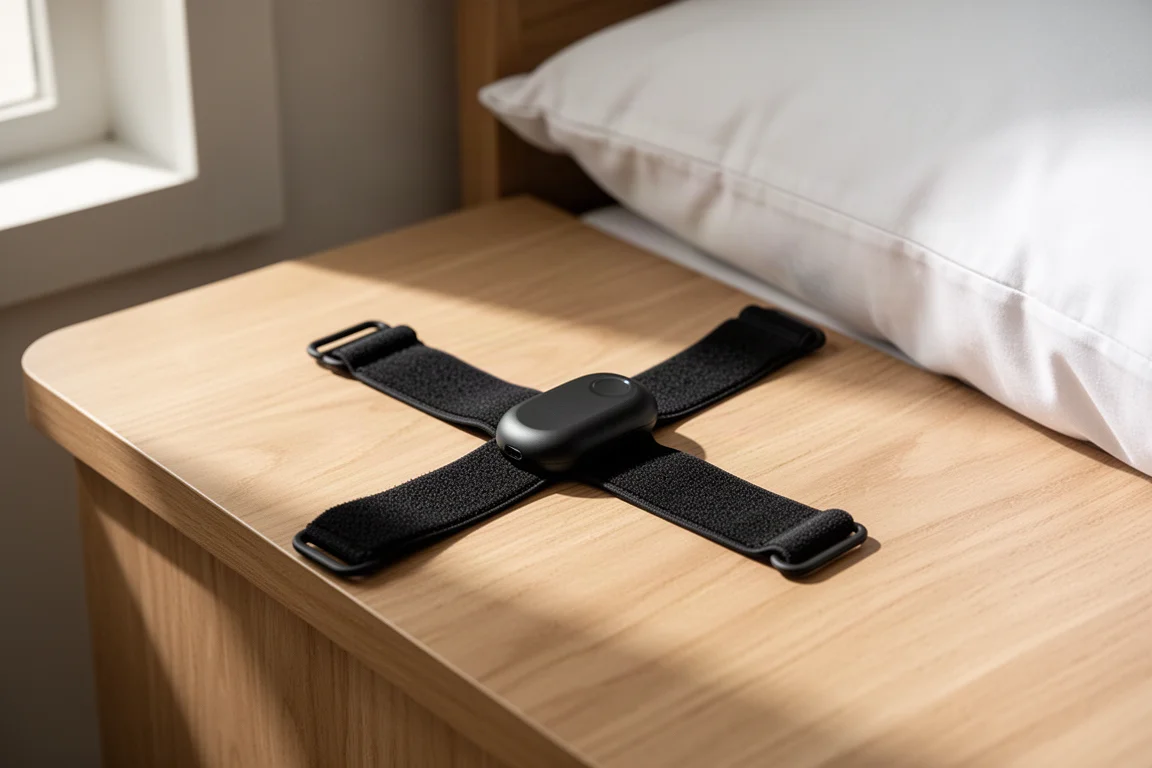
Most sleep trackers ask you to compromise somewhere. The Garmin Index Sleep Monitor is designed to remove one specific compromise: it is for people who do not want to wear a Garmin watch to bed but still want their sleep metrics consolidated into their Garmin Connect account. It handles that core job well.
The bigger question many people ask is what happens if you wear it around the clock. Could you skip the Garmin watch entirely and use just the band to backfill your account with steps, calories, heart rate, sleep, and everything else? We ran that exact experiment: a full day with the band on and the Garmin watch powered off completely, contributing nothing to the account. The results were more complete than expected, with a few important gaps worth understanding before you buy.
The Experiment: One Band, No Watch
The test started just before midnight with the band charged to 100% and the Garmin watch powered off entirely. That distinction matters. In Garmin’s ecosystem, one device is designated the primary wearable, and it calculates advanced training metrics like training readiness and training status. With the watch off, none of those calculations could happen.
An Apple Watch on a completely separate phone and account was present nearby but contributed no data. From midnight through the morning, the band was worn continuously. Within about 20 minutes of waking around 7:30 a.m., the Garmin Connect app had automatically calculated sleep with no manual input.
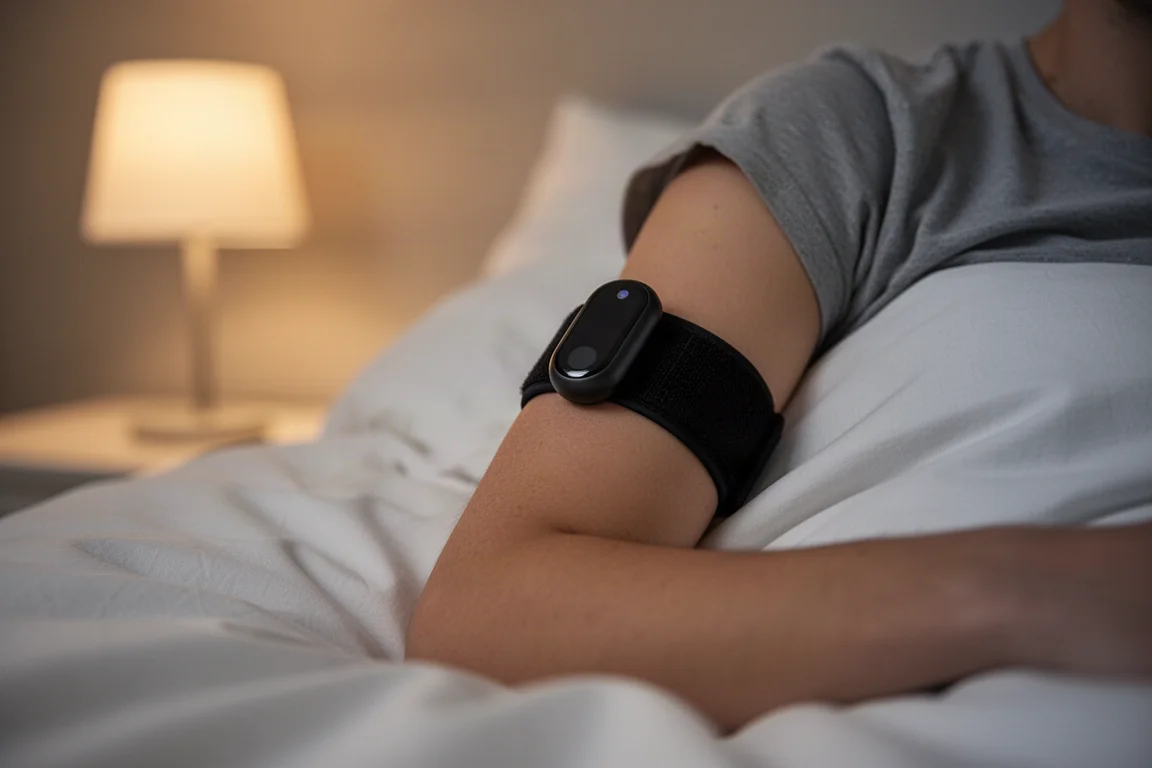
One small quirk surfaced with the vibration alarm. The 7:55 a.m. alarm snoozes with a double tap, and dismissing it fully meant briefly sliding the band halfway down the arm, which turns the alarm off automatically, then sliding it back on. It works, but it is a slightly awkward interaction.
What the Band Did During the Day
The morning included a short but intense sprint race, roughly a 60-second hard effort with an elevated heart rate for a while afterward. The heart rate spike did show up in the account a couple of hours later, though it did not reach peak heart rate values, more on that later.
By midday, with the watch still fully off, the picture was surprisingly rich. Calories came in, including both active and passive calories. Pulse ox, or SpO2 data, arrived, along with respiration rate reported on the hour with highs and lows. Continuous heart rate, stress data, and body battery all flowed through normally.
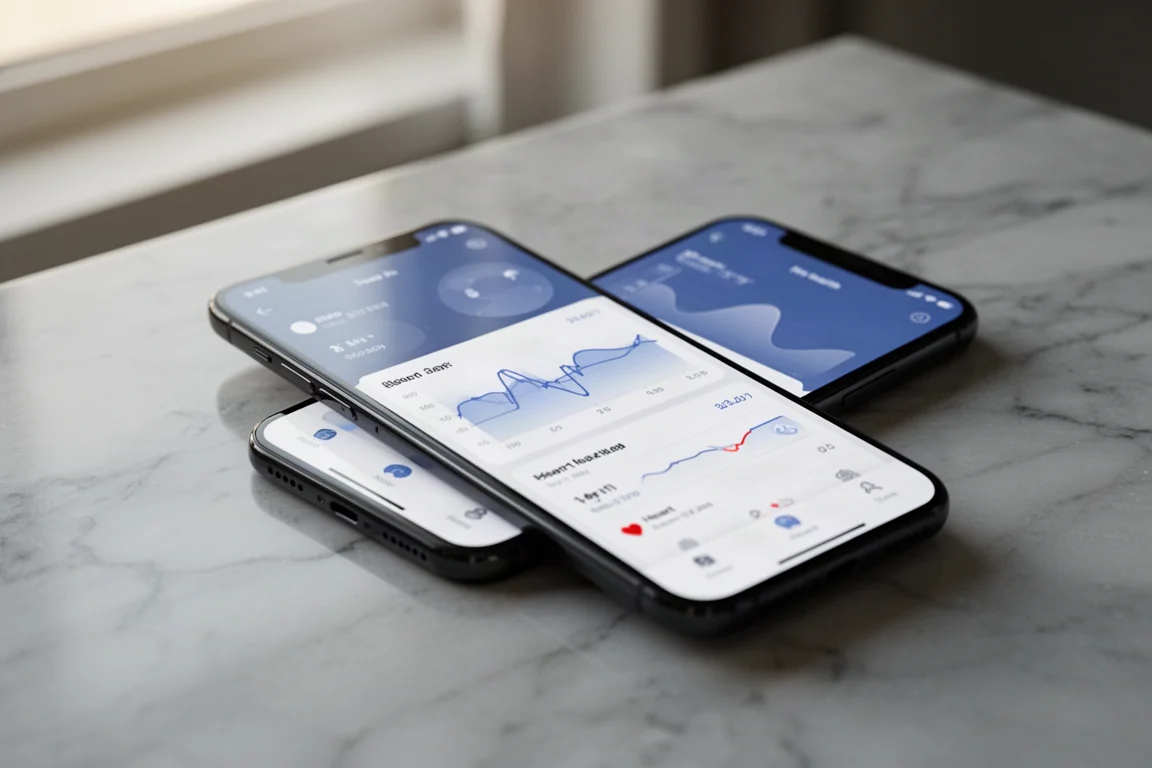
What did not arrive? Steps, stairs, and intensity minutes were all flatlined at zero, despite the band clearly containing the motion sensors needed for sleep phase detection. No trending readiness score appeared either, since that calculation requires a powered-on primary wearable. No activities were automatically recognized on the calendar either: no walks, runs, or rides. For most people, the missing steps are the most noticeable gap, and it seems like a deliberate software choice rather than a hardware limitation.
Water Resistance and Everyday Comfort
The afternoon was a real-world durability test: five-plus hours at the beach, in and out of sea water, with occasional dives wearing borrowed goggles. The band showed no problems underwater at all.
According to the manual, the band is water resistant to 50 meters, so swimming and everyday water exposure are non-issues. Comfort also held up well. Even after a workout and a dip in chlorinated water, the band did not develop any odor, which compares favorably to some other fabric-based wearables that tend to retain smells.
Workout Accuracy: The Trainer Ride Test
The evening closed with about 40 minutes on an indoor trainer, including hard sprints. The workout was never saved in the training app, so the Garmin account had no awareness a workout was happening. A separate device on a different system recorded a max heart rate of 176 beats per minute during the same session.
The Garmin Index recorded the elevated heart rate period but peaked far lower, in the 140s to 150s range, bunching values into roughly two-minute intervals. The reason is straightforward: when you are not in a dedicated workout mode, the optical heart rate sensor runs at reduced power to preserve battery across the whole day. Garmin effectively read the session as a low-intensity effort, and calories for the day ran a bit low as a result, since the higher heart rate values that would drive a bigger burn were not being captured.
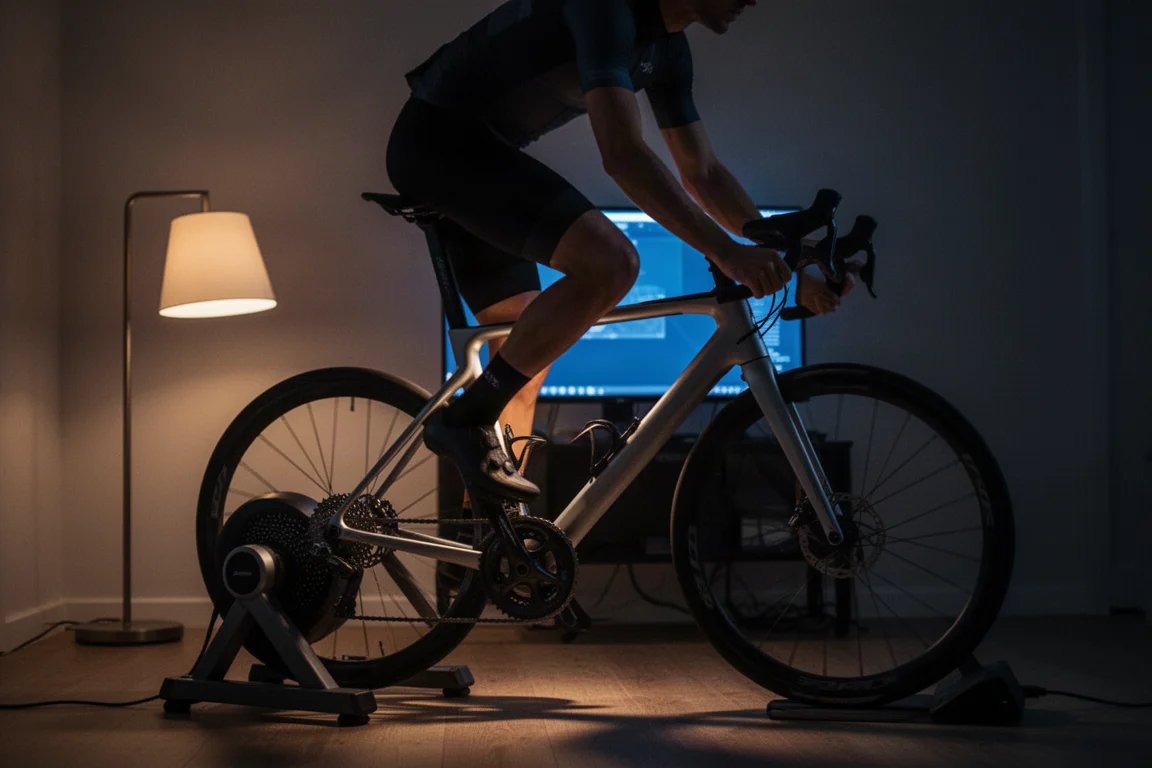
That limitation is inherent to a sleep-first design. Competing bands that are optimized for 24/7 wear scale their sensor accuracy up when they detect a workout and back down afterward. The Garmin Index does not, because it was never built for that role.
Battery Life and Sync Behavior
Battery drain was remarkably consistent through the entire test: almost exactly 1% per hour. That works out to roughly four days of continuous 24/7 wear. In sleep-only mode, the stated battery life is around seven days, and testing confirmed that figure holds true.
The most interesting moment came near 11 p.m., when the powered-off Garmin watch was switched back on and synced. The instant the sync completed, the trending readiness score updated in Garmin Connect. The moment the primary wearable rejoined the account, the missing metric appeared immediately.
Garmin has indicated that the higher 24/7 drain is largely due to pulse ox monitoring running continuously, which consumes significantly more battery. A purpose-built 24/7 band would presumably manage this more intelligently, scaling sensor load up during workouts and down during easy activity.
The Bottom Line
So is the Garmin Index a capable all-day tracker in disguise? Surprisingly close. It handles everything except three core things: steps, intensity minutes, and watch-dependent calculations like training readiness and training status. Those gaps exist because the band cannot be designated as a primary wearable, not because the hardware cannot do the work.
It also does not transmit as a Bluetooth heart rate monitor to other devices, despite carrying a modern optical heart rate sensor. Technically possible, but not enabled today.
None of this changes what the product actually is: a well-executed sleep monitor for people who refuse to wear a watch to bed. But it also shows how far along Garmin would be if it ever built a screenless 24/7 band in the style of Whoop. The hardware foundation is clearly there. Until then, buy the Index for what it is named, a sleep monitor, not an all-day monitor.
Conclusion
If your goal is accurate, effortless sleep data flowing into your Garmin account without wearing a watch overnight, the Garmin Index Sleep Monitor delivers. If you were hoping for a full Whoop-style replacement, you will notice the missing steps, intensity minutes, and training metrics right away. For its intended purpose, it works exactly as promised, with battery life to match.
Product link
View more details for Garmin Index Sleep Monitor
This product is mentioned in the review. Check the specifications, options, and compatibility before buying.
View more details for Garmin Index Sleep MonitorFurther reading
Related Reviews

Backpacking Gear
Building a 10 lb Base Weight: An Ultralight Backpacking Gear List
A practical walkthrough of the ultralight pieces behind a 10 lb base weight, from a 765 g pack and a roomy one-person tent to a full camp chair and a dependable water filter.

Road Bikes
10 New Road Bikes Worth Watching: Aero, Titanium, Steel and Endurance Standouts
A practical roundup of 10 new road bikes, from aero flagships chasing single-watt gains to titanium, steel and endurance platforms built for real roads.
Bikepacking Gear
11 Bikepacking Essentials for Long-Distance Cycling
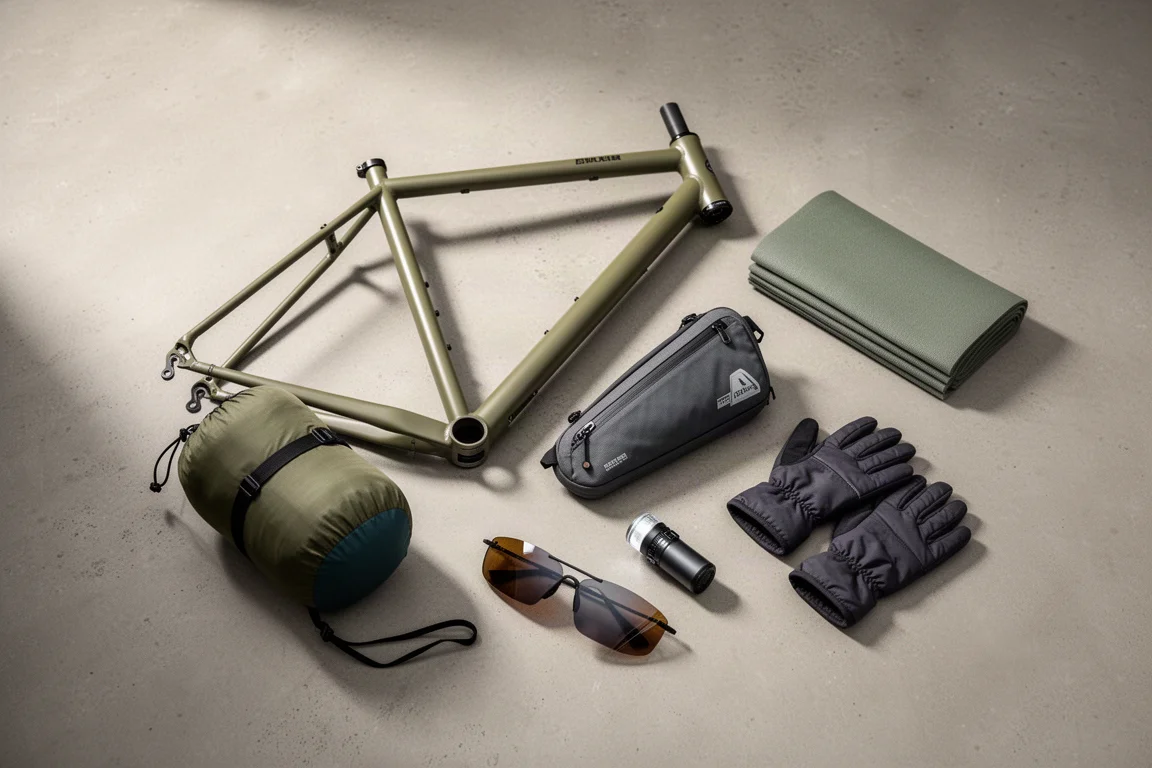
Eleven bikepacking essentials for long-distance cycling, from a steel gravel frame and a two-person tent to helmet lights, packable gloves, and a frame bag that puts weight in the right place.